-
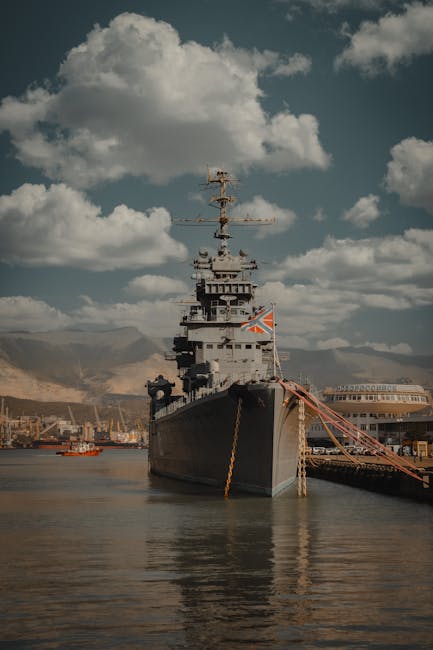
Exercise Name: Naval Exercise INDRA-2025
-
Edition: 14th
-
Participating Nations: India and Russia
-
Dates: March 28 to April 2, 2025
-
Location: Chennai (Harbour Phase) and Bay of Bengal (Sea Phase)
-
Phases:
- Harbour Phase: Expert exchanges, ship visits, sports in Chennai.
- Sea Phase: Tactical maneuvers, anti-air operations, helicopter landings in the Bay of Bengal.
-
Participating Ships: Russian
ships Pechanga, Rezkiy, Aldar Tsydenzhapov; Indian warships Rana, Kuthar, and P-8I aircraft. -
Objective:
- Enhance interoperability to counter maritime threats.
- Promote global peace and stability.
- Strengthen joint operations.
- Reinforce India-Russia defence ties.
- Enhance collective maritime security.
- Show commitment to rules-based maritime order.
-
Activities: Coordinated maneuvers, simulated engagements, exchange of best practices.
-
Significance:
- Cornerstone of India-Russia defence relations since 2003.
- Demonstrates shared commitment to maritime security.
- Addresses contemporary maritime security challenges.
- Fosters understanding of operational doctrines.
- Enhances the ability to operate seamlessly in complex maritime environments.
10.04.25
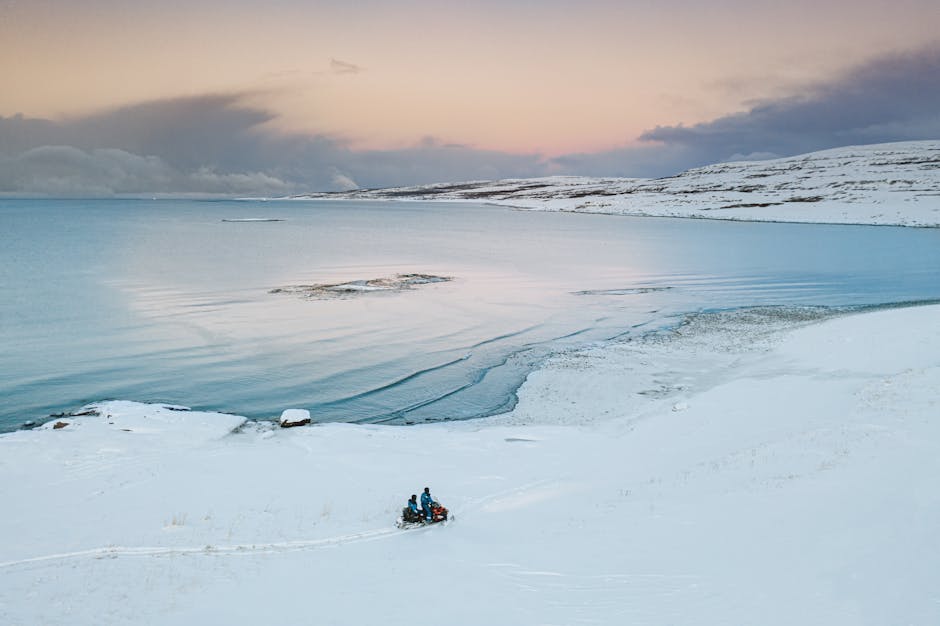
Arctic Biome
-
Arctic Tundra as a Carbon Source: The Arctic Boreal Zone (ABZ), including the Arctic tundra, is shifting from a carbon sink to a carbon source due to increased wildfires and permafrost thaw.
-
NOAA’s 2024 Arctic Report Card: Confirms that frequent fires and fossil fuel pollution are turning the Arctic tundra into a carbon source.
-
Nature Climate Change Study (2025): Found that over 30% of the ABZ has
stopped sequestering carbon and is now releasing it. -
Permafrost Thaw: Rising temperatures cause permafrost to thaw, releasing carbon dioxide and methane, accelerating global warming.
-
Wildfire Feedback Loop: Wildfires release carbon, increasing global warming, which thaws more permafrost, leading to more fires and emissions.
-
Key Areas of Carbon Emission: Alaska accounts for 44% of new ABZ emissions, with northern Europe and Siberia contributing 25% and 13% respectively.
-
Loss of Carbon Absorption: Carbon emissions from the longer, non-summer months in the ABZ have surpassed carbon dioxide absorption during the summer.
-
Extreme Weather Events: Wildfires are increasing in frequency and intensity, releasing large quantities of carbon into the atmosphere.
-
India’s Involvement: India studies climate impacts in the Arctic via its Himadri research station and participates in the Arctic Council, focusing on sustainable development.
-
Global Wildfires: Fires in Texas, Oklahoma, California, and Japan released substantial carbon, highlighting the global scale of carbon emissions from wildfires,
Ottawa Treaty
-
Withdrawals from the Ottawa Convention: Several NATO members, including Poland, Finland, Estonia, Latvia, and Lithuania, are withdrawing from the 1997 Ottawa Convention (Landmine Treaty).
-
Reason for Withdrawal: Increased security threats from Russia, amid the Russia-Ukraine war, are the primary reason. Countries fear Russia may re-arm during a ceasefire and pose a greater danger. They also want to level the playing field with Russia, which is not a signatory to the treaty.
-
Ottawa Convention (1997): It bans the use, production, stockpiling, and transfer of anti-personnel landmines. Signatories must destroy stockpiles within 4 years, clear mined areas, and assist victims.
-
Impact of Withdrawals: Countries can resume producing,
using, stockpiling, and transferring landmines. -
Funding Cuts: Global demining efforts are suffering from significant cuts in US funding. The US has historically been the largest funder of mine action.
-
Civilian Victims: Over 80% of landmine victims are civilians. Ukraine is now the most mined country globally, with a high number of civilian casualties.
-
Stockpile Obligations: The convention requires countries to destroy landmine stockpiles within four years, but compliance is not universal.
-
Cluster Munitions: Some countries withdrawing from the Landmine Treaty are also considering leaving the Convention on Cluster Munitions. The US, which is not a signatory, transferred cluster munitions to Ukraine in 2023.
Bear Market
- Definition: A bear market is characterized by a sustained decline of 20% or more in a stock market index or individual security from a recent peak.
- S&P 500: The S&P 500 recently briefly entered bear market territory for the first time since 2022.
- Investor Sentiment: Bear markets are typically associated with widespread investor pessimism and large-scale selling of assets.
- Causes: Bear markets can be triggered by weak economic conditions, anticipated slowdowns, overvalued markets, or external events like wars or oil supply shocks.
- Recession Link: Bear markets often precede recessions (economic slowdowns), but not always.
- Frequency: Historically, US stocks have entered bear market territory roughly every 6 years.
- Duration: In the US, bear markets have lasted about 18.9 months on average.
- Global Examples: The Indian stock market experienced a severe bear market during the 2008 global financial crisis, with the Nifty 50 index dropping over 35%.
- Investor Action: A “bear” 81.2-142.7 81.2z"/> Subscribe on YouTube