-
Arctic Tundra as a Carbon Source: The Arctic Boreal Zone (ABZ), including the Arctic tundra, is shifting from a carbon sink to a carbon source due to increased wildfires and permafrost thaw.
-
NOAA’s 2024 Arctic Report Card: Confirms that frequent fires and fossil fuel pollution are turning the Arctic tundra into a carbon source.
-
Nature Climate Change Study (2025): Found that over 30% of the ABZ has stopped sequestering carbon and is now releasing it.
-
Permafrost Thaw: Rising temperatures cause permafrost to thaw, releasing carbon dioxide and methane, accelerating global warming.
-
Wildfire Feedback Loop: Wildfires release carbon, increasing global warming, which thaws more permafrost, leading to more fires and emissions.
-
Key Areas of Carbon Emission: Alaska accounts for 44% of new ABZ emissions, with northern Europe and Siberia contributing 25% and 13% respectively.
-
Loss of Carbon Absorption: Carbon emissions from the longer, non-summer
64 288 64S117.2 64 74.6 75.5c-23.5 6.3-42 24.9-48.3 48.6-11.4 42.9-11.4 132.3-11.4 132.3s0 89.4 11.4 132.3c6.3 23.7 24.8 41.5 48.3 47.8C117.2 448 288 448 288 448s170.8 0 213.4-11.5c23.5-6.3 42-24.2 48.3-47.8 11.4-42.9 11.4-132.3 11.4-132.3s0-89.4-11.4-132.3zm-317.5 213.5V175.2l142.7 81.2-142.7 81.2z"/> Subscribe on YouTube
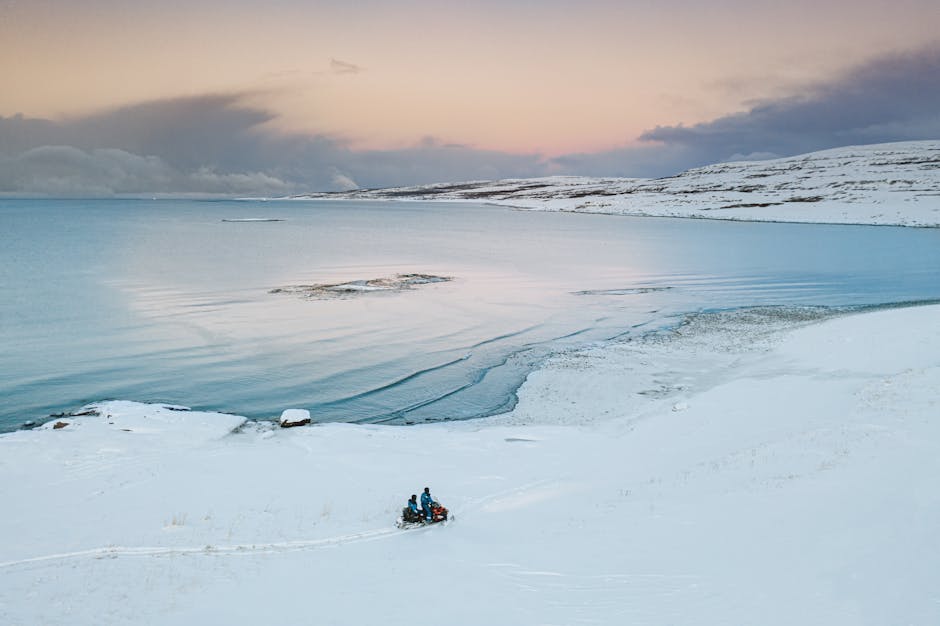
Arctic Biome
Extreme Weather Events: Wildfires are increasing in frequency and intensity, releasing large quantities of carbon into the atmosphere.
India’s Involvement: India studies climate impacts in the Arctic via its Himadri research station and participates in the Arctic Council, focusing on sustainable development.
Global Wildfires: Fires in Texas, Oklahoma, California, and Japan released substantial carbon, highlighting the global scale of carbon emissions from wildfires,