-
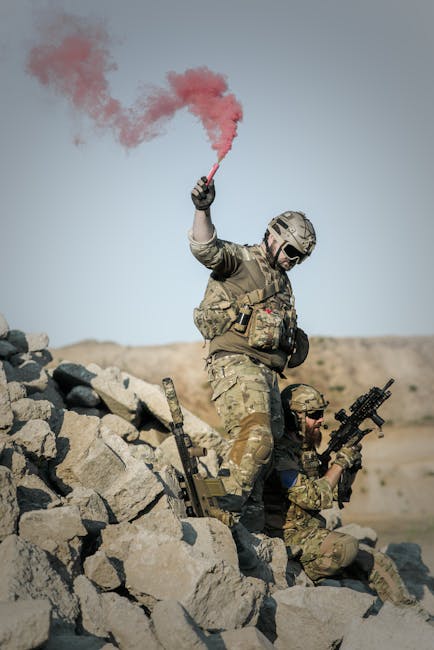
Exercise Desert Flag-10 Participation: The Indian Air Force (IAF) participated in Exercise Desert Flag-10, a multinational air combat exercise hosted by the UAE Air Force.
-
Location and Dates: The exercise took place at Al Dhafra Air Base in the UAE, from April
21st to May 8th, 2025. -
Participating Nations: Air forces from Australia, Bahrain, France, Germany, Qatar, Saudi Arabia, South Korea, Turkey, the UK, the US, and the UAE also participated.
-
IAF Deployment: The IAF deployed MiG-29 and Jaguar aircraft, showcasing its frontline combat capabilities.
-
Exercise Objectives: The exercise aimed to enhance interoperability, operational synergy, and mutual understanding among participating nations through complex air combat scenarios and the exchange of global best practices. It allows for diverse fighter engagements and the sharing of operational knowledge with some of the world’s most capable air forces.
-
Significance: Participation strengthens defence ties and interoperability with friendly nations in the region and beyond, underscoring India’s commitment to military cooperation.
-
India-UAE Defence Cooperation: Exercise Desert Flag is part of a broader framework of India-UAE defence cooperation, which includes other exercises like Desert Cyclone (land), Desert Eagle (air), Zayed Talwar (naval), and Desert Knight (trilateral with France).
Sunrise Industry
- India’s Manufacturing Push: India aims to increase the manufacturing sector’s share of GDP from 12% to 23% in the next two decades. This is driven by the need to create jobs, reduce import dependence, and build globally competitive supply chains.
- Focus on Sunrise Sectors: The government is prioritizing 14 identified sunrise sectors, including semiconductors, renewable energy components, medical devices, and batteries. This also include labour-intensive industries, such as textile and leather.
- Importance of Manufacturing: Manufacturing is seen as crucial for long-term economic transformation, providing employment, financial stability, and driving demand for infrastructure and governance reforms.
- PLI Scheme: The government introduced the Production-Linked Incentive (PLI) scheme to boost manufacturing in sunrise sectors and those with high employment potential.
- Gig Economy vs. Manufacturing: While the service sector and gig economy contribute significantly to India’s GDP and employment, manufacturing is considered essential for balanced economic growth and social cohesion.
- Global Manufacturing Reset: India is adapting to the global shift in manufacturing brought about by the Fourth Industrial Revolution.
- Stability and Policy Predictability: The Finance Minister emphasized the importance of stable governance, consistent policies, and predictable tax regimes for attracting investments and driving growth.
- Sunrise Industry Definition: A sunrise industry is a newly emerging and rapidly growing sector, attracting investors due to its potential for long-term growth and high returns, often driven by technological innovation.
Bamiyan Giants
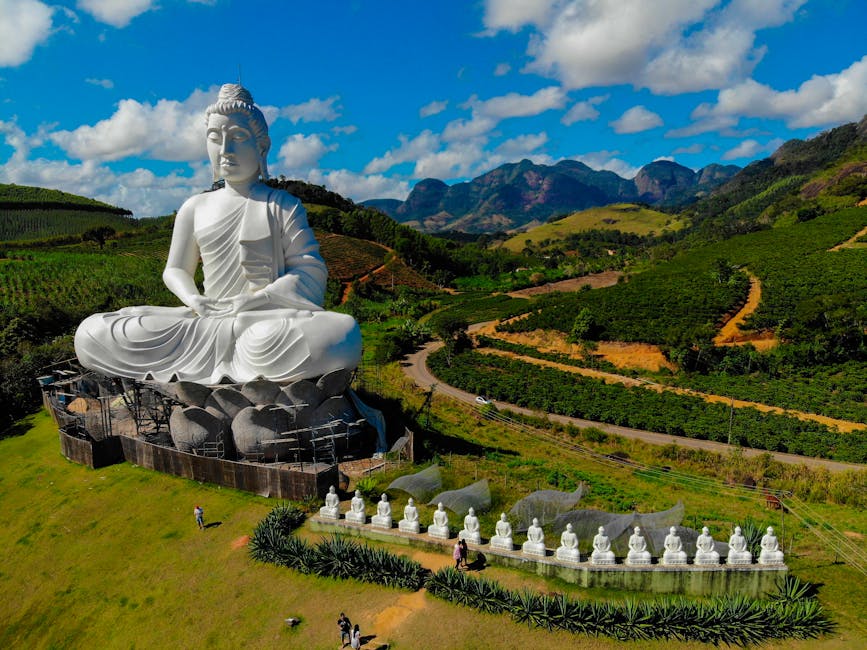
- Destruction of Bamiyan Buddhas (2001): The Taliban destroyed the 6th-century CE Bamiyan Buddhas, two monumental statues in central Afghanistan, considering them un-Islamic. This act was widely condemned as cultural vandalism.
- Historical Significance: The Buddhas represented a fusion of Gupta, Sassanian, and Hellenistic styles, showcasing the spread of Buddhism across Central and South Asia.
- UNESCO World Heritage Site: Despite their destruction, the Bamiyan Valley was designated a UNESCO World Heritage Site in 2003.
- Taliban’s Current Stance: Since returning to power in 2021, the Taliban claim to be preserving Afghanistan’s heritage, including pre-Islamic relics.
- Protection of Artifacts: Even before their takeover, the Taliban called for the protection of ancient artifacts, stating they are “part of our country’s history, identity and rich culture.”
- Archaeological Discoveries: Post-Taliban takeover, numerous archaeological finds, particularly related to Buddhism, have been publicized.
- Recent Discoveries: Discoveries such as niches carved into rocks and Brahmi inscriptions in Laghman province, Afghanistan.
- Reputation Damage: Experts believe the Taliban recognize the damage the Buddhas’ destruction caused to their reputation, influencing their current approach.
- 3D Holographic Projection (2021): A temporary 3D holographic projection recreated one of the statues, offering a way to reconnect with the lost heritage.
Arctic Warming
-
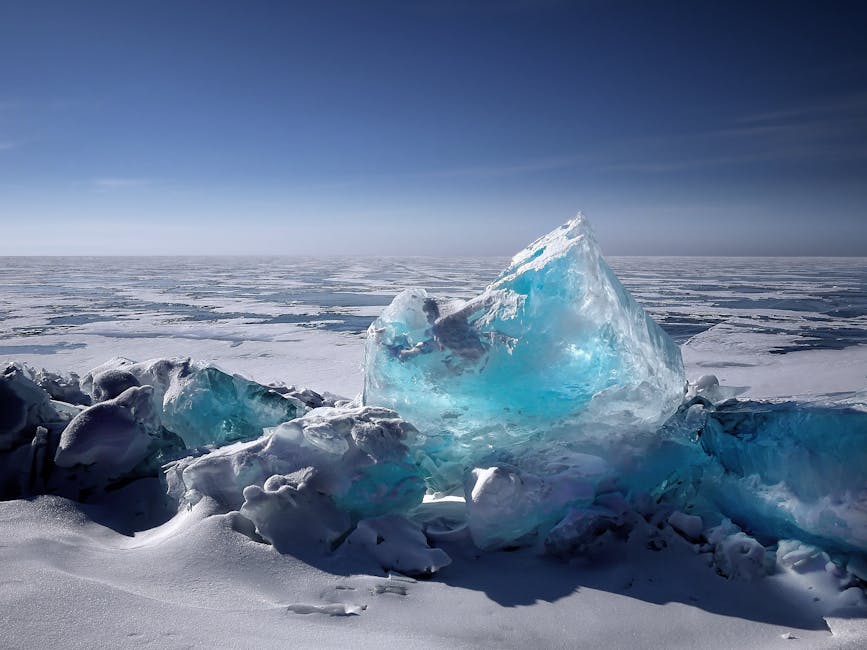
Arctic Amplification: The Arctic region is warming 3-4 times faster than the global average.
-
European Warming: Europe’s average temperature has risen by 2.4°C above pre-industrial levels, surpassing the global average of 1.3°C.
-
2024 Records: 2024 was the warmest year on record for both the planet and Europe. Southeastern Europe experienced its longest heatwave, and the number of ‘cold stress days’ was the lowest ever.
-
Albedo Effect: Melting Arctic ice reduces the albedo effect (reflection of sunlight), leading to increased absorption of solar radiation by darker surfaces (water/land) and accelerated warming.
-
Regional Differences: Eastern Europe was warmer and sunnier, while Western Europe experienced cloudier and wetter weather in 2024.
-
Aerosol Reduction: Reduced aerosol emissions in Europe, while improving air quality, contribute to faster warming as aerosols scatter sunlight, reducing heat absorption.
-
Contributing Factors: Other factors driving Europe’s faster warming include changes in atmospheric circulation causing more heatwaves, higher sea-surface temperatures, urban heat island effect, and glacier melting.
-
Global Impacts: Arctic Amplification disrupts jet streams, increases extreme weather events globally, and accelerates sea level rise.
-
Vulnerable regions: Europe has the largest inhabited landmass in the polar region.