-
Official Recognition: Type 5 diabetes has been officially recognized by the International Diabetes Federation (IDF) at the 75th World Congress for Diabetes in Bangkok.
-
Definition: It affects lean, undernourished teenagers and young adults in low- and middle-income countries (LMICs).
-
Cause: Primarily caused by malnutrition-induced reduction in insulin production, unlike Type 2 diabetes which involves insulin resistance.
-
Pancreatic Function: Pancreatic beta cells function abnormally, resulting in severely reduced insulin secretion.
-
Historical Context: First reported in Jamaica in 1955 as J-type diabetes; WHO classified
it as “malnutrition-related diabetes mellitus” in 1985 but removed it in 1999 due to a lack of causal evidence. -
Global Prevalence: Estimated to affect about 25 million people globally, predominantly in the Global South (India, Sri Lanka, Bangladesh, Uganda, Ethiopia, Rwanda, Korea).
-
Key Markers:
- Low BMI (<18.5 kg/m²)
- Severely reduced insulin levels
- Substantially lower body fat percentage
- Inadequate dietary intake of protein, fibre, and micronutrients
- No autoimmune or genetic causes
-
Malnutrition’s Role: Malnutrition, beginning in the womb, plays
a critical role. Undernourishment during fetal development and early life can lead to Type 5 diabetes. -
Treatment: Specific diagnostic criteria and therapeutic guidelines are still being developed by the Type 5 Diabetes Working Group. Treatment involves a high protein diet and adequate carbs/fats to promote weight gain. Anti-diabetic medicine or insulin is considered on a case-by-case basis.
17.04.25
NMESIS: Naval Strike
-
Philippines Balikatan Exercise: The Philippines has confirmed the deployment of the US Navy-Marine Expeditionary Ship Interdiction System (NMESIS) for the upcoming Balikatan military exercises. This is news as it shows increased military cooperation and highlights the strategic importance of anti-ship capabilities in the region.
-
NMESIS Overview: NMESIS is a land-based anti-ship missile system developed for the US Marine Corps (USMC). It’s designed to support naval operations through land-to-sea attacks.
-
Key Components:
- Naval Strike Missile (NSM): The US Navy’s latest anti-ship missile, capable of engaging targets over 100 nautical miles (185 km) away. It can target both maritime and land targets, uses advanced seeker technology for precision, and can evade radar.
- ROGUE Fires Vehicle: An unmanned variant of the Oshkosh Joint Light Tactical Vehicle (JLTV), functioning as a Remotely Operated Ground Unit for Expeditionary (ROGUE) Fires vehicle. It’s remotely operated, highly mobile, and carries a high payload.
-
ROGUE Fires Features: It uses advanced autonomous vehicle tech, is remotely operated, lacks a crew cab, has sensors and cameras, and can be configured for different missions.
-
NSM Features: Multi-mission cruise missile. Range over 100 nm (185 km). Advanced seeker for precision. Maneuverability to evade radar,
flying close to sea level. 226.79 kg warhead. Programmable fuse. -
Not Autonomous: NMESIS isn’t fully autonomous. A marine is responsible for mission planning and firing the missile. The fire control system isn’t controlled by the self-driving system.
NMCG Exec. Committee Meet #61
-
Sewerage Projects Approved (₹900+ Crore): Focus on Moradabad (UP), Arrah (Bihar), Kanpur (UP), and Pujali (WB) to intercept and treat sewage before it enters the Ganga and its tributaries like Ramganga. Aims to prevent untreated waste from polluting rivers.
-
Ramganga River Pollution Prevention (Moradabad): Project costs ₹409.93 crore and includes constructing 15 MLD and 65 MLD Sewage Treatment Plants (STPs). Also focuses on intercepting and diverting 5 major drains.
-
Sewerage Infrastructure in Arrah (Bihar): Includes a 47 MLD STP and a 19.5 km sewer network, costing ₹328.29 crore, using a Hybrid Annuity Model with 15 years of operation and maintenance.
-
Kanpur Drain Interception (₹138.11 Crore): Intercepts 14 major drains to divert sewage to treatment plants.
-
Faecal Sludge Treatment (Pujali, WB): Approves an Integrated Faecal Sludge Treatment Plant (FSTP) with 8 KLD capacity for improved urban sanitation.
-
Nature-Based Solution for Yamuna (Delhi): Installation of pilot CAMUS-SBT plants in Shahdara drain to meet NGT water quality standards. CAMUS-SBT plants will have capacities of 5 MLD.
-
IND-RIVERS Collaboratory: Collaboration between NMCG, IIT Delhi, and the Netherlands for intelligent river systems and urban river solutions. Focuses on action-oriented research.
-
Traditional Boat-Making Study: Approval for documenting traditional wooden boat-making craft in the Ganga basin.
-
DDA Biodiversity Parks as Knowledge Centers: Developing DDA Biodiversity Parks as Knowledge cum Skill Development Centres for river conservation (₹8.64 crore). Yamuna Biodiversity Park is the knowledge partner.
-
Overall Impact: Projects aim
for pollution control, water conservation, preserving riverine heritage, and developing sustainable water management.
Tanzania: Land of Wonders
-
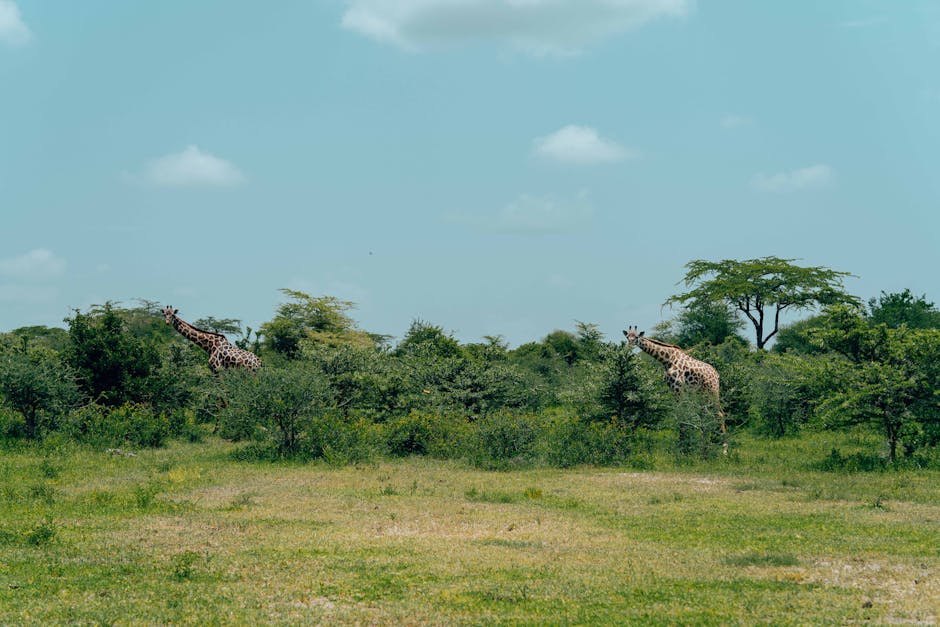
Record High Temperatures: Tanzania experienced its hottest year on record in 2024, with an average temperature of 24.3°C, 0.7°C above the long-term normal. This surpasses the previous record from 2023. This is important because it highlights the increasing impact of climate change.
-
Rising Nighttime Temperatures: Nighttime temperatures saw a significant increase, with the average minimum temperature reaching 19.3°C, 1.1°C above average. This is concerning as it affects human health and ecosystems.
-
Regional Variations: Northeastern Tanzania, including the Lake Victoria basin, highlands, and coastal areas, experienced the most significant nighttime warming (1°C to 2°C above average). This localized impact is relevant for regional planning and adaptation strategies.
-
Agricultural Impact: A 2017 TMA study warned that rising temperatures could negatively impact maize yields, a staple crop in Tanzania. This has implications for food security and livelihoods.
-
Geopolitical Significance: Tanzania is a key partner in India’s Africa outreach, particularly within IORA and India’s SAGAR vision. This highlights Tanzania’s strategic importance in regional cooperation and security.
-
Climate Trends: A Nature study projects increasing warm days and nights throughout the 21st century, underscoring the long-term challenge Tanzania faces.
-
Capital and Location: Dodoma is the official capital of Tanzania, an East African country bordering several nations and the Indian Ocean.
Vital Registration India
- RGI Concerns: Registrar General of India (RGI) urges hospitals to report births and deaths within 21 days due to non-compliance and aim for 100% universal registration.
- Low Reporting: Around 10% of births/deaths are unregistered, hindering the goal of universal registration.
- Mandatory Registration: Registration of Births and Deaths (RBD) Act, 1969 (amended 2023) mandates registration of all births and deaths.
- Digital Registration: Since October 2023, all registrations must be done digitally through the Civil Registration System (CRS).
- Registration Process: Government hospitals are registrars; private hospitals report events. Negligence in registration leads to a fine up to ₹1,000.
- Centralized Portal: Digital birth certificates are single proof of date of birth for services like education, jobs, and marriage. Data updates National Population Register (NPR).
- RGI observations The RGI said that it has been observed that some hospitals instead of registering the events wait for the relative of the baby or the deceased to approach them.
- Vital Statistics Report Delay: Vital Statistics of India report, crucial for socio-economic planning, hasn’t been published since 2020.
- Registration Statistics: Registered births decreased in 2020, while registered deaths increased.
- Births and Deaths 42.9-11.4 132.3-11.4 132.3s0 89.4 11.4 132.3c6.3 23.7 24.8 41.5 48.3 47.8C117.2 448 288 448 288 448s170.8 0 213.4-11.5c23.5-6.3 42-24.2 48.3-47.8 11.4-42.9 11.4-132.3 11.4-132.3s0-89.4-11.4-132.3zm-317.5 213.5V175.2l142.7 81.2-142.7 81.2z"/> Subscribe on YouTube