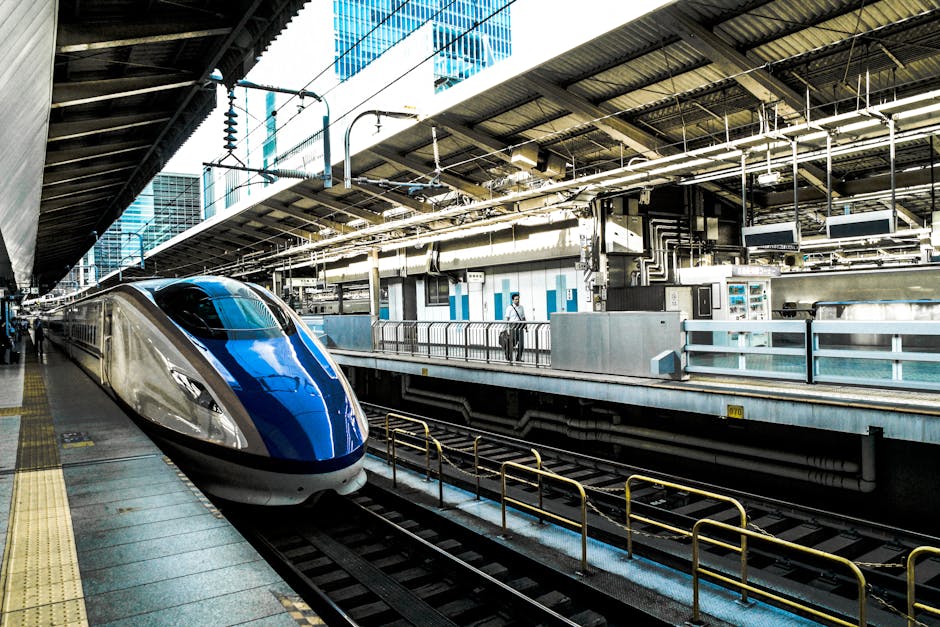
- Free Shinkansen Trains for India: Japan will provide two Shinkansen train sets (E5 and E3 series) to India at no cost in early 2026. This is to help test and inspect the Mumbai-Ahmedabad High-Speed Rail corridor.
- Purpose of the Trains: The trains will be fitted with inspection equipment to collect crucial operational data, especially regarding India’s environmental conditions (high temperatures, dust).
- E5 and E3 Series Details: The E5 series is a high-speed train (320 km/h) in service since 2011. The E3 series is a slightly older model for mini-shinkansen services. Both have aerodynamic designs and advanced safety features.
- Next-Generation Shinkansen (E10/Alfa-X): The inspection data will help fine-tune the design of the E10, the next-generation Shinkansen (up to 400 kmph), planned for adoption by both countries in the early 2030s.
- Mumbai-Ahmedabad Project: The project, implemented by NHSRCL, uses Japanese Shinkansen technology and is largely funded (80%) by a low-interest loan from JICA.
- Project Timeline: The initial completion deadline of 2022 has been revised to 2028, with a partial opening expected by August 2027.
- Significance for India: The Shinkansen represents 6.3-42 24.9-48.3 48.6-11.4 42.9-11.4 132.3-11.4 132.3s0 89.4 11.4 132.3c6.3 23.7 24.8 41.5 48.3 47.8C117.2 448 288 448 288 448s170.8 0 213.4-11.5c23.5-6.3 42-24.2 48.3-47.8 11.4-42.9 11.4-132.3 11.4-132.3s0-89.4-11.4-132.3zm-317.5 213.5V175.2l142.7 81.2-142.7 81.2z"/>
Subscribe on YouTube
modern engineering, punctuality, and safety. India will gain hands-on experience before the E10 rollout. The trains are expected to be modified for Indian conditions (luggage space, weather resistance).
National Rail Plan 2030: The Mumbai-Ahmedabad High-Speed Rail Corridor aligns with India’s broader rail modernisation strategy under the National Rail Plan 2030.