-
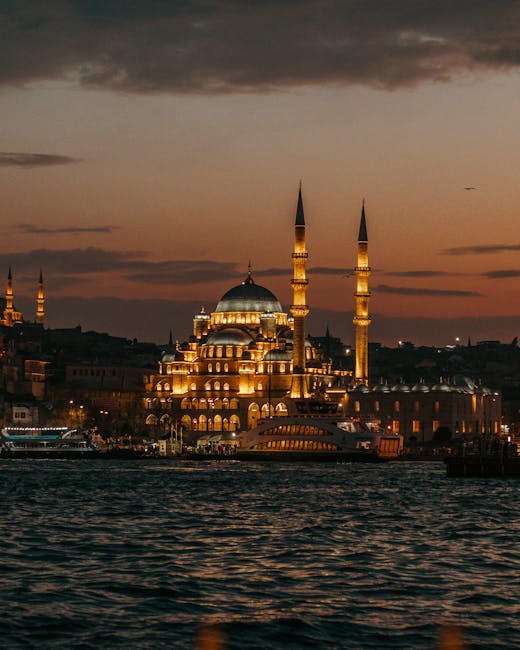
Earthquake: A 6.2 magnitude earthquake struck Istanbul with its epicenter in the Sea of Marmara. Aftershocks followed, including one measuring 5.3.
-
Location Significance: The Sea of Marmara is a small inland sea within Turkey, separating the Asian and European parts of the country. It connects the Black Sea and the Aegean Sea.
-
Fault Line: The North Anatolian Fault runs beneath the Sea of Marmara, making the region prone to earthquakes.
-
Immediate Impact: While there were
no immediate reports of damage, residents were urged to avoid buildings, and people panicked. -
Historical Context: Turkey is earthquake-prone due to its location on major fault lines. A devastating earthquake in February 2023 killed over 53,000 people in southern Turkey and heightened fears in Istanbul due to its proximity to fault lines.
-
Preventative Measures: Urban reconstruction projects are underway in Istanbul to fortify buildings and demolish those at risk of collapse to mitigate future earthquake damage.
-
Sea Characteristics: The Sea of Marmara has a unique salinity stratification, with fresher water near the surface and saltier water at the bottom. It experiences a humid subtropical climate.
Afghanistan’s Buddhist Past
-
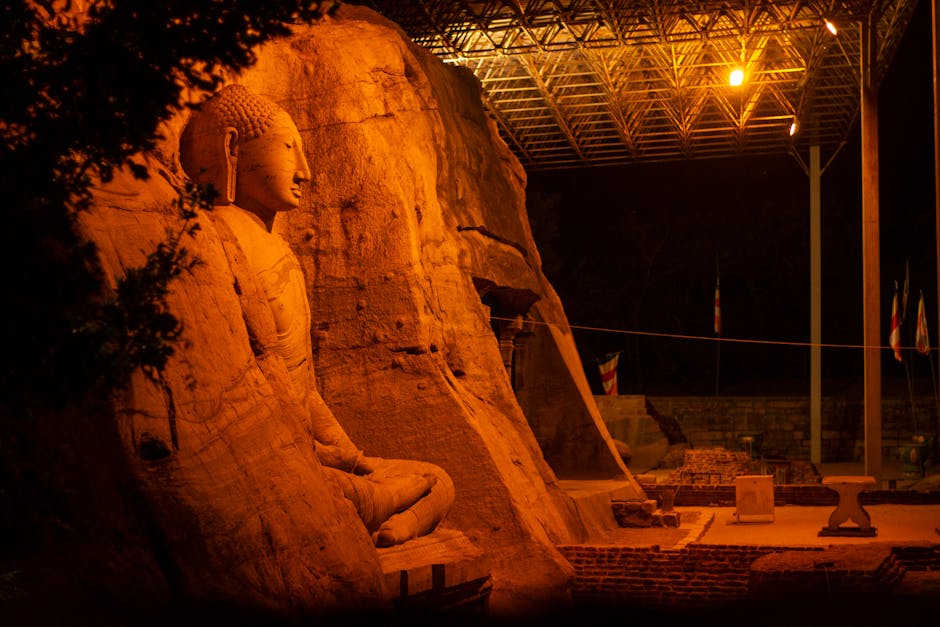
Taliban’s Stance Shift: The Taliban, once known for destroying Buddhist artifacts like the Bamiyan Buddhas, now publicly supports preserving Afghanistan’s ancient heritage, including pre-Islamic relics. This is a significant change in rhetoric and, if genuine, could impact the future of archaeological sites.
-
Proliferation of Discoveries: Since the Taliban’s return to power and the end of decades of war, there has been an increase in archaeological finds, particularly those related to Buddhism, which are being publicized by the authorities.
-
Key Buddhist Sites Under Focus:
- Mes Aynak: A major site with monasteries, stupas, a Zoroastrian fire temple, and thousands of artifacts dating from the 1st century BC to the 10th century AD. Its significance lies in its role on the Silk Road and the diverse cultural influences reflected in its art (Hellenistic, Indian, Persian, Chinese).
- Shewaki Stupa: A significant Buddhist-era monument from the 1st to 3rd centuries AD in Kabul, reflecting Kushan and Hellenistic architectural styles. It was a key religious and caravan site.
- Bamiyan Buddhas: Although destroyed in 2001, their legacy remains a crucial part of Afghanistan’s cultural heritage and a reminder of the Taliban’s past actions.
- Kushan-era Inscriptions: Discoveries in Laghman Province (rock niches, Brahmi inscriptions, winemaking tools) highlight the vast reach of the Kushan Empire.
-
International Skepticism: Despite the Taliban’s claims, skepticism remains among observers regarding their commitment
to preservation, given their history of destroying cultural artifacts. -
Damage Control: Some experts believe the Taliban’s shift is an attempt to improve their international reputation after the destruction of the Bamiyan Buddhas severely damaged their image.
-
Sites validating Afghan History: Archaeological sites discovered in Laghman Province such as Gowarjan village with carved Brahmi inscriptions go back 5,000 years.