-
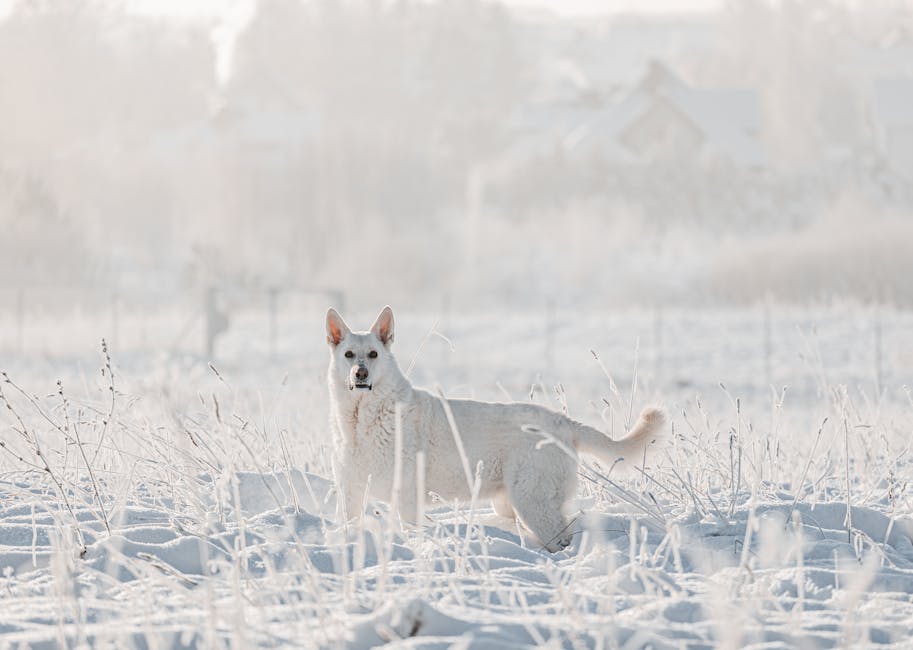
“Dire Wolf” Pups Created: Colossal Biosciences claims to have genetically engineered wolf pups with traits resembling extinct dire wolves.
-
Genetic Engineering Process: Scientists used ancient dire wolf DNA to identify traits like white coats and thick fur. They edited gray wolf cells using CRISPR based on 99.5% DNA similarity and inserted them into domestic dog egg cells.
-
Not Exact Replicas: The pups are not exact genetic replicas of dire wolves due to millions of base pair differences. Classification as “dire wolves” is based on physical resemblance.
-
Dire Wolf Characteristics: Extinct dire wolves were larger than gray wolves, native to North America,
89.4 11.4 132.3c6.3 23.7 24.8 41.5 48.3 47.8C117.2 448 288 448 288 448s170.8 0 213.4-11.5c23.5-6.3 42-24.2 48.3-47.8 11.4-42.9 11.4-132.3 11.4-132.3s0-89.4-11.4-132.3zm-317.5 213.5V175.2l142.7 81.2-142.7 81.2z"/> Subscribe on YouTube
Dire Wolves
Skepticism from Scientists: Independent scientists emphasize this is not a true revival of dire wolves. Vincent Lynch notes it’s only making something look superficially similar.
Lost Ecological Function: Even with physical resemblance, the pups cannot perform the ecological functions of extinct dire wolves in today’s landscapes.
Cloning Red Wolves: Colossal also cloned four red wolves to increase genetic diversity within the endangered population.
Conservation Potential: The cloning technology may have applications for conserving other species by being less invasive.
Government Interest: The U.S. Interior Department is enthusiastic about the project’s potential, with Secretary Doug Burgum praising it as a “thrilling new era of scientific wonder.”
Learning Behavior: Pups will not be able to act like dire wolves because they would not learn to kill giant elks or big deer.