Daily Current Affairs and News Analysis 08-05-2025

SCALP Missile

  • SCALP Missiles Used in Operation Sindoor: Reportedly launched from Indian Rafale jets targeting deep-terror infrastructure in Pakistan and PoK.

  • Long-Range Cruise Missile: The SCALP (also known as Storm Shadow) is a long-range, air-launched cruise missile.

  • Deep Strike Capability: Designed for deep strike missions against high-value, fixed targets.

  • Jointly Developed: Developed jointly by the United Kingdom and France.

  • Extensive Service: In service with multiple air forces, including those of Egypt, India, Italy, Greece, Saudi Arabia, Qatar, and the UAE.

  • Range and Warhead: Has a range of approximately 500 km and carries a 450 kg conventional warhead.

  • Stealth and Precision: Designed for stealth, low altitude flight to evade radar, and precision targeting. Utilizes terrain-following navigation, GPS/INS guidance, and infrared terminal homing.

  • Rafale Integration: India has integrated the SCALP missile with its Rafale fighter jets.


Anak Krakatau

  • Unnoticed Ground Movement: Satellite analysis reveals years of ground movement preceded Anak Krakatau’s 2018 collapse, previously undetected. Why: Highlights the potential for improved monitoring techniques to predict future events.

  • Location: Anak Krakatau is a stratovolcano in the Sunda Strait, Indonesia, between Java and Sumatra. Why: Contextualizes the volcano’s geographical setting and proximity to populated areas.

  • Ring of Fire: It’s part of the Pacific Ring of Fire, a region known for high volcanic and seismic activity. Why: Explains its position in a tectonically active zone.

  • Emergence: Anak Krakatau emerged from the sea in 1927, offspring of the 1883 Krakatoa eruption. Why: Establishes its relatively recent formation and connection to a major historical event.

  • Frequent Eruptions: It has experienced frequent strombolian eruptions, leading to its growth. Why: Characterizes its typical eruptive style.

  • Multiple Magma Chambers: Sits above multiple magma chambers. Why: Explains the possible nature of the eruptions in this area

  • 2018 Collapse & Tsunami: A 2018 eruption caused a flank collapse, triggering a deadly tsunami impacting Sumatra and Java. Why: Details a recent catastrophic event and its consequences.


India’s Green Hydrogen Standard

  • Launch of Green Hydrogen Certification Scheme of India (GHCI): Launched by the Ministry of New and Renewable Energy (MNRE) under the National Green Hydrogen Mission (NGHM) to certify green hydrogen production.

  • Objective: To promote a green hydrogen market in India, reduce carbon emissions, boost exports, and encourage energy-intensive sectors to adopt green hydrogen.

  • Focus on MSMEs: MNRE organized a workshop to explore opportunities for Micro, Small & Medium Enterprises (MSMEs) in the green hydrogen supply chain, recognizing their crucial role in innovation and localized solutions.

  • Certification Process: Verification by Bureau of Energy Efficiency (BEE) Accredited Carbon Verification (ACV) Agency to ensure compliance. Certificates are non-tradeable and cannot be used for emission reduction credits.

  • Offset Mechanism: BEE offers an offset mechanism under CCTS for hard-to-abate sectors using green hydrogen.

  • Applicability: Scheme applies to green hydrogen production from electrolysis or biomass conversion.

  • Export Hubs: Selected international port cities like Kandla, Paradip, and Tuticorin as key green hydrogen production centers for export.

  • Curbing Greenwashing: Aims to ensure transparency and credibility, preventing false eco-friendly claims.

  • MSME Opportunities: Focus on component manufacturing, operations and maintenance services, and rural hydrogen generation for MSMEs.

  • National Green Hydrogen Mission Goals (by 2030):

    • At least 5 MMT annual green hydrogen production
    • ~125 GW renewable energy capacity addition
    • Over Rs. 8 lakh crore in investments
    • Over 6 lakh jobs
    • Rs. 1 lakh crore reduction in fossil fuel imports
    • ~50 MMT annual greenhouse gas emissions abatement

India and the Arctic

  • Arctic Geopolitical Shift: The Arctic is transforming from a zone of scientific cooperation to a region of geopolitical and military competition due to climate change opening new sea routes like the Northern Sea Route (NSR).
  • Militarization and Commercialization: Arctic states are increasing military presence and commercial activities, driven by access to resources and strategic positioning. Russia, China, and the US are key players.
  • Potential Impact on India: A militarized Arctic could undermine India’s maritime interests by diverting trade through the NSR, affecting India’s vision for regional connectivity (MAHASAGAR) and its role in the Indo-Pacific.
  • India’s Arctic Approach: India’s engagement includes scientific expeditions, research stations (Himadri, IndArc), and observer status in the Arctic Council. The 2022 Arctic Policy focuses on scientific research, climate, and economic cooperation.
  • Gaps in India’s Strategy: India lacks a long-term geopolitical and economic strategy, has limited private sector involvement, hasn’t capitalized on the NSR, faces challenges from China’s growing Arctic influence, and has underdeveloped infrastructure focus and indigenous engagement policies.
  • Recalibrating India’s Strategy: India needs to institutionalize Arctic engagement, align with Arctic countries on technology and infrastructure, strengthen connectivity (India-Russia-Nordic shipping corridor, Chennai-Vladivostok EMC), propose a Blue Economy Treaty, and use space capabilities for Arctic monitoring.
  • Russia-China coordination: Growing Russia-China strategic coordination in the Arctic and China’s expanding naval presence in the Indian Ocean are making it harder for India to focus solely on its maritime interests in the south.
  • Nordic State Concerns: Nordic states are uneasy about India’s ties with Russia, especially amid the Ukraine conflict.

INS Sharda to Maldives for HADR

  • INS Sharda Deployed to Maldives: INS Sharda arrived at Maafilaafushi Atoll, Maldives for a joint Humanitarian Assistance and Disaster Relief (HADR) exercise. The exercise is planned for 04 to 10 May 2025.
  • HADR Exercise Purpose: To enhance interoperability between the Indian Navy and the Maldives National Defence Force (MNDF) in responding to humanitarian challenges and natural disasters.
  • Focus Areas: Disaster Response Coordination, Search and Rescue Operations, Medical Assistance, Logistical Support, Joint Drills, Training Sessions, and Community Engagement.
  • MAHASAGAR Vision: The deployment aligns with India’s “MAHASAGAR” vision, emphasizing collaborative efforts for security, growth, and stability in the Indian Ocean Region.
  • India-Maldives Defence Cooperation: The exercise demonstrates strong defence and maritime cooperation between India and Maldives.
  • Historical Context: India’s commitment to HADR in the Maldives is highlighted by Operation Castor after the 2004 tsunami.
  • Operational Excellence: INS Sharda’s past achievements, such as rescuing hostages off Somalia, reinforce India’s maritime security role.
  • Bilateral Exercises: India and Maldives conduct “Ekuverin” (Army) and “Ekatha” (Navy) exercises, strengthening defence ties.

Thalassemia Day

  • International Thalassemia Day: Observed annually on May 8th. Aims to promote global awareness, prevention, and early diagnosis of thalassemia.
  • Theme 2025: “Together for Thalassemia: Uniting Communities, Prioritizing Patients.” This highlights the importance of collaborative efforts and patient-centered care in thalassemia management.
  • Global Burden: India is a major contributor. With 50 million beta thalassemia carriers, India accounts for 25% of global thalassemia cases. This emphasizes the urgent need for prevention and management strategies in India.
  • Treatment Approaches: Regular blood transfusions and iron chelation therapy are crucial for managing thalassemia. Bone marrow or stem cell transplantation offers a potential cure in severe cases.
  • National Health Mission (NHM) Support: The NHM provides support to States/UTs for thalassemia screening, treatment, and infrastructure. This underscores the government’s commitment to addressing thalassemia.
  • Reproductive and Child Health (RCH) Integration: Integration of thalassemia testing into the RCH program is recommended for early carrier detection and genetic counseling. This aims to reduce the disease burden through informed reproductive choices.
  • National Program for Prevention and Control of Hemoglobinopathies (NPPCH): Focuses on raising awareness, counseling, and testing services. The program seeks to improve early identification and support for affected individuals.
  • Thalassemia Bal Sewa Yojana (TBSY): Offers financial assistance for Bone Marrow Transplants via Coal India Ltd.’s CSR at empanelled hospitals. This provides critical financial support for potentially life-saving treatment.

Naming Dispute

  • Naming Dispute: The water body has been historically known as the “Persian Gulf” since the 16th century. However, many Arab countries prefer “Arabian Gulf.”
  • Trump’s Potential Action: There were concerns Donald Trump would officially rename it “Arabian Gulf” during a visit to Saudi Arabia, aligning with Arab states’ preference, but this didn’t happen.
  • Iran’s Strong Opposition: Iran strongly opposes any name change, asserting historical naming rights and has done so in the past, including threatening to sue Google.
  • Historical Usage: “Persian Gulf” is widely recognized in historical records, treaties, and cartographic references.
  • Geopolitical Importance: The Persian Gulf is a vital geopolitical chokepoint for global oil shipments, connected to the Arabian Sea via the Strait of Hormuz.
  • Institutional Recognition: The International Hydrographic Organisation (IHO) still recognizes the water body as the Persian Gulf.
  • Strategic Implications: Islands within the Gulf, like Qeshm (Iran) and Bahrain, hold strategic military and economic value.
  • Energy Security: Approximately 30% of the world’s oil exports pass through the Strait of Hormuz, highlighting the region’s importance to global energy security.
  • Trump’s Previous Actions: Trump has a history of attempting to change geographical names, like calling the Gulf of Mexico the “Gulf of America,” which led to conflict with the Associated Press.
  • Symbolic Significance: Changing the name is seen by Iran as a hostile act with no legal or geographical effect but will bring the wrath of Iranians.

India Fire Safe

  • Recent Fires: Kolkata hotel fire (14 deaths) and Ajmer hotel fire (4 deaths) highlight a recurring problem in India.
  • Urbanization & Infrastructure:
    • Illegal constructions violate safety norms (setback rule).
    • Non-fire-resistant materials used.
    • Poor urban planning hinders fire engine access.
    • Many buildings have only one staircase, violating National Building Code (NBC).
  • Governance Issues:
    • Political interference leads to regularization of unsafe buildings.
    • Lack of public awareness about fire drills and exits.
  • Industrial/Commercial Issues:
    • Faulty machinery and poor maintenance (HVAC systems).
    • Unsafe handling of hazardous materials.
  • Climate Change: Extreme heat leads to overloaded electrical systems and AC compressor bursts.
  • Regulations:
    • National Building Code (NBC) 2016: primary standard but often not followed.
    • Model Building Bye Laws 2016, Fire Prevention Act 2005, Emergency Services Bill 2019, and Fire Service Modernization Scheme 2023 exist but need better implementation.
  • Solutions:
    • Smart infrastructure (AI detection, fire-resistant materials).
    • Retrofitting buildings with fire-retardant materials.
    • More breathing apparatuses for firefighters.
    • Safe industrial practices (hazardous material management).
    • Climate resilience strategies (green spaces, water recycling).
    • Maintain low-height sidewalks for fire engine access.
    • Retractable metallic staircases for emergency escapes.
  • Kolkata’s Situation: Kolkata’s inner city hasn’t seen redevelopment unlike other metropolises, resulting in outdated safety features and use of flammable materials.
  • Preventable Tragedies: Fires are often described as accidents but are largely preventable with proper safety measures and efficient mitigation strategies.

India Fire Safe


Piprahwa Jewels

  • Auction Controversy: Buddhist scholars and monks worldwide are concerned about the upcoming auction of ancient Piprahwa Gems in Hong Kong.
  • Religious Significance: The gems are widely considered to be imbued with the presence of the Buddha and hold significant religious, archaeological, and historical value for Buddhists.
  • Historical Context: The Piprahwa Gems were discovered in a stupa in present-day Uttar Pradesh, India, believed to contain the Buddha’s remains (circa 480 BC).
  • Discovery and Distribution: William Claxton Peppé, a British engineer, excavated the gems in 1898. The British Crown claimed the find, gifting bone and ash fragments to Siam (Thailand), while most of the gems went to the Indian Museum in Kolkata, and Peppé retained a portion.
  • Auction Details: Descendants of William Claxton Peppé are auctioning the gems, expecting to fetch around 9.7 million pounds.
  • Differing Opinions: Some Southeast Asian art specialists consider the gems, bone, and ash to be Buddha’s remains that should not be auctioned. However, a descendant of Peppe claims that Buddhist temples and experts consulted did not classify the gems as bodily remains.

Piprahwa Jewels


Ocean Microplastics

  • Microplastics Deeply Embedded: Microplastics aren’t just surface pollutants; they’ve infiltrated deep into the ocean’s structure, impacting biogeochemical and carbon cycles.
  • Vertical Distribution: Smaller microplastic particles (1-100 micrometres) are found as deep as 100 meters within ocean gyres, while larger fragments concentrate near the surface.
  • Ocean Gyres as Traps: Gyres, slow-moving circular currents, act as whirlpools, concentrating plastic debris, including microplastics.
  • Significant Plastic Input: Estimated plastic input from 1950-2015 is 17-47 million metric tonnes. Fishing gear is a key source, with over 56 polymer types detected.
  • Carbon Cycle Disruption: Microplastic pollution adds allochthonous carbon, potentially skewing carbon dating by up to 420 years and disrupting the ocean’s carbon cycle. Microplastic carbon can rise up to 5% of total particulate organic carbon at 2000m depth in subtropical gyres.
  • Biogeochemical Alterations: Microplastics disrupt microbial nitrification and denitrification, releasing metabolites that alter nutrient cycles.
  • Health Concerns: Microplastics can attach to red blood cells (reducing oxygen transport) and have been found in placentas and fetal organs, posing health risks, especially to children.
  • Detailed Analysis: The study synthesised data from 1,885 ocean stations (2014-2024) to understand microplastic distribution across depths, focusing on the subsurface layer (50 cm below the surface).
  • Regulations: Global efforts include the UNEP Plastics Treaty. India has implemented a ban on single-use plastics and Plastic Waste Management Rules.

Snow Leopard Watch

  • Rare Sighting: Tourists in Himachal Pradesh’s Spiti Valley experienced a rare encounter with a snow leopard during a road trip from Kaza to Nako.
  • Elusive Predator: Snow leopards, known as the “ghost of the mountains,” are rarely seen by humans due to their elusive nature.
  • Scientific Classification: The snow leopard’s scientific name is Panthera uncia.
  • Habitat: They inhabit high-altitude regions of Central and South Asia, ranging from 1,800 to 5,500 meters in elevation.
  • Distribution: Snow leopards are found in 12 countries, including China, India, Nepal, Russia, and Mongolia. In India, they reside in the high-altitude areas of Jammu & Kashmir, Himachal Pradesh, Uttarakhand, Sikkim, and Arunachal Pradesh.
  • Physical Adaptations: Their pale grey fur with dark rosettes provides camouflage in rocky terrains. They have a dense undercoat for insulation and a long tail for balance and warmth.
  • Solitary Nature: Snow leopards are typically solitary animals, except during mating season or when raising offspring.
  • Conservation Status: The snow leopard is classified as Vulnerable on the IUCN Red List, is in CITES Appendix I, and is under Schedule I of the Wildlife (Protection) Act 1972.
  • Population Estimate: Scientists estimate that only between 3,920 and 6,390 snow leopards remain in the wild, despite their vast range of over 2 million sq. km.

Operation Vermillion

  • Operation Sindoor: A retaliatory precision strike by the Indian Armed Forces on terror camps in Pakistan and PoK.
  • Precision Targeting: 21 terror camps across 9 locations were hit with minimal collateral damage using niche-technology weapons.
  • Key Weapons Deployed:
    • HAMMER: French air-to-ground smart weapon, range up to 70 km, all-weather precision, autonomous, resistant to jamming.
    • SCALP: Air-launched stealth cruise missile, range up to 450 km, terrain-hugging flight, INS, GPS, and terrain referencing for accuracy.
    • METEOR: Beyond Visual Range Air-to-Air Missile (BVRAAM), effective in electronic warfare, extended No-Escape Zone.
    • BRAHMOS: Supersonic cruise missile, speed up to Mach 3, range increased to 450-500 km, Fire-and-Forget Principle, versatile platforms.
    • Loitering Munitions: Kamikaze drones for surveillance and precision strikes on mobile or time-sensitive targets.
  • India’s Arsenal Build-up: The operation showcased India’s growing arsenal of precision-guided long-range weapons and drones.
  • No Collateral Damage: Carefully selected warheads were used to avoid collateral damage, as stated by IAF Wing Commander Vyomika Singh.
  • Autonomous Capabilities: The weapons systems feature autonomous guidance, jamming resistance, and all-weather capabilities.
  • Strategic Implications: Operation Sindoor and beyond signify India’s preparedness to tackle terrorism challenge and the Pakistan issue effectively.

Haenyeo: Genetic Legacy

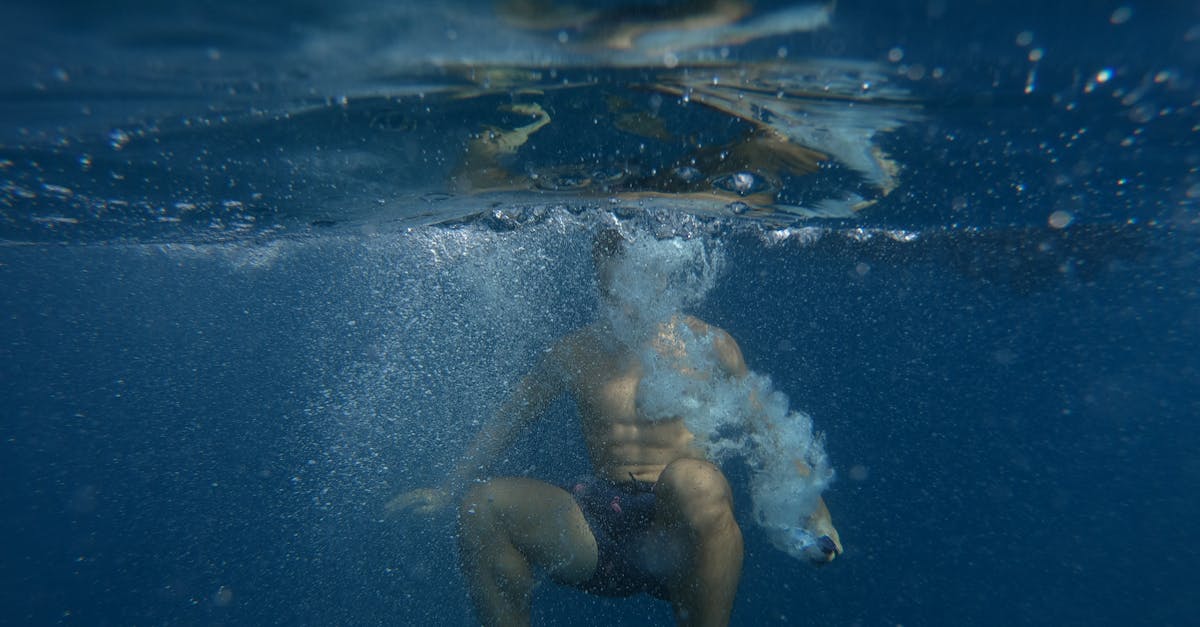
  • Genetic and Physiological Adaptations: Haenyeo divers from Jeju Island, South Korea, exhibit genetic and physiological adaptations due to their unique diving practices.

  • Diving Culture: They dive up to 10 meters without oxygen masks to harvest shellfish. UNESCO recognized their culture as an Intangible Cultural Heritage in 2016.

  • Bradycardia and Blood Pressure: Long-term diving has shaped traits like bradycardia (slowing of heart rate) and blood pressure regulation.

  • Study Findings: Research confirms these adaptations, including a robust diving reflex leading to bradycardia during simulated dives.

  • Spleen Size: Spleen size differences were attributed to regional factors rather than genetic adaptation, despite being larger in Jeju residents compared to Seoul.

  • Genetic Distinction: Jeju Island residents are genetically distinct from mainland Koreans, diverging ~5,000-7,000 years ago.

  • Gene Variant (rs66930627): A specific gene variant is more common in Jeju residents and linked to lower diastolic pressure, potentially evolved to reduce hypertension risks during pregnancy.

  • Pregnancy-Associated Hypertension: The genetic variant identified may reduce pregnancy-associated hypertension risks.

  • Impact on Island Population: Diving during pregnancy has influenced the genetic makeup of the island’s population.


Red Cross Day

  • Event: World Red Cross and Red Crescent Day, observed annually on May 8th.
  • Purpose: Honors volunteers and employees of the Red Cross and Red Crescent Movement for their humanitarian work. Commemorates the birth of Henry Dunant, founder of the ICRC and first Nobel Peace Prize laureate.
  • Theme 2025: “Keeping Humanity Alive” – Reflects commitment to humanitarian service amidst rising inequalities, health crises, and conflicts. Emphasizes upholding humanitarian ideals and spreading kindness.
  • Historical Context: Established in 1948 to mark Henry Dunant’s birthday. Inspired by his witnessing the Battle of Solferino in 1859, leading to the formation of the ICRC in 1863 and the Geneva Conventions.
  • Movement: The International Red Cross and Red Crescent Movement is the world’s largest humanitarian network.
  • Significance: Recognizes volunteers aiding in emergencies, wars, and disasters. Promotes the principles of humanity, impartiality, neutrality, independence, voluntarism, unity, and universality.
  • Indian Red Cross Society (IRCS): Founded in 1920, provides disaster relief and healthcare. The President of India is its President, and the Union Health Minister is its Chairman.

Handedness

  • Chirality Breakthrough: Researchers discovered a chiral quantum state in KV₃Sb₅, a material previously considered non-chiral.
  • What is Chirality? A property where an object isn’t superimposable on its mirror image; also known as “handedness.” Crucial in biochemistry and quantum physics.
  • KV₃Sb₅ and Kagome Lattices: KV₃Sb₅ is a quantum material with a Kagome lattice structure (corner-sharing triangles) used to study quantum phenomena.
  • Scanning Photocurrent Microscope (SPCM): A tool that can detect nonlinear electromagnetic responses in materials, used in the research
  • Chirality Detection: SPCM detected handedness in photocurrent, confirming the circular photogalvanic effect (CPGE), a sign of chirality.
  • Symmetry Breaking: KV₃Sb₅ displayed spontaneous symmetry breaking (charge density wave/CDW) when cooled.
  • Chiral Confirmation: Differential response to right- and left-handed circularly polarized light proves broken inversion and mirror symmetry at 4 Kelvin.
  • Significance: First confirmation of intrinsic chiral charge order in a bulk topological quantum material.
  • Chirality in Chemistry: Relates to molecules not superimposable on their mirror image, often due to an asymmetric carbon atom.
  • Enantiomers: Non-superimposable mirror-image forms of a chiral molecule.
  • Inorganic Chirality: Chirality can exist in inorganic and organometallic compounds.

Jenu Kuruba

  • Recent Re-occupation: Jenu Kuruba families have recently begun re-occupying their ancestral homes inside Nagarhole National Park.

  • PVTG Status: The Jenu Kuruba are classified as a Particularly Vulnerable Tribal Group (PVTG). This highlights their unique vulnerability and need for protection.

  • Location: Primarily found in the Kodagu and Mysore districts of Karnataka. This specifies their geographical concentration.

  • Etymology & Occupation: “Jenu” means honey in Kannada, reflecting their traditional occupation of honey collection and forest produce gathering. This explains their name and primary livelihood.

  • Traditional Livelihood: Historically reliant on land and forest resources for income. This underscores their dependence on the natural environment.

  • Alternative Names: Also known as “Then Kurumba” or “Kattu Naikar.” This provides alternative names for the tribe.

  • Settlements: Live in small settlements called Hadi. This specifies the name of their traditional living spaces.

  • Social Structure: Semi-nomadic lifestyle with a decentralized social structure, led by a headman (Yajamana) and ritual head (Gudda). This shows their self-governance.

  • Belief System: They have deep rooted beliefs in supernatural entities and their songs and dances often revolve around agriculture, rituals and religious belief.


Kosmos 482 Mystery

  • Kosmos 482 Re-entry: A 500 kg lander module from the Soviet Kosmos 482 mission is predicted to re-enter Earth’s atmosphere around May 10, 2025, after over 50 years in space.

  • Failed Venus Mission: Launched March 31, 1972, Kosmos 482 was intended to land on Venus as part of the Venera program but a timer malfunction in the rocket’s upper stage left it stranded in Earth orbit.

  • Venera Program: The Venera program was a Soviet effort (1961-1984) involving 28 probes to explore Venus. Venera 8, Kosmos 482’s twin, successfully landed and transmitted data.

  • Malfunction Details: The upper stage shut down prematurely, failing to propel Kosmos 482 out of Earth orbit. The main spacecraft burned up, but the lander module remained in orbit.

  • Uncontrolled Re-entry: Re-entry will be uncontrolled, lacking aerobraking or parachutes due to its age.

  • Titanium Construction: The titanium body is likely to withstand atmospheric re-entry temperatures.

  • Potential Impact Zone: Its orbit places it between 52 degrees North and South latitude (Africa, Australia, Americas, parts of Europe and Asia).

  • Low Risk: The chances of it hitting someone are extremely low.


IMDEX Asia 2025

  • INS Kiltan’s Arrival: Indian Naval Ship INS Kiltan arrived in Singapore for IMDEX Asia 2025 at the Changi Exhibition Centre. This participation emphasizes the strong maritime partnership between India and Singapore.

  • Bilateral & Multilateral Engagements: The ship’s crew will participate in professional exchanges with the Republic of Singapore Navy and other navies attending IMDEX Asia 2025. These activities aim to improve naval cooperation, interoperability, and mutual understanding.

  • Public Engagement: Planned activities include guided tours for school children, cross-deck visits with other navies, and curated visits for defense industries. This encourages awareness of maritime security and India’s naval history.

  • India’s Commitment: The visit demonstrates the Indian Navy’s dedication to regional security, stability, and the enduring relationship between India and Singapore as maritime partners.

  • IMDEX Asia Overview: IMDEX Asia is a leading maritime and defense exhibition in the Asia-Pacific region, held biennially in Singapore. It showcases naval platforms, technologies, and fosters high-level strategic dialogue.

  • IMSC’s Role: The International Maritime Security Conference (IMSC) is a key component of IMDEX. It brings together navy chiefs, policymakers, and maritime stakeholders to enhance maritime security cooperation and address challenges in the maritime domain. The Republic of Singapore Navy (RSN) and the S. Rajaratnam School of International Studies (RSIS) jointly organize it.


Daily Current Affairs and News Analysis 07-05-2025

India-UK FTA

  • India-UK FTA Signed: India and the UK have signed a Free Trade Agreement, a significant step for the world’s 5th and 6th largest economies.
  • Trade Boost: Expected to boost bilateral trade by £25.5 billion annually from 2040. Trade totalled £42.6 billion in 2024.
  • Key Trade Aspects: UK is India’s 4th largest export destination, and India is UK’s 11th largest trading partner. Bilateral trade projected to double by 2030.
  • Tariff Reductions: Zero-duty access for 99% of Indian exports to the UK. Automobile tariffs cut to 10% under quota, down from over 100%. Whisky and gin tariffs will be halved from 150% to 75%.
  • Labor Mobility: Includes provisions for labor mobility, with about 100 additional annual visas for Indian professionals, especially in IT and healthcare.
  • Double Contribution Convention: Agreement to prevent professionals from paying social security in both countries.
  • Significance of FTAs for India: Enhanced market access, investment inflows, supply chain resilience, technology access, services sector growth, and professional mobility.
  • Concerns: Rising trade deficits, low FTA utilization (25%), competitiveness challenges, non-tariff barriers, complex certification, and IPR tensions.
  • India’s Strategy to Enhance FTAs: Integrate PLI scheme with FTAs, value chain integration, MSME integration, targeted negotiation, boost R&D, prioritize services, and renegotiate existing FTAs.
  • UK Perspective: The deal is the “biggest and most economically significant” bilateral trade agreement it has signed since leaving the EU.
  • Geopolitical Context: Aim to diversify supply chains and hedge against future shifts in US policy.

IXPE: X-ray Vision

  • IXPE Mission: A joint NASA and Italian Space Agency mission launched December 9, 2021. It’s the first satellite to measure X-ray light polarisation.

  • Focus on Blazars: IXPE studied BL Lacertae (BL Lac), a blazar known for variability and intense emissions. Blazars are active galactic nuclei (AGN) with jets pointed towards Earth.

  • X-ray Emission Mystery: IXPE aimed to determine how X-rays are generated in black hole jets. Competing theories involved protons (high X-ray polarization) or electrons (low X-ray polarization).

  • Key Finding: Low X-ray Polarization: IXPE found weak X-ray polarization (no more than 7.6%) from BL Lac’s jets. Optical light showed very high polarisation (up to 47.5%).

  • Electron-Based X-ray Generation: Low X-ray polarisation disproves proton-based models.

  • Compton Scattering Confirmed: X-rays are generated via Compton Scattering. High-speed electrons scatter infrared photons, boosting them to X-ray energies.

  • Significance: IXPE is solving the long-standing mystery of how X-rays are generated in jets. Showing relativistic electron activity links to X-ray generation.


Ancient Fires

  • Ancient Wildfires Discovered: Scientists found evidence of palaeofires (ancient wildfires) from the Permian Period (around 250 million years ago) in the Godavari Basin, India.

  • Palaeofires Defined: Palaeofires are ancient wildfires preserved in geological records, crucial for understanding past vegetation, climate, and coal formation. Study spanned Late Silurian to Quaternary periods.

  • Research Methods: Researchers used Palynofacies analysis, Raman Spectroscopy, Rock-Eval Pyrolysis, and FTIR Spectroscopy to analyze microscopic organic matter and fossil charcoal.

  • Organic Matter Types:

    • Translucent Organic Matter (TrOM): Pollen and plant debris.
    • Palaeofire Charcoal (PAL-CH): Direct evidence of burning.
    • Oxidised Charcoal (OX-CH): Transported or altered post-burning.
  • In-situ vs. Ex-situ Charcoal: The study successfully differentiated between charcoal formed on-site (in situ) and charcoal transported from elsewhere (ex situ), resolving a geological debate.

  • Stratigraphy Matters: Rock layering revealed that regressive phases (sea-level drop) preserved concentrated fire residues, while transgressive phases (sea-level rise) showed dispersed, oxidized charcoal.

  • Permian Conditions: High atmospheric oxygen levels during the Permian likely increased wildfire frequency and intensity.

  • Raniganj Coalfield: This was one of the first Indian sites showing macroscopic charcoal in coal seams, suggesting palaeofires in ancient peat-forming environments.

  • Climate Change Relevance: Understanding palaeofires helps with carbon cycling and sequestration, relevant for modern climate change mitigation.

  • Decoding the Fire Story: The study published in ACS Omega provides a clear differentiation between in situ and ex situ charcoal—a major leap in palaeofire research.

  • BSIP Lucknow’s Role: Scientists from Birbal Sahni Institute of Palaeosciences (BSIP) Lucknow, DST, led the research.


HDR 2025

  • Global HDI Stagnation: The 2025 HDR reveals a worldwide stall in Human Development Index (HDI) progress. Factors like trade tensions, debt crises, and jobless industrialization are cited as potential exacerbating factors.

  • Report Theme: The 2025 HDR, “A Matter of Choice: People and Possibilities in the Age of AI”, emphasizes the vital role of Artificial Intelligence in shaping future human development.

  • Top and Bottom Performers: Iceland leads the HDI rankings at 0.972, while South Sudan is at the bottom with 0.388.

  • India’s Rank: India is ranked 130th out of 193 countries and territories on the HDI.

  • India’s HDI Improvement: India’s HDI value increased from 0.676 in 2022 to 0.685 in 2023, remaining in the medium human development category.

  • Long-Term Growth: India’s HDI value has increased by over 53% since 1990, outpacing global and South Asian averages.

  • HDI Components Improvement: India’s life expectancy rose to 72 years in 2023, expected schooling years increased to 13, and average schooling years rose to 6.9. The per capita Gross National Income (GNI) jumped to $9,047 (PPP 2021).

  • AI Talent: India is among the top 10 in the Global AI Index among low- and middle-income countries, demonstrating a high level of self-reported AI skills penetration and improving retention of domestic AI talent.

  • Regional Comparison: Among India’s neighbours, China, Sri Lanka, and Bhutan rank higher. Bangladesh is at par with India.

  • Inequality Challenge: Inequality reduces India’s HDI by 30.7%, highlighting significant income and gender disparities.


Bhimgad Sanctuary

  • Public Trespassing: Unchecked public trespassing into Bhimgad Wildlife Sanctuary (BWS) continues, raising concerns among conservationists.

  • Illegal Activities: Visitors are cooking non-vegetarian food, engaging in recreational activities, and disturbing the natural habitat within the protected area, including at Vajrapoha waterfalls.

  • Police Involvement: Earlier in January, police personnel from Khanapur allegedly entered the sanctuary without permission for a booze party; no punitive measures were taken.

  • Ministerial Directive: Forest minister Eshwar Khandre directed the forest department to take immediate action, but violations persist.

  • Social Media Evidence: Videos on social media show visitors bathing under Vajrapoha waterfalls and taking selfies in restricted areas.

  • Access Point: Locals claim most visitors access the site through Jamboti village.

  • Lack of Surveillance: Environmentalists point to a serious lapse in forest surveillance, particularly by the Khanapur Range Forest Officer.

  • Fishing Violations: People are also fishing in the Mahadayi River at Krishnapur village, within the sanctuary’s jurisdiction.

  • Official Response: The Deputy Conservator of Forests (DCF) claims no illegal entry has been officially reported near Vajrapoha or Bhimgad; FIR was filed in January against earlier trespassing.

  • Chapoli Village Incident: Viral videos reportedly involve relatives of residents from Chapoli village accessing the falls via an internal route for a religious festival; investigation is ongoing.

  • Significance of BWS: The Sanctuary is ecologically sensitive and home to endangered species, including the Wroughton’s Free-tailed Bat.


GLEX 2025

  • India hosts the 12th Global Space Exploration Conference (GLEX 2025) in New Delhi from May 7-9, 2025.

  • The theme is “Reaching New Worlds: A Space Exploration Renaissance,” emphasizing innovation, inclusivity, and international cooperation.

  • GLEX 2025 is jointly organized by the International Astronautical Federation (IAF), Indian Space Research Organisation (ISRO) (host), and Astronautical Society of India (ASI) (co-host).

  • Dr. Jitendra Singh, Union Minister, will inaugurate the summit, highlighting India’s growing role in global space leadership.

  • The conference signifies India’s transition from a regional space power to a key international player.

  • Over 1800 delegates are expected, including 233 international delegates from 36 countries.

  • A record 1,275 abstracts were submitted from 57 countries (822 from India and 453 internationally), indicating significant global interest.

  • Strong student participation with 562 abstracts submitted emphasizes the next generation’s engagement in space exploration.

  • The conference includes 10 parallel technical sessions, covering 15 thematic areas, with over 240 interactive presentations.

  • Plenary Sessions will feature prominent figures like Dr. Jitendra Singh, Josef Aschbacher (ESA), Kazuyoshi Kawasaki (Japan), V. Narayanan (ISRO), and others.

  • An astronaut outreach program will feature nearly 10 astronauts, including Hazzaa AlMansoori (UAE), Alper Gezeravci (Türkiye), and Rakesh Sharma (India).

  • Dr. Jitendra Singh will inaugurate a space exhibition with stalls from 22 organizations, including Indian space startups, global companies, and ISRO.


Oversight Power: India

  • Need for Strengthening: India’s focus on “Maximum Governance” requires matching “Maximum Accountability” through a stronger Parliament. Existing oversight tools like Question Hour and Standing Committees are underperforming.
  • Constitutional Basis: Constitution framers like Dr. Ambedkar chose a parliamentary system for its daily executive accountability via questions, motions, debates, and periodic elections. Articles 75, 108, 111, 113 & 114 support parliamentary oversight.
  • Oversight Mechanisms: Question Hour, Zero Hour, Parliamentary Committees (Standing Committees, PAC, Estimates Committee), no-confidence motions, and debates are key mechanisms.
  • Success Stories: Examples include Railways’ dividend waiver (2015), Motor Vehicles Act amendments (2017), NHAI project streamlining, uranium mine recommendations, and PAC’s exposure of Commonwealth Games corruption.
  • Judicial Support: Landmark SC cases (S.R. Bommai, State of Kerala vs. K. Ajith, Manohar Lal Sharma) reinforce executive accountability and the importance of constitutional principles.
  • Key Gaps:
    • Disruptions reduce Question Hour effectiveness (only 60% functional in 17th Lok Sabha).
    • Committee reports rarely debated or implemented.
    • Lack of post-legislative scrutiny to evaluate law impact.
    • Limited public access and engagement with committee findings.
    • Underutilization of technology (AI, data analytics).
  • Needed Reforms:
    • Institutionalize post-legislative scrutiny (like UK model).
    • Use AI and data analytics for smarter oversight.
    • Build MP capacity with research support (PRS-style unit, fellows program).
    • Promote transparency (translations, visual explainers, public dashboards).
  • Role of Technology: Leverage Artificial Intelligence and data analytics to help MPs swiftly flag irregularities, track policy trends, and frame sharper, evidence-based questions.
  • Strengthening Committee Work: Making oversight findings more accessible; through translations in local languages, visual explainers, or short videos.
  • The Way Forward: Strengthening legislative oversight means honouring the mandate citizens have given their representatives; to make sure the machinery of government stays transparent, accountable, and truly “of the people, by the people, and for the people”.

Crimson Tide

  • Retaliation for Pahalgam Attack: Operation Sindoor was launched by India in response to the April 2025 Pahalgam terrorist attack.
  • Precision Strikes: Indian Armed Forces conducted precision strikes on May 7, 2025, targeting nine terrorist infrastructure sites in Pakistan and Pakistan-occupied Jammu and Kashmir (PoJK).
  • Targeted Terrorist Groups: Targeted terror facilities linked to Jaish-e-Mohammed, Lashkar-e-Taiba, and Hizbul Mujahideen.
  • No Pakistani Military Targets: Strikes were focused and non-escalatory, avoiding Pakistani military facilities.
  • Advanced Weaponry: Indian Air Force used SCALP Cruise Missiles, HAMMER Precision-Guided Bombs, and Loitering Munitions for high accuracy.
  • Operation Name Significance: “Sindoor” was chosen as a tribute to the victims, especially the widows of the Pahalgam attack.
  • Coordinated Effort: Executed through coordinated efforts of the Army, Navy, and Air Force, conducted from Indian territory.
  • Accountability: Launched to hold those responsible for the Pahalgam attack accountable.
  • Leadership: Wing Commander Vyomika Singh and Colonel Sofiya Qureshi led the Indian government’s briefing about the operation.
  • Past Operations: This operation joins a history of Indian military actions, including those from the 1965, 1971 wars, Operation Meghdoot, Kargil conflict operations, and the 2016 and 2019 strikes, highlighting India’s strategic responses to threats.

Road Accident Fund 2025

  • Nationwide Cashless Treatment: The Indian government launched a scheme providing cashless medical treatment to road accident victims across the country. Why: Ensures immediate medical attention regardless of the victim’s financial status.

  • Eligibility: Any individual injured in a road accident involving a motor vehicle on any public road in India qualifies. Why: Broad coverage aims to assist all road accident victims.

  • Benefit Cap & Duration: Treatment capped at Rs 1.5 lakh, valid for up to seven days from the accident date. Why: Sets a defined limit to manage resources and focus on initial critical care.

  • Designated vs. Non-Designated Hospitals: Cashless treatment is fully available at designated hospitals; non-designated hospitals provide stabilization measures only. Why: Creates a network of equipped hospitals for comprehensive care while acknowledging the role of other facilities.

  • National Health Authority (NHA) Coordination: NHA is the coordinating agency, working with police, hospitals, and State Health Agencies. Why: Centralizes administration for effective implementation and standardized processes.

  • State Road Safety Council Nodal Agency: State Road Safety Councils are responsible for implementation within their jurisdiction, including hospital onboarding and payment processing via a dedicated portal. Why: Decentralizes operations for localized management and better outreach.

  • Steering Committee Oversight: A 17-member committee headed by the road transport secretary monitors scheme implementation. Why: Provides high-level supervision and accountability.


KLIP: A Mega Irrigation Project

  • KLIP Damage: The National Dam Safety Authority (NDSA) found “irreparable damage” to three barrages within the Kaleshwaram Lift Irrigation Project (KLIP).

  • KLIP Overview: A multi-purpose irrigation project on the Godavari River in Telangana, designed to irrigate 45 lakh acres across 20 districts (plus Hyderabad/Secunderabad).

  • Scale: World’s largest multi-stage lift irrigation project. It has seven links, 28 packages, spans 500 km, and boasts a canal network over 1,800 km.

  • Water Allocation: Aims for 240 TMC of water for irrigation, Hyderabad’s municipal water, industrial use, and drinking water for villages.

  • Pranahita River: Upstream influence is at the confluence of the Pranhita and Godavari. The Pranahita is formed by the Wardha, Painganga, and Wainganga rivers.


Lagrangian Growth Model

  • New Carbon Export Estimation Method: Researchers from MBARI and Florida State University have developed a new method using a Lagrangian Growth-Advection Model to estimate oceanic carbon export from satellite data.
  • Combines Lagrangian and Advection Approaches: The model integrates Lagrangian tracking of fluid particles with advection (fluid movement) and growth (property changes) to map phytoplankton succession and carbon export.
  • Tracks Surface Ocean Currents: The model specifically focuses on tracking surface ocean currents, especially in upwelling regions like the California Current.
  • Key Innovations:
    • Incorporates spatial and temporal lags between carbon production and export.
    • Accounts for zooplankton activity, ocean advection of plankton, and biological succession.
    • Offers an alternative to models solely reliant on ocean color data.
  • Validation: The model’s predictions align with deep-sea carbon monitoring data, including data from Station M.
  • Improved Accuracy: The model better captures previously unexplained pulses of carbon flux observed in deep-sea monitoring.
  • Why it Matters: This model contributes to understanding the ocean’s role in carbon sequestration and climate regulation. Existing models relying on ocean color are limited in capturing subsurface and temporal carbon transfer lags. This new method addresses these limitations.
  • Lagrangian Definition: Lagrangian refers to tracking individual particles or water parcels as they move with ocean currents.

Bagram Airfield: Key Base

  • US President’s Claim: The US President claimed China now occupies Bagram Airfield, vacated by US forces in 2021.
  • Strategic Location: Bagram Airfield is the largest air base in Afghanistan, north of Kabul in Parwan province, controlling access to key regions via the Salang Tunnel and highways.
  • Historical Significance: Built by the Soviets in the 1950s, vital during the Cold War and Soviet-Afghan War (1979-89). US forces used it as a hub during the War on Terror after 2001, expanding it significantly.
  • American Exit: US forces vacated Bagram on July 2nd, 2021, with the Taliban taking control on August 15th, as part of the US withdrawal agreement.
  • Taliban Denial: The Taliban denies Chinese presence at Bagram, stating it is under their control.
  • China’s Interest: China’s growing ties with the Taliban raise concerns about its strategic ambitions in the region, including potential security interests related to its Xinjiang province.
  • Nuclear Facility proximity: The closest Chinese nuclear testing site, Lop Nur in Xinjiang, is 2,000 km from Bagram. A nuclear weapons facility, Koko Nur, is further east in Qinghai province.

Bagram Airfield: Key Base


Caste Census: India’s Divide

  • Caste Enumeration Approved: The Indian government has approved including caste enumeration in the upcoming Census, reviving a practice discontinued post-independence.
  • Government Rationale: The government aims to ensure social fabric doesn’t face political pressure and society becomes stronger economically and socially. They cite Article 246 to say census is a union subject so caste enumeration is best handled in the main census.
  • Historical Context: Caste enumeration existed in British-era censuses (1881-1931). Post-1951, it was limited to SCs/STs. 2011 SECC was conducted, but flawed.
  • Need for Census: Updated data is needed to address gaps in OBC and other caste group data, inform policy, reassess reservation quotas.
  • Addressing SECC Flaws: Aims to rectify inaccuracies of SECC 2011, such as an unstandardized caste list and flawed self-reporting.
  • Affirmative Action: Data informs equitable distribution of reservation benefits and political representation.
  • Concerns: Risks reinforcing caste identities, deepening social divisions, and political exploitation.
  • Challenges: Lack of standardized caste list, challenges in self-reporting and mobility claims, misclassification, and institutional capacity constraints.
  • Accuracy Measures: Listing castes, incorporating Aadhaar for verification, multi-tier verification, transparent grievance redressal, and leveraging AI/ML are proposed.
  • Sub-Categorization: Implement Rohini Commission’s recommendations for OBC sub-categorization.
  • Socio-Economic Integration: Supplement data with indicators like MPI and address regional disparities.
  • Fair Usage: Treat census as a tool for inclusive development, not vote-bank politics, and monitor policy outcomes.
  • Political Context: States conducted own surveys but these varied in transparency and intent, raising concerns. Centre decided that including it in the main census will ensure a holistic approach.

Yangtze Porpoise

  • Historical Range Mapping: Chinese scientists used classical poetry (Tang Dynasty to modern times) to reconstruct the historical distribution of the Yangtze finless porpoise.
  • Methodology: 724 poems referencing the porpoise were analyzed, identifying 362 with specific location information. This allowed for mapping the species’ historical presence.
  • Range Contraction: The porpoise’s range contracted by 65% from the Tang Dynasty to modern times. A sharp decline occurred from the Qing Dynasty (142 grids) to the present (59 grids).
  • Habitat Loss: Tributaries and lakes experienced a 91% range reduction, while the main stem of the Yangtze saw a 33% decrease.
  • Cause of Decline: Dam construction, beginning in the 1950s, is a primary driver, blocking movement between habitats.
  • Scientific Validation of Art: The study validates using historical art forms to track wildlife range changes and other environmental trends.
  • Critically Endangered Status: The Yangtze finless porpoise is critically endangered, with only 1,000-1,800 individuals remaining. It is the only freshwater porpoise species.
  • Extinction Risk: High risk of extinction, paralleling the Baiji dolphin’s fate.
  • Ecological Importance: The porpoise is a key indicator species for the Yangtze River’s health.
  • Only Freshwater Porpoise: It is the only known freshwater porpoise in the world.

INS Tamal

  • Induction of INS Tamal: The Indian Navy is inducting INS Tamal, its second advanced warship, amid heightened tensions with Pakistan.

  • Type of Warship: INS Tamal is a state-of-the-art, Krivak-III class stealth guided missile frigate.

  • India-Russia Deal: It’s part of a $2.5 billion deal between India and Russia for four stealth frigates (two Russian-built, two Indian-built).

  • Significance: INS Tamal is the last major warship to be imported, marking a shift towards indigenous warship design and construction in India.

  • Indigenous Production: The remaining two frigates from the deal, Triput and Tavasya, are under construction at Goa Shipyard Limited with technology transfer.

  • Blue Water Operations: Designed for diverse naval warfare, including air, surface, underwater, and electronic warfare.

  • Specifications: 125 meters long, 3,900-tonne displacement, incorporating both Russian design and approximately 26% Indian-sourced components.

  • Performance: Cruising speed of up to 30 knots (55 km/h), with a range of 3,000 kilometres per deployment.

  • Missile Systems: Equipped with BrahMos supersonic cruise missiles and vertically launched Shtil surface-to-air missiles, anti-submarine torpedoes, and rocket launchers.

  • Helicopter Operations: Can support multi-role helicopter operations for enhanced mission reach.

  • Stealth Technology: Features radar-evading stealth technology.


Stratospheric Airship

  • Successful Maiden Flight: DRDO successfully conducted the first flight trials of its Stratospheric Airship Platform on May 3, 2025, in Sheopur, Madhya Pradesh.
  • Altitude Achieved: The airship reached an altitude of approximately 17 km.
  • Data Collection: Onboard sensors collected data to develop high-fidelity simulation models for future high-altitude flights. This is crucial for refining the airship’s design and operational capabilities.
  • System Evaluation: In-flight deployment of envelope pressure control and emergency deflation systems, followed by retrieval for further investigation.
  • Flight Duration: The flight lasted for about 62 minutes.
  • Enhanced ISR Capabilities: The system will significantly enhance India’s earth observation and Intelligence, Surveillance & Reconnaissance (ISR) capabilities, making India one of the few nations with this technology. It allows for persistent surveillance over specific areas.
  • Indigenous Development: Developed by Aerial Delivery Research and Development Establishment, Agra, showcasing indigenous technological advancement.
  • HAPS (High-Altitude Pseudo-Satellite): Functions as a HAPS, designed for long-endurance operations in the stratosphere (17-22 km). It offers persistent surveillance and communication capabilities, unlike satellites.
  • Strategic Importance: Emphasized by Raksha Mantri (Defence Minister), highlighting its strategic importance in strengthening India’s surveillance and reconnaissance capabilities.
  • DRDO Chief’s Remarks: DRDO Chairman Dr. Samir V Kamat considers the flight a milestone towards realizing long-endurance, high-altitude platform systems.

Stratospheric Airship


Daily Current Affairs and News Analysis 06-05-2025

TAC: Catch Limits

  • Definition: Total Allowable Catch (TAC) is the maximum amount of a fish species that can be legally harvested from a specific body of water within a set period.

  • Purpose: TACs are implemented by governments and international organizations to ensure sustainable exploitation of marine resources and prevent overfishing.

  • Importance: TACs maintain a minimum fish population size, allowing for natural replenishment and preventing resource collapse. Without TACs, overfishing can deplete populations, threatening biodiversity, ecosystems, and livelihoods.

  • Indian Context: India uses a seasonal fishing ban (a TAC equivalent of zero) for 61 days annually in its Exclusive Economic Zone (EEZ) to conserve fish stocks during breeding season. East Coast: April 15 to June 14, West Coast: June 1 to July 31.

  • TAC Determination: TAC limits are set by national fisheries authorities or international bodies like FAO or Regional Fisheries Management Organizations (RFMOs).

  • Ecosystem Benefits: TACs prevent overexploitation, supporting marine biodiversity and long-term sustainability of ecosystems.

  • Geopolitical Implications: Disputes can arise over TAC enforcement, as highlighted by the US-Russia disagreement regarding Patagonia toothfish in the South Atlantic Ocean. Russia’s rejection of the established TAC led to individual country limits and subsequent import blocks by the US.


HADR Drill

  • INS Sharda Deployed to Maldives: Indian Navy’s offshore patrol vessel, INS Sharda, arrived at Maafilaafushi Atoll, Maldives, for a HADR exercise from May 4-10, 2025.

  • First-Ever HADR Exercise: This is the first time a dedicated HADR exercise is being conducted between the Indian Navy and the Maldives.

  • Strategic Importance: The exercise underscores India’s “Neighbourhood First” Policy and strengthens maritime cooperation in the Indian Ocean Region.

  • MAHASAGAR Vision: Aligns with India’s “MAHASAGAR” vision, emphasizing regional security, collaboration, and disaster resilience in the Indian Ocean.

  • Key Objectives: Enhancing interoperability between the Indian Navy and the Maldives National Defence Force (MNDF). Joint drills for SAR operations, disaster response, logistical support, and medical assistance. Facilitating training sessions for capacity building and community engagement.

  • Focus Areas: Disaster Response Coordination, Search and Rescue Operations, Medical Assistance, Logistical Support, Joint Drills, Training Sessions, and Community Engagement.

  • India’s HADR Role: India aims to project soft power, enhance regional cooperation, and strengthen disaster response mechanisms in the Indo-Pacific.

HADR Drill


España

  • Power Outage Concerns: Recent widespread power outage in Spain and Portugal has sparked worries about the integration of solar and wind energy into the national grids.
  • Renewable Energy Challenge: The shift towards renewables presents challenges for maintaining grid stability, traditionally ensured by conventional power plants with spinning turbines. Solar and wind farms use electronic systems, making it harder to balance electricity supply and demand.
  • Grid Frequency: Grid operators must ensure electricity is balanced constantly between demand and supply.
  • Technical Solutions: Solutions to compensate for renewables’ lack of inertia include flywheels, gravity storage, and batteries.
  • Backup Systems: When renewable sources are insufficient, backup supply currently comes from thermal power plants, nuclear reactors, or hydroelectricity. Countries need to ramp up storage capacity.
  • Storage Capacity:The most widespread method is pumped storage hydropower from water reservoirs.
  • Transmission Network Failures: Blackouts are often triggered by transmission network failures, requiring billions of euros to renovate and modernize power lines.
  • International Connections: Strengthening interconnections between countries’ power systems is crucial. France helped restore power to Spain during the blackout, highlighting the importance of cross-border links.
  • Spain’s Geography: Located in Southwestern Europe, sharing borders with Portugal, France, Andorra, and the Mediterranean Sea. The Pyrenees Mountains form a natural barrier between Spain and France, with the Meseta Central as a vast interior plateau.
  • Political System: Spain is a parliamentary constitutional monarchy.
  • EU Member: Spain is a founding member of the EU and part of the Eurozone.

Fair Price Hike

  • FRP Increase: The Cabinet Committee on Economic Affairs (CCEA) has approved an increase in the Fair and Remunerative Price (FRP) of sugarcane to ₹355 per quintal for the 2025-26 sugar season, up from ₹340 per quintal in the previous season. This aims to safeguard the interests of sugarcane farmers.

  • Recovery Rate: The increased rate applies to a basic sugar recovery rate of 10.25%. A premium of ₹3.46 per quintal will be given for each 0.1% increase above 10.25%, and a corresponding reduction for decreases.

  • Protection for Farmers: There will be no deduction for mills with recovery rates below 9.5%, ensuring farmers supplying these mills receive ₹329.05 per quintal.

  • Profitability: The FRP for 2025-26 is 105.2% higher than the cost of production, calculated at ₹173 per quintal, and 4.41% higher than the current season’s rate.

  • Impact on Livelihoods: Sugarcane farming and processing support the livelihoods of approximately five crore farmers and five lakh sugar mill workers, along with many others involved in related activities.

  • Payment Status: As of April 28, nearly all (99.92%) of the cane dues for the 2023-24 season have been cleared (₹1,11,703 crore paid of ₹1,11,782 crore). For the current season, 87% of cane dues have been disbursed.

  • FRP Determination: The FRP was determined based on recommendations from the Commission for Agricultural Costs and Prices (CACP) and after consultations with State Governments and other stakeholders.

  • Legal Basis of FRP: FRP is the minimum price sugar mills must pay, governed by the Sugarcane Control Order, 1966, under the Essential Commodities Act, 1955. Delays in payment attract up to 15% interest.


FPO

  • Why in News: Despite government investment, Farmer Producer Organisation (FPO) progress is slower than anticipated, highlighting challenges and areas for improvement.
  • What is an FPO: Farmer-member based Producer Organisation (PO) promoted by Small Farmers’ Agribusiness Consortium (SFAC), originating from a 2002 recommendation. Can be registered under various Acts.
  • Objectives: Empower small and marginal farmers (87% own <2 hectares) by bulk input purchase, improved bargaining power, better prices, and enhanced market access. Aim to double farmer incomes and enable access to global markets.
  • Current Status: 45,000 FPOs registered, but only 16,000 compliant. Only 4,000 have received working capital loans. Low average net profit (Rs 3 lakh) limits impact.
  • Key Challenges:
    • No “one size fits all” approach to solve issues like climate risk and lack of rural infrastructure.
    • Limited impact in market linkages despite e-NAM integration (low traded value).
    • Thin profit margins (3-6%) threaten long-term viability.
    • Difficulty replacing middlemen due to trust and credit dependencies.
    • FPOs sometimes act as outsourcing channels, diluting their purpose.
    • Lack of social capital hinders consensus-building and sustainability.
  • Strengthening FPOs:
    • Support high-potential FPOs with strong leadership and farmer participation.
    • Develop vernacular knowledge resources for FPO operations.
    • Train rural youth as FPO Promoters.
    • Encourage value addition through processing, branding, and direct retail partnerships.
  • Conclusion: FPOs can empower small farmers, but success requires addressing challenges, focusing on high-potential FPOs, leveraging digital platforms, and promoting value addition for long-term sustainability.

Panchayat Index

  • Why in News: PM Modi highlighted the Panchayat Advancement Index (PAI) on National Panchayati Raj Day as crucial for empowering local governance and achieving Viksit Bharat 2047.
  • What is PAI: A composite index to assess Gram Panchayat (GP) progress using socio-economic indicators, identifying development gaps, and supporting evidence-based planning. Aligned with Localization of Sustainable Development Goals (LSDGs) and the National Indicator Framework (NIF).
  • Indicators: Based on 435 unique local indicators across 9 LSDG-aligned themes.
  • Data: Over 2.16 lakh GPs from 29 States/UTs submitted data, validated by respective States/UTs.
  • Performance Categories: GPs classified into Achiever, Front Runner, Performer, Aspirant, and Beginners based on PAI scores.
  • 2022-23 Data: No Panchayat qualified as an Achiever.0.3% were Front Runners, 35.8% Performers, 61.2% Aspirants, and 2.7% Beginners.
  • Challenges:
    • Limited Financial Autonomy: Heavy reliance on state/central funds.
    • Incomplete Devolution: Less than 20% of states have fully implemented the transfer of 29 subjects.
    • Technological and Capacity Gaps: Lack of digital infrastructure, literacy, and trained staff.
    • Inadequate Infrastructure: Limited pucca panchayat office buildings.
    • Representation Gaps: Limited participation of women due to patriarchal norms.
    • Poor Inter-Departmental Coordination: Duplication of work and inefficient resource use.
  • Measures to Enhance PRIs:
    • Ensure Financial Autonomy: Implement State Finance Commissions.
    • Devolution and Empowerment: Transfer the 29 subjects effectively.
    • Boost Institutional Capacity: Targeted training and convergence with SHGs/CBOs.
    • Technological and Data-Driven Governance: Integrate digital modules and expand e-Gram Swaraj.
    • Encourage Scheme Convergence: Unified panchayat-level action plan.
    • Promote Gender Inclusion: Women Resource Centres and gender budgeting.

Basir Missile

  • Iran Unveils Ghassem Basir Missile: Iran revealed a new solid-fuel medium-range ballistic missile (MRBM) named Ghassem Basir in May 2025.
  • Range: The missile has a reported range of over 1,200 kilometers (745 miles), capable of striking targets across the region.
  • Features: It’s approximately 11 meters long, weighs roughly 7 tons, utilizes a solid-fuel propulsion system for quicker launch readiness and stable storage, and can reach speeds up to Mach 12.
  • Advanced Technology: The missile includes a thermal imaging sensor for target identification and a maneuverable reentry vehicle (MaRV) to reduce drag, radar observability, and improve efficiency. It is capable of being launched from mobile transporter-erector-launchers (TELs) resembling civilian trucks.
  • Timing of the Unveiling: The unveiling occurred after Oman-mediated talks between Tehran and Washington regarding Iran’s nuclear program.
  • Regional Tensions: Western nations have expressed concerns about Iran’s missile capabilities and its role in the Middle East, particularly its support for groups opposed to Israel.
  • Iranian Response: Iranian officials state that the missile program is for defense purposes, warning of a strong response to any attack targeting American bases while claiming no animosity toward neighboring states.
  • Nuclear Program Concerns: The unveiling coincides with renewed concerns about Iran’s nuclear program, with calls from the US and Israel for Iran to halt uranium enrichment and ballistic missile development. Iran denies seeking nuclear weapons.

Saola: The Asian Unicorn

  • Saola Genome Mapped: Scientists successfully mapped the complete genome of the critically endangered Saola (“Asian Unicorn”) using tissue fragments from hunter-collected remains.
  • Population Split: Genetic analysis reveals the Saola population split into two distinct groups 5,000-20,000 years ago, likely due to habitat changes after the Last Glacial Maximum.
  • Human Impact: The transition to agricultural societies (~4,000 years ago) led to habitat loss, increased hunting, and genetic isolation, further threatening the species.
  • Complementary Gene Pools: The two Saola groups lost different segments of genetic diversity, meaning combining their gene pools could restore crucial overall diversity.
  • Conservation Importance: The genome mapping provides valuable insights into genetic diversity, population structure, and conservation strategies for the Saola.
  • Critically Endangered: The Saola is listed as Critically Endangered due to snaring, hunting, habitat loss, and low reproductive numbers. The 2015 assessment estimated the population between 50-300.
  • Captive Breeding Hope: There is a major effort to build a well-equipped captive breeding facility for saola in Vietnam, to capture live individuals to save it from extinction.
  • Reintroduction Plan: The plan is to use the captive population to reintroduce animals in a protected area where poaching is prevented.
  • Need to Mix Populations: Mixing the two populations in a captive breeding program can help compensate for the genetic diversity lost in each population.

Makalu: The Fifth Giant

  • ITBP Success: The Indo-Tibetan Border Police (ITBP) successfully scaled Mt. Makalu (8,485m), the world’s fifth highest peak, on April 19, 2025.
  • First CAPF: ITBP is the first Central Armed Police Force to achieve this feat.
  • Twin Expedition: Part of a twin expedition to Mt. Makalu and Mt. Annapurna in Nepal, marking a historic first for the ITBP.
  • Annapurna Attempt: The Mt. Annapurna team reached 7,940 meters before retreating due to extreme weather.
  • Team Composition: The Mt. Makalu team, led by Deputy Commandant Anoop Kumar Negi, had a success rate of 83%, with five climbers reaching the summit.
  • Environmental Initiative: The team collected 150 kg of non-biodegradable waste as part of the ‘Clean Himalaya – Save Glacier’ campaign.
  • ITBP’s Mountaineering Record: This summit marks ITBP’s sixth successful scaling of the world’s 14 ‘eight-thousanders’, and 229 peaks overall, including Mt. Everest (five times).
  • Mountain Location: Mt. Makalu resides in the Mahalangur range of the Nepal Himalayas, on the border between Nepal and Tibet. It is located southeast of Mount Everest, known for its pyramid shape with four sharp ridges and resides in Makalu Barun National Park.
  • First Ascent: Mt. Makalu was first ascended in 1955 by a French expedition.
  • ITBP Role: The ITBP specializes in high-altitude border guarding along the India-China border.

The Rock

  • Alcatraz to potentially reopen as a prison: The US President has directed his administration to rebuild and enlarge Alcatraz, which has been closed for over 60 years.

  • Alcatraz’s History: Known as “The Rock,” the island has served as

    a lighthouse location (1854), a military post, and a military prison before becoming a federal prison in 1934.

  • Federal Prison Era (1934-1963): Alcatraz housed some of the most dangerous criminals in the US. It was believed to be inescapable.

  • Reasons for Closure: High maintenance costs led to the prison’s closure in 1963.

  • Current Status: Alcatraz is part of the Golden Gate National Recreation Area and a popular tourist destination.


The OIC

  • OIC Statement on India-Pakistan: The OIC recently expressed concern over the tense situation between India and Pakistan, urging restraint and dialogue.

  • Second Largest Intergovernmental Organization: The OIC is the second largest intergovernmental organization after the UN, with 57 member states across four continents.

  • Establishment & Purpose: Founded in 1969 following the Al-Aqsa Mosque arson, the OIC aims to preserve Islamic values, safeguard member states’ sovereignty, and contribute to international peace.

  • Collective Muslim Voice: The OIC acts as the collective voice of the Muslim world, protecting their interests in economic, social, and political areas.

  • Headquarters: Jeddah, Saudi Arabia. Official languages: Arabic, English, and French.

  • Key Members: Includes Afghanistan, Pakistan, Saudi Arabia, Turkey, Indonesia, Egypt, and many others.

  • Main Bodies:

    • Islamic Summit Conference (ISC): Supreme authority, meets every three years.
    • Council of Foreign Ministers (CFM): Meets annually to examine implementation of decisions.
    • General Secretariat: Executive organ responsible for implementing decisions.
  • Committees: Ministerial-level committees coordinate action in various fields.

  • Partnerships: The OIC partners with international organizations, governments, and civil society.

  • India and OIC: India is not a member of the OIC.


Semaglutide: The Skinny

Here are the key points about Semaglutide from the first article:

  • Semaglutide shows promise for Metabolic Dysfunction-Associated Steatohepatitis (MASH).
  • Semaglutide is a GLP-1 receptor agonist used for Type 2 diabetes and weight loss (Ozempic, Wegovy).
  • MASH is a severe fatty liver disease with no approved treatments.
  • The study is significant because semaglutide improves liver histology and addresses metabolic dysfunctions linked to MASH.

Here are the key points regarding AI from the second article:

  • AI is best viewed as a “normal” technology with slow, transformative impacts over decades, similar to the Internet.
  • AI progress is now limited by the need for real-world interaction, deployment, and tacit knowledge.
  • AI adoption is slowed by the “innovation-diffusion feedback loop,” which involves human behavioral change.
  • Focus should be on risks during AI deployment (use) rather than development (training).
  • Policy should enable adoption by workforce training and AI procurement standards and address risks by developing fail-safes.
  • Attempts to suppress AI development will fail and should be replaced by promoting a “resilience” approach that distributes resources and power.

Semaglutide: The Skinny


PMFBY: Crop Insurance

  • High Claim Settlement Rate: 97% of reported claims under PMFBY and RWBCIS have been settled nationwide. Goa, Chhattisgarh, Telangana, and Tamil Nadu have achieved 100% claim settlement.

  • PMFBY Overview: Launched in 2016, PMFBY is a Central Sector Scheme providing financial protection to farmers against crop losses from natural disasters, pests, or diseases.

  • World’s Largest: As of 2023-24, PMFBY is the world’s largest crop insurance scheme by farmer enrollment and land area covered.

  • Eligibility: All farmers, including sharecroppers and tenant farmers growing notified crops in notified areas, are eligible. Participation is voluntary, with non-loanee farmers comprising 55% of beneficiaries.

  • Risk Coverage: Covers losses from natural disasters (floods, droughts, cyclones, etc.), pest & disease attacks, post-harvest losses (up to 14 days), and localized calamities. It also provides prevented sowing indemnity.

  • Affordable Premiums: Farmers pay low premiums: 2% for Kharif, 1.5% for Rabi, and 5% for annual commercial/horticultural crops. The government fully subsidizes premiums in Northeast, J&K, and Himachal Pradesh.

  • Technology Integration: Uses satellite imagery & drones for crop area estimation and loss assessment. The CCE-Agri App ensures transparent yield assessment by direct data upload to the National Crop Insurance Portal (NCIP).

  • Timely Payouts: Aims to process claims within two months of harvest to prevent farmers from incurring debt.

  • RWBCIS Overview: Launched in 2016, RWBCIS protects against financial losses due to unfavorable weather conditions. Compensation is based on deviations from predefined weather indicators.


Indian Livestock

  • Rural Livelihoods & Nutrition: India’s livestock sector is vital for rural livelihoods, nutrition, and economic growth, making animal health a national priority.
  • World Veterinary Day: Underscores the role of veterinarians and the One Health approach to tackle zoonotic risks.
  • Livestock Population: India has the world’s largest livestock population (535.78 million as per 20th Livestock Census, 2019). This includes 303.76 million bovines, 74.26 million sheep, 148.88 million goats, 9.06 million pigs, and 851.81 million poultry.
  • Production Rank: India ranks 1st in milk production (24.76% of global production), 2nd in egg production, and 5th in meat production globally.
  • GDP Contribution: The sector contributes 5.50% of India’s Gross Value Added (GVA) and provides employment to about 8.8% of the population.
  • Exports: Exports of livestock products reached USD 3.64 billion during April-December 2024, strengthening India’s foreign exchange.
  • Low Productivity: India’s livestock productivity remains low compared to global standards, particularly in dairy.
  • Inadequate Infrastructure: The sector suffers from poor breed quality, inadequate feeding, lack of veterinary services, cold chain facilities, and modern slaughterhouses.
  • Health Risks: Zoonotic diseases pose significant threats due to poor hygiene, inadequate veterinary services, and lack of awareness.
  • Veterinarian Demand: India needs to produce 2500 additional veterinary graduates annually for the next five years to meet the growing demand.
  • Breed Improvement: Promote genetic upgradation through selective breeding and artificial insemination.
  • Veterinary Services: Strengthen veterinary care access, vaccination, and disease surveillance. Veterinarians are the first line of defense against health risks for animals and humans and work with farmers and indigenous populations to promote sustainable livestock management.
  • One Health Approach: Integrate human, animal, and environmental health through cross-sector collaboration.

Genome-Edited Rice

  • India released its first genome-edited rice varieties, ‘DRR Dhan 100 (Kamala)’ and ‘Pusa DST Rice 1’, developed by ICAR using CRISPR-Cas9 technology.

  • These varieties aim to enhance yields, climate resilience, and resource efficiency without foreign DNA, making them comparable to traditionally bred crops.

  • DRR Dhan 100 (Kamala):

    • Based on Samba Mahsuri.
    • Uses SDN1 technology to target the CKX2 gene (Gn1a) for increased grain number.
    • Results in early maturity (15-20 days earlier), drought tolerance, and high nitrogen-use efficiency.
    • Demonstrated a 19% yield improvement over Samba Mahsuri in multi-location trials, with potential yields up to 9 tons per hectare.
    • Retains the grain and cooking quality of Samba Mahsuri, it has been recommended for cultivation across major rice-growing states.
  • Pusa DST Rice 1:

    • Based on Maruteru 1010 variety.
    • Enhances drought and salt tolerance through SDN1 genome editing, targeting the DST gene.
    • Shows yield increases in coastal salinity (30.4%), alkaline soils (14.66%), and inland salinity (9.67%).
    • It has been recommended for cultivation across key rice-growing states.
  • Significance: Cultivating these varieties on 5 million hectares could yield 4.5 million additional tonnes of paddy, reduce greenhouse gas emissions by 20%, and save 7,500 million cubic meters of irrigation water.

  • The varieties received appropriate biosafety clearances under India’s simplified regulations for genome-edited crops (SDN1 and SDN2).

  • India’s paddy yield is lower than other countries like China, Indonesia and Bangladesh hence this step is to increase domestic rice output.


SGNP: Mumbai’s Green Lung

  • Leopard Census: A recent census reveals a minimum of 54 leopards reside in Sanjay Gandhi National Park (SGNP) and its surrounding areas. The census identified 36 leopardesses, 16 leopards, and 2 unidentifiable leopards.
  • Coexistence Amid Urbanization: The leopard population highlights the coexistence of wildlife within a major metropolitan area and underscores ongoing conservation efforts.
  • Location and Size: SGNP is a large protected area near Borivali, Mumbai, spanning 103 sq. km. It extends into Thane and Mumbai Suburban Districts, making it one of the largest parks within city limits globally.
  • Historical Significance: Formerly known as Krishnagiri National Park and Borivali National Park, it was renamed Sanjay Gandhi National Park in 1981.
  • Kanheri Caves: The park houses the ancient Kanheri Caves, carved by Buddhist monks between the 1st and 10th centuries CE, serving as monasteries, temples, and schools.
  • Water Source: Two artificial lakes, Tulsi Lake and Vihar Lake, are located within the park and provide a significant water supply to South Mumbai.
  • Biodiversity: SGNP is rich in flora, including Kadamba, Teak, and Shisham trees, and fauna, such as leopards, sambar deer, and various civet species. It also hosts 251 bird species and a diverse range of butterflies.
  • Human Interference: SGNP is a rare national park to survive despite being surrounded by a metropolis and facing high human interference.

ECINET

  • ECI Launches ECINET: The Election Commission of India (ECI) is launching ECINET, a single-point digital platform to streamline electoral services.
  • Consolidation of Apps: ECINET integrates over 40 existing ECI mobile and web applications, like Voter Helpline, cVIGIL, Suvidha 2.0, etc., which have recorded over 5.5 crore downloads.
  • Simplified User Experience: Aims to provide a user-friendly interface (UI/UX) for electors, officials, parties, and civil society, eliminating the need for multiple app downloads.
  • Extensive Consultations: Developed after consultations with Chief Electoral Officers, District Election Officers, and Electoral Registration Officers.
  • Data Accuracy: Data will be entered by authorized ECI officials, ensuring accuracy and alignment with legal frameworks (Representation of People Act, etc.).
  • Beneficiaries: Expected to benefit nearly 100 crore electors and the entire electoral machinery (BLOs, BLAs, polling officials, etc.).
  • Advanced Stage: ECINET is in advanced stages of development with rigorous trials for functionality, ease of use, and cybersecurity.
  • Vision: Envisioned by Chief Election Commissioner Gyanesh Kumar to improve UX and UI.

Kaleshwaram Project

  • Structural Damage and Design Flaws: The Kaleshwaram Lift Irrigation Project (KLIP) is under scrutiny due to significant structural damage and design flaws reported by the National Dam Safety Authority (NDSA).
  • World’s Largest: KLIP is the world’s largest multi-stage lift irrigation project on the Godavari River, spanning 500 km across 13 districts, with a 1,800 km canal network.
  • Project Goals: Aims to provide 240 TMC of water, with 70% for irrigation, 30 TMC for Hyderabad municipal area, 16 TMC for industrial uses and 10 TMC for drinking water.
  • Medigadda Barrage Crisis: In October 2023, a pillar of the Medigadda Barrage sank, leading to flooding, prompting a thorough inspection by the NDSA.
  • NDSA Findings: NDSA found lack of geotechnical investigations, design deficiencies, construction defects, failure of modelling studies, structural distress, absence of quality control, and ignored dam safety aspects.
  • Rehabilitation Needed: NDSA recommended rehabilitation of the design, health and safety assessment, immediate stabilization measures, geotechnical studies, and hydraulic model studies.
  • Political Implications: The project, a brainchild of the previous BRS government, is now criticized as a “man-made disaster” by the current Congress government.
  • Financial Burden: Telangana is reportedly paying Rs 16,000 crore annually in debt repayment and interest for the project.
  • Over-Storage: Barrages were originally designed for 2 TMC water regulation but stored over 10 TMC, causing foundational damage and collapse.
  • River Godavari Godavari is India’s second-longest river originating from Trimbakeshwar in Maharashtra, flowing 1,465 km eastward into the Bay of Bengal.
  • NDSA Role: NDSA is a statutory body established under the National Dam Safety Act, 2021 to regulate and oversee dams, formulate policies, resolve disputes and conduct awareness programs.

Daily Current Affairs and News Analysis 05-05-2025

Neanderthal Spear Point

  • Oldest Known Spear Tip in Europe: Discovered in a cave in the North Caucasus region of Russia, it dates back 70,000-80,000 years.
  • Neanderthal Craftsmanship: Confirmed to be crafted by Neanderthals, predating Homo sapiens’ arrival in Europe.
  • Construction and Materials: Made from animal bone (likely bison), shaped with stone tools, and affixed to a wooden shaft using natural tar.
  • Evidence of Use: Micro-cracks suggest it struck a hard target, indicating use in hunting or combat.
  • Sophisticated Tool Use: Demonstrates Neanderthals’ advanced tool-making and hunting capabilities.
  • Advanced Analytical Techniques: Analyzed using spectroscopy, CT scans, and microscopy, providing detailed insights.
  • Earlier Weapon-Making: Additional evidence from Neumark-Nord site in Germany points to Neanderthals crafting spears as early as 300,000 years ago.
  • Why it Matters: It challenges previous assumptions about Neanderthal capabilities and their cognitive skills. It provides insights into Neanderthal hunting techniques, social structures, and their interaction with the environment. The find suggests Neanderthals were more sophisticated and resourceful than previously thought, possibly even on par with early Homo sapiens in certain areas.

Baglihar Dam Project

  • India Stops Water Flow: India has recently halted the flow of water through the Baglihar Dam on the Chenab River towards Pakistan.

  • Baglihar Dam Overview: The Baglihar Dam (Baglihar Hydroelectric Power Project) is a “run-of-the-river” project on the Chenab River in Jammu and Kashmir’s Doda District.

  • Dam Specifications: It’s a 144.5 m high, 363 m long concrete gravity dam with a reservoir capacity of 475 million m³. It has an underground powerhouse.

  • Project History: Planning began in 1992, approval in 1996, and construction in 1999. It has two 450 MW stages. The first phase was completed in 2004, and the second in 2008, bringing the total capacity to 900 MW.

  • Chenab River Significance: The Chenab, a major river in India and Pakistan, is a tributary of the Indus. It originates from the confluence of the Chandra and Bhaga rivers and flows through J&K and Pakistan.

  • Chenab River Course: Formed in Himachal Pradesh, it flows through J&K, then into Pakistan, eventually joining the Sutlej. It’s approximately 974 km long and feeds irrigation canals.

  • Water Sharing: The waters of the Chenab are shared between India and Pakistan under the Indus Waters Treaty.


Biodiversity Regulation 2025

  • New Regulation: The National Biodiversity Authority (NBA) notified the Biological Diversity (Access to biological Resources and Knowledge Associated thereto and Fair and Equitable Sharing of Benefits) Regulation 2025, effective April 29, 2025.

  • Purpose: To manage and ensure fair benefit sharing from

    the use of biological resources and associated knowledge.

  • Turnover-Based Benefit Sharing: Sets benefit-sharing slabs based on the annual turnover of the resource user, with exemptions for those under Rs 5 crore. Higher turnovers require sharing a percentage of the ex-factory sale price (excluding taxes). Turnover of over 1 crore needs to share a statement.

  • High-Value Resources: Mandates at least 5% benefit sharing from the sale of high-value resources like red sanders and threatened species, potentially exceeding 20% for commercial use.

  • Digital Sequence Information (DSI): Expands the scope to include DSI as part of genetic resources, unlike the previous 2014 guidelines.

  • Researchers & IP: Requires benefit-sharing from researchers and intellectual property applicants, with the NBA retaining 10-15% of collected benefits.

  • Cultivated Medicinal Plants Exempt: Exempts cultivated medicinal plants from benefit sharing, aligning with the Biological Diversity (Amendment) Act 2023. The regulation clarifies benefit-sharing is not required for products with both cultivated/uncultivated plants when identified by the Union Ministry of environment, forest and climate change, in consultation with the Ministry of Ayurveda, Unani, Siddha and Homeopathy or AYUSH.

  • ABS Context: Implements Access and Benefit Sharing (ABS) principles rooted in the Convention on Biological Diversity (CBD) and the Nagoya Protocol.

  • COP-16 Impact: Follows COP-16 of the CBD (2024) which finalized a multilateral mechanism for sharing benefits from DSI use.


Red Admiral

  • First Sighting in India: The European Red Admiral butterfly ( Vanessa atalanta ) has been sighted in India for the first time, specifically in the Dhauladhar mountain range of Himachal Pradesh. This is a significant event for lepidopteran records in India.

  • Confirmation and Location: The sighting was confirmed by an expert on Himalayan butterflies, Lovish Garlani, near Dharamshala at an elevation of 2,500 meters.

  • Biodiversity Significance: The new record increases the documented butterfly species in Himachal Pradesh to 440, highlighting the region’s ecological importance.

  • Distribution and Migration: While common in Europe and North America, this species was previously unrecorded in India. A previous record was from Balochistan in 1929, and it was rediscovered in Pakistan’s Lower Chitral region in 2022 after a 93 year gap, and there are no confirmed records from China, Mongolia, or Afghanistan, making this sighting noteworthy.

  • Range Expansion: The sighting potentially indicates an eastward expansion of the species’ range within the Eurasian corridor.

  • Host Plant Availability: The abundance of stinging nettle ( Urtica dioica ), the larval host plant, in the Western Himalayas, along with favorable climate, may have facilitated the butterfly’s migration.

  • Morphological Distinction: The European Red Admiral resembles the Indian Red Admiral ( Vanessa indica ) but is distinguishable by a narrower crimson discal band and a spot on the upper forewing.

  • Conservation Implications: The discovery emphasizes butterfly conservation efforts in the Himalayas and encourages further research on species distribution under changing climate conditions.

  • Uncertainty about Establishment: It is unclear whether this is an isolated migratory event or the start of a breeding population in the region.


Galactic Bone

  • Galactic “Bone” Fracture: Astronomers have identified the cause of a break in the G359.13 galactic filament (“The Snake”), a long, bright structure near the Milky Way’s center.

  • Pulsar Collision: A fast-moving pulsar (a highly magnetized, rotating neutron star) appears to have collided with G359.13.

  • Cause and Effect: The collision distorted the filament’s magnetic field, warping its radio signal and physically fracturing the structure.

  • Evidence: Data from Chandra X-ray Observatory and MeerKAT radio array support the pulsar collision theory. Chandra detected X-ray emissions from the pulsar and potentially accelerated particles (electrons and positrons).

  • High Speeds: The pulsar travels at an estimated 1 to 2 million miles per hour.

  • Significance: This event offers insights into how pulsars interact with galactic magnetic structures and accelerates particles to high energies. Understanding these interactions is crucial for understanding high-energy astrophysical processes.

  • G359.13 Details: The filament stretches 230 light-years, is located 26,000 light-years from Earth, and emits synchrotron radiation due to charged particles spiraling along magnetic field lines.

  • Chandra’s Role: The Chandra X-ray Observatory, a NASA flagship telescope, was instrumental in detecting the pulsar’s X-ray emissions.

Galactic Bone


MSME India: NITI Aayog Report

  • NITI Aayog Report Released: NITI Aayog, with the Institute for Competitiveness, released a report on “Enhancing Competitiveness of MSMEs in India.” It highlights challenges and proposes reforms for MSME growth. Released on May 2, 2025

  • MSME Significance: MSMEs contribute significantly to GDP (29.2%), manufacturing output (36.2%), and exports (nearly 45%). They employ over 120 million people and promote rural industrialization.

  • Key Challenges:

    • High Informatization: Over 90% of MSMEs are informal.
    • Limited Credit Access: Significant credit gap persists, with only 19% of demand met formally.
    • Skill Gaps: Mismatch exists between skills and industry needs.
    • Product Diversification: Barriers include limited market awareness and high costs.
    • Compliance Burden: Tax and regulatory compliance remains a challenge.
    • Inadequate Infrastructure: Limited access to technology and unreliable infrastructure.
    • “Missing Middle”: Underrepresentation of medium-sized enterprises.
  • NITI Aayog Recommendations:

    • Reform Credit Access: Improve CGTMSE, scale up NBFCs, and lower eligibility barriers for subsidies.
    • Skilling and Workforce Alignment: Invest in STEM education and align training with industry demands.
    • Tech & AI Adoption: Promote AI adoption through subsidies and awareness campaigns.
    • Upgrade Innovation Ecosystem: Strengthen IFCs and upgrade CFCs.
    • Boost Market Access: Provide export incentives and digital platform support.
    • Improve Policy Monitoring: Enhance policy awareness and stakeholder engagement.
  • Report Findings: Credit access has improved (2020-2024), but a substantial credit gap remains (estimated ₹80 lakh crore unmet). Skill shortages and limited R&D investment hamper competitiveness. Low awareness of government schemes limits their effectiveness.

  • Focus Sectors: Report focuses on textiles, chemicals, automotive, and food processing.

  • Policy Emphasis: Stresses stronger state-level design and implementation with consistent monitoring and data integration. Cluster-based policy framework is needed.


Satavahana Legacy

  • Discovery: ASI documented 11 Satavahana inscriptions (1st BCE – 6th CE) in Peddapalli, Telangana.
  • Significance: Inscriptions written in Brahmi script and Prakrit language offer insights into early Deccan politics and culture.
  • Telangana’s Role: Confirms Telangana as part of Asmaka Mahajanapada, highlighting its early historical significance and connection to major dynasties.
  • Haritiputra lineage and Chutu dynasty: One inscription mentions a person from the Hāritiputra lineage excavating a cave for Buddhist monks and describes himself as a friend of Kumāra Hakusiri, a Satavahana prince. This suggests political and social connections between Satavahanas and Chutus
  • Religious Iconography: Discovery of trident and damaru symbols accompanying inscriptions, signifying early association of political authority with religious elements.
  • Royal Figures: Mentions Kumar Sakasiri and Akusiri further reinforcing regions importance during the early historic period.
  • Asmaka Connection Reinforced: Strengthens Telangana’s historical identification as a core region of Asmaka, linking it to the Satavahanas.
  • Potential Buddhist Site: The area near the inscriptions likely housed a significant burial ground for Buddhist monks.
  • Satavahana Legacy: The Satavahanas succeeded the Mauryas in the Deccan and central India, and were important rulers with key achievements.
  • Material Culture and Economy: Satavahanas had widespread use of iron tools, boosted agriculture, cotton production, urbanization, and trade.
  • Social Structure: The Satavahanas were brahmanized, with kings named after their mothers, yet maintaining a patriarchal system.
  • Administration and Military: They used a 3-tier feudal system with military-based governance and a large army.
  • Religion and Architecture: The Satavahanas promoted Brahmanism and supported Buddhism, known for rock-cut architecture like Karle Chaitya and Nasik Viharas.
  • Language and Decline: Prakrit was the official language, and the dynasty declined around the 3rd century AD, succeeded by the Ikshvakus.

Satavahana Legacy


Nihon

  • India-Japan Defence Meeting: Defence Minister Rajnath Singh to host Japan’s Defence Minister Gen Nakatani on May 5, 2025, in New Delhi.
  • Focus on Security: Talks will address regional and international security, particularly tensions between India and Pakistan after the Pahalgam terror attack and China’s activity in the South China Sea.
  • Pahalgam Attack Discussion: The April 22 Pahalgam terror attack, which resulted in 26 fatalities, is expected to be discussed.
  • Boosting Defence Cooperation: Discussions will also aim to enhance India-Japan defence industrial cooperation.
  • Reciprocal Agreement: Continued deliberation on a reciprocal supply and services agreement to enhance interoperability between militaries. This would allow mutual use of military bases for repairs and supplies.
  • Strategic Partnership: India and Japan’s special strategic and global partnership, strengthened since 2014, with defence and security as key pillars.
  • Indo-Pacific Concerns: Review of the East and South China Sea situation amidst China’s increasing military presence. Shared views on maintaining peace, security, and stability in the Indo-Pacific region.
  • Japan’s Geography: Archipelago nation with a mountainous terrain. Located on the Pacific Ring of Fire, with frequent earthquakes and volcanic activity.
  • India’s Infrastructure Development: Japan is a major investor in India’s infrastructure projects through JICA, focusing on smart cities, transport, and industrial corridors.
  • India-Japan 2+2 Dialogue: Ministerial-level dialogue promoting strategic and security cooperation between the two countries.

PwaniMolForm

  • New Mosquito Species: A new mosquito species, provisionally named “Pwani molecular form,” has been discovered in coastal Tanzania and Kenya.

  • Anopheles gambiae Complex: It belongs to the Anopheles gambiae complex, a group of major malaria vectors.

  • Genetic Divergence: The Pwani mosquito exhibits clear genetic divergence from other members of the complex. This suggests unique ecological or behavioral adaptations.

  • Geographic Restriction: Genetic sequencing confirms it is geographically restricted to coastal East Africa (Tanzania and Kenya).

  • Insecticide Resistance: This mosquito lacks the usual genetic markers for insecticide resistance found in known malaria vectors in the region. This may indicate a unique resistance mechanism or a greater susceptibility to existing insecticides.

  • Implications for Malaria Control: Its unique insecticide resistance profile has serious implications for current malaria control strategies, which rely heavily on chemical insecticides.


Axial Seamount

  • Potential Eruption Imminent: Scientists are closely monitoring Axial Seamount for a likely eruption, the first in ten years.
  • Location: It’s an underwater volcano about 300 miles off the Oregon coast in the Pacific Ocean.
  • Geological Significance: It lies on the Juan de Fuca Ridge, a tectonic plate boundary, and is formed by a hotspot.
  • Active Volcano: Axial Seamount is the most active submarine volcano in the northeast Pacific, with past eruptions in 1998, 2011, and 2015.
  • Hydrothermal Vents: It’s home to hydrothermal vents that support unique ecosystems.
  • Scientific Importance: While eruptions don’t pose a threat to humans, they provide valuable scientific data. It hosts the NeMO underwater volcanic observatory.
  • Part of OOI: Axial Seamount is integrated within the Ocean Observatories Initiative (OOI).

Reclaiming Private Bills

  • PMBs defined: Legislative proposals from MPs who are not ministers, offering a way to raise issues outside the government agenda.

  • Declining relevance: Only 14 PMBs have passed since Independence, none since 1970, with limited discussion in recent Lok Sabhas.

  • Independent Thought: PMBs allow MPs to raise issues outside the government’s agenda, fostering innovation in legislative discourse.

  • Driving Social Change: The ‘Rights of Transgender Persons’ Bill (2014) paved the way for the Transgender Persons (Protection of Rights) Act, 2019.

  • Improving Governance: The Muslim Wakfs Bill, 1952, led to the enactment of the Waqf Act, 1954, which was later amended as the Waqf (Amendment) Act, 2025.

  • Limited time/attention: Parliament allocates little time to PMBs, often overridden by other business, lack of seriousness among MPs.

  • Structural Constraints: Lack of review committee and Anti-Defection Law hinder PMB effectiveness.

  • Protecting Time: Amend rules to safeguard PMB time slots, prevent overriding except in emergencies.

  • Institutional Reforms: Establish a PMB Review Committee for quality, relevance, and constitutionality.

  • Time Innovations: Extend parliamentary hours, introduce UK-style Ten-Minute Rule.

  • Encourage Engagement: Promote awareness among MPs to view PMBs as tools for advocacy.

  • PMBs provide platform: Reflect personal convictions, constituency demands, or emerging social needs.

  • Independent action decreasing: Anti-Defection Law limits MPs’ ability to deviate from party agenda.

  • MPs elected to serve: To serve as a voice for the aspirations and concerns of their constituents.


Shear-Wave Birefringence

  • New Volcanic Monitoring Method: University of Oxford scientists are exploring shear-wave splitting to monitor volcanic activity at Mount Ontake, Japan.
  • Shear-Wave Splitting Explained: Seismic shear waves split and travel at different speeds depending on their polarisation when passing through fractured rocks. Changes in rock stress, due to magma and fluid movement, alter these wave speeds.
  • Early Warning Potential: Increased shear-wave splitting can indicate pressure build-up, potentially serving as an early warning for eruptions.
  • Mount Ontake Context: Mount Ontake is an active volcano in Japan that experienced a deadly, unpredicted phreatic eruption in 2014.
  • Importance for Phreatic Eruptions: Shear-wave splitting is important as phreatic eruptions are difficult to predict because they don’t involve new magma.
  • General Geophysical Significance: Shear-wave splitting aids in studying Earth’s internal structure, mantle deformation, and tectonic stress.
  • Earthquake Insights: It can offer early insights into stress build-up related to earthquakes, contributing to hazard assessments.

Red-Crowned Beauty

  • Reintroduction to Ganga: The Red-Crowned Roofed Turtle (Batagur kachuga) has been reintroduced into the Ganga River after 30 years, a significant success under the Namami Gange Mission and Turtle Survival Alliance India (TSAFI) project.
  • Release Location: Turtles were released in the Haiderpur Wetland (a Ramsar site) near the Bijnor Ganga Barrage within the Hastinapur Wildlife Sanctuary, Uttar Pradesh.
  • Endemic Species: The Red-Crowned Roofed Turtle, also known as the Bengal Roof Turtle, is one of 24 turtle species endemic to India.
  • Distinctive Features: Females are larger (up to 56 cm and 25 kg), while males have bright red, yellow, white, and blue markings on their face and neck.
  • Habitat and Decline: Historically found in the Ganga, Chambal, and Brahmaputra river systems, its population declined due to habitat degradation, sand mining, and pollution.
  • Major Threats: Habitat loss, sand mining, illegal fishing nets, poaching, and the illegal pet trade are major threats to the species.
  • Protection Status: Listed as Critically Endangered by the IUCN, Schedule I of the Wildlife Protection Act (WPA) 1972, and Appendix II of CITES.
  • Monitoring: The 20 released turtles were tagged with sonic devices for monitoring of their safety and migration.
  • Release Strategy: The reintroduction process involved releasing turtles both above and below the barrage to determine the more effective method.
  • Restoration Aim: To establish a stable population in the Ganga with active assistance from the UP Forest Department and is the first attempt at reintroducing this species.
  • Namami Gange Impact: The success is attributed to the Namami Gange Mission, highlighting the potential for biodiversity restoration through collaborative efforts.

Safa Masjid: History

  • ASI to Repair Damaged Mihrab: The Archaeological Survey of India (ASI) will finally begin repairs on the damaged mihrab structure surrounding the water tank at Safa Masjid in Ponda after months of delay.

  • Cause of Damage: Rainwater submerged parts of the tank creating conditions for crabs to burrow into the structure, leading to visible cavities.

  • Official Statement: ASI official Abhijit Ambekar confirmed the leakages and dismantling of stones and restoration plans.

  • Earlier Report: A TOI report from October 14, 2024, highlighted the cavities in the mihrab structure caused by crabs.

  • Caretaker Concerns: Caretakers raised concerns about vibrations from a nearby highway impacting aquatic life and encouraging crabs to dig into the structure.

  • Past Prioritization: ASI previously prioritized preparations for the Exposition of St Francis Xavier, delaying upkeep at other monuments.

  • Funding Delay: Funding was also awaited, causing delays in maintenance work at other ASI buildings in Goa.

  • World Heritage Day Announcement: ASI announced a series of works to be undertaken during this financial year on World Heritage Day.

  • Historical Significance of Safa Masjid: Built in 1560 by Ibrahim Adil Shah of Bijapur, it’s a rare surviving Islamic structure from the pre-Portuguese era and a designated national monument.

  • Water Tank Importance: The ornate water tank, featuring niche-like arches once used as hammams, is a key architectural element.


Leopard Poaching Surge

  • Increased Leopard Poaching: Leopards are increasingly targeted by poachers as a substitute for tigers due to stricter tiger protection laws and easier leopard accessibility.

  • Mislabeled Trade: Leopard parts are often mislabeled as “tiger” parts to meet demand in traditional medicine, luxury goods, and trophy markets, particularly in Asia.

  • Extensive Trade: CITES data indicates that around 12,000 leopards and their parts were traded globally between 2020 and 2023, despite the highest level of protection under CITES.

  • Habitat Loss: Poaching and habitat destruction have led to the elimination of leopards from 75% of their natural habitat in Africa, the Middle East, and Asia.

  • South Africa’s Role: Weak laws and a captive breeding industry in South Africa contribute significantly to the global illegal trade of big cats.

  • Population in India: The leopard population in India in 2024 is 13,874, showing a 1.08% annual growth since 2018. Madhya Pradesh has the highest population, followed by Maharashtra, Karnataka, and Tamil Nadu.

  • Varying Protection: Uneven protection levels across countries and species allow traffickers to exploit loopholes, shifting to less protected animals like leopards when tiger acquisition is difficult.

  • Call for Action: Four Paws urges global governments to comply with international standards for wild animal protection under CITES to combat the illegal wildlife trade.


Igla-S MANPADS

  • Fresh Shipment to India: India recently received a new consignment of Russian Igla-S air defence missiles.

  • Context: Rising Tensions: This delivery occurred amidst heightened tensions with Pakistan following the Pahalgam terror attack.

  • Igla-S Definition: The Igla-S is a Russian-made Man-Portable Air Defence System (MANPADS).

  • Portability: It’s a hand-held system, operable by an individual or a small team.

  • Target Capabilities: Designed to intercept low-flying aircraft, cruise missiles, and drones.

  • System Components: Includes the 9M342 missile, 9P522 launcher, 9V866-2 mobile test station, and 9F719-2 test set.

  • Weight & Mobility: Missile weighs 10.8 kg, complete system 18 kg, enhancing battlefield mobility.

  • Guidance: Uses infrared (IR) homing to track heat signatures of aerial targets.

  • Range & Altitude: Can engage targets up to 6 km away and at altitudes of up to 3.5 km.

  • Speed & Deployment: Missile speed is 400 m/s; deployment time is 13 seconds.

Why it matters: The delivery strengthens India’s air defence capabilities, particularly against low-altitude threats, at a time of increased regional instability. The system’s portability and effectiveness against various aerial targets make it a valuable asset for mobile ground units.


SVAMITVA

  • Global Spotlight: India’s SVAMITVA scheme to be showcased at the World Bank Land Conference in Washington D.C. (May 5-8).

  • Focus on Innovation: Indian delegation to highlight the scheme’s use of drone technology for land mapping and the Gram Manchitra platform.

  • Gram Manchitra Platform: Presentation to focus on Gram Manchitra as a tool for village-level planning, disaster risk mitigation, and rural infrastructure development.

  • Key Objectives: SVAMITVA aims to provide rural residents with documented property rights for economic empowerment and reducing property disputes.

  • Progress: Property cards issued to 24.4 million households across 1.6 lakh villages. More than 100 million property parcels mapped. Estimated USD 1.162 trillion in land value unlocked.

  • High-Resolution Data: The scheme involves high-resolution drone mapping and a nationwide CORS network, ensuring 5 cm accuracy.

  • Conference Theme: The World Bank Land Conference theme is “Securing Land Tenure and Access for Climate Action: Moving from Awareness to Action”.

  • Ministry in Charge: The Ministry of Panchayati Raj (MoPR) is the nodal ministry for implementing the scheme.

  • Why this matters: The scheme’s global showcase highlights India’s leadership in innovative land management practices and offers potential solutions for other

    nations facing similar challenges.


ED’s 69th Anniversary

  • 69th Foundation Day: Celebrated in New Delhi, highlighting ED’s crucial role in combating economic offenses and money laundering for India’s Viksit Bharat 2047 vision.
  • Established: Originally established on May 1, 1956, as the ‘Enforcement Unit’ to handle FERA, 1947 violations; renamed Enforcement Directorate in 1957.
  • Functions: Enforces PMLA, 2002, FEOA, 2018 (criminal provisions), and FEMA (civil provisions). Operates under the Ministry of Finance.
  • Core Objectives: Curbing money laundering, financing of terrorism, and organised crime, contributing to economic security.
  • FY 2024-25 Attachments: Provisional attachment orders worth Rs 30,036 crore, a 44% increase in number and 141% increase in value compared to 2023-24.
  • Total Assets Attached: As of 2025, the total value of assets under provisional attachment is Rs 15.46 lakh crore.
  • Increased Investigations: Initiated approximately 5,000 new PMLA investigations between 2014 and 2024, demonstrating intensified enforcement efforts.

Daily Current Affairs and News Analysis 03-05-2025

Teak

  • Tissue-cultured teak promotion: Tissue-cultured teak is being promoted as a high-yield, fast-return solution for India’s timber cultivation. This is aimed at boosting timber production and trade.

  • Debate on productivity: Claims of higher yields and faster returns from tissue-cultured teak are under debate, requiring further long-term field studies for verification.

  • Teak’s Value: Teak (Tectona grandis) is highly valued globally for its durability, strength, and resistance to pests and water, earning it the title “king of timbers.” It is used in shipbuilding, construction, furniture, and musical instruments.

  • India’s role: India holds a significant portion (35%) of the world’s planted teak forests, with Asia accounting for over 95% of global teak resources. Madhya Pradesh and Maharashtra have the largest native teak forests.

  • Regulatory hurdles: Green felling in government forests is restricted by the Forest Conservation Act, 1980, and National Forest Policy, 1988, making private plantations crucial for meeting timber demand.

  • Traditional propagation issues: Natural teak regeneration faces challenges like low seed viability, while conventional vegetative methods have low success rates.

  • Inconsistent tissue culture results: Success of tissue-cultured teak varies greatly, depending on factors like genetic quality and plantation management.

  • Importance of management: Intensively managed teak plantations yield higher economic returns compared to unmanaged ones, highlighting the importance of proper spacing, irrigation, and fertilization.

  • Need for research: More research is needed to validate claims of accelerated growth and higher productivity from tissue-cultured teak under diverse field conditions.


Bhakra Dam

  • Political Consensus: All Punjab political parties have unanimously decided against sharing any additional water from the Bhakra Dam with Haryana.
  • BBMB Order: The decision comes in response to an order from the Bhakra Beas Management Board (BBMB) regarding water sharing with Haryana.
  • All-Party Meeting: A two-hour meeting was held, chaired by Punjab Chief Minister Bhagwant Mann, with representatives from seven Punjab political parties, all supporting the state government’s stance.
  • PM Meeting Possible: An all-party delegation is likely to seek a meeting with Prime Minister Modi to discuss the water dispute.
  • Safeguarding Punjab’s Water Rights: The CM asserted that the order to release water to Haryana was being forced upon Punjab and all parties are together on the issue of safeguarding the state’s waters. He said after hearing the views of all parties, the government will now prepare a plan of action.
  • BJP Support: The Punjab BJP unit supports the state government’s position that Punjab has no water to spare for Haryana.
  • Bhakra Dam Overview: The Bhakra Dam is a concrete gravity dam on the Sutlej River, one of India’s earliest river valley projects after independence, completed in 1963. Its reservoir is called “Gobind Sagar”, which stores up to 9.34 billion cubic meters of water.
  • Importance: The news highlights a united front among Punjab’s political parties to protect the state’s water resources amid ongoing disputes with neighboring Haryana. The Bhakra Dam is a crucial water source, and the decision reflects concerns about water availability within Punjab.

Digha’s Jagannath Temple

  • New Temple Inauguration: The Jagannath Dham temple in Digha, West Bengal, opened in April 2024.
  • Architectural Inspiration: It’s modeled after Odisha’s Puri Jagannath Temple, using Kalinga-style architecture.
  • Structure and Features: The Digha temple includes Vimana, Jagamohan, Nat Mandir, and Bhog Mandap.
  • Material Difference: Unlike Puri’s neem wood idols, Digha’s idols are made of stone.
  • Cost and Location: Built on a 24-acre plot in Digha at a cost of ₹250 crore, about 350 km from Puri.
  • Servitor Concerns: Puri servitors express worries about diluted religious significance due to potential ritual replication and a possible decrease in visitors.
  • Controversial Practices: Digha temple plans to allow non-Hindus and foreigners, a contrast to Puri’s tradition.
  • Use of “Dham” and Nilachakra: Concerns raised about the use of “Dham” and the Nilachakra image in Digha temple advertisements, as it may undermine the status of Puri.
  • Economic Impact: Puri servitors fear competition for Bengali tourists.
  • Tourist Dynamics: Bengalis make up a large portion of Odisha’s tourist numbers, with the potential for Digha to impact Puri’s tourism in the long term.

Depot Darpan

  • The government is launching the “Depot Darpan” portal and mobile app to enhance quality and performance standards in food storage depots.

  • It is an initiative of the Ministry of Consumer Affairs, Food & Public Distribution.

  • Depot Darpan will digitize operations in 2,278 grain depots managed by FCI, CWC, and state agencies.

  • The portal allows depot managers to evaluate infrastructure, operations, and finances in near real-time. Geo-tagged data uploads generate automated ratings and action points.

  • Warehouses are assessed on infrastructure (safety, storage, environment, technology, statutory compliance) and operational efficiency (stock turnover, losses, space utilization, manpower, profitability).

  • A star rating is awarded based on composite scoring from both infrastructure and operational aspects.

  • Depot Darpan integrates smart warehousing technologies like CCTV, IoT sensors (temperature, humidity, CO2, phosphine gas, gate shutter, fire/smoke), AI for bag counting, ANPR for vehicle tracking, and face recognition.

  • The mobile app provides real-time warehouse performance tracking for supervisors, facilitating informed decisions and continuous improvement.

  • The portal’s purpose is to ensure food storage depots meet the highest quality and performance standards.

  • Supervisory officials will be able to track warehouse performance in real-time through the mobile app, aiding informed decision-making and continuous improvements.


SECI: India’s Solar Power

  • Asia’s Largest Integrated Solar & BESS Project: Reliance, NU Suntech signed a 25-year Power Purchase Agreement (PPA) with SECI for Asia’s largest single-location integrated solar and battery energy storage system (BESS) project.

  • SECI’s Role: Solar Energy Corporation of India Ltd. (SECI) is the leading Central Public Sector Undertaking (CPSU) for Renewable Energy (RE) development in India and is crucial for expanding RE capacity.

  • Sole RE CPSU: SECI is the only CPSU specifically dedicated to the renewable energy sector in India.

  • Establishment & Purpose: Incorporated in 2011, SECI was initially a non-profit and later converted to a commercial entity. Its establishment was to facilitate the National Solar Mission.

  • Ministry Control: SECI operates under the administrative control of the Ministry of New and Renewable Energy (MNRE).

  • Miniratna Status: SECI has been granted the status of Miniratna Category-I CPSU.

  • NDC Implementation: SECI helps India achieve its Nationally Determined Contributions (NDCs) by developing solar, wind, and hybrid projects.

  • Tariff-Based Bidding: SECI uses a tariff-based competitive e-bidding process to select RE developers.

  • Power Purchase & Sale Agreements: SECI signs 25-year PPAs with developers and 25-year Power Sale Agreements (PSAs) with DISCOMs for power procurement and sale.

  • Power Trading Licensee: SECI holds the highest-category power trading license, enabling it to trade power pan-India.

  • Consultancy Services: SECI offers Project Management Consultancy in the RE sector to government entities.

  • Significant Generation Capacity: SECI oversees 65.3 GW of awarded generation capacity, with over 40 GW being solar energy.

SECI: India's Solar Power


Activism on the Bench

  • Judicial Activism Debate: India is seeing a growing debate over the judiciary’s expanding role, raising concerns about “judicial despotism” versus the need for court interventions to uphold constitutional values.
  • Judicial Despotism: It refers to excessive, unchecked judicial power exceeding constitutional limits, undermining the roles of the legislature and executive.
  • Examples of Judicial Activism: Broad use of Article 142, directing liquor shop distances from highways, and issuing guidelines on sexual harassment at the workplace.
  • Judicial Restraint: The SC generally upholds public policies, like demonetization, Rafale deal, NRC in Assam, and UAPA bail restrictions.
  • Judicial Review: The power of constitutional courts to examine the constitutionality of legislative and executive actions, implied in Articles 13, 32, 226, 131-136, and 137.
  • SC’s Stand on Judicial Review: Held as a basic feature of the Constitution in Kesavananda Bharati and Minerva Mills cases.
  • Way Forward: Exercise judicial restraint, promote judicial accountability through internal reforms, encourage institutional balance and dialogue, and ensure checks and balances to prevent overreach.
  • Criticism of Judicial Review: Some argue that unelected judges should not quash laws passed by democratically elected governments, but most scholars reject this objection in cases pertaining to federal provisions, legislative procedure, or fundamental rights.
  • Accountability: All three organs of the government must remain within their allotted spheres and adhere to their constitutional oaths, with fair criticism being welcome but attributing motives to judges or blaming them for violation of separation of powers being unacceptable.

DEHP

  • DEHP & Cardiovascular Mortality: A recent study in The Lancet eBioMedicine links DEHP exposure to increased cardiovascular mortality, particularly in the 55-64 age group.
  • Widespread Use: DEHP is a plasticiser used to make PVC plastics more flexible and durable, found in food packaging, medical devices, toys, personal care products, and building materials.
  • Global Impact: In 2018, DEHP exposure was associated with approximately 356,238 deaths globally in the 55-64 age group, representing over 13% of global heart disease deaths in that age group.
  • India’s High Burden: India had the highest number of DEHP-related cardiovascular deaths globally, with an estimated 103,587 deaths, accounting for nearly one-third of the global total in the mentioned age group.
  • Mechanism: DEHP is known to cause inflammation in coronary arteries, increasing the risk of heart attacks and strokes.
  • Other Health Effects: DEHP exposure is associated with obesity, type 2 diabetes, hormonal disruptions, infertility, increased cancer risk, and developmental issues in infants.
  • Disproportionate Impact: About 75% of global DEHP-related deaths occur in Asia, the Middle East, and the Pacific, highlighting a heavier burden on developing countries.
  • Endocrine Disruptor: DEHP is classified as an endocrine-disrupting chemical (EDC) and can cause reproductive and developmental problems.
  • Study Methodology: The Lancet study analysed urine samples and environmental data from over 200 countries to establish the link between DEHP exposure and heart disease deaths.
  • China and Indonesia deaths: China recorded 33,858, Indonesia recorded 52,219 deaths.

Operation Kagar

  • National Debate Call: Telangana Chief Minister advocates for a national discussion on “Operation Kagar”.
  • Counterinsurgency Initiative: Operation Kagar is a large-scale effort launched in 2024 to dismantle the Maoist (Naxalite) insurgency in the “Red Corridor” (Chhattisgarh, Telangana, etc.).
  • Massive Deployment: Approximately 1 lakh paramilitary troops, including CRPF, CoBRA, DRG, and state police, are involved.
  • Technology Integration: Modern technology like drones, AI, and satellite imagery are being utilized for intelligence gathering.
  • Goal & Deadline: The primary objective is to eradicate Maoist influence by March 2026.
  • Four-Part Strategy:
    • Establishing forward operating bases.
    • Building fortified police stations in reclaimed areas.
    • Gathering intelligence through high-tech monitoring.
    • Implementing a “generous surrender policy”.
  • Naxal Ideology: Naxals aim to overthrow the existing government, believing it favors the wealthy and exploits the poor. They advocate for armed struggle to redistribute land and power, ultimately seeking a classless, communist society.
  • Operation Kagar Meaning: Roughly translates to ‘Final Mission’.

Scaly Anteater

  • Decline in Pangolin Scale Trafficking: Global trafficking of pangolin scales has significantly decreased since 2020.
  • Reasons for Decline: COVID-19 disruptions, sustained law enforcement efforts, and evolving smuggling tactics are attributed to the decline.
  • Wildlife Justice Commission (WJC) Report: The WJC report, “Disruption and Disarray: An Analysis of Pangolin Scale and Ivory Trafficking, 2015–2024,” highlights the drop in large-scale seizures.
  • Major Seizures in 2020: Singapore seized approximately 25 tonnes of pangolin scales in two operations in 2020, marking a turning point.
  • Peak Trafficking in 2019: Global pangolin scale seizures reached a high of over 100 tonnes in 2019.
  • Pangolin Species: There are 8 species (4 in Africa, 4 in Asia). The Indian pangolin is found in India, Nepal, Sri Lanka and Bangladesh.
  • Habitat & Role: Pangolins inhabit forests, grasslands, and agricultural areas, consuming ants and termites. They are important for pest control and soil aeration.
  • Threats: They are targeted for illegal trade (scales for traditional medicine, meat as delicacy) and habitat loss.
  • Conservation Status: Indian pangolin is Endangered, Chinese pangolin is Critically Endangered. Both are protected under Schedule I of India’s Wildlife (Protection) Act, 1972. All species are in CITES Appendix I (prohibiting international commercial trade).
  • Traditional Medicine: Pangolin scales are considered valuable in traditional Chinese medicine.

Vizhinjam Port Opens

  • Inauguration: Prime Minister Modi inaugurated the Vizhinjam International Seaport (VIS) in Kerala on May 2, 2025, marking a major advancement in India’s maritime infrastructure.
  • First Deep-Water Transshipment Port: VIS is India’s first deep-water transshipment port, designed for handling container and multi-purpose cargo.
  • Strategic Location: Located near major international shipping routes, enhancing accessibility for large vessels due to its 18-20 meter depth.
  • Technological Advancement: It’s India’s first semi-automated port, with an AI-driven control room and indigenous Vessel Traffic Management System (VTMS), improving efficiency and traffic flow.
  • Economic Impact: Aims to reduce India’s reliance on foreign ports, potentially saving USD 200-220 million annually by handling transshipment domestically.
  • Future Expansion: Phases 2 & 3 will increase capacity from 1 million to 3 million TEUs by 2028, attracting ₹9,560 crore investment from Adani Ports.
  • Overcoming Challenges: The project overcame significant challenges, including protests against the breakwater construction.
  • Engineering Marvel: The 2,960-meter-long breakwater is the deepest constructed in India, essential for berthing large vessels.
  • Financial Details: The first phase cost ₹8,867 crore, with contributions from the State government and Adani Group.

Caspian Sea at Risk

  • Rapid Shrinkage: The Caspian Sea is shrinking due to climate change-driven evaporation, threatening biodiversity, economies, and stability.
  • Projected Water Level Decline: Even with limited warming (below 2°C), water levels could drop 5-10 meters. Higher warming scenarios project a drastic 21-meter drop by 2100.
  • Biodiversity at Risk: Endemic species like the Caspian seal (Endangered) and Beluga sturgeon (Critically Endangered) face extinction. The Caspian Seal is the only true seal that live in interior salt or brackish waters
  • Economic Impacts: Major ports (Baku, Anzali, Aktau, Turkmenbashi, Lagan) could become landlocked, disrupting trade and transportation.
  • Volga River Threat: The Volga River, vital for connecting the Caspian to the global maritime network, may become unusable.
  • Hydrocarbon Industry Affected: Oil and gas production sites (Kashagan, Filanovsky) could become landlocked, hindering operations.
  • Public Health Hazard: Dried seabeds may release toxic dust contaminated with industrial pollutants and salt, mirroring the Aral Sea disaster and causing respiratory issues and other health problems.
  • Largest Inland Water Body: The Caspian Sea is the world’s largest inland water body, fed by the Volga, Ural, and Terek rivers, and bordered by five countries.
  • Regional Instability: Depleting resource base would cause resource wars, human migration and political tensions between bordering states.

India’s Labour Shift

  • International Labour Day Focus: Highlights the need for stronger labour law implementation to combat bonded and exploitative labour in India.
  • Widespread Informality: A significant portion of India’s workforce (around 39 crore out of 47 crore) operates in the unorganised sector, lacking job security and social protection. Formalisation of labour market lags at 15%.
  • Low-Quality Jobs & Skill Gap: Dominance of low-quality informal jobs. Only about half of India’s graduates are deemed employable, indicating a skills gap.
  • Delayed Labour Law Implementation: Labour code implementation is delayed. Gig workers are excluded from key protections.
  • Gender Disparities: Female labour force participation rate is declining. Underutilization of educated women.
  • Low Labour Productivity: India has long working hours but low productivity, with high-pressure environments impacting mental health. Climate change also threatens productivity.
  • Bonded Labour Crisis: Millions in India are trapped in bonded labour due to factors like poverty, discrimination, and lack of information. Many are being trafficked.
  • Government’s Unmet Targets: The government’s target to rehabilitate bonded labourers by 2030 is far from being met.
  • Exploitation in Industries: Forced labour persists in Indian industries, exploiting vulnerable migrant workers for profit.
  • Need for Unionization: Unorganised workers lack collective bargaining power due to a lack of unionisation.
  • Formalisation: Implement labour codes, expand EPFO/ESIC coverage, and strengthen schemes linked to infrastructure in Tier 2/3 cities.
  • Skill Development: Improve vocational training relevance and strengthen industry-academia linkages.
  • Social Dialogue: Re-establish the Indian Labour Conference (ILC) and ratify ILO conventions on freedom of association.
  • Gender Equality: Implement policies to increase female participation, ensure safe workspaces and childcare support.
  • Worker Health & Safety: Improve and enforce occupational health and safety standards.

Orange Ventures

  • India’s “Orange Economy” Focus: India is emphasizing its creative economy (Orange Economy) which integrates culture, creativity, technology, and intellectual property to drive economic growth.
  • Creator Economy Growth: India’s creator economy is projected to grow significantly, increasing from Rs 19 billion in 2023 to Rs 34 billion by 2026, signaling strong growth potential.
  • WAVES 2025 Summit: The World Audio Visual and Entertainment Summit (WAVES 2025) in Mumbai aims to position India as a global hub for media, entertainment, and technological innovation.
  • “Create in India, Create for the World”: Prime Minister Modi encourages global companies to create content in India, emphasizing respect for all cultures.
  • India’s Cultural Strength: India’s culture is highlighted for its inclusivity and ability to embrace and respect diverse cultures.
  • Industry Collaboration: WAVES 2025 features global digital marketplaces and collaborations, like with Adobe, to expand Indian talent globally.
  • Entertainment Industry Growth: The Indian entertainment industry is projected to increase valuation, with Mr.Ambani stating the valuation is $28 million and will reach to $100 million.
  • Responsible Creativity: There is an emphasis on responsible creativity and ensuring human sensitivities are respected in content creation.
  • Global Representation: The summit attracts industry leaders, artists, investors, and policymakers from over 100 countries, with over 100 sessions.

Orange Ventures


Hyena: The Laughing Predator

  • International Hyena Day: Celebrated annually on April 27th to raise awareness about hyenas’ ecological importance and dispel negative perceptions.

  • Hyena Diversity: Four distinct species exist: spotted, striped, brown, and aardwolf, each with unique characteristics and ecological roles.

  • Habitat and Distribution: Hyenas inhabit diverse regions across Africa and parts of Asia, with specific species adapted to particular environments.

  • Ecological Importance: They regulate herbivore populations, prevent disease spread by scavenging, recycle nutrients, and control insect populations.

  • Threats: Hyena populations face decline due to persecution, habitat loss, human-wildlife conflict, hunting, and accidental deaths.

  • Spotted Hyenas: Skilled predators living in female-led clans, crucial for maintaining ecosystem balance.

  • Striped Hyenas: Nocturnal scavengers/omnivores that use scent marking for communication.

  • Brown Hyenas: Scavengers with a strong sense of smell, living in small clans.

  • Aardwolves: Specialized termite eaters, vulnerable to pesticide use.

  • Conservation Status: While some species are listed as “Least Concern,” overall hyena populations are declining, highlighting the need for conservation efforts.


Arabia’s Green Past

  • Recurring Humid Periods: A recent study in Nature provides evidence of multiple “green phases” in the Arabian Desert over the past 8 million years. This challenges the perception of the region as perpetually arid.

  • Speleothem Evidence: Stalactites and stalagmites found in Arabian caves indicate periods of consistent rainfall, vegetation, and soil formation. Uranium dating and oxygen isotope analysis confirm these wetter periods.

  • Fossil Discoveries: Fossils in the Baynunah Formation (UAE) reveal the presence of hippos, elephants, giraffes, and primates, suggesting a savanna-like environment and a migratory route.

  • Green Arabia Hypothesis: The “Green Arabia Hypothesis” proposes that the Arabian Peninsula experienced cyclical wet phases, enabling human and animal migration and biodiversity.

  • Relevance to Human Evolution: The Arabian Desert is believed to have acted as a corridor for early human migration from Africa to Eurasia.

  • Supporting Evidence: Fossilized lakes, river channels, and ancient stone tools discovered in Saudi Arabia and the UAE support the hypothesis of a greener past.


Kendu Leaf

  • Kendu Leaf Trade Deregulation Demand: Eight Gram Sabhas in Baipariguda, Koraput, Odisha, seek government notification to deregulate kendu leaf trade under the Forest Rights Act (FRA), 2006.

  • Significant Collection: Over 4 lakh bundles of kendu leaves have been collected by the communities in villages like Kalatha Jodi, Kupuli Guda, and Badali Beda, for the 2025 season.

  • Economic Impact: Deregulation is crucial for tribal communities, especially vulnerable groups, as kendu leaves (“Green Gold of Odisha”) are a vital income source. Failure to deregulate in the past resulted in substantial losses (estimated Rs 36 lakh).

  • FRA Empowerment: The FRA, 2006, grants tribal communities rights to collect, use, and sell Minor Forest Produce (MFP) like kendu leaves independently, without royalties or permissions.

  • Transit Permits: The Community Forest Rights Management Committee (CFRMC) should issue transit permits, as per FRA, overriding state laws.

  • Medicinal and Commercial Value: Kendu leaves are used for making bidis (local cigarettes) and have medicinal properties, making them economically significant.

  • Odisha’s Role: Odisha is a major kendu leaf producer, third-largest after Madhya Pradesh and Chhattisgarh.

  • No Encroachment: Tribal communities assert they are harvesting from areas without designated Forest Department collection centers.


Virgin Hydrogen

  • Natural Hydrogen: The Next Big Thing: Natural hydrogen (geologic or white hydrogen) is gaining traction as a clean, abundant, and potentially low-cost energy source.
  • Formation: Formed through natural geological processes like serpentinisation, radiolysis, and organic decomposition.
  • Discovery: The flame found in Bourakébougou, Mali, in 1987 (identified as 98% hydrogen in 2012) was a turning point. Discoveries in France (Lorraine & Moselle) revealed 92 million tonnes.
  • Global Presence: Hydrogen seeps documented in over 10 countries, including Australia, the USA, France, South Korea, Canada, and Spain.
  • India’s Potential: India’s geological structures (ultramafic rocks, sedimentary basins, hydrothermal systems) make it a high-potential zone.
  • Abundant Resources: If just 2% of global geological hydrogen is recoverable, it could surpass all known natural gas reserves and meet global hydrogen demand for 200 years.
  • Cost Advantage: Production cost estimated at USD 1/kg or less, cheaper than green and grey hydrogen.
  • Hydrogen Rush: The number of companies exploring natural hydrogen has surged from 10 in 2020 to 40 in 2023.
  • USGS Model & Recent Finds: USGS Model suggests a huge worldwide natural hydrogen reserves. Recent finds in France’s Lorraine region estimated to be about 92 million tonnes, worth about $92 billion.
  • Industry Investment: Companies like Koloma, BP, and Rio Tinto are investing in natural hydrogen exploration and extraction.

Image Rights

  • Madras HC Order: Directs Meta and Telegram to remove fake accounts and channels misusing choreographer Anita R. Ratnam’s images and deepfake audio.
  • Reason: Violation of Personality Rights through fraudulent investment schemes.
  • Plaintiff: Anita R. Ratnam, pioneer of Neo Bharatam dance style. She is choreographer, performer, producer, speaker, mentor, arts entrepreneur.
  • Personality Rights: Protect an individual’s public persona (name, voice, image) and grant control over its commercial use. Includes Right of Publicity and Right to Privacy.
  • Legal Basis: Right to Privacy (Article 21 of Indian Constitution), Copyright Act (passing off, deception, moral rights), Trademarks Act (false connection with a person), IT Act (identity theft).
  • Recent Actions: Ratnam issued public caution notices and filed cybercrime complaints after discovering misuse of her identity in February 2025. Meta took down over 70 fake accounts earlier.
  • John Doe Suit: Filed by Ratnam due to continued emergence of fake accounts infringing her personality rights. Seeks restraint order against misuse for commercial/personal gain.
  • Court observation: The HC recognized personality rights even though there is no specific statutory definition in India.
  • Interim order: pull down a list of 11 fake Telegram channels and three Facebook accounts which Ms. Ratnam had listed in her plaint and then remove other such fake accounts too as and when Ms. Ratnam reports them to Meta and Telegram.

Makalu: The Black Giant

  • ITBP Success: The Indo-Tibetan Border Police (ITBP) successfully scaled Mt. Makalu (8,485m), the world’s fifth-highest peak, on April 19, 2025. This marks a first-time summit of Makalu by any Central Armed Police Force (CAPF).

  • Twin Expedition: The expedition was part of a historic twin summit attempt to Mt. Makalu and Mt. Annapurna, a first for the ITBP.

  • Makalu Team Success: The Makalu team, led by Deputy Commandant Anoop Kumar Negi, achieved an 83% success rate, with five climbers reaching the summit.

  • Annapurna Attempt: The Annapurna team reached 7,940 meters but retreated due to extreme weather conditions, ensuring a safe return.

  • Environmental Commitment: The ITBP team collected 150 kg of non-biodegradable waste as part of the “Clean Himalaya – Save Glacier” campaign.

  • ITBP Mountaineering Achievements: With this summit, ITBP has now scaled six of the world’s 14 “eight-thousanders” and a total of 229 peaks.

  • Mt. Makalu Facts: Mt. Makalu, located in the Nepal Himalayas on the border between Nepal and Tibet, is known for its challenging climb due to steep pitches and knife-edged ridges.

  • Historical Context: The first summit of Mt. Makalu was in 1955 by a French team.


Sandy Cay Reef

  • Renewed Tensions: China and the Philippines are in a dispute over Sandy Cay Reef, with each asserting sovereignty.

  • China’s Actions: China’s coast guard claimed to have implemented “maritime control” over Tiexian Reef (part of Sandy Cay) and displayed a flag to assert sovereignty.

  • Philippines’ Response: The Philippines denies China’s claim, calling it “made-up” and an attempt to intimidate. They also released a photo of Filipino sailors raising their flag on the reef.

  • Conflicting Claims: Both countries accuse each other of “infringement and provocation” and ecological degradation of disputed landforms.

  • Strategic Location: Sandy Cay lies near Thitu Island (Pag-asa), where the Philippines has troops and a coast guard base.

  • SCS Dispute Context: This dispute is part of the broader South China Sea conflict, where China claims most of the sea via the “Nine-Dash Line,” a claim rejected by an international ruling.

  • Regional Concerns: US-Philippine joint military exercises (“Balikatan”) are viewed by China as provocative, further escalating tensions. Chinese warships have been spotted near the Philippines during these exercises.

  • Multiple Claimants: Besides China and the Philippines, Taiwan and Vietnam also claim the reef.


Daily Current Affairs and News Analysis 02-05-2025

Maharashtra Gujarat Day

  • 65th Statehood Day: Maharashtra and Gujarat celebrated their 65th Statehood Day on May 1st, 2025, commemorating their formation in 1960 after the split of Bombay State.

  • Linguistic Reorganization: The states were formed based on linguistic identity, reflecting the idea that language shapes identity and governance should reflect cultural realities.

  • Samyukta Maharashtra Movement: This movement (1956) advocated for a Marathi-speaking state, including Mumbai and Vidarbha, playing a key role in Maharashtra’s creation.

  • Mahagujarat Movement: This movement (1928-1950s) pushed for a Gujarati-speaking state, uniting Saurashtra and Kutch, and promoting regional self-identity.

  • Celebrations: Both states celebrate with parades, cultural events, and reflections on their journey. Maharashtra’s main event is in Mumbai’s Shivaji Park, while Gujarat holds events across cities, often at Ahmedabad’s Sabarmati Riverfront.

  • Economic and Cultural Powerhouses: Both states have become significant economic centers and cultural torchbearers in India.

  • Legacy of Unity: Their formation represents a peaceful movement for self-determination achieved through dialogue. The day celebrates the resilience of communities that stood up for self-determination through dialogue, not division.

  • Shared Pride: While distinct in language and customs, they share a legacy of a democratic movement that reshaped Indian federalism.


Zoji La

  • Early Opening of Zojila Pass: The Zojila Pass has opened earlier than usual, enabling quicker access to Ladakh.

  • Siachen Base Camp Access: Tourists can now visit the Siachen base camp without needing prior authorization or NOC.

  • Galwan Valley Opening: The Galwan Valley, a key tourist destination, will open to visitors from June 15th, marking the first time it will be accessible for tourism.

  • Significance of Zojila Pass: The pass is a crucial link connecting Kashmir

    Valley with Ladakh, vital for both civilian travel and military logistics. It’s a high-altitude pass in the Himalayas and considered a strategic lifeline.

  • Zojila Tunnel Project: The Zojila Tunnel is under construction to provide all-weather connectivity, aiming to drastically reduce travel time and improve accessibility.

  • Context: This early opening provided the window to open tourist locations early.


Wind Report 2025

  • GWEC Report Warning: The Global Wind Report 2025 warns that projected wind capacity will only meet 77% of the 2030 target, jeopardizing net-zero and Paris Agreement goals.

  • Global Capacity Addition: 117 GW of new wind capacity was added in 2024, a slight increase from 2023 (116.6 GW), bringing total capacity to 1,136 GW.

  • China’s Dominance: China contributed 70% of new global wind capacity in 2024.

  • Regional Success: Uzbekistan, Egypt, and Saudi Arabia showed significant onshore wind growth; Africa and Middle East onshore capacity doubled.

  • Offshore Wind Decline: Offshore wind installations fell by 26% in 2024 to 8 GW.

  • Key Challenges: Policy instability, permitting delays, underinvestment in grid upgrades, inflation, high interest rates, trade protectionism.

  • Scaling Up Needed: 320 GW of annual wind installations are required to meet COP28’s renewable energy tripling target.

  • India’s Wind Capacity: India has 50.04 GW of installed wind capacity as of March 2025, ranking 4th globally.

  • India’s Challenges: Land acquisition, non-modernized grid, policy inconsistencies, high upfront costs, supply chain issues, e-waste.

  • India’s Solutions: Strengthen policy framework, land banks, boost offshore wind potential, hybrid projects, financial innovations, domestic manufacturing.

  • India’s Domestic Manufacturing Capacity: India’s manufacturing capacity stands at about 18,000 MW annually.

  • Call to Action: The report calls for unprecedented levels of international cooperation, policy innovation, and targeted investment in both mature and emerging wind markets.


Emden Deep

  • Emden Deep is the world’s third-deepest point, located in the Philippines Trench.
  • It was first discovered in 1927 by the German ship Emden.
  • The deep was later explored in detail by the Danish ship Galathea in 1951, hence it’s also known as Galathea Deep.
  • The Philippine Trench, where Emden Deep is located, is a seismically active area.
  • The Emden Deep is named after the German cruiser SMS Emden, which bombed Chennai (Madras) during World War I.
  • Emden Deep was a question in a Science Quiz regarding challenging places for Summer Break.

Reasons for newsworthiness:

  • Geographic Significance: As the third-deepest point in the world, Emden Deep is naturally of interest to geography enthusiasts and researchers.
  • Historical Context: The connection to the SMS Emden links the geographic feature to a historical event, adding another layer of interest.
  • Quiz Feature: Inclusion in a popular Science Quiz increases general awareness and highlights Emden Deep as a notable location.
  • Seismic Activity: The location within a seismically active trench makes it relevant for those interested in geology and natural disasters.

Emden Deep


Palamu’s Tigers

  • Village Relocation: Jaigir has become the first village to be entirely relocated from the core area of the Palamu Tiger Reserve (PTR) in Jharkhand.

  • Reduced Biotic Pressure: The relocation aims to reduce human impact on the PTR’s wild habitat.

  • Habitat Improvement: The original Jaigir site will be converted into a grassland to attract prey for tigers.

  • Future Relocations: Eight more villages within the PTR’s core area have been identified for relocation.

  • PTR Area: The reserve covers 1129.93 sq km, with a core area of 414.08 sq km.

  • Relocation Efforts: Relocation efforts were intensified in 2023, with officials emphasizing the benefits to villagers.

  • Model Village: Polpol village is being developed as a model to inspire other villages to relocate.

  • Location: The PTR is located in the Latehar and Garhwa districts of Jharkhand, part of the Chotanagpur plateau.

  • Part of Betla National Park: The reserve forms a part of the Betla National Park.

  • Early Tiger Reserve: PTR was one of the first nine tiger reserves created under Project Tiger.

  • Pugmark Census: The reserve was the first in the world to conduct a tiger census using pugmark counts in 1932.

  • Flora and Fauna: The reserve boasts moist and dry deciduous forests, including sal and bamboo, and is home to tigers, elephants, leopards, wolves, gaurs, and sloth bears.

  • Minerals: The area is rich in minerals like Bauxite and Coal.


Private Bill

  • What is it? A legislative proposal introduced by an MP who is not a minister.
  • Purpose: Reflects MP’s ideology, convictions, or public interest concerns, offering a platform for diverse voices.Mehul Chhabra is a Legislative Assistants to Members of Parliament (LAMP) Fellow 2024-25. Atharva Deshmukh is a Legislative Assistants to Members of Parliament (LAMP) Fellow 2024-25
  • Time Allotment: Fridays are reserved for PMBs, but often disrupted or overridden.
  • Success Rate: Very low; only 14 passed since Independence, last in 1970.
  • Recent Trends: Many introduced but few discussed (e.g., 17th Lok Sabha: 729 introduced in Lok Sabha, only 2 discussed).
  • Current Status: Discussions rare due to disruptions and prioritization of government business.
  • VP Dhankhar’s View: Emphasized PMBs as “forward-looking” and a “gold mine” for legislative progress.
  • Examples: ‘Right to Disconnect’ Bill (Supriya Sule) sparked debate on work-life balance; Transgender Persons Bill (Tiruchi Siva) laid groundwork for later government act.
  • Impact of Anti-Defection Law: Limited independent action of MPs, making PMBs a crucial avenue for alternative policies.
  • Need for Reforms: Protect dedicated time, institute a review committee, extend parliamentary working hours, and consider adopting the “Ten-Minute Rule” from the U.K. Parliament.
  • Safeguarding Democracy: PMBs allow MPs to serve as a voice for their constituents’ aspirations and concerns.

Locust Hordes

  • Locust swarms are guided by cognitive decision-making, not randomness: A new study shows locusts use visual cues to coordinate movement, leading to organized swarm behavior.

  • Decentralized decision-making drives swarm behavior: Locusts don’t have a central leader; instead, individual locusts make decisions based on visual information, resulting in coordinated swarm movement.

  • Model helps predict swarm behavior: Understanding the locusts’ decision-making process can help predict swarm movements and improve early intervention strategies.

  • Locusts are destructive migratory pests: Desert Locusts are the most destructive and can form swarms that consume massive amounts of vegetation. A small swarm can eat as much as 35,000 people eat in a day.

  • Locusts undergo gregarisation: They transform from solitary insects to social insects that form large swarms.

  • Locusts are a trans-border threat: They migrate between Africa, the Middle East, and South Asia, posing a challenge to multiple countries.

  • India is vulnerable to locust invasions: Rajasthan, Gujarat, and Haryana are particularly susceptible, with invasions often originating from Africa and the Gulf.

  • India has a Locust Warning Organization: This organization, along with Locust Circle Offices, monitors and controls locusts in coordination with state governments.


JALAJ

  • Jalaj Initiative Review: The Union Jal Shakti Minister reviewed the Jalaj initiative, a flagship program under the National Mission for Clean Ganga (NMCG), implemented by the Wildlife Institute of India (WII).

  • Linking Conservation and Livelihoods: Jalaj aims to connect river conservation with sustainable livelihoods, empowering communities in major river basins. This involves engaging locals in protecting aquatic biodiversity.

  • Key Components: The initiative includes establishing Jalaj centers for education and skill development, training Ganga Praharis (local volunteers), and promoting sustainable livelihoods through eco-tourism, handicrafts, skill development, and wellness centers.

  • Digital Platform Launch: A digital platform, www.rivres.in, was launched, offering ecological insights, conservation data, and information on various Indian rivers.

  • Community Engagement: The project emphasizes community involvement, with over 5,000 Ganga Praharis trained. Extensive capacity-building programs have reached thousands of stakeholders.

  • Science-Based Approach: The initiative employs a structured, multidisciplinary conservation plan, including monitoring centers, species restoration, and rescue programs. Advanced technologies were used in river surveys.

  • Project Dolphin: The initiative includes Project Dolphin to conserve dolphins and their habitats, while supporting local livelihoods.

  • Knowledge Products: The MoJS released knowledge products like “Hydrophytes: Green Lungs of Ganga” to strengthen the scientific foundation of biodiversity conservation.

  • Overall Goal: Jalaj seeks to promote a river-centric economic model balancing ecological preservation and economic development.


Services Survey

  • Pilot Study on Annual Survey of Services Sector Enterprises (ASSSE): Ministry of Statistics and Programme Implementation released findings from a pilot study to address data gaps in India’s incorporated service sector.
  • Coverage: Enterprises registered under the Companies Act or Limited Liability Partnership Act. Used GSTN database as primary sampling frame.
  • Objective: To test the suitability of the GSTN database, verify frame information, and test survey operational modalities (response of enterprises, clarity of instructions, data collectability). Aimed to firm up the methodology, survey instruments and other operational aspects of conducting a full-fledged pan-India survey
  • Two-Phase Approach: Phase I focused on verifying enterprise details. Phase II involved detailed data collection under the Collection of Statistics Act.
  • Key Findings: Majority of enterprises are Private Limited Companies (82.4%). Larger enterprises (output ≥ ₹500 crore) dominate in asset ownership, capital formation, and value added. Approximately 28.5% of enterprises have additional places of business within the state, highest in the Trade sector (41.8%).
  • Importance of Services Sector: Contributes significantly to GDP, employment, and global trade. Growing integration of services like design, logistics, and after-sales support into manufacturing processes, has boosted productivity. Critical for urbanization, Digital India, and the Smart Cities Mission.
  • Challenges: Skill gaps, informal employment, global competition, infrastructure gaps, and post-pandemic vulnerabilities.
  • Addressing Challenges: Upskilling initiatives, strengthening global competitiveness through FTAs, improving digital infrastructure and cybersecurity, and fostering growth in Tier-2 and Tier-3 cities.
  • Way Forward: The pilot study provides a strong foundation for launching the full-scale annual survey starting in January 2026.The pilot study confirmed the suitability of the GSTN database as a sampling frame for the survey.

Agent Orange

  • 50th Anniversary & Ongoing Impacts: The 50th anniversary of the Vietnam War’s end highlights the continued suffering of millions of Vietnamese due to Agent Orange exposure.
  • Agent Orange Composition & Toxicity: A herbicide mix (2,4-D and 2,4,5-T) contaminated with dioxin, used for defoliation. Dioxin persists in the environment (soil, water) for decades and up to 20 years in human body.
  • Health Consequences: Agent Orange exposure causes birth defects, cancer, diabetes, neurological disorders, and other serious health issues, impacting multiple generations. Estimated 3 million Vietnamese suffer from Agent Orange exposure.
  • Environmental Damage: Agent Orange rendered agricultural land unusable for years, severely damaging wildlife and soil.
  • Scale of Exposure: The US sprayed about 74 million liters of chemicals, more than half of it Agent Orange, over South Vietnam, Laos, and Cambodia between 1961-1971. Estimated 4.8 million Vietnamese and 2.8 million US soldiers were exposed.
  • US Acknowledgement & Limited Action: US stopped using Agent Orange in 1971 and acknowledged in 1991 that certain diseases are related to exposure and made US veterans who had them eligible for benefits but largely ignored impact in Vietnam until mid-2000s.
  • Cleanup Efforts & Challenges: The US and Vietnam began cleanup efforts in 2006. However, these efforts are slow, expensive, and face funding cuts. Contaminated sites, like the Da Nang airbase, remain a major concern.
  • Call for Responsibility: Vietnam calls on the US government and Agent Orange manufacturers to take responsibility and support the victims, particularly since the country cannot handle the toxic chemical legacy on its own.

Antibiotic Access & CRGN

  • Limited Access to Appropriate Antibiotics: Only 7.8% of Indian patients with carbapenem-resistant Gram-negative (CRGN) infections received appropriate antibiotic treatment in 2019. The average across eight LMICs was 6.9%.
  • High Mortality: An estimated 3.5 lakh deaths in India were linked to CRGN infections due to lack of proper treatment.
  • Barriers to Treatment: Insufficient diagnostic testing, lack of standardized treatment protocols, and issues with antibiotic supply and affordability were identified as key barriers.
  • Dual Crisis: India faces a paradox of antibiotic overuse leading to resistance, coupled with insufficient access to necessary antibiotics for those who genuinely need them.
  • Call for Action: The study emphasizes the need for a two-pronged approach: preserving antibiotics through responsible use (antibiotic stewardship) and ensuring access for those in need. It recommends stronger regulatory frameworks.
  • Study Scope: The research examined nearly 1.5 million CRGN infection cases across eight LMICs to identify barriers in the treatment pathway.
  • Overuse and Misuse: High-end antibiotics are extensively overused and misused in countries like India, significantly contributing to resistance against these life-saving drugs
  • Recommendations: calls for more research to better understand the barriers in accessing care, diagnoses and appropriate treatment.
  • Significance: Lack of access to appropriate treatment increases morbidity, mortality, healthcare costs, and prolongs hospitalization.

Green Hydrogen

  • Green Hydrogen Certification Launched: The Indian government has launched a green hydrogen certification scheme.
  • Purpose: To establish a framework for certifying green hydrogen production, ensuring transparency, traceability, and market credibility.
  • Scope: The scheme covers production stages up to compression and purification.
  • Eligibility: Applies to green hydrogen producers utilizing government incentives under the National Green Hydrogen Mission (NGHM).
  • Exclusions: Exporters not utilizing government incentives are initially excluded.
  • Definition of “Green”: Hydrogen is considered “green” if emissions are ≤2 kg CO₂e/kg (12-month average).
  • Materiality Threshold: A 1% materiality threshold is set for emission sources.
  • Nodal Agency: The Bureau of Energy Efficiency accredits certifying agencies.
  • Significance:
    • Decarbonization: Reduces CO₂ emissions in industries. India aims for 5 MMT annual production by 2030.
    • Energy Security: Aims to cut fossil fuel imports.
    • Economic Growth: Targets ₹8 lakh crore investments and 6 lakh jobs by 2030 (NGHM).
  • Hydrogen Production Methods: The article provides details on different hydrogen production methods, including green (renewable energy), grey (natural gas), blue (CCS), brown/black (coal), pink (nuclear), turquoise (methane pyrolysis), yellow (grid electricity), and white (natural geological).

Creative Economy

  • India’s Orange Economy Spotlighted: The Prime Minister recently highlighted India’s thriving orange economy at the World Audio Visual Entertainment Summit (WAVES) in Mumbai.
  • Definition of Orange Economy: It encompasses sectors related to creativity and cultural industries, also known as the “creative economy.”
  • Drivers of Growth: Content, creativity, and culture are key drivers, with an emphasis on individual skill and talent.
  • Global Impact: The Orange Economy contributes around 3% of global GDP and supports 30 million jobs worldwide (UNESCO data).
  • Key Industries: Includes advertising, architecture, arts and crafts, design, fashion, film, music, publishing, software, and more.
  • Characteristics: Driven by innovation, unique products (not mass-produced), and digitized processes.
  • Origin of the Term: Popularized by Colombian economists, the color “orange” symbolizes creativity and cultural identity.
  • Why it Matters: It has potential for job creation, wealth generation, and promoting cultural value.

NSAB

  • NSAB Reconstituted: The National Security Advisory Board (NSAB) has been reorganized with new appointments.

  • New Chairman: Alok Joshi, former R&AW chief, is the new Chairman.

  • Other New Members: Seven new members inducted, including D. B. Venkatesh Varma, Lt Gen A. K. Singh, Air Marshal P. M. Sinha, Rear Admiral Monty Khanna, Rajiv Ranjan Verma, Manmohan Singh and A. B. Mathur.

  • Timing: This comes amid tensions following the Pahalgam terror attack.

  • Operational Freedom: PM Modi gave armed forces “complete operational freedom” regarding response to the Pahalgam attack.

  • Continuity: Reconstitution is a standard practice to introduce new members. Not all members are changed simultaneously to maintain continuity. Half the Board has been recomposed.

  • NSAB’s Role: NSAB advises the National Security Council (NSC) on national security issues, recommending policy options.

  • NSAB Structure: NSAB established in 1998, comprised of individuals from diverse backgrounds. The National Security Council Secretariat (NSCS) assist the NSC, NSAB and the Strategic Policy Group.

  • Tenure Board members are appointed for two-year terms.

  • Past Contributions: NSAB contributed to the Nuclear Doctrine (2001) and National Security Review (2007).

  • Review Task Force: In 2011, a task force headed by Naresh Chandra made suggestions for the Permanent Chairman of Chief of Staff Committee which later became the Chief of Defence Staff.


Ukraine’s Minerals

  • US-Ukraine Strategic Minerals Deal: Grants the U.S. preferential access to Ukrainian mineral projects and establishes a joint investment fund for Ukraine’s reconstruction. Signed in Washington after negotiations.
  • Critical Minerals Defined: Essential for industries like defense, aerospace, green energy, and electronics. Lack commercially viable substitutes. The U.S. Geological Survey considers 50 minerals critical.
  • Rare Earth Elements (REEs): A group of 17 metals crucial for magnets in EVs, smartphones, and missile systems.
  • Ukraine’s Mineral Wealth: Holds deposits of 22 of the 34 minerals classified as critical by the EU.
  • Key Minerals in Ukraine: Rare earth elements (lanthanum, cerium, neodymium, erbium, yttrium, scandium), lithium, nickel, manganese, beryllium, gallium, zirconium, graphite, apatite, fluorite, and titanium.
  • Graphite Reserves: Represent 20% of global resources, important for EV batteries and nuclear reactors. Deposits are in the centre and west of Ukraine.
  • Lithium Reserves: Estimated at 500,000 metric tons, among Europe’s largest. Found in the central, eastern, and southeastern regions.
  • Titanium: Concentrated in the northwestern and central regions, used in aerospace and defense.
  • China’s Dominance: Ukraine offers a strategically attractive alternative to China for Western economies, as China dominates global rare earth production.
  • Investment Potential: Ukraine estimates the sector’s total investment potential at about $12-15 billion by 2033, with the government preparing about 100 sites to be jointly licensed and developed.
  • Challenges: Inefficient regulations, difficulty accessing geological data and obtaining land plots hinder investment despite Ukraine having a qualified workforce.
  • Territorial Control: The war has caused Russia to control around a fifth of Ukraine’s territory, including about 40% of its metal resources and at least two Ukrainian lithium deposits in Donetsk and Zaporizhzhia.

Caste Census

  • Landmark Achievement: Ghaziabad issued India’s first Certified Green Municipal Bond, raising ₹150 crore for a Tertiary Sewage Treatment Plant (TSTP).

  • Purpose & Impact: Funds the development of a TSTP with a 40 MLD capacity, serving 1,400+ industrial units via a 95 km pipeline network. It supplies 9.5 MLD treated water to 800+ firms, reducing reliance on freshwater.

  • Financial Innovation: The project utilizes a Public-Private Hybrid Annuity Model (PPP-HAM), with 40% municipal funding.

  • Sustainability Focus: The Green Municipal Bond funds environmentally sustainable infrastructure, aligning with the Swachh Bharat Mission-Urban’s goal of garbage-free cities by 2026.

  • Regulatory Framework: Green Municipal Bonds are regulated under SEBI guidelines, requiring specific certifications and financial discipline from issuers.

  • Certified & Recognized: Certified by the Climate Bonds Initiative (CBI). Ghaziabad received the Best Municipal Treated Water Reuse Award at the Water Digest World Water Awards 2024-25.

  • Significance: This initiative sets a precedent for sustainable urban infrastructure financing, demonstrating financial responsibility while promoting environmental conservation and supports the government’s vision for cleaner cities.


GHCI Certification

  • Launch of Green Hydrogen Certification Scheme of India (GHCI): Initiated by the Ministry of New and Renewable Energy (MNRE) to establish transparency and credibility in green hydrogen production.

  • National Green Hydrogen Mission Support: Aims to position India as a global hub for green hydrogen production and export.

  • Emission Threshold: Hydrogen is certified “green” if non-biogenic greenhouse gas emissions are under 2 kg CO₂ equivalent/kg of hydrogen, averaged over 12 months.

  • Certification Process: Comprehensive process to verify renewable energy use and emissions, with clear definitions, objectives, and roles for stakeholders.

  • Accredited Carbon Verification (ACV) Agencies: Producers must use agencies recognized by the Bureau of Energy Efficiency for independent verification.

  • Four Certificate Types: Concept, Facility-Level, Provisional, and Final certificates. Final certificate is mandatory for those using government incentives or selling domestically.

  • Data Monitoring (MRV): Requires detailed production and emission records maintained for at least five years, guided by a standardized MRV framework.

  • International Alignment: Aligns with international standards like ISO 19870:2023, ensuring global comparability and investor confidence.

  • Carbon Credits: Enables producers to access carbon credits under the Carbon Credit Trading Scheme (CCTS), subject to compliance.

  • Compliance and Penalties: Certificates can be withdrawn for exceeding emissions limits or non-compliance. Repeat offenses can lead to penalties.

  • Initial Scope: Applies to companies bidding for government incentives for green hydrogen production.

  • Exclusion: Currently excludes exporters who haven’t availed government incentives.

  • Materiality Threshold: Sets a 1% materiality threshold for emission sources.


Vizhinjam Port

  • Formal Inauguration: The Prime Minister will formally inaugurate the Vizhinjam International Seaport in Kerala. This signifies a major leap for Kerala’s maritime presence on a global scale.

  • Location and Uniqueness: Situated in Vizhinjam, Thiruvananthapuram District, Kerala, it is India’s first dedicated transshipment port and the country’s first semi-automated port. This distinction makes it a game-changer for Indian maritime infrastructure.

  • Investment and Operation: Built at approximately Rs 8,900 crore under a public-private partnership (PPP), with the Adani Group as the operator and the Kerala government holding a majority stake. This blended approach aims to maximize expertise and resources.

  • Key Features: Boasts India’s deepest breakwater (nearly 3 km), a natural draft of around 20 meters, and India’s first AI-powered Vessel Traffic Management System developed with IIT Madras. It also features fully automated cranes for faster and safer operations and minimal littoral drift, which reduces maintenance costs.

  • Strategic Importance: Its location near a crucial international shipping route and naturally deep waters are ideal for large container vessels. This allows it to compete with established global hubs and reduce India’s reliance on foreign ports for transshipment. This aims to reduce foreign exchange losses by handling more of India’s transshipment traffic domestically.

  • Multi-Modal Hub: Plans are underway to develop Vizhinjam into a multi-modal logistics hub with direct highway connectivity (NH-66), a cloverleaf interchange, and a future railway link. This integrated approach will enhance connectivity and efficiency.


Buddha Relic to Vietnam

  • Sacred Relic to Vietnam: India is sending a sacred relic of Sakyamuni Buddha from Sarnath to Vietnam for an international exposition.

  • Event Significance: The exposition marks the United Nations Day of Vesak on 12th May 2025. It is organized by the Ministry of Culture and the International Buddhist Confederation (IBC). It aims to highlight Buddhism’s influence in Southeast Asia.

  • Sarnath Relic’s Importance: Excavated in Andhra Pradesh (Nagarjuna Konda), it is believed to be a corporeal relic of Buddha. Enshrined at Mulagandha Kuti Vihara in Sarnath since 1932 (gifted to the Mahabodhi Society of India).

  • Ashoka’s Role: Emperor Ashoka sent missionaries (including his son and daughter) to spread Buddhism in Southeast Asia (Sri Lanka). This helped plant the seeds of Theravāda Buddhism.

  • Gupta Period Influence: The Gupta Empire promoted Mahayana Buddhism through trade and scholars. They supported Buddhist universities (Nalanda), attracting monks from across Asia.

  • Trade and Religious Exchange: Indian rulers (Maurya & Gupta) promoted maritime trade, connecting Indian ports with Southeast Asia. Buddhist monks and artisans spread Buddhist ideas, rituals, and iconography.

  • Cultural Diplomacy: Indian epigraphy, Sanskrit inscriptions, and Buddhist art styles were adopted in Southeast Asia. Angkor Wat (Cambodia) and Bagan (Myanmar) exemplify Indian influence on religious architecture.


IPMDA

  • U.S. Approval of Foreign Military Sale to India: The U.S. State Department has approved a potential $131 million sale of IPMDA-related equipment and technology to India.
  • Key Components of the Sale: This includes SeaVision software, Technical Assistance Field Team (TAFT) training, remote software support, documentation, and logistics assistance.
  • Purpose of IPMDA: The Quad-led initiative aims to track “dark shipping” and enhance maritime domain awareness in the Indo-Pacific by creating a comprehensive surveillance network.
  • Geographic Focus: IPMDA targets three sub-regions: Pacific Islands, Southeast Asia, and the Indian Ocean Region (IOR).
  • Strategic Importance for the U.S.: The sale strengthens the U.S.-India strategic relationship, bolstering regional security and stability.
  • India’s Enhanced Capabilities: The acquisition improves India’s maritime domain awareness, analytical capabilities, and strategic posture to address current and future threats.
  • Principal Contractor: Hawkeye 360 will be the primary contractor for this sale.
  • Pilot Program Success: IPMDA has been tested on a pilot scale within a Quad country and is now set for full-scale launch.
  • Navy Chief’s Perspective: IPMDA will monitor and secure maritime activities and promote cooperation in the Indo-Pacific region.
  • Quad Initiative: Announced at the Tokyo summit in May 2022, IPMDA is a collaborative effort by India, Australia, Japan, and the U.S.

Tunnel T-8: Rishikesh-Karnaprayag

  • India’s Longest Rail Tunnel: Tunnel T-8 on the Rishikesh-Karnaprayag rail line is set to be India’s longest rail transportation tunnel at 14.57 km.

  • Strategic Importance: The Rishikesh-Karnaprayag project is strategically important as it provides access to the China border and facilitates the Char Dham Yatra.

  • Time Reduction: The rail line will cut travel time between Rishikesh and Karnaprayag from 7 hours to 2 hours.

  • Tunnel Breakthrough: A tunnel breakthrough was completed on April 16, marking the connection of the tunnel excavated from both ends, coinciding with a significant date for Indian Railways.

  • Twin Tunnel: T-8 is a twin tunnel project; excavation of the second tunnel is underway and expected to be completed by June.

  • Extensive Tunnelling: Approximately 83% (104 km) of the 125-km Rishikesh-Karnaprayag rail line consists of tunnels.

  • Tunnel Boring Machines (TBMs): TBMs, weighing 2,200 tonnes and imported from Germany, were used for the first time in Himalayan rail projects to excavate 10.4 km of T-8.

  • New Austrian Tunnelling Method (NATM): The NATM was used to excavate the remaining 4.11 km of the tunnel, especially in non-uniform geological zones.

  • Advanced Technologies: Three advanced technologies were deployed for safety and precision: Tunnel Seismic Prediction (TSP), Torque Box, and Void Measurement.

  • Challenges: Difficulties included mobilising heavy machinery, managing Himalayan geology, and preventing tunnel collapse due to squeezing. The project also faced a massive inflow of water during excavation.

  • Cost Overruns: The anticipated cost of the project has increased from Rs. 16,216 crore to an expected Rs 35,000 crore.


AML Act

  • Increased ED Activity: Significant intensification of Enforcement Directorate (ED) actions under PMLA since 2014, with 5,113 new investigations initiated between 2014-2024, averaging over 500 cases per year. In 2024-25, 775 new PMLA investigations were launched, and 333 prosecution complaints filed.

  • High Conviction Rate: ED achieved a 93.6% conviction rate in the 47 PMLA cases decided in court.

  • Asset Attachments: Provisional attachment orders valued at ₹30,036 crore were issued in 2024-25, a 141% rise in total value compared to the previous year. Total value of assets under provisional attachment stands at ₹1,54,594 crore as of March 31, 2025.

  • Restitution to Victims: ED facilitated restitution of ₹15,261 crore to victims/claimants in 30 cases during 2024-25.

  • Focus on FEMA and Fugitive Economic Offenders: Key focus areas include Foreign Exchange Management Act (FEMA) cases and actions under the Fugitive Economic Offenders Act, 2018. Applications filed against 24 individuals under the Fugitive Economic Offenders Act, with 14 declared as fugitive economic offenders and over ₹900 crore worth of assets confiscated.

  • International Cooperation: Enhanced cooperation with foreign counterparts through MoUs. First MoU signed with Financial Crimes Commission of Mauritius.

  • Advanced Technology: The ED will be employing advanced technology and forensics in investigations.

  • PMLA Objectives: The Prevention of Money Laundering Act (PMLA), 2002, aims to prevent money laundering, confiscate properties derived from laundered money, and address related economic offenses.

AML Act


Chandola Lake

  • Demolition Drive Upheld: The Gujarat High Court recently upheld a demolition drive in the Chandola Lake area of Ahmedabad.

  • Artificial Lake in Ahmedabad: Chandola Lake is an artificial lake situated in Ahmedabad, Gujarat.

  • Established by a Mughal Sultan’s Wife: The lake was established by the wife of a Mughal Sultan of Ahmedabad, Tajn Khan Nari Ali.

  • Significant Water Source: Chandola Lake spans around 1200 hectares, and acts as a significant water source for nearby industrial and residential areas.

  • Circular Shape and Divisions: The lake is circular in shape and divided into Chota Chandola and Bada Chandola.

  • Kharicut Canal Scheme: The lake is linked to the Kharicut Canal Scheme, one of Gujarat’s oldest irrigation schemes, intended to irrigate rice land.

  • Bird Habitat: Chandola Lake is a habitat for various bird species including cormorants, painted storks, and spoonbills.

  • Shah Aalam’s Tomb: Adjacent to the lake is the tomb of Shah Aalam, a revered Muslim religious teacher of Ahmedabad, built between 1475 and 1483. The tomb is known for its gold and stone decorations.


Daily Current Affairs and News Analysis 01-05-2025

Dustlik 2025

  • Joint Military Exercise: “Dustlik 2025” (6th edition) between India and Uzbekistan.
  • Location & Dates: Foreign Training Node, Aundh (Pune), India, from April 16-28, 2025.
  • Participants: Indian contingent: JAT Regiment battalion & Indian Air Force (IAF); Uzbekistan contingent: Uzbekistan Army personnel.
  • Alternating Venue: Conducted annually, alternating between India and Uzbekistan. Previous edition (2024) in Termez, Uzbekistan.
  • Focus: Joint multi-domain sub-conventional operations in semi-urban scenarios, specifically responding to terrorist activities involving territory capture.
  • Key Activities: Establishment of Joint Operations Centre, counter-terrorism missions (population control, raids, search-and-destroy), use of air assets, securing helipads, drone deployment, counter-UAS measures, logistics support by IAF. Helicopters for reconnaissance and special operations.
  • Objectives: Share best practices, enhance interoperability, build camaraderie, boost defense cooperation, and strengthen India-Uzbekistan bilateral relations.
  • Significance: Improves joint operational capabilities and strengthens the defense partnership between India and Uzbekistan by focusing on counter-terrorism and interoperability.
  • Theme: Joint Multi Domain Sub Conventional operations in Semi-Urban Scenario.

Dustlik 2025


Basaveshwara

  • Context: Prime Minister Narendra Modi commemorated Jagadguru Basaveshwara on Basava Jayanthi, recognizing his lasting impact.

  • Who He Was: A 12th-century philosopher, statesman, poet, and social reformer from Karnataka. He served as a minister in the court of King Bijjala I.

  • Key Contributions: Founded Anubhava Mantapa, a public institution promoting open discussions regardless of social background. Founder of the Lingayat (Veerashaiva) sect.

  • Philosophical Stance: Championed monotheism, rejected the caste system, ritualism, and Brahmanical dominance. Strongly advocated for ahimsa.

  • Core Teachings: Emphasized Kayaka (work ethics) and Dasoha (selfless service), promoting gender equality and uplifting marginalized communities.

  • Literary Legacy: Composed Vachanas, powerful Kannada poetic expressions making spirituality accessible.

  • Impact and Legacy: Inspired social reform and a non-Brahminical religious movement, significantly impacting Karnataka. Lingayatism remains a major religious community today.

  • Recognition: Commemorated with a statue near the Thames in London, unveiled by PM Modi in 2015.


Raghuji I Bhosale

  • Sword Reclaimed: The Maharashtra government successfully reclaimed the sword of Raghuji Bhosale I from an auction in London for approximately ₹47.15 lakh.

  • Historical Significance: The sword is an 18th-century artifact with a ‘firangi’ style, featuring a European blade and a Mulheri hilt adorned with gold inlay.

  • Inscription: The sword bears a Devanagari inscription near the hilt, reading ‘Shrimant Raghoji Bhosale Senasaheb Subha Firang’, indicating it was either made for or used by Raghuji Bhosale I.

  • Rare Weapon: It is considered rare due to its decorative detailing and the presence of the owner’s name, uncommon for medieval Indian weapons.

  • Arms Trade Reflection: The European-made blade highlights the global arms trade in 18th-century India, showcasing the blend of Indian and European craftsmanship.

  • Potential Loot: Experts believe the sword may have been looted by the British after the 1817 Battle of Sitabuldi or gifted to them.

  • Government Action: The Maharashtra government, led by CM and Deputy CMs, acted swiftly after news of the auction surfaced to retrieve the historical artifact.

  • Raghuji Bhosale I Overview: Founder of the Bhosale family of Nagpur, an important Maratha commander under Chhatrapati Shahu Maharaj, known for his bravery and war strategy. Bestowed with title ‘Senasahibsubha’

  • Territorial Expansion: He led military campaigns in Bengal (1745 & 1755) and expanded the Maratha Empire into Bengal and Odisha, also establishing dominance in regions like Chanda, Chhattisgarh, and Sambalpur. Defeated Nawabs of Cuddapah and Kurnool.

  • Nagpur Bhonsles: Played a significant role in expanding the Maratha Empire, ruling over a mineral-rich region (iron and copper) and were known for their skilled weaponry craftsmanship.


NHRC Explained

  • NHRC Takes Suo Motu Cognizance: NHRC has taken suo motu cognizance of the abduction, rape, and murder of a minor girl in Hubballi, Karnataka, and the subsequent death of the accused in a police encounter (April 2025).
  • Violation of Human Rights: NHRC observed that the incident, if true, indicates a serious violation of the human rights of both the victim and the accused.
  • Report Demanded: Notices issued to the Chief Secretary and DGP of Karnataka, requesting a detailed report within four weeks, including post-mortem and magisterial enquiry reports of both deceased individuals.
  • Citizen Protest: Reports indicate citizens protested demanding arrest of the accused after recovery of the girl’s body.
  • Accused Death: The accused was apprehended but died after allegedly attacking the police while being taken for questioning, resulting in gunshot injuries.
  • NHRC’s Role: This highlights NHRC’s mandate to independently investigate alleged human rights violations and its active role in safeguarding human rights.
  • NHRC Structure The NHRC is a statutory body established in 1993, consisting of a Chairperson (retired CJI) and members including judges and human rights experts.
  • Appointment and Tenure: Members are appointed by the President of India and serve for three years or until age 70.
  • Mandate and Objectives The commission focuses on strengthening human rights frameworks, investigating violations, and supporting other institutions in promoting human rights.

Red-Crowned Roof Turtle

  • Return to Ganga River: The endangered Red-Crowned Roofed Turtle (Batagur kachuga) has reappeared in the Ganga River after 30 years. This marks a significant success in biodiversity conservation efforts.

  • Species Overview: It’s a freshwater turtle endemic to South Asia (India, Bangladesh, Nepal). Historically widespread in the Ganga and Brahmaputra basins.

  • Current Habitat: A substantial population now exists only in India’s National Chambal River Gharial Sanctuary.

  • Physical Characteristics: Medium-sized (up to 56 cm, 25 kg). Males smaller than females. Reddish-orange head with black crown, greenish-brown carapace, yellow plastron with black markings.

  • Diet: Omnivorous, feeding on plants and animals.

  • Conservation Status:

    • IUCN: Critically Endangered
    • Wild Life (Protection) Act of 1972: Schedule I
    • CITES: Appendix II

May Day 2025

  • International Labour Day (May Day) is observed on May 1st to honor workers’ contributions globally.

  • Celebrates the struggles and achievements of the labor movement.

  • Originated from the 1886 Chicago strike for an 8-hour workday and the Haymarket Affair.

  • May 1st declared International Workers’ Day in 1889 by the Second International in Paris.

  • Over 160 countries observe May 1st with parades, gatherings, and emphasis on worker rights.

  • The US and Canada celebrate Labor Day on the first Monday of September.

  • This divergence is due to political reasons, particularly distancing from socialist/communist associations and the bloody Pullman Strike in the US.

  • The UK commemorates labor with the Early May Bank Holiday (first Monday of May).

  • First celebrated in India in Chennai in 1923 by the Labour Kisan Party of Hindustan.

  • Serves as a reminder of sacrifices of the labor movement and its role in building just societies.


Stockholm Convention

  • India’s Opposition: India has opposed listing Chlorpyrifos, a hazardous insecticide, under Annex A of the Stockholm Convention.
  • Chlorpyrifos Concerns: Chlorpyrifos is linked to neurodevelopmental issues, reduced birth size, and potential cancer risks upon chronic exposure.
  • BRS Convention: Discussions regarding Chlorpyrifos are taking place at the BRS conventions (Basel, Rotterdam, and Stockholm) in Geneva.
  • POPRC Recommendation: The Persistent Organic Pollutants Review Committee (POPRC) recommended Chlorpyrifos’s inclusion, citing its persistence, bioaccumulation, and long-range transport.
  • India’s Stance: India initially argued against the listing due to potential impacts on food security. It has also approved the use of chlorpyrifos on several crops.
  • Exemptions Under Consideration: Discussions involve numerous crop-specific exemptions, including those for cotton, rice, and sugarcane. India is seeking further exemptions.
  • Alternatives: The Indian government promotes alternatives such as natural farming. The government has already banned/phased out 46 pesticides and four pesticide formulations
  • Global Impact: If consensus is reached on exemptions, Chlorpyrifos usage in India needs further review.
  • Historical Context: India previously opposed the global ban of endosulfan in 2010.
  • Widespread Use: Chlorpyrifos was a widely used pesticide in India, accounting for a significant portion of insecticide consumption.
  • Health Concerns: The WHO classifies chlorpyrifos as moderately hazardous, affecting the nervous system. Chlorpyrifos is the most detected pesticide with a detection frequency of 33 per cent in food products in some Indian markets.
  • Global Trends: Over 40 countries have already banned Chlorpyrifos.

S8: The Breaking Point

  • S8 Tension: Mismatch in S8 (a measure of matter clumpiness) values obtained from CMB measurements (higher) vs. cosmic shear/lensing surveys (lower). This challenges the standard cosmological model (ΛCDM).

  • S8 Definition: Sigma 8 (S8) quantifies the clustering of matter in the universe on a scale of about 26 million light-years. Higher S8 means more clumping.

  • CMB Measurement: The Cosmic Microwave Background (CMB), radiation leftover from the Big Bang, suggests a more uniform early universe. CMB measurements yield a higher S8 value.

  • Cosmic Shear: Cosmic shear, the distortion of galaxy shapes by gravitational lensing, is used to map dark matter distribution and calculate S8. These surveys find a lower S8 value, indicating less clumping.

  • Subaru Telescope Result: The Subaru Telescope in Hawaii, using the Hyper Suprime-Cam, reported an S8 value of 0.747, consistent with previous lensing estimates, but still disagreeing with CMB.

  • Implications: The S8 tension suggests a potential problem with the ΛCDM model and could indicate issues with the understanding of dark matter and dark energy.

  • Future Research: The Rubin Legacy Survey of Space and Time (LSST) is expected to provide new data that may help resolve the S8 tension.

  • Unresolved issues The discrepancies are also there because of the lack of understanding of how fast galaxies are receding away from us which makes the entire understanding doubtful in some sense.

  • Possible Deceleration: Data suggest dark energy’s push might be weakening, potentially leading to a slowing expansion or even a “big crunch” scenario.


Vembanad Lake

  • Vembanad Lake Rejuvenation Project: Inspired by the Namami Gange Programme, aiming to restore the deteriorating Vembanad Lake.

  • ₹188.25 Crore Plan: A comprehensive five-year plan has been submitted to the Kerala Chief Minister for approval, focusing on various restoration aspects.

  • Subcommittees Established: Eight subcommittees formed across sectors like agriculture, fisheries, water resources, and disaster management to coordinate restoration efforts.

  • Lake Shrinkage: The lake has shrunk by 27% between 1917 and 1990 due to land reclamation, sedimentation, and encroachment, reducing floodwater retention.

  • Pollution and Eutrophication: Severe threats from plastic waste, pollution, eutrophication, unsustainable agricultural practices, and invasive weed proliferation affect the lake’s health.

  • Cleaning Drives: Recent drives have removed 28.72 tonnes of plastic waste and water hyacinth from the lake.

  • Ecological Significance: Vembanad Lake is the longest lake in India, a Ramsar site, and crucial for Kerala’s ecology, tourism (Kumarakom Bird Sanctuary, Nehru Trophy Snake Boat Race), and water resources.

  • Declining Fish Catch: Fish catch has declined by about 66% over the last three decades due to deteriorating water quality.

  • Short-Term Goals: Include plastic waste removal, bio-shields, fish ranching, weed eradication, and bio bund construction.

  • Long-Term Targets: Involve dredging, promoting organic farming, conserving flora and fauna, establishing treatment plants, creating value-added products from water hyacinth, and boosting tourism and fish yield.

  • Challenges Remain: Houseboat pollution and land encroachment pose significant hurdles, requiring strong political support and decisive action.


BCI: Brain & Machine

  • Breakthrough in BCI Technology: Researchers at UCSF developed a BCI enabling a paralyzed man to control a robotic arm by imagining movements.
  • How it Works: The BCI uses sensors implanted on the brain’s surface to detect neural signals representing imagined movements. An AI algorithm decodes these signals to control a robotic arm.
  • Addressing Instability: The research team developed an AI framework to account for shifts in brain activity patterns that occur over time, improving the BCI’s stability and allowing it to function for months.
  • Successful Applications: The paralyzed participant could perform tasks like picking up objects, turning them, relocating them, opening a cabinet, retrieving a cup, and holding it under a water dispenser.
  • Significance of the Study: This breakthrough represents a significant step towards restoring mobility and independence for individuals with paralysis.
  • Future Goals: Further refinement is needed for the technology to function smoothly in complex real-world scenarios.
  • Understanding the Technology: A Brain-Computer Interface (BCI) is a technology that enables direct communication between the human brain and an external device (such as a computer or prosthetic limb), bypassing traditional neural pathways.
  • Types of BCI: Invasive, Semi-invasive, Non-invasive.
  • Applications of BCI: Medical(Restoring mobility in paralysis, aiding speech in locked-in syndrome), Military, Neuroprosthetics, Gaming & Communication.

Tech & Forest Sustainability

  • AI-Based Real-Time Forest Alert System (RTFAS): Madhya Pradesh is the first state in India to pilot RTFAS for active forest management.
  • Technology Integration: RTFAS uses satellite imagery, AI, machine learning, and mobile feedback.
  • Deforestation Combat: It detects land encroachment, land use change, and forest degradation.
  • Real-Time Monitoring: Alerts are sent to field staff via a mobile app for verification.
  • Pilot Project: Initially implemented in Shivpuri, Guna, Vidisha, Burhanpur, and Khandwa divisions.
  • Multi-Temporal Data Analysis: Google Earth Engine analyzes satellite data to identify land use changes.
  • Continuous Improvement: Combines satellite data, AI, and field feedback in a self-improving cycle.
  • Key Features: Polygon alerts, field verification via mobile app, GPS-tagged photos, voice notes.
  • Dashboard Monitoring: Divisional Forest Officers can monitor real-time alerts by beat and field post.
  • Early Fire Detection: AI cameras & thermal sensors detect smoke and heat for early fire alerts. FireSat tracks wildfires.
  • Encroachment Detection: Systems like RTFAS notify forest officers of unauthorized activities.
  • Human-Wildlife Conflict Mitigation: AI camera traps & GPS track animal movement, reducing conflicts.
  • Carbon Management: Satellites monitor forest health, while hyperspectral imaging assesses carbon stock.
  • Afforestation: Green bots track tree growth and soil health.
  • Biodiversity Monitoring: Acoustic sensors use AI to recognize animal sounds and track endangered species.
  • Carbon Border Adjustment Mechanism (CBAM): Afforestation is crucial for reducing carbon intensity of exports and trade competitiveness.
  • Green India Mission (GIM): Increased forest cover by 0.56% between 2017 and 2021.
  • Article 6 of the Paris Agreement: Establishing a national carbon credit registry to incentivize afforestation.

Tech & Forest Sustainability


Caste Count

  • Delayed 2021 Census: The 2021 Census, postponed due to COVID-19, is imminent but without confirmed dates.
  • Historical Context: Since 1951, Censuses only collect data on SCs, STs, and religious denominations, excluding other caste groups. The last comprehensive caste data is from 1931.
  • Demand for Caste Census: Parties with OBC support have repeatedly requested a caste census for better representation and policy-making.
  • SECC 2011: A Socio-Economic and Caste Census (SECC) was conducted in 2011 separately from the Census but its caste data remains unreleased.
  • Logistical Concerns: Objections to including caste in the Census cite difficulties in accurate data verification and analysis by enumerators.
  • Political Pressure: UPA allies pushed for SECC due to OBC representation concerns.
  • State-Level Initiatives: Some states are conducting caste “surveys” to implement “quota within quota” for OBCs.
  • NCBC Request: The National Commission for Backward Classes urged the government to collect OBC population data in the 2021 Census.
  • Government Stance: In 2021, the government stated it would not enumerate caste-wise populations other than SCs and STs in the Census.
  • Electoral Impact: Ahead of the 2024 elections, most parties supported a caste census.
  • Pending Petitions: Several petitions demanding a caste census are before the Supreme Court.
  • Impact on Delimitation: Census data impacts the delimitation of constituencies, frozen until after the first Census after 2026, also affecting women’s reservation in legislatures.
  • Increased Reservations: A caste census is likely to fuel demands for increased reservations and sub-categorization, particularly among OBCs.

301 Report

  • India on Priority Watch List: The U.S. has placed India on its ‘priority watch list’ in the 2025 Special 301 Report. This indicates serious concerns regarding intellectual property rights (IPR) protection and enforcement in India.

  • USTR’s Assessment: The Special 301 Report, issued annually by the U.S. Trade Representative (USTR), evaluates global IPR protection and enforcement.

  • Inconsistent Progress: The report highlights India’s “inconsistent” progress in IPR protection over the past year, despite some efforts to strengthen its IP regime.

  • Long-Standing Concerns: The report points to continued lack of progress on pre-existing IPR issues, particularly patent-related concerns. These include potential patent revocations, discretionary application of patentability criteria, long patent grant waiting periods, and excessive reporting requirements.

  • Patent Issues: Patent issues are a major concern, including interpretation vagueness, long waiting periods, and potential revocations.

  • High Customs Duties: The report mentions India’s high customs duties on IP-intensive products like technology and pharmaceuticals.

  • U.S. Trade Interests: The report comes amid negotiations for a bilateral trade agreement between the U.S. and India, aiming to boost trade and address the U.S.’s trade deficit.

  • India’s Stance: India views the report as a unilateral measure and maintains its IPR regime complies with global trade norms, specifically the WTO’s TRIPS agreement.

  • Other Countries: The report also places other countries on the Priority Watch List (China, Russia, etc.) and Watch List.


Ban Chlorpyrifos Now

  • Global Call to Ban Chlorpyrifos: The Conference of the Parties (COP) to the Stockholm Convention is considering listing chlorpyrifos under Annex A, effectively banning it globally.

  • Reasons for the Ban:

    • Health Impacts: Chlorpyrifos exposure can cause neurological damage, especially in children, impacting brain development and leading to lifelong consequences.
    • Environmental Persistence: It persists in the environment, contaminating remote areas like the Arctic, and poses risks to birds, fish, bees, and earthworms.
    • Residue Concerns: Chlorpyrifos residues have been found in agricultural produce, water, human blood, and breast milk, even at levels exceeding safety limits.
  • India’s Opposition: India opposes the ban, citing the lack of viable alternatives and potential threats to food security.

  • What is Chlorpyrifos? An organophosphate insecticide used to control pests in agriculture and public health. It inhibits an enzyme essential for nerve function.

  • Stockholm Convention: An international treaty aiming to eliminate or restrict Persistent Organic Pollutants (POPs) to protect human health and the environment. Annex A lists chemicals for complete elimination.

  • Arguments for the Ban Reinforced: Findings from the POPs Review Committee (POPRC) concluded that chlorpyrifos meets all criteria for a global phased-out ban.

  • Alternatives Exist: Safe and effective alternatives, including agroecological and organic pest management techniques, are available.

  • Impact on Developing Nations: Such pesticides

    disproportionately affect vulnerable communities and unborn children.


Arjan Singh’s Birth Anniversary

  • 106th Birth Anniversary: Celebrated on April 15, 2025, commemorating the birth of Air Force Marshal Arjan Singh.
  • Bust Unveiled: A bust of Marshal Arjan Singh was unveiled at Astha Senior Citizen Home, Tughlakabad, Delhi, as a tribute.
  • Key Attendees: Air Mshl Vijay Kumar Garg, Air Officer Commanding-in-Chief, Maintenance Command, and Air Mshl Jagjeet Singh (Retd), Senior Vice President Air Force Association, unveiled the bust. Other attendees included Mrs Ritu Garg, President AFFWA(R), IAF veterans, and personnel from Air Force Station, Tughlakbad.
  • Legacy Highlighted: The event emphasized his courage, leadership, and service, particularly his role in the 1965 Indo-Pak war.
  • 1965 War Significance: As Chief of Air Staff in 1965, his leadership enabled the IAF to repel Pakistan’s offensive in Akhnoor, leading to India’s victory.
  • Five-Star Rank: He is the only IAF officer with the Five-Star rank of Marshal of the Air Force.
  • Interaction with Veterans and Seniors: The AOC-in-C, Maintenance Command and President AFFWA (R) interacted with senior citizens, and Air Force personnel had the opportunity to engage with veterans who served with the Marshal.
  • Enduring Inspiration: Marshal Arjan Singh is remembered as a guiding figure for future generations of the IAF.

India’s Waste Crisis

  • India is a Major Plastic Polluter: India emits 9.3 million tonnes of plastic annually, ~20% of global plastic emissions, largely due to mismanaged waste.
  • Underreporting & Data Issues: Official waste data is underestimated, especially in rural areas and informal sectors. No clear methodology is in place for auditing waste data, particularly in rural areas.
  • Infrastructure Deficit: Dumpsites significantly outnumber sanitary landfills (10:1). Waste collection is overestimated, and processing facilities are limited, especially in rural areas.
  • Key Initiatives in place: Swachh Bharat Abhiyan is showing positive impact on waste management. Waste to Wealth scheme, and Waste Management Rules are other key initiatives.
  • Judicial Intervention Needed: Courts should enforce compliance with environmental norms using the “polluter pays” principle. The Supreme Court emphasizes the constitutional imperative of environmental protection, including waste management.
  • Third-Party Scrutiny & Geotagging: Waste data should be transparent, independently verified, and publicly accessible. Geotagging waste management infrastructure enhances tracking and accountability.
  • Material Recovery Facilities (MRFs): Local governments need mandatory links to MRFs, recyclers, and EPR kiosks. Kiosks should be established to collect waste, especially under EPR schemes.
  • Circularity Imperative: Shift to product designs that prioritize recyclability, reusability, and modularity. Consumer engagement is crucial.
  • International Collaboration: India can adopt global best practices through collaborations like the Global Alliance for Circular Economy and Resource Efficiency (GACERE).
  • Accountability for Pollution: The waste management system must be held accountable for health impacts caused by pollution.

Digital Life & Liberty

  • SC Ruling (Amar Jain v. Union of India & Ors, 2025): Inclusive digital access to e-governance and welfare is a fundamental right under Article 21 (right to life and liberty).

  • KYC Accessibility: SC directed revisions to digital KYC norms to accommodate PwDs (Rights of Persons with Disabilities Act, 2016), including vision impaired and acid attack survivors. RBI and other entities must ensure accessibility.

  • Addressing Digital Divide: Court highlighted the digital divide affecting PwDs, rural communities, senior citizens, and economically weaker sections. Universal digital access for vulnerable groups is a constitutional obligation (Articles 21, 14, 15, 38).

  • Key Hindrances for PwDs: Digital literacy gap, weak enforcement of accessibility guidelines (RPwD Act, 2016, Sugamya Bharat Abhiyan), and scarcity of affordable assistive technologies (AT).

  • Measures for Digital Empowerment: Inclusive digital infrastructure (assistive technologies, WCAG adherence), improved digital literacy programs (NIEPMD, PMGDISHA), disability-sensitive urban planning, and an Inclusive Innovation Lab.

  • Obligation to Marginalised: State has a duty to provide an inclusive digital ecosystem to the marginalised, underprivileged, vulnerable, disabled, and historically-excluded.

  • 20 Directions Issued: To improve KYC processes to make them more accessible.

  • Constitutional Imperative: Bridging the digital divide is a constitutional imperative to ensure a life of dignity, autonomy, equal participation in public life.

  • Substantive Equality: Digital transformation must be inclusive and equitable.

  • India must uphold its obligations: under the UN Convention on the Rights of Persons with Disabilities (CRPD), 2006.


NOTAM

  • India Issues NOTAM: India recently issued a Notice to Air Mission (NOTAM) that restricts its airspace.

  • Pakistan-linked Aircraft Banned: The NOTAM specifically prohibits Pakistan-registered, operated, or leased aircraft (including airlines and military flights) from using Indian airspace.

  • NOTAM Definition: A NOTAM is a notice that provides timely information about any changes/hazards to aeronautical facilities, services, procedures, or airspace that are essential for flight operations.

  • Purpose of NOTAMs: NOTAMs inform pilots about temporary or permanent changes affecting airspace, airports and equipment.

  • Issuer: A country’s national aviation authority issues NOTAMs.

  • Reasons for Issuance: NOTAMs are issued for various reasons, including airshows, VIP flights, runway closures, unserviceable navigation aids, military exercises, and temporary obstacles.

  • Concise & Encoded: NOTAMs are encoded for conciseness but are generally self-explanatory.

  • Communication Method: NOTAMs are rapidly communicated to relevant parties who need the information and would not otherwise receive it in a timely manner.

  • Accessibility: NOTAMs are accessible through online platforms, flight planning tools, and aviation weather services.

  • Pilot Responsibility: Pilots must review NOTAMs before each flight to ensure safety. Neglecting to do so poses safety risks.


Caste Count in Census

  • Caste Enumeration Approved: The Cabinet Committee on Political Affairs has approved the inclusion of caste enumeration in the upcoming population census, a move that comes as the Opposition is also pushing for the same.

  • Historical Data: Detailed caste data was last recorded in the 1931 Census. While the 1941 Census collected caste information, it wasn’t published due to World War II. Since 1951, only SC/ST data has been consistently included, leaving OBC population estimates unclear.

  • Absence of OBC Data: The lack of comprehensive OBC data makes it difficult to accurately assess their population and tailor welfare programs effectively.

  • 2011 SECC: The 2011 Socio-Economic Caste Census (SECC) aimed to improve welfare targeting but its caste data remains largely unpublished, limiting its impact.

  • Government’s Shifting Stance: In July 2021, the government stated it had no plans for a caste census but now it has shifted stance to include caste enumeration.

  • UPA’s Attempt: The UPA government initiated the SECC but faced challenges in classifying and categorizing the data.

  • Differing Views: While there’s support for collecting caste data for welfare purposes, some oppose it, fearing its use for political gains and its potential to hinder the creation of a casteless society.


GARDP

  • GARDP Research Findings: A recent GARDP study published in The Lancet Infectious Diseases reveals significant gaps in access to appropriate treatment for multidrug-resistant infections in LMICs, including India.

  • India’s Situation: Only 7.8% of patients with drug-resistant infections in India receive appropriate antibiotics, compared to an average of 6.9% across the eight countries studied.

  • Impact of Lack of Access: Insufficient access to appropriate treatment increases morbidity, mortality, healthcare costs, and hospitalisation duration.

  • Study Focus: The study examined the barriers along the treatment pathway, from presentation at a healthcare facility to diagnostic testing and antibiotic access, focusing on carbapenem-resistant Gram-negative (CRGN) infections.

  • Paradox: There is irrational overuse of high-end antibiotics in countries like India, which contributes significantly to resistance against these life-saving drugs, alongside insufficient access to these same antibiotics for those who genuinely need them.

  • Recommendations: The study calls for regulatory measures to control antibiotic use and bridge the access gap, as well as more research to understand barriers to care, diagnosis, and appropriate treatment.

  • GARDP’s Goal: To develop and provide access to new antibiotics for drug-resistant infections.

  • GARDP’s Creation: GARDP was created by the WHO and Drugs for Neglected Diseases initiative (DNDi).

  • GARDP’s Headquarters: GARDP is legally established as an independent foundation in Geneva, Switzerland.


Native Hydrogen

  • Renewed Interest: The American Association of Petroleum Geologists and USGS have initiated formal hydrogen exploration programs.

  • Fuel of the Future: Hydrogen is viewed as a clean energy source for decarbonizing the global economy. Natural hydrogen offers a potentially low-cost and low-emission alternative to grey and green hydrogen.

  • Formation Processes: Natural hydrogen is generated via serpentinization, radiolysis, and decomposition of organic matter.

  • Potential in India: Regions with hard rock formations, ophiolite complexes, cratonic belts (Dharwar, Singhbhum), sedimentary basins (Vindhyan, Cuddapah, Gondwana, Chhattisgarh), fractured basement rocks, and hot springs show promise for natural hydrogen.

  • Global Reserves: Significant hydrogen seeps have been cataloged worldwide, potentially supplying demand for thousands of years. Lorraine region in France has deposits estimated at 92 million tonnes.

  • Industry Rush: The potential for untapped renewable fuel reserves has sparked a “gold rush,” with approximately 40 companies actively searching for natural hydrogen by the end of 2023, up from 10 in 2020.

  • Extraction Cost: Producers estimate extraction costs around $1/kg or less.
  • Investment: Venture funding in natural hydrogen startups is increasing, with investments from Amazon’s climate fund and Bill Gates’ Breakthrough Energy Ventures. Conventional energy companies are also investing.

  • Why it matters: If even 2% of the earth’s proven natural gas reserves were commerically exploitatable, it would provide about twice as much energy as all the earth’s provable natural gas reserves – enough to meet projected hydrogen demand for around two hundred years.


Deep-Tech Doldrums in India

  • Limited Incubation Support: Only 25% of public-funded R&D orgs in India offer incubation to startups; only 16% focus on deep-tech.
  • Low Collaboration: Only 15% of institutions collaborate with foreign industry; 50% restrict facility access to external researchers.
  • R&D Spending Issues: Government R&D spend skewed towards strategic sectors (defense, space, atomic energy); Only 25% institutions spend 75-100% budget on R&D activities.CSIR, ICMR, Ministry of AYUSH, and DST reported R&D spending below the median level
  • Focus on Consumer Services: Indian startups primarily target consumer-facing sectors due to quick profitability, diverting investment from deep-tech.
  • Low R&D Investment: India’s R&D spending is 0.64% of GDP, far below leading nations, and concentrated in strategic sectors inaccessible to startups.
  • Lack of Risk Capital: Deep-tech needs substantial upfront and sustained funding, which is lacking in India.
  • Insufficient Collaboration: Weak industry-academia partnerships hinder applying research to real-world solutions.
  • Infrastructure Deficiencies: Inadequate infrastructure, especially in Tier II/III cities, limits deep-tech startup growth.
  • Talent Drain: Researchers migrate to countries with better funding and opportunities.
  • Policy Delays: Slow policy responses, like delayed AI initiatives, hinder deep-tech development. Complex regulations add challenges.
  • Staffing Issues: Labs reported decreased permanent staff and increased reliance on contractual staff.

Why These Points are Important: These points highlight systemic weaknesses in India’s support for deep-tech startups, hindering innovation in crucial sectors like AI, semiconductors, and biotechnology. Addressing these issues is crucial for India to achieve technological self-reliance and compete globally.


FIIs

  • FIIs Net Buyers: FIIs turned net buyers in April 2025 after four months, with inflows of ₹4,223 crore in Indian equities.
  • Fiscal Year Trends: FIIs were net sellers for seven months in fiscal 2025, with significant outflows after October 2024 (almost ₹1 lakh crore).
  • Dollar Index Impact: A softening U.S. Dollar Index (from 104-105 to 99-100) improved the Indian rupee’s relative strength and encouraged FII participation.
  • Sectoral Focus: FIIs increased investments in banking, financial services, and insurance (BFSI) sectors due to the RBI’s accommodative stance.
  • IT Sector Reduction: FIIs reduced exposure to the IT sector amid U.S. recession concerns and potential impact on tech earnings.
  • Rupee Appreciation: The rupee experienced its largest single-day gain since November 2022, appreciating 42 paisa against the U.S. dollar.
  • Regulatory Framework: FIIs are governed by FEMA 1999 and SEBI (Foreign Portfolio Investors) Regulations. The RBI monitors sectoral investment ceilings.
  • Investment Limits: FIIs can invest up to 10% in a single Indian company, with a cumulative FII/NRI/PIO limit of 24%.
  • Trade Deal Optimism: Increase in foreign inflows may be impacted by the 90-day pause on U.S. tariffs until July 9, along with potential of India being among first nations to seal a trade deal with the U.S.

Daily Current Affairs and News Analysis 04-05-2025

Altermagnet Spintronics

  • Altermagnet Breakthrough: HKUST researchers report the first experimental observation of a 2D layered room-temperature altermagnet.
  • Altermagnets Defined: Altermagnets are antiferromagnetic materials with momentum-dependent spin splitting without needing spin-orbit coupling or net magnetization.
  • Unique Property: C-paired SVL: Altermagnets exhibit C-paired spin-valley locking (SVL) due to exchange interactions between crystal-symmetry-connected magnetic sublattices.
  • Altermagnet Advantages: They combine the stability of antiferromagnets with spin-split energy bands, making them ideal for spintronics.
  • Spintronics Explained: Spintronics uses electron spin and charge for data storage, processing, and transfer.
  • Spintronics Benefits: Spintronics offers faster speeds, higher density, and lower energy use than conventional electronics.
  • Spintronic Devices: Examples include spin transistors, diodes, filters, RAM, and logic gates.
  • Valleytronics Defined: Valleytronics uses valley degrees of freedom (energy minima) for data storage and manipulation.
  • Valleytronics Potential: Valley indices can serve as binary information units for faster, denser processing.
  • Altermagnet Significance: Offer spin control without net magnetization, crucial for advanced spintronic applications.

Trading Secrets

  • SEBI Investigation: SEBI alleges Pranav Adani, a director in Adani group companies and nephew of Gautam Adani, shared price-sensitive information related to Adani Green’s acquisition of SB Energy in 2021.
  • Insider Trading Allegation: Pranav Adani is accused of communicating unpublished price-sensitive information (UPSI) to his brother-in-law, Kunal Shah, before the deal’s announcement, violating insider trading regulations.
  • Trades and Gains: Kunal Shah and his brother Nrupal Shah allegedly traded in Adani Green shares based on this information, making “ill-gotten gains” of 9 million rupees ($108,000).
  • Pranav Adani’s Response: Pranav Adani is seeking to settle the charges without admitting or denying the allegations, stating he has not violated any securities law.
  • Shah Brothers’ Defense: The Shah brothers contend the information was already public and deny trading with knowledge of UPSI or with any malicious intent.
  • Settlement Terms: SEBI had proposed that Kunal and Nrupal Shah also settle, but the brothers chose to contest the allegations as they found the terms too onerous.
  • Significance of Acquisition: Adani Green’s acquisition of SB Energy for $3.5 billion was the largest in India’s renewable energy sector.
  • Adani Group’s Challenges: This is the latest challenge for the Adani Group, following previous indictments in the U.S. regarding bribery allegations, which the group denies.
  • SEBI’s Role: SEBI regulates insider trading to ensure fair trading practices and protect investors. Violations can result in fines and prohibitions from trading in the capital market.
  • Insider Trading Definition: Insider trading involves using non-public, material information to buy or sell securities, violating a duty of trust.

Lairai Devi

  • Tragic Stampede: At least six people died and over 70 were injured during the annual Lairai Jatra procession at the Shree Lairai Devi temple in Shirgaon, North Goa.
  • Temple Significance: The Lairai Devi Temple is a revered spiritual site in Shirgao, dedicated to Goddess Lairai, an incarnation of Goddess Parvati.
  • Cultural Harmony: The temple symbolizes religious harmony, as both Hindus and Catholics regard Lairai Devi and the Virgin Mary of Mapusa as sisters.
  • Annual Jatra: The temple is best known for the annual Lairai Devi Jatra (Shirgao Jatra), featuring a dramatic fire-walking ritual (Agnidivya) performed by devotees called “dhonds.”
  • Fire-Walking Ritual: The ritual involves devotees walking across burning embers, chanting the goddess’s name, believing the righteous will remain unharmed.
  • Massive Gathering: The event draws tens of thousands of devotees from Goa, Maharashtra, and Karnataka.
  • Lairai Devi’s Story: Lairai Devi is believed to be one of seven divine sisters who settled in different parts of Goa, choosing Shirgao as her abode and performing penance by walking on fire with her devotees.
  • Seven Sisters of Goa: The seven sisters are Lairai, Kelbai, Mahamaya, Mirabai, Morjai, Shitalai, and Ajidipa, and their brother is Khetoba.

Lairai Devi


Submarine Canyon Flows

  • Microplastic Transport: Turbidity currents transport microplastics into the deep sea, even in areas without river input.
  • Turbidity Currents Defined: Rapid, downslope flows of sediment-laden water, denser than surrounding water, acting as underwater avalanches.
  • Triggers: Earthquakes, submarine landslides, slope failures initiate turbidity currents.
  • Erosion and Sedimentation: They erode the seafloor, forming and enlarging submarine canyons, and deposit graded sediment layers.
  • Canyon Formation: Turbidity currents are a primary force in carving out submarine canyons, similar to rivers forming canyons on land.
  • Canyon Prevalence: Approximately 9,477 submarine canyons exist globally, covering about 11% of continental slope areas.
  • Active vs. Passive Margins: Canyons on active margins are steeper and shorter; passive margin canyons are more gradual.
  • Canyon Instability: Canyon walls are prone to collapse, contributing sediment to turbidity flows.
  • Other Submarine Features: Banks are flat-topped elevations on continental margins; Shoals are shallow sediment accumulations; Reefs are coral/algae structures, biodiversity hotspots.

ICAR: Indian Agriculture

  • Genome-Edited Rice Varieties Developed: ICAR successfully developed two genome-edited rice varieties, a “first-ever” achievement using genome editing technology in India. Expected announcement date: May 4, 2025.
  • DRR Dhan 100 Kamala: Derived from Samba Mahsuri, this variety matures 15-20 days earlier, boasts a 25% higher yield (eight tonnes more per hectare), and produces 450-500 more grains per panicle. It’s also climate-friendly, water and mineral efficient, temperature tolerant and can be cultivated by direct seeding method.
  • Pusa DST Rice 1: Developed from MTU1010, this variety exhibits tolerance to salinity. Yields are significantly higher than MTU1010 under salinity, alkaline, and salinity tension conditions (9.66%, 14.66%, and 30.36% respectively).
  • ICAR’s Role: ICAR is the apex body in India for agricultural research and education, operating under the Ministry of Agriculture and Farmers Welfare. It coordinates, guides, and manages research and education in agriculture and allied sciences.
  • Historical Impact: Established in 1929, ICAR has been crucial in increasing India’s agricultural production, contributing significantly to food and nutritional security.

ICAR: Indian Agriculture


Abdali Missile

  • Pakistan Conducts Training Launch: Pakistan announced a successful training launch of the Abdali (Hatf-II) Weapon System. This is the primary news event.

  • Short-Range Ballistic Missile: Abdali is a short-range, road-mobile, solid-fuel ballistic missile. This provides context about the type of weapon system.

  • Developed by SUPARCO: The missile was developed by Pakistan’s Space and Upper Atmosphere Research Commission (SUPARCO). This identifies the developer.

  • Tactical Battlefield Use: Designed for tactical battlefield use with both conventional and nuclear warhead delivery capability. This highlights its intended purpose.

  • Increased Range (Claimed): The latest test claims a range of 450 km, a significant increase from the previously reported 180-200 km. This range extension is a key development.

  • Advanced Navigation: Equipped with an advanced inertial navigation system, offering high accuracy (CEP of 100-150 meters). This points to improved precision.

  • Road-Mobile Launcher: Launched from a Transporter-Erector-Launcher (TEL) for rapid deployment and mobility. The road mobility enhances survivability and flexibility.

  • Payload Capacity: Can carry a single payload (high explosive, submunitions, or conventional warhead) weighing between 250-500 kg. This gives insight into the missile’s destructive potential.

  • Solid Propellant Engine: The solid-propellant engine allows for quick reaction and storage. The solid fuel enhances battlefield utility.

  • Operational Since 2005: Already in operational service with Pakistan’s Army Strategic Forces Command since 2005. The system has been integrated into Pakistan’s military for almost two decades.


Angola: Unveiled

  • Angolan President’s State Visit to India: President João Lourenço of Angola made his first State visit to India. Hosted by President Droupadi Murmu at Rashtrapati Bhavan.

  • 40th Anniversary of Diplomatic Ties: The visit marks the 40th anniversary of diplomatic relations between India and Angola.

  • India-Africa Partnership: India is committed to mutually beneficial and sustainable partnerships with all African countries.

  • African Union’s Role: President Murmu congratulated President Lourenço on Angola assuming the Chair of the African Union. India supported the inclusion of the African Union as a full member of the G20 during its presidency.

  • Shared Global South Goals: Both leaders agreed to collaborate for the progress of their nations and the broader Global South.

  • Condemnation of Terrorism: President Murmu acknowledged Angola’s support following the terrorist attack in Pahalgam, Jammu & Kashmir, and reiterated that terrorism should be unequivocally condemned.

  • Indian Diaspora in Angola: The Indian Diaspora in Angola serves as a cultural and economic bridge between the two nations.

  • Angola’s Strategic Location: Angola is located on the southwestern coast of Africa, has a strategic Atlantic Ocean coastline and key maritime hub, Luanda


IICT

  • Establishment of IICT: The Indian government has announced the establishment of the Indian Institute of Creative Technology (IICT) in Mumbai.
  • Modeled After IITs and IIMs: IICT is designed to emulate the success of IITs and IIMs, setting high standards for education and research in creative technology.
  • Focus on AVGC-XR: The institute will specialize in Animation, Visual Effects, Gaming, Comics, and Extended Reality (AVGC-XR).
  • National Centre of Excellence: IICT is positioned as a National Centre of Excellence to foster talent and innovation in the digital content industry.
  • Industry Support: Seven leading technology companies – JioStar, Google, Adobe, Meta, Apple, NVIDIA, and Microsoft – have provided Letters of Intent to support the institute.
  • Partnership Goals: These partnerships aim to jointly develop contemporary skills, tools, and platforms, strengthening the institute’s foundation.
  • Location: The permanent campus will be located at Dadasaheb Phalke Chitranagari (Film City), Goregaon, Mumbai, with initial operations starting at Bandra-Kurla Complex (BKC).
  • Mission: To create Indian intellectual property, leverage cultural heritage, and cultivate talent for the global digital content industry.
  • Infrastructure: IICT will feature state-of-the-art facilities, including immersive studios, animation and gaming labs, virtual production setups, and editing and sound suites.
  • Objective The institute will focus on the convergence of creativity, technology, and innovation, providing opportunities for Indian youth.
  • Waves 2025 Launch IICT’s launch at WAVES 2025 aims to make India a global creative powerhouse by developing quality talent.
  • JioStar CEO Quote: According to Sanjog Gupta, CEO of JioStar, IICT’s launch marks a step towards making India a global creative powerhouse.

Phlegraean Fields

  • Unrest: Campi Flegrei is experiencing cyclical episodes of unrest (1982-1984 & 2011-2024), marked by ground uplift, seismic activity, and underground rumbling.

  • Location & Nature: It’s an active volcanic region near Naples, Italy, unlike a single volcano. It is a large volcanic system spread across a large caldera.

  • Caldera Size: The caldera is 12-15 km in diameter, formed by a massive eruption ~39,000 years ago.

  • Supervolcano Status: Campi Flegrei is classified as a supervolcano, meaning a major eruption could have global climate impacts.

  • Last Eruption: The last eruption was in 1538, forming Monte Nuovo.

  • Bradyseism Activity: The area exhibits active bradyseism, gradual ground movement due to magma.


Zero-G

  • Microgravity’s Effect on Body Temperature: Research from IIST reveals microgravity consistently increases human core body temperature, which is critical for long-duration space missions like future voyages similar to Voyager 1.
  • IIST’s Thermoregulation Model: A 3D computational model simulates heat movement in the body under microgravity, incorporating sweating, shivering, clothing, organ heat, and blood redistribution.
  • Key Model Findings:
    • Hands and feet become cooler in space over time.
    • Head, abdomen, and core regions become warmer.
    • Body temperature rises faster during exercise in space.
    • Core temperature could rise from 36.3°C to 37.8°C in 2.5 months; with exercise, potentially to a dangerous 40°C.
  • Model Validation: Accuracy confirmed using data from Mir Space Station and ISS astronauts, matching historical observations.
  • Blood Redistribution Impact: The redistribution of blood from lower limbs to the upper body significantly affects body temperature distribution in microgravity.
  • Model predicts outcomes on ISS by calculating universal thermal climate index a number that indicates how hot or cold it feels outside by considering factors like wind, humidity, and sunlight.
  • Importance of Thermoregulation: Maintaining stable internal temperature (thermoregulation) is vital for astronauts’ well-being in space due to the unique physiological challenges posed by microgravity.
  • Wider Applications: Thermoregulation models have uses beyond space, including clothing design, architecture, and medical procedures.