<<–2/”>a >a href=”https://exam.pscnotes.com/Biodiversity-2/”>Biodiversity is defined as the variability among living organisms from all sources including, inter alia, terrestrial, marine and other aquatic Ecosystems and the ecological complexes of which they are a part; this includes diversity within species, between species, and of ecosystems. Basically biodiversity is the total number of genes, species and ecosystems of a region. It includes (i) Genetic diversity, (ii) Species diversity and (iii) ecosystem diversity. Plants and animals constitute only a small component of biodiversity.
A biodiversity hotspot is a region with a high level of endemic species. Endemic species are those species that are found in a certain limited area. Two of the twelve biodiversity hotspots in the world are in India. They are the North-Eastern region and the Western Ghats. 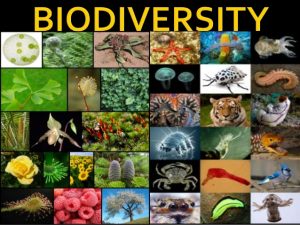
Convention on Biodiversity
- Opened for signature at the Earth Summit in 1992 and entered into force on December 29, 1993
- There are 193 parties. Its secretariat is based in Montreal, Canada.
- US has signed but not ratified the treaty.
- It is an internationallegally-binding treaty with three main goals:
- conservationof biodiversity
- sustainable useof biodiversity
- fair and equitable sharingof the benefits arising from the use of genetic Resources
- Its overall objective is to encourage actions which will lead to sustainable future
- CBD covers biodiversityat all levels: ecosystems, species and genetic resources
- It also covers Biotechnology through theCartagena Protocol on Biosafety
- Its governing body is the Conference of Parties (COP). They meet every two years
- TheEcosystem Approach, an integrated strategy for the management of resources, is the framework for action under the Convention
- Precautionary principle: it states that where there is threat of significant reduction or loss of biological diversity, lack of full scientific certainty should not be used as a reason for postponing measures to avoid or minimize such threat.
- 2010 is the International Year of Biodiversity.
COP-10 of CBD
- Held at Nagoya, Japan in October 2010.
- It achieved three inter-linked goals
- Adoption of a new ten year strategic plan to save biodiversity
- Resource mobilization strategy to increase official development assistance for biodiversity
- A new international protocol on access to and sharing the benefits from the use of the genetic resources of the planet (Nagoya Protocol)
- Japan Biodiversity Fund was established
- COP-11 will take place in 2012 in India
Nagoya Protocol
- Nagoya Protocol on Access to Genetic Resources and the Fair and Equitable Sharing of Benefits Arising from Their Utilization
- The protocol creates a framework that balances access to genetic resources on the basis ofprior informed Consent and mutually agreed terms with a fair and equitable sharing
- Expected to enter into force in 2012
- The Strategic Plan of CBD, which aims to arrest biodiversity loss throughout the world by 2020, will be called the Aichi Target. <Aichi is the prefecture in which Nagoya is situated>
Aichi Target
- The Strategic Plan of the CBD or the ‘Aichi Target’ adopted by the meeting include 20 headline targets, organised under five strategic goals that address the underlying causes of biodiversity loss, reduce the pressures on biodiversity, safeguard biodiversity at all levels, enhance the benefits provided by biodiversity, and provide for capacity building.
- The Aichi target will be the overarching framework on biodiversity not only for the biodiversity-related conventions, but for the entire UN system.
- Some targets
- 17 pc inland and 10 pc marine ecosystem
- Conserving coral reefs
- Restore 15 pc of degraded areas
- Halve or bring to zero the rate of loss of natural habitats including forests
- Target is that by 2020, at least 17 pc of terrestrial and inland water, and 10 pc of coastal and marine areas, especially areas of particular importance for biodiversity and ecosystem are conserved
- The conservation is to be done through effectively and equitably managed, ecologically representative and well connected systemsof Protected Areas and other effective area-based conservation measures, and integrated into the wider landscapes and seascapes.
,
Biodiversity is the variety of life on Earth. It includes the variety of plants, animals, Fungi, and Microorganisms, as well as the variety of ecosystems in which they live. Biodiversity is important for many reasons, including:
- It provides us with food, medicine, and other resources.
- It helps to regulate the Climate and protect us from natural disasters.
- It is essential for our mental and physical Health.
- It is a source of wonder and beauty.
Human activities are causing a rapid decline in biodiversity. This is due to factors such as habitat loss, overexploitation, pollution, and Climate Change. The loss of biodiversity is a serious threat to our planet and our way of life.
We need to take action to conserve biodiversity. This includes protecting and restoring ecosystems, managing our resources sustainably, and reducing our impact on the Environment. We also need to educate people about the importance of biodiversity and the threats it faces.
Conservation is the protection of biodiversity. It can be done through a variety of methods, including:
- Protected areas: These are areas of land or sea that are set aside for the protection of biodiversity.
- Ecotourism: This is a type of tourism that is designed to minimize its impact on the environment.
- Biodiversity offsets: These are projects that are designed to compensate for the loss of biodiversity caused by other projects.
Hotspots are areas of high biodiversity that are also under threat. There are 36 biodiversity hotspots in the world, which contain more than half of the world’s plant and animal species. These hotspots are particularly vulnerable to habitat loss, overexploitation, and climate change.
The main threats to biodiversity are:
- Habitat loss: This is the destruction of natural habitats, such as forests, wetlands, and grasslands.
- Overexploitation: This is the use of resources at a rate that is unsustainable.
- Pollution: This is the release of harmful substances into the environment, which can damage ecosystems and kill organisms.
- Climate change: This is the long-term change in the Earth’s climate, which can cause changes in temperature, Precipitation, and sea level.
- Disease: This is the spread of harmful organisms, such as viruses and bacteria, which can kill organisms or make them more susceptible to other threats.
- Fragmentation: This is the division of an ecosystem into smaller pieces, which can make it more difficult for organisms to survive.
- Degradation: This is the decline in the quality of an ecosystem, which can make it less suitable for organisms to live in.
- Extinction: This is the permanent loss of a species.
We can all help to conserve biodiversity by making small changes in our everyday lives. These include:
- Reducing our consumption of resources, such as energy and water.
- Recycling and composting.
- Eating less meat.
- Supporting sustainable businesses.
- Getting involved in conservation projects.
Biodiversity is essential for our planet and our way of life. We need to take action to conserve it before it is too late.
What is biodiversity?
Biodiversity is the variety of life on Earth. It includes all living things, from plants and animals to bacteria and fungi. Biodiversity is important because it provides us with food, medicine, and other resources. It also
11.4-132.3s0-89.4-11.4-132.3zm-317.5 213.5V175.2l142.7 81.2-142.7 81.2z"/> Subscribe on YouTube