-
Agricultural Losses: Plant viruses cause over $30 billion in annual global losses, with pests and diseases destroying nearly 40% of annual crops.
-
Cucumber Mosaic Virus (CMV): CMV infects over 1,200 plant species, causing significant yield losses (e.g., 25-30% in Indian banana plantations, up to 70% in pumpkin/cucumber/melon crops). Spread by aphids.
-
RNA Silencing: Plants naturally use RNA silencing (dsRNA triggers DCL enzymes to produce siRNAs, destroying viral RNA) as a defense against viruses.
-
HIGS vs. SIGS: Host-Induced Gene Silencing (HIGS) involves genetically modifying plants for continuous dsRNA production but faces regulatory and cost hurdles. Spray-Induced Gene Silencing (SIGS) uses RNA sprays, but traditional dsRNA mixes are inefficient.
-
New “Effective dsRNA” Approach: Researchers developed a new approach that enhanced the effectiveness of RNA silencing against CMV.
-
Engineered dsRNA: Genetically engineered dsRNA enriched with highly functional siRNA.
-
Key Advantages: The new approach: (i) precision, directing the plant’s immune system toward the viral particles’ most vulnerable genetic regions, boosting its ability to fight infection. (ii) a stronger defense because the more-effective dsRNA targets multiple regions of the viral genome simultaneously, making it harder for the virus to mutate and escape. (iii) effective dsRNA can be redesigned in about a month to target new viral strains.
-
Promising Results: Demonstrated up to 80% viral load reduction in lab settings using Nicotiana benthamiana. Effective against multiple CMV strains.
-
Future Steps: Developing spray-based solutions and field trials are underway to test effectiveness in natural conditions.
-
Broader Applications: The technology could be adapted for other plant viruses, fungal and bacterial diseases, and insect pests.
-
Challenges:
RNA stability in outdoor conditions (sunlight, rain), cost and scalability of production, and regulatory approvals.
28.04.25
WTO: Reboot
- WTO’s Diminished Relevance: Rising protectionism, paralyzed dispute settlement, proliferation of FTAs challenge WTO’s role.
- Dispute Settlement Crisis: The Appellate Body is non-functional due to blocked appointments by the US since 2019, weakening enforcement.
- Negotiation Stalemate: Doha Round failed due to disagreements on agriculture, market access, subsidies.
- MFN Erosion: FTAs bypass MFN obligations, fragmenting trade rules, and undermining the multilateral vision.
- Rise of Protectionism: Trade wars, unilateral tariffs using “national security” exceptions weaken WTO principles.
- Inability to Address New Issues: WTO lacks rules for the digital economy, e-commerce, and climate-related trade.
- Power Imbalance: Developed countries push reforms, while developing countries resist, fearing loss of development space.
- Geopolitical Tensions: US-China rivalry, Russia-Ukraine war, and strategic blocs reduce cooperation within the WTO.
- Developing Country Status Disputes: Disagreement over benefits for large economies like China.
- India’s Concerns: MSP exceeding subsidy caps and reluctance to negotiate labor/environmental standards.
- WTO’s Significance: Despite challenges, it facilitated trade growth, reduced poverty, and provided a platform for the Global South.
- Revival Measures: Equitable globalization, enforceable digital trade rules, restoring dispute settlement, redefining SDT based on dynamic criteria, trade-climate linkages, and a permanent reform council.
- Loss of Compass: WTO is not performing negotiating, dispute settlement, or trade monitoring functions, according to some experts.
- US Distrust: The US believes it lowered tariffs too much compared to other countries and feels MFN has not worked.
- China Challenge: WTO rules were inadequate to address China’s dominance and trade practices.
Balikatan 2025
-
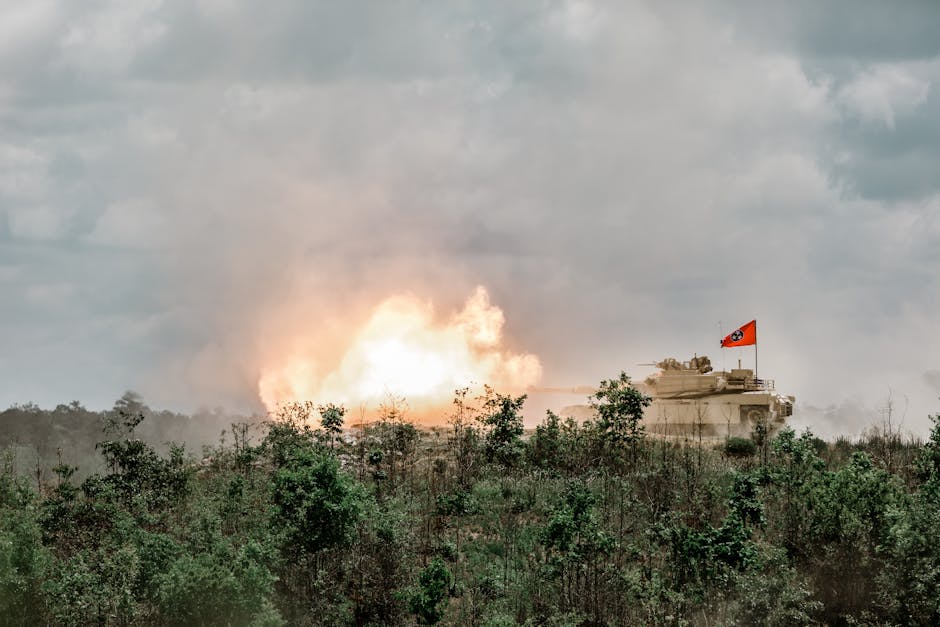
Largest Bilateral Exercise: Balikatan is the largest military exercise between the Armed Forces of the Philippines (AFP) and the United States military. Why: Highlights the scale and importance of the cooperation.
-
Deterrence Focus: Exercise simulates a “full-scale battle scenario,” aimed at deterring potential aggression in the region, implied to be China. Why: Indicates the strategic purpose of the exercise and its geopolitical context.
-
Mutual Defense Treaty Support: Balikatan is designed to enhance military interoperability and readiness in support of the Mutual Defense Treaty between the US
and the Philippines. Why: Reinforces the legal and strategic basis for the exercise. -
40th Iteration: The 2025 exercise marks the 40th year of Balikatan. Why: Emphasizes the long-standing nature of the partnership.
-
Full Battle Test (FBT): Balikatan 2025 introduces a Full Battle Test, incorporating real-world forces and events into a virtual scenario. Why: Shows a significant upgrade in the complexity and realism of the exercise.
-
Multi-Domain Operations: The exercise spans all domains: air, land, sea, space, and cyber, testing interoperability in defending Philippine sovereignty. Why: Highlights the comprehensive nature of the training, covering modern warfare aspects.
-
Four Primary Components:
- Combined Joint Logistics Over-the-Shore (CJLOTS)
- Humanitarian Civic Assistance (HCA)
- Command-and-Control Exercise (C2X)
- Multilateral Maritime Exercise (MME)
Why: Details the specific areas of training and cooperation, showcasing a diverse set of capabilities.
India’s ECS Claim
-
Modified ECS Claim: India has submitted a revised claim to the UN Commission on the Limits of the Continental Shelf (CLCS) to extend its Extended Continental Shelf in the Central Arabian Sea by nearly 10,000 sq km.
-
Avoiding Dispute: The move aims to avoid a maritime dispute with Pakistan over the Sir Creek area while securing valuable seabed resources.
-
What is ECS: Extended Continental Shelf (ECS) extends beyond a coastal State’s territorial sea, either up to the natural edge of the continental margin or up to 200 nautical miles from its baselines, whichever is farther.
-
Initial Claim & Objections: India’s initial claim (2009) faced objections from Pakistan (2021) due to overlaps near the disputed Sir Creek area. The CLCS rejected India’s claim in the Arabian Sea in 2023, allowing resubmission.
-
Strategic Splitting: India split its original claim into two parts to ensure that its claim in the Central Arabian Sea region isn’t affected.
-
Resource Security: Securing the ECS is critical for accessing minerals, polymetallic nodules, and oil reserves to support India’s economic interests.
-
Strategic Control: With the ECS, India’s seabed area would nearly equal its land area, reinforcing maritime sovereignty and regional influence.
-
UNCLOS Framework: The claim is made under the United Nations Convention on the Law of the Sea (UNCLOS), with CLCS recommendations expected in August 2025.
-
Other Overlaps: Some parts of India’s continental shelf
claims in the Arabian Sea overlap with that of Oman. However the two countries have an agreement in place since 2010 that while the continental shelf between them is yet to be delimited, it is ‘not under dispute.’
UDAN: Fly High!
- UDAN Scheme Anniversary: Celebrated its 8th anniversary (April 27, 2025), highlighting its role in affordable air travel. Launched on October 21, 2016, with the first flight on April 27, 2017 (Shimla-Delhi).
- Objective: Democratize aviation, enhance regional connectivity, and connect Tier-2 and Tier-3 cities. Aims to make air travel accessible to the common man.
- Key Features: Viability Gap Funding (VGF), airfare caps, reduced taxes on Aviation Turbine Fuel (ATF), and collaborative governance. ₹4,023.37 crore disbursed as VGF.
- Implementation: Designed under the National Civil Aviation Policy (NCAP) 2016. Airports Authority of India (AAI) is the nodal agency.
- Significant Milestones: 625 routes operationalized, connecting 90 airports (including 2 water aerodromes, and 15 heliports). Airport network expanded from 74 (2014) to 159 (2024). More than 1.49 crore passengers benefited.
- Key Innovations:
- UDAN Yatri Cafes: Affordable food options at airports.
- Seaplane Operations: Focus on connecting water bodies; UDAN Round 5.5 launched. Guidelines released in August 2024 focusing on safety and operational viability.
- Krishi UDAN Scheme: Supports farmers with air logistics for agri-produce. Covers 58 airports.
- Future Plans: Revamped UDAN aims to add 120 new destinations and enable affordable air travel for 4 crore more passengers over the next decade. Focus on remote, hilly, and aspirational districts. Plan to develop 50 64S117.2 64 74.6 75.5c-23.5 6.3-42 24.9-48.3 48.6-11.4 42.9-11.4 132.3-11.4 132.3s0 89.4 11.4 132.3c6.3 23.7 24.8 41.5 48.3 47.8C117.2 448 288 448 288 448s170.8 0 213.4-11.5c23.5-6.3 42-24.2 48.3-47.8 11.4-42.9 11.4-132.3 11.4-132.3s0-89.4-11.4-132.3zm-317.5 213.5V175.2l142.7 81.2-142.7 81.2z"/> Subscribe on YouTube