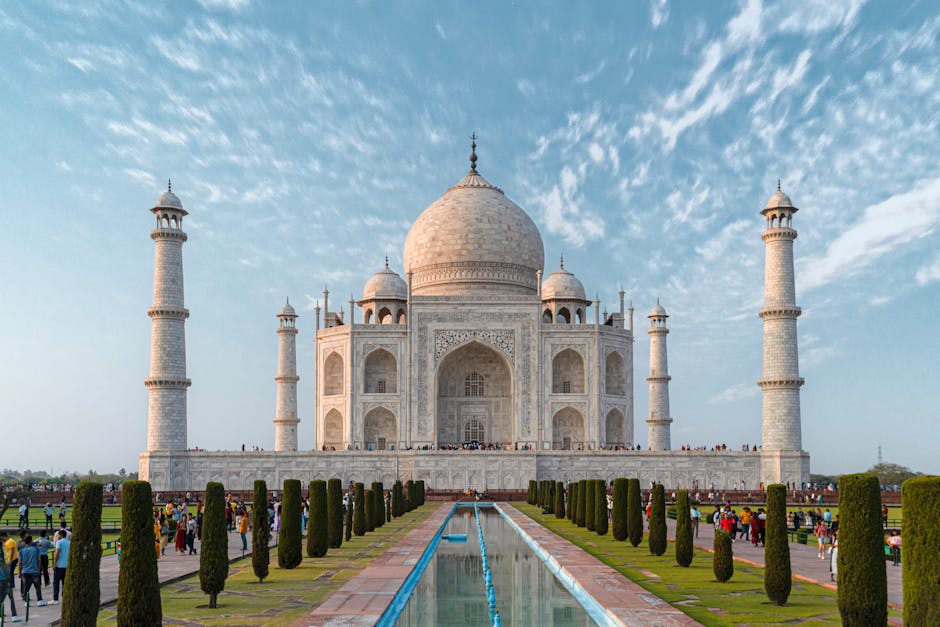
- SC Directive to NEERI: The Supreme Court has directed NEERI to assess the environmental impact of glass industries near the Taj Mahal.
- Concerns over Industrial Pollution: This stems from growing worries about pollution within the Taj Trapezium Zone (TTZ) and its effect on the monument.
- Potential Relocation: The SC indicated it would order the removal of polluting industries if NEERI’s assessment is adverse.
- UPPCB Involvement: The UP Pollution Control Board has been directed to form a team to inspect highlighted industrial 132.3s0 89.4 11.4 132.3c6.3 23.7 24.8 41.5 48.3 47.8C117.2 448 288 448 288 448s170.8 0 213.4-11.5c23.5-6.3 42-24.2 48.3-47.8 11.4-42.9 11.4-132.3 11.4-132.3s0-89.4-11.4-132.3zm-317.5 213.5V175.2l142.7 81.2-142.7 81.2z"/>
Subscribe on YouTube
units and submit an interim report on pollutant production.
Court’s Frustration: The Supreme Court has previously criticized the TTZ authority’s ineffectiveness in protecting the Taj Mahal’s environment.
TTZ Purpose: The TTZ was established to protect the Taj Mahal from pollution, encompassing a 10,400 sq km area.
Past Efforts: Previous SC judgments banned coal/coke use in TTZ industries, mandating cleaner fuels.
Threats to Taj: The Taj Mahal faces threats from vehicular emissions, industrial pollution, biomass burning, construction, and untreated sewage, leading to discoloration of the marble.
Inadequate TTZ Authority: A parliamentary report highlighted the TTZ Authority’s lack of resources and effectiveness.
Need for Stronger Measures: Recommendations include flue gas recirculation in glass industries, transition to clean energy, integrated traffic management, stronger TTZ authority, and relocation of polluting industries.