- NASA proposes using Quantum Gravity Gradiometers (QGGs) on satellites: To monitor Earth’s changing mass distribution, particularly due to climate change effects.
- QGGs leverage quantum principles: Atoms are cooled to near absolute zero and manipulated with lasers.
- Detects minute gravitational changes: QGGs can measure acceleration differences as small as 10⁻¹⁵ m/s² over 1 meter.
- High precision mapping: Enables precise monitoring of water, ice, and geological material movement from low Earth orbit.
- Measures gravity gradients: QGGs measure the rate of change of gravitational acceleration.
- Applications beyond climate: Useful in resource exploration (detecting oil/gas deposits) and detecting underground structures for geology, archaeology, and defence due to their high precision.
- Atom interferometry: QGGs track ultracold atoms in free-fall, detecting phase shifts caused by gravity variations.
23.04.25
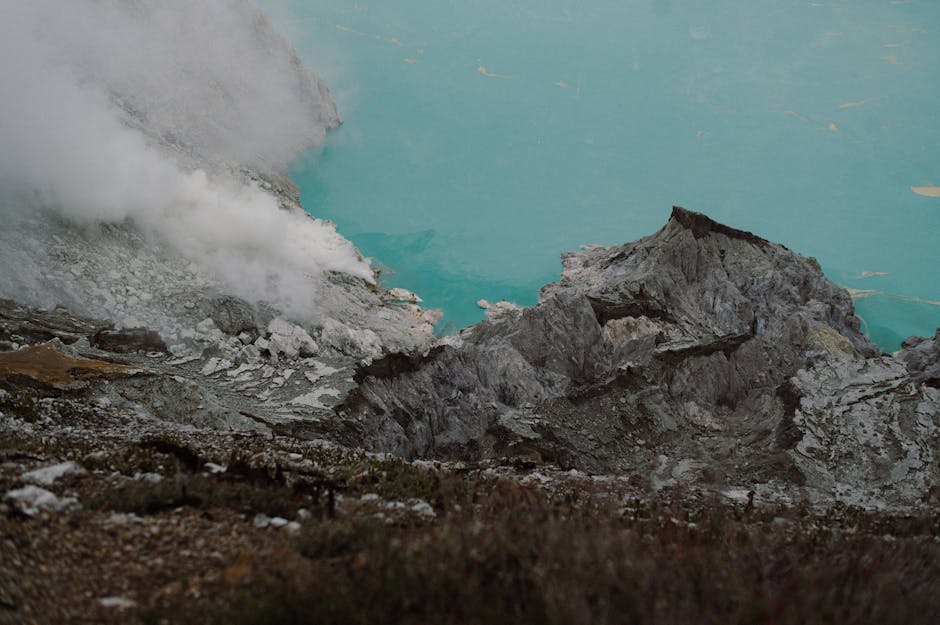
Poás Volcano
-
Recent Eruption: The Poás Volcano in Costa Rica, a popular tourist destination, has recently erupted. This is newsworthy because it impacts tourism and potentially surrounding areas.
-
Active Volcano: Poás is one of Costa Rica’s most active volcanoes. This highlights the ongoing geological activity in the region and potential for future eruptions.
-
Volcano National Park Location: Located within the Poás Volcano National Park. Its a composite stratovolcano with irregular complex form.
-
Crater Lake Drying: Throughout 2024, the volcano’s crater lake has been drying up, leading to ash eruptions and increased gas release. This is a significant change indicating heightened volcanic activity.
-
Small Explosions: Small explosions ejecting rocks have been observed. This poses a direct hazard within the immediate vicinity of the crater.
-
Increased Gas Emissions: Since 1989, the volcano has markedly increased gas emissions, causing acid rain that damages local flora and agriculture. This long-term effect has ecological and economic consequences.
-
Large Crater: The volcano’s main crater
is about 1.5 km wide and 300 meters deep – one of the largest active craters in the world.
Sudden Deluge
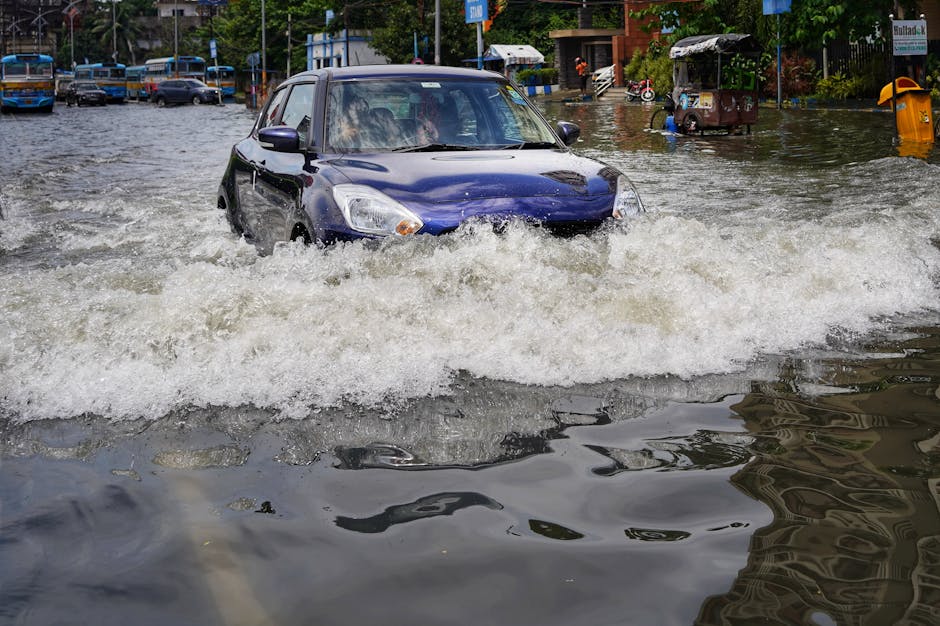
- Ramban, J&K Recent Event: Ramban district experienced heavy rainfall and hail, causing significant damage.
- Rainfall Surge: IMD recorded a 575% increase in rainfall (16.9 mm) compared to the normal (2.5 mm) in 24 hours.
- Cloudburst Definition: A cloudburst is defined as 10 cm or more of rainfall in one hour over a 10 km x 10 km area, or 5 cm in 30 minutes over the same area.
- Orographic Lift: Cloudbursts are frequent in mountainous regions due to orographic lift, where warm, moist air rises, cools, and releases precipitation.
- Flash Floods: Sudden inundation from excessive rainwater overwhelming drainage systems, common in hills due to poor water absorption by rocky terrain. Flash floods are often deadly.
- Landslides: Movement of rock/debris down a slope when gravity exceeds resistance. Heavy rain increases weight and reduces cohesion, increasing landslide risk. Can cause fatalities, disrupt transportation and block rivers.
- Forecasting Challenges: Cloudbursts are difficult to forecast due to their localized nature.
- Cloudburst Causes sudden condensation of moisture-laden clouds, enhanced by topography.
Desert Flag-10
-
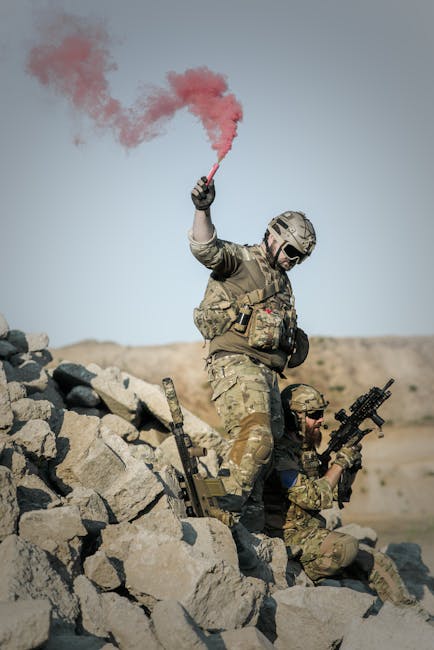
Exercise Desert Flag-10 Participation: The Indian Air Force (IAF) participated in Exercise Desert Flag-10, a multinational air combat exercise hosted by the UAE Air Force.
-
Location and Dates: The exercise took place at Al Dhafra Air Base in the UAE, from April 21st to May 8th, 2025.
-
Participating Nations: Air forces from Australia, Bahrain, France, Germany, Qatar, Saudi Arabia, South Korea, Turkey, the UK, the US, and the UAE also participated.
-
IAF Deployment: The IAF deployed MiG-29 and Jaguar aircraft, showcasing its frontline combat capabilities.
-
Exercise Objectives: The exercise aimed to enhance interoperability, operational synergy, and mutual understanding among
participating nations through complex air combat scenarios and the exchange of global best practices. It allows for diverse fighter engagements and the sharing of operational knowledge with some of the world’s most capable air forces. -
Significance: Participation strengthens defence ties and interoperability with friendly nations in the region and beyond, underscoring India’s commitment to military cooperation.
-
India-UAE Defence Cooperation: Exercise Desert Flag is part of a broader framework of India-UAE defence cooperation, which includes other exercises like Desert Cyclone (land), Desert Eagle (air), Zayed Talwar (naval), and Desert Knight (trilateral with France).
Sunrise Industry
- India’s Manufacturing Push: India aims to increase the manufacturing sector’s share of GDP from 12% to 23% in the next two decades. This is driven by the need to create jobs, reduce import dependence, and build globally competitive supply chains.
- Focus on Sunrise Sectors: The government is prioritizing 14 identified sunrise sectors, including semiconductors, renewable energy components, medical devices, and batteries. This also include labour-intensive industries, such as textile and leather.
- Importance of Manufacturing: Manufacturing is seen as crucial for long-term economic transformation, providing employment, financial stability, 288 448 288 448s170.8 0 213.4-11.5c23.5-6.3 42-24.2 48.3-47.8 11.4-42.9 11.4-132.3 11.4-132.3s0-89.4-11.4-132.3zm-317.5 213.5V175.2l142.7 81.2-142.7 81.2z"/> Subscribe on YouTube