-
Second Human Fatality in India: A girl in Andhra Pradesh died from the H5N1 bird flu virus, marking India’s second confirmed human death from this strain since 2021.
-
Exposure and Symptoms: The girl reportedly consumed raw chicken and developed high fever and diarrhea before passing away on March 16.
-
H5N1 Overview: H5N1 is a type of avian influenza virus,
deadly to birds and occasionally transmissible to humans. -
Transmission & Fatality: Primarily spreads through direct contact with infected birds/contaminated environments. Human-to-human transmission is rare. H5N1 has a high mortality rate (~60%).
-
Global Context: First human cases emerged in 1997 (Hong Kong). Most cases have been in Asia, linked to close contact with infected birds. WHO recorded 972 confirmed human cases (2003-Feb 2025).
-
Symptoms & Treatment: Common symptoms: fever, cough, sore throat, muscle aches. Antiviral drugs (e.g., oseltamivir) are effective if administered early.
-
Prevention Measures: Medical officers are screening hospital visitors for fever, though government officials have ruled out an outbreak. Affected areas declared red zones.
-
Poultry Culling: Dozens of chickens died in Andhra Pradesh, resulting in the culling of
hundreds of chickens in affected and nearby farms. -
Pandemic Potential: While H5N1 poses a threat, one case isn’t indicative of a pandemic. The virus requires further study to determine if it is easily transmissible among humans. Avian influenza is not currently on the WHO priority list of pathogens of pandemic potential.
-
Chicken Consumption: Properly cooked chicken is safe to eat, as high temperatures kill the virus.
07.04.25
Balukhand-Konark Wildlife Sanctuary
-
Vegetation Decline: Dense vegetation in Balukhand-Konark Wildlife Sanctuary decreased from 41.8% in 1993 to 37.1% in 2023. This impacts the ecosystem that supports various species.
-
Dominance of Sparse Vegetation: Sparse vegetation now covers over 50% of the sanctuary area.
-
Cyclone Impact: Intense cyclones like Fani significantly degrade vegetation and alter the ecosystem permanently. Increased frequency of storms due to climate change worsens the decline.
-
Shoreline Changes: Northern shores are eroding rapidly, while southern parts are experiencing sediment deposition.
-
Future Erosion Concerns: Projections indicate potential erosion of over 51 meters in northern areas and deposition of up to 179 meters in southern sections by 2043.
-
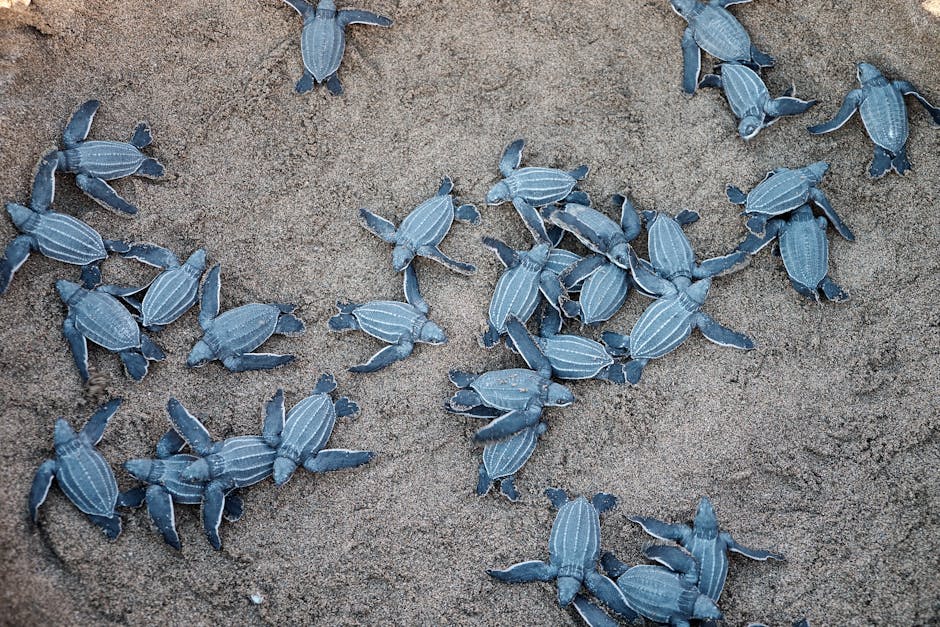
Ecological Consequences: Loss of vegetation threatens migratory birds, deer, reptiles,
and Olive Ridley turtles nesting grounds. -
Location and Significance: The sanctuary is located in Puri district, Odisha, and is important for Olive Ridley turtle nesting.
-
Study Details: A study by Fakir Mohan University and Federal University of Paraiba (Brazil) used satellite data and machine learning to analyze land use and shoreline changes from 1993-2023, predicting trends through 2043.
-
River System: Traversed by the rivulets such as Nuanai River, Kusabhadra River, Kadua River, and Prachi River.
-
Establishment: It was declared a sanctuary on 23 April 1984, it has an area of 87 sq.km.
Rushikulya Under Threat
-
Pipalapanka Dam Revival: Odisha government’s renewed dam project at Pipalapanka, Ganjam district, sparks protests.
-
Rushikulya River Threat: Locals and environmentalists fear the dam endangers the Rushikulya River.
-
Priority to Industries: Allegations that the
dam prioritizes water supply to industries, including Adani Group’s Gopalpur port, over ecological needs and local agriculture. -
Ecological Damage Concerns: Prafulla Samantara, along with other activists, highlight potential ecological damage and demand project withdrawal.
-
Rushikulya River Importance: The river flows through Kandhamal,
Ganjam, and Boudh districts, originating in Daringbadi. Tributaries weakened by prior damming. -
Olive Ridley Turtle Nesting: Rushikulya River mouth is crucial for Olive Ridley Turtle nesting (Arribada). Dam could increase salinity intrusion and reduce fish yield.
-
Climate Change Impact: Rising temperatures are skewing turtle sex ratios, further endangering the species.
-
Activist Opposition: Environmentalists argue the dam’s real purpose is industrial water supply, not irrigation, and cite threats to the river’s health from sand mining and industrial projects.
Maternal Deaths: 2000-2023
- Global Maternal Mortality: Approximately 260,000 maternal deaths occurred worldwide in 2023, equating to 712 deaths daily.
- Significant Reduction: A 40% decrease in maternal mortality has been achieved globally since 2000, indicating progress in healthcare access.
- Regional Disparities: Sub-Saharan Africa accounts for class="youtube-subscribe-button"> Subscribe on YouTube