Rajya Sabha Debate: Congress MP Jairam Ramesh questioned the progress of India’s three-stage nuclear program, specifically Phase 2 (Fast Breeder Reactors) and Phase 3 (Thorium Reactors).
Historical Context: India’s nuclear program began soon after independence, with Asia’s first research reactor, Apsara, in 1956, followed by a nuclear power plant in
Stage II (FBRs): Uses plutonium from Stage I and natural uranium. “Breeds” more fissile material than it consumes, converting uranium-238 into more plutonium. The Prototype Fast Breeder Reactor (PFBR) at Kalpakkam is a key component, though facing delays.
Stage III (Thorium Reactors): Aims to utilize India’s large thorium reserves. Thorium-232 is converted into uranium-233 through neutron irradiation. Envisions Advanced Heavy Water Reactors (AHWRs) and molten salt reactors.
Long-Term Goal: To achieve sustained nuclear power generation primarily using thorium, reducing reliance on imported uranium and paving the way for a self-reliant nuclear energy program.
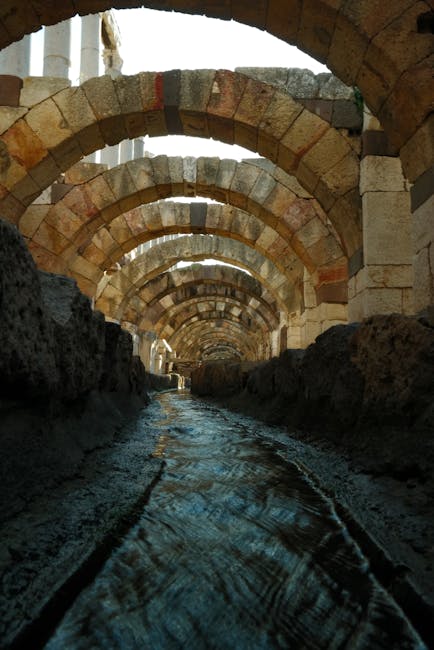
Ancient Roman Aqueduct Discovery: Archaeologists unearthed a Roman aqueduct near Rusovce Manor in Bratislava, Slovakia. This highlights the sophisticated engineering of the Roman era.
Aqueduct Definition: Aqueducts are structures designed to transport water over long distances using pipes,
civilizations in India, Persia, Assyria, and Egypt used them, but the Romans are renowned for their advanced aqueduct systems.
Roman Aqueduct System: Between 312 BCE and 230 CE, the Romans built an extensive network of aqueducts to supply water to Rome.
Modern Aqueducts: The term “aqueduct” now includes various water transportation systems, not just bridges. The longest modern aqueduct is the Central Arizona Project in the United States.