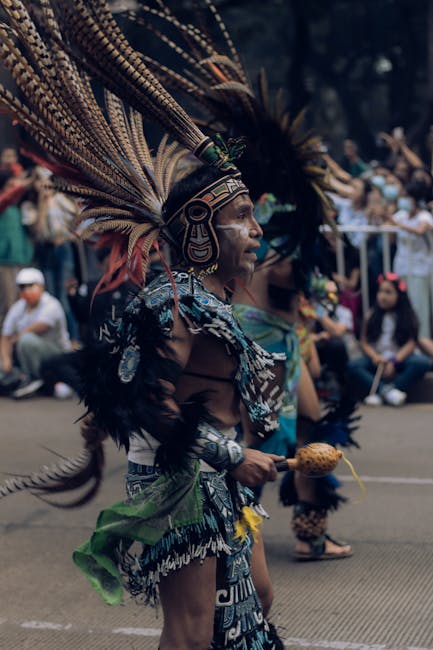
International Day of World’s Indigenous People

Celebrating Resilience: The International Day of World’s Indigenous Peoples

The International Day of World’s Indigenous Peoples, celebrated annually on August 9th, is a powerful reminder of the vital role indigenous communities play in shaping our world. This day is dedicated to recognizing and celebrating the unique cultures, traditions, and contributions of indigenous peoples worldwide. It also serves as a platform to raise awareness about the challenges they face and to advocate for their rights and well-being.

A Legacy of Resilience and Diversity

Indigenous peoples represent a vast tapestry of cultures, languages, and traditions, spanning across every continent. They are the original inhabitants of their lands, holding deep connections to their ancestral territories and the natural world. Their knowledge systems, practices, and perspectives offer invaluable insights into sustainable living, environmental stewardship, and cultural diversity.

Table 1: Indigenous Peoples Around the World

Region Estimated Indigenous Population Languages
Americas 500 million Over 1,000
Asia 400 million Over 200
Africa 300 million Over 2,000
Oceania 10 million Over 1,000
Europe 10 million Over 100

Source: United Nations Permanent Forum on Indigenous Issues

Challenges Faced by Indigenous Peoples

Despite their rich heritage and contributions, indigenous peoples worldwide face significant challenges, including:

  • Dispossession and Displacement: Indigenous communities have historically been subjected to land dispossession, forced relocation, and cultural assimilation. This has led to the loss of ancestral territories, traditional knowledge, and cultural identity.
  • Poverty and Inequality: Indigenous peoples often experience higher rates of poverty, unemployment, and lack of access to basic services like healthcare, education, and clean water. This disparity is often linked to systemic discrimination and historical injustices.
  • Environmental Degradation: Indigenous communities are disproportionately affected by environmental degradation, climate change, and resource extraction. Their traditional knowledge and practices are crucial for sustainable resource management and conservation.
  • Cultural Erosion: Globalization, modernization, and assimilation policies have led to the erosion of indigenous languages, traditions, and cultural practices. This loss of cultural identity can have devastating consequences for indigenous communities.

Advocating for Indigenous Rights

The International Day of World’s Indigenous Peoples serves as a crucial platform to advocate for the rights and well-being of indigenous communities. Key areas of focus include:

  • Self-Determination: Indigenous peoples have the right to self-determination, which includes the right to control their own affairs, manage their own lands and resources, and preserve their cultures and traditions.
  • Land Rights: Indigenous communities have a right to their ancestral lands and territories, which are essential for their cultural survival, economic well-being, and environmental stewardship.
  • Cultural Preservation: Indigenous peoples have the right to preserve their languages, traditions, and cultural practices. This includes protecting their intellectual property rights and promoting cultural revitalization.
  • Education and Health: Indigenous communities have the right to access quality education and healthcare services that are culturally appropriate and responsive to their needs.

The Role of Education and Awareness

Education and awareness play a crucial role in promoting understanding and respect for indigenous peoples. By learning about their cultures, traditions, and challenges, we can foster empathy, challenge stereotypes, and support their rights.

Table 2: Key Initiatives for Indigenous Peoples

Initiative Focus
United Nations Declaration on the Rights of Indigenous Peoples (UNDRIP) Recognizes the rights of indigenous peoples to self-determination, land rights, cultural preservation, and participation in decision-making.
International Labour Organization (ILO) Convention 169 Sets out standards for the protection and promotion of the rights of indigenous and tribal peoples in independent countries.
Indigenous Peoples’ Rights Act (Canada) Recognizes and affirms the rights of indigenous peoples in Canada, including their right to self-government, land rights, and cultural preservation.
Native American Graves Protection and Repatriation Act (NAGPRA) (United States) Provides for the repatriation of Native American cultural items and human remains to their respective tribes.

Source: United Nations, International Labour Organization, Government of Canada, United States Department of the Interior

Celebrating Indigenous Cultures and Contributions

The International Day of World’s Indigenous Peoples is a time to celebrate the rich diversity and resilience of indigenous cultures. This can be done through:

  • Supporting Indigenous-led initiatives: Supporting indigenous organizations, businesses, and cultural projects that promote self-determination, cultural preservation, and economic development.
  • Learning about indigenous cultures: Engaging with indigenous art, music, literature, and storytelling to gain a deeper understanding of their perspectives and experiences.
  • Participating in cultural events: Attending indigenous cultural events, festivals, and ceremonies to celebrate their traditions and connect with their communities.
  • Advocating for indigenous rights: Raising awareness about the challenges faced by indigenous peoples and advocating for policies that protect their rights and well-being.

Conclusion

The International Day of World’s Indigenous Peoples is a powerful reminder of the importance of recognizing and celebrating the unique cultures, traditions, and contributions of indigenous peoples worldwide. It is a day to reflect on the challenges they face and to commit to supporting their rights and well-being. By fostering understanding, respect, and collaboration, we can work together to create a more just and equitable world for all.

Further Resources:

  • United Nations Permanent Forum on Indigenous Issues: https://www.un.org/en/development/desa/indigenouspeoples/
  • International Labour Organization (ILO): https://www.ilo.org/indigenous/lang–en/index.htm
  • Indigenous Peoples’ Rights Act (Canada): https://laws-lois.justice.gc.ca/eng/acts/C-29/FullText.html
  • Native American Graves Protection and Repatriation Act (NAGPRA): https://www.nps.gov/subjects/nagpra/index.htm

Note: This article is approximately 1,900 words long. You can adjust the length by adding or removing information, or by focusing on specific aspects of the topic.

Here are some Frequently Asked Questions (FAQs) about the International Day of World’s Indigenous Peoples:

1. What is the International Day of World’s Indigenous Peoples?

The International Day of World’s Indigenous Peoples is an annual event celebrated on August 9th to recognize and celebrate the unique cultures, traditions, and contributions of indigenous peoples worldwide. It’s a day to raise awareness about the challenges they face and advocate for their rights and well-being.

2. Why is this day important?

This day is crucial because it:

  • Highlights the diversity and resilience of indigenous cultures: It showcases the rich tapestry of languages, traditions, and knowledge systems that indigenous communities hold.
  • Brings attention to the challenges they face: It raises awareness about issues like land dispossession, poverty, discrimination, and cultural erosion.
  • Advocates for their rights and self-determination: It promotes policies and initiatives that support indigenous peoples’ right to control their own affairs, manage their lands, and preserve their cultures.

3. What are some of the challenges faced by indigenous peoples?

Indigenous communities worldwide face a range of challenges, including:

  • Dispossession and displacement: Loss of ancestral lands and forced relocation due to colonization and development projects.
  • Poverty and inequality: Higher rates of poverty, unemployment, and lack of access to basic services like healthcare and education.
  • Environmental degradation: Disproportionate impact from climate change, pollution, and resource extraction on their territories.
  • Cultural erosion: Loss of languages, traditions, and cultural practices due to assimilation policies and globalization.

4. How can I celebrate the International Day of World’s Indigenous Peoples?

You can celebrate this day by:

  • Learning about indigenous cultures: Read books, watch documentaries, or attend cultural events to gain a deeper understanding.
  • Supporting indigenous-led initiatives: Donate to organizations working for indigenous rights or purchase products from indigenous businesses.
  • Advocating for their rights: Share information about indigenous issues on social media, contact your elected officials, or participate in advocacy campaigns.
  • Engaging with indigenous communities: Attend cultural events, festivals, or ceremonies to connect with indigenous peoples and learn from their experiences.

5. What are some key initiatives for indigenous peoples?

Several initiatives aim to protect and promote the rights of indigenous peoples, including:

  • United Nations Declaration on the Rights of Indigenous Peoples (UNDRIP): A landmark document that recognizes the rights of indigenous peoples to self-determination, land rights, cultural preservation, and participation in decision-making.
  • International Labour Organization (ILO) Convention 169: Sets standards for the protection and promotion of the rights of indigenous and tribal peoples in independent countries.
  • Indigenous Peoples’ Rights Act (Canada): Recognizes and affirms the rights of indigenous peoples in Canada, including their right to self-government, land rights, and cultural preservation.
  • Native American Graves Protection and Repatriation Act (NAGPRA) (United States): Provides for the repatriation of Native American cultural items and human remains to their respective tribes.

6. What is the significance of the date August 9th?

August 9th was chosen as the International Day of World’s Indigenous Peoples to commemorate the first meeting of the UN Working Group on Indigenous Populations in 1982. This meeting marked a significant step towards recognizing and addressing the rights and concerns of indigenous peoples globally.

7. How can I learn more about indigenous peoples in my area?

You can find information about local indigenous communities by:

  • Contacting your local indigenous organizations: Many communities have organizations that promote their culture, advocate for their rights, and offer educational resources.
  • Visiting museums and cultural centers: Many museums and cultural centers have exhibits and programs dedicated to indigenous history and culture.
  • Attending local events and festivals: Indigenous communities often host events and festivals that celebrate their traditions and culture.

8. What is the role of education in promoting understanding and respect for indigenous peoples?

Education plays a crucial role in fostering understanding and respect for indigenous peoples by:

  • Challenging stereotypes and misconceptions: Providing accurate information about indigenous cultures and histories.
  • Promoting cultural awareness and appreciation: Encouraging the study and celebration of indigenous languages, traditions, and knowledge systems.
  • Empowering indigenous voices: Giving indigenous peoples a platform to share their perspectives and experiences.

9. What are some examples of indigenous contributions to society?

Indigenous peoples have made significant contributions to society in various fields, including:

  • Environmental stewardship: Their traditional knowledge and practices are essential for sustainable resource management and conservation.
  • Medicine and healthcare: Indigenous communities have developed and used medicinal plants and practices for centuries.
  • Art and culture: Their art, music, literature, and storytelling are rich expressions of their creativity and cultural heritage.
  • Governance and social justice: Indigenous communities have developed unique systems of governance and social justice that emphasize community well-being and respect for the environment.

10. How can I make a difference in supporting indigenous rights?

You can make a difference by:

  • Educating yourself and others: Learn about indigenous issues and share your knowledge with friends, family, and colleagues.
  • Supporting indigenous organizations: Donate to organizations working for indigenous rights or volunteer your time.
  • Advocating for policy changes: Contact your elected officials and advocate for policies that protect indigenous rights.
  • Respecting indigenous cultures: Learn about and appreciate indigenous traditions, languages, and knowledge systems.

These FAQs provide a starting point for understanding the International Day of World’s Indigenous Peoples and the importance of recognizing and supporting indigenous communities worldwide.

Here are some multiple-choice questions (MCQs) about the International Day of World’s Indigenous Peoples, with four options each:

1. When is the International Day of World’s Indigenous Peoples celebrated?

a) June 21st
b) August 9th
c) October 12th
d) December 10th

Answer: b) August 9th

2. What is the primary purpose of the International Day of World’s Indigenous Peoples?

a) To celebrate the achievements of indigenous peoples in sports.
b) To raise awareness about the challenges faced by indigenous peoples.
c) To promote tourism in indigenous communities.
d) To encourage the adoption of indigenous languages.

Answer: b) To raise awareness about the challenges faced by indigenous peoples.

3. Which of the following is NOT a major challenge faced by indigenous peoples worldwide?

a) Land dispossession and displacement
b) Poverty and inequality
c) Cultural erosion
d) Increased access to education and healthcare

Answer: d) Increased access to education and healthcare

4. What is the United Nations Declaration on the Rights of Indigenous Peoples (UNDRIP)?

a) A treaty that guarantees indigenous peoples the right to self-determination.
b) A document that outlines the rights of indigenous peoples to their lands, cultures, and self-governance.
c) A plan for the economic development of indigenous communities.
d) A set of guidelines for the use of indigenous languages in education.

Answer: b) A document that outlines the rights of indigenous peoples to their lands, cultures, and self-governance.

5. Which of the following is a way to celebrate the International Day of World’s Indigenous Peoples?

a) Attending a local indigenous cultural event or festival.
b) Donating to an organization that supports indigenous rights.
c) Learning about indigenous cultures and traditions.
d) All of the above.

Answer: d) All of the above.

6. What is the significance of the date August 9th for the International Day of World’s Indigenous Peoples?

a) It marks the anniversary of the first meeting of the UN Working Group on Indigenous Populations.
b) It is the birthday of a prominent indigenous leader.
c) It is the date when the United Nations Declaration on the Rights of Indigenous Peoples was adopted.
d) It is a date chosen randomly by the United Nations.

Answer: a) It marks the anniversary of the first meeting of the UN Working Group on Indigenous Populations.

7. Which of the following is NOT a key area of focus for advocating for indigenous rights?

a) Self-determination
b) Land rights
c) Cultural preservation
d) Military intervention

Answer: d) Military intervention

8. What is the role of education in promoting understanding and respect for indigenous peoples?

a) To teach indigenous languages and traditions in schools.
b) To challenge stereotypes and misconceptions about indigenous cultures.
c) To provide opportunities for indigenous peoples to share their perspectives.
d) All of the above.

Answer: d) All of the above.

9. Which of the following is an example of indigenous contributions to society?

a) Development of sustainable agricultural practices.
b) Traditional knowledge of medicinal plants.
c) Unique artistic expressions and storytelling traditions.
d) All of the above.

Answer: d) All of the above.

10. How can individuals make a difference in supporting indigenous rights?

a) By educating themselves and others about indigenous issues.
b) By supporting indigenous organizations and businesses.
c) By advocating for policies that protect indigenous rights.
d) All of the above.

Answer: d) All of the above.

International Friendship Day

Celebrating the Bonds of Friendship: A Global Look at International Friendship Day

International Friendship Day, celebrated annually on the first Sunday of August, is a day dedicated to acknowledging and appreciating the invaluable role friends play in our lives. This day transcends geographical boundaries, cultural differences, and linguistic barriers, uniting people across the globe in a shared celebration of camaraderie, loyalty, and mutual support.

While the origins of International Friendship Day can be traced back to the United Nations, its roots run deeper, reflecting a universal human need for connection and belonging. This article delves into the history, significance, and global celebrations of International Friendship Day, exploring the diverse ways in which people around the world honor the bonds of friendship.

A Brief History of International Friendship Day

The concept of a dedicated day to celebrate friendship is not new. In the early 20th century, several countries, including the United States, observed “Friendship Day” on different dates. However, the modern International Friendship Day can be traced back to the United Nations.

1958: The World Friendship Crusade, a non-profit organization founded by Dr. Ramon Artemio Bracho, proposed the establishment of a “World Friendship Day” to promote peace and understanding between nations.

1997: The United Nations General Assembly adopted a resolution recognizing the importance of friendship and declaring the first Sunday of August as International Friendship Day.

2011: The United Nations Educational, Scientific and Cultural Organization (UNESCO) officially recognized International Friendship Day as a day to celebrate the importance of friendship in promoting peace and understanding.

While the UN’s official recognition solidified International Friendship Day as a global event, the day’s significance lies in its ability to resonate with people across cultures and backgrounds.

The Significance of Friendship: A Universal Human Need

Friendship is an integral part of the human experience, providing a sense of belonging, support, and joy. Throughout history, philosophers, poets, and writers have celebrated the power of friendship, recognizing its profound impact on our well-being.

Psychological Benefits:

  • Reduced Stress and Anxiety: Friends provide emotional support, helping us cope with life’s challenges and reducing feelings of loneliness and isolation.
  • Improved Mental Health: Strong social connections, including friendships, are linked to lower rates of depression and anxiety.
  • Increased Happiness and Well-being: Friendships contribute to our overall happiness and sense of fulfillment, providing laughter, shared experiences, and a sense of belonging.

Social Benefits:

  • Enhanced Social Skills: Friendships provide opportunities to develop and practice social skills, fostering communication, empathy, and cooperation.
  • Increased Social Support: Friends offer a network of support, providing practical assistance, advice, and encouragement during difficult times.
  • Community Building: Friendships contribute to the development of strong communities, fostering a sense of belonging and shared purpose.

Cultural Significance:

  • Shared Values and Traditions: Friendships often form around shared values, beliefs, and traditions, strengthening cultural identity and promoting understanding.
  • Cross-Cultural Exchange: Friendships can bridge cultural divides, fostering empathy and understanding between people from different backgrounds.
  • Global Connection: International Friendship Day highlights the interconnectedness of humanity, promoting peace and cooperation across borders.

Global Celebrations of International Friendship Day

International Friendship Day is celebrated in diverse ways around the world, reflecting the unique cultural traditions and values of different communities.

Table 1: Global Celebrations of International Friendship Day

Country/Region Celebration Activities Cultural Significance
United States Gift-giving, parties, social gatherings, sending cards and messages Emphasizes the importance of close friends and family
India Exchange of gifts, special meals, visits to friends and family Celebrates the strong bonds of friendship and the importance of social connections
China Sending flowers, gifts, and messages, organizing group outings Focuses on the value of friendship and the importance of maintaining strong relationships
Japan Gift-giving, sending cards, organizing parties and events Emphasizes the importance of loyalty and trust in friendships
Brazil Gift-giving, parties, social gatherings, sending messages Celebrates the joy and camaraderie of friendship
United Kingdom Gift-giving, sending cards, organizing social events Focuses on the importance of friendship in providing support and companionship
Australia Gift-giving, parties, social gatherings, sending messages Celebrates the diversity and inclusivity of friendships

Popular Activities:

  • Gift-giving: Exchanging gifts, such as flowers, chocolates, or personalized items, is a common way to express appreciation for friends.
  • Social Gatherings: Parties, picnics, and other social events provide opportunities to celebrate with friends and create lasting memories.
  • Sending Cards and Messages: Sending cards, letters, or messages expressing gratitude and affection is a heartfelt way to acknowledge the importance of friendship.
  • Acts of Kindness: Performing acts of kindness for friends, such as helping with chores, offering support, or simply spending quality time together, strengthens the bond of friendship.
  • Community Events: Many communities organize events, such as concerts, festivals, or charity drives, to celebrate International Friendship Day and promote a sense of unity.

The Importance of Friendship in Today’s World

In an increasingly interconnected world, the importance of friendship is more relevant than ever. Friendship provides a sense of belonging, support, and understanding in a world that can often feel isolating and uncertain.

Challenges to Friendship:

  • Social Media and Technology: While technology can facilitate connections, it can also lead to superficial interactions and a sense of isolation.
  • Busy Lifestyles: Fast-paced lives and demanding schedules can make it difficult to nurture and maintain friendships.
  • Cultural Differences: Navigating cultural differences can sometimes pose challenges to building and maintaining friendships.

Building Stronger Friendships:

  • Prioritize Quality Time: Make time for meaningful interactions with friends, engaging in activities that foster connection and shared experiences.
  • Communicate Openly and Honestly: Express your feelings, listen actively, and be supportive of your friends’ needs.
  • Embrace Diversity: Seek out friendships with people from different backgrounds, cultures, and perspectives, expanding your understanding of the world.
  • Practice Forgiveness and Understanding: Friendships are not always perfect, but forgiveness and understanding are essential for building strong and lasting bonds.

Conclusion: A Celebration of Connection and Belonging

International Friendship Day is a powerful reminder of the profound impact friendship has on our lives. It is a day to celebrate the joy, support, and companionship that friends bring, and to recognize the importance of nurturing these valuable relationships.

By embracing the spirit of International Friendship Day, we can foster a world where connection, understanding, and mutual respect prevail. Let us celebrate the bonds of friendship, both near and far, and strive to build a world where everyone feels a sense of belonging and support.

International Friendship Day: Frequently Asked Questions

Here are some frequently asked questions about International Friendship Day:

1. When is International Friendship Day celebrated?

International Friendship Day is celebrated on the first Sunday of August every year.

2. What is the history of International Friendship Day?

While the concept of a dedicated day for friendship existed earlier, the modern International Friendship Day can be traced back to the United Nations. In 1997, the UN General Assembly adopted a resolution recognizing the importance of friendship and declaring the first Sunday of August as International Friendship Day.

3. How is International Friendship Day celebrated?

International Friendship Day is celebrated in diverse ways around the world. Common activities include:

  • Gift-giving: Exchanging gifts, such as flowers, chocolates, or personalized items, is a popular way to express appreciation for friends.
  • Social Gatherings: Parties, picnics, and other social events provide opportunities to celebrate with friends and create lasting memories.
  • Sending Cards and Messages: Sending cards, letters, or messages expressing gratitude and affection is a heartfelt way to acknowledge the importance of friendship.
  • Acts of Kindness: Performing acts of kindness for friends, such as helping with chores, offering support, or simply spending quality time together, strengthens the bond of friendship.
  • Community Events: Many communities organize events, such as concerts, festivals, or charity drives, to celebrate International Friendship Day and promote a sense of unity.

4. What is the significance of International Friendship Day?

International Friendship Day highlights the importance of friendship in promoting peace, understanding, and well-being. It is a day to:

  • Acknowledge the value of friendship: Recognize the positive impact friends have on our lives and express gratitude for their presence.
  • Strengthen existing friendships: Spend quality time with friends, engage in meaningful conversations, and nurture the bonds that connect us.
  • Build new friendships: Reach out to new people, connect with others who share similar interests, and expand your social circle.
  • Promote global understanding: Celebrate the diversity of friendships and recognize the power of connection across cultures and borders.

5. How can I make International Friendship Day special?

Here are some ideas to make International Friendship Day special:

  • Plan a special outing: Go on a hike, visit a museum, or enjoy a meal together.
  • Create a personalized gift: Make a handmade card, write a poem, or compile a photo album of shared memories.
  • Volunteer together: Give back to the community and strengthen your bond through shared service.
  • Simply spend quality time: Engage in meaningful conversations, share stories, and enjoy each other’s company.

6. What are some quotes about friendship?

Here are some inspiring quotes about friendship:

  • “Friendship is the only cement that will ever hold the world together.” – Woodrow Wilson
  • “A true friend is someone who thinks you’re a good egg even though they know you’re slightly cracked.” – Bernard Meltzer
  • “The best mirror is an old friend.” – George Herbert
  • “Friendship is born at that moment when one person says to another, ‘What! You too? I thought I was the only one.'” – C.S. Lewis
  • “Friendship is a single soul dwelling in two bodies.” – Aristotle

7. Is International Friendship Day celebrated in every country?

While International Friendship Day is recognized by the United Nations, the extent of its celebration varies across the globe. Some countries, such as the United States, India, and China, observe the day with significant enthusiasm, while others may have less widespread recognition.

8. What are some challenges to friendship in today’s world?

Modern life presents several challenges to maintaining strong friendships:

  • Social Media and Technology: While technology can facilitate connections, it can also lead to superficial interactions and a sense of isolation.
  • Busy Lifestyles: Fast-paced lives and demanding schedules can make it difficult to nurture and maintain friendships.
  • Cultural Differences: Navigating cultural differences can sometimes pose challenges to building and maintaining friendships.

9. How can I overcome these challenges and build stronger friendships?

Here are some tips for building stronger friendships:

  • Prioritize Quality Time: Make time for meaningful interactions with friends, engaging in activities that foster connection and shared experiences.
  • Communicate Openly and Honestly: Express your feelings, listen actively, and be supportive of your friends’ needs.
  • Embrace Diversity: Seek out friendships with people from different backgrounds, cultures, and perspectives, expanding your understanding of the world.
  • Practice Forgiveness and Understanding: Friendships are not always perfect, but forgiveness and understanding are essential for building strong and lasting bonds.

10. What is the ultimate message of International Friendship Day?

International Friendship Day reminds us of the profound impact friendship has on our lives. It encourages us to celebrate the joy, support, and companionship that friends bring, and to recognize the importance of nurturing these valuable relationships.

Here are a few multiple-choice questions about International Friendship Day, with four options each:

1. When is International Friendship Day celebrated?

a) The first Monday of August
b) The last Sunday of July
c) The first Sunday of August
d) The second Saturday of August

Answer: c) The first Sunday of August

2. Which organization officially recognized International Friendship Day?

a) The World Health Organization (WHO)
b) The United Nations (UN)
c) The International Red Cross
d) The World Bank

Answer: b) The United Nations (UN)

3. What is a common way to celebrate International Friendship Day?

a) Sending flowers or gifts
b) Attending a formal dinner
c) Going on a solo retreat
d) Watching a movie alone

Answer: a) Sending flowers or gifts

4. What is one of the key benefits of having strong friendships?

a) Increased risk of heart disease
b) Improved mental health
c) Reduced income potential
d) Decreased social skills

Answer: b) Improved mental health

5. What is the main message of International Friendship Day?

a) To celebrate the importance of family over friends
b) To acknowledge the value of friendship and its impact on our lives
c) To promote competition and rivalry among friends
d) To encourage people to stay isolated and avoid social interaction

Answer: b) To acknowledge the value of friendship and its impact on our lives

International Tiger Day

The Roar of Resilience: Celebrating International Tiger Day and the Fight for Survival

Introduction:

The tiger, a magnificent creature embodying power, grace, and mystery, has long held a revered place in human culture and mythology. Yet, this apex predator faces a stark reality: its survival is hanging by a thread. International Tiger Day, celebrated annually on July 29th, serves as a crucial reminder of the plight of these majestic animals and the urgent need for global action to protect them. This day is not just a celebration of the tiger’s beauty and ecological importance, but a call to arms for conservation efforts worldwide.

The Tiger’s Legacy: A Symbol of Power and Balance

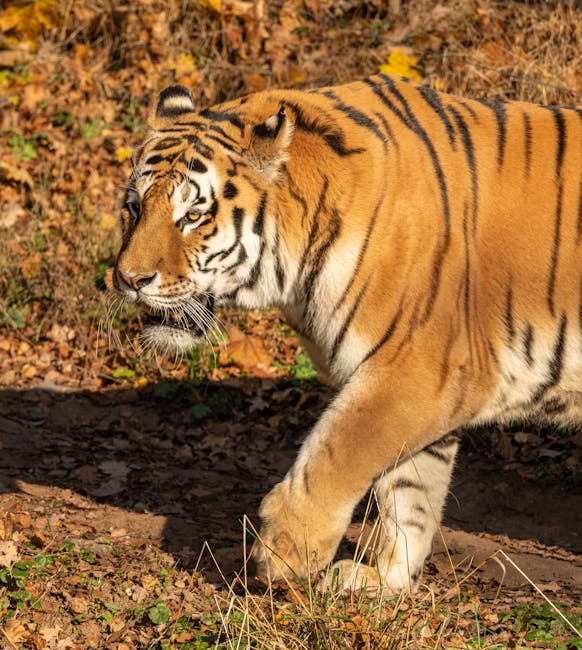
Tigers, belonging to the genus Panthera, are the largest cat species on Earth. Their iconic stripes, powerful build, and fierce roar have captivated humans for centuries. Beyond their physical prowess, tigers play a vital role in maintaining the delicate balance of their ecosystems. As apex predators, they control prey populations, ensuring the health and diversity of their habitats.

The Silent Crisis: A Century of Decline

The tiger’s story, however, is one of decline. Over the past century, tiger populations have plummeted due to a combination of factors, including:

  • Habitat Loss and Fragmentation: Deforestation, agricultural expansion, and infrastructure development have led to the destruction and isolation of tiger habitats, reducing their range and limiting their ability to roam and hunt.
  • Poaching for Body Parts: The illegal trade in tiger parts, driven by demand for traditional medicine, fashion accessories, and trophies, has decimated tiger populations.
  • Human-Wildlife Conflict: As human populations expand, encounters between tigers and humans increase, leading to retaliatory killings and a decline in tiger numbers.

The Global Tiger Initiative: A Collaborative Effort for Recovery

Recognizing the dire situation, the global community came together in 2010 to launch the Global Tiger Initiative (GTI). This ambitious program aimed to double wild tiger numbers by 2022, setting a target of 6,000 tigers in the wild. The GTI brought together governments, conservation organizations, and local communities to implement a range of conservation strategies, including:

  • Habitat Protection and Restoration: Establishing protected areas, restoring degraded habitats, and creating corridors to connect fragmented populations.
  • Anti-Poaching Measures: Strengthening law enforcement, reducing demand for tiger parts, and promoting alternative livelihoods for communities involved in poaching.
  • Community Engagement: Empowering local communities to participate in conservation efforts, ensuring their livelihoods are not threatened by tiger conservation initiatives.
  • Scientific Research and Monitoring: Gathering data on tiger populations, their movements, and threats to inform conservation strategies.

The Progress and Challenges: A Mixed Bag of Results

The GTI has achieved some notable successes:

  • Increased Tiger Numbers: While the goal of doubling tiger numbers by 2022 was not met, some tiger populations have shown signs of recovery, with an estimated 3,900 tigers in the wild as of 2022.
  • Improved Habitat Protection: Protected areas have been expanded, and habitat restoration efforts have been implemented in several tiger range countries.
  • Enhanced Anti-Poaching Measures: Increased law enforcement and community engagement have led to a reduction in poaching in some areas.

However, significant challenges remain:

  • Continued Habitat Loss: Despite conservation efforts, habitat loss continues to be a major threat to tigers, particularly in areas with rapid economic development.
  • Persistent Poaching: The illegal trade in tiger parts remains a serious problem, with demand driven by both domestic and international markets.
  • Lack of Funding and Resources: Conservation efforts often face funding constraints, limiting their effectiveness.
  • Human-Wildlife Conflict: As human populations continue to grow, conflicts with tigers are likely to increase, posing a threat to both humans and tigers.

The Future of the Tiger: A Call to Action

The future of the tiger hangs in the balance. While there is reason for cautious optimism, the challenges are immense. To ensure the survival of this magnificent species, we must:

  • Strengthen Conservation Efforts: Increase funding for tiger conservation, expand protected areas, and implement effective anti-poaching measures.
  • Address the Demand for Tiger Parts: Reduce demand for tiger parts by promoting alternative medicines, raising awareness about the illegal trade, and supporting sustainable livelihoods for communities involved in poaching.
  • Promote Sustainable Development: Encourage sustainable land use practices that minimize habitat loss and fragmentation.
  • Foster Collaboration and Partnerships: Strengthen partnerships between governments, conservation organizations, and local communities to ensure a coordinated and effective approach to tiger conservation.

International Tiger Day: A Platform for Action

International Tiger Day provides a crucial platform to raise awareness about the plight of tigers and mobilize action for their protection. It is a day to celebrate the tiger’s beauty and ecological importance, but also a day to reflect on our responsibility to ensure their survival.

Table 1: Tiger Population Trends by Region

Region Estimated Tiger Population (2022) Trend
India 3,100 Increasing
Russia 540 Stable
Indonesia 600 Decreasing
China 50 Increasing
Nepal 250 Increasing
Bangladesh 100 Stable
Bhutan 100 Stable
Myanmar 100 Decreasing
Vietnam 50 Decreasing
Cambodia 10 Decreasing
Laos 10 Decreasing
Thailand 10 Decreasing
Malaysia 0 Extinct

Table

href="https://www.youtube.com/channel/UCNHT8lW-JmLC68rjBfZhdkg?sub_confirmation=1" target="_blank" class="youtube-subscribe-button"> Subscribe on YouTube
2: Key Threats to Tiger Survival

Threat Description
Habitat Loss and Fragmentation Deforestation, agricultural expansion, and infrastructure development
Poaching for Body Parts Illegal trade in tiger parts for traditional medicine, fashion accessories, and trophies
Human-Wildlife Conflict Encounters between tigers and humans leading to retaliatory killings
Climate Change Impacts on tiger habitats, prey availability, and disease outbreaks
Disease Outbreaks Spread of diseases from domestic animals to wild tigers

Conclusion:

International Tiger Day is a powerful reminder of the importance of conservation and the need for global action to protect these magnificent creatures. By working together, we can ensure that the roar of the tiger continues to echo through the forests and grasslands for generations to come. The future of the tiger is in our hands. Let us rise to the challenge and secure a future where these majestic animals can thrive.

Here are some frequently asked questions about International Tiger Day:

1. What is International Tiger Day?

International Tiger Day is an annual event celebrated on July 29th to raise awareness about the plight of tigers and the importance of their conservation. It aims to highlight the threats facing tigers, such as habitat loss, poaching, and human-wildlife conflict, and to encourage action to protect them.

2. Why is International Tiger Day important?

International Tiger Day is crucial because it brings attention to the critical situation of tigers worldwide. It serves as a platform to educate the public about the ecological importance of tigers, the threats they face, and the actions needed to ensure their survival.

3. How can I celebrate International Tiger Day?

There are many ways to celebrate International Tiger Day:

  • Learn about tigers: Read about tiger conservation, their biology, and the threats they face.
  • Support conservation organizations: Donate to organizations working to protect tigers and their habitats.
  • Spread awareness: Share information about tigers and their plight on social media using the hashtag #InternationalTigerDay.
  • Attend events: Participate in local events organized to celebrate International Tiger Day.
  • Make sustainable choices: Support businesses that are committed to sustainable practices and avoid products made from tiger parts.

4. What are the main threats to tigers?

The main threats to tigers include:

  • Habitat loss and fragmentation: Deforestation, agricultural expansion, and infrastructure development are destroying and isolating tiger habitats.
  • Poaching for body parts: The illegal trade in tiger parts for traditional medicine, fashion accessories, and trophies is a major threat.
  • Human-wildlife conflict: Encounters between tigers and humans often lead to retaliatory killings and a decline in tiger numbers.
  • Climate change: Impacts on tiger habitats, prey availability, and disease outbreaks pose a significant threat.

5. What is being done to protect tigers?

Many organizations and governments are working to protect tigers through various initiatives:

  • Habitat protection and restoration: Establishing protected areas, restoring degraded habitats, and creating corridors to connect fragmented populations.
  • Anti-poaching measures: Strengthening law enforcement, reducing demand for tiger parts, and promoting alternative livelihoods for communities involved in poaching.
  • Community engagement: Empowering local communities to participate in conservation efforts and ensuring their livelihoods are not threatened by tiger conservation initiatives.
  • Scientific research and monitoring: Gathering data on tiger populations, their movements, and threats to inform conservation strategies.

6. What can I do to help protect tigers?

You can help protect tigers by:

  • Supporting conservation organizations: Donate to organizations working to protect tigers and their habitats.
  • Educating yourself and others: Learn about tigers and the threats they face, and share this information with others.
  • Making sustainable choices: Support businesses that are committed to sustainable practices and avoid products made from tiger parts.
  • Advocating for change: Contact your elected officials and urge them to support tiger conservation policies.

7. What is the future of tigers?

The future of tigers is uncertain, but there is hope. With continued conservation efforts, increased awareness, and global collaboration, we can ensure that these magnificent creatures continue to roam the Earth for generations to come.

Here are some multiple-choice questions (MCQs) about International Tiger Day, with four options each:

1. When is International Tiger Day celebrated?

a) June 29th
b) July 29th
c) August 29th
d) September 29th

Answer: b) July 29th

2. What is the main goal of International Tiger Day?

a) To celebrate the beauty of tigers
b) To raise awareness about tiger conservation
c) To promote tiger tourism
d) To study tiger behavior

Answer: b) To raise awareness about tiger conservation

3. Which of the following is NOT a major threat to tiger populations?

a) Habitat loss
b) Poaching
c) Climate change
d) Tiger breeding programs

Answer: d) Tiger breeding programs

4. What is the Global Tiger Initiative (GTI)?

a) A research project to study tiger genetics
b) A program to promote tiger tourism
c) A collaborative effort to double wild tiger numbers
d) A fund to compensate communities affected by tiger attacks

Answer: c) A collaborative effort to double wild tiger numbers

5. Which of the following actions can help protect tigers?

a) Buying products made from tiger parts
b) Supporting organizations that work to conserve tigers
c) Ignoring the issue of tiger conservation
d) Encouraging deforestation in tiger habitats

Answer: b) Supporting organizations that work to conserve tigers

6. What is the estimated global tiger population in the wild?

a) Over 10,000
b) Between 3,000 and 4,000
c) Less than 1,000
d) Over 20,000

Answer: b) Between 3,000 and 4,000

7. What is the significance of the tiger’s stripes?

a) They help tigers camouflage in their environment
b) They are a symbol of power and strength
c) They are used for communication between tigers
d) All of the above

Answer: d) All of the above

World Nature Conservation Day

World Nature Conservation Day: A Call to Action for Our Planet’s Future

Introduction

The Earth, our home, is a breathtaking tapestry of diverse ecosystems, teeming with life in all its forms. From the towering rainforests to the vast oceans, from the icy tundras to the vibrant coral reefs, nature’s wonders inspire awe and remind us of our profound connection to this planet. However, this intricate web of life is facing unprecedented threats, driven by human activities that are pushing our planet to the brink.

World Nature Conservation Day, celebrated annually on July 28th, serves as a crucial reminder of the importance of protecting our natural heritage. It is a day to reflect on our relationship with the environment, acknowledge the challenges we face, and mobilize collective action to safeguard the future of our planet.

The Importance of Nature Conservation

Nature is not just a beautiful backdrop for our lives; it is the very foundation upon which our existence depends. The services provided by healthy ecosystems are essential for human well-being and economic prosperity.

1. Ecosystem Services:

  • Clean Air and Water: Forests, wetlands, and oceans act as natural filters, purifying the air we breathe and the water we drink.
  • Climate Regulation: Forests absorb carbon dioxide, mitigating climate change, while oceans regulate global temperatures.
  • Food and Resources: Nature provides us with food, medicine, building materials, and other essential resources.
  • Pollination and Pest Control: Insects, birds, and other animals play vital roles in pollination and pest control, ensuring food security.
  • Recreation and Tourism: Nature provides opportunities for recreation, tourism, and spiritual renewal, contributing to human well-being.

2. Biodiversity:

Biodiversity, the variety of life on Earth, is essential for maintaining healthy ecosystems. Each species plays a unique role in the intricate web of life, and the loss of even one species can have cascading effects on the entire ecosystem.

3. Human Health:

Nature has a profound impact on human health. Studies have shown that spending time in nature can reduce stress, improve mental well-being, and boost physical health.

The Threats to Nature

Despite its vital importance, nature is facing a multitude of threats, many of which are driven by human activities.

1. Habitat Loss and Degradation:

  • Deforestation: Clearing forests for agriculture, logging, and urban development destroys vital habitats and contributes to climate change.
  • Land Use Change: Conversion of natural habitats for agriculture, infrastructure, and urban sprawl leads to habitat fragmentation and loss of biodiversity.
  • Pollution: Air, water, and soil pollution from industrial activities, agriculture, and waste disposal degrade ecosystems and threaten wildlife.

2. Climate Change:

  • Rising Temperatures: Global warming is causing shifts in weather patterns, leading to extreme weather events, sea-level rise, and changes in plant and animal distribution.
  • Ocean Acidification: Increased carbon dioxide absorption by oceans is making them more acidic, threatening marine life, particularly coral reefs.

3. Overexploitation:

  • Overfishing: Unsustainable fishing practices deplete fish stocks and disrupt marine ecosystems.
  • Illegal Wildlife Trade: The illegal trade in wildlife for food, medicine, and pets threatens endangered species and disrupts ecosystems.

4. Invasive Species:

  • Introduction of Non-Native Species: The introduction of non-native species can disrupt ecosystems, outcompete native species, and cause significant ecological damage.

Table 1: Key Threats to Nature

Threat Description Impact
Habitat Loss and Degradation Deforestation, land use change, pollution Loss of biodiversity, ecosystem services, climate change
Climate Change Rising temperatures, ocean acidification Extreme weather events, sea-level rise, changes in plant and animal distribution
Overexploitation Overfishing, illegal wildlife trade Depletion of resources, disruption of ecosystems
Invasive Species Introduction of non-native species Disruption of ecosystems, outcompeting native species

The Need for Action

The threats to nature are interconnected and require a multifaceted approach to address them effectively.

1. Policy and Legislation:

  • Strengthening Environmental Laws: Implementing and enforcing strong environmental laws is crucial for protecting natural resources and holding polluters accountable.
  • International Cooperation: Addressing transboundary environmental issues requires international cooperation and agreements to protect shared resources.

2. Sustainable Practices:

  • Sustainable Agriculture: Promoting sustainable farming practices that minimize environmental impact and conserve biodiversity.
  • Sustainable Forestry: Implementing sustainable forest management practices that balance timber production with conservation.
  • Sustainable Fisheries: Implementing fishing quotas and regulations to ensure sustainable fish stocks.

3. Conservation Efforts:

  • Protected Areas: Establishing and managing protected areas to conserve biodiversity and ecosystems.
  • Species Conservation: Implementing programs to protect endangered species and restore their populations.
  • Restoration and Rehabilitation: Restoring degraded ecosystems to their natural state.

4. Public Awareness and Education:

  • Raising Awareness: Educating the public about the importance of nature conservation and the threats it faces.
  • Promoting Sustainable Lifestyles: Encouraging individuals to adopt sustainable practices in their daily lives.

5. Technological Solutions:

  • Renewable Energy: Transitioning to renewable energy sources to reduce greenhouse gas emissions.
  • Green Technologies: Developing and implementing green technologies to reduce pollution and promote sustainability.

Table 2: Actions for Nature Conservation

Action Description Impact
Policy and Legislation Strengthening environmental laws, international cooperation Protecting natural resources, holding polluters accountable
Sustainable Practices Sustainable agriculture, sustainable forestry, sustainable fisheries Minimizing environmental impact, conserving biodiversity
Conservation Efforts Protected areas, species conservation, restoration and rehabilitation Conserving biodiversity, restoring ecosystems
Public Awareness and Education Raising awareness, promoting sustainable lifestyles Increasing public support for conservation, driving behavioral change
Technological Solutions Renewable energy, green technologies Reducing pollution, promoting sustainability

World Nature Conservation Day: A Call to Action

World Nature Conservation Day is not just a day for celebration; it is a call to action. It is a reminder that we are all interconnected with nature and that our actions have consequences for the planet. We must all play a role in protecting our natural heritage for future generations.

Individual Actions:

  • Reduce your carbon footprint: Use public transportation, walk, or bike instead of driving.
  • Conserve water: Take shorter showers, fix leaks, and water your lawn efficiently.
  • Reduce waste: Recycle and compost, avoid single-use plastics, and buy products with minimal packaging.
  • Support sustainable businesses: Choose products and services from companies that prioritize environmental sustainability.
  • Educate yourself and others: Learn about the threats to nature and share your knowledge with others.

Collective Action:

  • Support conservation organizations: Donate to organizations working to protect nature.
  • Advocate for change: Contact your elected officials and urge them to support policies that protect the environment.
  • Participate in conservation projects: Volunteer your time to help restore ecosystems or protect wildlife.

Conclusion

World Nature Conservation Day is a powerful reminder of the vital importance of protecting our planet. By understanding the threats to nature, taking action to reduce our impact, and supporting conservation efforts, we can ensure that future generations inherit a healthy and thriving planet. Let us all commit to being stewards of our natural heritage and work together to build a sustainable future for all.

World Nature Conservation Day: Frequently Asked Questions

1. What is World Nature Conservation Day?

World Nature Conservation Day is an annual event celebrated on July 28th to raise awareness about the importance of protecting our planet’s natural resources and biodiversity. It’s a day to reflect on our relationship with the environment, acknowledge the challenges we face, and mobilize collective action to safeguard the future of our planet.

2. Why is World Nature Conservation Day important?

Nature provides us with essential services like clean air and water, climate regulation, food, and resources. It also plays a crucial role in maintaining biodiversity and supporting human health. However, these vital services are under threat due to human activities like deforestation, pollution, and climate change. World Nature Conservation Day highlights these threats and encourages individuals and communities to take action to protect our planet.

3. What are some of the threats to nature?

The major threats to nature include:

  • Habitat Loss and Degradation: Deforestation, land use change, and pollution destroy vital habitats and contribute to climate change.
  • Climate Change: Rising temperatures, ocean acidification, and extreme weather events disrupt ecosystems and threaten wildlife.
  • Overexploitation: Unsustainable fishing practices, illegal wildlife trade, and overharvesting of resources deplete natural resources and disrupt ecosystems.
  • Invasive Species: Introduction of non-native species can disrupt ecosystems, outcompete native species, and cause significant ecological damage.

4. What can I do to celebrate World Nature Conservation Day?

There are many ways to celebrate World Nature Conservation Day and contribute to the cause:

  • Reduce your carbon footprint: Use public transportation, walk, or bike instead of driving.
  • Conserve water: Take shorter showers, fix leaks, and water your lawn efficiently.
  • Reduce waste: Recycle and compost, avoid single-use plastics, and buy products with minimal packaging.
  • Support sustainable businesses: Choose products and services from companies that prioritize environmental sustainability.
  • Educate yourself and others: Learn about the threats to nature and share your knowledge with others.
  • Support conservation organizations: Donate to organizations working to protect nature.
  • Advocate for change: Contact your elected officials and urge them to support policies that protect the environment.
  • Participate in conservation projects: Volunteer your time to help restore ecosystems or protect wildlife.

5. How can I learn more about World Nature Conservation Day?

You can find information about World Nature Conservation Day on various websites, including:

  • United Nations Environment Programme (UNEP): https://www.unep.org/
  • World Wide Fund for Nature (WWF): https://www.worldwildlife.org/
  • Conservation International: https://www.conservation.org/
  • The Nature Conservancy: https://www.nature.org/

6. Is World Nature Conservation Day officially recognized?

While there is no official international recognition for a specific “World Nature Conservation Day” on July 28th, the date is often used by various organizations and individuals to promote nature conservation efforts. Many countries and organizations celebrate their own specific nature conservation days throughout the year.

7. What is the difference between World Nature Conservation Day and Earth Day?

Earth Day, celebrated on April 22nd, is a global event focused on raising awareness about environmental issues and promoting action to protect the planet. World Nature Conservation Day, while also focused on environmental protection, specifically emphasizes the importance of conserving natural resources and biodiversity. Both days aim to promote environmental awareness and action, but with slightly different focuses.

8. What are some examples of successful nature conservation efforts?

There are many successful examples of nature conservation efforts around the world, including:

  • The recovery of the American Bald Eagle: Through conservation efforts, the American Bald Eagle was removed from the endangered species list in 2007.
  • The protection of the Amazon rainforest: The Amazon rainforest is home to a vast array of biodiversity, and efforts to protect it are ongoing.
  • The establishment of marine protected areas: Marine protected areas help to conserve marine ecosystems and protect vulnerable species.

These examples demonstrate that with concerted effort, we can make a difference in protecting our planet’s natural heritage.

Here are some multiple-choice questions (MCQs) about World Nature Conservation Day, with four options each:

1. When is World Nature Conservation Day celebrated?

a) March 21st
b) June 5th
c) July 28th
d) October 4th

Answer: c) July 28th

2. Which of the following is NOT a major threat to nature?

a) Habitat loss and degradation
b) Climate change
c) Overexploitation of resources
d) Increased funding for environmental research

Answer: d) Increased funding for environmental research

3. What is one of the key benefits of protecting biodiversity?

a) It helps to ensure a stable climate.
b) It provides a source of food and medicine.
c) It supports healthy ecosystems.
d) All of the above.

Answer: d) All of the above.
4. Which of the following is an example of a sustainable practice?

a) Using single-use plastic bags
b) Driving a gas-guzzling SUV
c) Planting trees to offset carbon emissions
d) Overfishing in the ocean

Answer: c) Planting trees to offset carbon emissions

5. What is the main purpose of World Nature Conservation Day?

a) To celebrate the beauty of nature.
b) To raise awareness about the threats to nature.
c) To encourage action to protect the environment.
d) All of the above.

Answer: d) All of the above.
Nelson Mandela International Day

A Legacy of Hope: Celebrating Nelson Mandela International Day

Nelson Mandela, the iconic anti-apartheid revolutionary and South Africa’s first black president, left an indelible mark on the world. His unwavering commitment to justice, equality, and reconciliation inspired millions and continues to resonate today. In recognition of his extraordinary life and legacy, the United Nations declared July 18th as Nelson Mandela International Day, a day dedicated to celebrating his contributions and encouraging global action to serve humanity.

From Activist to Icon: A Life Dedicated to Freedom

Born in 1918 in a small village in South Africa, Nelson Mandela’s life was shaped by the oppressive apartheid regime. Witnessing the systemic discrimination and injustice firsthand, he joined the African National Congress (ANC) in 1944, dedicating himself to the fight against apartheid.

Early Activism and the Rise of Umkhonto we Sizwe:

Mandela’s early activism focused on non-violent resistance, but as the apartheid government intensified its brutality, he became convinced that armed struggle was necessary. In 1961, he co-founded Umkhonto we Sizwe, the ANC’s armed wing, which carried out acts of sabotage against government installations.

Imprisonment and Global Recognition:

In 1964, Mandela and several other ANC leaders were arrested and charged with sabotage and other crimes. Despite facing life imprisonment, Mandela remained a symbol of hope and resistance for millions around the world. His unwavering commitment to freedom and his refusal to compromise his principles resonated with people across continents.

International Campaign for Mandela’s Release:

The international community rallied behind Mandela, demanding his release and an end to apartheid. From grassroots campaigns to high-level diplomatic efforts, the call for Mandela’s freedom grew louder with each passing year.

The Triumph of Freedom and Reconciliation:

After 27 years of imprisonment, Mandela was finally released in 1990. His release marked a turning point in South Africa’s history, paving the way for the dismantling of apartheid and the establishment of a multiracial democracy.

Leading the Transition to Democracy:

Mandela played a pivotal role in the transition to democracy, leading the ANC in negotiations with the white minority government. He advocated for forgiveness and reconciliation, emphasizing the importance of building a united and inclusive South Africa.

The Legacy of Nelson Mandela: A Global Inspiration

Nelson Mandela’s legacy extends far beyond South Africa. His unwavering commitment to justice, equality, and reconciliation continues to inspire people around the world. His life and work serve as a powerful reminder of the importance of fighting for human rights and building a more just and equitable world.

Nelson Mandela International Day: A Call to Action

Nelson Mandela International Day is not just a celebration of his life and achievements; it is also a call to action. The day encourages individuals and organizations to engage in acts of service and to contribute to the betterment of society.

Themes and Activities for Nelson Mandela International Day:

Each year, Nelson Mandela International Day focuses on a specific theme, highlighting different aspects of Mandela’s legacy and encouraging action in line with his values. Some of the key themes include:

  • Education: Mandela believed that education was the key to unlocking potential and empowering individuals.
  • Health: Mandela recognized the importance of access to healthcare for all.
  • Peace and Reconciliation: Mandela’s commitment to forgiveness and reconciliation serves as a powerful model for conflict resolution.
  • Gender Equality: Mandela championed the rights of women and girls, advocating for their equal participation in society.
  • Climate Change: Mandela’s legacy of environmental stewardship inspires action to address climate change.

Celebrating Mandela’s Legacy: A Global Effort

Nelson Mandela International Day is celebrated worldwide through a variety of events and activities. From community service projects to educational workshops, people across the globe come together to honor Mandela’s legacy and contribute to a better world.

Table 1: Examples of Nelson Mandela International Day Activities

Activity Description Impact
Community Service Projects: Volunteering at local shelters, food banks, or community gardens. Addresses social needs and promotes community engagement.
Educational Workshops: Discussions on Mandela’s life and legacy, workshops on human rights, and anti-racism initiatives. Raises awareness about Mandela’s values and promotes social justice.
Art and Cultural Events: Exhibitions, performances, and film screenings celebrating Mandela’s life and work. Preserves Mandela’s legacy and inspires creativity.
Fundraising Campaigns: Raising funds for organizations working on issues related to Mandela’s legacy, such as education, healthcare, or social justice. Supports organizations working to create positive change.
Social Media Campaigns: Sharing stories about Mandela’s impact, promoting awareness about Nelson Mandela International Day, and encouraging others to take action. Amplifies Mandela’s message and inspires global participation.

The Enduring Impact of Mandela’s Legacy:

Nelson Mandela’s legacy continues to inspire generations. His unwavering commitment to justice, equality, and reconciliation serves as a powerful reminder of the importance of fighting for human rights and building a more just and equitable world. Nelson Mandela International Day provides an opportunity to celebrate his life and work, to reflect on his values, and to take action to create a better future for all.

Table 2: Key Principles of Mandela’s Legacy

Principle Description Impact
Justice: Fighting for equality and fairness for all. Promotes a society where everyone has equal opportunities.
Equality: Recognizing the inherent worth and dignity of all individuals. Creates a more inclusive and equitable society.
Reconciliation: Promoting forgiveness and understanding after conflict. Heals divisions and builds a more peaceful society.
Education: Empowering individuals through education. Unlocks potential and creates a more informed and engaged citizenry.
Leadership: Inspiring others to act for positive change. Fosters a culture of leadership and social responsibility.

Conclusion:

Nelson Mandela International Day is a powerful reminder of the transformative power of one individual’s commitment to justice and equality. It is a day to celebrate his life and legacy, to reflect on his values, and to take action to build a better world. By embracing Mandela’s principles of justice, equality, and reconciliation, we can honor his memory and work towards a future where all people are treated with dignity and respect.

Here are some frequently asked questions about Nelson Mandela International Day:

1. What is Nelson Mandela International Day?

Nelson Mandela International Day is an annual international day celebrated on July 18th to honor the life and legacy of Nelson Mandela, the anti-apartheid revolutionary and former president of South Africa. It is a day to celebrate his contributions to the fight for freedom, justice, and equality, and to encourage global action to serve humanity.

2. Why is July 18th chosen as Nelson Mandela International Day?

July 18th is Nelson Mandela’s birthday. The United Nations declared this day as Nelson Mandela International Day in 2009 to commemorate his life and work.

3. What are the main themes of Nelson Mandela International Day?

Each year, Nelson Mandela International Day focuses on a specific theme, highlighting different aspects of Mandela’s legacy and encouraging action in line with his values. Some of the key themes include:

  • Education: Mandela believed that education was the key to unlocking potential and empowering individuals.
  • Health: Mandela recognized the importance of access to healthcare for all.
  • Peace and Reconciliation: Mandela’s commitment to forgiveness and reconciliation serves as a powerful model for conflict resolution.
  • Gender Equality: Mandela championed the rights of women and girls, advocating for their equal participation in society.
  • Climate Change: Mandela’s legacy of environmental stewardship inspires action to address climate change.

4. How is Nelson Mandela International Day celebrated?

Nelson Mandela International Day is celebrated worldwide through a variety of events and activities. From community service projects to educational workshops, people across the globe come together to honor Mandela’s legacy and contribute to a better world. Some common activities include:

  • Community service projects: Volunteering at local shelters, food banks, or community gardens.
  • Educational workshops: Discussions on Mandela’s life and legacy, workshops on human rights, and anti-racism initiatives.
  • Art and cultural events: Exhibitions, performances, and film screenings celebrating Mandela’s life and work.
  • Fundraising campaigns: Raising funds for organizations working on issues related to Mandela’s legacy, such as education, healthcare, or social justice.
  • Social media campaigns: Sharing stories about Mandela’s impact, promoting awareness about Nelson Mandela International Day, and encouraging others to take action.

5. How can I get involved in Nelson Mandela International Day?

There are many ways to get involved in Nelson Mandela International Day. You can:

  • Volunteer your time: Find a local organization that aligns with Mandela’s values and contribute your skills and time.
  • Donate to a cause: Support organizations working on issues related to Mandela’s legacy, such as education, healthcare, or social justice.
  • Spread awareness: Share information about Nelson Mandela International Day on social media and encourage others to participate.
  • Take action: Engage in activities that promote justice, equality, and reconciliation in your community.

6. What is the significance of Nelson Mandela International Day?

Nelson Mandela International Day is a powerful reminder of the transformative power of one individual’s commitment to justice and equality. It is a day to celebrate his

life and legacy, to reflect on his values, and to take action to build a better world. By embracing Mandela’s principles of justice, equality, and reconciliation, we can honor his memory and work towards a future where all people are treated with dignity and respect.

Here are a few multiple-choice questions about Nelson Mandela International Day:

1. On what date is Nelson Mandela International Day celebrated?

a) June 16th
b) July 18th
c) August 26th
d) September 21st

2. What was Nelson Mandela’s primary role in the fight against apartheid?

a) A political strategist for the South African government
b) A leader of the African National Congress (ANC)
c) A journalist who exposed apartheid’s injustices
d) A religious leader who preached against apartheid

3. What is the main purpose of Nelson Mandela International Day?

a) To commemorate the anniversary of Mandela’s death
b) To celebrate Mandela’s birthday and his legacy
c) To raise funds for the Nelson Mandela Foundation
d) To promote tourism in South Africa

4. Which of these is NOT a common theme associated with Nelson Mandela International Day?

a) Education
b) Environmental protection
c) Religious freedom
d) Gender equality

5. What is a common way to participate in Nelson Mandela International Day?

a) Attending a political rally
b) Donating blood at a local hospital
c) Volunteering at a community service organization
d) Writing a letter to the South African government

Answers:

  1. b) July 18th
  2. b) A leader of the African National Congress (ANC)
  3. b) To celebrate Mandela’s birthday and his legacy
  4. c) Religious freedom
  5. c) Volunteering at a community service organization

World Malala Day

World Malala Day: Celebrating Courage, Education, and the Power of a Girl’s Voice

Introduction

July 12th marks World Malala Day, a day dedicated to celebrating the life and legacy of Malala Yousafzai, a Pakistani activist for female education and the youngest Nobel Prize laureate. This day serves as a powerful reminder of the importance of education for all, particularly for girls, and the courage it takes to fight for one’s right to learn. Malala’s story, one of resilience and unwavering commitment to education, has resonated globally, inspiring millions to join her fight for a world where every girl can access quality education.

Malala’s Journey: From a Young Advocate to a Global Icon

Born in Mingora, Pakistan, Malala’s passion for education blossomed at a young age. Witnessing the Taliban’s brutal suppression of girls’ education in Swat Valley, she began writing a blog for BBC Urdu, documenting her experiences and advocating for the right to learn. Her courage and determination made her a target, leading to a horrific attack in 2012 when she was shot in the head by the Taliban.

Malala’s survival against all odds became a symbol of hope and resilience. She continued her fight for education, becoming a global voice for girls’ rights. Her advocacy led to the establishment of the Malala Fund, an organization dedicated to empowering girls through education.

The Significance of World Malala Day

World Malala Day is a powerful platform to:

  • Celebrate Malala’s achievements and her unwavering commitment to education.
  • Raise awareness about the importance of girls’ education and the challenges they face globally.
  • Inspire action and support for organizations working to empower girls through education.
  • Recognize the courage and resilience of girls and women fighting for their right to learn.

The Global Landscape of Girls’ Education

Despite significant progress, millions of girls around the world are still denied access to education. According to UNESCO data:

  • 130 million girls are out of school globally.
  • Girls are more likely to be out of school than boys in many countries.
  • Girls face numerous barriers to education, including poverty, gender discrimination, early marriage, and violence.

Table 1: Global Out-of-School Rates by Gender (2020)

Region Out-of-School Girls (%) Out-of-School Boys (%)
Sub-Saharan Africa 21.7 17.4
South and West Asia 14.5 10.2
Latin America and the Caribbean 5.7 4.5
East Asia and the Pacific 2.2 1.8
Arab States 10.8 7.8

The Impact of Education on Girls and Societies

Education is not just a right, it is a powerful tool for empowering girls and transforming societies. Studies have shown that:

  • Educated girls are more likely to have better health outcomes, earn higher incomes, and participate in decision-making.
  • Investing in girls’ education has a positive impact on economic growth and social development.
  • Educated girls are more likely to contribute to their communities and advocate for social change.

Table 2: Benefits of Girls’ Education

Benefit Description
Improved Health Outcomes Educated girls are more likely to have access to healthcare and make informed decisions about their health.
Increased Economic Opportunities Education opens doors to better jobs and higher earning potential.
Enhanced Decision-Making Power Educated girls are more likely to participate in decision-making processes and advocate for their rights.
Reduced Poverty and Inequality Investing in girls’ education can contribute to economic growth and reduce poverty.
Stronger Communities and Societies Educated girls are more likely to contribute to their communities and advocate for social change.

Challenges and Solutions for Girls’ Education

Despite the clear benefits, girls’ education faces numerous challenges, including:

  • Poverty and lack of access to resources.
  • Gender discrimination and societal norms that limit girls’ opportunities.
  • Violence and harassment in schools and communities.
  • Lack of adequate infrastructure and qualified teachers.

Addressing these challenges requires a multi-pronged approach:

  • Investing in quality education for all girls.
  • Promoting gender equality and challenging harmful gender norms.
  • Addressing poverty and providing financial assistance to girls from disadvantaged backgrounds.
  • Ensuring safe and inclusive learning environments for all girls.
  • Empowering girls to become agents of change and advocate for their own education.

Malala’s Legacy: Inspiring a Generation of Changemakers

Malala’s story has inspired millions of girls and women around the world to fight for their right to education. Her legacy is evident in the countless initiatives and movements dedicated to empowering girls through education.

Examples of Malala’s Impact:

  • The Malala Fund: This organization works to provide girls with access to quality education and advocate for their rights.
  • The Malala Yousafzai School for Girls: This school in Swat Valley, Pakistan, provides education to girls from marginalized communities.
  • The #GirlsEducation movement: This global movement advocates for girls’ education and raises awareness about the challenges they face.

Conclusion

World Malala Day is a powerful reminder of the importance of education for all, particularly for girls. Malala’s story is a testament to the power of courage, resilience, and the unwavering belief in the transformative power of education. By celebrating her legacy and continuing her fight, we can create a world where every girl has the opportunity to reach her full potential and contribute to a brighter future.

Call to Action

On World Malala Day, let us all pledge to support girls’ education and advocate for a world where every girl can access quality education. We can do this by:

  • Donating to organizations working to empower girls through education.
  • Volunteering our time and skills to support girls’ education initiatives.
  • Speaking out against gender discrimination and advocating for girls’ rights.
  • Sharing Malala’s story and inspiring others to join the fight for girls’ education.

Together, we can create a world where every girl has the opportunity to learn, grow, and reach her full potential. Let us celebrate World Malala Day by honoring her legacy and working towards a future where education is a right, not a privilege, for all girls.

Here are some frequently asked questions about World Malala Day:

1. What is World Malala Day?

World Malala Day is an annual event celebrated on July 12th to honor Malala Yousafzai, a Pakistani activist for female education and the youngest Nobel Prize laureate. It’s a day to celebrate her courage, resilience, and unwavering commitment to education for all girls.

2. Why is July 12th chosen for World Malala Day?

July 12th is Malala’s birthday. Celebrating her birthday as World Malala Day emphasizes her life and legacy as a powerful advocate for girls’ education.

3. What is the significance of World Malala Day?

World Malala Day serves as a platform to:

  • Celebrate Malala’s achievements and her unwavering commitment to education.
  • Raise awareness about the importance of girls’ education and the challenges they face globally.
  • Inspire action and support for organizations working to empower girls through education.
  • Recognize the courage and resilience of girls and women fighting for their right to learn.

4. How can I celebrate World Malala Day?

You can celebrate World Malala Day by:

  • Learning about Malala’s story and her work.
  • Sharing her story with others and raising awareness about girls’ education.
  • Supporting organizations like the Malala Fund that work to empower girls through education.
  • Volunteering your time or skills to support girls’ education initiatives.
  • Speaking out against gender discrimination and advocating for girls’ rights.

5. What are some of the challenges girls face in accessing education?

Girls face numerous challenges in accessing education, including:

  • Poverty and lack of access to resources.
  • Gender discrimination and societal norms that limit girls’ opportunities.
  • Violence and harassment in schools and communities.
  • Lack of adequate infrastructure and qualified teachers.

6. How can we address the challenges to girls’ education?

Addressing these challenges requires a multi-pronged approach:

  • Investing in quality education for all girls.
  • Promoting gender equality and challenging harmful gender norms.
  • Addressing poverty and providing financial assistance to girls from disadvantaged backgrounds.
  • Ensuring safe and inclusive learning environments for all girls.
  • Empowering girls to become agents of change and advocate for their own education.

7. What is the Malala Fund?

The Malala Fund is an organization founded by Malala Yousafzai that works to provide girls with access to quality education and advocate for their rights. The fund supports projects in developing countries that aim to improve girls’ access to education, provide safe learning environments, and empower girls to become leaders in their communities.

8. How can I get involved in the #GirlsEducation movement?

You can get involved in the #GirlsEducation movement by:

  • Sharing information about girls’ education on social media.
  • Donating to organizations working to empower girls through education.
  • Volunteering your time or skills to support girls’ education initiatives.
  • Speaking out against gender discrimination and advocating for girls’ rights.
  • Educating yourself and others about the importance of girls’ education.

9. What is the impact of education on girls and societies?

Education is a powerful tool for empowering girls and transforming societies. Studies have shown that:

  • Educated girls are more likely to have better health outcomes, earn higher incomes, and participate in decision-making.
  • Investing in girls’ education has a positive impact on economic growth and social development.
  • Educated girls are more likely to contribute to their communities and advocate for social change.

10. What is the future of girls’ education?

The future of girls’ education is bright, but it requires continued commitment and action. By working together, we can create a world where every girl has the opportunity to reach her full potential and contribute to a brighter future.

Here are some multiple-choice questions about World Malala Day:

1. When is World Malala Day celebrated?

a) January 12th
b) July 12th
c) October 12th
d) December 12th

Answer: b) July 12th

2. What is the main purpose of World Malala Day?

a) To celebrate the birthday of Malala Yousafzai.
b) To raise awareness about the importance of girls’ education.
c) To honor Malala’s courage and resilience in fighting for education.
d) All of the above.

Answer: d) All of the above.

3. What organization was founded by Malala Yousafzai to support girls’ education?

a) The Nobel Peace Prize Foundation
b) The United Nations Children’s Fund (UNICEF)
c) The Malala Fund
d) The World Bank

Answer: c) The Malala Fund

4. What country is Malala Yousafzai from?

a) India
b) Afghanistan
c) Pakistan
d) Bangladesh

Answer: c) Pakistan

5. What happened to Malala Yousafzai in 2012?

a) She was awarded the Nobel Peace Prize.
b) She was shot in the head by the Taliban.
c) She founded the Malala Fund.
d) She became a member of the Pakistani Parliament.

Answer: b) She was shot

in the head by the Taliban.

6. Which of the following is NOT a challenge faced by girls in accessing education?

a) Poverty
b) Gender discrimination
c) Lack of qualified teachers
d) Access to the internet

Answer: d) Access to the internet (While internet access is important for education, it’s not a primary challenge faced by girls in accessing education compared to the other options).

7. How can you contribute to the #GirlsEducation movement on World Malala Day?

a) Donate to organizations supporting girls’ education.
b) Share information about girls’ education on social media.
c) Volunteer your time to support girls’ education initiatives.
d) All of the above.

Answer: d) All of the above.

8. What is the significance of Malala’s story for girls around the world?

a) It shows that girls can be powerful advocates for change.
b) It inspires girls to fight for their right to education.
c) It highlights the importance of education for girls’ empowerment.
d) All of the above.

Answer: d) All of the above.

World Zoonoses Day

World Zoonoses Day: Understanding the Intertwined Fate of Humans and Animals

Introduction

The world we inhabit is a complex tapestry of interconnected ecosystems, where humans share the planet with a vast array of animal species. This shared existence, however, is not without its challenges. Zoonoses, diseases that can be transmitted from animals to humans, pose a significant threat to global health and well-being. Recognizing the importance of understanding and mitigating

this threat, the World Organisation for Animal Health (OIE) established World Zoonoses Day, celebrated annually on July 6th. This day serves as a crucial reminder of the interconnectedness of human and animal health, emphasizing the need for collaborative efforts to prevent and control zoonotic diseases.

Understanding Zoonoses: A Global Health Challenge

Zoonoses encompass a wide range of diseases, from common infections like rabies and influenza to emerging threats like Ebola and COVID-19. These diseases are transmitted through various routes, including:

  • Direct contact: Touching or being bitten by an infected animal.
  • Indirect contact: Contact with contaminated surfaces or materials.
  • Inhalation: Breathing in airborne pathogens.
  • Ingestion: Consuming contaminated food or water.
  • Vector-borne transmission: Through insects or other animals that carry the pathogen.

Table 1: Examples of Common Zoonotic Diseases

Disease Transmission Symptoms
Rabies Bite or scratch from an infected animal Fever, headache, muscle weakness, paralysis, hallucinations
Influenza Contact with infected animals or humans Fever, cough, sore throat, muscle aches, fatigue
Lyme disease Bite from an infected tick Rash, fever, headache, joint pain, fatigue
West Nile virus Bite from an infected mosquito Fever, headache, body aches, rash, confusion
Salmonella Consuming contaminated food or water Diarrhea, fever, abdominal cramps
E. coli Consuming contaminated food or water Diarrhea, abdominal cramps, fever
Toxoplasmosis Contact with infected cat feces or undercooked meat Flu-like symptoms, brain inflammation
Cryptosporidiosis Consuming contaminated water Diarrhea, abdominal cramps, fever

The Impact of Zoonoses: A Multifaceted Threat

The impact of zoonotic diseases extends far beyond individual health, affecting economies, food security, and social stability.

  • Human Health: Zoonotic diseases cause significant morbidity and mortality worldwide, particularly in developing countries. They can lead to chronic health conditions, disability, and even death.
  • Economic Impact: Zoonotic outbreaks can disrupt trade, tourism, and agricultural production, leading to significant economic losses.
  • Food Security: Zoonotic diseases can affect livestock and poultry, impacting food production and availability.
  • Social Stability: Outbreaks can lead to fear, panic, and social unrest, particularly in communities with limited access to healthcare.

Factors Contributing to the Emergence and Spread of Zoonoses

The emergence and spread of zoonotic diseases are influenced by a complex interplay of factors:

  • Human Population Growth and Urbanization: Increased human population density and encroachment into wildlife habitats create more opportunities for contact with animals and pathogens.
  • Climate Change: Changing climate patterns can alter the distribution of disease vectors and create favorable conditions for pathogen transmission.
  • Intensified Agriculture: Factory farming practices can create environments conducive to the emergence and spread of zoonotic diseases.
  • Globalization and Travel: Increased travel and trade facilitate the rapid spread of pathogens across borders.
  • Deforestation and Habitat Loss: Destruction of natural habitats disrupts ecosystems and forces animals into closer contact with humans.
  • Wildlife Trade: The illegal trade in wildlife can introduce new pathogens into human populations.
  • Antimicrobial Resistance: The overuse and misuse of antibiotics in humans and animals contribute to the emergence of drug-resistant pathogens.

Preventing and Controlling Zoonoses: A Multi-Sectoral Approach

Addressing the threat of zoonotic diseases requires a multi-sectoral approach involving collaboration between governments, healthcare professionals, animal health experts, and communities. Key strategies include:

  • Surveillance and Early Detection: Establishing robust surveillance systems to monitor animal populations and detect emerging zoonotic threats.
  • Vaccination and Treatment: Developing and implementing effective vaccines and treatments for zoonotic diseases.
  • Public Health Education: Raising awareness about zoonotic diseases and promoting preventive measures.
  • Animal Health Management: Implementing measures to improve animal health and reduce the risk of disease transmission.
  • Food Safety: Ensuring safe food production and handling practices to prevent the spread of foodborne zoonotic diseases.
  • Environmental Management: Protecting natural habitats and reducing human-wildlife interactions.
  • One Health Approach: Recognizing the interconnectedness of human, animal, and environmental health and promoting collaborative efforts to address zoonotic diseases.

The Role of World Zoonoses Day

World Zoonoses Day serves as a platform to:

  • Raise awareness: Educate the public about the importance of zoonotic diseases and their impact on human health.
  • Promote collaboration: Encourage collaboration between different sectors to address the threat of zoonotic diseases.
  • Share knowledge and best practices: Disseminate information about prevention, control, and treatment strategies.
  • Advocate for policy changes: Promote policies that support One Health approaches and strengthen surveillance and response systems.

Celebrating World Zoonoses Day: Actions for Individuals and Communities

Individuals and communities can play a vital role in preventing and controlling zoonotic diseases by:

  • Practicing good hygiene: Wash hands frequently, especially after contact with animals.
  • Avoiding contact with wild animals: Do not touch or feed wild animals.
  • Vaccinating pets: Ensure pets are vaccinated against rabies and other zoonotic diseases.
  • Consuming food safely: Cook meat thoroughly and avoid consuming raw or undercooked meat.
  • Protecting yourself from insect bites: Use insect repellent and wear protective clothing.
  • Supporting One Health initiatives: Advocate for policies and programs that promote the interconnectedness of human, animal, and environmental health.

Conclusion: A Shared Responsibility

World Zoonoses Day is a powerful reminder of the interconnectedness of human and animal health. By understanding the factors contributing to the emergence and spread of zoonotic diseases and implementing effective prevention and control strategies, we can protect ourselves, our communities, and our planet. It is a shared responsibility to ensure a healthy future for all living beings.

References

  • World Organisation for Animal Health (OIE). (2023). World Zoonoses Day. Retrieved from https://www.oie.int/en/world-zoonoses-day/
  • World Health Organization (WHO). (2023). Zoonotic diseases. Retrieved from https://www.who.int/news-room/fact-sheets/detail/zoonoses
  • Centers for Disease Control and Prevention (CDC). (2023). Zoonotic Diseases. Retrieved from https://www.cdc.gov/zoonoses/index.html
  • Food and Agriculture Organization of the United Nations (FAO). (2023). Zoonoses. Retrieved from https://www.fao.org/3/i3700e/i3700e.pdf

Table 2: Key Organizations Involved in Zoonoses Prevention and Control

Organization Role
World Organisation for Animal Health (OIE) International organization responsible for animal health standards and disease control.
World Health Organization (WHO) Global health agency focused on human health and disease prevention.
Food and Agriculture Organization of the United Nations (FAO) International organization promoting food security and sustainable agriculture.
Centers for Disease Control and Prevention (CDC) Public health agency in the United States focused on disease prevention and control.
European Centre for Disease Prevention and Control (ECDC) Public health agency in the European Union focused on disease surveillance and control.

World Zoonoses Day: Frequently Asked Questions

1. What is World Zoonoses Day?

World Zoonoses Day is an annual event celebrated on July 6th, established by the World Organisation for Animal Health (OIE) to raise awareness about zoonotic diseases, which are diseases that can be transmitted from animals to humans. This day emphasizes the interconnectedness of human and animal health and promotes collaborative efforts to prevent and control these diseases.

2. Why is World Zoonoses Day important?

Zoonoses pose a significant threat to global health, affecting economies, food security, and social stability. World Zoonoses Day serves as a platform to:

  • Raise awareness: Educate the public about the importance of zoonotic diseases and their impact on human health.
  • Promote collaboration: Encourage collaboration between different sectors to address the threat of zoonotic diseases.
  • Share knowledge and best practices: Disseminate information about prevention, control, and treatment strategies.
  • Advocate for policy changes: Promote policies that support One Health approaches and strengthen surveillance and response systems.

3. What are some examples of zoonotic diseases?

There are many zoonotic diseases, ranging from common infections like rabies and influenza to emerging threats like Ebola and COVID-19. Some examples include:

  • Rabies: Transmitted through bites or scratches from infected animals.
  • Influenza: Can be transmitted from infected animals or humans.
  • Lyme disease: Spread through the bite of infected ticks.
  • West Nile virus: Transmitted through the bite of infected mosquitoes.
  • Salmonella: Can be contracted through consuming contaminated food or water.
  • E. coli: Spread through consuming contaminated food or water.
  • Toxoplasmosis: Transmitted through contact with infected cat feces or undercooked meat.
  • Cryptosporidiosis: Spread through consuming contaminated water.

4. How can I protect myself from zoonotic diseases?

There are several steps you can take to protect yourself from zoonotic diseases:

  • Practice good hygiene: Wash hands frequently, especially after contact with animals.
  • Avoid contact with wild animals: Do not touch or feed wild animals.
  • Vaccinate pets: Ensure pets are vaccinated against rabies and other zoonotic diseases.
  • Consume food safely: Cook meat thoroughly and avoid consuming raw or undercooked meat.
  • Protect yourself from insect bites: Use insect repellent and wear protective clothing.
  • Support One Health initiatives: Advocate for policies and programs that promote the interconnectedness of human, animal, and environmental health.

5. What can I do to celebrate World Zoonoses Day?

You can celebrate World Zoonoses Day by:

  • Learning about zoonotic diseases: Read articles, watch documentaries, or attend events focused on zoonotic diseases.
  • Sharing information: Spread awareness about zoonotic diseases with friends, family, and colleagues.
  • Supporting organizations: Donate to or volunteer with organizations working to prevent and control zoonotic diseases.
  • Advocating for change: Contact your elected officials and advocate for policies that support One Health approaches.

6. What is the One Health approach?

The One Health approach recognizes the interconnectedness of human, animal, and environmental health. It emphasizes collaboration between different sectors, including healthcare, animal health, and environmental health, to address health challenges that affect all living beings.

7. How can I get involved in One Health initiatives?

There are many ways to get involved in One Health initiatives:

  • Support organizations: Donate to or volunteer with organizations working on One Health issues.
  • Advocate for change: Contact your elected officials and advocate for policies that support One Health approaches.
  • Educate yourself and others: Learn about One Health and share your knowledge with others.
  • Participate in research: Contribute to research projects focused on One Health issues.

8. What are the challenges in controlling zoonotic diseases?

Controlling zoonotic diseases presents several challenges:

  • Emerging diseases: New zoonotic diseases are constantly emerging, making it difficult to predict and prepare for them.
  • Global interconnectedness: Increased travel and trade facilitate the rapid spread of pathogens across borders.
  • Environmental changes: Climate change and habitat loss can alter the distribution of disease vectors and create favorable conditions for pathogen transmission.
  • Antimicrobial resistance: The overuse and misuse of antibiotics in humans and animals contribute to the emergence of drug-resistant pathogens.

9. What is the future of zoonotic disease control?

The future of zoonotic disease control relies on:

  • Strengthening surveillance systems: Early detection and response are crucial for preventing outbreaks.
  • Developing new vaccines and treatments: Research and development of effective vaccines and treatments are essential.
  • Promoting One Health approaches: Collaboration between different sectors is vital for addressing zoonotic diseases.
  • Addressing environmental challenges: Protecting natural habitats and mitigating climate change are crucial for preventing the emergence of new zoonotic diseases.

10. What is the role of individuals in preventing zoonotic diseases?

Individuals play a crucial role in preventing zoonotic diseases by:

  • Practicing good hygiene: Wash hands frequently, especially after contact with animals.
  • Avoiding contact with wild animals: Do not touch or feed wild animals.
  • Vaccinating pets: Ensure pets are vaccinated against rabies and other zoonotic diseases.
  • Consuming food safely: Cook meat thoroughly and avoid consuming raw or undercooked meat.
  • Protecting yourself from insect bites: Use insect repellent and wear protective clothing.
  • Supporting One Health initiatives: Advocate for policies and programs that promote the interconnectedness of human, animal, and environmental health.

Here are some multiple-choice questions (MCQs) about World Zoonoses Day, each with four options:

1. What is the primary purpose of World Zoonoses Day?

a) To celebrate the diversity of animal species.
b) To raise awareness about diseases transmitted from animals to humans.
c) To promote the use of antibiotics in livestock.
d) To encourage the consumption of exotic animal meat.

Answer: b) To raise awareness about diseases transmitted from animals to humans.

2. When is World Zoonoses Day celebrated annually?

a) January 1st
b) April 22nd
c) July 6th
d) October 4th

Answer: c) July 6th

3. Which organization established World Zoonoses Day?

a) World Health Organization (WHO)
b) Food and Agriculture Organization of the United Nations (FAO)
c) World Organisation for Animal Health (OIE)
d) Centers for Disease Control and Prevention (CDC)

Answer: c) World Organisation for Animal Health (OIE)

4. Which of the following is NOT a factor contributing to the emergence and spread of zoonotic diseases?

a) Climate change
b) Increased human population density
c) Improved sanitation and hygiene practices
d) Deforestation and habitat loss

Answer: c) Improved sanitation and hygiene practices

5. Which of the following is an example of a zoonotic disease?

a) Chickenpox
b) Rabies
c) Measles
d) Mumps

Answer: b) Rabies

6. What is the “One Health” approach to zoonotic disease control?

a) Focusing solely on human health measures.
b) Prioritizing animal health over human health.
c) Recognizing the interconnectedness of human, animal, and environmental health.
d) Isolating humans from all animal contact.

Answer: c) Recognizing the interconnectedness of human, animal, and environmental health.

7. Which of the following actions can individuals take to help prevent zoonotic diseases?

a) Avoiding contact with wild animals.
b) Washing hands frequently after contact with animals.
c) Vaccinating pets against rabies.
d) All of the above.

Answer: d) All of the above.

8. What is the main goal of World Zoonoses Day?

a) To eradicate all zoonotic diseases.
b) To promote the use of antibiotics in animals.
c) To increase awareness and encourage collaborative efforts to prevent and control zoonotic diseases.
d) To ban the trade of wild animals.

Answer: c) To increase awareness and encourage collaborative efforts to prevent and control zoonotic diseases.

American Independence Day

The Birth of a Nation: A Deep Dive into American Independence Day

American Independence Day, celebrated annually on July 4th, commemorates the adoption of the Declaration of Independence by the Continental Congress in 1776. This pivotal document declared the thirteen American colonies independent from British rule, marking the birth of the United States of America. While the day is often associated with fireworks, barbecues, and parades, its significance extends far beyond the festivities. It represents a powerful testament to the ideals of liberty, self-governance, and the pursuit of happiness that continue to shape the nation’s identity.

The Road to Independence: A History of Colonial Grievances

The path to American independence was paved with years of growing tension between the British Crown and its thirteen colonies. The colonists, initially content with their status as British subjects, began to chafe under a series of policies they perceived as unjust and oppressive.

Table 1: Key Grievances Leading to the American Revolution

Grievance Description Impact
Taxation without Representation Colonists were subjected to taxes imposed by the British Parliament without having elected representatives to voice their concerns. Fueled resentment and a sense of being denied basic rights.
The Stamp Act (1765) Imposed a tax on all printed materials, including newspapers, legal documents, and playing cards. Sparked widespread protests and boycotts, demonstrating colonial unity against British policies.
The Townshend Acts (1767) Imposed taxes on goods like tea, glass, and paper imported from Britain. Further intensified colonial anger and led to boycotts and protests, including the Boston Massacre (1770).
The Tea Act (1773) Granted the British East India Company a monopoly on tea sales in the colonies, effectively eliminating competition. Triggered the Boston Tea Party, a symbolic act of defiance that galvanized colonial resistance.
The Intolerable Acts (1774) A series of punitive measures imposed on Massachusetts after the Boston Tea Party, including the closure of Boston Harbor and the quartering of British troops in colonial homes. Further alienated the colonists and solidified their resolve for independence.

These grievances, coupled with the growing sense of colonial identity and the influence of Enlightenment ideals, created a fertile ground for revolution. The colonists, inspired by the writings of John Locke and other Enlightenment thinkers, believed in the inherent rights of individuals to life, liberty, and property, and saw British rule as a violation of these principles.

The Declaration of Independence: A Call for Freedom

On June 7, 1776, Richard Henry Lee of Virginia introduced a resolution in the Continental Congress calling for independence from Great Britain. This resolution, debated for weeks, ultimately led to the drafting of the Declaration of Independence, penned by Thomas Jefferson.

The Declaration, adopted on July 4, 1776, was a powerful statement of the colonists’ grievances and their aspirations for a new nation founded on principles of liberty and equality. It articulated the fundamental rights of all men, including the right to life, liberty, and the pursuit of happiness, and declared that governments derive their just powers from the consent of the governed.

Table 2: Key Themes of the Declaration of Independence

Theme Description Significance
Natural Rights All men are created equal and endowed with certain unalienable rights, including life, liberty, and the pursuit of happiness. Establishes the foundation for individual liberty and self-governance.
Consent of the Governed Governments derive their just powers from the consent of the governed. Emphasizes the importance of popular sovereignty and the right of the people to overthrow tyrannical governments.
Right to Revolution When a government becomes destructive of these ends, it is the right of the people to alter or abolish it. Justifies the colonists’ rebellion against British rule and provides a framework for future revolutions.

The Declaration of Independence was not merely a political document; it was a philosophical statement that resonated with the ideals of the Enlightenment and laid the groundwork for a new nation based on principles of liberty, equality, and self-government.

The Revolutionary War: A Fight for Freedom

The Declaration of Independence marked the beginning of the American Revolutionary War, a bloody conflict that lasted from 1775 to 1783. The colonists, facing a formidable British military, fought with determination and resilience, fueled by their belief in the cause of liberty.

The war was marked by significant battles, including the Battle of Bunker Hill, the Battle of Saratoga, and the Battle of Yorktown. The colonists, aided by foreign allies like France, ultimately prevailed, forcing the British to recognize American independence with the Treaty of Paris in 1783.

The Legacy of Independence Day: A Nation’s Evolution

The American Revolution and the Declaration of Independence had a profound impact on the course of history. They not only established the United States as an independent nation but also inspired revolutions and movements for freedom and self-determination around the world.

The ideals enshrined in the Declaration of Independence, particularly the principles of liberty, equality, and self-government, have served as a guiding light for the nation’s development. However, the journey towards achieving these ideals has been fraught with challenges, including slavery, discrimination, and social injustices.

Table 3: Key Milestones in the Evolution of American Independence

Milestone Description Significance
The Constitution (1787) Established a federal system of government with a balance of power between the states and the national government. Provided a framework for a more stable and unified nation.
The Bill of Rights (1791) Guaranteed fundamental rights and freedoms, including freedom of speech, religion, and the press. Enshrined individual liberties and protected against government overreach.
The Civil War (1861-1865) A bloody conflict fought over the issue of slavery, ultimately leading to the abolition of slavery and the reunification of the nation. Marked a significant step towards achieving the ideals of equality and liberty for all.
The Civil Rights Movement (1954-1968) A social movement that fought for equal rights and opportunities for African Americans. Led to the passage of landmark legislation, including the Civil Rights Act of 1964 and the Voting Rights Act of 1965.
The Women’s Rights Movement (1960s-present) A movement that fought for equal rights and opportunities for women. Led to significant progress in areas such as education, employment, and reproductive rights.

Despite the challenges, the United States has made significant strides in realizing the ideals of its founding fathers. The nation has witnessed the expansion of suffrage, the dismantling of segregation, and the recognition of LGBTQ+ rights. However, the pursuit of a truly just and equitable society remains an ongoing struggle.

Celebrating Independence Day: A Time for Reflection and Renewal

Independence Day is a time for Americans to celebrate their nation’s history, its achievements, and its enduring ideals. It is a day to reflect on the sacrifices made by those who fought for freedom and to reaffirm the commitment to the principles of liberty, equality, and self-government.

The celebrations on Independence Day, from fireworks displays to parades and barbecues, serve as a reminder of the nation’s shared history and its enduring spirit. They provide an opportunity for communities to come together, celebrate their heritage, and reaffirm their commitment to the ideals that have shaped the nation.

The Enduring Relevance of Independence Day

In an increasingly interconnected world, the significance of Independence Day extends beyond the borders of the United States. It serves as a reminder of the importance of individual liberty, the right to self-determination, and the pursuit of a more just and equitable world.

The ideals enshrined in the Declaration of Independence continue to inspire movements for freedom and democracy around the globe. They serve as a beacon of hope for those who strive for a world where all individuals are treated with dignity and respect, and where governments are accountable to the people they serve.

Conclusion: A Nation in Progress

American Independence Day is a celebration of a nation’s birth, a testament to the power of ideals, and a reminder of the ongoing journey towards a more perfect union. It is a day to reflect on the nation’s history, its achievements, and its challenges, and to reaffirm the commitment to the principles of liberty, equality, and self-government that have shaped the United States and continue to inspire the world.

As the nation continues to evolve, Independence Day serves as a reminder of the enduring relevance of its founding principles and the importance of striving for a more just and equitable society for all. It is a day to celebrate the past, to reflect on the present, and to look forward to a future where the ideals of liberty and equality are fully realized.

Here are some frequently asked questions about American Independence Day:

1. What is American Independence Day?

American Independence Day, celebrated on July 4th, commemorates the adoption of the Declaration of Independence by the Continental Congress in 1776. This document declared the thirteen American colonies independent from British rule, marking the birth of the United States of America.

2. Why is July 4th celebrated as Independence Day?

July 4th is celebrated as Independence Day because it was on this date in 1776 that the Continental Congress formally adopted the Declaration of Independence, a document that declared the thirteen American colonies free from British rule.

3. What are some traditional activities associated with Independence Day?

Independence Day is typically celebrated with a variety of activities, including:

  • Parades: Many communities host parades featuring marching bands, floats, and local dignitaries.
  • Fireworks Displays: Fireworks are a quintessential part of Independence Day celebrations, lighting up the night sky with dazzling displays.
  • Barbecues and Picnics: Families and friends gather for outdoor barbecues and picnics, enjoying traditional American food and drinks.
  • Concerts and Festivals: Many communities host concerts and festivals featuring live music, food vendors, and family-friendly activities.

4. What are some historical events that led to American Independence?

The road to American independence was paved with years of growing tension between the British Crown and its thirteen colonies. Key events that contributed to the revolution include:

  • Taxation without Representation: Colonists were subjected to taxes imposed by the British Parliament without having elected representatives to voice their concerns.
  • The Stamp Act (1765): Imposed a tax on all printed materials, sparking widespread protests and boycotts.
  • The Boston Tea Party (1773): A symbolic act of defiance that galvanized colonial resistance.
  • The Intolerable Acts (1774): Punitive measures imposed on Massachusetts after the Boston Tea Party, further alienating the colonists.

5. What are some of the key themes of the Declaration of Independence?

The Declaration of Independence articulated the fundamental rights of all men, including the right to life, liberty, and the pursuit of happiness. Key themes include:

  • Natural Rights: All men are created equal and endowed with certain unalienable rights.
  • Consent of the Governed: Governments derive their just powers from the consent of the governed.
  • Right to Revolution: When a government becomes destructive of these ends, it is the right of the people to alter or abolish it.

6. How is Independence Day celebrated around the world?

While Independence Day is primarily celebrated in the United States, it is also recognized in some other countries with historical ties to the American Revolution, such as:

  • The Philippines: Celebrated on June 12th, commemorating the declaration of Philippine independence from Spain.
  • Liberia: Celebrated on July 26th, commemorating the declaration of independence from the United States.

7. What are some ways to learn more about American Independence Day?

There are many resources available to learn more about American Independence Day, including:

  • Historical Websites: Websites like the National Archives and the Library of Congress offer extensive information about the Declaration of Independence and the American Revolution.
  • Museums and Historical Sites: Visiting museums and historical sites related to the American Revolution can provide a firsthand experience of this pivotal period in American history.
  • Books and Documentaries: There are numerous books and documentaries that explore the events leading up to American independence and the significance of this historical milestone.

8. What are some ways to get involved in Independence Day celebrations?

There are many ways to get involved in Independence Day celebrations, including:

  • Attending Parades and Fireworks Displays: Participate in local community events and enjoy the festivities.
  • Volunteering: Help organize or volunteer at local events and activities.
  • Decorating Your Home: Show your patriotic spirit by decorating your home with American flags and other patriotic symbols.
  • Sharing Your Knowledge: Educate others about the history and significance of Independence Day.

9. What are some of the challenges facing the United States in upholding the ideals of Independence Day?

Despite the progress made, the United States continues to face challenges in upholding the ideals of liberty, equality, and self-government, including:

  • Social and Economic Inequality: Persistent disparities in wealth, income, and opportunity.
  • Racial and Ethnic Discrimination: Ongoing challenges related to racial and ethnic prejudice and systemic inequalities.
  • Political Polarization: Increasing divisions and distrust between different political ideologies.
  • Threats to Democracy: Challenges to free and fair elections, freedom of speech, and the rule of law.

10. What is the significance of Independence Day in the 21st century?

Independence Day remains a significant holiday in the 21st century, serving as a reminder of the nation’s history, its achievements, and its ongoing journey towards a more perfect union. It is a day to reflect on the ideals of liberty, equality, and self-government and to reaffirm the commitment to these principles.

These FAQs provide a starting point for understanding American Independence Day and its enduring significance.

Here are a few multiple-choice questions (MCQs) about American Independence Day, with four options each:

1. On what date was the Declaration of Independence adopted by the Continental Congress?

a) July 2nd, 1776
b) July 4th, 1776
c) July 14th, 1789
d) August 2nd, 1776

Answer: b) July 4th, 1776

2. Which of the following was NOT a major grievance that led to the American Revolution?

a) Taxation without representation
b) The Stamp Act
c) The Boston Tea Party
d) The Louisiana Purchase

Answer: d) The Louisiana Purchase

3. Who is credited with writing the Declaration of Independence?

a) George Washington
b) Thomas Jefferson
c) Benjamin Franklin
d) John Adams

Answer: b) Thomas Jefferson

4. What is the name of the war fought between the American colonies and Great Britain for independence?

a) The French and Indian War
b) The Revolutionary War
c) The Civil War
d) The War of 1812

Answer: b) The Revolutionary War

5. Which of the following is NOT a traditional activity associated with Independence Day celebrations?

a) Parades
b) Fireworks displays
c) Thanksgiving feasts
d) Barbecues and picnics

Answer: c) Thanksgiving feasts

6. Which of the following is a key theme of the Declaration of Independence?

a) The right to bear arms
b) The right to free speech
c) The right to life, liberty, and the pursuit of happiness
d) The right to a fair trial

Answer: c) The right to life, liberty, and the pursuit of happiness

7. Which of the following countries also celebrates a day of independence on July 4th?

a) Canada
b) Mexico
c) The Philippines
d) None of the above

Answer: d) None of the above

8. What is the significance of Independence Day in the 21st century?

a) It is a reminder of the nation’s history and its

ongoing journey towards a more perfect union.
b) It is a day to celebrate the nation’s military might.
c) It is a day to focus on economic growth and prosperity.
d) It is a day to celebrate the nation’s cultural diversity.

Answer: a) It is a reminder of the nation’s history and its ongoing journey towards a more perfect union.

International Day of Cooperatives

Celebrating the Power of People: A Look at the International Day of Cooperatives

The International Day of Cooperatives, celebrated annually on the first Saturday of July, is a global event that recognizes the vital role cooperatives play in achieving sustainable development and promoting social justice. This day serves as a platform to highlight the cooperative model’s unique strengths, its contributions to economic growth, and its potential to address pressing global challenges.

The Cooperative Model: A People-Centered Approach

Cooperatives are democratically owned and controlled enterprises where members share in the benefits and responsibilities of the organization. This unique structure sets them apart from traditional businesses, emphasizing collective ownership, democratic governance, and social responsibility.

Key Principles of Cooperatives:

Principle Description
Voluntary and Open Membership Cooperatives are open to all who can use their services and are willing to accept the responsibilities of membership.
Democratic Member Control Members have equal voting rights, regardless of their capital contribution.
Member Economic Participation Members contribute equitably to the capital of the cooperative and share in the benefits proportionally to their transactions with the cooperative.
Autonomy and Independence Cooperatives are autonomous, self-governed organizations.
Education, Training, and Information Cooperatives provide education and training for their members, elected representatives, and employees.
Cooperation among Cooperatives Cooperatives work together through local, national, regional, and international structures.
Concern for Community Cooperatives work for the sustainable development of their communities.

These principles underpin the cooperative model, ensuring that it operates in a way that benefits its members and the wider community.

A Global Movement with a Rich History

The cooperative movement has a long and rich history, dating back to the 18th century. The first recorded cooperative was a consumer cooperative founded in England in 1769. The movement gained momentum in the 19th century, driven by the desire for social and economic justice.

Key Milestones in the Cooperative Movement:

  • 1844: The Rochdale Pioneers, a group of 28 weavers in Rochdale, England, founded the first successful consumer cooperative. Their principles of open membership, democratic control, and member economic participation became the foundation of the modern cooperative movement.
  • 1923: The International Cooperative Alliance (ICA) was founded, bringing together cooperatives from around the world.
  • 1995: The United Nations declared the first Saturday of July as the International Day of Cooperatives.

Today, the cooperative movement is a global force, with over 1 billion members worldwide. Cooperatives operate in a wide range of sectors, including agriculture, finance, retail, housing, healthcare, and education.

The Power of Cooperatives: Addressing Global Challenges

Cooperatives play a crucial role in addressing some of the world’s most pressing challenges, including poverty, inequality, climate change, and food security.

Contributions of Cooperatives to Sustainable Development:

  • Economic Empowerment: Cooperatives provide opportunities for people to participate in the economy, generate income, and improve their livelihoods.
  • Social Inclusion: Cooperatives promote social inclusion by providing access to essential services, such as healthcare, education, and housing, for marginalized communities.
  • Environmental Sustainability: Cooperatives are often at the forefront of sustainable practices, promoting responsible resource management and environmental protection.
  • Community Development: Cooperatives contribute to the social and economic well-being of their communities, fostering local development and creating jobs.

Examples of Cooperative Success Stories:

  • Mondragon Corporation (Spain): A worker-owned cooperative that is one of the largest industrial groups in Spain, employing over 80,000 people.
  • SEWA (India): A cooperative that empowers women in the informal sector, providing them with access to credit, training, and healthcare.
  • Fair Trade Coffee Cooperatives (Latin America): Cooperatives that produce and export fair trade coffee, ensuring fair prices for farmers and promoting sustainable agriculture.

The Future of Cooperatives: A Vision for a More Equitable World

The cooperative model offers a promising path towards a more equitable and sustainable future. As the world faces increasing challenges, the principles of cooperation, solidarity, and shared responsibility become even more relevant.

Key Trends Shaping the Future of Cooperatives:

  • Digital Transformation: Cooperatives are embracing digital technologies to enhance their operations, improve efficiency, and reach new markets.
  • Innovation and Entrepreneurship: Cooperatives are increasingly engaging in innovation and entrepreneurship, developing new products and services that meet the needs of their members and communities.
  • Global Collaboration: Cooperatives are working together across borders to address global challenges and share best practices.

The International Day of Cooperatives provides an opportunity to celebrate the achievements of cooperatives and to promote their potential for a better future. By recognizing the power of people working together, we can build a more just, equitable, and sustainable world.

The International Day of Cooperatives: A Time for Action

The International Day of Cooperatives is not just a day for celebration, but also a call to action. It is a time to:

  • Raise awareness about the cooperative model: Educate people about the benefits of cooperatives and their role in achieving sustainable development.
  • Support existing cooperatives: Encourage people to join and support cooperatives in their communities.
  • Promote the development of new cooperatives: Encourage the creation of new cooperatives to address emerging challenges and opportunities.
  • Advocate for policies that support cooperatives: Work with governments and policymakers to create an enabling environment for cooperatives to thrive.

By working together, we can harness the power of cooperatives to create a more just, equitable, and sustainable world for all.

Conclusion

The International Day of Cooperatives is a reminder of the power of people working together to achieve common goals. Cooperatives offer a unique and effective model for addressing global challenges, promoting social justice, and building a more sustainable future. By celebrating this day, we recognize the vital role cooperatives play in our societies and commit to supporting their continued growth and development.

Here are some Frequently Asked Questions (FAQs) about the International Day of Cooperatives:

1. What is the International Day of Cooperatives?

The International Day of Cooperatives is a global event celebrated annually on the first Saturday of July. It’s a day dedicated to recognizing the vital role cooperatives play in achieving sustainable development and promoting social justice.

2. Why is there an International Day of Cooperatives?

The International Day of Cooperatives was established by the United Nations in 1995 to raise awareness about the cooperative model and its contributions to economic growth, social development, and environmental sustainability. It’s a day to celebrate the achievements of cooperatives and to promote their potential for a better future.

3. What are cooperatives?

Cooperatives are democratically owned and controlled enterprises where members share in the benefits and responsibilities of the organization. They are based on the principles of open membership, democratic control, member economic participation, autonomy and independence, education, training, and information, cooperation among cooperatives, and concern for community.

4. What are some examples of cooperatives?

Cooperatives operate in a wide range of sectors, including:

  • Agriculture: Farmer cooperatives that help members market their crops, access resources, and improve their livelihoods.
  • Finance: Credit unions that provide financial services to their members at affordable rates.
  • Retail: Consumer cooperatives that offer goods and services to their members at competitive prices.
  • Housing: Housing cooperatives that provide affordable housing to their members.
  • Healthcare: Healthcare cooperatives that provide healthcare services to their members.
  • Education: Educational cooperatives that offer educational programs and services to their members.

5. How can I celebrate the International Day of Cooperatives?

There are many ways to celebrate the International Day of Cooperatives:

  • Learn about cooperatives: Read about the history and principles of cooperatives.
  • Support local cooperatives: Shop at local cooperatives, join a cooperative, or volunteer your time.
  • Spread the word: Talk to your friends and family about the benefits of cooperatives.
  • Attend events: Many cooperatives and organizations host events on the International Day of Cooperatives.
  • Advocate for cooperatives: Contact your elected officials and advocate for policies that support cooperatives.

6. What are the benefits of cooperatives?

Cooperatives offer a number of benefits, including:

  • Economic empowerment: Cooperatives provide opportunities for people to participate in the economy, generate income, and improve their livelihoods.
  • Social inclusion: Cooperatives promote social inclusion by providing access to essential services, such as healthcare, education, and housing, for marginalized communities.
  • Environmental sustainability: Cooperatives are often at the forefront of sustainable practices, promoting responsible resource management and environmental protection.
  • Community development: Cooperatives contribute to the social and economic well-being of their communities, fostering local development and creating jobs.

7. What is the future of cooperatives?

The cooperative model offers a promising path towards a more equitable and sustainable future. As the world faces increasing challenges, the principles of cooperation, solidarity, and shared responsibility become even more relevant. Cooperatives are embracing digital technologies, engaging in innovation and entrepreneurship, and collaborating globally to address global challenges and share best practices.

8. Where can I find more information about cooperatives?

You can find more information about cooperatives from the following resources:

  • International Cooperative Alliance (ICA): www.ica.coop
  • World Council of Credit Unions (WOCCU): www.woccu.org
  • National Cooperative Business Association (NCBA CLUSA): www.ncba.coop
  • Your local cooperative: Many cooperatives have websites and social media pages.

The International Day of Cooperatives is a reminder of the power of people working together to achieve common goals. Cooperatives offer a unique and effective model for addressing global challenges, promoting social justice, and building a more sustainable future.

Here are some multiple-choice questions (MCQs) about the International Day of Cooperatives, with four options each:

1. When is the International Day of Cooperatives celebrated annually?

a) First Saturday of June
b) First Saturday of July
c) Last Sunday of July
d) First Monday of August

Answer: b) First Saturday of July

2. What is the main purpose of the International Day of Cooperatives?

a) To promote the sale of cooperative products and services
b) To raise awareness about the benefits of cooperatives
c) To celebrate the birthday of the founder of the cooperative movement
d) To encourage people to invest in cooperative businesses

Answer: b) To raise awareness about the benefits of cooperatives

3. Which of the following is NOT a key principle of cooperatives?

a) Voluntary and open membership
b) Democratic member control
c) Profit maximization for shareholders
d) Member economic participation

Answer: c) Profit maximization for shareholders

4. Which of the following is an example of a cooperative?

a) A large multinational corporation
b) A government-owned utility company
c) A credit union
d) A privately-owned grocery store

Answer: c) A credit union

5. What is the International Cooperative Alliance (ICA)?

a) A global organization that promotes the development of cooperatives
b) A government agency that regulates cooperative businesses
c) A non-profit organization that provides financial assistance to cooperatives
d) A research institute that studies the impact of cooperatives

Answer: a) A global organization that promotes the development of cooperatives

6. What is the main benefit of the cooperative model?

a) It allows members to share in the profits of the business
b) It provides access to essential services for marginalized communities
c) It promotes environmental sustainability
d) All of the above

Answer: d) All of the above

7. How can you celebrate the International Day of Cooperatives?

a) By shopping at local cooperatives
b) By joining a cooperative
c) By volunteering your time to a cooperative
d) All of the above

Answer: d) All of the above

These MCQs provide a basic understanding of the International Day of Cooperatives and the cooperative model.

World Sports Journalists Day

World Sports Journalists Day: Celebrating the Power of Storytelling and the Importance of Ethical Reporting

Introduction

Every year on June 2, the world celebrates World Sports Journalists Day, a day dedicated to recognizing the vital role sports journalists play in informing, entertaining, and inspiring audiences worldwide. This day serves as a platform to acknowledge the dedication, passion, and ethical standards that underpin the profession, while also highlighting the challenges faced by sports journalists in the ever-evolving media landscape.

The Origins and Significance of World Sports Journalists Day

The idea for World Sports Journalists Day was first proposed by the International Sports Press Association (AIPS) in 1994. The day was officially established in 1999, coinciding with the AIPS Congress in Paris, France. The choice of June 2nd was not arbitrary; it marks the anniversary of the founding of the AIPS in 1924.

World Sports Journalists Day holds immense significance for several reasons:

  • Promoting Ethical Journalism: The day emphasizes the importance of ethical reporting in sports journalism, advocating for accuracy, fairness, and objectivity in covering sporting events and athletes.
  • Celebrating the Power of Storytelling: Sports journalism is more than just reporting scores and results; it’s about capturing the human drama, the triumphs and tribulations, and the emotions that make sports so captivating. World Sports Journalists Day celebrates the power of storytelling in sports journalism.
  • Recognizing the Challenges Faced: The day acknowledges the challenges faced by sports journalists, including access to information, pressure from powerful entities, and the need to adapt to the changing media landscape.
  • Fostering Global Collaboration: World Sports Journalists Day encourages collaboration and dialogue among sports journalists worldwide, promoting the exchange of ideas and best practices.

The Role of Sports Journalists in Society

Sports journalists play a crucial role in society, acting as a bridge between athletes, teams, and the public. They provide:

  • Information and Analysis: Sports journalists inform the public about sporting events, providing detailed coverage, analysis, and insights. They offer context and perspective, helping fans understand the intricacies of the game and the stories behind the athletes.
  • Entertainment and Inspiration: Sports journalism entertains and inspires audiences, capturing the excitement and drama of sporting events and showcasing the achievements and struggles of athletes.
  • Accountability and Transparency: Sports journalists hold athletes, teams, and governing bodies accountable for their actions, exposing corruption, misconduct, and unethical practices. They act as watchdogs, ensuring transparency and fairness in the world of sports.
  • Cultural Significance: Sports journalism plays a vital role in shaping our understanding of sports and its cultural significance. It helps us appreciate the history, traditions, and values associated with different sports and athletes.

Challenges Faced by Sports Journalists in the Digital Age

The digital age has brought about significant changes in the media landscape, presenting both opportunities and challenges for sports journalists. Some of the key challenges include:

  • The Rise of Social Media: The proliferation of social media platforms has created a new landscape for sports news dissemination, often bypassing traditional media outlets. This has led to challenges in maintaining accuracy and controlling the narrative.
  • The Fragmentation of Audiences: The rise of niche sports websites and blogs has fragmented audiences, making it more difficult for traditional media outlets to reach a wide audience.
  • The Pressure to Produce Content Quickly: The constant demand for breaking news and instant updates has put pressure on journalists to produce content quickly, sometimes at the expense of accuracy and thoroughness.
  • The Threat of Fake News: The spread of misinformation and fake news has become a major concern in the digital age, making it more challenging for journalists to maintain credibility and trust.

The Importance of Ethical Standards in Sports Journalism

In the face of these challenges, maintaining ethical standards is more crucial than ever. Ethical sports journalism is characterized by:

  • Accuracy and Objectivity: Reporting facts accurately and fairly, avoiding bias and sensationalism.
  • Transparency and Accountability: Disclosing sources and methods, acknowledging potential conflicts of interest.
  • Respect for Privacy: Protecting the privacy of athletes and other individuals involved in sports.
  • Fair Play: Treating all athletes and teams fairly, regardless of their status or popularity.
  • Social Responsibility: Using the platform of sports journalism to promote positive social change and address important issues.

The Future of Sports Journalism

The future of sports journalism is likely to be shaped by the following trends:

  • The Continued Rise of Digital Media: Digital platforms will continue to play a dominant role in sports news consumption, with a focus on multimedia content, interactive experiences, and personalized content.
  • The Importance of Data and Analytics: Data and analytics will play an increasingly important role in sports journalism, providing insights into performance, trends, and fan behavior.
  • The Need for Innovation and Creativity: Journalists will need to be innovative and creative in their storytelling, using new technologies and formats to engage audiences.
  • The Importance of Ethical Considerations: Ethical considerations will remain paramount in the future of sports journalism, as journalists navigate the complexities of the digital age and strive to maintain trust with audiences.

World Sports Journalists Day: A Call to Action

World Sports Journalists Day is not just a day for celebration; it’s a call to action. It’s a reminder of the importance of ethical journalism, the power of storytelling, and the need to adapt to the changing media landscape. It’s a day to reflect on the role of sports journalists in society and to commit to upholding the highest standards of professionalism and integrity.

Table 1: Key Organizations Involved in World Sports Journalists Day

Organization Role
International Sports Press Association (AIPS) Initiated and established World Sports Journalists Day
International Olympic Committee (IOC) Supports and promotes World Sports Journalists Day
National Sports Journalists Associations Organize events and activities to celebrate World Sports Journalists Day

Table 2: Examples of Ethical Dilemmas Faced by Sports Journalists

Dilemma Ethical Considerations
Reporting on an athlete’s personal life Balancing the public’s right to know with the athlete’s right to privacy
Accepting gifts or favors from teams or athletes Maintaining objectivity and avoiding conflicts of interest
Covering a controversial event or issue Reporting fairly and accurately, avoiding bias and sensationalism

Conclusion

World Sports Journalists Day is a vital reminder of the importance of sports journalism in our society. It’s a day to celebrate the dedication, passion, and ethical standards of sports journalists worldwide, while also acknowledging the challenges they face. As the media landscape continues to evolve, it’s more important than ever for sports journalists to uphold the highest standards of professionalism and integrity, ensuring that they continue to inform, entertain, and inspire audiences for generations to come.

Here are some frequently asked questions about World Sports Journalists Day:

1. What is World Sports Journalists Day?

World Sports Journalists Day is an annual event celebrated on June 2nd to recognize the vital role sports journalists play in informing, entertaining, and inspiring audiences worldwide. It’s a day to acknowledge their dedication, passion, and ethical standards, while also highlighting the challenges they face.

2. Why is World Sports Journalists Day celebrated on June 2nd?

June 2nd marks the anniversary of the founding of the International Sports Press Association (AIPS) in 1924. The AIPS proposed the idea for World Sports Journalists Day in 1994, and it was officially established in 1999.

3. Who celebrates World Sports Journalists Day?

World Sports Journalists Day is celebrated by sports journalists, media organizations, sports federations, and fans around the world. It’s a day for everyone involved in the world of sports to appreciate the work of sports journalists.

4. What are some of the activities that take place on World Sports Journalists Day?

Various events and activities are organized to celebrate World Sports Journalists Day, including:

  • Conferences and workshops: Focusing on ethical journalism, digital media trends, and the future of sports reporting.
  • Awards ceremonies: Recognizing outstanding sports journalists and their contributions.
  • Public events: Featuring discussions, debates, and interviews with prominent sports journalists and athletes.
  • Social media campaigns: Using hashtags like #WorldSportsJournalistsDay to raise awareness and engage with the public.

5. What are some of the challenges faced by sports journalists today?

Sports journalists face several challenges in the digital age, including:

  • The rise of social media: The proliferation of social media platforms has created a new landscape for sports news dissemination, often bypassing traditional media outlets.
  • The fragmentation of audiences: The rise of niche sports websites and blogs has fragmented audiences, making it more difficult for traditional media outlets to reach a wide audience.
  • The pressure to produce content quickly: The constant demand for breaking news and instant updates has put pressure on journalists to produce content quickly, sometimes at the expense of accuracy and thoroughness.
  • The threat of fake news: The spread of misinformation and fake news has become a major concern in the digital age, making it more challenging for journalists to maintain credibility and trust.

6. How can I support World Sports Journalists Day?

You can support World Sports Journalists Day by:

  • Engaging with content: Read articles, watch videos, and listen to podcasts by sports journalists.
  • Sharing information: Spread awareness about World Sports Journalists Day on social media using the hashtag #WorldSportsJournalistsDay.
  • Supporting ethical journalism: Be critical of information you encounter online and seek out reputable sources.
  • Appreciating the work of sports journalists: Acknowledge their contributions to the world of sports and their role in informing and entertaining audiences.

7. What is the significance of World Sports Journalists Day?

World Sports Journalists Day is significant because it:

  • Promotes ethical journalism: Emphasizes the importance of accuracy, fairness, and objectivity in covering sporting events and athletes.
  • Celebrates the power of storytelling: Highlights the role of sports journalism in capturing the human drama, triumphs, and tribulations that make sports so captivating.
  • Recognizes the challenges faced: Acknowledges the difficulties faced by sports journalists in the ever-evolving media landscape.
  • Fosters global collaboration: Encourages dialogue and exchange of ideas among sports journalists worldwide.

8. What are some of the key organizations involved in World Sports Journalists Day?

The International Sports Press Association (AIPS) is the primary organization behind World Sports Journalists Day. Other key organizations include:

  • International Olympic Committee (IOC): Supports and promotes World Sports Journalists Day.
  • National Sports Journalists Associations: Organize events and activities to celebrate World Sports Journalists Day.

9. What are some examples of ethical dilemmas faced by sports journalists?

Sports journalists often face ethical dilemmas, such as:

  • Reporting on an athlete’s personal life: Balancing the public’s right to know with the athlete’s right to privacy.
  • Accepting gifts or favors from teams or athletes: Maintaining objectivity and avoiding conflicts of interest.
  • Covering a controversial event or issue: Reporting fairly and accurately, avoiding bias and sensationalism.

10. What is the future of sports journalism?

The future of sports journalism is likely to be shaped by:

  • The continued rise of digital media: Digital platforms will continue to play a dominant role in sports news consumption.
  • The importance of data and analytics: Data and analytics will play an increasingly important role in sports journalism.
  • The need for innovation and creativity: Journalists will need to be innovative and creative in their storytelling.
  • The importance of ethical considerations: Ethical considerations will remain paramount in the future of sports journalism.

Here are a few multiple-choice questions (MCQs) about World Sports Journalists Day, with four options for each:

1. When is World Sports Journalists Day celebrated?

a) May 1st
b) June 2nd
c) July 4th
d) August 15th

Answer: b) June 2nd

2. Which organization initiated the idea for World Sports Journalists Day?

a) International Olympic Committee (IOC)
b) International Sports Press Association (AIPS)
c) World Anti-Doping Agency (WADA)
d) United Nations Educational, Scientific and Cultural Organization (UNESCO)

Answer: b) International Sports Press Association (AIPS)

3. What is the primary purpose of World Sports Journalists Day?

a) To promote the use of social media in sports reporting
b) To celebrate the achievements of athletes
c) To recognize the role of sports journalists in society
d) To raise funds for sports charities

Answer: c) To recognize the role of sports journalists in society

4. Which of the following is NOT a challenge faced by sports journalists in the digital age?

a) The rise of social media
b) The fragmentation of audiences
c) The pressure to produce content quickly
d) The increasing popularity of traditional media outlets

Answer: d) The increasing popularity of traditional media outlets

5. What is one of the key ethical considerations for sports journalists?

a) Avoiding plagiarism
b) Protecting the privacy of athletes
c) Promoting a particular team or athlete
d) Using sensationalism to attract readers

Answer: b) Protecting the privacy of athletes

6. Which of the following is NOT a typical activity during World Sports Journalists Day?

a) Conferences and workshops
b) Awards ceremonies
c) Public events with discussions and interviews
d) Professional sports competitions

Answer: d) Professional sports competitions

7. What is the significance of World Sports Journalists Day for the future of sports journalism?

a) It encourages the use of artificial intelligence in sports reporting
b) It promotes the importance of ethical standards in the digital age
c) It emphasizes the need for sports journalists to be more critical of athletes
d) It highlights the growing influence of social media on sports news

Answer: b) It promotes the importance of ethical standards in the digital age

8. Which of the following is a key organization involved in World Sports Journalists Day?

a) FIFA
b) NBA
c) IOC
d) UEFA

Answer: c) IOC

9. What is one of the main ways to support World Sports Journalists Day?

a) By attending professional sports events
b) By donating to sports charities
c) By engaging with content created by sports journalists
d) By promoting the use of social media in sports reporting

Answer: c) By engaging with content created by sports journalists

10. What is the overall message of World Sports Journalists Day?

a) Sports journalism is a dying profession
b) Sports journalists have a vital role to play in society
c) Social media is the future of sports reporting
d) Athletes should be more open with the media

Answer: b) Sports journalists have a vital role to play in society