Daily Current Affairs and News Analysis 12-02-2025

Brahmagiri’s Wild Heart

  • Controversy over Tribal Village: The Karnataka government’s plan to build a tribal village in the Brahmagiri Wildlife Sanctuary’s buffer zone is raising concerns about tribal safety and potential human-wildlife conflict. This is newsworthy because it highlights a potential conflict between development and conservation.

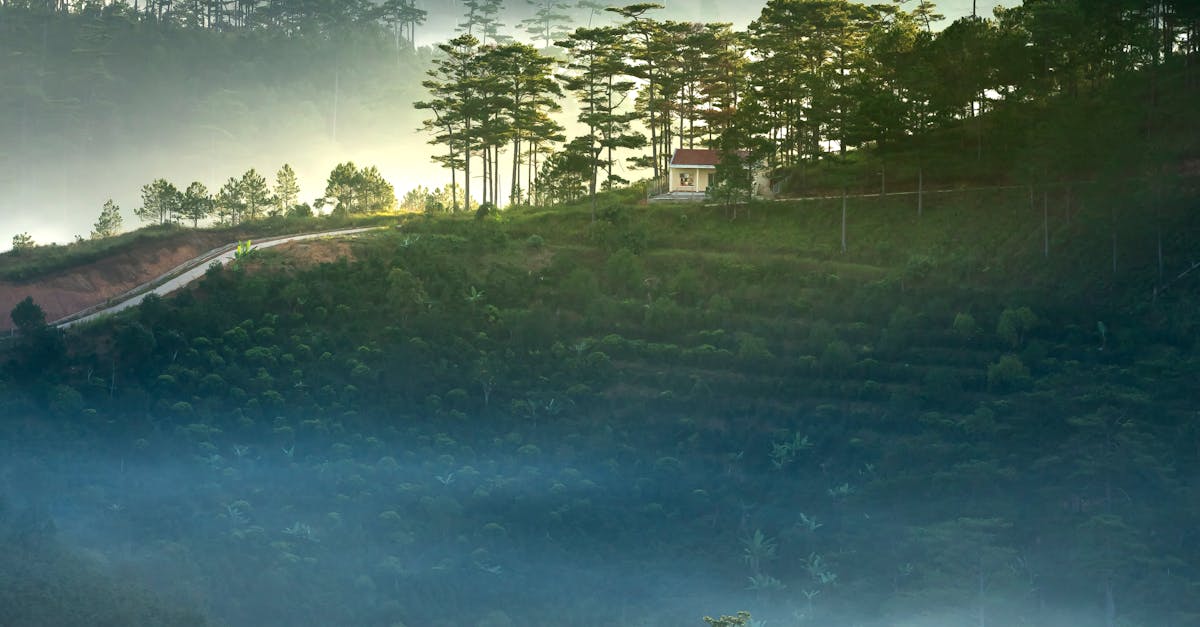
  • Location and Geography: Brahmagiri Wildlife Sanctuary is situated in the Western Ghats in the Kodagu district of Karnataka. It covers 181 sq. km and is characterized by undulating terrain, steep valleys, and hillocks. This context is important for understanding the ecological sensitivity of the area.

  • Name Origin: The sanctuary is named after the Brahmagiri peak, its highest point at 1607m.

  • River Source: The Lakshmana Tirtha River, a Cauvery tributary, originates within the sanctuary. This underscores the sanctuary’s role in water resource management.

  • Flora: The sanctuary features diverse vegetation: evergreen and semi-evergreen forests, shoal forest patches in grasslands, and bamboo. It’s surrounded by coffee and cardamom plantations. This emphasizes its rich biodiversity.

  • Fauna: It is home to endangered Lion Tailed Macaque, Tiger, Elephant, Bonnet Macaque, Common Langur, Barking Deer, Mouse Deer, Malabar Giant Squirrel, Giant Flying Squirrel, and Indian Gaur. The presence of the lion-tailed macaque, a rare and endangered species, makes the sanctuary a crucial conservation area.
Brahmagiri's Wild Heart


Bailey Bridge

  • A Bailey bridge in north Sikkim collapsed recently, highlighting potential structural concerns.

  • What is a Bailey Bridge? It’s a portable, prefabricated truss bridge widely used since WWII.

  • Designed by: Sir Donald Bailey (UK, 1941).

  • Key Features:

    • Standardized, simple panels for easy assembly.
    • Can be strengthened by adding truss girders.
    • Adaptable for longer spans using pontoons.
    • Assembly covers a small area without large hoisting equipment.
  • Limitations:

    • Limited structure and bearing capacity.
    • Standard length usually doesn’t exceed 60 meters.
  • Typical Uses: Spanning rivers, valleys, and shorter spans.

  • Why the name? Named after its inventor, Donald Coleman Bailey.

  • Principle: Modular, pre-fabricated, truss-based construction for quick assembly.

  • Disadvantages: Limited lifespan, weight restrictions, corrosion susceptibility, manual assembly challenges, shorter span length, not for permanent infrastructure.


Crocodile Catfish

  • Discovery in Guwahati, India: The Crocodile Catfish (Asian giant river catfish/Bagarius suchus) was recently found in the Bahini River, Guwahati, raising ecological concerns.

  • Species Description: A large freshwater catfish native to South and Southeast Asia (India, Nepal, Bangladesh, Myanmar, Thailand), belonging to the Sisoridae family.

  • Appearance: Characterized by a long, cylindrical body, broad head, wide mouth, and dark brown/black coloration with possible irregular markings. Notably elongated dorsal fin.

  • Size and Lifespan: Reaches lengths of 1.5 meters or more and can weigh over 50 kilograms. Lifespan is estimated to be 15-25 years in the wild.

  • Habitat: Typically found in large rivers and deep pools with slow to moderate currents, often with rocky/gravelly substrates.

  • Diet: Carnivorous predator with a voracious appetite, primarily feeding on fish and other aquatic organisms.

  • Conservation Status: Listed as Near Threatened on the IUCN Red List.

  • Ecological Concerns: The presence of this species in a new location (Guwahati) could lead to ecological disruptions due to its predatory nature.

  • IUCN: The International Union for Conservation of Nature (IUCN) is a global body focused on nature conservation and sustainability.


UK-India Young Professionals

  • Ballot Opening Soon: The ballot for the UK-India Young Professionals Scheme (YPS) is opening next week.
  • Scheme Overview: Allows Indian citizens aged 18-30 to live and work in the UK for up to 2 years.
  • Reciprocal Arrangement: It is a reciprocal scheme that allows UK and Indian nationals aged 18-30 to live, study, travel and work in the other country for upto two years.
  • Migration and Mobility Agreement: Conceived under the India-UK Migration and Mobility MoU signed in May 2021.
  • Formal Launch: Officially launched in February 2023.
  • Visa Features: Valid visa allows entry and exit at any time during the stay.
  • Eligibility:
    • Indian national aged 18-30.
    • Bachelor’s degree or above.
    • £2,530 in savings.
    • No dependent children.
    • Selection in the YPS ballot is mandatory.
    • Cannot have previously participated in YPS or Youth Mobility Scheme.
    • Visa holders must enter the UK within six months of visa issuance.
  • Activities Permitted in UK: Study (with ATAS certificate for sensitive subjects), self-employment (subject to restrictions).
  • YPS vs. Other Visas: Unlike Skilled Worker or Health and Care Worker visas, YPS doesn’t require pre-approved employer or salary conditions, but savings are needed. YPS is non-extendable.
  • Starmer’s Policy: The UK government has launched mass raids on undocumented immigrants including Indian restaurants, nail bars, convenience stores, and car washes which employ immigrants.

Market Intervention

  • Revised MIS Guidelines: The central government has updated the Market Intervention Scheme (MIS) guidelines.
  • State/UT Request: Implemented only when requested by State/UT governments.
  • Target Commodities: Addresses perishable agricultural/horticultural commodities (tomato, onion, potato etc.) lacking Minimum Support Price (MSP).
  • Price Reduction Trigger: Activated when market price drops by a minimum of 10% compared to the previous normal year.
  • Increased Procurement Limit: Procurement limit increased from 20% to 25% of production quantity.
  • Direct Payment Option: States can directly deposit the difference between Market Intervention Price (MIP) and selling price into farmers’ bank accounts, instead of physical procurement.
  • Reimbursement of Costs: Operational costs (storage, transportation from producing to consuming states) are reimbursed by Central Nodal Agencies (CNAs) like NAFED and NCCF.
  • Market Intervention Definition: Addresses market failures and enhances market access for smallholder producers, aiming to improve income and food security.
  • NAFED’s Role: NAFED (National Agricultural Cooperative Marketing Federation of India Ltd) is a major agricultural produce marketing cooperative and procurement agency in India.

Fishery Survey India

  • Untapped Fishing Grounds Discovered: Fishery Survey of India (FSI) expedition reveals productive, potentially untouched fishing grounds in the Arabian Sea. Why: Highlights potential for expanding India’s fishing industry and food security.

  • FSI’s Role: FSI is the nodal fishery institute in India under the Ministry of Fisheries, Animal Husbandry, and Dairying. Why: Emphasizes FSI’s central position in the Indian fisheries sector.

  • Primary Function: FSI surveys and assesses fishery resources in India’s Exclusive Economic Zone (EEZ) and surrounding areas. Why: Outlines FSI’s core responsibility for sustainable development of fisheries.

  • Headquarters: Mumbai, Maharashtra.

  • Historical Context: Established in 1946 as Deep Sea Fishing Station, later upgraded to a survey institute in 1974, and then a national institute in 1983. Why: Shows FSI’s evolution and increasing importance over time.

  • Science & Technology Recognition: Recognized as a Science & Technology Institute in 1988. Why: Underscores FSI’s scientific expertise and research capabilities.

  • K H Alikunhi: Considered the father of modern fisheries in India.

  • Leading Fish Producer: Andhra Pradesh is the largest fish producer in the country, followed by West Bengal and Gujarat.


Devolution Index

  • Release of Devolution Index Report: The Ministry of Panchayati Raj will release the “Devolution Index Report” on February 13, 2025, in New Delhi. Union Minister of State Prof. S.P. Singh Baghel will release the report.

  • Purpose of the Index: The index evaluates the progress of decentralization across States and Union Territories and ranks them based on rural local bodies’ autonomy.

  • Six Key Dimensions: The Index assesses Framework, Functions, Finances, Functionaries, Capacity Building, and Accountability of Panchayats.

  • Focus on Panchayat Autonomy: It examines the degree to which Panchayats can make and implement independent decisions, aligning with Article 243G of the Constitution which enables State legislatures to devolve powers and responsibilities to Panchayats across 29 subjects.

  • Strengthening Cooperative Federalism: The Index is a tool for States to identify areas for improvement and adopt best practices for empowered Panchayats.

  • Benefits for Stakeholders: It provides transparency for citizens, data-driven insights for representatives, and a roadmap for government officials and policymakers.

  • Alignment with Viksit Bharat: The initiative supports the vision of Panchayats as the foundation for rural transformation and sustainable development.

  • Report Title: “Status of Devolution to Panchayats in States – An Indicative Evidence Based Ranking 2024”.

  • eGramSwaraj Portal: The eGramSwaraj aims to bring in better transparency and strengthen the e-Governance in Panchayati Raj Institutions (PRIs) across the country through decentralized Profiling, Planning, Physical Progress, Reporting and Work-Based Accounting.


Vancomycin

  • Potential New Use for IBD: A study indicates vancomycin, typically used for diarrhea, shows promise in treating a specific type of inflammatory bowel disease (IBD) linked to autoimmune liver disease (primary sclerosing cholangitis – PSC).

  • Study Results: 80% of IBD patients achieved clinical remission with reduced inflammation after four weeks of oral vancomycin treatment. 100% showed mucosal healing.

  • Further Research Planned: Researchers are preparing for randomized controlled trials to further investigate vancomycin’s effectiveness in treating PSC-IBD.

  • Existing Uses: Vancomycin is a glycopeptide antibiotic used for severe bacterial infections like MRSA, bloodstream infections, skin/soft tissue infections, endocarditis, bone/joint infections, and C. difficile-associated diarrhea.

  • Mechanism of Action: Vancomycin disrupts bacterial cell wall synthesis, weakening the cell and leading to its death.

  • Side Effects: Serious side effects can include hearing and kidney damage, more likely in elderly patients.

  • Not for Viral Infections: Vancomycin is ineffective against colds, flu, or other viral infections.

  • Specific Target: The study focused on IBD developing in the context of primary sclerosing cholangitis (PSC).


SAFTA Agreement

  • SAFTA Overview: The South Asian Free Trade Area (SAFTA) is a free trade agreement within the South Asian Association for Regional Cooperation (SAARC), effective since 2006.
  • SEA Concerns: The Solvent Extractors’ Association of India (SEA) has requested government intervention to regulate edible oil imports from Nepal and other SAARC nations, citing misuse of SAFTA norms.
  • Import Surge: There’s been a significant increase in refined soybean and palm oil imports from Nepal to India, allegedly violating Rules of Origin.
  • Impact on India: This influx negatively affects domestic refiners, farmers, and government revenue.
  • Duty Advantage: Nepal imports crude edible oils at nil duty and exports refined oils to India at discounted rates under SAFTA, creating a duty advantage.
  • SEA Recommendations: The SEA urges the government to suspend duty-free edible oil imports under SAFTA, renegotiate the agreement for agro-commodities, and monitor imports closely.
  • Rules of Origin Violation: The SEA claims imported oils do not meet Rules of Origin requirements and should be restricted from duty-free import.
  • Dumping Concerns: The SEA emphasizes that SAFTA members should not become dumping grounds for third countries avoiding duties.
  • Suggested Measures: The SEA suggests provisional safeguard measures like suspending duty-free imports, imposing a minimum import price (MIP), channelizing imports through PSUs like NAFED, and fixing quotas for refined oil imports from Nepal.
SAFTA Agreement


Asia Fish Forum

  • The 14th Asian Fisheries and Aquaculture Forum (14AFAF) will be held in New Delhi from February 12-14, 2025.

  • The theme of the forum is “Greening the Blue Growth in Asia-Pacific”.

  • India is hosting the event for the second time, highlighting its growing importance in global fisheries and aquaculture. The first time was in 2007 (8AFAF in Kochi).

  • The forum is organized by the Asian Fisheries Society (AFS), Indian Council of Agricultural Research (ICAR), the Department of Fisheries (DoF), and the Asian Fisheries Society Indian Branch (AFSIB).

  • Around 1,000 delegates from 24 countries are expected to attend.

  • The forum

    aims to showcase India’s contributions, strengthen international partnerships, and promote sustainable aquaculture practices.

  • India holds the 2nd position globally in total fish production and aquaculture production.

  • Shri Rajiv Ranjan Singh, Minister of Fisheries, Animal Husbandry and Dairying and Panchayati Raj, Govt. of India will inaugurate the forum.

  • The event includes Lead Presentations by experts from India and overseas.

  • A Symposium on “Aquatic Animal Diseases: Emerging Challenges and Preparedness” is scheduled on the second day, inaugurated by Shri George Kurian, Minister of State for Fisheries, Animal Husbandry & Dairying, and Minority Affairs.

  • An Academia-Industry-Government Meet on ‘De-risking Shrimp Aquaculture Value Chain for Improved Global Competitiveness’ is scheduled on the third day, inaugurated by Dr B. Mastan Rao, Member of Parliament (Rajya Sabha).

  • Shri Bhagirath Choudhary, Minister of State for Agriculture and Farmers Welfare, Govt. of India will be the Chief Guest at the closing ceremony.

Daily Current Affairs and News Analysis 11-02-2025

ADC

Here’s a breakdown of the key points:

  • Autonomous District Council (ADC) Elections: Khasi Hills and Jaintia Hills Autonomous District Councils elections are scheduled for February 21.

  • Sixth Schedule & ADCs: The Sixth Schedule of the Indian Constitution provides for ADCs in tribal areas of Assam, Meghalaya, Tripura, and Mizoram, granting them a degree of self-governance.

  • ADC Composition & Tenure: Each ADC has up to 30 members (26 elected, 4 nominated) serving a five-year term.

  • ADC Powers: ADCs can make laws on land, forests (excluding reserved forests), traditional leadership, inheritance, marriage, village courts. They also manage primary services (schools, markets) and regulate money lending/trading by non-tribals (with Governor’s assent).

  • ADC Taxation: ADCs can levy certain taxes like profession taxes, animal/vehicle taxes, market entry taxes, and taxes for maintaining services.

  • Article 371 Debate: A regional party in Meghalaya suggests Article 371 could allow resumption of rat-hole coal mining, banned since 2014. Nagaland’s Article 371A protects land/resources and customary law.

  • Article 371 vs. Sixth Schedule: The possibility of Article 371 coexisting with the Sixth Schedule is debated. Some argue they are incompatible.

  • Rat-hole Mining Issues: Rat-hole mining is allegedly rampant in Nagaland despite the ban.

  • Women’s Representation: Despite matrilineal societies, few women are contesting ADC elections, though female voters outnumber males.

  • Escrow Agreements: Agreements signed to start scientific coal mining operations.


PM-AJAY

  • Scheme Overview: Pradhan Mantri Anusuchit Jaati Abhyuday Yojana (PM-AJAY) aims to reduce poverty and improve socio-economic indicators for Scheduled Caste (SC) communities in SC-dominated villages.

  • Meeting on Progress: Union Minister Virendra Kumar chaired a meeting to review PM-AJAY’s progress and discuss strategies for effective implementation and socio-economic upliftment of SC communities.

  • Key Objectives: Holistic development of SC-populated villages and individual beneficiaries, addressing socio-economic disparities, and promoting inclusive growth.

  • Scheme Components:

    • Development of SC-dominated villages into Adarsh Grams.
    • Grants-in-aid for District/State-level Projects for socio-economic betterment of SCs.
    • Construction of Hostels in Higher Educational Institutions.
  • Stakeholder Involvement: The meeting included state ministers, senior officers, the Chairperson of the National Commission for Scheduled Castes, and representatives from Union Ministries (Finance, Agriculture, Rural Development, Women and Child Development), along with NITI Aayog members.

  • Focus Areas: Strengthening collaboration among stakeholders, increasing community participation, and improving project monitoring mechanisms.

  • Eligibility: SC persons living below the poverty line are eligible for benefits. Villages with 50% or more SC population are eligible for infrastructure development grants.

  • Implementation: Implemented since 2021-22, merging Adarsh Gram Yojana, Special Central Assistance to Scheduled Castes Sub Plan, and Babu Jagjivan Ram Chhatrawas Yojana.

PM-AJAY


Cyclone 2025 Exercise

  • Joint Military Exercise: India and Egypt will conduct Exercise Cyclone 2025, a joint army exercise.
  • Third Edition: This is the third edition of the exercise, following 2023 (India) and 2024 (Egypt).
  • Dates: The exercise will take place from February 10 to 23 in Rajasthan.
  • Focus: Improving coordination between the armies, including real-world scenarios, tactical drills, counter-terrorism, high-intensity combat, and survival techniques. Special forces will participate.
  • Location: Training will be in desert conditions.
  • Motto: “Together we train, together we excel.”
  • Significance: The exercise will strengthen defence cooperation and enhance readiness for security challenges. Military cooperation has grown between both nations.
  • Cooperation: The exercise allows forces to practice combined operations in simulated combat situations.

Cyclone 2025 Exercise


PAH: Pulmonary Hypertension

Here are the key points regarding Pulmonary Arterial Hypertension (PAH):

  • Generic Drug Approval: Natco Pharma received FDA approval for Bosentan tablets (32mg oral suspension), a generic version of Tracleer, used to treat PAH.
  • Exclusivity: Natco Pharma believes it has first-to-file status for the product and is eligible for 180-day exclusivity upon launch. Lupin Pharmaceuticals will market the drug in the U.S.
  • Market Size: Bosentan TFOS (32mg) had approximately $11 million in U.S. sales for the 12 months ending September 2024.
  • PAH Definition: PAH is a specific type of pulmonary hypertension where lung arteries thicken and narrow.
  • Mechanism: This narrowing restricts blood flow, increases lung pressure, and forces the heart to work harder.
  • Causes: The exact cause of PAH is often unknown (idiopathic), but injury to lung blood vessel cells is believed to play a role.
  • Associations: PAH can be linked to congenital heart disease, liver disease, HIV, connective tissue diseases (like scleroderma and lupus), and drug use (methamphetamine, diet pills).
  • Symptoms: Symptoms include blue fingers/lips, chest pain, dizziness/fainting, fatigue, and worsening shortness of breath.
  • Treatment: While treatments exist, there is currently no cure for PAH.
  • Indication: The drug is indicated for the treatment of pulmonary arterial hypertension (PAH) in those aged 3 years and above with idiopathic or congenital PAH to improve pulmonary vascular resistance, which is expected to result in an improvement in exercise ability.

Inca Knots

  • Newly Discovered Superstructure: Astronomers have identified a massive structure called Quipu, a superstructure of grouped galaxies, clusters, and superclusters. Why: Significant as it represents one of the largest known structures in the universe.

  • Immense Size: Quipu extends 1.3 billion light-years across and contains approximately 200 quadrillion solar masses. Why: Illustrates the sheer scale of the observable universe and the organization of matter within it.

  • Composition: It contains nearly 70 galactic superclusters. Why: Demonstrates the hierarchical structure of the universe.

  • Filament Structure: Its structure is reminiscent of the Incan Quipu counting system, featuring a long central filament and branching filaments. Why: Highlights the unique morphology of this cosmic structure.

  • Transient Nature: Quipu is not permanent and is expected to break into smaller units over time. Why: Suggests the dynamic nature of large-scale structures and their evolution.

  • Impact on Cosmology: Studying Quipu could refine cosmological models and provide insights into galaxy evolution and cosmic dynamics. Why: Important for advancing our understanding of the universe’s formation and evolution.

  • Size Comparison: Over 13,000 times the length of the Milky Way and thousands of times more massive than a single galaxy. Why: Helps to conceptualize its enormous scale relative to familiar celestial objects.

  • Galaxies Definition: A galaxy is a vast system of stars, gas, dust, dark matter, and other celestial objects bound together by gravity. Why: Provides context to what Quipu consists of.

  • Light-year Definition: The distance light travels in one Earth year, approximately 6 trillion miles (9 trillion km). Why: Provides context to understand Quipu’s enormous length.

  • Solar Mass Definition: A unit of mass used in astronomy, equal to the mass of the Sun (approximately 2 × 10³⁰ kilograms). Why: Provides context to understand Quipu’s total mass.


Lumpy Skin Disease

  • Lumpy Skin Disease (LSD) is an infectious viral disease of cattle and water buffalo caused by the lumpy skin disease virus (LSDV).
  • LSDV belongs to the capripoxvirus genus, part of the poxviridae family.
  • LSD is not zoonotic; humans cannot get infected.
  • LSD originated in Africa and has spread to the Middle East, Asia, and Eastern Europe.
  • LSD is highly host-specific, primarily affecting cattle and, to a lesser extent, buffalo. Morbidity rate is higher in cattle.
  • The disease reduces milk production, can cause temporary or permanent sterility in bulls, damages hides, and can lead to death.
  • Transmission occurs via blood-feeding insects (flies, mosquitoes, ticks) or contaminated fodder and water. Infected animals shed the virus through secretions.
  • Symptoms include high fever, enlarged lymph nodes, and skin nodules.
  • There is no treatment; prevention via vaccination is key. Infected animals receive supportive care (antibiotics, painkillers, wound care).
  • Biovet’s Biolumpivaxin, an LSD vaccine, has received CDSCO license.

R-37M

  • Offer to India: Russia has reportedly offered the R-37M missile to India.
  • What it is: The R-37M (NATO: AA-13 Axehead) is a Russian-developed long-range air-to-air missile.
  • Purpose: Designed to eliminate enemy fighter jets and drones beyond visual range (BVR). Specifically targets high-value assets like AWACS and tanker aircraft.
  • Keeps Launching Aircraft Safe: Allows the launching aircraft to stay outside the range of enemy fighters.
  • Specifications: Weighs about 510 kg, over 4 meters long, with a 60 kg warhead.
  • Guidance System: Uses inertial navigation with mid-course updates, active radar homing, and semi-active radar guidance in the final phase.
  • Range: Features a jettisonable rocket booster for a range of 300-400 km, making it one of the longest-reaching air-to-air missiles.
  • Speed: Reaches hypersonic speeds, up to Mach 6, important for intercepting fast targets.

Why in the news: The potential acquisition by India signifies a significant upgrade to its air defense capabilities, making news due to the missile’s advanced technology and long-range capabilities.


Assisted Dying

  • Supreme Court to Hear Plea: The Supreme Court will hear a plea seeking passive euthanasia for rabies patients, challenging a 2019 Delhi High Court ruling.
  • Euthanasia Defined: Euthanasia, from the Greek “eu thanatos” (easy death), means hastening death to prevent suffering.
  • Types of Euthanasia:
    • Active Euthanasia: Taking active steps to end a life (e.g., administering a lethal medication). It is also called as aggressive euthanasia. Illegal in India.
    • Passive Euthanasia: Withholding or withdrawing life support (e.g., ventilator) from a terminally ill patient.
  • Legal Precedent (India): In the Common Cause vs. Union of India (2018) case, the Supreme Court recognized the right to die as part of the right to life. Passive euthanasia and “living wills” were legalized for terminally ill patients with no hope of recovery.
  • Active Euthanasia Illegal: Active euthanasia remains illegal and a crime in India.
  • First Country to Legalize: The Netherlands was the first country to legalize euthanasia.
  • Voluntary Euthanasia: A competent person consents to end their own life with the assistance of a doctor.

Burmese Pythons

Here’s a summary of the news regarding Burmese Pythons:

  • Invasive Species in Florida: Burmese pythons ( Python bivittatus ) are an established invasive species in Florida, impacting native biodiversity.
  • Optimized Removal Strategies: University of Florida scientists analyzed data from python contractors to improve removal efficiency.
  • Peak Removal Time: The most effective survey period is during Florida’s wet season (May to October) between 8 pm and 2 am.
  • Aquatic Vehicle Advantage: Using motorboats, canoes, kayaks, and airboats significantly enhances survey effectiveness.
  • Nighttime Surveys are better: Night surveys are more effective than daytime ones.
  • Cold weather is an exception: Except when mean daily air temperatures drop to 50 degrees Fahrenheit or below.
  • Ecological Impact: Pythons disrupt food webs, reduce native species populations, and alter predator-prey relationships.
  • Conservation Effort: Managing pythons is a critical effort to restore the Everglades ecosystem and protect it for future generations.
  • Research Publication: The study, “Optimizing survey conditions for Burmese python detection and removal using community science data,” was published in Scientific Reports in January 2025.
  • Background Information: They can reach 20 feet in length and weigh over 250 pounds. Native to tropical and subtropical regions of Asia, they inhabit grasslands, marshes, forests, and jungles. Released pets from the pet trade led to the invasive population in Florida.

Yashas: A Profile

  • HAL’s HJT-36 Rebranded ‘Yashas’: Hindustan Aeronautics Limited (HAL) renamed its flagship HJT-36 jet training aircraft to ‘Yashas’ after significant upgrades.

  • Enhanced Performance: The upgrades focused on improving departure characteristics and spin resistance across the aircraft’s operational envelope. Spin resistance is an aircraft’s ability to prevent entering an aerodynamic spin, even if it is stalled.

  • Stage II Pilot Training: ‘Yashas’ is designed for Stage II pilot training, equipped for specialized operations including counter-insurgency, counter-surface force ops, and armament training.

  • Advanced Features: The aircraft features state-of-the-art avionics, a modern cockpit, weight reduction, and Indian-made Line Replaceable Units (LRUs), replacing imported equipment.

  • Capabilities: ‘Yashas’ can perform aerobatics (precise, controlled flying maneuvers beyond normal limits) and carry up to 1,000 kg of payload.

  • Engine & Design: Powered by a FADEC-controlled AL55I jet engine for optimized thrust management and reliability; features a stepped-up rear cockpit with a drooped nose for enhanced visibility.

  • Self-Reliance: Using Indian-made LRUs promotes a more self-reliant and sustainable system.

  • HAL’s Perspective: HAL CMD D.K. Sunil stated the changes warranted a new name, reflecting its relevance for modern military aviation training.

  • HAL Overview: HAL is an Indian state-owned aerospace and defense company.


Daily Current Affairs and News Analysis 10-02-2025

Jagannath’s Shrine

  • Cricketers visit Jagannath Temple: Washington Sundar, Varun Chakaravarthy, and Axar Patel visited the Shree Jagannath Temple in Puri before the India vs England ODI.
  • Temple Significance: Dedicated to Lord Jagannath, a form of Vishnu, the temple is a UNESCO World Heritage Site and one of the four Chaar Dhaams.
  • Historical Context: Built in the 12th century by King Anantavarman Chodaganga Deva, the temple’s completion and deity installation occurred in 1230 AD.
  • Architectural Style: A striking example of Kalinga architecture, the temple’s main structure features a raised platform, no shadow on the ground, and a 20-foot chakra (wheel) at its pinnacle.
  • Religious Significance: The temple complex includes shrines, gardens, and sacred tanks, creating a serene atmosphere for devotion, housing deities like Lord Balabhadra, Devi Subhadra.
  • Security Measures: Extensive security measures were in place for the cricketers’ visit and transport.
  • Traffic Advisory: Traffic advisories were issued due to the team’s practice session at Barabati Stadium.
  • Nabakalebara: The 12-year ritual, Nabakalebara, is a significant religious event in the temple’s calendar.
  • White Pagoda: The temple is known as the White Pagoda due to its distinctive white color and architectural style.

Satkosia Tigers

  • Satkosia Tiger Reserve in Odisha will undertake the first captive breeding program for sambar deer.
  • The goal is to increase sambar populations for release into other areas with low prey densities, boosting the tiger and leopard food source.
  • Six sambar pairs will be housed in an enclosure at Tulka. Males will come from captivity; females likely from the Debrigarh Wildlife Sanctuary.
  • The reserve’s prey density has increased from 23 to 39 animals per sq km.
  • A detailed project report for the conservation breeding program is sent to the chief wildlife warden.
  • The program is seen as a prerequisite to resume tiger translocation, after a previous attempt failed.
  • The reserve has the space and plans to expand its translocation area.
  • The Mahanadi River flows through the reserve, located in Angul, Cuttack, Boudh, and Nayagarh districts.
  • The reserve is at the confluence of the Deccan Peninsula and Eastern Ghats biogeographic regions, known for biodiversity.
  • The reserve encompasses Baisipalli and Satkosia Gorge Sanctuaries.
  • The area has a low population of tigers, leopards, elephants, spotted deer, sambar, and other wildlife.
  • Freshwater crocodile and gharial are also found there.

Algo Trading

  • SEBI mandates stock exchanges to empanel algorithmic trading providers and defines rules for APIs.
  • Algorithmic trading uses pre-defined rules for automated order execution, faster than human traders.
  • Algo trading is prevalent among both institutional and retail investors in India.
  • SEBI created a regulatory framework for stakeholders (investors, brokers, algo providers, MIIs) to safeguard retail investors.
  • Retail investors will access approved algos through registered brokers only.
  • Stock brokers need exchange permission for each algo.
  • Algo orders get unique identifiers for audit trails.
  • Brokers are responsible for investor grievances and API monitoring.
  • Algorithmic trading logic categorized into white box (disclosed, replicable) and black box (undisclosed).
  • SEBI aims to facilitate safer participation of retail investors in algo trading and improve liquidity.
  • Algo providers must be empanelled with exchanges.
  • Retail investor-developed algos must meet exchange criteria to be registered.
  • Exchanges supervise algo trading, monitor orders, and have “kill switch” capability.
  • Exchanges set turnaround times for algo registration (fast track vs normal).
  • This new framework is applicable from August 1st.

Salamander

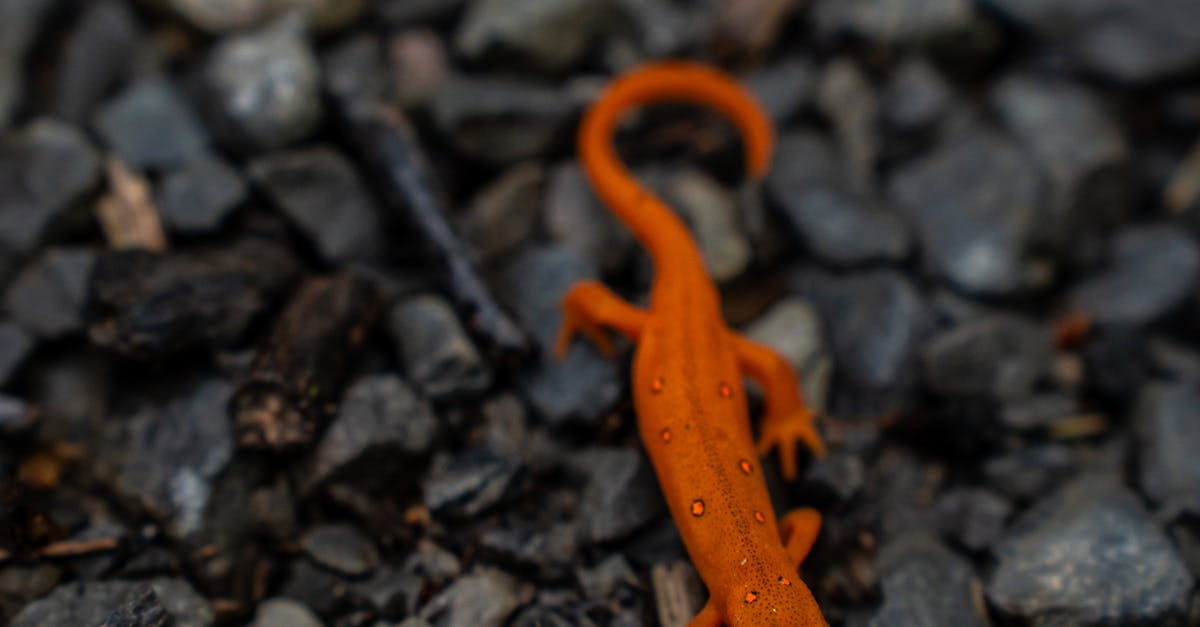
  • Wandering salamanders use blood pressure in their toes for optimal arboreal locomotion.
  • They rapidly fill, trap, and drain blood in their toe tips to control attachment and detachment.
  • Fine control of blood flow to each toe tip allows for asymmetrical pressure adjustments, improving grip.
  • Blood rushing in before “toe off” aids detachment, reducing surface area and energy expenditure.
  • This unique mechanism in salamanders could inspire new adhesives, prosthetics, and robotic appendages.
  • Salamanders are amphibians with slender bodies, long tails, and moist skin, varying in size from 2.5 cm to 5 feet.
  • They live near water or moist ground, are found in various locations, and are mainly in North America, Europe, Asia, parts of South America, and North Africa.
  • Salamanders can regenerate lost limbs, are nocturnal, cold-blooded, and some species are poisonous or have teeth.
  • Salamanders control pests, are food for larger animals, and are vulnerable to drought and toxins due to their moist skin.
  • They play an ecological role, regulating food webs and contributing to ecosystem stability.

Salamander


Bombay Blood

  • A 30-year-old with the rare Bombay blood group (hh) received a successful kidney transplant.
  • The Bombay blood group lacks the H antigen, a crucial component for forming A and B antigens.
  • This makes them incompatible with standard blood types (including O-negative), requiring a donor with the same rare blood group.
  • The donor was the patient’s mother, who did not have the Bombay blood group.
  • Doctors used a cross-blood matching technique (double filtration plasmapheresis – DFPP) previously used for ABO blood types.
  • The procedure involved reducing the recipient’s anti-H antibodies to prevent organ rejection.
  • This transplant is a first in this rare blood group.
  • The patient is now doing well and recovering post transplant.
  • The transplant showcases a new potential approach for those with Bombay blood type in need of organ transplantation.
  • This procedure may open up possibilities for others with this rare blood type in the future.

Cook Islands

  • The Cook Islands, a self-governing Pacific nation with a free association pact with New Zealand, is preparing to sign a cooperation deal with China.
  • New Zealand’s Foreign Minister expressed “significant concern” over the deal, citing a lack of consultation.
  • The Cook Islands Prime Minister will visit Beijing next week to finalize a “comprehensive strategic partnership” with China.
  • The visit occurs during heightened geopolitical tension in the Pacific region as China seeks to increase its influence.
  • New Zealand is worried the deal could pose a risk to its national interests and wants to verify this.
  • The Cook Islands government maintains the agreement will prioritize sovereignty and national interests.
  • The Cook Islands consists of 15 islands, with a population primarily on Rarotonga.
  • The nation is located in the South Pacific Ocean, between Tonga and French Polynesia.
  • The Cook Islands has a free association agreement with New Zealand, who provide support on foreign affairs and defense.
  • Rarotonga is home to the capital, Avarua.
  • The islands are known for their beautiful beaches and hospitality.

Cook Islands


Kashmir Carpets

  • New Logo for Kashmir Hand-Knotted Carpets: The Geographical Indications Registry Chennai has granted a new logo to protect the exclusivity of Kashmir hand-knotted carpets (“Kal baffi”). This logo signifies the carpet’s unique geographical origin and quality.

  • Historical Significance: Kashmir carpets have a history dating back to the 15th century, with weavers from Persia and Central Asia introduced to the region to train locals.

  • Weaving Technique: The unique loom, with two horizontal wooden beams, is a defining feature. The specific knotting method (“Farsi baff” and “Sehna/Sinneh”) and tools used (combing, scissors) distinguish them.

  • GI Registration: This new logo and the QR code-based GI tagging (February 2022) are crucial for authenticating the carpets. This helps prevent counterfeiting and informs buyers about the origin, weaver, and

    materials.

  • Authenticity and Quality: The QR code provides instant verification of the carpet’s origin, manufacturer, artisan, knots per square inch, and materials.

  • Export and Recognition: Kashmir carpets are exported to over 25 countries worldwide, and the GI tag helps maintain the region’s reputation for high-quality craftsmanship.

  • Additional GI Registrations: Besides carpets, six other Kashmiri crafts (Papier-mâché, Pashmina, Kani, Sozni, Khatamband, Walnut Wood Carving) have received GI registration.


Graphene

  • Graphene is a two-dimensional material, a single layer of carbon atoms in a honeycomb structure.
  • It’s an allotrope of carbon, like diamond and graphite.
  • Graphene was isolated in 2004.
  • It’s incredibly thin (one atom thick), strong (200x stronger than steel), flexible, and an excellent electrical and thermal conductor.
  • Graphene is almost perfectly transparent, absorbing only 2% of light.
  • It’s impermeable to gases like hydrogen and helium.
  • Researchers recently discovered a new state of matter in graphene’s current dynamics.
  • Graphene has diverse applications, including sensors, electronics, energy storage, and healthcare.
  • Applications are also in energy, construction, health, and electronics sectors.
  • Graphene is stronger than diamond.
  • Graphene doesn’t pose a significant skin risk.
  • Stacked graphene is graphite.

Nuclear Liability Act

  • The Civil Liability for Nuclear Damages Act (CLNDA) 2010 is India’s legal framework for nuclear incidents. It’s based on international conventions (Vienna, Paris, Brussels).

  • The CLNDA mandates strict liability on nuclear plant operators, holding them responsible for damages regardless of fault. Liability is capped at ₹1,500 crore.

  • Beyond ₹1,500 crore, the Indian government is liable up to ₹2,100-₹2,300 crore (300 million SDRs).

  • The act sets a 15-day incident reporting timeframe for the Atomic Energy Regulatory Board.

  • A Nuclear Damage Claims Commission is established for compensation and dispute resolution.

  • The CLNDA amendment aims to ease legal concerns for foreign nuclear power companies, potentially encouraging new projects

    in India.

  • The CLNDA is similar to international conventions like the Vienna, Paris, and Brussels conventions.


Daily Current Affairs and News Analysis 09-02-2025

NCST

  • The National Commission for Scheduled Tribes (NCST) has requested Telangana, Maharashtra, Andhra Pradesh, and Odisha to survey tribal people displaced from Chhattisgarh due to Maoist violence. This is to determine the exact number of displaced individuals and their living conditions.

  • The NCST was established by the Constitution (89th Amendment) Act, 2003, replacing the combined Scheduled Castes and Scheduled Tribes Commission with separate Commissions.

  • The NCST’s role includes monitoring safeguards for Scheduled Tribes (STs), investigating complaints related to their rights, advising on socio-economic development plans, and submitting annual reports to the President on welfare measures.

  • The NCST Chairperson has Cabinet Minister rank, the Vice-Chairperson a Minister of State rank, and members Secretary to the Government of India rank.

  • The

    term of office for all members (Chairperson, Vice-Chairperson, and members) is three years.

  • The article does not provide the answers to questions Q1 and Q2.

NCST


Potash

  • Punjab government plans potash mining in Fazilka and Sri Muktsar Sahib districts, following surveys revealing substantial reserves.
  • Potash is a general term for water-soluble potassium compounds, primarily used as fertilizer.
  • Over 90% of potash is used as fertilizer, a key component of NPK (Nitrogen, Phosphorus, Potassium) for agriculture.
  • Different potash forms exist, including Sulphate of Potash (SOP) (chloride-free, used on high-value crops) and Muriate of Potash (MOP) (with chloride, used on carbohydrate crops).
  • Rajasthan holds the largest potash reserves in India (89%).
  • India imports 50 lakh tonnes of potash annually.
  • Potash reserves are also found in Punjab, potentially offering job creation and economic development.
  • Farmers have concerns about land acquisition and need written assurances.
  • The Punjab government assures that advanced mining techniques will minimize land impact and conduct environmental assessments.
  • Mining is likely to proceed upon successful auctioning by the central government.

Cayman Islands

  • The Cayman Islands, a British overseas territory, are located in the Caribbean Sea, southwest of the Cayman Islands.
  • The islands consist of Grand Cayman, Cayman Brac, and Little Cayman.
  • They are formed by the Cayman Ridge, an underwater mountain range.
  • Known for coral reefs, crystal-clear waters, and white sand beaches.
  • Grand Cayman is the largest and most populated island, with George Town as the capital.
  • The islands cover a small area of 264 sq km.
  • The official currency is the Cayman Islands Dollar (KYD).
  • Ethnic groups include Afro-European (40%), African (20%), European (20%), and other (20%).
  • Recently, a magnitude-7.6 earthquake struck southwest of the Cayman Islands.
  • The islands are considered a tax-free jurisdiction with no direct taxes.

Bamboo Mission 2.0

  • The National Bamboo Mission (NBM) was launched as a Centrally Sponsored Scheme in 2018-19.
  • It aims to assist both government and private sectors in bamboo propagation, cultivation (non-forest land), treatment, market establishment, incubation centers, value-added product development, and tool/equipment development.
  • Funding for states (excluding Northeast and hilly states) is 60:40 (Center-State). Northeast, hilly states get 90:10, Union Territories/BTSGs/National Agencies are 100% centrally funded.
  • Major objectives include increasing quality planting materials, expanding cultivation areas, improving post-harvest management, market infrastructure, and reducing bamboo imports.
  • Implementation is via state nodal departments nominated by respective state/UT governments.
  • The mission is operational in Uttar Pradesh since 2019-20, with specific activities like nursery establishment, plantations, skill development, and bamboo product demonstrations in Shahjahanpur, Bareilly, Sitapur, Pilibhit, and Lakhimpur Kheri districts.
  • The mission’s activities in various UP districts, notably include nursery development, plantations, and the establishment of Common Facility Centers (CFCs), bamboo bazaars, treatment and carbonization plants.
  • The National Bamboo Mission is part of the National Forestry Action Programme (NFAP) with 100% central assistance.

Article 22

  • Article 22(1) is mandatory, not a formality: Supreme Court rules informing an arrested person of arrest grounds is crucial for a legal arrest. Failure to do so makes the arrest illegal.

  • Article 22 safeguards liberty: Provides protection against arrest and detention, acting as a check on police power.

  • Protection for all, except enemy aliens: Safeguards apply to all, barring enemy aliens. They are not applicable to civil arrests.

  • Grounds of arrest must be communicated: Grounds must be disclosed as soon as possible after arrest, preferably in writing, to the arrested person and those designated by them.

  • Speedy judicial process: Arrested individuals must be brought before a magistrate within 24 hours, excluding travel time.

  • Detention time limits: Detention beyond 24 hours requires magistrate permission. Preventive detention laws have a maximum 3-month limit unless justified by an advisory board.

  • Court’s role in ensuring compliance: Magistrates must verify Article 22(1) compliance before remanding. Courts must uphold fundamental rights.

  • Release upon violation: If Article 22(1) is violated, the court must order immediate release and may grant bail, despite statutory restrictions.

  • Burden of proof: The investigating officer/agency must prove Article 22(1) compliance if challenged.

  • Role of relatives/nominated persons: Communicating grounds of arrest to relatives/nominated persons allows them to assist in securing the person’s release.


Vishwamitri River

  • A crocodile census was conducted on a 25km stretch of the Vishwamitri River in Vadodara, Gujarat, concluding February 6, 2025.
  • GEER Foundation led the census, with teams including forest department members, Vadodara Municipal Corporation, student volunteers, NGOs, and wildlife enthusiasts.
  • The river originates in the Pavagadh hills and flows 200 km into the Gulf of Khambhat, primarily fed by rain.
  • It passes through a 25km urban stretch in Vadodara, with a significant mugger crocodile (Crocodylus palustris) population despite pollution and urbanization.
  • Data analysis is ongoing, with no release date for the final crocodile count yet.
  • The census involved diurnal and nocturnal counts, utilizing the crocodiles’ eye shine for night-time spotting.
  • The 25km stretch was divided into zones for efficient counting, with each team documenting sighted crocodiles, sizes, locations, and behaviors.
  • The survey also recorded other animals like freshwater turtles, monitor lizards, pythons, and porcupines.
  • The Vishwamitri River flows through Vadodara and ends in Bharuch district.
  • The Vishwamitri River is home to a large population of mugger crocodiles.

Dashavatar Plays

  • Dashavatar theatre, a traditional Marathi folk theatre form with an 800-year history, is experiencing a resurgence in Maharashtra and North Goa.

  • Performances are based on the ten incarnations of Vishnu, incorporating music, dance, pantomime, and improvisation.

  • The theatrical season begins after the paddy harvest in October and runs until May. Men traditionally play all roles, including female characters, a practice that has led to social challenges for some performers.

  • Performances are often contracted by village temple authorities for annual fairs (“jatra”).

  • The art form faces challenges from modern entertainment and declining audience interest. Government initiatives aim to preserve and promote Dashavatar through festivals and financial support.

  • A recent performance in Zarap village, Maharashtra, showcased the dedication and artistry of the performers, highlighting the unique blend of mythology, music, and gender-bending roles.

  • The use of musical instruments like the harmonium, tabla, and zanj, contributes to the immersive experience. The plays incorporate all nine rasas (emotions).

  • While some actors are concerned about the future of the art form, government initiatives and the enduring passion of performers offer hope for its continued existence.


NAAC

  • NAAC halted physical college inspections to combat corruption, switching to online evaluations.
  • This follows recent CBI arrests related to bribery at the Koneru Lakshmaiah Education Foundation.
  • Online assessments will be fully implemented for colleges, with a hybrid approach for universities (some on-site visits).
  • The move is aimed at eliminating corruption and improving the assessment process’s transparency and accountability.
  • The long-delayed basic accreditation model (binary system) is now scheduled for April-May 2025.
  • This new model will introduce maturity-based graded levels (MBGL) to encourage institution improvements.
  • Existing institutions have an option to retain their current grade until the new system is in place, while new applicants will choose the new system.
  • NAAC is a voluntary accreditation body for higher education institutions.
  • It assesses colleges, universities, and recognized institutions based on multiple criteria like curriculum, teaching, infrastructure, governance, and innovation.
  • NAAC’s highest grade is A++.
  • NAAC is funded by the UGC.

Klub-S

  • India has agreed to acquire the Klub-S missile system from Russia to enhance its submarine fleet’s capabilities.
  • The Klub-S, also known as Kalibr, is a Russian cruise missile developed by NPO Novator, inducted in 1994.
  • It carries a 400-kilogram warhead.
  • The missile can target surface ships, submarines, and ground targets up to 300 kilometers away.
  • It includes a fire control system, vertical launcher unit, and ammunition.
  • Known for performance in challenging combat zones, including heavy enemy fire and electronic warfare.
  • It achieves supersonic speeds during the terminal phase, making interception difficult.
  • Cruises at low altitudes (10-15 meters), reducing enemy response time.
  • The Klub-S is part of the Kalibr family, sharing common components for modularity.

Bhil Culture

  • Bhil families allege Vasantdada Sugar Institute (VSI) is trying to demolish their homes and displace them from land they’ve lived on for generations.
  • Bhils are one of India’s oldest and most widely distributed tribes, primarily in Madhya Pradesh, Maharashtra, Gujarat, Rajasthan, and parts of Tripura.
  • They are predominantly agricultural, using both slash-and-burn and plow methods.
  • Their language, Bhili, is an Indo-Aryan language.
  • They practice ethnic religions influenced by Hinduism, worshipping deities like Khandoba and local spirits.
  • A civil dispute is underway in court regarding the land. The police are following court directions.
  • The NCST initiated a probe, issuing a notice to the Pune district collector and police.
  • The Tehsildar’s report claims Bhils encroached on VSI land, disputing the false complaint about threats.
  • VSI claims it’s building a compound wall, not displacing anyone.
  • Bhils have presented documents claiming their residence is on government land or forest land, protected under the Forest Rights Act.
  • The Bhils argue they’ve lived there for generations.
  • There’s a status quo order from a court to prevent further action.
  • An ongoing dispute involves the rights to land, with the VSI and Bhils having differing claims on the same plot.

Bhil Culture


Daily Current Affairs and News Analysis 08-02-2025

Cascade Mountains

  • The Cascade Range, located in the Pacific Northwest of the US and Canada, is a prominent mountain range known for its stunning scenery including snow-capped peaks, glaciers, and lush forests.

  • It’s a geologically active region formed by the subduction of the Juan de Fuca Plate under the North American Plate. This ongoing process fuels volcanic activity.

  • The range contains both non-volcanic mountains and a series of volcanoes known as the High Cascades. Stratovolcanoes are the most common type found here.

  • Mount Rainier, at 4,392 meters, is the highest peak.

  • The Cascades are part of the Pacific Ring of Fire, and all historically recorded eruptions in the contiguous US have originated from Cascade volcanoes.

  • Recent research highlights that long-dormant Cascade volcanoes still possess significant magma reservoirs beneath them, making them newsworthy due to the potential for future volcanic activity. This underscores the ongoing geological activity within the range.


Swavalambini

  • Empowering Women Entrepreneurs in Northeast India: Swavalambini aims to equip female students in Northeastern HEIs with entrepreneurial skills, resources, and mentorship.

  • Collaboration and Launch: Launched by MSDE in collaboration with NITI Aayog, the program involves 9 colleges and universities across Assam, Meghalaya, and Mizoram. Union Minister Jayant Chaudhary inaugurated the program.

  • Structured Stage-wise Approach: A multi-stage process, starting with awareness programs (EAP for 600 students), followed by intensive training (EDP for 300 students), mentorship, and funding support.

  • Comprehensive Training: The EDP includes 40 hours of training covering business aspects like finance, market linkages, legal support, and networking. Six months of mentorship follows the training.

  • Faculty Development: A 5-day Faculty Development Programme (FDP) will upskill HEI faculty to better mentor students.

  • Recognition and Awards: Successful ventures will be recognized and awarded to inspire others, aiming for 10% of EDP trainees to launch successful enterprises.

  • Alignment with National Policies: Builds upon the National Education Policy 2020’s emphasis on entrepreneurship and skill development.

  • Government Support: The program complements other government initiatives promoting women entrepreneurship, such as Startup India and Stand-Up India.

  • Focus on Sustainability: The program aims to create sustainable women-led enterprises through workshops, mentoring, and seed funding.

Swavalambini


Bhimgad Sanctuary

  • The Karnataka government’s plan to open Bhimgad Wildlife Sanctuary (BWS) for a wildlife safari is facing strong opposition from environmentalists.

  • BWS, declared a sanctuary in 2011, is located in Belgaum district, Karnataka, and is near other significant sanctuaries and national parks. It’s situated in the Western Ghats.

  • The sanctuary is rich in biodiversity, housing tigers, elephants, king cobras, and other animals. It also contains the Barapede caves, the only known breeding ground for the endangered Wroughton’s free-tailed bat.

  • An 18km stretch of the sanctuary is proposed for the safari, a move criticized for potentially harming the fragile ecosystem.

  • Environmental concerns include increased human activity, habitat disruption, commercial development, and deforestation to build infrastructure for tourists.

  • The sanctuary’s existing human population (around 3000 people across 13 hamlets) already faces challenges with limited access to basic amenities. The safari project is seen as exacerbating this situation.

  • The plan is controversial because it opens a protected area with restricted public access to large-scale tourism.

  • Environmentalists plan to protest the government’s decision.


Marsupials

  • Successful kangaroo embryo creation via IVF: This is a first for marsupials and offers hope for conservation efforts.

  • Conservation implications: The technique could be crucial for saving endangered marsupial species, many of which are found only in Australia.

  • High extinction rate in Australia: Australia, home to most marsupial diversity, also has the world’s highest mammal

    extinction rate, with significant losses since colonization.

  • Marsupial characteristics: Marsupials are mammals known for their pouches, though not all have them. They give birth to underdeveloped young that complete development in the pouch. Examples include kangaroos, koalas, Tasmanian devils, and opossums.

  • Geographical distribution: Marsupials are primarily found in Australia and South America.

  • IVF process: IVF involves fertilizing eggs outside the body and then implanting the resulting embryo. This is now successfully applied to marsupials for the first time.

  • Significance of the research: The study provides valuable insights into marsupial reproduction, which is crucial for effective conservation strategies.


TROPEX-25

  • TROPEX-25, the Indian Navy’s biennial Theatre Level Operational Readiness Exercise, is underway in the Indian Ocean Region.

  • It’s a large-scale, three-month exercise (Jan-Mar 2025) involving all Indian Naval units, plus significant participation from the Indian Army, Air Force, and Coast Guard.

  • The exercise aims to validate the Indian Navy’s warfighting capabilities and ensure a coordinated response to various threats (conventional, asymmetric, hybrid) in a contested maritime environment.

  • Approximately 65 naval ships, 9 submarines, and over 80 aircraft are participating, including the Vikrant aircraft carrier, Visakhapatnam and Kolkata-class destroyers, and Kalvari-class submarines.

  • Air assets include MiG 29K, P8I, HALE Sea Guardian, and MH-60R helicopters, along with IAF Sukhoi-30, Jaguar, C-130, Flight Refueller, and AWACS aircraft. The Indian Army contributes an Infantry Brigade, and the Coast Guard over 10 ships and aircraft.

  • The exercise features harbor and sea phases, incorporating various facets of combat operations, cyber and electronic warfare, live weapon firings, and amphibious exercises.

  • TROPEX-25 focuses on enhancing inter-service synergy and improving coordinated planning, targeting, combat effectiveness, and joint operations to protect India’s maritime interests.


Safai Karamcharis Commission

  • The Union Cabinet extended the National Commission for Safai Karamcharis (NCSK)’s tenure for three years.
  • The NCSK, under the Ministry of Social Justice and Empowerment, works to end manual scavenging and improve sanitation workers’ conditions.
  • The extension costs ₹50.91 crore over three years and aims to reduce sanitation worker fatalities.
  • NCSK’s current non-statutory status hinders its effectiveness; it advocates for statutory status.
  • Initially established in 1994 under the National Commission for Safai Karamcharis Act, 1993, it lost its statutory status in 2004 when the Act lapsed.
  • Key functions include monitoring the Prohibition of Employment as Manual Scavengers and their Rehabilitation Act, 2013, investigating grievances, recommending welfare programs, and studying sanitation workers’ conditions.
  • It’s the sole body tracking sewer deaths nationwide.
  • The NCSK Chairperson highlighted staff shortages as a challenge.

Donkey Trail

  • The “donkey route” is an illegal immigration pathway used by migrants to reach countries like the US or UK.

  • It involves traversing multiple countries via indirect routes, often through treacherous terrain.

  • Migrants utilize the services of agents and human traffickers who charge exorbitant fees for forged documents and smuggling.

  • The route is characterized by significant risks, including death, injury, starvation, and theft.

  • Recent deportees from the US to Amritsar shared harrowing tales of their journeys, highlighting the dangers and exploitative nature of the “donkey route.”

  • These migrants often obtain visas for places like the Schengen Area and then illegally enter their final destination.

  • Deportees reported spending large sums of money (upwards of Rs 30-42 lakh), often borrowed, only to face exploitation and endangerment.

  • The Schengen Area is a group of European countries with abolished border controls, sometimes exploited in the “donkey route.”

  • The recent news focuses on a group of 104 Indian deportees from the US who used this route.

Donkey Trail


M23 Conflict

  • M23 rebels, a Tutsi-led group in the Democratic Republic of Congo (DRC), recently captured Goma, a key city in the mineral-rich east.
  • M23’s formation stemmed from the Congolese government’s alleged failure to implement a 2009 agreement promising integration of former rebels into the army and better minority representation.
  • The group claims to protect Congolese Tutsis and other minorities from Hutu groups that fled Rwanda after the 1994 genocide.
  • Rwanda is accused of backing the M23 rebels.
  • The conflict has led to a humanitarian crisis, including reports of mass rapes and the burning alive of hundreds of female prisoners in Goma.
  • The M23 operates in North Kivu province, bordering Rwanda and Uganda, and has over 8,000 fighters.
  • The conflict is one of many in the DRC’s volatile east, where over 100 armed groups are active.
  • The group’s actions are in the news due to the capture of Goma, allegations of Rwandan support, and the severe human rights abuses reported.

Daya River

  • The Daya River in Odisha, India, is facing severe pollution, leading to six deaths from suspected diarrhoea.
  • Activists are planning indefinite protests demanding government intervention to clean the river.
  • The Daya River is historically significant, believed to have turned red with blood during the Kalinga War (261 BCE), influencing Emperor Ashoka’s conversion to Buddhism.
  • The river flows through Khurda and Puri districts, emptying into Chilika Lake, India’s largest coastal lagoon.
  • The Daya River supports wetland biodiversity, providing habitat for fish and migratory birds. It’s a tributary of the Mahanadi River.
  • Activists also demand that the Gangua nullah be recognized as a river, citing its historical name, Gandhabati River.
  • The pollution of the Daya River highlights the need for environmental protection and improved sanitation in the region.
  • The river serves as a source of drinking water for communities nearby.

Shatavari: Asparagus Benefits

  • Shatavari (Asparagus racemosus), a medicinal plant known as the “Queen of herbs” in Ayurveda, is the focus of a new nationwide campaign, “Shatavari – For Better Health,” launched by the Ministry of Ayush.

  • The campaign aims to raise awareness about Shatavari’s health benefits, particularly for women’s health.

  • Shatavari is traditionally used to treat various women’s health issues and possesses tonic, diuretic, and galactagogue properties. It also shows promise in ulcer healing.

  • The plant’s dried roots are used medicinally.

  • The campaign is part of a broader effort to promote traditional medicine and medicinal plants in India, aligning with the “Panch Pran” goal of a developed India by 2047.

  • Financial assistance of ₹18.9 Lakhs

    will be provided to support the campaign’s outreach.

  • Shatavari is found in various parts of Asia, Australia, and Africa, including several regions of India.

  • Previous successful campaigns by the National Medicinal Plants Board (NMPB) focused on other medicinal plants like Amla, Moringa, Giloe, and Ashwagandha.


Daily Current Affairs and News Analysis 07-02-2025

Pong Dam Sanctuary

  • Pong Dam Lake Wildlife Sanctuary in Himachal Pradesh, India (also known as Maharana Pratap Sagar), saw a record-breaking 153,719 birds of 97 species during the 2025 annual bird count. This is an 83,555 bird increase from 2024.

  • The sanctuary, a Ramsar site since 2002, is one of the largest man-made wetlands in Northern India, covering nearly 307 sq km.

  • Lower water levels in the lake exposed more feeding grounds, attracting more migratory birds from regions like the Trans-Himalayan range, Tibet, Central Asia, Russia, and Siberia.

  • Dominant species included Eurasian Coots, Common Pochards, Common Teals, and Northern Pintails; rarer species like the Greater White-fronted Goose and Red Crested Pochard were also observed.

  • The sanctuary’s location on the trans-Himalayan flyway contributes to its rich biodiversity, with over 220 bird species and 54 waterfowl species identified. Mammals such as sambar deer, barking deer, wild bears, and leopards also inhabit the area.

  • A new Interpretation Centre was inaugurated to educate visitors about the wetland’s ecological importance.

  • The successful bird count highlights the collaborative conservation efforts of the Himachal Pradesh Forest Department, the Bombay Natural History Society, the Wildlife Institute of India, and local communities. The ongoing monitoring is crucial given shifting migratory patterns due to climate change.


Wattii Rhododendron

  • Rhododendron wattii, a small tree (up to 25 feet), is critically endangered.

  • Endemic to Manipur and Nagaland, it’s primarily found in Dzukou Valley (Nagaland).

  • A recent study in the Journal of Threatened Taxa highlighted the species’ plight, focusing on a lone remaining tree in Dzukou Valley.

  • The tree’s flowering occurs from late February to April; fruiting from April to December. Pink flowers attract fire-tailed sunbirds and bumblebees for pollination.

  • Low natural regeneration is a major concern, due to poor seedling survivability, human activities (anthropogenic activities), and wildfires.

  • The species is vulnerable due to population fragmentation and a small occupancy area.

  • Conservation efforts are urgently needed to protect its remaining habitat. A contrast is drawn with the discovery of a new orchid species (Phalaenopsis wilsonii) in Manipur.


Kanjar Tribe

  • A teenage member of the Kanjar tribe was beaten to death by fellow tribe members in Bihar, India. The motive is unclear, but alcohol may have been a factor.

  • The Kanjar are a nomadic tribe found in North India, Kashmir, and Pakistan, primarily inhabiting the Indus River valley and Punjab.

  • Historically, they were labeled a “criminal tribe” during British colonial rule, a designation later removed.

  • They are a largely undocumented population; accurate demographic information is lacking in both India and Pakistan.

  • The Kanjar have no permanent homes and travel, historically engaging in occupations such as hunting, fishing, basket weaving, and entertainment. Currently, they are known to sell herbal medicines.

  • Their nomadic lifestyle makes them difficult to track and poses challenges for law enforcement.

  • The Kanjar speak Kanjari, a language related to Indo-Aryan Prakrits and Romani. They also speak Hindi, Urdu, Punjabi, and

    Sindhi.

  • Chakri is a popular folk dance of the Kanjar tribe.

  • No complaint has been filed regarding the murder, and tribe members are remaining silent, hindering the investigation. Police are using CCTV footage to identify suspects.


Pinaka Rocket Launch

  • ₹10,147 crore contract signed for Pinaka MRLS ammunition.
  • Ammunition includes Area Denial Munition (ADM) Type-1 and enhanced High Explosive Pre-Fragmented (HEPF)-Mk-1 rockets.
  • ADM Type-1 targets mechanized forces over a large area.
  • Enhanced HEPF-Mk-1 rockets have extended range for precise, lethal strikes.
  • Shakti software upgrades also contracted.
  • Pinaka MRLS is a battle-proven, all-weather artillery system.
  • Developed by DRDO’s ARDE, first used in Kargil War.
  • Each launcher carries 12 rockets; a battery has six launchers (72 rockets).
  • Range: 60-75 km (with potential for upgrades to 120 km and 300 km).
  • Guided Pinaka version uses INS/GPS navigation for precision.
  • Mounted on a Tatra truck for mobility.
  • The Indian Army has four Pinaka regiments in service, with six more on order.
  • Contracts stimulate Indian MSMEs.
  • News is significant due to substantial investment in boosting firepower and range of a key artillery system.

Pinaka Rocket Launch


Dibru Saikhowa Park

  • Dibru Saikhowa National Park, located in Assam, India, is a crucial biodiversity hotspot, encompassing a large salix swamp forest and diverse flora and fauna. It’s also an Important Bird Area (IBA).

  • The park is currently in the news due to a controversial proposal for extended reach drilling (ERD) technology research within its boundaries.

  • The Oil and Natural Gas Corporation (ONGC) and the Petroleum Ministry proposed this research to study the technology’s environmental impact.

  • The Forest Advisory Committee (FAC) initially rejected drilling proposals in the park due to Supreme Court orders prohibiting mining in protected areas.

  • However, the FAC recently approved an R&D proposal for ERD, conditional on its use solely for research, following the Wildlife Institute of India’s (WII) assertion that impact assessment requires actual drilling.

  • The decision to bypass the standard online submission process for the R&D proposal has raised concerns.

  • Concerns exist regarding potential oil spills and the long-term ecological consequences of drilling, even with ERD technology, given the park’s proximity to the Brahmaputra River.

  • The park’s significance lies in its conservation of the white-winged wood duck, among other endangered species. Its diverse vegetation includes moist mixed semi-evergreen and deciduous forests. Its fauna includes tigers, elephants, and numerous bird species.


Grameen Score

  • Grameen Credit Score Launched: India’s Finance Minister announced the Grameen Credit Score in the 2025 Union Budget.

  • Purpose: To integrate Self-Help Group (SHG) transactions into India’s central credit system, enabling better creditworthiness assessments by financial institutions.

  • Target: To promote financial inclusion for women entrepreneurs in SHGs, supporting their business growth.

  • Impact: This score will significantly change how the creditworthiness of millions of women in rural India is assessed.

  • Benefits:

    • Enhanced Financial Access: Opens new financial opportunities, allowing women to expand businesses and improve livelihoods. Introduces concepts like credit cards and loan repayment.
    • Customized Financial Products: Introduction of credit cards for micro-enterprises, with limits up to ₹5 lakh.
    • Improved Credit Assessment: Bridges gaps in the current system, giving SHG members a digital framework to check and improve their credit scores and understand their credit limits.
    • Economic Stability: Increased credit availability will enable women-led SHGs to contribute more effectively to their households and propel growth in rural communities.
  • Definitions:

    • Self-Help Groups (SHGs): Informal groups addressing common problems and improving living standards.
    • Credit Score: An indicator of consistent debt repayment.
    • Financial Inclusion: Providing individuals and businesses with access to affordable financial services in a responsible and sustainable way.

Jevons Paradox

  • Jevons Paradox: Increased efficiency in resource use often leads to increased consumption of that resource, not decreased.

  • Origin: Proposed by William Stanley Jevons in his 1865 book, “The Coal Question,” observing that technological advancements in coal use led to increased, not decreased, coal consumption.

  • Mechanism: Efficiency improvements lower the cost per unit, making the resource more affordable and thus increasing demand. This is a form of induced demand.

  • Examples:

    • Fuel-efficient vehicles: Lower cost per mile driven leads to more miles driven, negating some fuel savings.
    • Energy-efficient appliances: Lower operating costs encourage increased use.
    • Digital technology: Increased efficiency of computing has led to a surge in energy consumption due to the proliferation of devices and data centers.
  • Current Relevance: Microsoft CEO Satya Nadella’s recent comments highlight the paradox’s potential impact on AI. Increased AI efficiency may lead to increased demand and consumption, potentially offsetting environmental benefits.

  • Underlying Principle: Technological progress satisfies previously unmet demands, rather than simply reducing consumption of existing resources.


GREAT Scheme

  • The GREAT (Grant for Research & Entrepreneurship across Aspiring Innovators in Technical Textiles) scheme provides grants to startups in the technical textiles sector.

  • Launched in August 2023, it’s part of the National Technical Textiles Mission (NTTM).

  • Aims to boost India’s technical textile startup ecosystem and self-reliance.

  • Supports individual entrepreneurs and startups developing functional prototypes or commercializing technologies across various technical textile applications (agro-textiles, medical textiles, etc.).

  • Offers grants of up to Rs 50 lakh for up to 18 months.

  • Falls under the Research, Development, and Innovation component of NTTM, which also includes Promotion and Market Development, and Education, Training, and Skill Development.

  • The NTTM aims to make India a global leader in technical textiles.

  • Recently, four startups received grants under the GREAT scheme.

  • Technical textiles are materials and products valued for their performance and functional properties, not just aesthetics.

GREAT Scheme


ICC: Justice on Trial

  • The International Criminal Court (ICC) is a permanent international tribunal established in 2002 to prosecute individuals for genocide, war crimes, crimes against humanity, and the crime of aggression. It’s a court of last resort.

  • The ICC’s jurisdiction is defined by the Rome Statute, which only 125 countries have ratified. Notable non-members include the US, China, Russia, and Israel.

  • The ICC investigates and prosecutes individuals, unlike the International Court of Justice (ICJ), which handles disputes between states. The ICC can only act if national courts are unable or unwilling, and only for crimes committed after July 1, 2002.

  • The US, under President Trump, imposed sanctions on the ICC in February 2025 due to investigations into Israel’s actions in Gaza following the October 2023 Hamas attack. The US and Israel are not ICC members.

  • The sanctions target ICC officials involved in issuing arrest warrants for Israeli Prime Minister Benjamin Netanyahu and others, accused of war crimes.

  • The US action is criticized by human rights groups, who argue it hinders justice for victims of human rights abuses and infringes on free speech. Previous US sanctions on ICC officials were lifted under President Biden.


Daily Current Affairs and News Analysis 06-02-2025

PRASHAD: Divine Food

  • PRASHAD Scheme Overview: The Pilgrimage Rejuvenation and Spirituality Augmentation Drive (PRASHAD) scheme, launched in 2014 by the Ministry of Tourism, aims to develop pilgrimage sites across India. It focuses on improving infrastructure (roads, water, sanitation), connectivity, conservation, and local community development through skill-building and eco-friendly tourism practices. 41 cities across 25 states are part of the scheme.

  • Parliamentary Committee Concerns: A Parliamentary committee has expressed disappointment over the slow progress of projects under both the Spiritual Tourism Circuits (under Swadesh Darshan Scheme) and PRASHAD. The committee specifically mentioned delays in two Kerala circuits (Sabarimala and Sivagiri).

  • Delays and Reasons: Delays in project completion were attributed to lack of clearances from temple authorities. The completion status of the Kerala circuits is at 76% and 51%, respectively.

  • Committee Recommendations: The committee recommended the Ministry develop a clear Standard Operating Procedure (SOP) and obtain prior approvals to ensure timely project completion. They also noted that only 21 out of 45 PRASHAD projects have been completed and urged the Ministry to anticipate potential problems early on.

  • Key Objectives: The PRASHAD scheme aims to upgrade infrastructure, improve travel conditions, conserve pilgrimage sites, promote cultural and spiritual significance, and create livelihood opportunities for local communities.

  • Funding Model: The scheme uses a 100% public funding model with additional support through CSR and PPP.


Ranikhet Disease

  • Outbreak in Poultry: Ranikhet disease is suspected to have caused the death of approximately 1.5 lakh chickens in both Andhra Pradesh and Panchkula, indicating a significant outbreak.

  • Highly Contagious and Fatal: It is a highly contagious viral disease, especially affecting poultry like chickens, with a mortality rate potentially reaching 50-100%.

  • Symptoms: Birds exhibit respiratory issues (sneezing, gasping), neurological problems, and digestive problems, often followed by rapid deaths. Production drops and fertility issues occur.

  • No Cure: There is no effective treatment for Ranikhet disease currently.

  • Transmission: The disease spreads through direct contact with infected bird secretions (especially feces), contaminated feed, water, implements, and the environment. The virus can survive in the environment for weeks.

  • Zoonotic Potential: While primarily affecting birds, it can cause conjunctivitis in humans, although it is generally mild and self-limiting.

  • Affected Regions: Outbreaks have been reported in both Andhra Pradesh (Eluru, Guntur, Prakasam, and the twin Godavari districts) and Panchkula (Barwala and Raipur Rani).

  • Panchkula Concerns: Panchkula’s poultry farms have previously been affected by Ranikhet.

  • Contributory Factors: The cold wave and pre-existing conditions in the birds, such as older birds not being replaced, have also played a major role, especially in the outbreak in Panchkula.

  • Migratory Birds: Droppings from migratory birds are suspected to be a potential cause for the spread.


Fort William

  • Name Change: Fort William, the headquarters of the Eastern Army Command in Kolkata, has been renamed Vijay Durg. Kitchener House is now Manekshaw House, and St. George’s Gate is now Shivaji Gate. This shift aims to eliminate colonial practices.

  • Reasoning Behind the Change: The renaming is part of a broader initiative to remove “vestiges of the colonial era” and “Indianise” military traditions, following Prime Minister Modi’s call for “freedom from the mentality of slavery.”

  • Historical Context: Fort William, originally built by the British in 1773 and named after King William III, was a significant historical landmark. Vijay Durg is named after a fort that served as a naval base for the Marathas under Chhatrapati Shivaji.

  • Wider Initiatives: The renaming aligns with other changes like a new naval ensign, the replacement of musical tunes, and reviews of ceremonial practices and attire, all aiming to distance the armed forces from their colonial past.


Ekuverin Fitness

  • Exercise Ekuverin: The 13th edition of the joint military exercise between the Indian Army and the Maldives National Defence Force has begun in the Maldives.
    • Why: This is a key event highlighting the ongoing military cooperation between India and the Maldives.
  • Meaning and Nature: “Ekuverin” means “Friends” in Dhivehi. It’s an annual bilateral exercise conducted alternately in India and the Maldives.
    • Why: It signifies the close and friendly relations between the two countries.
  • Focus: The exercise concentrates on counter-insurgency, counter-terrorism operations, and humanitarian assistance and disaster relief.
  • Duration and Location: The exercise is 14 days long and is being held in the Maldives this year.
    • Why: The alternating location demonstrates mutual commitment and provides diverse training environments.
  • Significance: It aims to strengthen the ties between India and Maldives.
    • Why: It further bolsters cooperation and goodwill between both nations.
  • Key Participants: The opening ceremony was attended by the Maldives Defence Chief and the Indian High Commissioner.
    • Why: This underscores the importance both nations place on the exercise and their bilateral relationship.

Bryospilus Bharaticus

  • New Species Discovery: A new species of water flea, Bryospilus (Indobryospilus) bharaticus n. sp., has been discovered.
  • Location: Found in moss growth on walls of Korigad Fort near Pune, India.
  • Significance: This is the first record of this genus in Tropical Asia.
  • Unique Adaptations: The water flea uses antennae as “supports” for movement in water films on moss and has no main eye due to low-light conditions.
  • Habitat & Relatives: Related species are found in semi-terrestrial habitats in rainforests of West Africa, South and Central America, and New Zealand.
  • Gondwanaland Connection: Ancestors of the species may have existed on the Indian subcontinent before the breakup of Gondwanaland.
  • Biodiversity Indicator: The discovery highlights the rich biodiversity of the Western Ghats and the importance of protecting pristine habitats, as this species is vulnerable to human disturbance.
  • Evolutionary History: The species’ presence points to an old evolutionary history in the region, potentially predating the breakup of Gondwanaland.
  • Environmental Concerns: The researchers caution about the potential impact of rising air pollution and human disturbances on this unique semi-terrestrial ecosystem.

Stryker ICV

  • Stryker Deal in Focus: The co-production deal for Stryker infantry combat vehicles is a key topic during Indian Prime Minister Modi’s upcoming visit to Washington DC, especially in light of President Trump’s push for India to buy more U.S. military equipment.
  • Stryker’s Capabilities: Stryker is an eight-wheel-drive combat vehicle family known for its speed, flexibility, and suitability for urban and quick-response scenarios. It has various configurations, including the Infantry Carrier Vehicle (ICV).
  • Indian Army’s Interest: The Indian Army is looking for ATGMs (Anti-Tank Guided Missiles) mounted on infantry combat vehicles and has evaluated Stryker’s performance in high-altitude conditions in Ladakh.
  • High-Altitude Testing: Stryker was tested in Ladakh between 13,000 and 18,000 feet, along with the Javelin ATGM. Further trials are expected.
  • Co-production Plan: The plan involves importing a small number of Strykers initially, followed by license manufacture in India, likely by Bharat Earth Movers Limited (BEML).
  • U.S. Push for Procurement: President Trump has emphasized the importance of India increasing its purchase of American-made security equipment.
  • Negotiations and Demonstrations: Negotiations are progressing, and Stryker has been demonstrated for the Indian Army. Repeat trials of the Javelin ATGM are awaited.
  • Strategic Significance: The deal is part of a broader effort to strengthen defense cooperation between India and the U.S., potentially deterring adversaries.
  • Previous Evaluations: The U.S. has previously demonstrated Stryker and Javelin to the Indian Army.

Stryker ICV


Taranaki

  • Official Names & Status: Mount Taranaki, also known as Taranaki Maunga, is a natural feature in New Zealand with human status, similar to Te Urewera National Park and Whanganui River. It has two official names: Mount Egmont and Mount Taranaki.

  • Geographic Location: Situated in Egmont National Park, North Island of New Zealand.

  • Volcanic Nature: A stratovolcano (composite cone) formed by alternating layers of ash and lava, known for its symmetry. It’s a dormant, snow-capped volcano and the second highest mountain on the North Island.

  • Formation: Created by the subduction of the Pacific Plate beneath the Australian Plate, with magma likely sourced from deeper than the Taupo Volcanic Zone.

  • Geological Features: Features a circular ring plain formed from lahars and landslides.

  • Cultural Significance: Highly respected by the Māori people as a sacred ancestor.

  • Important

    Facts:

    • The real name is Mount Taranaki, also known as Taranaki Maunga.
    • Mount Taranaki is a strato-volcano.

Taranaki


Iskander-M: Overview

  • Russian Short-Range Ballistic Missile: The Iskander-M is a road-mobile missile system developed by Russia.
  • Service and Use: It entered service in 2006 and was first used in 2008 against Georgia. This indicates its operational readiness and combat experience.
  • Targeting: Designed for tactical strikes on small, high-value land targets. This suggests its role in targeting specific military or strategic assets.
  • Versatility: It can carry different types of missiles.
  • Specifications: The missiles have a maximum range of 500 km and can carry payloads between 480-700 kg. These specifications define its operational reach and destructive power.
  • Warhead Capabilities: Capable of carrying both conventional and nuclear warheads. This highlights its strategic importance and potential for escalation.
  • Speed and Altitude: Missiles can travel at up to Mach 7 and reach altitudes of over 30 miles, showcasing its speed and ability to penetrate defenses.
  • Defense Penetration: Employs a maneuverable reentry vehicle (MaRV) and decoys to defeat missile defense systems. This is critical for ensuring target destruction.
  • Guidance Systems: Equipped with systems for in-flight correction and self-targeting to overcome missile defense systems.
  • Export Versions: There’s an export version (Iskander-E) with a 280 km range. A newer version (Iskander-K) has a cruise missile R-500 with a 280 km max range. This shows Russia’s efforts to export and evolve the system.

Santorini

  • Mass Evacuation: Thousands of residents have fled Santorini due to a swarm of earthquakes. Approximately 9,000 residents have already evacuated.

  • Intense Seismic Activity: Over 300 earthquakes have been recorded near Santorini in the past two days, and seismic activity may continue for weeks.

  • Government Response: The Greek Prime Minister has urged calm. Schools are closed, and large indoor gatherings are discouraged. Authorities are taking emergency measures as a precaution. Shelters and food provisions are planned in case of stronger tremors.

  • Geological Context: Santorini is a volcanic crater island. Authorities have stated that the recent earthquakes are related to tectonic plate movements, not volcanic activity.

  • Island Characteristics: Santorini is known as Greece’s “Instagram Island,” attracting millions of visitors annually. It’s a popular tourist destination famous for its views, white-washed houses, and dramatic scenery.

  • Past Seismic History: Santorini experienced a 7.5 magnitude earthquake in 1956, which resulted in fatalities and injuries.

  • Location: Santorini is located in the Aegean Sea, approximately 128 nautical miles southeast of the Greek mainland. The Aegean Sea is bordered by Greece to the west and north and Turkey to the east.


Brucellosis

  • Recent Death: An eight-year-old girl in Kerala died from brucellosis after a two-month battle. This highlights the severity of the disease.
  • Cause: Brucellosis is a bacterial disease caused by Brucella species, primarily infecting livestock.
  • Transmission: Humans contract it through contact with infected animals, consumption of contaminated animal products (especially unpasteurized milk and cheese), or inhaling airborne agents.
  • Symptoms: Common symptoms include fever, weakness, weight loss, and general discomfort, which can sometimes be mild and go undiagnosed. The incubation period varies.
  • Risk Factors: People of all ages are at risk, but those working with animals (farmers, butchers, vets, etc.) face higher exposure risks.
  • Treatment: Brucellosis is treated with antibiotics.
  • Prevention: Vaccination of livestock and pasteurization of milk are crucial preventative measures. Educational campaigns about avoiding unpasteurized products are also important.
  • Kerala Context: Sporadic cases have been reported in Kerala, with deaths being rare.
  • Rose Bengal Test: This is a test to detect antibodies for Brucella in human and animal serum.

Daily Current Affairs and News Analysis 05-02-2025

Dhimsa Dance

  • Celebration of Progress: Tribal families in Neelabandha, Andhra Pradesh, received electricity for the first time since Independence, leading to a celebratory “Dhimsa” dance. This highlights improved living conditions and government efforts to provide basic amenities to remote areas.
  • Dhimsa Dance: Cultural Significance: “Dhimsa” is a popular tribal dance performed by various tribes in Andhra Pradesh, marking significant events like festivals, weddings, and the hunting festival. The dance’s performance is circular in nature with dancers holding each other’s arms at the back.
  • Dance Details: The Dhimsa dance is performed using wind and percussion instruments. There are 12 varieties of Dhimsa. It includes instruments like dappu, tudumu, mori, kidgi, gilka, and jodukommulu. Themes of Dhimsa dance revolve around mythologies, folktales, and daily life of tribal communities.
  • Electricity Access: The Anakapalli district administration, following state government directives, provided electricity to the remote village. This involved overcoming logistical challenges such as the lack of proper roads.
  • Ongoing Needs: While electricity access is a major achievement, the village still lacks road facilities and certain other basic needs.
  • Key Question Answers:
    • Q1: The famous dance of Andhra is Dhimsa.
    • Q2: The article does not mention the name of Araku dance.
    • Q3: Dhimsa means “sound of the footsteps”.

Indrayani River

  • The Indrayani River in Maharashtra is facing a critical issue: it’s covered in a layer of white, toxic foam.
  • This contamination is concerning, especially considering the rising cases of Guillain-Barre Syndrome (GBS) in Pune, where the river flows.
  • The Indrayani River’s course originates in the Western Ghats and flows through Pune district, eventually merging into the Bhima River (a tributary of the Krishna River).
  • The river is important religiously, with sacred towns like Alandi and Dehu situated on its banks. Alandi is significant for the samadhi of Dnyaneshwar, and Dehu is the hometown of Saint Tukaram.
  • The river also passes through the industrial town of Pimpri-Chinchwad and is used for irrigation and agriculture.
  • Valvan Dam, a hydroelectric generating station, is situated on the Indrayani River at Kamshet.

Indrayani River


Global Cat Alliance

  • Official Launch and Status: The International Big Cat Alliance (IBCA) officially comes into force as a treaty-based inter-governmental organization. This was confirmed by the Ministry of External Affairs (MEA), Government of India.
  • Launch Date and Purpose: Launched on April 9, 2023, during the “Commemorating 50 years of Project Tiger” event, with the aim to conserve seven big cat species.
  • Big Cat Species: The IBCA focuses on the conservation of the Tiger, Lion, Leopard, Snow Leopard, Cheetah, Jaguar, and Puma.
  • Founding Members: Republic of Nicaragua, Kingdom of Eswatini, Republic of India, Federal Republic of Somalia, and Republic of Liberia are the initial member countries.
  • Establishing Body: Established by the Government of India through the National Tiger Conservation Authority (NTCA) under the Ministry of Environment, Forest & Climate Change (MoEFCC).
  • Membership Scope: Open to 97 ‘range’ countries where these big cats naturally live, along with other interested nations and international organizations. As of now, 27 countries including India have consented to join.
  • Objectives: To promote collaboration, share conservation practices, and provide financial support to protect big cats globally, halt population decline, and reverse current trends.
  • Governance: A General Assembly, a Council of 7-15 members, and a Secretariat. The Secretary-General will be appointed by the General Assembly upon recommendation of the Council.
  • Funding: India has initially committed Rs. 150 crore for five years (2023-2028).
  • Location: The IBCA headquarters is located in India.

Rheumatoid Arthritis

  • Innovative Drug Delivery System: Researchers have developed a “self-actuating” drug delivery system to revolutionize Rheumatoid Arthritis (RA) treatment.

  • Targeted Treatment: The system targets inflammation directly within the joints, releasing therapeutic agents only when needed.

  • How it Works: The system uses microspheres loaded with methotrexate, a common anti-rheumatic drug. These microspheres respond to biochemical signals in the inflamed joints, triggered by specific enzymes (MMP-2 and MMP-9) present during RA flare-ups.

  • Unique Formulation: The formulation includes polymer-lipid hybrid micro-composites. The lipid component (soya lecithin) ensures high drug encapsulation, while the polymer component (gelatin) responds to Matrix metalloproteinases (MMP).

  • Controlled Drug Release: The gelatin substrate is cleaved when exposed to inflammatory enzymes, triggering a controlled, pulsatile release of the drug.

  • Benefits:

    • Reduced joint swelling, inflammation, and cartilage damage in animal studies.
    • Enhanced drug effectiveness with improved bioavailability and retention.
    • Potential for fewer doses, less pain, improved joint function, and slower joint damage progression.
    • Safer, more effective alternative to current RA treatments by eliminating the need for frequent drug injections and reducing systemic toxicity.
  • Wider Applications: The technology has potential for managing other inflammatory diseases and could be used in regenerative medicine, personalized treatments, and veterinary medicine.

  • Cause of Rheumatoid Arthritis: Rheumatoid arthritis is an autoimmune condition, caused by the immune system attacking healthy body tissue.

ELT

  • Colossal Project: The Extremely Large Telescope (ELT) is nearing completion, a groundbreaking project.
  • World’s Largest: It will be the world’s largest optical telescope.
  • Massive Mirror: Features a primary mirror spanning 128 feet (39 meters).
  • Location: Being built in the Atacama Desert, Chile, on Cerro Armazones.
  • Funding & Build: Constructed by the European Southern Observatory (ESO), costing around $1.4 billion.
  • Scientific Capabilities: Designed to potentially detect and image terrestrial planets in habitable zones.
  • Protective Structure: Housed within a giant dome to protect it from the harsh environment of the Atacama Desert.
  • Mirror Composition: Primary mirror comprises 798 hexagonal segments.
  • ESO’s Role: Built and operated by the European Southern Observatory (ESO), an intergovernmental organization.
  • ESO Countries: Supported by 16 countries, ensuring global collaboration.
  • ESO Objectives: Focused on building and operating advanced observing facilities.
  • ESO’s Sites: ESO manages world-class observing sites in Chile.
  • Headquarters: Located in Garching, Germany.

Rare Disease Policy

  • Delays in Implementation: Patients with rare diseases, particularly children, are facing critical health challenges due to delays in implementing the National Policy for Rare Diseases (NPRD) 2021.
  • Policy Overview: The Ministry of Health & Family Welfare launched the NPRD in March 2021. It categorizes rare diseases into three groups based on treatment options and costs.
  • Disease Categories: The policy categorizes rare diseases into three groups: those with one-time curative treatment, those requiring long-term treatment with relatively lower costs, and those where treatment is available but is very high cost.
  • Financial Assistance: The policy provides financial support of up to Rs. 50 lakhs per patient for treatment at designated Centres of Excellence (CoEs).
  • Centres of Excellence: 12 CoEs have been identified to diagnose, prevent, and treat rare diseases, facilitating access to specialized care.
  • Registration and Treatment: Patients register with a nearby CoE to receive treatment, which begins immediately after registration.
  • Supportive Services: Nidan Kendras provide genetic testing and counselling services.
  • Tax Exemptions: The government has granted exemptions from Goods & Services Tax (GST) and Basic Customs Duty on imported drugs for rare diseases.
  • Research and Development: The National Consortium for Research and Development on Therapeutics for Rare Diseases (NCRDTRD) has been established to promote research and development, local drug manufacturing, and create an environment for affordable indigenous manufacturing of drugs.
  • Examples of Rare Diseases in India: Examples of rare diseases in India include Osteopetrosis, Laron’s Syndrome, Fabry disease, Prader Willi Syndrome, Cystic Fibrosis etc.
  • Causes of Rare Diseases: The causes of rare diseases include genetic mutations, environmental factors, infections, immune system disorders, metabolic abnormalities, and sometimes chromosomal abnormalities or unknown factors.

NYPS 2.0

  • Initiative Overview: The National Youth Parliament Scheme (NYPS) 2.0, spearheaded by the Ministry of Parliamentary Affairs, was discussed in the Rajya Sabha.
  • Objectives: The primary goals of NYPS 2.0 are to strengthen democratic foundations, promote discipline and tolerance, and educate students about parliamentary processes, government functions, and constitutional values.
  • Participation Methods: The program offers three avenues for citizen involvement via a web-portal:
    • Institution Participation: Educational institutions can organize Youth Parliament sessions, with “Kishore Sabha” for classes VI-XII and “Tarun Sabha” for UG/PG students.
    • Group Participation: Groups of citizens can organize Youth Parliament sittings.
    • Individual Participation: Individuals can engage by taking a quiz on “Bhartiya Democracy in Action.”
  • Training Resources: NYPS 2.0 web portal provides e-training materials like literature, model debates, and video tutorials to aid participants.
  • Purpose of Youth Parliament: It offers a platform for young people to develop debating skills, express views on national/international issues, and understand parliamentary procedures. The program provides a debate between the best debaters, policymakers, and opinion-makers.
  • Importance: This scheme aims to build informed and engaged citizens, strengthening the democratic fabric of the nation by equipping the youth with knowledge and skills necessary for active participation in a democratic society.

Mosquitofish vs. Guppy

  • National Green Tribunal Inquiry: The National Green Tribunal (NGT) is seeking a response from the Central government regarding the use of Gambusia affinis (Mosquitofish) and Poecilia reticulata (Guppy) for mosquito control. This highlights a current legal and environmental

    concern.

  • Mosquitofish as a Biological Control Agent: Gambusia affinis, commonly known as the mosquitofish, is widely used to control mosquito larvae. This makes it a key tool in mosquito control strategies.

  • Historical Use in India: Mosquitofish has been used in India for over a century, including in malaria control programs since 1928. This emphasizes the long-standing practice and its perceived benefits.

  • Invasive Species Concerns: The International Union for Conservation of Nature (IUCN) has identified Gambusia as one of the world’s worst invasive alien species. This highlights the environmental risks associated with its use.

  • Mosquitofish Release in Multiple States: Mosquitofish has been stored and released in several Indian states, including Assam, Arunachal Pradesh, Gujarat, and more. This indicates the geographic extent of its use.

  • Guppy Fish Characteristics: Poecilia reticulata (Guppy), also a biological control agent, is a non-migratory fish native to parts of South America and the Caribbean. It can live in both freshwater and brackish water. It is commonly used in genetics research and as an aquarium species.

  • Guppy as an Invasive Species: While popular as aquarium species, Guppy can occupy a wide range of aquatic habitats and is a threat to native species due to exotic parasites and is believed to play a role in the decline of several threatened and endangered species.

  • Guppy Release in Selected States: Guppy has been released in Maharashtra, Karnataka, Punjab, and Odisha.


National Emblem of India

  • The Issue: The Union Home Ministry has directed state governments to prevent misuse and improper depiction of the State Emblem of India. This includes omitting the motto “Satyameva Jayate” in Devanagari script.
  • The Emblem’s Components: The State Emblem is an adaptation of the Lion Capital of Ashoka at Sarnath. It features three visible lions, a Dharma Chakra in the center, a bull on the right, a galloping horse on the left, and the motto “Satyameva Jayate” in Devanagari script below. The bell-shaped lotus is omitted.
  • Importance of “Satyameva Jayate”: The motto “Satyameva Jayate” (meaning “Truth Alone Triumphs”) is an integral part of the emblem. Its omission constitutes a violation of the State Emblem of India (Prohibition of Improper Use) Act, 2005.
  • Legal Framework: The use of the State Emblem of India is restricted to specific authorities and purposes defined by the State Emblem of India (Prohibition of Improper Use) Act, 2005, and the State Emblem of India (Regulation of Use) Rules, 2007.
  • Consequences: The government is taking action against government agencies and individuals who improperly use or depict the emblem, including those displaying it incompletely.
  • Historical Context: The emblem was adopted by the Government of India on January 26, 1950.

National Emblem of India


Daily Current Affairs and News Analysis 04-02-2025

Gyan Bharat

  • Gyan Bharatam Mission Announced: The Union Budget 2025-26 launched the Gyan Bharatam Mission, focusing on the survey, documentation, and conservation of India’s manuscript heritage.

  • Scope: The mission aims to cover over one crore manuscripts.

  • Objective: To preserve manuscripts held by academic institutions, museums, libraries, and private collectors.

  • Key Component: Digital Repository: A national digital repository of the Indian knowledge system will be created.

  • Repository Function: The repository will facilitate knowledge sharing by digitizing and centralizing India’s traditional knowledge. It will be accessible to researchers, students, and institutions worldwide.

  • Manuscript Definition: Manuscripts are handwritten compositions (on various materials) dating back at least 75 years with scientific, historical, or aesthetic value. Lithographs and printed volumes are excluded.

  • NMM Revived & Budget Hike: The budget allocation for the National Manuscripts Mission (NMM), which was established in 2003, has been increased significantly from ₹3.5 crore to ₹60 crore. NMM aims to identify, document, and make manuscript heritage accessible.

  • Culture Ministry Allocation: The overall allocation for the Culture Ministry has been increased by approximately ₹100 crore.

  • Purpose of the mission: The mission will enable India to preserve and protect the invaluable wisdom and knowledge held by these manuscripts found across the country.

Gyan Bharat


Mother’s Vision

  • GARBH-INi-DRISHTI Launch: The launch of GARBH-INi-DRISHTI, a data repository, is a significant advancement. It’s South Asia’s largest maternal and child health database, providing extensive data on pregnant women, newborns, and postpartum mothers.

  • Comprehensive Data: The platform offers access to clinical data, images, and biospecimens from over 12,000 participants.

  • Research Empowerment: It aims to empower researchers globally, enabling transformative research to improve maternal and neonatal health outcomes.

  • Collaboration and Discovery: GARBH-INi-DRISHTI facilitates collaboration and promotes impactful discoveries in maternal and child health.

  • Focus on Preterm Birth: The initiative focuses on Maternal and Child Health and develops prediction tools for preterm birth.

  • Department of Biotechnology Initiative: It’s an initiative under the Department of Biotechnology (DBT), Ministry of Science & Technology.

  • THSTI Leadership: The program is led by the Translational Health Science and Technology Institute (THSTI), NCR Biotech cluster, Faridabad.

  • Part of UNaTI: It’s part of the Atal Jai Anusandhan Biotech Mission – Undertaking Nationally Relevant Technology Innovation (UNaTI).

  • First Ferret Research Facility: Alongside GARBH-INi-DRISHTI, India’s first Ferret Research Facility was dedicated, enhancing the fight against infectious and non-communicable diseases.

  • Technology Transfer Agreement: A Technology Transfer Agreement was executed between THSTI and M/s Sundyota Numandis Probioceuticals Pvt. Ltd. for commercialization of innovative consortium for applications.


WHO

  • Trump’s Withdrawal and its Impact: The WHO is facing a significant crisis due to former U.S. President Donald Trump’s decision to withdraw the U.S. from the agency. This has caused financial concerns as the U.S. is the biggest donor, providing approximately 14% of the WHO’s budget ($988 million for 2024-2025). The WHO chief has asked global leaders to lean on Washington to reverse this decision.

  • Financial Strain and Program Cuts: The agency’s health emergencies program is heavily reliant on U.S. funding. With the U.S. exit, numerous programs in the Middle East, Ukraine, Sudan, polio-eradication, and HIV programs are at risk. WHO officials have warned of potential cash flow problems by 2026 and the need to cut costs.

  • U.S. Contributions & Dependence: The U.S. funds crucial work such as tuberculosis efforts in Europe (95%) and Africa (60%+). The U.S. has also yet to settle its owed contributions for 2024.

  • Reactions and Future Plans: Countries are asking about WHO’s plans to cope with the loss of U.S. funding and the health programs that will be cut. A document suggests a proposal to reduce each major department or office. The WHO Director-General has said that they are still providing the U.S. some data. The WHO chief also states that the U.S. exit is more about the “void” in outbreak details and other critical health information.

  • WHO’s Role: The World Health Organization is a United Nations specialized agency established in 1948, with the objective of the attainment by all people of the highest possible level of health. It provides leadership on global health, sets norms, offers technical support, and monitors health trends.


Black Kite

  • Nesting in Chennai: Black kites have been found nesting in tower structures in Chennai, which is unusual as compared to their migrating counterparts.

  • Opportunistic Hunters: Black kites are known for their opportunistic hunting behavior, often scavenging for food.

  • Appearance and Habitat: They are medium-sized raptors with brown plumage, dark eyes, and a hooked beak. They inhabit diverse habitats including wetlands, grasslands, and woodlands across Australasia, Eurasia, and Africa.

  • Graceful Flight: The article emphasizes the black kite’s graceful flight, contrasting it with the more aggressive behavior displayed when defending their nests. Their flying skills are mimicked by crows.

  • Breeding and Nesting Behavior: Some black kites build nests and raise young in Chennai, unlike migratory birds. The nests are constructed from materials like metal wires and stones, a common trait for raptors.

  • Conservation Status: Classified as “Least Concern” by IUCN and protected under Schedule-II of the Indian Wildlife Protection Act, 1972.


Cardamom: The Queen of Spice

  • New Cardamom Cousins Identified: An international research team has discovered six new species closely related to Elettaria cardamomum (green cardamom). This brings the total number of species in the Elettaria genus to seven.

  • Reclassification: Four of the newly identified species were previously classified under the Alpinia genus.

  • New Species from Kerala: Two new species, Elettaria facifera and Elettaria tulipifera, were discovered in Kerala’s Western Ghats region, specifically the Periyar Tiger Reserve and Agasthyamalai hills.

  • Economic Importance: Green cardamom is a highly valuable spice globally, ranking among the top most valuable, after saffron and vanilla, making these findings significant for future spice production.

  • Conservation Concerns: Researchers emphasize the importance of conservation efforts for the newly discovered species, which face threats from both natural and human activities.

  • Botanical Significance: The discovery expands the understanding of the Elettaria genus, potentially leading to further studies on the uses and variations within this ginger lineage.

  • Origin and Cultivation: Cardamom is native to the Western Ghats in South India. It is cultivated mainly in Kerala, Karnataka, and Tamil Nadu. It thrives in forest loamy, acidic soils at elevations of 600-1500 m, with temperatures between 10-35°C and rainfall of 1500-4000 mm.


ELS Cotton

  • Government Initiative: The Indian finance minister announced a five-year mission to improve cotton farming and promote Extra Long Staple (ELS) cotton.
  • What is ELS Cotton? ELS cotton is considered the highest quality cotton, favored in high-end fabrics. It’s known for its long fibers (30mm+), mainly from the Gossypium barbadense species (Egyptian or Pima cotton).
  • Where it’s Grown: Primarily in China, Egypt, Australia, and Peru. In India, it’s grown in small areas of Maharashtra and Tamil Nadu.
  • Quality & Benefits: ELS cotton produces strong, fine yarns due to its long and uniform fibers. It requires minimal processing.
  • Challenges in India: Lower yields (7-8 quintals/acre vs. 10-12 for medium staple) and difficulty in getting premium prices are major hurdles for Indian farmers. Marketing and market linkages are difficult.
  • Why it Matters: India imports a significant amount of ELS cotton. Boosting domestic production could benefit the textile industry.
  • Cotton Mission’s Goals: The mission aims to provide farmers with technology and support to improve yields and potentially adopt premium varieties like ELS cotton.
  • Needs for Improvement: Better seeds, agronomic advice, and technology adoption are needed. Weed management, potentially through herbicide-resistant cotton, could help increase yields.

Bandhavgarh Tigers

  • Location: Bandhavgarh Tiger Reserve is situated in the Umaria district of Madhya Pradesh.

  • Notable Tiger Death: “Chhota Bheem”, a well-known tiger from Bandhavgarh, recently died while receiving treatment for injuries.

  • Geographical Features: The reserve is nestled in the Satpura and Vindhya mountain ranges and features valleys, hills, and plains.

  • Historical Significance: The park is

    named after the ancient Bandhavgarh Fort. Legend says the fort was given to Lakshmana by Lord Rama, thus the name “Bandhavgarh” (Brother’s Fort).

  • Area: It spans 1536 sq. km., including a 716 sq. km. core zone and an 820 sq. km. buffer zone.

  • Tiger Density: Bandhavgarh is known for having one of the highest densities of tigers globally.

  • Flora: The region’s vegetation primarily consists of evergreen Sal forests, mixed forests, and grasslands.

  • Fauna: Besides tigers, the reserve is home to leopards, sloth bears, Indian bison (gaur), and various deer species.


id="ambergris">

Ambergris

  • What it is: Ambergris, often called “whale vomit,” is a waxy substance produced by sperm whales.
  • Formation: Formed in the intestines of sperm whales from indigestible materials like squid beaks.
  • Use: Primarily used in the perfume industry to make fragrances last longer. Ambrein, an odourless alcohol, is extracted from it.
  • Value: Highly valuable due to its rarity and use in perfumes; can fetch up to $40,000 per kilogram.
  • Appearance: Starts soft and waxy, hardens into a rock-like form over time as it is exposed to sunlight, saltwater, and air.
  • Legality: Banned in countries like India, the USA, and Australia due to the indirect exploitation of endangered sperm whales. In India, the Wildlife Protection Act, 1972 prohibits the sale and trade of ambergris.
  • Why the ban? The ban aims to protect endangered sperm whales by discouraging activities that might harm them.

Kolleru Lake

  • NGT’s Intervention: The National Green Tribunal (NGT) has halted six infrastructure projects in the Kolleru wetland area by Andhra Pradesh, due to lack of required clearances and environmental concerns.
    • Why: Projects lacked necessary approvals from key environmental bodies (MoEF&CC, CZMA, PCB, NBWL) and were launched without sufficient ecological or hydrological studies.
  • Kolleru Lake’s Significance: Kolleru Lake is a large, natural, shallow, freshwater lake, situated between the Krishna and Godavari deltas in Andhra Pradesh, and it is the largest of its type in Asia. It is a Ramsar Site and a Wildlife Sanctuary.
    • Why: The lake is a crucial flood-balancing reservoir and provides habitat for migratory birds, falling within the Central Asian Flyway.
  • Projects Details: The infrastructure projects, with a ₹2,952 crore budget, involve barrages, regulators, and roads, particularly impacting the Upputeru river, which is a crucial part of the Kolleru ecosystem.
    • Why: These projects threaten the lake’s hydrology, biodiversity, and eco-sensitive zone.
  • Concerns Raised: Environmental activist T. Patanjali Sastry opposed the projects, citing lack of scientific studies, absence of expert input, and potential destruction of the lake’s ecosystem.
    • Why: The NGT considered the potential adverse impacts and mandated a comprehensive evaluation of the projects.
  • NGT’s Ruling: The NGT has ruled to uphold the integrity of the Kolleru ecosystem and all steps should be taken to protect the lake.
    • Why: Due to Kolleru lake’s ecological significance and the obligations under Ramsar Convention and domestic environmental law.

Kolleru Lake


Daily Current Affairs and News Analysis 03-02-2025

Golden Cisticola

  • Recent Discovery: Golden-headed Cisticola (Cisticola exilis) was recently discovered in Mathikettan Shola National Park, Idukki, in the southern Western Ghats. This is the first sighting in this region after a long time.
  • Significance of the discovery: This finding highlights the importance of the region for bird biodiversity and the need for further studies.
  • Location: The bird was found in high-altitude grasslands of the national park.
  • Identification: Male birds are recognized by their golden-orange plumage on their head, neck, and chest during breeding, as well as pinkish beaks and black streaks on their backs, and their distinctive call.
  • Habitat: Primarily found in grasslands within mountain ranges.
  • Distribution: Found in Australia and Asian countries including parts of Karnataka, Tamil Nadu, and northern Kerala. This sighting is particularly significant as it marks the first observation within the southern portion of the Palakkad Gap in the Western Ghats.
  • Conservation Status: IUCN lists it as Least Concern.
  • Previous Sightings: Previously observed in the grasslands of Banasura Hills in Wayanad, which aided in identification.
  • Scientific Publication: The discovery has been published in the scientific journal Malabar Trogon by the Malabar Natural History Society.

Close Air Defence

  • Successful Flight Trials: The Defence Research & Development Organisation (DRDO) successfully conducted three consecutive flight trials of the Very Short-Range Air Defence System (VSHORADS) from Chandipur, Odisha. These tests targeted high-speed, low-altitude aerial threats, including drones.

  • Man-Portable System: VSHORADS is a Man Portable Air Defence system, meaning it can be easily carried and operated by individuals or small teams.

  • Key Features: It features short-range, lightweight, surface-to-air missiles with a maximum range of 8 kilometers and the ability to engage targets up to 4.5 km altitude. The missiles are designed to destroy aircraft and helicopters.

  • Technological Advancements: The missile incorporates miniaturized Reaction Control System (RCS) and integrated avionics for precise control and steering, as successfully proven during the tests. The RCS uses thrusters to provide thrust in any direction.

  • Indigenous Development: VSHORADS was indigenously designed and developed by the Research Center Imarat, in collaboration with other DRDO labs and production partners.

  • Multi-Service Capability: The system is designed to meet the air defense needs of all three branches of the Indian Armed Forces: Army, Navy, and Air Force.

  • Target Destruction: During the tests, the missiles accurately intercepted and destroyed targets, demonstrating their capability to neutralize drones and other aerial threats.

  • Operational Readiness: The flight tests were conducted in final deployment configuration, with field

    operators demonstrating weapon readiness, target acquisition, and missile firing capabilities.


SwaRail App

  • SwaRail: The SuperApp – The Ministry of Railways launched “SwaRail,” a one-stop solution integrating various railway services into a single application.

  • Purpose: Streamlines access to railway services, eliminating the need for multiple apps. Reduces device storage consumption and app clutter.

  • Services Offered: Includes reserved and unreserved ticket bookings, platform ticket booking, parcel and freight enquiries, train and PNR status, food ordering, and Rail Madad for complaint management.

  • User Experience Focus: Aims for a seamless and clean user interface (UI) to enhance user experience. Single Sign-On is a feature.

  • Development & Beta Testing: Developed by the Centre for Railway Information Systems (CRIS). Currently in beta testing on Google Play Store and Apple App Store, with a full

    public launch planned after evaluation of user feedback.

  • Unique Features: Unified platform for various services, single sign-on, all-in-one access to booking and scheduling, and integrated information from different sources.

  • Onboarding: Users can log in using existing RailConnect or UTS app credentials. New users have simplified sign-up.

  • Feedback & Improvement: The Ministry of Railways encourages user feedback during the beta phase for app improvement and development.

  • Login Options: Offers various login methods, including m-PIN and biometric authentication for easier access. Guest logins via OTP are also available.

SwaRail App


Iran’s New Arsenal

  • Iran unveiled two new missiles: the Etemad and Ghadr-380.

  • The Etemad is a ballistic missile with a 1,700 km range and a precision-guided warhead. This is significant because ballistic missiles can carry conventional warheads.

  • The Ghadr-380 is an anti-warship cruise missile with anti-jamming capabilities. The anti-jamming feature aims to counter enemy attempts to disrupt its guidance system.

  • Ballistic missiles travel on an arched trajectory at high speeds due to gravity, potentially reaching several times the speed of sound.

  • Cruise missiles fly at lower altitudes in a straighter line and can be launched from various platforms. This makes them harder to detect.

  • Iran’s missile advancements are notable, especially considering its development of the hypersonic Fattah missile, capable of speeds up to Mach 15. This highlights Iran’s growing military capabilities.

Iran's New Arsenal


Henipavirus

  • Emergence in North America: A henipavirus related to Nipah, similar to Camp Hill virus, has been detected in North America, sparking outbreak concerns.

  • Deadly Nature: Henipaviruses, like Hendra and Nipah, are associated with high case fatality rates (up to 70% for Hendra; 40-75% for Nipah).

  • Zoonotic Origin: These viruses are zoonotic, originating from fruit bats (flying foxes) and capable of infecting various mammals, including humans.

  • Severe Symptoms: Infection often leads to severe respiratory illness and encephalitis, progressing to confusion, seizures, and coma.

  • Immune System Evasion: The viruses encode proteins that block the innate immune response, allowing viral replication and disease progression.

  • Transmission Routes: Transmission occurs through direct contact with infected animals, consumption of contaminated food/water, and, in some cases, human-to-human transmission.

  • Limited Treatment: There is currently no vaccine or antiviral drug available; treatment is symptomatic.


Shram Yogi Maandhan

  • Scheme Overview: The Pradhan Mantri Shram Yogi Maandhan Yojana is a government scheme designed to provide old-age protection and social security to unorganized workers in India.

  • Target Beneficiaries: Focuses on unorganized workers with monthly incomes below ₹15,000 who are not members of EPFO/ESIC/NPS (government-funded pension schemes). This includes workers like street vendors, agricultural workers, construction workers, and those in various other industries.

  • Implementation: It is a Central Sector Scheme administered by the Ministry of Labour and Employment, implemented through the Life Insurance Corporation of India (LIC) and CSC eGovernance Services India Limited. LIC acts as the Pension Fund Manager and handles pension payouts.

  • Contribution: It is a voluntary and contributory pension scheme. Subscribers and the Central Government contribute on a 50:50 basis, with age-specific contributions.

  • Family Pension: If a subscriber dies while receiving a pension, their spouse receives 50% of the pension as a family pension. If a beneficiary dies before age 60 after making regular contributions, their spouse can continue the scheme.

  • Exit Options: Subscribers can opt out of the scheme. If they exit before 10 years, their contribution with interest is returned. Exiting after 10 years but before 60 also results in the return of their contributions plus accumulated interest.


India Digital Payments

  • DPI Rise: The RBI’s Digital Payments Index (DPI) climbed to 465.33 as of September 2024, up from 445.5 in March 2024.
  • Significance: This increase signifies the accelerated adoption of digital payments across India.
  • RBI’s Role: The Reserve Bank of India (RBI) constructed the DPI to gauge the extent of digital payment adoption nationwide.
  • Index Launch & Base Year: Launched in January 2021, with March 2018 set as the base period (DPI score of 100).
  • DPI Parameters: The index is based on five key parameters: Payment enablers (25%), Demand-side and supply-side payment infrastructure (10% each), Payment performance (45%), and Consumer centricity (5%).
  • Underlying Factors: The rise in the DPI is primarily driven by growth in both payment infrastructure and overall payment performance across the country.
  • Index Composition: The index comprises various measurable indicators within each of the five broad parameters.

Small Modular Reactors

  • ₹20,000 Crore Nuclear Energy Mission: The Finance Minister announced a mission to develop indigenous Small Modular Reactors (SMRs).
  • Budget Allocations: The budget proposes operationalizing at least five SMRs by 2033. However, the current budget documents lack specific financial commitments for this year.
  • SMR Definition: SMRs are small nuclear reactors with a maximum output of 300 MWe (7.2 million kWh per day), significantly smaller than conventional plants.
  • Key Features of SMRs: They are physically smaller, modular (factory-built), and harness nuclear fission for energy.
  • Advantages of SMRs: Smaller footprint, factory construction, can be placed in locations unsuitable for larger plants, incremental power additions, enhanced safety, security, non-proliferation advantages, and flexibility for diverse applications.
  • Applications: SMRs are suitable for power generation, process heat, desalination, district heating, and hydrogen production.
  • Government’s Strategy: Partnering with the private sector for BSRs (modified PHWRs) and BSMRs (nascent technology) is a key part of the plan.
  • Long-Term Goal: The goal is to reach 100 GW of nuclear energy by 2047.
  • Private Sector Involvement: The government aims to shift towards private sector involvement in building and operating nuclear reactors, as seen with the BSRs.
  • Expert Commentary: The future of nuclear technology in India is likely to involve the private sector.

Deepor Beel

  • Location and Significance: Deepor Beel is a perennial freshwater lake on the outskirts of Guwahati, Assam, a former channel of the Brahmaputra River. It serves as the only major stormwater storage basin for the city.

  • Ecological Importance: It’s a Ramsar site (recognized in 2002) and an Important Bird and Biodiversity Area (2004), being the only Ramsar site in Assam. It’s a staging site for migratory birds, supporting large concentrations, especially in winter. Globally threatened species like the Spot-billed Pelican, Lesser Adjutant Stork, and Baer’s Pochard are found there.

  • Biodiversity and Livelihoods: The lake supports about 50 fish species and provides livelihoods for approximately 1,200 households in 12 villages nearby. The nearby Rani and Garbhanga hills, habitat of Asiatic elephants, are part of its ecosystem. The Beel drains into the Brahmaputra river, located about 5 km away.

  • Birding Festival Results: The 3rd annual Deepor Beel Winter Birding Festival 2025, showed an increase in both migratory and residential bird populations compared to 2024. The survey documented 17,623 birds across 161 species, with 48% being winter migrants. Five new species were recorded for the first time.

  • Recovery and Conservation: The bird count recovery in 2025 indicates the positive impact of restoring natural water flow. Areas outside the protected zone, managed by local communities, showed high bird diversity, highlighting the importance of community-driven conservation.


Wetlands Day

  • World Wetlands Day Celebrated: Celebrated annually on February 2nd to raise awareness about the importance of wetlands.
  • 2025 Theme: “Protecting Wetlands for Our Common Future,” emphasizing collaboration for wetland conservation.
  • Ramsar Convention: The date marks the adoption of the Ramsar Convention in 1971, which India joined in 1982.
  • Event Location: The main event for 2025 was held at the Parvati Arga Ramsar Site in Gonda, Uttar Pradesh.
  • Key Figures: Uttar Pradesh Chief Minister Yogi Adityanath and Union Minister of State for Environment, Forest and Climate Change, Shri Kirti Vardhan Singh, were present.
  • India’s Commitment: India has 89 Ramsar sites and aims to protect and enrich nature through consistent additions to the list.
  • Wetland Importance: Wetlands are vital for biodiversity, water conservation, and providing habitats. They act as carbon sinks.
  • Tourism Corridor: A new nature-culture tourism corridor is planned between Ayodhya and Devi Patan to boost tourism and local employment.
  • Amrit Dharohar Initiative: This initiative focuses on conservation, nature tourism, livelihoods, and carbon sequestration in Ramsar sites.
  • New Ramsar Sites: Four new Ramsar sites were recognized.
  • Regional Workshop: A regional workshop was organized for Northern states to enhance collaboration in wetland conservation.
  • Additional Information:
    • The event featured exhibitions, competitions, and the launch of publications.
    • An MoU was signed with Amazon to support women entrepreneurs in Gonda district.
    • Tamil Nadu has the maximum number of Ramsar Sites (20 sites) followed by Uttar Pradesh (10 sites).