SC Upholds Due Process in Prayagraj Demolition Case

  • SC Upholds Due Process: The Supreme Court condemned the Prayagraj Development Authority’s 2021 demolition of homes as “inhumane and illegal,” ordering Rs 10 lakh compensation per affected individual.

  • Right to Shelter: The Court reinforced that the right to shelter is integral to Article 21 (right to life), and arbitrary demolition violates human dignity.

  • Violation of Due Process: Authorities failed to provide homeowners a reasonable opportunity to respond; notices were improperly affixed instead of being personally served as required by the

    viewBox="0 0 576 512"> Subscribe on YouTube
UPUPD Act, 1973. Genuine efforts for personal service must be made. “This affixing business must be stopped. They have lost their houses because of this”.

  • Precedent: The ruling aligns with the SC’s 2024 guidelines against “bulldozer justice,” mandating 15 days’ notice and a chance to challenge demolition orders.

  • Arbitrary Demolitions Undermine Rule of Law: Demolitions without due process undermine the judiciary and promote “instant justice.”

  • Collective Punishment: Arbitrary demolitions result in families being rendered homeless, amounting to collective punishment. Geneva convention and Geneva Conventions (Article 87) prohibits collective punishment, arbitrary demolitions breach this norm.

  • SC Concern: The court was shocked by a video of a young girl fleeing a demolition with her books, reflecting the humanitarian impact.

  • Nazul Land Issue: While the SC didn’t address land rights, it focused on the improper demolition process, emphasizing the need for fair notice and opportunity to be heard.

  • Future Action: Court leaves it open to appellants to file appropiate proceedings for establishing their title and interest with regard to the property.

  • Rana Sanga

    • Controversy in Parliament: Remarks made by a Samajwadi Party MP, Ramji Lal Suman, against Rana Sanga in the Rajya Sabha sparked outrage. The MP’s statement suggested Rana Sanga “invited” Babur.

    • BJP’s Condemnation: Former Union Minister Ravi Shankar Prasad (BJP) strongly condemned the remarks, asserting that India will not tolerate insults to warriors like Rana Sanga.

    • Historical Context: Rana Sanga (1484-1527) was the Rajput ruler of Mewar, known for expanding his kingdom and his battles against the Lodi dynasty and the Sultan of Malwa.

    • Expunged Remarks: The specific description of Rana Sanga made by the SP MP was removed from the official records of the Rajya Sabha.

    • Rana Sanga’s Legacy: He is

      remembered as a symbol of Rajput valor and an important figure in Indian history.

    • BJP’s Defense: BJP MP Rao Rajendra Singh emphasized Rana Sanga’s valor and questioned whether the opposition approved of the controversial comments.

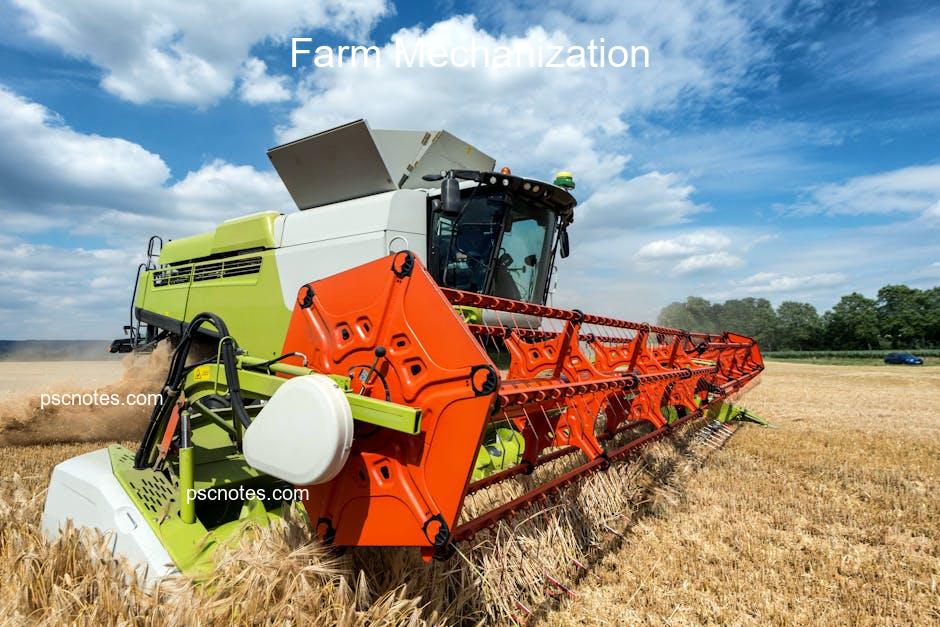
    Farm Mechanization

    • Shift in Focus: India’s farm mechanization is evolving from tractor-dominance to smart machinery, automation, and precision tools.
    • Farm Mechanization Defined: Utilizing machines (harvesters, modern implements) to boost productivity, efficiency, and reduce reliance on manual labor.
    • Emerging Technologies:
      • Precision Agriculture (GPS, IoT, AI, drones, data analytics for optimized resource use).
      • Drones (crop monitoring, pesticide spraying, yield estimation; Drone Didi Scheme for women SHGs).
      • Autonomous Machinery (driverless tractors, robotic harvesters).
      • Agri Robotics and AI (automation in sowing, irrigation, weeding, harvesting).
    • Mechanization Levels: Overall ~47% in India. Punjab & Haryana: 40-45%, Northeastern states: negligible. Cereal crops: 50-60%, horticulture: less mechanized.
    • Global Comparison: Developed nations: >90%, underdeveloped regions (Africa, South Asia): manual labor-dependent. China (60%), Brazil (75%) lead among developing nations.
    • Significance:
      • Input Savings (ICAR): 15–20% on seeds/fertilizers, 5–20% increase in cropping intensity.
      • Higher Efficiency: improved labor efficiency, 15–20% reduction in operation time.
      • Efficient Land Utilisation: Advanced tilling tools making hard land arable and mechanised irrigation ensuring efficient water use.
    • Need for Mechanization:
      • Rising Food Demand: Population growth, limited land/water, monsoon dependency.
      • Less Efficient Agriculture: Low GDP contribution despite large workforce.
      • Labor Shortages: Urbanization, MGNREGA.
      • Irrigation Challenges: Dependence on rainfed agriculture.
    • Challenges:
      • Small Land Holdings: Average 1.16 hectares.
      • Financial Constraints: High machinery costs.
      • Poor Equipment Quality: Substandard machinery.
      • Regional Disparities: Hilly areas, remote regions.
    • Way Forward:
      • Land Consolidation & Custom Hiring (CHCs).
      • Technology & Financial Access (subsidies, low-interest credit).
      • R&D, Standardization & Training.
      • Inclusive Mechanization (specialized machinery for diverse regions).
    • Market Growth: Farm machinery market is growing faster than tractors. Rotavators: a ₹2,000 crore market. Agri machinery market (excluding tractors): >₹10,000 crore.
    • Labor Savings: Combines drastically reduce harvesting time and costs compared to manual labor. Rice transplanters address labor shortages.
    • Custom Hiring Model: Owner-operators providing harvesting/transplanting services to multiple farmers. This model is more sustainable.

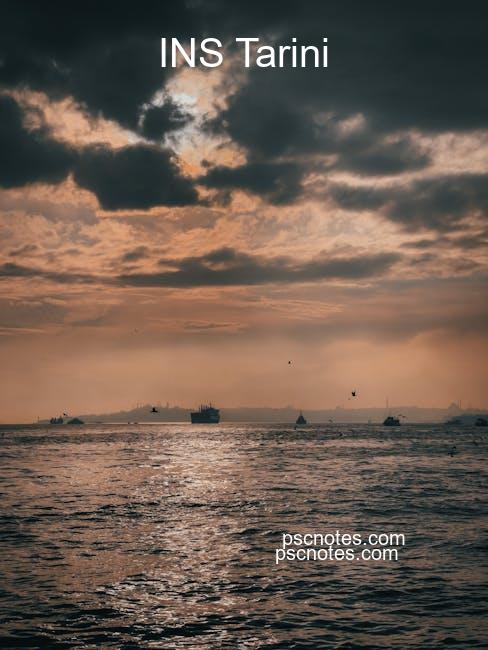
    INS Tarini

    • INSV Tarini reaches Cape Town: Completes the fourth and final international stop of Navika Sagar Parikrama II.
    • All-women crew: Lt Cdr Dilna K. and Lt Cdr Roopa A. are crewing the vessel.
    • Reception: Welcomed by Indian Consul General, South African Navy officials, and a naval band.
    • Maintenance in Cape Town: Two-week docking for scheduled maintenance and repairs.
    • Engagement: Crew will interact with the South African Navy, including visits to Simon’s Town Naval Base and Gordon’s Bay Naval College, and participate in community outreach.
    • Departure: Scheduled to leave Cape Town on April 15 for the final leg to India.
    • Challenging Voyage: The journey from Port Stanley involved rough seas, cold temperatures, and stormy weather, with winds exceeding 50 knots and waves up to 7 meters.
    • Navika Sagar Parikrama II Details: Flagged off from Goa on October 2, 2024, aiming to cover 23,400 nautical miles in eight months, rounding three major capes.
    • Previous Stops: Fremantle (Australia), Lyttelton (New Zealand), and Port Stanley (Falkland Islands).
    • Expected Conclusion: Mission is scheduled to conclude in May 2025 in Goa.
    • INSV Tarini Significance: Indigenously built 56-foot sailing vessel commissioned in 2017.
    • India-South Africa Naval Ties: This port call follows recent interactions, including INS Talwar’s participation in Exercise IBSAMAR and INS Tushil’s port call at Durban.

    Vibe Coding

    • “Vibe Coding” is trending in Silicon Valley, coined by OpenAI’s Andrej Karpathy.
    • It uses generative AI to create entire apps from natural language prompts, not just assist in coding.
    • Large Language Models (LLMs) like ChatGPT are central to vibe coding.
    • It democratizes app creation, enabling non-programmers to realize their ideas.
    • Potential security risks exist as less experienced individuals may rely solely on AI-generated code.
    • AI-generated code might lack context, leading to performance, maintenance, and security issues.
    • Concerns exist that vibe coding could displace experienced human coders with less skilled individuals.

    Why in the news:

    • Novelty: It represents a significant shift in software development methodology.
    • Accessibility: It promises to open software development to a wider audience.
    • Risk: Raises important questions about code quality, security, and the future of software engineering roles.
    • Karpathy’s involvement: Credibility due to association with a highly respected figure in AI.
    • ChatGPT association: Connection to a well-known and widely used AI tool amplifies interest.

    World Development Information Day

    World Development Information Day: Bridging the Gap Between Data and Action

    World Development Information Day, observed annually on October 24th, serves as a crucial reminder of the power of information in driving sustainable development. This day highlights the importance of accessible, reliable, and timely data for informed decision-making, effective policy implementation, and ultimately, achieving the Sustainable Development Goals (SDGs).

    The Significance of Data in Development

    Data is the lifeblood of development. It provides insights into the challenges faced by communities, the progress being made towards achieving development goals, and the areas where interventions are most needed. By analyzing data, policymakers, development practitioners, and researchers can:

    • Identify and prioritize development challenges: Data reveals the extent and nature of poverty, inequality, hunger, disease, and other pressing issues, allowing for targeted interventions.
    • Monitor progress towards development goals: Tracking key indicators like poverty rates, literacy levels, and access to clean water helps assess the effectiveness of development programs and identify areas for improvement.
    • Evaluate the impact of interventions: Data allows for the measurement of the effectiveness of development programs, ensuring that resources are allocated efficiently and interventions are tailored to specific needs.
    • Promote transparency and accountability: Open and accessible data fosters transparency in development efforts, enabling stakeholders to hold governments and organizations accountable for their actions.

    The Challenges of Data Access and Utilization

    Despite the critical role of data in development, significant challenges remain in ensuring its accessibility, reliability, and effective utilization. These challenges include:

    • Data Gaps and Inaccuracies: Many countries lack comprehensive and reliable data, particularly on crucial areas like poverty, inequality, and access to essential services. This data gap hinders accurate assessments of development progress and the formulation of effective policies.
    • Limited Data Accessibility: Even when data exists, it is often inaccessible to those who need it most, due to factors like limited internet access, lack of technical expertise, and complex data formats. This restricts the ability of communities, civil society organizations, and researchers to utilize data for informed decision-making.
    • Data Silos and Fragmentation: Data is often scattered across different government agencies, organizations, and platforms, making it difficult to integrate and analyze for a holistic understanding of development issues.
    • Lack of Data Literacy: Many individuals and organizations lack the skills and knowledge to effectively interpret, analyze, and utilize data for decision-making. This hinders the ability to translate data into actionable insights.

    Bridging the Gap: Towards Data-Driven Development

    Addressing these challenges is crucial for harnessing the power of data to accelerate progress towards the SDGs. Key strategies for bridging the gap between data and action include:

    1. Strengthening Data Collection and Management:

    • Investing in national statistical systems: Governments must invest in strengthening their national statistical systems to ensure the collection of accurate, timely, and comprehensive data.
    • Promoting data standardization and harmonization: Establishing common data standards and formats across different agencies and organizations will facilitate data integration and analysis.
    • Developing data collection methodologies for marginalized communities: Ensuring that data collection methods are inclusive and accessible to marginalized communities is crucial for capturing their experiences and needs.

    2. Enhancing Data Accessibility and Openness:

    • Promoting open data policies: Governments and organizations should adopt open data policies that encourage the sharing and reuse of data, fostering innovation and collaboration.
    • Developing user-friendly data platforms: Creating accessible and intuitive data platforms will enable a wider range of users to access and utilize data.
    • Providing training and capacity building: Investing in training programs to enhance data literacy skills will empower individuals and organizations to effectively use data for decision-making.

    3. Fostering Data Utilization and Impact:

    • Encouraging data-driven decision-making: Governments, organizations, and communities should prioritize data-informed decision-making in all development efforts.
    • Supporting data analysis and research: Investing in research and analysis capabilities will enable the extraction of valuable insights from data and the development of evidence-based solutions.
    • Promoting data visualization and communication: Utilizing data visualization tools and engaging communication strategies will make data more accessible and understandable to a wider audience.

    World Development Information Day: A Call to Action

    World Development Information Day serves as a powerful platform to raise awareness about the importance of data in development and to advocate for greater investment in data infrastructure, accessibility, and utilization. By working together, governments, organizations, and individuals can bridge the gap between data and action, ensuring that data is used effectively to create a more equitable and sustainable future for all.

    Table 1: Key Data Gaps in Development

    Area Data Gaps Impact
    Poverty Lack of accurate and disaggregated data on poverty levels, particularly in rural areas and among marginalized groups. Underestimation of poverty prevalence, hindering effective poverty reduction programs.
    Inequality Limited data on income inequality, wealth distribution, and access to opportunities. Difficulty in addressing systemic inequalities and promoting social justice.
    Health Gaps in data on disease prevalence, access to healthcare, and health outcomes, particularly in underserved communities. Ineffective allocation of health resources and limited progress in improving health indicators.
    Education Lack of comprehensive data on educational attainment, quality of education, and access to education for marginalized groups. Difficulty in improving educational outcomes and addressing disparities in educational opportunities.
    Climate Change Insufficient data on climate change impacts, vulnerability, and adaptation measures. Limited capacity to respond effectively to climate change challenges and mitigate its adverse effects.

    Table 2: Key Strategies for Bridging the Data Gap

    Strategy Description Impact
    Strengthening National Statistical Systems Investing in capacity building, infrastructure, and technology to improve data collection, processing, and dissemination. More accurate, reliable, and timely data for informed decision-making.
    Promoting Open Data Policies Encouraging the sharing and reuse of data by governments and organizations. Increased transparency, accountability, and innovation in development efforts.
    Developing User-Friendly Data Platforms Creating accessible and intuitive platforms for data access and visualization. Enhanced data utilization by a wider range of users, including communities and researchers.
    Investing in Data Literacy Training Providing training programs to enhance data literacy skills among individuals and organizations. Improved ability to interpret, analyze, and utilize data for effective decision-making.
    Encouraging Data-Driven Decision-Making Prioritizing data-informed decision-making in all development efforts. More effective and targeted interventions, leading to greater development impact.

    Conclusion

    World Development Information Day serves as a powerful reminder of the transformative potential of data in driving sustainable development. By addressing the challenges of data access, reliability, and utilization, we can harness the power of data to create a more equitable and prosperous world for all. Let us embrace the opportunity to bridge the gap between data and action, ensuring that data becomes a catalyst for positive change and a driving force for achieving the Sustainable Development Goals.

    World Development Information Day: Frequently Asked Questions

    1. What is World Development Information Day?

    World Development Information Day, observed annually on October 24th, is a global event that highlights the importance of accessible, reliable, and timely data for achieving sustainable development. It emphasizes the role of information in driving informed decision-making, effective policy implementation, and ultimately, achieving the Sustainable Development Goals (SDGs).

    2. Why is World Development Information Day important?

    Data is crucial for understanding development challenges, monitoring progress, and evaluating the impact of interventions. World Development Information Day raises awareness about the significance of data in development and advocates for greater investment in data infrastructure, accessibility, and utilization.

    3. What are some key challenges related to data in development?

    • Data Gaps and Inaccuracies: Many countries lack comprehensive and reliable data, particularly on crucial areas like poverty, inequality, and access to essential services.
    • Limited Data Accessibility: Even when data exists, it is often inaccessible to those who need it most, due to factors like limited internet access, lack of technical expertise, and complex data formats.
    • Data Silos and Fragmentation: Data is often scattered across different government agencies, organizations, and platforms, making it difficult to integrate and analyze for a holistic understanding of development issues.
    • Lack of Data Literacy: Many individuals and organizations lack the skills and knowledge to effectively interpret, analyze, and utilize data for decision-making.

    4. How can we bridge the gap between data and action?

    • Strengthening Data Collection and Management: Investing in national statistical systems, promoting data standardization, and developing inclusive data collection methodologies.
    • Enhancing Data Accessibility and Openness: Promoting open data policies, developing user-friendly data platforms, and providing training and capacity building.
    • Fostering Data Utilization and Impact: Encouraging data-driven decision-making, supporting data analysis and research, and promoting data visualization and communication.

    5. What can individuals do to support World Development Information Day?

    • Raise awareness: Share information about World Development Information Day with friends, family, and colleagues.
    • Advocate for data access: Contact your elected officials and advocate for policies that promote open data and data accessibility.
    • Support data literacy initiatives: Donate to or volunteer with organizations that provide data literacy training and capacity building.
    • Use data in your own work: If you work in development or related fields, prioritize data-informed decision-making and use data to inform your work.

    6. What are some examples of how data is used in development?

    Data is used in a wide range of development activities, including:

    • Monitoring poverty levels: Data on income, consumption, and access to basic services helps track progress towards poverty reduction goals.
    • Evaluating the effectiveness of health programs: Data on disease prevalence, access to healthcare, and health outcomes helps assess the impact of health interventions.
    • Improving education outcomes: Data on educational attainment, quality of education, and access to education helps identify areas for improvement in education systems.
    • Responding to climate change: Data on climate change impacts, vulnerability, and adaptation measures helps inform climate change mitigation and adaptation strategies.

    7. What are some resources for learning more about World Development Information Day?

    • United Nations Statistics Division: https://unstats.un.org/unsd/
    • World Bank Open Data: https://data.worldbank.org/
    • International Development Research Centre (IDRC): https://www.idrc.ca/en
    • The World Data Forum: https://worlddataforum.org/

    By understanding the importance of data in development and actively participating in World Development Information Day, we can contribute to a more data-driven and equitable world.

    Here are some multiple-choice questions (MCQs) about World Development Information Day, with four options each:

    1. When is World Development Information Day observed annually?

    a) October 24th
    b) November 10th
    c) December 1st
    d) January 15th

    2. What is the primary goal of World Development Information Day?

    a) To celebrate the achievements of the United Nations.
    b) To raise awareness about the importance of data in development.
    c) To promote international cooperation on environmental issues.
    d) To advocate for increased funding for humanitarian aid.

    3. Which of the following is NOT a key challenge related to data in development?

    a) Data gaps and inaccuracies
    b) Limited data accessibility
    c) Data silos and fragmentation
    d) Increased funding for data collection

    4. What is one way to enhance data accessibility and openness?

    a) Limiting access to data to government officials only.
    b) Promoting open data policies that encourage data sharing.
    c) Increasing the cost of accessing data to discourage misuse.
    d) Focusing on collecting data only from developed countries.

    5. Which of the following is an example of how data is used in development?

    a) Tracking the number of people living in poverty.
    b) Predicting the weather forecast for the next week.
    c) Analyzing the popularity of a new movie.
    d) Monitoring the stock market performance.

    6. What is a key strategy for fostering data utilization and impact?

    a) Encouraging data-driven decision-making.
    b) Limiting access to data to prevent misuse.
    c) Focusing on collecting data only from developed countries.
    d) Ignoring data and relying on intuition for decision-making.

    7. What can individuals do to support World Development Information Day?

    a) Ignore the event and focus on personal matters.
    b) Share information about the day with friends and family.
    c) Refuse to use any data in their daily lives.
    d) Advocate for policies that restrict data access.

    Answers:

    1. a) October 24th
    2. b) To raise awareness about the importance of data in development.
    3. d) Increased funding for data collection
    4. b) Promoting open data policies that encourage data sharing.
    5. a) Tracking the number of people living in poverty.
    6. a) Encouraging data-driven decision-making.
    7. b) Share information about the day with friends and family.

    Un Day

    Uniting for Peace: A Comprehensive Look at UN Day

    Introduction

    The United Nations (UN), a global organization dedicated to fostering international cooperation and promoting peace, security, and development, plays a pivotal role in shaping the world we live in. Every year, on October 24th, the world celebrates UN Day, commemorating the entry into force of the UN Charter in 1945. This day serves as a reminder of the UN’s crucial role in addressing global challenges and promoting a more peaceful and sustainable future.

    The Genesis of the UN: A Response to Global Conflict

    The establishment of the UN was a direct response to the devastating consequences of World War II. The horrors of the conflict underscored the need for a global framework to prevent future wars

    and promote international cooperation. The UN Charter, drafted by representatives from 50 countries, outlined the organization’s core principles, including:

    • Maintaining international peace and security: The UN Security Council, composed of 15 member states, holds primary responsibility for addressing threats to international peace and security.
    • Developing friendly relations among nations: The UN promotes cooperation and dialogue among member states, fostering understanding and resolving disputes peacefully.
    • Promoting social progress and better living standards: The UN works to improve the lives of people worldwide through initiatives in areas like education, healthcare, and economic development.
    • Respect for human rights and fundamental freedoms: The UN upholds the Universal Declaration of Human Rights, advocating for the protection of human rights for all.

    The Structure and Functioning of the UN

    The UN is a complex organization with a multifaceted structure, comprising six main organs:

    1. The General Assembly: The General Assembly is the UN’s main deliberative body, composed of all 193 member states. It discusses and makes recommendations on a wide range of issues, including international peace and security, economic and social development, and human rights.

    2. The Security Council: The Security Council is responsible for maintaining international peace and security. It has 15 members, including five permanent members (China, France, Russia, the United Kingdom, and the United States) with veto power.

    3. The Economic and Social Council (ECOSOC): ECOSOC coordinates the UN’s economic and social work, promoting international cooperation in areas like poverty eradication, sustainable development, and human rights.

    4. The International Court of Justice (ICJ): The ICJ is the UN’s principal judicial organ, settling legal disputes between states.

    5. The Secretariat: The Secretariat is the UN’s administrative body, led by the Secretary-General, who serves as the organization’s chief administrative officer.

    6. The Trusteeship Council: The Trusteeship Council was established to oversee the administration of trust territories, but its role has diminished since the independence of most trust territories.

    UN Day: A Celebration of Global Cooperation

    UN Day is celebrated annually on October 24th, marking the entry into force of the UN Charter in 1945. This day provides an opportunity to reflect on the UN’s achievements and challenges, and to reaffirm its commitment to promoting peace, security, and development worldwide.

    Key Themes and Activities for UN Day

    UN Day celebrations often focus on specific themes related to the UN’s work, such as:

    • Peace and Security: Events may highlight the UN’s efforts to prevent conflict, promote peace negotiations, and address humanitarian crises.
    • Sustainable Development: Celebrations may focus on the UN’s Sustainable Development Goals (SDGs), which aim to achieve a more sustainable and equitable future for all.
    • Human Rights: UN Day events may raise awareness about human rights issues and promote the protection of human rights for all.
    • Climate Change: Celebrations may highlight the UN’s efforts to address climate change and promote sustainable development.

    UN Day Activities:

    • Public Events: Many countries host public events, such as parades, concerts, and exhibitions, to celebrate UN Day.
    • Educational Programs: Schools and universities often organize educational programs about the UN and its work.
    • Community Initiatives: Local communities may organize volunteer activities or fundraising events to support UN initiatives.
    • Social Media Campaigns: The UN and its agencies often launch social media campaigns to raise awareness about UN Day and its themes.

    The UN’s Impact on the World

    The UN has played a significant role in shaping the world since its inception. Some of its notable achievements include:

    • Preventing Major Wars: The UN has successfully prevented major wars through its peacekeeping operations, diplomacy, and sanctions.
    • Promoting Human Rights: The UN has played a crucial role in promoting human rights through the Universal Declaration of Human Rights and other international human rights instruments.
    • Addressing Global Challenges: The UN has made significant progress in addressing global challenges such as poverty, hunger, disease, and climate change.
    • Providing Humanitarian Assistance: The UN provides humanitarian assistance to millions of people affected by conflict, natural disasters, and other emergencies.

    Challenges Facing the UN

    Despite its significant achievements, the UN faces numerous challenges in the 21st century, including:

    • Maintaining Peace and Security: The UN faces challenges in maintaining peace and security in conflict-ridden regions, particularly in the face of complex conflicts and the rise of non-state actors.
    • Addressing Global Challenges: The UN faces challenges in addressing global challenges such as climate change, poverty, and inequality, which require coordinated efforts from all member states.
    • Funding and Resources: The UN relies on voluntary contributions from member states, which can be unpredictable and insufficient to meet the organization’s needs.
    • Reform and Modernization: The UN has been criticized for its bureaucracy and lack of efficiency, and there is a need for reform and modernization to ensure its effectiveness.

    The Future of the UN

    The UN remains a vital institution for promoting international cooperation and addressing global challenges. To ensure its continued relevance and effectiveness, the UN needs to:

    • Adapt to Changing Global Dynamics: The UN needs to adapt to the changing global landscape, including the rise of new powers, the increasing role of non-state actors, and the growing interconnectedness of the world.
    • Strengthen its Capacity: The UN needs to strengthen its capacity to address complex global challenges, including by improving its efficiency, transparency, and accountability.
    • Engage with Civil Society: The UN needs to engage more effectively with civil society organizations, which play a vital role in promoting peace, development, and human rights.
    • Promote Multilateralism: The UN needs to promote multilateralism as a key approach to addressing global challenges, emphasizing the importance of international cooperation and dialogue.

    Conclusion

    UN Day is a reminder of the importance of international cooperation and the UN’s crucial role in promoting peace, security, and development worldwide. While the UN faces challenges in the 21st century, its commitment to addressing global issues and promoting a more just and equitable world remains unwavering. By working together, the UN and its member states can build a more peaceful, prosperous, and sustainable future for all.

    Table 1: Key UN Achievements

    Achievement Description
    Preventing Major Wars The UN has successfully prevented major wars through its peacekeeping operations, diplomacy, and sanctions.
    Promoting Human Rights The UN has played a crucial role in promoting human rights through the Universal Declaration of Human Rights and other international human rights instruments.
    Addressing Global Challenges The UN has made significant progress in addressing global challenges such as poverty, hunger, disease, and climate change.
    Providing Humanitarian Assistance The UN provides humanitarian assistance to millions of people affected by conflict, natural disasters, and other emergencies.

    Table 2: Challenges Facing the UN

    Challenge Description
    Maintaining Peace and Security The UN faces challenges in maintaining peace and security in conflict-ridden regions, particularly in the face of complex conflicts and the rise of non-state actors.
    Addressing Global Challenges The UN faces challenges in addressing global challenges such as climate change, poverty, and inequality, which require coordinated efforts from all member states.
    Funding and Resources The UN relies on voluntary contributions from member states, which can be unpredictable and insufficient to meet the organization’s needs.
    Reform and Modernization The UN has been criticized for its bureaucracy and lack of efficiency, and there is a need for reform and modernization to ensure its effectiveness.

    Table 3: The Future of the UN

    Area Action
    Adapting to Changing Global Dynamics The UN needs to adapt to the changing global landscape, including the rise of new powers, the increasing role of non-state actors, and the growing interconnectedness of the world.
    Strengthening its Capacity The UN needs to strengthen its capacity to address complex global challenges, including by improving its efficiency, transparency, and accountability.
    Engaging with Civil Society The UN needs to engage more effectively with civil society organizations, which play a vital role in promoting peace, development, and human rights.
    Promoting Multilateralism The UN needs to promote multilateralism as a key approach to addressing global challenges, emphasizing the importance of international cooperation and dialogue.

    Here are some frequently asked questions about UN Day:

    1. What is UN Day?

    UN Day is celebrated annually on October 24th to commemorate the entry into force of the United Nations Charter in 1945. It marks the official beginning of the UN as an international organization dedicated to promoting peace, security, and development worldwide.

    2. Why is UN Day important?

    UN Day is important because it serves as a reminder of the UN’s crucial role in addressing global challenges and promoting a more peaceful and sustainable future. It’s a day to reflect on the UN’s achievements and challenges, and to reaffirm its commitment to its mission.

    3. What are some common activities for UN Day?

    UN Day celebrations often include:

    • Public events: Parades, concerts, exhibitions, and other public gatherings to raise awareness about the UN’s work.
    • Educational programs: Schools and universities organize lectures, workshops, and other educational activities about the UN and its history.
    • Community initiatives: Local communities organize volunteer activities, fundraising events, or other initiatives to support UN causes.
    • Social media campaigns: The UN and its agencies use social media to spread awareness about UN Day and its themes.

    4. What are some of the UN’s key achievements?

    The UN has achieved significant milestones in its history, including:

    • Preventing major wars: The UN has successfully prevented major wars through its peacekeeping operations, diplomacy, and sanctions.
    • Promoting human rights: The UN has played a crucial role in promoting human rights through the Universal Declaration of Human Rights and other international human rights instruments.
    • Addressing global challenges: The UN has made significant progress in addressing global challenges such as poverty, hunger, disease, and climate change.
    • Providing humanitarian assistance: The UN provides humanitarian assistance to millions of people affected by conflict, natural disasters, and other emergencies.

    5. What are some of the challenges facing the UN today?

    The UN faces numerous challenges in the 21st century, including:

    • Maintaining peace and security: The UN faces challenges in maintaining peace and security in conflict-ridden regions, particularly in the face of complex conflicts and the rise of non-state actors.
    • Addressing global challenges: The UN faces challenges in addressing global challenges such as climate change, poverty, and inequality, which require coordinated efforts from all member states.
    • Funding and resources: The UN relies on voluntary contributions from member states, which can be unpredictable and insufficient to meet the organization’s needs.
    • Reform and modernization: The UN has been criticized for its bureaucracy and lack of efficiency, and there is a need for reform and modernization to ensure its effectiveness.

    6. How can I get involved in UN Day?

    There are many ways to get involved in UN Day:

    • Attend local events: Check your local community calendar for UN Day events and activities.
    • Learn about the UN: Read about the UN’s history, its work, and its current challenges.
    • Support UN initiatives: Donate to UN agencies or participate in volunteer activities that support UN causes.
    • Spread awareness: Share information about UN Day and the UN’s work on social media.

    7. What is the theme for UN Day this year?

    The theme for UN Day changes annually. You can find the current year’s theme on the UN website or by searching online.

    8. How can I contact the UN?

    You can find contact information for the UN and its agencies on the UN website. You can also contact your local UN office or embassy.

    Here are some multiple-choice questions about UN Day, with four options each:

    1. On what date is UN Day celebrated annually?

    a) October 24th
    b) November 10th
    c) December 10th
    d) March 21st

    2. What event does UN Day commemorate?

    a) The signing of the Treaty of Versailles
    b) The end of World War II
    c) The entry into force of the UN Charter
    d) The adoption of the Universal Declaration of Human Rights

    3. Which of the following is NOT a main organ of the United Nations?

    a) The General Assembly
    b) The Security Council
    c) The International Monetary Fund
    d) The Economic and Social Council

    4. What is the primary responsibility of the UN Security Council?

    a) Promoting economic development
    b) Protecting human rights
    c) Maintaining international peace and security
    d) Providing humanitarian assistance

    5. Which of the following is NOT a common activity for UN Day celebrations?

    a) Public events like parades and concerts
    b) Educational programs in schools and universities
    c) Community initiatives like volunteer work
    d) Military exercises to demonstrate the UN’s peacekeeping capabilities

    6. Which of the following is NOT a key achievement of the United Nations?

    a) Preventing major wars
    b) Promoting human rights
    c) Eradicating poverty worldwide
    d) Providing humanitarian assistance

    7. Which of the following is a major challenge facing the UN today?

    a) Lack of funding and resources
    b) The rise of non-state actors
    c) Climate change and its impact on the world
    d) All of the above

    8. What is the best way to get involved in UN Day?

    a) Donate to UN agencies
    b) Attend local events and activities
    c) Learn about the UN’s work and history
    d) All of the above

    Answers:

    1. a) October 24th
    2. c) The entry into force of the UN Charter
    3. c) The International Monetary Fund
    4. c) Maintaining international peace and security
    5. d) Military exercises to demonstrate the UN’s peacekeeping capabilities
    6. c) Eradicating poverty worldwide
    7. d) All of the above
    8. d) All of the above

    World Statistics Day

    Unveiling the Power of Data: A Look at World Statistics Day

    World Statistics Day, celebrated annually on October 20th, is a global event dedicated to highlighting the crucial role of statistics in shaping our understanding of the world and driving informed decision-making. This day serves as a platform to recognize the tireless efforts of statisticians and data professionals worldwide, who work diligently to collect, analyze, and disseminate vital information that informs policies, guides development, and empowers individuals.

    The Importance of

    Statistics in a Data-Driven World

    In today’s rapidly evolving world, data has become an indispensable resource, influencing every aspect of our lives. From understanding global trends and tackling complex challenges like climate change and poverty to guiding economic growth and improving public health, statistics provide the foundation for informed decision-making.

    Key Roles of Statistics:

    • Measuring Progress and Development: Statistics provide a comprehensive picture of societal progress, allowing us to track key indicators like poverty rates, literacy levels, and life expectancy. This data is essential for monitoring the effectiveness of development programs and identifying areas requiring further attention.
    • Informing Policy and Decision-Making: By analyzing data, policymakers can gain insights into the needs and challenges of their constituents, enabling them to develop targeted interventions and allocate resources effectively. Statistics play a crucial role in shaping policies related to education, healthcare, infrastructure, and economic development.
    • Empowering Individuals and Communities: Access to reliable statistics empowers individuals to make informed choices about their lives and communities. For example, data on crime rates can help residents make informed decisions about where to live, while data on educational outcomes can guide parents in choosing the best schools for their children.
    • Facilitating Research and Innovation: Statistics provide the foundation for scientific research, enabling researchers to test hypotheses, analyze trends, and develop new solutions to global challenges. Data-driven insights are essential for advancements in fields like medicine, technology, and environmental science.

    World Statistics Day: A Celebration of Data and Its Impact

    World Statistics Day is a time to celebrate the power of data and its impact on our lives. It is an opportunity to:

    • Recognize the contributions of statisticians and data professionals: These individuals work tirelessly to collect, analyze, and disseminate accurate and reliable data, ensuring that we have the information we need to make informed decisions.
    • Promote the importance of data literacy: Understanding how to interpret and use data is essential for navigating the information age. World Statistics Day encourages individuals to develop their data literacy skills, enabling them to critically evaluate information and make informed choices.
    • Advocate for the production and dissemination of high-quality statistics: This day emphasizes the need for robust statistical systems that produce accurate and reliable data, ensuring that we have a clear understanding of the world around us.
    • Raise awareness about the potential of data for social good: World Statistics Day highlights the transformative power of data to address global challenges and improve the lives of people around the world.

    The Evolution of World Statistics Day

    World Statistics Day was first celebrated in 2010, following a resolution adopted by the United Nations Statistical Commission in 2007. The day was established to recognize the importance of official statistics and to promote the use of data for informed decision-making.

    Themes of World Statistics Day:

    Each year, World Statistics Day focuses on a specific theme that highlights the importance of statistics in a particular area. Some past themes include:

    • 2010: Statistics for a Better Future
    • 2015: Big Data for a Better Future
    • 2020: Connecting the World with Data
    • 2023: Data for a Better Future

    The Future of Statistics

    As technology continues to advance, the role of statistics is evolving rapidly. The emergence of big data, artificial intelligence, and machine learning is creating new opportunities for data analysis and insights.

    Key Trends in Statistics:

    • Increased Data Availability: The rise of digital technologies has led to an explosion of data, making it easier than ever to collect and analyze information.
    • Advancements in Data Analysis Techniques: New tools and techniques are emerging to analyze large and complex datasets, enabling us to extract deeper insights and make more informed decisions.
    • Focus on Data Ethics: As data becomes more pervasive, it is crucial to ensure that it is collected, used, and shared ethically.
    • Importance of Data Literacy: In a data-driven world, it is essential for individuals to develop their data literacy skills, enabling them to critically evaluate information and make informed choices.

    World Statistics Day: A Call to Action

    World Statistics Day is a reminder of the vital role that statistics play in our lives. It is a call to action to:

    • Support the work of statisticians and data professionals: By recognizing their contributions and advocating for their resources, we can ensure that we have the data we need to make informed decisions.
    • Promote data literacy: Encourage individuals to develop their data literacy skills, enabling them to critically evaluate information and make informed choices.
    • Advocate for the production and dissemination of high-quality statistics: By supporting robust statistical systems, we can ensure that we have a clear understanding of the world around us.
    • Use data for social good: Let us harness the power of data to address global challenges and improve the lives of people around the world.

    Table 1: Key Statistics for World Statistics Day

    Statistic Value Source
    Global population 8 billion United Nations
    Number of people living in poverty 900 million World Bank
    Global literacy rate 86.3% UNESCO
    Number of internet users 5.3 billion International Telecommunication Union
    Global carbon dioxide emissions 36.3 billion tonnes International Energy Agency

    Table 2: World Statistics Day Themes

    Year Theme
    2010 Statistics for a Better Future
    2015 Big Data for a Better Future
    2020 Connecting the World with Data
    2023 Data for a Better Future

    Conclusion

    World Statistics Day is a powerful reminder of the importance of data in our lives. By celebrating the work of statisticians and data professionals, promoting data literacy, and advocating for the production and dissemination of high-quality statistics, we can harness the power of data to create a better future for all. Let us embrace the transformative potential of data and use it to drive progress, solve global challenges, and empower individuals to make informed choices.

    Here are some frequently asked questions about World Statistics Day:

    1. What is World Statistics Day?

    World Statistics Day is an international observance celebrated annually on October 20th. It aims to highlight the crucial role of statistics in shaping our understanding of the world and driving informed decision-making.

    2. Why is World Statistics Day important?

    World Statistics Day is important because it:

    • Recognizes the contributions of statisticians and data professionals: These individuals work tirelessly to collect, analyze, and disseminate accurate and reliable data, ensuring that we have the information we need to make informed decisions.
    • Promotes the importance of data literacy: Understanding how to interpret and use data is essential for navigating the information age. World Statistics Day encourages individuals to develop their data literacy skills, enabling them to critically evaluate information and make informed choices.
    • Advocates for the production and dissemination of high-quality statistics: This day emphasizes the need for robust statistical systems that produce accurate and reliable data, ensuring that we have a clear understanding of the world around us.
    • Raises awareness about the potential of data for social good: World Statistics Day highlights the transformative power of data to address global challenges and improve the lives of people around the world.

    3. Who celebrates World Statistics Day?

    World Statistics Day is celebrated by a wide range of individuals and organizations, including:

    • Statisticians and data professionals: These individuals are at the forefront of data collection, analysis, and dissemination.
    • Government agencies: Statistical agencies play a crucial role in collecting and publishing official statistics.
    • International organizations: Organizations like the United Nations and the World Bank rely heavily on statistics to monitor global trends and guide development programs.
    • Researchers and academics: Statistics are essential for conducting research and analyzing data.
    • Businesses and corporations: Data-driven insights are crucial for making informed business decisions.
    • Individuals: Everyone benefits from access to reliable statistics, which can empower them to make informed choices about their lives and communities.

    4. How can I get involved in World Statistics Day?

    There are many ways to get involved in World Statistics Day:

    • Learn about the importance of statistics: Explore resources and articles about the role of statistics in society.
    • Share information about World Statistics Day: Spread awareness about the day through social media and other channels.
    • Attend events and workshops: Many organizations host events and workshops related to World Statistics Day.
    • Support the work of statisticians and data professionals: Advocate for their resources and recognize their contributions.
    • Use data to make informed decisions: Apply your data literacy skills to make informed choices in your personal and professional life.

    5. What are some examples of how statistics are used in everyday life?

    Statistics are used in countless ways in everyday life, including:

    • Weather forecasting: Meteorologists use statistical models to predict weather patterns.
    • Healthcare: Statistics are used to track disease outbreaks, develop new treatments, and assess the effectiveness of medical interventions.
    • Finance: Financial analysts use statistics to analyze market trends and make investment decisions.
    • Marketing: Marketers use statistics to understand consumer behavior and target their campaigns effectively.
    • Sports: Statistics are used to track player performance, analyze team strategies, and predict game outcomes.

    6. What are some of the challenges facing the field of statistics?

    The field of statistics faces several challenges, including:

    • Data privacy and security: Collecting and using data ethically and responsibly is crucial.
    • Data quality: Ensuring that data is accurate, reliable, and unbiased is essential.
    • Data literacy: Many individuals lack the skills to interpret and use data effectively.
    • Funding and resources: Statistical agencies often face funding constraints, limiting their ability to collect and analyze data.

    7. What is the future of statistics?

    The future of statistics is bright, with advancements in technology and data analysis techniques creating new opportunities. Key trends include:

    • Increased data availability: The rise of digital technologies has led to an explosion of data, making it easier than ever to collect and analyze information.
    • Advancements in data analysis techniques: New tools and techniques are emerging to analyze large and complex datasets, enabling us to extract deeper insights and make more informed decisions.
    • Focus on data ethics: As data becomes more pervasive, it is crucial to ensure that it is collected, used, and shared ethically.
    • Importance of data literacy: In a data-driven world, it is essential for individuals to develop their data literacy skills, enabling them to critically evaluate information and make informed choices.

    Here are some multiple-choice questions about World Statistics Day, with four options each:

    1. When is World Statistics Day celebrated annually?

    a) October 10th
    b) October 20th
    c) November 10th
    d) November 20th

    Answer: b) October 20th

    2. What is the primary goal of World Statistics Day?

    a) To celebrate the achievements of statisticians.
    b) To raise awareness about the importance of data in our lives.
    c) To promote the use of statistics for informed decision-making.
    d) All of the above.

    Answer: d) All of the above.

    3. Which of the following is NOT a key role of statistics?

    a) Measuring progress and development.
    b) Informing policy and decision-making.
    c) Empowering individuals and communities.
    d) Promoting data privacy and security.

    Answer: d) Promoting data privacy and security. (While important, this is not a core function of statistics itself, but rather a concern within the broader field of data ethics.)

    4. Which of the following is a past theme of World Statistics Day?

    a) Statistics for a Better Future
    b) Big Data for a Better Future
    c) Connecting the World with Data
    d) All of the above

    Answer: d) All of the above.

    5. What is one way to get involved in World Statistics Day?

    a) Share information about the day on social media.
    b) Attend events and workshops related to statistics.
    c) Support the work of statisticians and data professionals.
    d) All of the above.

    Answer: d) All of the above.

    6. Which of the following is an example of how statistics are used in everyday life?

    a) Weather forecasting
    b) Healthcare
    c) Finance
    d) All of the above

    Answer: d) All of the above.

    7. What is one challenge facing the field of statistics?

    a) Data privacy and security
    b) Data quality
    c) Data literacy
    d) All of the above

    Answer: d) All of the above.

    8. What is one trend shaping the future of statistics?

    a) Increased data availability
    b) Advancements in data analysis techniques
    c) Focus on data ethics
    d) All of the above

    Answer: d) All of the above.

    International Day for the Eradication of Poverty

    A World Without Poverty: Understanding the International Day for the Eradication of Poverty

    The 17th of October marks the International Day for the Eradication of Poverty, a day dedicated to raising awareness about the global scourge of poverty and promoting efforts to achieve a world free from its grip. This day serves as a powerful reminder of the collective responsibility we share in tackling this complex issue, recognizing that poverty is not just a statistic but a human tragedy affecting millions across the globe.

    The Global Landscape of Poverty: A Complex Reality

    Poverty, in its various forms, is a multifaceted issue deeply intertwined with social, economic, and political factors. It is not merely a lack of income but a deprivation of basic human rights, opportunities, and choices. The World Bank defines extreme poverty as living on less than $1.90 a day, while moderate poverty is defined as living on less than $3.20 a day.

    Table 1: Global Poverty Statistics (2023)

    Category Statistic
    Extreme Poverty 689 million people living on less than $1.90 a day
    Moderate Poverty 2.4 billion people living on less than $3.20 a day
    Global Poverty Rate 8.9% of the world’s population living in extreme poverty
    Regional Poverty Rates Sub-Saharan Africa: 40.1%
    South Asia: 12.3%
    East Asia and Pacific: 2.1%

    Source: World Bank, 2023

    These statistics paint a stark picture of the global poverty landscape. While significant progress has been made in reducing poverty rates over the past decades, the COVID-19 pandemic has reversed some of these gains, pushing millions back into poverty. The pandemic has exacerbated existing inequalities, disproportionately impacting vulnerable populations, and highlighting the need for a more inclusive and sustainable approach to poverty eradication.

    The Roots of Poverty: A Multifaceted Challenge

    Understanding the root causes of poverty is crucial for developing effective solutions. These causes are complex and interconnected, encompassing factors such as:

    1. Economic Inequality: The widening gap between the rich and the poor, coupled with unequal access to resources and opportunities, perpetuates poverty.

    2. Lack of Education and Skills: Limited access to quality education and training restricts individuals’ ability to acquire skills needed for decent work and economic advancement.

    3. Discrimination and Social Exclusion: Discrimination based on gender, race, ethnicity, caste, disability, or sexual orientation limits access to opportunities and resources, trapping individuals in cycles of poverty.

    4. Conflict and Violence: Armed conflicts, natural disasters, and political instability disrupt livelihoods, displace populations, and exacerbate poverty.

    5. Climate Change: Climate change impacts agriculture, water resources, and livelihoods, particularly in vulnerable communities, leading to increased poverty and displacement.

    6. Lack of Infrastructure: Limited access to basic infrastructure, such as electricity, clean water, sanitation, and transportation, hinders economic development and perpetuates poverty.

    7. Weak Governance and Corruption: Ineffective governance, corruption, and lack of transparency undermine development efforts and hinder poverty reduction.

    The International Day for the Eradication of Poverty: A Call to Action

    The International Day for the Eradication of Poverty serves as a platform to raise awareness about the global poverty crisis and mobilize action to address its root causes. It is a day to:

    • Recognize the dignity and rights of all individuals, regardless of their economic status.
    • Promote inclusive and sustainable development strategies that leave no one behind.
    • Advocate for policies and programs that empower the poor and marginalized.
    • Encourage collaboration and partnerships between governments, civil society, and the private sector to combat poverty.
    • Celebrate the achievements of individuals and communities who have overcome poverty.

    Key Strategies for Poverty Eradication: A Multi-pronged Approach

    Addressing poverty requires a multi-pronged approach that tackles its root causes and empowers individuals and communities to break free from its grip. Key strategies include:

    1. Investing in Human Capital: Investing in education, healthcare, and social protection programs is essential for building human capital and empowering individuals to escape poverty.

    2. Promoting Inclusive Economic Growth: Creating

    decent work opportunities, fostering entrepreneurship, and promoting inclusive economic policies are crucial for generating sustainable economic growth that benefits all.

    3. Strengthening Social Protection Systems: Providing social safety nets, such as unemployment benefits, pensions, and child allowances, helps to protect vulnerable populations from falling into poverty.

    4. Addressing Inequality: Implementing progressive taxation systems, promoting equal access to resources and opportunities, and tackling discrimination are essential for reducing inequality and creating a more just society.

    5. Investing in Infrastructure: Developing infrastructure, such as roads, electricity, and water systems, is crucial for economic development and poverty reduction.

    6. Promoting Sustainable Development: Addressing climate change, promoting sustainable agriculture, and protecting natural resources are essential for ensuring long-term economic and social development.

    7. Strengthening Governance and Transparency: Promoting good governance, transparency, and accountability is crucial for ensuring that development resources are used effectively and equitably.

    The Role of International Cooperation: A Collective Responsibility

    Eradicating poverty is a global challenge that requires international cooperation and solidarity. International organizations, such as the United Nations, the World Bank, and the International Monetary Fund, play a crucial role in supporting developing countries in their efforts to achieve poverty reduction.

    Table 2: Key International Initiatives for Poverty Eradication

    Initiative Focus
    Sustainable Development Goals (SDGs) A set of 17 goals adopted by the UN in 2015 to achieve a more sustainable and equitable future for all, including ending poverty in all its forms by 2030.
    Millennium Development Goals (MDGs) A set of eight goals adopted by the UN in 2000 to address key development challenges, including reducing extreme poverty by half.
    World Bank Poverty Reduction Strategy A framework for supporting developing countries in their efforts to reduce poverty through investments in human capital, infrastructure, and economic growth.
    International Monetary Fund Poverty Reduction and Growth Facility (PRGF) A program that provides concessional loans to low-income countries to support their poverty reduction efforts.

    Source: United Nations, World Bank, International Monetary Fund

    These initiatives provide financial and technical assistance to developing countries, promote knowledge sharing, and advocate for policies that support poverty reduction. However, achieving the goal of a world without poverty requires a concerted effort from all stakeholders, including governments, civil society, the private sector, and individuals.

    The Power of Individual Action: Making a Difference

    While governments and international organizations play a crucial role in poverty eradication, individuals can also make a difference by:

    • Supporting organizations working to combat poverty.
    • Advocating for policies that promote poverty reduction.
    • Making conscious consumer choices that support fair trade and sustainable practices.
    • Volunteering time and resources to help those in need.
    • Educating themselves and others about the issue of poverty.

    By working together, we can create a world where everyone has the opportunity to live a life free from poverty and deprivation.

    Conclusion: A Shared Responsibility for a Better Future

    The International Day for the Eradication of Poverty is a powerful reminder of the collective responsibility we share in tackling this global challenge. By understanding the root causes of poverty, implementing effective strategies, and fostering international cooperation, we can create a world where everyone has the opportunity to thrive. Let us all commit to working towards a future where poverty is a thing of the past and where everyone can live a life of dignity and opportunity.

    Here are some Frequently Asked Questions (FAQs) about the International Day for the Eradication of Poverty:

    1. What is the International Day for the Eradication of Poverty?

    The International Day for the Eradication of Poverty is an annual observance held on October 17th. It aims to raise awareness about the global poverty crisis, promote efforts to achieve a world free from poverty, and recognize the dignity and rights of all individuals, regardless of their economic status.

    2. Why is October 17th chosen as the International Day for the Eradication of Poverty?

    October 17th was chosen to commemorate the anniversary of the 1987 march in Paris, where thousands of people gathered to honor the victims of extreme poverty and to demand action from governments and international organizations to address the issue.

    3. What are the main goals of the International Day for the Eradication of Poverty?

    The main goals of the International Day are to:

    • Raise awareness about the global poverty crisis.
    • Promote inclusive and sustainable development strategies that leave no one behind.
    • Advocate for policies and programs that empower the poor and marginalized.
    • Encourage collaboration and partnerships between governments, civil society, and the private sector to combat poverty.
    • Celebrate the achievements of individuals and communities who have overcome poverty.

    4. How can I participate in the International Day for the Eradication of Poverty?

    You can participate in the International Day by:

    • Learning about the issue of poverty and its causes.
    • Supporting organizations working to combat poverty.
    • Advocating for policies that promote poverty reduction.
    • Making conscious consumer choices that support fair trade and sustainable practices.
    • Volunteering time and resources to help those in need.
    • Educating yourself and others about the issue of poverty.

    5. What are some of the key challenges in eradicating poverty?

    Some of the key challenges in eradicating poverty include:

    • Economic inequality: The widening gap between the rich and the poor, coupled with unequal access to resources and opportunities, perpetuates poverty.
    • Lack of education and skills: Limited access to quality education and training restricts individuals’ ability to acquire skills needed for decent work and economic advancement.
    • Discrimination and social exclusion: Discrimination based on gender, race, ethnicity, caste, disability, or sexual orientation limits access to opportunities and resources, trapping individuals in cycles of poverty.
    • Conflict and violence: Armed conflicts, natural disasters, and political instability disrupt livelihoods, displace populations, and exacerbate poverty.
    • Climate change: Climate change impacts agriculture, water resources, and livelihoods, particularly in vulnerable communities, leading to increased poverty and displacement.

    6. What are some of the key strategies for eradicating poverty?

    Key strategies for eradicating poverty include:

    • Investing in human capital: Investing in education, healthcare, and social protection programs is essential for building human capital and empowering individuals to escape poverty.
    • Promoting inclusive economic growth: Creating decent work opportunities, fostering entrepreneurship, and promoting inclusive economic policies are crucial for generating sustainable economic growth that benefits all.
    • Strengthening social protection systems: Providing social safety nets, such as unemployment benefits, pensions, and child allowances, helps to protect vulnerable populations from falling into poverty.
    • Addressing inequality: Implementing progressive taxation systems, promoting equal access to resources and opportunities, and tackling discrimination are essential for reducing inequality and creating a more just society.
    • Investing in infrastructure: Developing infrastructure, such as roads, electricity, and water systems, is crucial for economic development and poverty reduction.
    • Promoting sustainable development: Addressing climate change, promoting sustainable agriculture, and protecting natural resources are essential for ensuring long-term economic and social development.
    • Strengthening governance and transparency: Promoting good governance, transparency, and accountability is crucial for ensuring that development resources are used effectively and equitably.

    7. What is the role of international cooperation in eradicating poverty?

    International cooperation is essential for eradicating poverty. International organizations, such as the United Nations, the World Bank, and the International Monetary Fund, play a crucial role in supporting developing countries in their efforts to achieve poverty reduction. They provide financial and technical assistance, promote knowledge sharing, and advocate for policies that support poverty reduction.

    8. How can I make a difference in the fight against poverty?

    You can make a difference in the fight against poverty by:

    • Supporting organizations working to combat poverty.
    • Advocating for policies that promote poverty reduction.
    • Making conscious consumer choices that support fair trade and sustainable practices.
    • Volunteering time and resources to help those in need.
    • Educating yourself and others about the issue of poverty.

    By working together, we can create a world where everyone has the opportunity to live a life free from poverty and deprivation.

    Here are some multiple-choice questions (MCQs) about the International Day for the Eradication of Poverty, with four options each:

    1. When is the International Day for the Eradication of Poverty observed?

    a) October 10th
    b) October 17th
    c) November 17th
    d) December 17th

    Answer: b) October 17th

    2. What is the primary goal of the International Day for the Eradication of Poverty?

    a) To celebrate the achievements of wealthy nations.
    b) To raise awareness about the global poverty crisis.
    c) To promote tourism in developing countries.
    d) To encourage the use of technology in poverty reduction.

    Answer: b) To raise awareness about the global poverty crisis.

    3. Which of the following is NOT a key factor contributing to poverty?

    a) Lack of education and skills
    b) Climate change
    c) Increased global trade
    d) Discrimination and social exclusion

    Answer: c) Increased global trade

    4. Which international organization plays a significant role in supporting poverty reduction efforts?

    a) World Health Organization (WHO)
    b) International Monetary Fund (IMF)
    c) World Trade Organization (WTO)
    d) International Olympic Committee (IOC)

    Answer: b) International Monetary Fund (IMF)

    5. What is a key strategy for eradicating poverty?

    a) Investing in military spending
    b) Promoting unsustainable economic growth
    c) Investing in human capital
    d) Encouraging population growth

    Answer: c) Investing in human capital

    6. Which of the following is NOT a way individuals can contribute to the fight against poverty?

    a) Supporting organizations working to combat poverty
    b) Advocating for policies that promote poverty reduction
    c) Ignoring the issue of poverty
    d) Making conscious consumer choices that support fair trade

    Answer: c) Ignoring the issue of poverty

    7. What is the significance of the date October 17th in relation to the International Day for the Eradication of Poverty?

    a) It marks the anniversary of the signing of the Universal Declaration of Human Rights.
    b) It commemorates the anniversary of the 1987 march in Paris against poverty.
    c) It is the birthday of the founder of the World Bank.
    d) It is the date when the Millennium Development Goals were adopted.

    Answer: b) It commemorates the anniversary of the 1987 march in Paris against poverty.

    World Food Day

    Feeding the Future: A Look at World Food Day and the Global Food System

    World Food Day, celebrated annually on October 16th, is a global event dedicated to raising awareness about hunger and malnutrition and promoting solutions to ensure food security for all. This day serves as a powerful reminder of the interconnectedness of food, agriculture, and human well-being, highlighting the urgent need for collective action to address the multifaceted challenges facing our food systems.

    The Origins and Significance of World Food Day

    The idea for World Food Day originated in 1979 at the 20th session of the Food and Agriculture Organization (FAO) of the United Nations. The goal was to create a day dedicated to promoting awareness of hunger and malnutrition and to encourage action to combat these issues. The first World Food Day was celebrated on October 16, 1981, and since then, it has become a significant global event, observed by over 150 countries.

    World Food Day is not merely a symbolic gesture; it serves as a platform for:

    • Raising awareness: It brings attention to the global food crisis, highlighting the staggering number of people who lack access to adequate food.
    • Promoting action: It encourages individuals, governments, and organizations to take concrete steps towards achieving food security.
    • Celebrating progress: It recognizes the achievements made in combating hunger and malnutrition and inspires further efforts.
    • Advocating for change: It provides a platform to advocate for policies and initiatives that address the root causes of food insecurity.

    The Global Food System: A Complex and Intertwined Network

    The global food system is a complex network of interconnected elements, including:

    • Production: This encompasses the cultivation of crops, raising livestock, and fishing, which provide the raw materials for food.
    • Processing: This involves transforming raw materials into edible products, including milling, packaging, and preservation.
    • Distribution: This refers to the transportation and storage of food products from producers to consumers.
    • Consumption: This is the final stage where individuals and households consume food.

    Challenges Facing the Global Food System

    The global food system faces numerous challenges, including:

    • Hunger and Malnutrition: Despite significant progress in reducing hunger, over 828 million people still suffer from chronic hunger, and millions more experience various forms of malnutrition, including stunting, wasting, and micronutrient deficiencies.
    • Climate Change: Climate change is impacting food production through extreme weather events, rising temperatures, and changes in precipitation patterns, leading to crop failures and livestock losses.
    • Environmental Degradation: Unsustainable agricultural practices, such as deforestation, overuse of fertilizers, and pesticide contamination, are contributing to soil degradation, water pollution, and biodiversity loss.
    • Food Waste: A significant amount of food is wasted throughout the food supply chain, from production to consumption, contributing to resource depletion and greenhouse gas emissions.
    • Inequality: Access to food is unevenly distributed, with marginalized communities, including those living in poverty, experiencing disproportionate levels of food insecurity.

    Table 1: Key Statistics on Global Food Security

    Statistic Value
    Number of people experiencing chronic hunger 828 million
    Percentage of global population experiencing chronic hunger 10.9%
    Number of children under 5 years old suffering from stunting 149 million
    Number of children under 5 years old suffering from wasting 47 million
    Percentage of food wasted globally 1/3
    Estimated cost of food waste globally $1 trillion

    Addressing the Challenges: A Multi-pronged Approach

    Addressing the challenges facing the global food system requires a multi-pronged approach that encompasses:

    • Sustainable Agriculture: Promoting sustainable agricultural practices that conserve natural resources, reduce environmental impact, and enhance resilience to climate change.
    • Food System Transformation: Rethinking the entire food system, from production to consumption, to ensure equitable access to nutritious food while minimizing environmental impact.
    • Investment in Agriculture: Increasing investment in research and development, infrastructure, and technology to improve agricultural productivity and efficiency.
    • Social Protection: Implementing social safety nets and programs to provide food assistance to vulnerable populations.
    • Empowering Smallholder Farmers: Supporting smallholder farmers, who play a crucial role in food production, through access to resources, training, and markets.
    • Reducing Food Waste: Implementing measures to reduce food waste at all stages of the food supply chain, from production to consumption.
    • Promoting Sustainable Consumption: Encouraging consumers to make informed choices about the food they consume, prioritizing healthy and sustainable options.

    The Role of World Food Day in Driving Change

    World Food Day plays a vital role in driving change by:

    • Raising Awareness: It brings attention to the global food crisis and the need for action.
    • Mobilizing Action: It encourages individuals, governments, and organizations to take concrete steps towards achieving food security.
    • Promoting Collaboration: It fosters collaboration among stakeholders, including governments, international organizations, civil society, and the private sector.
    • Celebrating Successes: It recognizes the achievements made in combating hunger and malnutrition and inspires further efforts.

    The Future of Food: Innovation and Sustainability

    The future of food is intertwined with innovation and sustainability. Emerging technologies, such as precision agriculture, vertical farming, and alternative protein sources, hold the potential to revolutionize food production and distribution. However, it is crucial to ensure that these innovations are implemented in a way that is equitable, sustainable, and accessible to all.

    Table 2: Emerging Technologies in the Food System

    Technology Description Potential Benefits
    Precision Agriculture Using sensors, data analytics, and robotics to optimize crop yields and resource use Increased productivity, reduced environmental impact, improved resource efficiency
    Vertical Farming Growing crops in stacked layers in controlled environments Increased food production in urban areas, reduced water and land use, year-round production
    Alternative Protein Sources Developing plant-based and cell-cultured protein sources Reduced reliance on animal agriculture, reduced environmental impact, improved animal welfare

    Conclusion: A Collective Responsibility

    World Food Day serves as a powerful reminder of the importance of food security and the need for collective action to address the challenges facing our food systems. By promoting sustainable agriculture, investing in research and development, and fostering collaboration among stakeholders, we can work towards a future where everyone has access to safe, nutritious, and affordable food.

    The future of food is not predetermined; it is shaped by the choices we make today. By embracing innovation, promoting sustainability, and working together, we can create a food system that is equitable, resilient, and capable of feeding the world sustainably.

    Here are some Frequently Asked Questions about World Food Day:

    1. What is World Food Day?

    World Food Day is an annual international day celebrated on October 16th, dedicated to raising awareness about hunger and malnutrition and promoting solutions to ensure food security for all. It was established by the Food and Agriculture Organization (FAO) of the United Nations in 1979.

    2. Why is World Food Day important?

    World Food Day is crucial because it highlights the global food crisis, the staggering number of people who lack access to adequate food, and the need for collective action to address these issues. It serves as a platform to:

    • Raise awareness: About the challenges of hunger and malnutrition.
    • Promote action: Encourage individuals, governments, and organizations to take concrete steps towards achieving food security.
    • Celebrate progress: Recognize achievements made in combating hunger and malnutrition.
    • Advocate for change: Push for policies and initiatives that address the root causes of food insecurity.

    3. What are some of the key issues addressed on World Food Day?

    World Food Day focuses on a range of issues related to food security, including:

    • Hunger and Malnutrition: Addressing the persistent problem of chronic hunger and various forms of malnutrition.
    • Climate Change: Recognizing the impact of climate change on food production and the need for climate-resilient agriculture.
    • Environmental Degradation: Highlighting the unsustainable practices that contribute to soil degradation, water pollution, and biodiversity loss.
    • Food Waste: Promoting awareness of the significant amount of food wasted globally and encouraging efforts to reduce it.
    • Inequality: Addressing the uneven distribution of food access and promoting equitable food systems.

    4. How can I get involved in World Food Day?

    There are many ways to participate in World Food Day:

    • Learn about the issues: Educate yourself about hunger, malnutrition, and the challenges facing the global food system.
    • Support organizations: Donate to or volunteer with organizations working to combat hunger and promote food security.
    • Spread awareness: Share information about World Food Day on social media and encourage others to get involved.
    • Make sustainable choices: Choose to consume food sustainably, reduce food waste, and support local farmers.
    • Advocate for change: Contact your elected officials and advocate for policies that promote food security.

    5. What are some of the themes of World Food Day?

    World Food Day has a different theme each year, focusing on a specific aspect of food security. Some recent themes include:

    • 2023: “Grow, Nourish, Sustain. Together. Our Actions are Our Future.”
    • 2022: “Leave No One Behind.”
    • 2021: “Our Actions are Our Future. Better Production, Better Nutrition, a Better Environment and a Better Life.”

    6. What are some of the initiatives taken on World Food Day?

    World Food Day is celebrated with various events and initiatives around the world, including:

    • Public awareness campaigns: Raising awareness through media campaigns, public events, and educational programs.
    • Food distribution programs: Providing food assistance to vulnerable communities.
    • Community gardens: Encouraging community involvement in food production and promoting sustainable agriculture.
    • Policy dialogues: Bringing together stakeholders to discuss solutions to food security challenges.

    7. What is the role of the FAO in World Food Day?

    The FAO plays a central role in organizing and promoting World Food Day. It coordinates global celebrations, provides resources and materials, and advocates for policies and initiatives that address food security issues.

    8. How can I find out more about World Food Day?

    You can find more information about World Food Day on the FAO website: https://www.fao.org/world-food-day/en/

    Here are some multiple-choice questions about World Food Day, with four options each:

    1. When is World Food Day celebrated annually?

    a) September 16th
    b) October 16th
    c) November 16th
    d) December 16th

    2. Which organization established World Food Day?

    a) World Health Organization (WHO)
    b) United Nations Children’s Fund (UNICEF)
    c) Food and Agriculture Organization (FAO)
    d) World Bank

    3. What is the primary goal of World Food Day?

    a) To promote global trade in agricultural products
    b) To raise awareness about hunger and malnutrition
    c) To celebrate the achievements of the food industry
    d) To encourage the development of new food technologies

    4. Which of these is NOT a key issue addressed on World Food Day?

    a) Climate change
    b) Food waste
    c) Global economic recession
    d) Inequality in food access

    5. What is a common way to participate in World Food Day?

    a) Attending a fashion show
    b) Donating to a food bank or charity
    c) Participating in a political rally
    d) Going on a diet

    6. What is the theme of World Food Day 2023?

    a) “Food for All”
    b) “Sustainable Food Systems”
    c) “Grow, Nourish, Sustain. Together. Our Actions are Our Future.”
    d) “Leave No One Behind”

    Answers:

    1. b) October 16th
    2. c) Food and Agriculture Organization (FAO)
    3. b) To raise awareness about hunger and malnutrition
    4. c) Global economic recession
    5. b) Donating to a food bank or charity
    6. c) Grow, Nourish, Sustain. Together. Our Actions are Our Future.