-
Shift from Globalism to Regionalism/Minilateralism: The global order is moving away from universal globalism towards regional and interest-driven coalitions. Nations are favoring smaller, more focused partnerships over large multilateral institutions.
-
Reasons for the Shift:
- Global Conflicts and Institutional Paralysis: Conflicts like Russia-Ukraine and Israel-Gaza expose the limitations of global governance. UN Security Council deadlocks hinder conflict resolution.
- Reassertion of National Sovereignty: The COVID-19 pandemic highlighted supply chain vulnerabilities and unequal vaccine access, prompting countries to prioritize self-reliance.
- Historical Disillusionment: Developing countries criticize unequal power dynamics in global institutions (WTO, IMF, World Bank), leading them to seek alternative platforms like BRICS.
-
Rise of Regionalism/Minilateralism:
- Regionalism: Geographically and culturally aligned partnerships (e.g., EU, ASEAN).
- Minilateralism: Smaller, interest-based groups (e.g., QUAD, I2U2) for focused cooperation.
- Flexible coalitions like QUAD, BRICS, and IMEC promote strategic autonomy and faster decision-making.
-
India’s Role:
- Actively engaging in regional initiatives like BIMSTEC and IORA.
- Promoting regional connectivity through projects like BBIN.
- Serving as a security provider and humanitarian responder.
- Acting as a trade and investment hub in South Asia.
- Promoting shared cultural and democratic values.
-
Challenges to India’s Regional Integration Efforts:
- Perception of Hegemony: Smaller nations perceive India’s dominance as overbearing.
- Bilateral Political Tensions: Disputes with Pakistan and China strain relations.
- Asymmetry in Economic Capabilities: Vast economic disparities hinder policy alignment.
- China’s Strategic Entrenchment: China’s growing influence through BRI complicates India’s agenda.
-
Way Forward for India:
- Revive and reform regional institutions like BIMSTEC and IORA.
- Strengthen sub-regional partnerships like BBIN.
- Boost regional trade and connectivity through simplified customs and integrated infrastructure.
- Foster inclusive engagement through transparent aid and cultural diplomacy.
-
Historical Context & India’s Initial Approach: Post WWII optimism faded, with big powers creating blocs like the Warsaw Pact and NATO. India, under Nehru, initially showed realism but later embraced Non-Alignment, which wasn’t as effective.
-
Regionalism as the Future: The post-globalist era is driven by regional interests. The EU and ASEAN serve as examples. South Asia is the least integrated region.
-
Modi’s Efforts: Modi is trying to inject vigor into regional geopolitics by emphasizing the Indian Ocean
48.3-47.8 11.4-42.9 11.4-132.3 11.4-132.3s0-89.4-11.4-132.3zm-317.5 213.5V175.2l142.7 81.2-142.7 81.2z"/> Subscribe on YouTube
Electronics Mfg Scheme
-
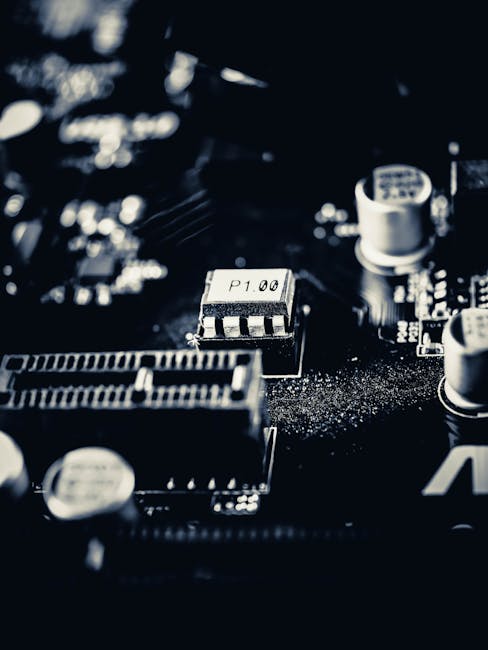
Electronics Components Manufacturing Scheme (ECMS) Notified: MeitY launched the ECMS to boost India’s position as a global electronics manufacturing hub (April 8, 2025).
-
Focus on Passive Components: Scheme targets manufacturing of passive electronic components like resistors, capacitors, connectors, speakers, sensors, etc. Active components are covered under the India Semiconductor Mission (ISM).
-
Incentive Structures: Offers three incentive models: turnover-linked, capex-linked, and hybrid (combination of both) to suit varying investment needs.
-
Support for Capital Equipment: The scheme supports the design and manufacturing of capital equipment used in electronics production.
-
Horizontal Initiative: Benefits span multiple sectors like consumer electronics, automobiles, medical devices, creating a multiplier effect.
-
Employment Generation: Mandatory requirement for all applicants, promoting job creation.
-
Growth in Electronics Sector: Electronics production has grown five-fold, and exports six-fold in the last decade, with smartphone exports exceeding ₹2 lakh crore in the last financial year.
-
Ecosystem Development: Over 400 production units now exist, and the sector is evolving from finished goods to deep component manufacturing, increasing value addition.
-
Industry Trends: India’s electronics manufacturing has progressed from finished
goods to sub-assemblies, now focusing on deep component manufacturing. -
Investment and Gestation: Acknowledges higher investment needs and longer gestation periods for component manufacturing.
IPU: Global Parliament
- Lok Sabha Speaker’s Address: Lok Sabha Speaker Om Birla delivered the keynote address at the 150th Assembly of the Inter-Parliamentary Union (IPU) in Tashkent, Uzbekistan on April 6, 2025.
- Theme: The address focused on ‘Parliamentary Action for Social Development and Justice’.
- Indian Legislation: Birla highlighted recent Indian legislation promoting social justice, inclusion, and security, such as the Rights of Persons with Disabilities Act, Transgender Persons (Protection of Rights) Act, and Nari Shakti Vandan Adhiniyam.
- Labor Laws: Mentioned new labor laws and codes for the welfare of unorganized sector workers.
- Bharatiya Nyay Sanhita: Replacing the Indian Penal Code with Bharatiya Nyay Sanhita.
- Parliamentary Committees: Highlighted the role of Parliamentary Committees in ensuring effective implementation of schemes.
- Economic Growth: Emphasized India’s economic growth and progress towards ‘Viksit Bharat’ in 2047, including Ayushman Bharat.
- India’s Global Role: Mentioned India’s progress in innovation, AI, startups, space and defence technology, IT, fintech, and pharmaceuticals.
- Meeting with Vietnam: On the sidelines, Birla met with the President of the National Assembly of Vietnam, Tran Thanh Man, discussed strengthening ties, especially in defence and technology.
- IPU Overview: The IPU is the global organization of national parliaments, founded in 1889. It comprises 181 member parliaments and promotes democracy and parliamentary strengthening.
- IPU Assemblies: The IPU convenes assemblies twice a year. The Governing Council, with representatives from each member parliament, is its principal administrative body.
- IPU Headquarters and Funding: Headquartered in Geneva, Switzerland, and funded primarily by its members.
Bringing Back the Dead
-
Colossal Biosciences Claims “De-Extinction” of Dire Wolf: A US-based company claims to have revived traits of the extinct dire wolf by genetically engineering grey wolf pups.
-
Birth of Modified Wolf Pups: Three pups, named Romulus, Remus, and Khaleesi, were born in late 2024 with edited DNA.
-
Genetic Engineering Process:
- DNA was extracted from ancient dire wolf fossils (11,500 to 72,000 years old).
- The dire wolf genome was reconstructed and compared to closely related canids. Grey wolves share 99.5% of DNA similarity.
- Scientists made 20 unique edits to 14 genes in the grey wolf genome to mimic dire wolf traits like coat color, size, and musculature.
- Modified embryos were implanted into surrogate dog mothers.
-
De-Extinction Definition: The
process of reviving extinct species using biotechnology, including gene editing, cloning, or back-breeding. -
Potential Benefits (India): De-extinction could aid in restoring keystone species to rebalance ecosystems and boost biodiversity.
-
Ethical Concerns:
- Potential ecosystem disruption.
- Animal welfare issues.
- Resource diversion from conserving extant endangered species.
-
Global Initiatives: The Lazarus Project collaborates with Indian researchers on reviving the extinct Himalayan Quail.
-
International Frameworks: The Convention on Biological Diversity (CBD) urges caution, prioritizing habitat protection over de-extinction.
-
Why in News: This initiative highlights the advancements and controversies surrounding de-extinction, sparking debates about its potential benefits and risks for biodiversity and conservation efforts.
Konkan Giant Squirrel
- Discovery: A new species of land snail, Theobaldius konkanensis, was discovered in the Konkan region of Maharashtra, India, by a team of researchers from India and the U.K.
- Endemicity: It is endemic to the northern Western Ghats, a biodiversity hotspot.
- Habitat: Primarily found in tropical evergreen and semi-evergreen forests.
- Distinct Features: Slightly flattened shell with a raised centre, a triangular-shaped outline near the neck of the shell, and a protective cover with a raised edge and tiny spines. Shell is corneous yellow with brown striations.
- Activity: Active during both day and night.
- Bioindicator: Land snails are excellent bioindicators and susceptible to climatic fluctuations.
- Conservation Significance: The species exists only in specific regions of Konkan, making it an invaluable part of Konkan’s natural heritage, and conservation is critical.
- Research Locations: Samples were found at Dev Gireshwar Temple, Uttamrao Patil Biodiversity Garden, Kesharnath Vishnu Temple, and Phansad Sanctuary.
- Taxonomic Importance: The new 124.1c-6.3-23.7-24.8-42.3-48.3-48.6C458.8 64 288 64 288 64S117.2 64 74.6 75.5c-23.5 6.3-42 24.9-48.3 48.6-11.4 42.9-11.4 132.3-11.4 132.3s0 89.4 11.4 132.3c6.3 23.7 24.8 41.5 48.3 47.8C117.2 448 288 448 288 448s170.8 0 213.4-11.5c23.5-6.3 42-24.2 48.3-47.8 11.4-42.9 11.4-132.3 11.4-132.3s0-89.4-11.4-132.3zm-317.5 213.5V175.2l142.7 81.2-142.7 81.2z"/> Subscribe on YouTube