-
“Blue Washing” Defined: Portraying polluting industries as environmentally friendly through reclassification under less polluting categories.
-
CPCB’s New “Blue Category”: A new category under Essential Environmental Services (EES), including composting, biogas, sewage treatment, and material recovery facilities.
-
WTE Incineration Reclassification: Waste-to-Energy (WTE) incineration, previously in the “Red Category” (PI of 97.6), has been moved to the “Blue Category”.
-
WTE Incineration Process: Burning mixed municipal solid waste (MSW) to generate heat and electricity, similar to coal plants but with higher COâ‚‚ emissions.
-
Pollution Index (PI): Introduced by MoEFCC to categorize industries based on pollution levels (air, water, hazardous waste, resource consumption). Ranges from 0 (least polluting – White) to 100 (most polluting – Red).
-
CPCB Consent Validity: The new categorisation grants WTE incineration plants an additional two years of validity for consent to operate (permission to pollute).
-
Why this is “Blue Washing”: Reclassifying highly polluting WTE incineration plants as “Blue” falsely presents them as environmentally benign, enabling them to operate longer without
stringent pollution controls. -
Implications: Undermines efforts to accurately assess and manage pollution from WTE incineration, hindering genuine progress towards environmental sustainability.
-
Contradicts Categorisation Rationale:The Union Ministry of Environment, Forests and Climate Change (MoEFCC) introduced the concept of categorisation of industries for facilitating decisions related to the location of the industries, formulation of norms for inspection and surveillance, pollution caused and health impacts.
BM-04
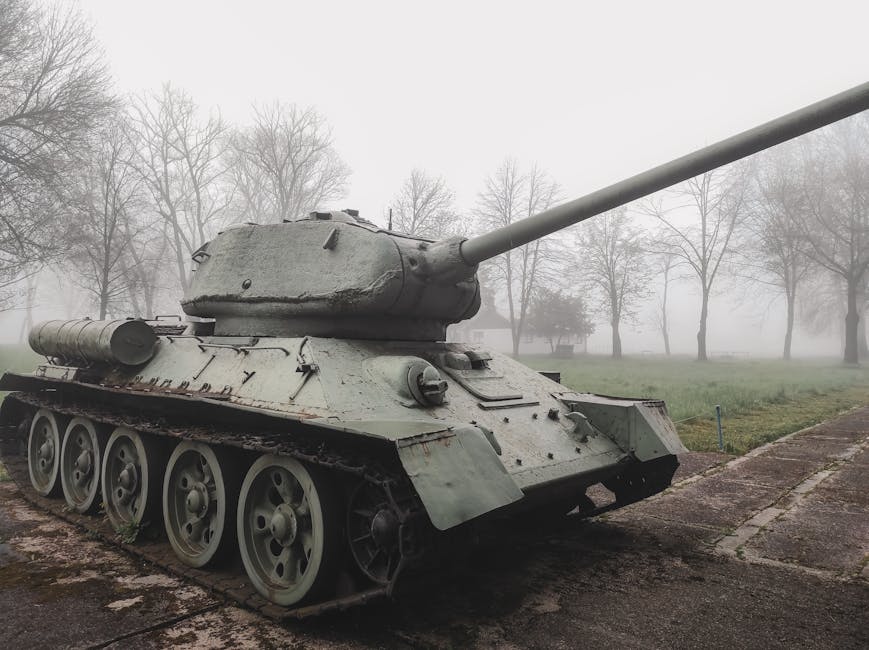
- Unveiling: India unveiled the BM-04 missile at the Vigyan Vaibhav 2025 defense exhibition in Hyderabad.
- Type: It’s a next-generation short-range ballistic missile (SRBM), indicating India’s focus on conventional counterforce capabilities.
- Developer: Developed by India’s Defence Research and Development Organisation (DRDO).
- Size & Weight: 10.2 meters long, 1.2 meters in diameter, and weighs 11,500 kg.
- Range: Can strike targets up to 1,500 km with a 500 kg conventional warhead.
- Accuracy: Features a 30-meter circular error probability (CEP).
- Mobility: Deployed using a six-wheel indigenous transport erector launcher (TEL).
- Canisterized: Like other Indian missiles, it’s canisterized for rapid deployment, reducing launch time.
- Hypersonic Glide Body: Incorporates a Common Hypersonic Glide Body (C-HGB) for maneuverability and evading missile defenses. This unpredictable flight path enhances survivability.
- Upgradability: Designed to be regularly upgraded with new warheads, sensors, and propulsion systems.
Glowing Shallows
-
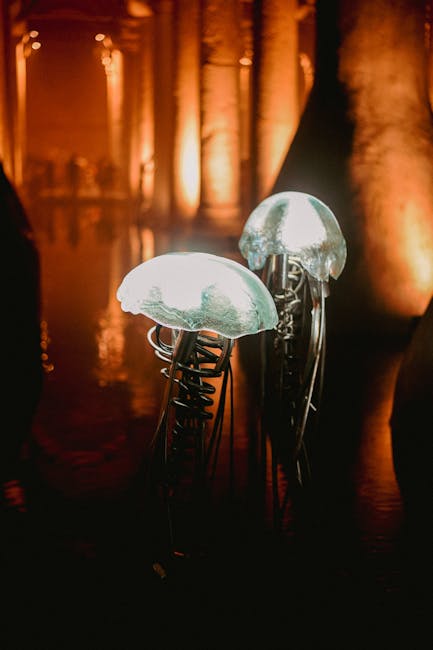
Bioluminescent backwaters observed in Kochi, Kerala, attract tourists but raise ecological concerns. The phenomenon, locally known as “Kavaru,” is a glowing effect caused by bioluminescent organisms.
-
Bioluminescence is caused by dinoflagellates (Noctiluca scintillans) that emit light when disturbed. This is due to chemical reactions in structures called scintillons. The glow is usually blue, but may appear red or brown.
-
Eutrophication, driven by nutrient overload from industrial runoff and sewage discharge, is a major factor. High salinity, rising temperatures, and reduced rainfall also contribute.
-
High concentrations of these organisms can lead to harmful algal blooms (HABs) and red tides. This disrupts marine ecosystems, leading to hypoxia (oxygen depletion) and fish mortality.
-
HABs release toxins that affect marine and human health. This includes amnesic shellfish poisoning (domoic acid) and paralytic shellfish poisoning (Alexandrium).
-
Fishing communities suffer as fish migrate away from bloom-affected areas. Reduced catches and diminished income result.
-
Kerala’s Alleppey and Tamil Nadu’s Pitchavaram mangroves are prime examples of bioluminescent backwaters in India. Such phenomena
have been observed along other beaches and islands in India. -
Ecological imbalances are a key issue, requiring monitoring and preventive measures. International and national bodies are involved in monitoring and mitigating HABs.
-
Regulating coastal runoff, managing waste, promoting sustainable aquaculture, and restoring mangroves are key mitigation strategies. Citizen science and community engagement are crucial.
Legionnaires’ Disease
-
Outbreak in Sydney, NSW: Health authorities issued a public alert due to a spike in Legionnaires’ disease cases. This is newsworthy due to the potential health risk to the public.
-
Source Suspected: Contaminated Air Conditioning: The surge in cases raises concerns about potentially contaminated air conditioning systems. The source remains speculative, but this raises awareness on such incidents.
-
Legionnaires’ Disease Basics: It’s a severe form of pneumonia caused by Legionella bacteria, often found in freshwater and man-made water systems.
-
Symptoms: Symptoms include cough, fever, headaches, muscle aches, and shortness of breath; sometimes confusion, diarrhea, or nausea.
-
Transmission: Primarily through inhalation of contaminated aerosols from water systems. Importantly, it’s not contagious.
-
Treatment: Antibiotics are required. No vaccine is currently available.
-
Prevention: Regular cleaning and disinfection of water
systems (cooling towers, hot tubs) are crucial. -
Key Facts: Legionella is usually treatable, but severe cases can have lasting effects.