-
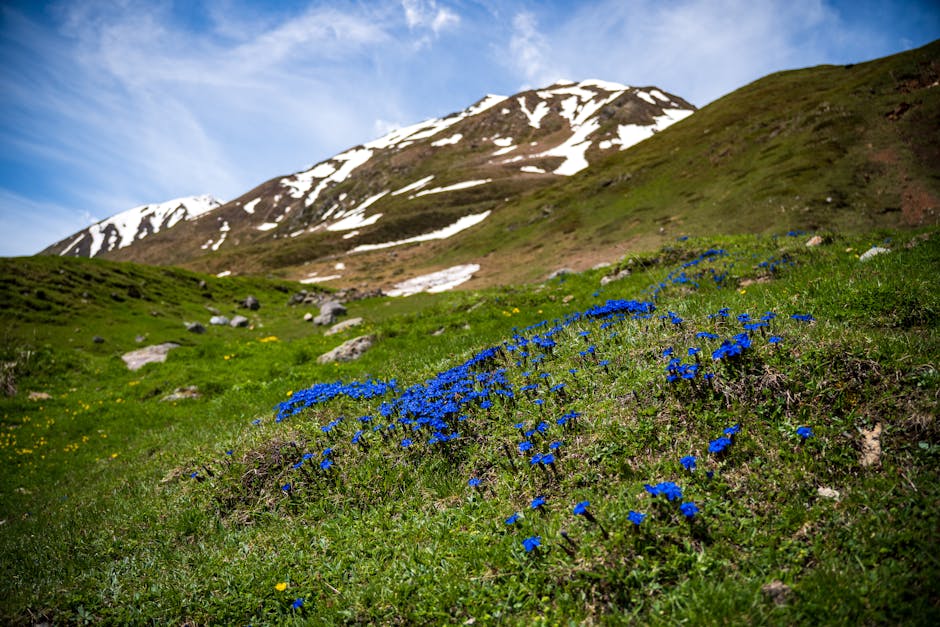
Unique Agroclimatic Conditions: Kashmir’s distinct environment, with harsh winters and altitudinal variations (1,600m-4,500m), supports a diverse range of spring blooms.
-
Key Spring Flowers: Prominent species include Colchicum luteum (veer kaum), Sternbergia vernalis (goul tour), Salix (braed mushuk), and Viburnum grandiflorum (kulmansh), each with unique characteristics and cultural significance.
-
Ecological Importance: These blooms are vital for ecosystem services, particularly pollination of fruit trees, crucial for the local horticulture industry.
-
Cultural Significance: The flowers have medicinal uses and are deeply embedded in Kashmiri folklore, passed down through generations.
-
Threats to Blooms: Unsustainable development, deforestation, human encroachment, and climate change pose significant threats. Climate change causes premature flowering, disrupting natural cycles.
-
Lack of Dedicated Conservation: Currently, no specific conservation programs target these spring blooms. Existing national parks and wildlife sanctuaries offer some protection.
-
Urgent Need for Conservation: Balancing development and conservation is crucial to
42-24.2 48.3-47.8 11.4-42.9 11.4-132.3 11.4-132.3s0-89.4-11.4-132.3zm-317.5 213.5V175.2l142.7 81.2-142.7 81.2z"/> Subscribe on YouTube
Kashmir in Bloom