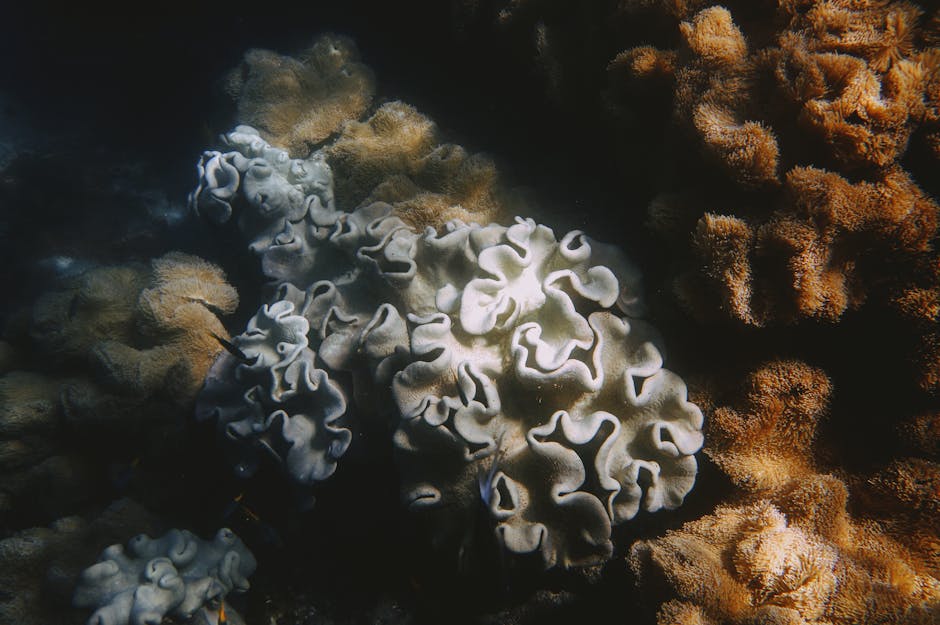
- Mass Coral Bleaching Event: Australia’s Ningaloo Reef and Great Barrier Reef are experiencing severe coral bleaching due to prolonged marine heatwaves. This is described as potentially the worst bleaching event in years for Ningaloo Reef.
- Cause: Rising sea temperatures, linked to climate change, are the primary cause. Ocean waters off Western Australia have been up to 3 degrees Celsius warmer than average.
- Coral Bleaching Explained: Corals expel symbiotic algae (zooxanthellae) when stressed by heat, causing them to lose color and turn white.
- Extent of Bleaching: Bleaching-level heat stress has 288 64S117.2 64 74.6 75.5c-23.5 6.3-42 24.9-48.3 48.6-11.4 42.9-11.4 132.3-11.4 132.3s0 89.4 11.4 132.3c6.3 23.7 24.8 41.5 48.3 47.8C117.2 448 288 448 288 448s170.8 0 213.4-11.5c23.5-6.3 42-24.2 48.3-47.8 11.4-42.9 11.4-132.3 11.4-132.3s0-89.4-11.4-132.3zm-317.5 213.5V175.2l142.7 81.2-142.7 81.2z"/>
Subscribe on YouTube
affected 83.6% of global reefs since 2023, with 81 countries reporting coral bleaching. The current event is “unprecedented” and affects many different coral species at Ningaloo Reef.
Ningaloo Reef: A 300-km fringing reef and UNESCO World Heritage site, it’s experiencing its worst mass bleaching since 2011. It is home to many species, including whale sharks and endemic reptiles.
Great Barrier Reef: The world’s largest coral reef system (2,300 km) and a UNESCO World Heritage site, is also affected. It is home to endangered species like the dugong and green turtle.
Bleaching is not death: Bleaching is a sign of sickness but does not immediately mean the corals are dead.