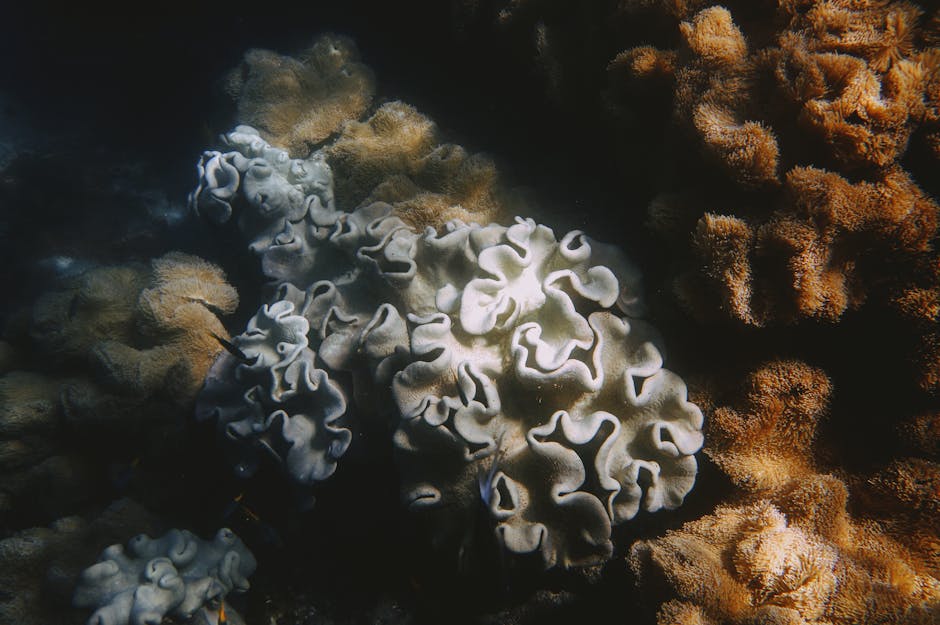
Mass Coral Bleaching Event: Australia’s Ningaloo Reef and Great Barrier Reef are experiencing severe coral bleaching due to prolonged marine heatwaves. This is described as potentially the worst bleaching event in years for Ningaloo Reef.
Cause: Rising sea temperatures, linked to climate change, are the primary cause. Ocean waters off Western Australia have been up to 3 degrees Celsius warmer than average.
Coral Bleaching Explained: Corals expel symbiotic algae (zooxanthellae) when stressed by heat, causing them to lose color and turn white.
Extent of Bleaching: Bleaching-level heat stress has affected 83.6% of global reefs since 2023, with 81 countries reporting coral bleaching. The current event is “unprecedented” and affects many different coral species at Ningaloo Reef.
Ningaloo Reef: A 300-km fringing reef and UNESCO World Heritage site, it’s experiencing its worst mass bleaching since 2011. It is home to many species, including whale sharks and endemic reptiles.
Great Barrier Reef: The world’s largest coral reef system (2,300 km) and a UNESCO World Heritage site, is also affected. It is home to endangered species like the dugong and green turtle.
Bleaching is not death: Bleaching is a sign of sickness but does not immediately mean the corals are dead.