Daily Current Affairs and News Analysis 11-03-2025

KVIC Honey

  • KVIC’s Honey Mission distributed 2,050 bee boxes and colonies to 205 beekeepers across six states. This initiative aims to boost honey production and create rural income.

  • The mission, launched in 2017, aligns with Prime Minister Modi’s “Sweet Revolution” to promote apiculture. Over 20,000 beneficiaries have received bee boxes and colonies since its inception.

  • Beekeeping integrates with agriculture, providing additional income streams for farmers. Apiculture products (honey, beeswax, royal jelly) are used in various industries.

  • The recent distribution is part of the “New Khadi for New India” movement. A successful Khadi exhibition at the Prayagraj Mahakumbh generated ₹12.02 crore in sales, highlighting the growth of Khadi and village industries.

  • KVIC, under the Ministry of MSME, promotes Khadi and village industries, fostering rural development and employment. Khadi sales have increased fivefold in the last 10 years, with significant job creation.


India’s AI Rise

  • IndiaAI Mission: Government-led initiative driving AI transformation, aligning with Viksit Bharat 2047 vision to become a global AI powerhouse.
  • AI Infrastructure Boost: Establishing high-end computing centers with massive GPU capacity, an open GPU marketplace for accessibility, and aims for indigenous GPU development within 3-5 years.
  • Data & CoEs: IndiaAI Dataset Platform for open, anonymized datasets and AI Centres of Excellence (CoEs) in key sectors (Healthcare, Agriculture, Education) and 5 National AI Skilling Centres.
  • Indigenous AI Models: Development of foundational AI models like BharatGen (multimodal LLM) and Sarvam-1 (multilingual LLM), along with language translation platforms like Digital India BHASHINI.
  • AI with DPI: Integration of AI with digital infrastructure (Aadhaar, UPI, DigiLocker) to improve efficiency and service delivery. AI-driven tools deployed in Mahakumbh 2025.
  • AI Talent & Workforce: India ranks 1st in Global AI Skill Penetration, with a substantial rise in AI-skilled workforce.
  • AI Adoption & Industry Growth: Growing adoption across industries, with 80% of Indian companies prioritizing AI. Strong growth in GenAI startup funding.
  • AI Regulation: Pragmatic approach, balancing innovation with accountability, by focusing on Techno-legal approach which creates a ecosystem of innovation while addressing ethical concerns.
  • Challenges:
    • Reliance on foreign AI chips.
    • Shortage of specialized AI researchers.
    • Potential job displacement.
    • Ethical concerns regarding bias and data usage.
    • Environmental impact of AI hardware.
  • Steps to Address Challenges:
    • Boost domestic AI chip manufacturing.
    • Expand AI workforce training.
    • Enact a dedicated AI & Quantum Act.
    • Promote inclusive and sustainable AI development.

KHANJAR-XII

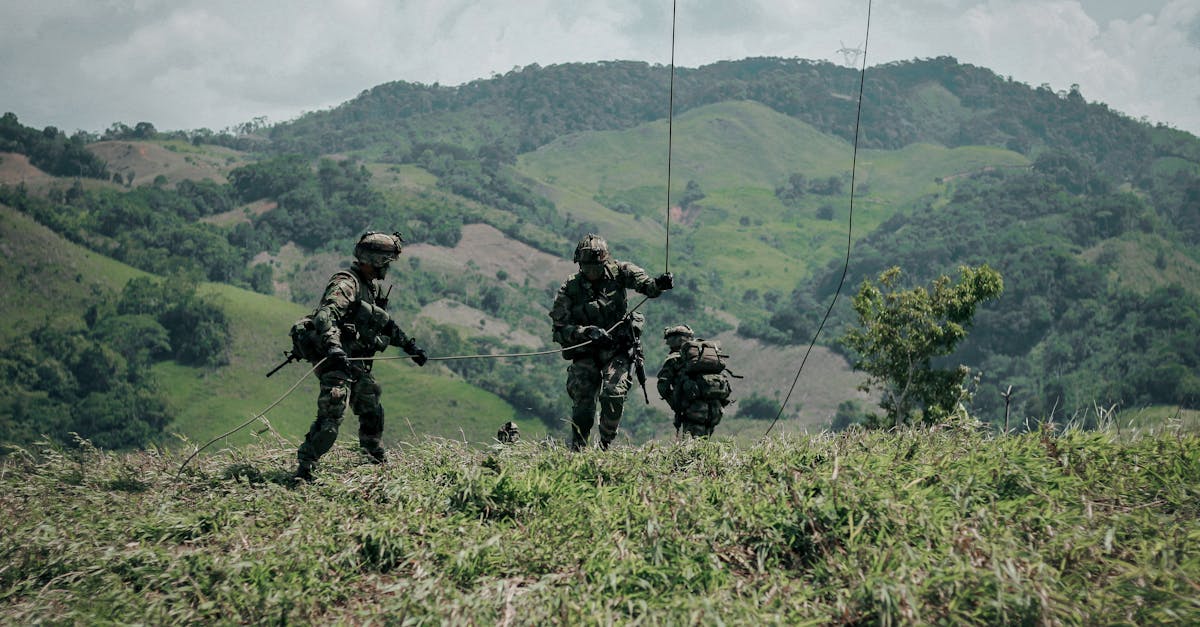
  • Exercise KHANJAR-XII, the 12th India-Kyrgyzstan joint special forces exercise, is underway in Kyrgyzstan from March 10th to 23rd, 2025.

  • The exercise, initiated in 2011, is held annually, alternating between India and Kyrgyzstan.

  • Participants include India’s Parachute Regiment (Special Forces) and Kyrgyzstan’s Scorpion Brigade.

  • The primary goal is to enhance counter-terrorism and special operations capabilities in urban and high-altitude environments.

  • Key training areas encompass sniping, building intervention, and mountain warfare techniques.

  • Cultural exchanges, including the Kyrgyz Nowruz festival, are integral to strengthening bilateral ties.

  • The exercise underscores India and Kyrgyzstan’s commitment to regional security, addressing shared concerns like terrorism and extremism.

  • Kyrgyzstan’s location in Central Asia, particularly its shared Fergana Valley with Uzbekistan and Tajikistan, is strategically important for India’s energy security interests (due to hydrocarbon resources).

  • The exercise reinforces defense cooperation between the two nations, promoting peace and stability in the region.

  • The previous edition of the exercise was held in India in January 2024.


Swine Flu

  • H1N1 (swine flu) is a type A influenza virus causing respiratory illness, currently seeing a rise in cases alongside Influenza B.

  • While originating in pigs, H1N1 contains genetic material from birds and humans, and spreads primarily person-to-person via coughs and sneezes.

  • Symptoms mimic regular flu: fever, cough, sore throat, body aches, headache, chills, fatigue; diarrhea and vomiting may occur. Severe cases can lead to pneumonia, respiratory failure, and death.

  • H1N1’s first confirmed Indian case was in May 2009, with subsequent outbreaks in 2021, 2022, 2023, and currently.

  • No specific H1N1 vaccine exists; prevention relies on hygiene practices to limit germ spread.

  • H1N1 is a serious disease, posing higher risks to young children, the elderly, and immunocompromised individuals.

  • Symptoms typically last 3-7 days, although cough and weakness can linger for two weeks.

  • Isolation, particularly in the first 5-7 days of infection, is advised to contain spread.


North Sea

  • A cargo ship collided with a U.S. military jet fuel tanker in the North Sea off the coast of eastern England.

  • Both vessels caught fire, resulting in a fuel spill into the North Sea.

  • All 37 crew members were rescued, with one hospitalized.

  • The incident triggered a major rescue operation involving lifeboats, coast guard aircraft, and commercial vessels.

  • The cause of the collision is under investigation.

  • Concerns exist about the potential ecological impact of the spill, although scientists suggest the impact may be less severe than a crude oil spill due to jet fuel’s faster evaporation and biodegradation.

  • The North Sea is a strategically important body of water: a major shipping zone, significant fisheries, and substantial petroleum and natural gas reserves. It borders several European countries including the UK, Norway, Denmark, Germany, the Netherlands, Belgium, and France. It’s connected to the Atlantic Ocean and the Baltic Sea. Numerous major rivers drain into it.


Kisan Credit Card

  • Kisan Credit Card (KCC) scheme, launched in 1998, provides credit to farmers for agricultural and allied activities.

  • A significant rise (42%) in Non-Performing Assets (NPAs) in KCC accounts is causing concern. NPAs reached ₹96,918 crore in the July-September 2025 quarter.

  • The increase in NPAs is attributed to various factors: weather-related crop damage, farmer unawareness of repayment timelines, delayed payments due to household needs, and weak loan recovery mechanisms.

  • Lower loan amounts in KCC compared to other agricultural loans make repayment a lower priority for some farmers. Crop insurance inadequacy also impacts repayment.

  • Anticipation of loan waivers ahead of elections influences repayment behavior. Banks also face limitations in recovering KCC loans compared to other loan types.

  • The outstanding loan amount in operative KCC accounts has increased by nearly 30% between FY2021 and December 2024, reaching ₹5.91 lakh crore.

  • The KCC scheme offers a revolving credit facility, with loans extended on a collateral-free basis up to ₹2 lakh. The government provides interest subvention under the Modified Interest Subvention Scheme (MISS). In Budget 2025-26, the loan limit under MISS was increased from ₹3 lakh to ₹5 lakh.

  • Uttar Pradesh had the highest outstanding KCC amount in 2024.

  • Loan waivers create moral hazard, impacting credit flow and loan performance.


Barbados Freedom Order

  • Prime Minister Narendra Modi was awarded the Honorary Order of Freedom of Barbados.

  • The award recognizes Modi’s strategic leadership and support during the COVID-19 pandemic.

  • The award was announced during the India-CARICOM Summit in Guyana in November 2024.

  • Modi dedicated the award to 1.4 billion Indians and the strong India-Barbados relationship.

  • India and Barbados established diplomatic ties in 1966.

  • Barbados became a republic in 2021, removing Queen Elizabeth II as its head of state.

  • This is Modi’s 19th prestigious international award. Other notable awards include Russia’s Order of St. Andrew the Apostle and the US Legion of Merit.

  • The award highlights the growing relationship between India and Barbados. The timing of the award announcement, during a summit, underscores its significance.

  • Modi’s public expression of gratitude emphasizes the importance he places on this recognition and the bilateral ties.


India’s Energy Future

  • Increased Energy Trade with the U.S.: India aims to boost oil and natural gas imports from the U.S., increasing energy trade value from $15 billion to $25 billion.

  • Why:

    • Energy Security: India heavily reliant on imports for crude oil (over 85%), diversifying sources mitigates risks and reduces dependency on West Asia and Russia.
    • Bilateral Trade Growth: Part of a broader strategy to double overall bilateral trade with the U.S. to $500 billion by 2030.
    • Infrastructure Boost: US crude and LNG can support industrial growth, refining expansion, and petrochemical investments.
    • Geopolitical Alignment: Stronger ties could aid India’s IEA membership bid and counterbalance China’s influence.
  • Current Energy Consumption & Imports:

    • Imported 234.26 million tonnes of crude oil in 2023-24 (87.8% import dependence).
    • Imported 31.80 billion cubic meters of LNG worth $13.405 billion in 2023-24.
    • Crude oil consumption projected to grow to 500 million tonnes by FY40.
  • India’s Energy Strategy:

    • Increase natural gas share in energy mix to 15% by 2030.
    • Doubling oil & gas exploration area by 2030 and new projects.
    • Diversifying import sources (US, Russia, Brazil, etc.).
    • Expanding LNG infrastructure and city gas distribution.
    • Increasing focus on renewable energy (500 GW by 2030), ethanol blending, and hydrogen energy.
    • Policy reforms: FDI incentives and subsidies for EVs and green initiatives.
  • Russia’s Role: Russia has become a major crude oil supplier to India(40%) at discounted prices.

  • LNG and gas consumption Gas consumption is set to reach 103 bcm annually by the end of the decade.


Moon Mission Success

  • Chandrayaan-3, India’s second lunar mission attempt, successfully landed on the Moon’s South Pole on August 23, 2023.
  • The mission’s objectives include a safe landing, rover exploration, and in-situ scientific experiments, aiming to find water ice.
  • New data suggests water ice may exist beyond the Moon’s polar regions, based on measurements indicating a non-conductive surface layer.
  • The Chandrayaan-3 lander and rover completed their mission after a lunar day. The propulsion module remains in Earth orbit.
  • Chandrayaan-3 used ISRO’s LVM3 rocket, a cost-effective three-stage rocket, to reach a parking orbit.
  • The mission’s lander and rover successfully performed their designated tasks.
  • Chandrayaan-3’s mission differs from Chandrayaan-2 as it lacks an orbiter, focusing on landing and rover operations.
  • The Physical Research Laboratory (PRL) analyzed data from the ChaSTE instrument to find clues about water ice.
  • ChaSTE’s measurements show a 60°C temperature difference between the lunar surface and 10 cm below, hinting at the Moon’s surface composition and thermal properties.

Pant: A Leader

  • Govind Ballabh Pant’s death anniversary (March 7th) was observed. This is newsworthy because it prompted a tribute from the Uttar Pradesh Chief Minister, Yogi Adityanath.

  • Pant (1887-1961) was a pivotal figure in Indian history, serving as a freedom fighter and the first Chief Minister of Uttar Pradesh. His legacy continues to be relevant and influential.

  • He played a significant role in the Indian freedom struggle, participating in the Salt Satyagraha, Civil Disobedience Movement, and Quit India Movement. His involvement in these landmark events makes him a significant historical figure.

  • Pant was a key member of the Constituent Assembly, contributing to the drafting of the Indian Constitution. This highlights his influence on the foundational document of India.

  • As Chief Minister of Uttar Pradesh, he focused on abolishing the Zamindari system and modernizing the state. These actions demonstrate his commitment to social and economic reform.

  • He served as the Union Home Minister under Jawaharlal Nehru, playing a crucial role in establishing Hindi as an official language of India. This showcases his impact at the national level.

  • Pant received the Bharat Ratna in 1957, India’s highest civilian award, recognizing his exceptional contributions to the nation. The award highlights the significance of his work.

  • His mentorship of future UP leaders like Chaudhary Charan Singh underscores his lasting influence on Indian politics. His guidance shaped the trajectory of political figures.

  • The Chief Minister’s tribute highlights Pant’s continued relevance and importance in the political landscape of Uttar Pradesh. The act itself is news as it symbolizes respect for a historical figure.


Sarus Crane

  • Rare sighting: A Sarus Crane was spotted in Assam’s Saikhowa region, attracting bird watchers.
  • Tallest flying bird: Standing at 152-156 cm tall, it’s the tallest flying bird globally.
  • Distribution: Found in Southeast Asia, northern India, and northern Australia. In India, concentrated along the Gangetic plain and eastern Rajasthan.
  • Non-migratory: This species doesn’t migrate.
  • Habitat: Wetlands, canals, marshes, ponds, and sometimes near human settlements.
  • Appearance: Predominantly grey plumage, naked red head and upper neck, pale red legs, white patch on top of head and a small white spot behind the eye. Wingspan reaches 2.5m and weight ranges from 5-12kg.
  • Social behavior: Least social crane, mostly seen in pairs or small groups. Monogamous, with lifelong mate bonds.
  • Conservation status: Vulnerable (IUCN Red List), Schedule IV of the Wildlife (Protection) Act 1972, and Appendix II (CITES).
  • Nesting: Nests are built in wetlands or flooded paddy fields.
  • Lifespan: Cranes generally live 30-40 years, though some species can reach 80 years.

Unknown Topic

  • The Nuclear Non-Proliferation Treaty (NPT) celebrated its 55th anniversary on March 5th, 2025.

  • The NPT is a multilateral treaty aiming to prevent the spread of nuclear weapons while promoting peaceful nuclear energy use.

  • Key provisions define Nuclear-Weapon States (NWS) as those possessing nuclear weapons before January 1st, 1967 (US, UK, France, China, and Russia). Non-nuclear states pledge not to develop them, and NWS pledge not to transfer them.

  • The treaty allows for the peaceful use of nuclear energy and includes a withdrawal clause.

  • 191 countries are members, including the five NWS. India is not a member.

  • The International Atomic Energy Agency (IAEA) monitors compliance.

  • India’s opposition to the NPT stems from its perceived discriminatory nature, legitimizing nuclear weapons for five states but not others.

  • India maintains a “No First Use” (NFU) nuclear policy and advocates for global nuclear disarmament. This stance is central to its non-membership.

  • The anniversary highlights the ongoing debate surrounding nuclear proliferation and disarmament, with India’s position remaining a significant factor in international discussions.

Unknown Topic


India: #2 Arms Importer

  • India is the world’s second-largest arms importer in 2020-24, after Ukraine, according to SIPRI. This is despite a 9.3% decrease in imports compared to 2015-19.

  • Russia remains India’s top arms supplier, but its share significantly decreased to 36% from 72% (2010-14). France became the second-largest supplier to India (28%).

  • India’s neighbors show contrasting trends: Pakistan’s arms imports increased by 61%, with China as the main supplier (81%). China, meanwhile, dropped out of the top 10 importers due to a strong domestic defense industry.

  • Globally, arms transfers remained stable compared to previous periods but were higher than 2005-09. Europe saw a massive surge in imports (155%) due to the war in Ukraine. The US remained the largest arms exporter.

  • India is actively pursuing self-reliance in defense manufacturing, with initiatives like increased domestic production, the SRIJAN portal, and positive indigenization lists. Significant budget allocations and FDI support are also key elements.

  • The war in Ukraine caused a 100-fold increase in its arms imports, primarily from the US, Germany, and Poland. Russia’s global arms exports significantly decreased (64%) due to sanctions and production constraints.


Phased Array Radar

  • China deployed a powerful Large Phased Array Radar (LPAR) near the China-Myanmar border in Yunnan province.
  • The radar has a surveillance range exceeding 5,000 kilometers, allowing monitoring of the Indian Ocean and deep into Indian territory.
  • It can detect and track ballistic missile launches in real time.
  • Unlike traditional radars, LPARs use electronically controlled antennas for rapid scanning and tracking multiple targets.
  • This technology is crucial for early warning systems and air defense.
  • Besides China, only the US and Russia possess similar systems.
  • China’s LPAR is comparable to the US PAVE PAWS radar, with similar detection ranges.
  • The LPAR can monitor missile tests from Dr APJ Abdul Kalam Island, crucial for testing strategic weapons like Agni-V and K-4 missiles.
  • Capturing data on missile trajectories gives China strategic advantage for developing countermeasures.
  • A phased array radar uses an array of antennas to steer the radar beam electronically.

Smooth Otters

  • Two smooth-coated otters have arrived at the Delhi zoo after a 20-year absence. This is newsworthy because it signifies a potential boost to the zoo’s collection and conservation efforts for this vulnerable species.

  • Smooth-coated otters ( Lutrogale perspicillata) are found in freshwater habitats across South and Southeast Asia. Their presence in the Delhi zoo raises awareness about this less-known otter species.

  • They are characterized by smooth fur, a round head with a prominent nose, a flattened tail, and webbed feet. These physical traits distinguish them from other otter species.

  • Smooth-coated otters are social animals and hunt fish in groups. This information highlights their behavioral ecology.

  • The species is classified as Vulnerable by the IUCN and is listed under Schedule I of the Wildlife Protection Act of 1972 and Appendix I of CITES, indicating its endangered status and the need for conservation.

  • They inhabit protected areas like Corbett and Dudhwa Tiger Reserves, showcasing their importance within existing conservation strategies. The arrival in Delhi zoo may facilitate further breeding programs or research opportunities.

  • The otters’ arrival is part of a larger animal exchange program between various Indian zoos, highlighting collaborative conservation efforts across the country.


Arms Trade

  • Global arms trade volume remained roughly stable between 2015-19 and 2020-24, though 18% higher than 2005-09.
  • Ukraine became the largest arms importer in 2020-24, with imports increasing nearly 100-fold compared to 2015-19.
  • India was the second-largest arms importer in 2020-24, with a 9.3% decrease in imports compared to 2015-19. Russia was India’s largest arms supplier (36%) a significant drop from previous decades.
  • Russia’s global arms exports fell by 64% during 2020-24.
  • France emerged as the second-largest arms exporter (9.6%) in 2020-24, while the US increased its export share to 43%.
  • India was the biggest export destination for both Russia and France.
  • Four Asian countries (India, Pakistan, Japan, Australia) were among the top 10 arms importers.
  • Pakistan’s arms imports rose 61% between 2015-19 and 2020-24, with China becoming its dominant supplier (81%).
  • China dropped out of the top 10 arms importers for the first time since 1990-94.
  • European arms imports increased by 155% during the same period.
  • India received the largest share of French arms exports (28%).

Q1. The US is the largest arms exporter.
Q2. Ukraine is the largest arms importer.

Arms Trade


Poshan Abhiyan

  • Why in News: Poshan Abhiyan’s ongoing efforts to improve nutrition through technology, cross-sectoral collaboration, and community involvement are consistently newsworthy. Recent updates highlight progress and ongoing initiatives.

  • What is Poshan Abhiyan?: A flagship program of the Ministry of Women and Child Development launched in 2018 to improve nutrition for pregnant women, lactating mothers, adolescent girls, and children (0-6 years).

  • Objectives: Reduce stunting, undernutrition, anemia, and low birth weight.

  • Strategic Pillars:

    • Quality services through ICDS, NHM, and PMMVY.
    • Cross-sectoral convergence (e.g., water & sanitation).
    • Technology (Poshan Tracker, ICDS-CAS).
    • Community engagement (“Jan Andolan”).
  • Mission Saksham Anganwadi and Poshan 2.0: Focuses on infrastructure upgrades for Anganwadi Centers (AWCs) and promoting health, wellness, and immunity. Significant improvements in AWC infrastructure are being reported.

  • Progress: NFHS-5 data shows improvement in key indicators like wasting, undernutrition, and stunting compared to NFHS-4, though challenges remain.

  • Key Focus Areas: The first 1000 days of a child’s life, access to essential services, behavior change through community engagement (“Jan Andolan”), and multi-sectoral collaboration.


KHANJAR-XII

  • Khanjar-XII, the 12th India-Kyrgyzstan Joint Special Forces Exercise, is taking place in Kyrgyzstan from March 10-23.

  • The exercise focuses on counter-terrorism and special forces tactics in challenging terrains, including mountainous and high-altitude environments.

  • Participating forces include India’s Parachute Regiment (Special Forces) and Kyrgyzstan’s Kyrgyz Scorpion Brigade.

  • Training will cover advanced sniping, close-quarters combat, building interventions, and mountain warfare.

  • Cultural exchange is also a key component, featuring the celebration of Nowruz, the Kyrgyz New Year.

  • The exercise strengthens defense ties and addresses common concerns about terrorism and extremism.

  • The exercise, initiated in 2011, alternates annually between India and Kyrgyzstan. The previous edition was held in India in January 2024.

  • Simultaneously, India and Japan concluded their 7th Army-to-Army Staff Talks, focusing on enhanced defense cooperation, including the Dharma Guardian exercise and collaboration in niche technologies.


La Niña

  • La Niña is a climate pattern characterized by unusually cool ocean temperatures in the tropical Pacific. It’s the opposite of El Niño.

  • La Niña’s cooling effect may be weakened by climate change, rendering it less effective at counteracting rising temperatures.

  • La Niña influences global weather patterns, causing increased rainfall in some regions (Southeast Asia, parts of Africa and Brazil) and drier conditions in others (western South America, parts of the US).

  • It impacts agriculture, sometimes positively (increased monsoon in parts of India) and sometimes negatively (flooding in Australia). The current La Niña is weak and short-lived.

  • India experienced its warmest February since 1901, highlighting the impact of climate change despite La Niña’s presence. An early, intense summer with heatwaves is predicted.

  • El Niño events are projected to become more frequent and severe due to climate change, exacerbating global warming’s effects. Even during ENSO-neutral periods, severe heatwaves are likely.

  • While La Niña can bring benefits like boosting fish populations through upwelling, its overall impact is becoming less significant compared to the overarching effects of climate change.


Trade-to-Trade
T2T Segment
Inter-Trade
T2T
Trade Flow

  • Trade-to-Trade (T2T) stocks require delivery (T+2 settlement) before trading. This means no intraday or Buy Today Sell Tomorrow trading.
  • Stocks are moved to T2T by exchanges based on factors like price-earnings ratio, volatility, and market capitalization. This aims to protect retail investors from high volatility and limit speculation.
  • Exchanges evaluate stocks bi-weekly and quarterly for T2T placement.
  • Stocks not available for Futures & Options trading are also considered for T2T.
  • T2T stocks are identified by a suffix (e.g., “BE” on NSE, “T” on BSE) in the stock’s name.
  • SEBI is considering relaxing short-selling restrictions, potentially excluding T2T stocks.
  • T2T stocks are designed to mitigate risk by limiting the potential for rapid, price-driven trading.

Gange Rejuvenation

  • Why in News: The Namami Gange Programme (NGP) has made significant progress in cleaning the Ganga River and has been extended with increased funding. Recent achievements and ongoing projects highlight its impact.

  • What is NGP?: A flagship program for Ganga rejuvenation, focusing on pollution reduction, improved water quality, and ecosystem restoration. It operates on a five-tier structure.

  • Key Interventions: Pollution abatement (Nirmal Ganga) through improved sewage treatment; ecological improvement and maintaining flow (Aviral Ganga); community engagement (Jan Ganga); and research & policy development (Gyan Ganga).

  • Key Achievements: Sewage treatment capacity increased significantly; water quality improved in several states (measured by BOD reduction); Gangetic river dolphin population increased; and international recognition received.

  • Implementation Details: Uses Hybrid Annuity Model (HAM) for sewage treatment plant (STP) development; a large number of STPs have been completed and are operational, alongside biodiversity and afforestation projects.

  • Recent Initiatives: New projects focus on intercepting polluted drains, building more STPs, and creating a national framework for safe reuse of treated wastewater. Biodiversity parks and wetland restoration are also underway.

  • Challenges: While significant progress has been made, challenges remain in completely cleaning the river and maintaining long-term sustainability. The program’s success depends on continued commitment and funding.


Daily Current Affairs and News Analysis 10-03-2025

India’s R&D Surge

  • India’s Low R&D Investment: Despite having a large pool of STEM graduates, India’s R&D spending is only 0.65% of its GDP, significantly lower than China (2.43%) and developed nations.

  • Need for Increased R&D: Critical for global competitiveness, economic growth, and escaping the middle-income trap. R&D is vital for industrial development, especially in pharma, chemicals, automotive, and deep-tech startups (quantum computing, biotechnology, robotics, nanotechnology).

  • Challenges in India’s R&D Ecosystem:

    • Low investment compared to global standards.
    • Heavy reliance on government funding.
    • Weak links between academia and industry, hindering innovation.
    • Lack of diversification in R&D focus.
    • Bureaucratic hurdles in technology transfer.
  • Reforms for Strengthening R&D:

    • Increase R&D spending, with more private sector contribution.
    • Utilize the Anusandhan National Research Foundation (ANRF) to encourage investment.
    • Promote university-led research and industry collaboration.
    • Implement efficient project management models (like DARPA).
    • Encourage risk-taking in early-stage research.
  • Importance of Tech Talent: India possesses a large tech talent pool, as indicated by the presence of development centers of global corporations.

  • Way Forward: Robust R&D investment, industry-academia collaboration, and policy reforms are essential for India to become a global S&T leader and drive economic growth.


Camanchaca Dulcibella

  • Discovery: Marine biologists have discovered a new species of amphipod, Dulcibella camanchaca, in the Atacama Trench.

  • Location: Found in the Atacama Trench, one of the deepest parts of the ocean, located off the coast of South America, specifically in the South Pacific Ocean near Chile at a depth of approximately 8,000 meters (26,000 feet).

  • Unique Characteristics: Dulcibella camanchaca is an amphipod crustacean, measuring about 4 centimeters in length. Unlike most deep-sea amphipods, it is an active predator with specialized appendages for capturing and consuming smaller crustaceans, marking the first known predatory amphipod in the hadal zone (depths beyond 6,000 meters).

  • Significance:

    • Highlights the incredible adaptability of life to extreme environments.
    • Provides insights into how life can thrive in conditions of crushing pressure, frigid temperatures, and complete darkness.
    • The discovery is a reminder of how much we still have to learn about the deep ocean.
  • Implications: This discovery has implications for the search for life beyond Earth, as the extreme environment mirrors conditions on some moons. Studying how Dulcibella camanchaca survives helps scientists understand the potential for life in similar environments on other worlds.

  • Importance of Conservation: Underscores the importance of deep-sea exploration and conservation, especially with threats from deep-sea mining and climate change. Protecting these habitats is critical, as human activities reach even the most remote parts of the ocean.


India’s Chipmaking

  • India’s First Domestically Made Chip: India aims to produce its first domestically manufactured semiconductor chip by 2025. Why: This signifies a crucial step towards self-reliance in a strategically important technology sector.

  • Semicon India Programme: Launched in 2021, this program supports the development of India’s semiconductor manufacturing ecosystem. Why: It’s the government’s primary initiative to drive growth in this sector.

  • Manufacturing Facilities Under Construction: Five facilities are currently under construction, including the Tata Semiconductor Assembly and Test Facility in Assam and the Dholera Fab facility in collaboration with Taiwan’s Powerchip Semiconductor Manufacturing Corporation. Why: These facilities are the physical manifestation of the government’s investment and industry partnerships.

  • High Import Dependency: India heavily relies on importing semiconductors, with significant growth in imports of Monolithic Integrated Circuits, memory chips, and amplifiers over the past decade. Why: This highlights the urgency of reducing dependence on foreign suppliers and securing domestic supply chains.

  • Import Trends: Imports of critical components like Monolithic ICs, memory chips and amplifiers have increased significantly (2,000%, 4,500%, and 4,800% respectively) between FY16-FY24, with China being the top supplier. Why: It illustrates a growing risk associated with over-reliance on imports.

  • Challenges and Gaps: India lags in Electronic Design Automation (EDA) software, core IP, wafer production, and fab tools, and also in chip design capabilities. Why: These are critical components India needs to master to become a fully self-sufficient semiconductor manufacturer.


Madhav Park

  • Madhav National Park in Madhya Pradesh has been declared India’s 58th Tiger Reserve, and the 9th in Madhya Pradesh.
  • The park is located in the Shivpuri district, Chambal region and currently houses five tigers, including two cubs.
  • The designation was announced by the Union Environment Minister Bhupender Yadav and welcomed by Prime Minister Narendra Modi and Madhya Pradesh Chief Minister Mohan Yadav.
  • The park’s designation as a tiger reserve is a step forward in India’s commitment to wildlife conservation and environmental protection.
  • The park has a rich ecosystem, including lakes, dry deciduous and dry thorn forests, supporting various species like tigers, leopards, Nilgai, Chinkara, Chousingha, and various deer species.
  • The addition of the tiger reserve aligns with the government’s focus on restoring ecological diversity and reflects the work of forest officials.
  • Three tigers were introduced to the park in 2023 as part of a tiger reintroduction project.

Madhav Park


Koch-Rajbongshi

  • Koch-Rajbongshis, a large community in Assam and West Bengal, are demanding Scheduled Tribe (ST) status. This demand has been ongoing for decades.

  • They are renewing their demand ahead of Home Minister Amit Shah’s visit to Assam.

  • The Koch-Rajbongshis were once rulers of the Kamata kingdom. They are considered indigenous to the region.

  • Their primary livelihood is agriculture. They have diverse religious affiliations, primarily Hindu, but also including Muslim, Christian, and Buddhist members.

  • The community currently holds Other Backward Classes (OBC) status in Assam, Scheduled Caste (SC) status in Bengal, and Scheduled Tribe (ST) status in Meghalaya.

  • Granting ST status is opposed by existing ST communities in Assam who fear being marginalized in education, employment, and political representation.

  • The Koch-Rajbongshis’ demand also includes the “re-establishment of the historic Kamatapur State” and the creation of a Chilarai Regiment in the armed forces.

  • The BJP had previously promised ST status to six communities, including the Koch-Rajbongshis, before the 2014 Lok Sabha elections.

  • The Koch-Rajbongshis were granted ST status briefly in 1996, but it was revoked due to concerns about disproportionate access to reserved quotas.

  • The community has threatened protests if their concerns are ignored and if they are used for electoral gains.


CT2025

  • India won the ICC Champions Trophy 2025, defeating New Zealand by 4 wickets.
  • The tournament was primarily hosted by Pakistan, with India’s matches in Dubai due to security concerns.
  • This was India’s record-extending third Champions Trophy title.
  • The 2025 edition’s qualification differed from previous years; it used the 2023 Cricket World Cup results to determine the top eight teams.
  • The tournament format remained consistent since 2006: two groups of four, with top two advancing to the semi-finals.
  • Group A consisted of India, Pakistan, Bangladesh, and New Zealand; Group B had Australia, Afghanistan, England, and South Africa.
  • India’s victory marked their seventh ICC title since 1983.
  • Rohit Sharma became only the second Indian captain to win multiple ICC trophies.
  • The total prize pool was $6.9 million.
  • Indian pacer Mohammad Shami appealed to the ICC to lift the ban on using saliva to shine the ball. The ban, introduced during the COVID-19 pandemic, made reverse swing more difficult.
  • The Duckworth-Lewis-Stern (DLS) method, used for rain-affected matches, was highlighted following the death of its co-creator, Frank Duckworth.

Madhav National Park

  • Madhav National Park in Madhya Pradesh is India’s 58th tiger reserve and Madhya Pradesh’s ninth.
  • It’s located in Shivpuri district, on the northern fringe of the Central Highlands.
  • Historically, it served as a hunting ground for Mughal emperors and the Maharaja of Gwalior. It became a national park in 1958.
  • The park’s area encompasses diverse ecosystems including lakes, meadows, and forests (Northern tropical dry deciduous mixed forests and dry thorn forests).
  • It supports a variety of wildlife: tigers (including recently born cubs), leopards, deer, antelopes, and other animals. Two lakes, Sakhya Sagar and Madhav Sagar, are key features.
  • The declaration signifies India’s commitment to tiger conservation and environmental protection. The expansion of tiger reserves reflects a multifaceted conservation strategy involving legal frameworks, international cooperation, and community engagement.
  • Prime Minister Modi and Environment Minister Bhupender Yadav lauded the development, highlighting India’s dedication to wildlife conservation and ecological diversity.
  • The park’s status as a tiger reserve aims to protect tiger habitats and boost the tiger population. India currently hosts over 70% of the world’s wild tiger population.

Jalantheeswarar Temple

  • Jalantheeswarar Temple (Thiruvooral), in Thakkolam, Ranipet district, Tamil Nadu, is in disrepair. A northern outer wall has collapsed, and the temple tank is neglected.

  • The temple, dedicated to Lord Shiva as Jalantheeswarar (a sand lingam), boasts Dravidian architecture with a three-tiered gopuram.

  • Its construction began with the Pallavas, expanded by Cholas, and its current structure dates to the Nayak period (16th century).

  • The temple is one of the 275 Paadal Petra Sthalams, significant in Saivite tradition. It holds numerous inscriptions crucial for understanding Chola dynasty chronology.

  • Inscriptions mention the temple’s ancient names: Thiruvural and Aparajita-chaturvedimangalam, and its association with Pallava and Chola kings.

  • Thakkolam’s historical significance is highlighted by the CISF renaming its Arakkonam training center after Rajaditya Chola, a prince killed in a battle near Thakkolam in 949 CE.

  • The temple’s poor condition and the need for restoration are currently in the news, with local officials seeking HR&CE department approval for kumbabishekam (consecration). The last consecration was over 15 years ago.

Jalantheeswarar Temple


Preventive Detention

  • Preventive detention is the detention of an individual without trial or conviction. Its aim is to prevent future offenses, not punish past ones.

  • It’s a draconian measure requiring careful scrutiny, as highlighted by a recent Supreme Court case.

  • The Supreme Court quashed a Nagaland preventive detention order because the detaining authority failed to independently apply its mind. The order merely stated satisfaction with supporting documents, lacking specific grounds for detention.

  • Article 22 of the Indian Constitution provides protections for those arrested or detained, including provisions for preventive detention. It limits detention to three months unless an advisory board approves extension.

  • Detainees have a right to know the grounds of their detention, though this can be withheld in the public interest.

  • Laws permitting preventive detention exist at both the national and state levels in India (e.g., NSA, UAPA, PSA). These allow detention for periods up to 12 months without trial.

  • The detaining authority must provide opportunities for the detainee to make representations against the detention.

  • Parliament holds exclusive power to enact preventive detention laws for reasons of defense, foreign affairs, or national security. Both Parliament and state legislatures can enact such laws for public order or essential supply maintenance.


India-Mauritius Ties

  • Historical Ties: Strong historical connection with Mauritius due to Indian origin population (70%) and cultural exchange. Prime Minister Modi’s visit celebrates these long-standing ties and offers an opportunity to connect with the newly elected Prime Minister Navinchandra Ramgoolam, whose father worked with Netaji Subhas Chandra Bose.

  • People-to-People Connections: Significant Indian diaspora in Mauritius with diverse linguistic groups. India supports cultural preservation through institutions like the Mahatma Gandhi Institute and the World Hindi Secretariat.

  • Economic and Trade Cooperation: Bilateral trade reached $554 million in 2022-23. Mauritius acts as a gateway to Africa due to its African Union membership and preferential trade agreements. The Double Taxation Avoidance Agreement (DTAA) makes Mauritius a major channel for foreign investment into India.

  • Maritime Security Cooperation: Mauritius’s strategic location in the Indian Ocean is crucial. India and Mauritius collaborate on maritime security through the Colombo Security Conclave. India supports surveillance with radar stations, the Agaléga joint facility, and access to the Information Fusion Centre.

  • Geopolitical Significance: Cooperation assumes special importance as China’s influence in the Indian Ocean grows. The visit provides an opportunity to strengthen this partnership, and its importance to India’s security interests.


Madhav Park

  • 58th Tiger Reserve: Madhav National Park in Madhya Pradesh has been declared India’s 58th tiger reserve. This also makes it the ninth tiger reserve in Madhya Pradesh.

    • Why: Enhances tiger conservation efforts and boosts the protection status of the park.
  • Location and Background: The park is located in the Shivpuri district of the Chambal region, Madhya Pradesh. Established in 1959, it was formerly a hunting ground for the Scindia royal family.

    • Why: Provides context to the location and historical significance, and clarifies its importance as a protected area.
  • Tiger Population: Currently, the reserve has five tigers, including two cubs. More tigers may be released soon. Three tigers (two females) were introduced in 2023 as part of a reintroduction project.

    • Why: Highlights the ongoing conservation efforts and tiger population growth.
  • Notable Features: The park includes Sakhya Sagar and Madhav Sagar lakes, designated a Ramsar site in 2022. It also has George Castle, built in 1911.

    • Why: Details unique features and recognition, indicating the park’s importance for biodiversity.
  • Fauna: The park is home to various mammals like Chinkara, Chital, Nilgai, and predators, as well as reptiles (Mugger crocodile) and migratory birds.

    • Why: Demonstrates the biodiversity present in the park.
  • Government Recognition: The decision was announced by the Union Environment Minister and applauded by the Prime Minister.

    • Why: Highlights the significance of the event and the importance given to wildlife conservation by the government.

Sharavathi Pumped Storage

  • Project Approval: The Sharavathi pumped-storage project received final approval from the Karnataka state government, following a prior nod from the State Wildlife Board.

  • Location: Situated on the Sharavathi River in Karnataka, known for its hydroelectric potential and the Jog Falls.

  • Environmental Concerns: The project has raised environmental concerns because of its location within the Sharavathi Lion Tailed Macaque Sanctuary.

  • Capacity and Design: The project aims to generate 2,000 MW of power through eight units, using the Talakalale and Gerusoppa reservoirs as upper and lower water storage, respectively.

  • Operation: Water will be pumped between the reservoirs to store energy during low-demand periods and released to generate power during peak demand.

  • Sharavathi River’s Importance: The Sharavathi River is a vital west-flowing river originating in the Western Ghats. Its importance lies in its water resources, hydroelectric power generation, and biodiversity.


Multiple Seats

  • The Issue: “One Candidate, Multiple Constituencies” (OCMC) allows candidates to contest elections from multiple constituencies. This practice, permitted by law, is under scrutiny.

  • Legal Framework:

    • Candidates can contest a maximum of two constituencies.
    • If elected to multiple seats, they must resign all but one.
    • Bye-elections fill vacated seats within six months.
    • Constitutional provisions (Article 101) address dual membership.
  • Challenges of OCMC:

    • Favors Ruling Parties: They gain an advantage in bye-elections.
    • Financial Burden: Frequent bye-elections are costly.
    • Administrative Disruptions: Model Code of Conduct enforcement delays policies.
    • Breach of Voter Trust: Prioritizes political interests over the electorate.
    • Parachute Candidacy: Candidates lacking local connection.
    • Low voter turnout: Public apathy in bye-elections.
    • Organisational disruptions: Disregarding local leaders.
    • Political Expediency: Enhances the possibility of getting elected
  • Proposed Reforms:

    • Ban OCMC: Implement “One Election, One Candidate, One Constituency.”
    • Recover Bye-Election Costs: Candidates should bear the expenses.
    • Delay Bye-Elections: Extend the cooling-off period.
    • Mandatory Resignation: Resign before contesting another election.
    • Restrictions on sitting legislators contesting another election.
    • Cooling period immediately after the election and before the dissolution of the legislature.
  • Arguments For & Against: The right to be elected is a constitutional right. However, the cons, such as low voter turnout and parachuting of candidates outweigh the advantages.

  • International Context: Other countries like Canada and Australia have restrictions.


Shingles

  • Shingles, caused by the varicella-zoster virus (same virus as chickenpox), is a painful rash with blisters.
  • Over 90% of adults over 50 carry the virus, yet awareness is low (56.6% of Indian participants aged 50+ know little about it).
  • The rash typically appears as a band on one side of the body.
  • Risk increases with age, most common in those over 50. Weakened immune systems (from chronic conditions like diabetes) increase risk.
  • Shingles is not contagious, but the virus can spread chickenpox to those who haven’t had it.
  • Symptoms include pain, itching, tingling, numbness, fever, headache, chills, and fatigue. Postherpetic neuralgia (long-lasting nerve pain) is a common complication.
  • A vaccine (Shingrix) is available for prevention. Antiviral medications can reduce severity and duration if started early. There’s no cure.
  • A recent survey highlights low global awareness of shingles, particularly in India, where many with chronic conditions show limited concern about developing it.
  • Cases are gradually increasing, especially among those over 50 and those with chronic illnesses or high stress. Misdiagnosis delays treatment.
  • Timely antiviral treatment within 72 hours is crucial to minimize complications. Vaccination is strongly recommended for those over 50 or with chronic illnesses.

Spice Power India

  • Low Market Share: Despite being the largest spice producer and exporter, India holds only 0.7% of the global seasoning market. China (12%) and the US (11%) have significantly larger shares.

  • Export Target: The Spices Board of India aims for a USD 10 billion export target by 2030, requiring increased production and value addition.

  • Current Export Status: India exported spices worth USD 4.4 billion (nearly 14 lakh tonnes) in 2023-2024. Chilli is the top export.

  • Value Addition Gap: Only 48% of India’s spice exports are value-added products. Increasing this to 70% is crucial for reaching the export target.

  • Challenges:

    • Competition: Rising competition from countries like Vietnam, Indonesia, China, and others.
    • Quality & Processing: Issues include adulteration, pesticide residues, poor processing, inadequate post-harvest handling, and limited mechanization impacting quality and shelf life.
    • Domestic Focus: 85% of Indian spices are consumed domestically, indicating room for export growth.
  • Opportunities:

    • Exploring nutraceutical and pharmaceutical uses of spices.
    • Leveraging India’s 15 agro-climatic zones for diverse spice cultivation.
    • Developing high-yielding, climate-resistant varieties.
    • Increasing production to meet export demands and finding ways to bring down the cost of production.
  • Initiatives: The World Spice Organisation (WSO) is working with FPOs to improve safety, quality, and sustainability in spice cultivation through training on quality control, pesticide usage, integrated pest management, and hygiene practices.


Vanuatu: Paradise

  • Vanuatu is an island nation in the South Pacific, comprising 83 volcanic islands, only 65 inhabited. Its location is east of Australia and north of New Zealand.

  • It has a diverse geography featuring volcanoes (including the accessible Mount Yasur), mountains, and coral reefs.

  • The capital is Port Vila, located on Efate Island. The population is small (around 300,000), predominantly Melanesian, with Bislama as the national language and English and French as official languages.

  • Vanuatu’s economy relies on agriculture (copra, kava), tourism, fishing, and importantly, offshore financial services.

  • A significant revenue source is its “golden passport” citizenship-by-investment program, costing around $150,000 USD. This allows visa-free travel to 56 countries.

  • The country’s lack of income tax, capital gains tax, inheritance tax, and exchange controls contributes to its appeal as a tax haven.

  • Recent news highlights Vanuatu’s citizenship program due to its use by individuals seeking to avoid legal issues in their home countries, like fugitive former IPL chief Lalit Modi.


Kursk

  • Kursk Region is located in Russia, near the border with Ukraine.

  • It’s historically significant, hosting the Battle of Kursk (1943), a pivotal WWII tank battle.

  • The region boasts fertile soil (“Black Earth”) and a diverse industrial base (machine building, food processing, etc.).

  • Recently, Ukrainian forces briefly captured parts of the Kursk region in a surprise attack.

  • Russia is currently launching a counter-offensive to retake this territory.

  • This Russian advance threatens Ukraine’s bargaining position in the ongoing war.

  • Kursk city is the administrative center of the region and has been a strategically important location throughout history.

  • The name “Kursk” is derived from the Kur River.

  • The region’s strategic importance and recent military developments have brought it into the news.


EPIC Number

  • The Issue: West Bengal Chief Minister alleged voter duplication by the Election Commission of India (ECI), citing identical Electors Photo Identity Card (EPIC) numbers for multiple voters across different states.

  • ECI’s Response: The ECI admitted to duplicate EPIC numbers, attributing them to pre-ERONET legacy data errors (manual data entry, decentralized systems). The ECI clarified that, despite identical EPIC numbers, a voter can only vote at their designated polling station within their registered constituency. They’ve committed to eliminating duplicates via ERONET 2.0.

  • What is EPIC: A 10-digit alphanumeric voter ID issued by the ECI since 1993, designed to prevent voter impersonation and electoral fraud. It’s linked to a voter’s photo, constituency, and polling station.

  • How EPIC is managed: EPIC numbers are generated and managed through ERONET, a web-based platform that automates the electoral roll process.

  • TMC’s Counter-Argument: Trinamool Congress (TMC) rejected the ECI’s explanation, raising concerns about potential voter disenfranchisement due to photo mismatches when using duplicate EPICs. They alleged a conspiracy to suppress votes in non-BJP areas. They cited that the EPIC number is linked to voter photos on electoral rolls, creating a problem.


Vanuatu CBI

  • What it is: Vanuatu offers a “Citizenship by Investment” (CBI) program, often called a “golden passport,” allowing wealthy individuals to gain citizenship by making significant financial contributions.
  • How it works: Individuals can acquire citizenship by investing a specified amount, with fast processing times (30-60 days) and minimal documentation. The cost ranges from $135,500 to $155,500.
  • Benefits: A Vanuatu passport provides visa-free access to 113 countries (as of 2025), according to the Henley Passport Index, ranking higher than China and India. Vanuatu is also a tax haven, with no income, capital gains, or inheritance tax.
  • Concerns: The program raises security concerns due to the potential for criminals and those involved in money laundering and tax evasion to obtain citizenship. Countries like the UK and EU have voiced concerns.
  • Impact: The CBI program is a significant revenue source for Vanuatu, reportedly accounting for around 30% of the country’s revenue in 2019.
  • Scandals & Risks: The program has faced scrutiny due to corruption scandals and allegations of misuse by global criminal groups. Several individuals with questionable backgrounds have been granted citizenship.
  • Historical Context: The EU suspended visa-free access in March 2022 due to security concerns, making the suspension permanent in February 2023.

India’s Biotech Boom

  • India’s Bioeconomy Growth: The biotechnology sector experienced significant growth, soaring from USD 10 billion in 2014 to USD 130 billion in 2024, with a target of USD 300 billion by 2030.
  • Himalayan Region Potential: The Himalayan territories, particularly Jammu & Kashmir, hold significant untapped agri-biotech potential. The region’s rich biodiversity and climate offer opportunities for advancements in agriculture and pharmaceuticals.
  • Key Initiatives & Government Support: Government initiatives like the BioE3 Policy, Anusandhan National Research Foundation (NRF), and the Bio-RIDE Scheme are driving innovation and growth. DBT’s budget increased by 130% over the last decade, showcasing government commitment to the sector.
  • Recent Breakthroughs: 2024 saw key advancements including the world’s first HPV vaccine, a groundbreaking indigenous antibiotic (‘Nafithromycin’), and the first successful gene therapy experiment for Hemophilia.
  • Global Standing & Innovation: India’s global standing has improved, ranking 3rd in the Asia-Pacific and 12th globally in biomanufacturing. India’s ranking in the Global Innovation Index rose from 80th in 2014 to 39th in 2024.
  • Agri-Biotech in J&K: Initiatives like the Aroma Mission and floriculture revolution are boosting J&K’s agricultural economy. Biotechnological innovations are reshaping traditional agriculture, creating a lucrative startup industry.
  • Startup Ecosystem: The biotech startup ecosystem has grown exponentially, from 50 startups in 2014 to nearly 9,000 in 2025.
  • Scientific Excellence: Over 5,352 Indian researchers are now among the world’s top 2% of scientists.

US Drops Loss & Damage Fund

  • US Withdrawal: The United States has withdrawn from the Loss and Damage Fund (LDF). This decision was communicated in a March 4 letter by the US representative on the LDF board.

  • Impact on Climate Commitments: This withdrawal reinforces the US’s disengagement from global climate commitments, including the Paris Agreement.

  • Loss and Damage Fund Overview: The LDF was established at COP27 to support developing nations and small island states facing climate-related losses. It’s designed to help with issues like rising sea levels and extreme weather events.

  • US Contribution and Previous Involvement: The US had contributed $17.5 million to the LDF before withdrawing and was one of the few countries to have already transferred its committed amount.

  • Implications for Vulnerable Nations: Vulnerable countries, like India (which faced significant weather-related damages), now face increased uncertainty in climate aid, potentially straining climate negotiations.

  • US Accountability: Climate activists view the US withdrawal as undermining global climate justice and failing to fulfill its responsibilities as a major historical emitter.


CSW

  • The 69th session of the Commission on the Status of Women (CSW) is taking place at the UN headquarters in New York from March 10-21, 2025.

  • India’s Union Minister for Women and Child Development, Annpurna Devi, leads the Indian delegation.

  • The CSW is the UN’s principal intergovernmental body dedicated to gender equality and women’s empowerment.

  • This year’s session marks the 30th anniversary of the Beijing Declaration and Platform for Action.

  • The session focuses on global progress in gender equality and women’s empowerment, including reviewing the implementation of the Beijing Declaration and the 2030 Agenda for Sustainable Development.

  • India’s national statement will highlight government initiatives for women and girls’ development.

  • A side event, co-hosted by the Indian government and UN Women, will focus on financial and digital empowerment strategies for women.

  • The Minister will also interact with the Indian diaspora in New York, celebrating International Women’s Day.

  • Participants include UN member states, intergovernmental organizations, civil society, and private sector representatives.

  • The CSW’s work aims to promote women’s political, economic, civil, social, and educational rights.


IWD 2025

  • International Women’s Day 2025 Significance: Celebrated globally on March 8th to recognize women’s achievements across various spheres. 2025 marks the 30th anniversary of the Beijing Declaration and Platform for Action (BPfA), a critical framework for women’s rights.

  • Theme for 2025: “For ALL Women and Girls: Rights. Equality. Empowerment.” emphasizing inclusive rights and opportunities.

  • Beijing Declaration and Platform for Action (BPfA): A blueprint from 1995 adopted in Beijing, China promoting legal protection, service access, youth engagement, and social change for women. India is a signatory.

  • Current Status of Women in India – Key Indicators:

    • Maternal Health: Institutional deliveries at 95%, with a decline in maternal mortality.
    • Education: Improved sex ratio, increased female enrollment in higher education, schemes like Beti Bachao Beti Padhao improving sex ratio.
    • Financial Inclusion: 100 million women via SHGs, training in digital literacy.
    • Addressing Gender-Based Violence: 770 One Stop Centres providing support.
  • Challenges to Women Empowerment:

    • Political Underrepresentation (low percentage in parliament and leadership roles).
    • Gender-Based Violence (increase in conflict-related sexual violence).
    • Workplace Discrimination (wage gap, fewer women in workforce).
    • Unpaid Care Work (disproportionate burden on women).
    • Barriers in Education & Food (potential for girls remaining out of school).
    • Legal Barriers (lack of equal rights in some countries).
  • Way Forward:

    • Increased Gender-Responsive Budgeting for education, health, and social security.
    • Strengthening Legal Protection to eliminate discrimination.
    • Economic Empowerment with equal access to resources, and supporting entrepreneurs.
    • Bridging Workplace Inequality through flexible work and childcare.
  • Government Initiatives in India: Constitutional and Legal Framework ensuring gender equality. Schemes for Education, Health, Economic Empowerment, Digital & Technological Empowerment, Safety & Protection are implemented.


Pelican vs. Stork

  • Sighting at Zoological Park: Pelicans and painted storks have been sighted at the Indira Gandhi Zoological Park in Visakhapatnam.

  • Freedom After Cyclone: The birds, previously confined to enclosures, have been roaming freely since Cyclone Hudhud destroyed their enclosures in 2014. This is an unexpected positive impact of the disaster.

  • Habitat & Behavior: They now roam freely over the zoo’s greenery, sometimes visiting nearby water bodies for food and return to the trees at the zoo. They are demonstrating adaptability.

  • Pelican Characteristics: Pelicans are large, social water birds with long beaks and throat pouches, found on all continents except Antarctica. They are carnivores, eating fish and other animals, preferring warm waters.

  • Painted Stork Characteristics: Painted storks are large birds from South and Southeast Asian wetlands. They are known for their pink flight feathers, white bodies, and black markings. They are primarily non-migratory.

  • IUCN Status of Painted Stork: The painted stork is listed as Near Threatened by the IUCN, highlighting the importance of their conservation.

  • Visitor Experience: The free-roaming birds add to the charm of the zoo, providing visitors with a rare opportunity to observe wildlife outside of enclosures.


Daily Current Affairs and News Analysis 09-03-2025

Hantavirus Pneumonia

  • Hantavirus pulmonary syndrome (HPS) is a rare but serious viral disease, recently in the news due to the death of Gene Hackman’s wife.

  • HPS is caused by several strains of hantavirus, primarily transmitted through contact with rodent excretions (urine, droppings, saliva). Transmission is not person-to-person. Rarely, bites or scratches can cause infection.

  • Initial symptoms mimic the flu: fever, muscle aches, headache, fatigue. Respiratory symptoms may develop, leading to life-threatening lung and heart problems. The mortality rate is approximately 38% if respiratory symptoms appear.

  • There is no specific cure for HPS. Early medical attention is crucial for managing severe disease.

  • HPS is a zoonotic disease (transmitted from animals to humans).

  • The incubation period is 9 to 33 days, averaging 14-17 days.

  • Diagnosis can be challenging as symptoms overlap with other illnesses. A blood test is the most reliable diagnostic method.

  • HPS is considered a rare disease, with a relatively small number of cases reported annually in the US, though New Mexico and Colorado have seen higher incidence rates.


Bar-Headed Goose

  • First-time sighting of a bar-headed goose in Morshing village, Arunachal Pradesh, India.
  • Remarkable migratory bird known for its high-altitude flights.
  • Flies at altitudes up to 25,000 feet over the Himalayas during migration.
  • One of the highest-flying birds in the world.
  • Native to central Asia, breeds in countries like Kazakhstan and migrates to South Asia for winter.
  • In India, its winter range extends from Northeast to South.
  • Prefers water bodies, inhabiting high-altitude lakes during breeding and freshwater sources in winter.
  • Also found in rocky regions, farmlands, and marshes.
  • Distinctive gray and white plumage with brownish-black bars on its head. Pink, orange, or yellow bill and legs.
  • Wingspan of 140-160 cm. Males slightly larger than females.
  • Monogamous pairs, seasonal breeders.
  • IUCN Red List status: Least Concern.
  • Migrates across the Himalayas to spend winters in South Asia, ranging from Assam to Tamil Nadu in India.

T-72 Tank

  • India Procures T-72 Tank Engines: The Ministry of Defence signed a $248 million deal with Russia’s Rosoboronexport to procure 1000 HP engines for the T-72 tank.

  • Engine Upgrade: This upgrade will replace the current 780 HP engines, improving the T-72’s battlefield mobility and the Indian Army’s offensive capabilities.

  • “Make in India” Initiative Boost: The deal includes Transfer of Technology (ToT) to the Heavy Vehicle Factory in Avadi, Chennai, for local engine production, supporting the “Make in India” initiative in the defence sector.

  • T-72’s Significance: The T-72 is a mainstay of the Indian Army’s tank fleet. India has a substantial number of T-72 tanks in service.

  • Tank Features: T-72 tanks are equipped with a 125mm D-81 smoothbore gun, machine guns, and offer layered armor protection. They also have an automatic loading system for a high rate of fire.

  • Global Presence: The T-72 is a widely used main battle tank worldwide, manufactured in multiple countries and serving in numerous armies.


Dulcibella

  • New Deep-Sea Predator Discovered: A new species of amphipod, Dulcibella camanchaca, has been found in the Atacama Trench.

  • Hadal Zone Predator: It’s the first known predatory amphipod in the hadal zone (depths exceeding 6,000 meters).

  • Unique Hunting Behavior: Unlike most deep-sea creatures that scavenge, D. camanchaca actively hunts using specialized appendages.

  • Extreme Adaptation: It thrives in freezing temperatures and pressures over 1,000 times that at sea level.

  • Size and Name: Approximately 4 centimeters long; “Dulcibella” is a literary reference, while “camanchaca” means “darkness” in some South American languages, reflecting its habitat.

  • Scientific Significance: This discovery provides insights into life’s adaptation to extreme environments, potentially relevant to the search for extraterrestrial life.

  • Conservation Implications: The discovery highlights the importance of deep-sea exploration and conservation, especially given threats from deep-sea mining and climate change.

Dulcibella


Cluster Munitions Ban

  • The Convention on Cluster Munitions (CCM) is an international treaty banning the use, production, transfer, and stockpiling of cluster munitions. Adopted in 2008, it has 112 member states.

  • Lithuania recently withdrew from the CCM, citing security concerns related to Russia’s invasion of Ukraine. This is the first withdrawal from the convention.

  • Human rights groups strongly criticized Lithuania’s decision, warning of increased civilian casualties. They argue the convention effectively protects civilians from indiscriminate harm.

  • Lithuania’s justification is that possessing cluster munitions enhances its defense capabilities against Russia. They plan to implement measures to minimize civilian harm from any potential use.

  • The decision raises concerns about a potential trend of other nations reconsidering their commitment to humanitarian disarmament treaties, especially amid heightened geopolitical tensions.

  • Other major powers, including the US, Russia, China, India, Ukraine, and Israel, are not members of the CCM.

  • Cluster munitions are weapons that disperse smaller explosives over a wide area, posing significant risks to civilians due to unexploded ordnance.

Cluster Munitions Ban


IPCC

  • Global Authority: The IPCC is the leading international scientific body assessing climate change, established by the UN and WMO in 1988.

  • Seventh Assessment Cycle: The IPCC is currently working on its seventh assessment cycle.

  • Scope of Work: The IPCC assesses the scientific, technical, and socio-economic information related to climate change, including its human-induced causes, potential impacts, and solutions.

  • Role in Policy: The IPCC provides scientific information to governments for developing climate policies.

  • Report Outputs: The IPCC produces comprehensive reports, including assessment reports, special reports, and methodology reports. These reports are critical for international climate negotiations.

  • Assessment Process: The IPCC does not conduct new research. It evaluates published, peer-reviewed scientific literature, drawing on the expertise of volunteer scientists.

  • Working Groups: The IPCC has three working groups:

    • WG1: Physics of Climate Change.
    • WG2: Climate Change Impacts, Adaptation, and Vulnerability.
    • WG3: Climate Change Mitigation.
  • Upcoming Reports: The Seventh Assessment cycle includes a Special Report on Climate Change and Cities and a report on Short Lived Climate Forcers.

  • Significance: The IPCC reports guide government and business actions, informing climate policy decisions and actions to transition towards clean energy.


Sharavathi Pumped Hydro

  • Project Overview: The Sharavathi Pumped Storage Hydroelectric Project (PSHP) is a large-scale pumped storage power project planned on the Sharavathi River in Karnataka.
  • Power Generation: The project aims to generate 2000 MW, making it the largest pumped storage power generation unit in India.
  • Reservoir Setup: The project will utilize two existing reservoirs: Talakalale dam (upper reservoir) and Gerusoppa dam (lower reservoir).
  • Operation: During off-peak hours, water will be pumped uphill using grid power and released downhill during peak demand to generate electricity.
  • Dual Purpose: It aims to supply drinking water to Bengaluru, similar to the Kaleshwaram project.
  • Infrastructure: The plan includes five tunnels and eight pumping stations.
  • Environmental Concerns: Environmentalists and locals are concerned about potential ecological damage to the Western Ghats ecosystem.
  • River Characteristics: The Sharavathi River flows west towards the Arabian Sea, originates in the Western Ghats and is 128 km long and forms the Jog Falls.
  • Geographical Features: The river basin contains diverse geological features including rocky outcrops, fertile plains, and deep gorges.
  • Major Tributaries: Key tributaries include Nandihole, Haridravathi, Mavinahole, Hilkunji, Yennehole, Hurlihole, and Nagodihole.

Loss and Damage Fund

  • The Loss and Damage Fund (LDF) compensates developing nations for climate change impacts like rising sea levels and extreme weather.

  • Established at COP27 (2022), it aims to provide financial aid for both economic and non-economic losses.

  • Developing countries, especially small island states, pushed for the LDF, arguing developed nations bear responsibility for climate change’s effects.

  • Approximately $750 million has been pledged, with the US initially contributing $17.5 million.

  • The US unexpectedly withdrew from the LDF’s governing board, causing significant concern.

  • The US’s withdrawal is viewed as a setback for climate justice and a blow to vulnerable nations already suffering from climate-related disasters.

  • Critics highlight the US’s historical role in greenhouse gas emissions and its responsibility to contribute to global climate reparations.

  • The LDF’s future is uncertain following the US’s withdrawal, raising concerns about funding and support for affected nations.

  • The World Bank is the interim trustee, managing the fund for four years.

  • The LDF is meant to operate from January 1, 2025.


Pyramid Schemes

  • Enforcement Directorate Action: The Enforcement Directorate (ED) seized a business jet at Hyderabad airport in connection with a ₹850 crore Ponzi scheme probe against Falcon Group (Capital Protection Force Pvt. Ltd.) and its promoters.

  • The Alleged Scheme: Falcon Group allegedly collected ₹1,700 crore from investors promising high returns through a fraudulent invoice discounting scheme. ₹850 crore was repaid, leaving approximately 6,979 investors unpaid.

  • The Jet’s Role: The ED believes the jet was purchased with “proceeds of crime” from the Ponzi scheme. The jet, owned by Kumar’s private charter company, was used by CMD Amar Deep Kumar to flee the country.

  • What is a Ponzi Scheme: A Ponzi scheme is an investment scam where early investors are paid with money from later investors, creating an illusion of profit and promising high returns with minimal risk.

  • Legal Framework in India: Ponzi schemes are illegal in India, banned under the Prize Chit and Money Circulation (Banning) Act, 1978, and the Unregulated Deposit Schemes Act, 2019. The Enforcement Directorate also investigates these schemes under the Prevention of Money Laundering Act, 2002.

  • Similarities to Pyramid Schemes: Both Ponzi and pyramid schemes rely on recruiting new investors/participants to pay earlier ones but collapse when recruitment slows.


Dehing Patkai

  • Dehing Patkai National Park is located in Assam, India.
  • It’s situated in the Dibrugarh and Tinsukia districts, at the foothills of the Patkai Hills, and adjacent to Namdapha Wildlife Sanctuary.
  • The park is significant for being the largest stretch of tropical lowland rainforest in India, often called the “Amazon of the East.”
  • It was declared a wildlife sanctuary in 2004 and upgraded to a national park in 2020.
  • The park boasts high biodiversity, including species like the clouded leopard (recently captured on camera trap), slow loris, pig-tailed macaque, Indian leopard, and Asian elephant. Its flora is rich with diverse trees and plants.
  • The region has a tropical climate with over 4000mm of annual rainfall.
  • More than a dozen ethnic groups, including indigenous Assamese communities and others, inhabit the area.
  • The park’s location near the Brahmaputra River is a defining geographical feature.
  • Recent news focuses on the rare clouded leopard sighting, highlighting the park’s ecological importance and conservation efforts.
  • The park’s significance lies in its unique biodiversity, vast rainforest ecosystem, and the cultural diversity of its human inhabitants.

Daily Current Affairs and News Analysis 08-03-2025

Ladki Bahin Scheme

  • Ladki Bahin Yojana: A Key Welfare Scheme: Launched in 2024 by the Maharashtra government, the scheme aims to support economically disadvantaged women.

  • Financial Assistance: Eligible women receive ₹1,500 per month, distributed via Direct Benefit Transfer (DBT), supporting their financial independence.

  • Eligibility Criteria: Women aged 21-65, permanent residents of Maharashtra, with a family income not exceeding ₹2.5 lakh per annum, and no income taxpayer in the family are eligible.

  • ₹17,500 Crore Disbursed: The Maharashtra government has disbursed ₹17,500 crore to 2.38 crore women under this scheme till December 2024.

  • Upcoming Installments: Eligible women will receive a combined installment of ₹3,000, covering February and March, on March 7, 2025, ahead of International Women’s Day.

  • Relief and Concerns: The delayed payments caused concern, but the upcoming payment provides relief.

  • Campaign Promise: The Mahayuti government initially promised to increase the monthly amount to ₹2,100 during the election campaign.

  • Future Amount Uncertain: Currently, there is no decision on increasing the monthly installment amount.

Ladki Bahin Scheme


Space Junk Threat

  • Incident in Kenya: A 500kg metal object, identified as likely a rocket separation ring, crashed in Kenya, raising concerns about space debris and highlighting the risks of uncontrolled reentries.

  • Growing Problem: Space debris is increasing due to the rise in space activity, including more launches of rockets, satellites, and spacecraft.

  • Legal and Accountability Challenges:

    • No universally accepted legal definition of space debris.
    • The Outer Space Treaty (1967) holds states responsible, but enforcement is weak.
    • The 1972 Convention imposes liability for damage, but enforcement is a challenge, especially if debris is not under state jurisdiction.
    • Gaps in governance exist, with no binding rules for uncontrolled reentries before damage occurs.
  • Risks and Impacts:

    • Large debris can destroy satellites, and even small fragments can cause damage.
    • Uncontrolled reentries of large objects (like rocket stages) pose a threat.
    • The Kessler Syndrome – a chain reaction of collisions, could render orbits unusable.
  • Lack of Enforcement: The UN guidelines for deorbiting satellites within 25 years are voluntary with only 30% compliance.

  • Needed Changes:

    • Stronger global regulations are required to mandate controlled reentries and penalties for non-compliance.
    • Improved space debris tracking systems are needed.
    • Modernization of the 1972 Liability Convention to include an independent international tribunal with binding enforcement powers is needed.
    • Countries must strengthen domestic policies, including debris mitigation strategies for launch licenses.

Crypto Regulation Balance

  • The Need for Balanced Regulation: India faces a critical decision to either embrace crypto innovation with clear policies or impose restrictive measures. A balanced approach is crucial.

  • Global Context: The US is solidifying crypto’s place in finance. Countries like Switzerland and the UK have implemented frameworks fostering innovation while ensuring investor protection. El Salvador adopted Bitcoin, showcasing its potential for financial inclusion.

  • India’s Current Situation: India’s regulatory uncertainty (high taxes, compliance mandates) hinders blockchain entrepreneurs and investors. The RBI’s concerns and skepticism have shaped policy.

  • Why India Needs a Policy:

    • Preventing Talent Exodus: Blanket bans drive talent to crypto-friendly countries.
    • Integrating into Global Finance: Embrace crypto to attract investment and foster growth.
    • Leveraging Technology: Develop expertise in crypto technologies for technological advancement.
    • Encouraging Innovation: Blockchain offers potential for innovative business models.
    • Enhancing Investor Protections: Implement measures against mis-selling and fraud.
  • Challenges of Cryptocurrency: Market volatility, risk of misuse (money laundering), scalability issues, and economic imbalances.

  • Way Forward:

    • Regulatory Clarity: Differentiate crypto assets based on use cases.
    • Investor Protection: Dispute resolution, fraud prevention mechanisms.
    • CBDC Integration: Coexist with India’s digital rupee, with clear guidelines.
    • Taxation Reform: Balance tax structure to encourage domestic innovation.
    • Public-Private Collaboration: Engage with industry, startups, and international bodies.

Trading on Secrets

  • What Happened: Nestle India received a warning from SEBI for a breach of insider trading regulations by a designated person within the company.
  • What is Insider Trading: It’s the illegal practice of buying or selling a company’s securities based on confidential, non-public information (Unpublished Price Sensitive Information or UPSI).
  • Who is an Insider: Anyone with access to UPSI, including employees, directors, relatives, and anyone associated with the company in the last six months.
  • What is UPSI: Exclusive information about a company’s stock prices, results, acquisitions, or other sensitive activities not yet public.
  • Why it Matters: Insider trading is illegal in India and undermines fair market practices, impacting investor trust.
  • Regulations: SEBI regulates insider trading under the Insider Trading Regulations, 2015. It can impose fines and trading bans on those who violate the rules.
  • SEBI’s Actions: SEBI prohibits firms from purchasing their own shares from the secondary market to prevent insider trading.
  • Nestle’s Response: Nestle India stated the warning had no impact on its financial or operational capabilities but didn’t provide specifics.
  • Consequences: Individuals involved in insider trading can face fines and be prohibited from trading in the capital market.

Loss & Damage Fund

  • US Withdrawal: The United States has withdrawn from the Loss and Damage Fund (LDF).

  • Impact on Climate Justice: The withdrawal is a setback for global climate justice, undermining efforts to compensate developing countries for climate change damages.

  • Fund’s Purpose: The LDF aims to support vulnerable and developing nations impacted by climate change, addressing both extreme weather events and slow-onset events.

  • Historical Context: The concept of “Loss and Damage” emerged from island nations’ concerns in 1991 and gained prominence under the Paris Agreement. It was formally established at COP27.

  • Operationalization and Funding: Operationalization of the fund was planned for January 1, 2025. Several countries have already pledged significant contributions, including the UAE, UK, and EU.

  • US’s Historical Responsibility: The US, as a major historical emitter, bears a significant responsibility for climate impacts. Its withdrawal is seen as obstructing climate finance and accountability.

  • Governance: The LDF is governed by a board, with the World Bank serving as the interim trustee. The US withdrawal also entails removal of its representatives from the governing board.

  • Criticism: Climate activists are criticizing the decision, pointing to a pattern of US obstruction on climate finance, calling for accountability and fair contributions.

  • AGN’s Disappointment: The African Group of Negotiators (AGN) expressed strong disappointment, emphasizing the detrimental impact on vulnerable nations already suffering from climate change.


Starship

  • Explosion: SpaceX’s Starship exploded shortly after liftoff in Texas, marking the second consecutive failure this year.
  • What is Starship: A two-stage, fully reusable launch vehicle comprising the Starship spacecraft (for crew/cargo) and the Super Heavy rocket (booster).
  • Super Heavy’s Power: The Super Heavy booster uses 33 Raptor engines, the most powerful ever developed, which run on liquid methane and liquid oxygen.
  • Payload Capacity: Starship can carry up to 150 metric tonnes fully reusable and 250 metric tonnes expendable.
  • Capabilities: Designed for missions to Earth orbit, the Moon, Mars, and point-to-point travel on Earth.
  • Engines: Starship is powered by six Raptor engines, including three Raptor Vacuum engines for use in space.
  • Failure Cause: Premature engine shutdowns, likely caused by fuel flow issues or overheating.

Women’s Day 2025

  • International Women’s Day 2025 & Beijing+30: IWD 2025 coincides with the 30th anniversary of the Beijing Declaration, offering a crucial opportunity to assess progress and accelerate gender equality.

  • Theme: “Accelerate Action”: The focus will be on actionable steps to advance gender equality, particularly in education, employment, and leadership.

  • Historical Context: Pre-Independence Women’s Education: The celebration provides a chance to highlight the struggles and achievements of female revolutionaries who championed women’s education in India.

  • Key Figures: Savitribai Phule, Fatima Sheikh, Pandita Ramabai, Chandraprabha Saikiani, Begum Rokeya Sakhawat Hossain, and Sarala Ray, among others, are highlighted.

  • Challenges Faced: They confronted societal barriers, including caste and religious discrimination, limited access, and societal norms that limited women’s access to education, such as prepubertal marriages and the purdah system.

  • Impact & Legacy: Their work laid the groundwork for women’s empowerment and inspired generations to pursue education, despite initial challenges.

  • Relevance Today: Despite progress, women still face discrimination in education, with lower enrollment and retention rates, and experience violence/harassment.

  • Emphasis on Domesticity: Education, in pre-independence times, primarily aimed to equip women to become “good wives and mothers,” rather than provide them with opportunities for self-actualization.


Brahmastra

  • High Speed: The Long Range Anti-Ship Missile (LRAShM), a modern-day “Brahmastra,” travels at a hypersonic speed of 12,144 km/hour, or Mach 10 (10 times the speed of sound).

  • Developed by DRDO: The missile was developed by India’s Defence Research and Development Organisation (DRDO).

  • Extended Range: It boasts a range of 1,500 km, allowing it to target enemy vessels from a significant distance.

  • Rapid Targeting: The missile can obliterate enemy ships or warships within 7 to 8 minutes of launch.

  • Versatile Deployment: It can be launched from both land and sea platforms, increasing strategic flexibility.

  • Superior Technology: It is claimed to outperform similar missiles like China’s DF-17 in terms of range and technology.

  • Advanced Materials: Special heat-resistant materials are used to withstand extreme temperatures during flight.


Tunga River

  • Pollution Concerns: The Karnataka State Pollution Control Board (KSPCB) has identified seven sources of pollution in the Tunga River. This is a significant concern because of the river’s importance and pristine water reputation.

  • Encroachment Investigation: The district administration is investigating encroachments along the riverbanks. This highlights potential threats to the river’s ecosystem and flow.

  • Origin and Course: The Tunga River originates in the Western Ghats at Gangamoola (a cave inside Varaha Parvata) and flows for 147 kilometers. This demonstrates the geographical and ecological importance of the river.

  • Confluence and Formation of Tungabhadra: The Tunga merges with the Bhadra River at Koodli, forming the Tungabhadra River, which eventually joins the Krishna River. This illustrates the interconnectedness of rivers and their impact on larger water systems.

  • Religious Significance: The Tunga River is home to several temples, including Sringeri, the Sarada Temple and the Vidyasankara Temple, illustrating the river’s cultural and religious importance.

  • Dam: Gajanur (Tunga) is an s-shaped dam constructed over the river.


Ancient Impact Crater

  • Discovery: Scientists in Australia have identified the world’s oldest known meteorite impact crater, named the North Pole Crater.
  • Location: Located in the North Pole dome region of northwestern Australia (Pilbara region).
  • Age: Estimated to be 3.47 billion years old, making it significantly older than any previously known impact crater.
  • Impact: Formed by a meteorite striking Earth at high speed, creating a crater over 100 kilometers wide. The impact may have sent debris across the planet.
  • Significance:
    • Challenges existing understanding of Earth’s ancient history.
    • Potentially reshapes understanding of the origins of life.
  • Impact on Life: The crater might have created environments, such as hot water pools, favorable for microbial life.
  • Geological Evidence: Presence of shatter cones, distinctive rock formations indicative of extreme impact pressure, provides strong evidence.
  • Research Implications: The discovery may influence our understanding of crust formation and how the Earth evolved billions of years ago. Future studies in the Pilbara region are planned.
  • Skepticism: Some scientists suggest that while the discovery is interesting, more evidence is needed to fully understand the crater’s size and role.
  • Journal Publication: The study was published in the journal Nature Communications.

Fuzzy Mice

  • Scientists have created “woolly mice” using gene editing technology. They edited the mouse DNA with genes associated with traits of woolly mammoths.

  • The purpose is to test the feasibility of gene editing for de-extinction efforts and studying cold adaptation.

  • Researchers identified genetic differences between woolly mammoths and their closest living relative, the Asian elephant. They focused on genes related to hair traits.

  • Scientists made eight edits to modify seven genes in mice, impacting traits like hair length, texture, and color, to create a woolly coat.

  • The woolly mice have thicker, longer fur and potentially altered cold resistance, as predicted.

  • Some scientists have questioned the significance of the research, pointing out that it is not the creation of a mammoth.

  • The modifications included editing the FGF5 gene (affecting hair length), several genes related to hair follicle development and structure, and MC1R for coat color (golden).

  • The company views this as a milestone in gene editing, demonstrating the ability to express desired traits based on extinct animal genetic data.

  • The company claims this might help in biodiversity conservation, through gene editing as a tool for saving species from extinction.


CPSE Budget Reliance

  • Key Issue: Central Public Sector Enterprises (CPSEs) are increasingly dependent on budgetary support from the government for their capital expenditure (capex), rather than self-financing or attracting private investment.

  • Why it Matters: This shift raises concerns about the financial sustainability, autonomy, and long-term growth potential of CPSEs. Increased reliance on government funding can strain fiscal resources and limit funds for other crucial social and developmental programs.

  • Concerns:

    • Rising Budgetary Support: Government support for CPSEs has surged (over 150% in five years), while Internal and Extra Budgetary Resources (IEBR) have declined.
    • Reduced Private Investment: Dependence on government funds has discouraged private sector participation, notably impacting sectors like the road sector.
    • Debt Burden: High debt levels limit CPSEs’ ability to raise capital and independently respond to market dynamics.
    • Policy Constraints: Government pressure for high dividend payouts over reinvestment limits growth.
    • Mergers & Acquisitions (M&As): M&As have adversely affected cash reserves, limiting capex abilities
  • Consequences:

    • Slower decision-making due to a lack of financial flexibility.
    • Hindered long-term development.
    • Potential fiscal strain.
  • Road Sector Specific Concern: NHAI, for instance, has seen IEBR fall to zero, with reliance solely on budgetary support.

  • Proposed Solutions: Encourage disinvestment, policy reforms, digital transformation, independent capital raising, and balanced dividend payouts to ensure long-term sustainability.


Bangus Valley

  • Ecotourism Push: The Jammu and Kashmir government is introducing new rules to promote Bangus Valley as an ecotourism destination. This is to prevent the mistakes made in other tourist spots.
  • Location and Features: Bangus Valley is a remote area near the Line of Control (LoC) in Kupwara district, known for its pristine environment and bowl-shaped valleys at high altitudes.
  • Motivation: The government’s decision stems from a desire to prevent the unplanned growth seen in popular spots like Pahalgam, Gulmarg, and Sonamarg, which has led to ecological imbalance.
  • Development Focus: Plans include constructing basic recreational facilities, rain shelters, waste disposal, etc. The aim is to promote sustainable tourism.
  • Local Involvement: The government will register paying guest houses to support the local shepherds, nomads, and other residents.
  • Existing Infrastructure: Currently, 19 paying guest houses are registered with the Department of Tourism in the proximity of Bangus Valley.
  • Context: Bangus Valley is near the LoC, previously used as an infiltration route. It is approximately 100 km from Srinagar.
  • Environmental Protection: The government is trying to maintain ecological balance by avoiding large building and hotels.
  • Uncontrolled Construction: The government has taken actions against unauthorized construction, issuing notices and conducting demolition drives.

Global Spices

  • Low Market Share: Despite being a leading spice producer, India holds a small 0.7% share in the $14 billion global seasoning market (2024), far behind China (12%) and the USA (11%). This highlights a significant growth opportunity for India.
  • India’s Export Scenario: India currently exports $4.5 billion worth of spices, representing a quarter of the $20 billion global spice market. However, only 48% of these exports are value-added products.
  • Objective: To achieve the Spices Board of India’s export target of $10 billion by 2030, the country’s share in value-added spices should increase to 70%.
  • Focus on Value Addition: The World Spice Organisation (WSO) aims to boost India’s value-added spice exports. Exploring nutraceutical and pharmaceutical applications of spices could be a key strategy.
  • Domestic Consumption and Global Competition: A large 85% of India’s spice production is consumed domestically, and there are other active global spice players like Vietnam, Indonesia, Brazil, and China.
  • Production and Expansion: WSO is working with FPOs to improve safety, quality, and sustainability in spice cultivation. The focus is on increasing production, decreasing production costs, and improving quality, and finding new ways of useful consumption for the spices.
  • Geographical Expansion: India has 15 agro-climatic zones which helps grow spices, and North Eastern regions, Odisha and Jharkhand are emerging as significant spice producers.
  • WSO’s Role: The WSO, as a platform, unites all stakeholders in the spice industry, from farmers to end-users, to promote sustainable practices, quality, and safety through training and research. The WSO also works with prominent national and international organisations.
  • Initiatives: WSO collaborates with various organizations, including the Spices Board India and the Indian Institute of Spice Research (IISR), on initiatives that promote sustainability and biodiversity.
  • Headquarters: Kochi, Kerala.

Classification Test

  • Reasonable Classification Test: Defined. A legal principle under Article 14 of the Indian Constitution. Allows grouping of individuals/entities based on clear distinctions relevant to the law’s objective, ensuring fair treatment. Prevents arbitrary discrimination, acknowledging differences.
  • Essential Features: Requires clear, reasonable distinctions logically connected to the law’s purpose. Prevents arbitrary selection of large groups for different treatment, ensuring justified differences.
  • Significance: Supports tailored laws for distinct societal conditions, ensuring equal treatment doesn’t lead to unfairness. Guides lawmakers and judges in interpreting statutes. Assesses law legitimacy to prevent irrational outcomes and allows courts to review and nullify arbitrary actions.
  • Limitations: Can lead to unjust differentiation and violate rights if misapplied. Classification factors can be subjective, causing inconsistent judicial interpretations.
  • Anwar Ali Sarkar Case, 1952: The Genesis. Supreme Court invalidated a law allowing arbitrary case referral to special courts, establishing the “reasonable classification” test. Sarkar was accused of leading an attack on a factory, leading to arrests.
  • Background of the Case: Sarkar was accused of a brutal attack on the Jessop factory that led to multiple deaths. The government enacted special courts, which denied basic rights to the accused.
  • SC Ruling and Impact: The Supreme Court ruled in favor of Sarkar, invalidating the law and emphasizing that the Constitution’s protections extend to all citizens, even in unpopular cases. The classification must be based on “intelligible differentia” and “rational relation” to the object of the law.

Power Authority

  • Key Point: The Central Electricity Authority (CEA) issued guidelines to promote efficient allocation, sharing, and utilization of optical fibers.

    • Why: This action aims to improve resource management within the power sector.
  • Key Point: The CEA is a statutory body, an “Attached Office” of the Ministry of Power.

    • Why: This clarifies its legal standing and organizational structure within the government.
  • Key Point: CEA’s Mandate:

    • Why: They advise on national electricity policy and plans.
    • Why: They coordinate planning agencies.
    • Why: They specify technical and safety standards for electrical infrastructure and grid operations.
    • Why: They promote scheme completion, skill development, and research.
    • Why: They collect, record, and disseminate data related to electricity generation, transmission, trading, distribution, and utilization.
    • Why: They advise governments, licensees, and generating companies.
  • Key Point: The CEA is headed by a Chairman, who is also ex-officio Secretary to the Government of India, and comprises six full-time Members.

    • Why: This defines the leadership and structure of the CEA.

Amrut Park

  • Inauguration: Lieutenant Governor VK Saxena inaugurated the Amrut Biodiversity Park near the Commonwealth Games Village in Delhi.

  • Project’s Purpose: The park aims to provide a clean and refreshing environment and increase green spaces in Delhi.

  • Theme: The park distinguishes itself with a theme centered around India’s freedom struggle, featuring tracks like ‘First War of Independence,’ ‘Santhal Rebellion,’ and others.

  • Location and Size: Spanning approximately 115 hectares, the park is located along National Highway 24.

  • Plant Life: The park features 14,500 native plant and tree species and 3.2 lakh riverine grasses.

  • Water Management: The park incorporates four water bodies and dredged areas to restore the site’s hydrology and manage stormwater. An augmentation of 225 million litres of water is being done, as per DDA.

  • Name Significance: The name “Amrut” symbolizes purification and rejuvenation, reflecting the transformation of the area.

  • Joint Venture: It’s a collaboration between the Delhi Development Authority (DDA) and the CSIR-National Botanical Research Institute.

  • Future Plans: Plans include a small café within the park for visitors.

  • Backlash & Concerns: Environmental activists have raised concerns about its flood-prone nature and financial viability.


SD Summit 2025

  • Event: World Sustainable Development Summit (WSDS) 2025 inaugurated in New Delhi.

    • Why: Highlights India’s commitment to sustainable development and provides a global platform to discuss climate solutions.
  • Organizer: The Energy and Resources Institute (TERI).

    • Why: TERI is a reputable organization, making the summit a credible platform.
  • Theme: ‘Partnerships for Accelerating Sustainable Development and Climate Solutions’.

    • Why: Emphasizes the necessity of collaboration across sectors to achieve sustainability goals.
  • Key Components: SDLA awards, Ministerial and High-Level Sessions, Thematic Tracks, CEO Forum, Youth Connect.

    • Why: Offers diverse platforms for discussions, recognition, and engagement with different stakeholders (leaders, experts, youth, and business leaders).
  • Historical Context: Evolved from the Delhi Sustainable Development Summit (DSDS) in 2001.

    • Why: Shows the summit’s established history and expanding international focus.
  • India’s Role: The Union Minister highlighted India’s efforts like ISA, CDRI, and LiFE.

    • Why: Underscores India’s leadership and proactive role in global sustainability initiatives under PM Modi’s leadership.

Gut, Bacteria & Vitiligo

  • Gut Bacteria & Vitiligo Link: Research suggests gut-friendly bacteria may play a crucial role in treating vitiligo, an autoimmune disorder causing skin depigmentation.
  • New Research Findings: A pre-clinical trial in mice found that a microbial compound derived from gut-friendly bacteria slowed vitiligo progression and potentially restored pigmentation. This compound significantly suppressed disease progression in mice, making a “spectacular difference”.
  • Mechanism of Action: The microbial product reduced harmful T cells attacking pigment-producing cells (melanocytes) and increased protective regulatory T cells.
  • Potential for Treatment: This could offer hope, either as a standalone therapy or combined with existing treatments.
  • Global & Indian Prevalence: Vitiligo affects 0.5%–2% of the global population; India’s prevalence is between 0.25% and 4%, with higher rates in some regions.
  • Impact of Vitiligo: The condition can cause emotional distress and impact self-confidence.
  • Early Intervention: Early treatment is vital.
  • Future Steps: Researchers are exploring simpler application methods (food additive/ointment) for human use, and its effectiveness in other autoimmune diseases.
  • Significance of the Research: The research suggests that vitiligo patches can have a profound effect, particularly during adolescence and youth.

Gut, Bacteria & Vitiligo


Cluster Munitions Treaty

  • Lithuania’s Withdrawal: Lithuania, a NATO member, has withdrawn from the Convention on Cluster Munitions (CCM). This decision is driven by security concerns related to neighboring Russia and its invasion of Ukraine.

  • CCM Basics: The CCM is an international treaty banning the use, production, transfer, and stockpiling of cluster bombs. It was adopted in 2008 and came into force in 2010. Major powers like the USA, Russia, and China are not signatories.

  • Why Lithuania Left: Lithuania aims to strengthen its defense capabilities. It believes withdrawing from the convention allows for more effective defense against large-area targets, viewing cluster munitions as a potential tool.

  • Criticism: Human rights groups like Amnesty International and Human Rights Watch have strongly criticized Lithuania’s move, calling it “disastrous” and “alarming.” They fear it could endanger civilians.

  • Cluster Munitions Controversy: Cluster munitions are controversial due to their wide-area effect, causing indiscriminate harm, and high failure rates, turning unexploded bomblets into de facto landmines that can harm civilians.

  • Russia and Ukraine: Both Russia and Ukraine have used cluster bombs in the ongoing war and are not members of the CCM.

  • Broader Implications: Lithuania’s decision could set a “dangerous trend” by encouraging other countries to reconsider commitments to humanitarian disarmament treaties, particularly during times of heightened security concerns.


Jan Aushadhi Day

  • Jan Aushadhi Diwas: Celebrated annually on March 7th to raise awareness about affordable generic medicines under the Pradhan Mantri Bhartiya Janaushadhi Pariyojana (PMBJP).

  • PMBJP’s Objective: To provide quality medicines at affordable prices, improving healthcare accessibility for all, especially the marginalized. Aims to counter the misconception that higher prices indicate better quality.

  • 2025 Theme: “Daam Kam – Dawai Uttam,” emphasizes affordable and high-quality medicines.

  • Key Initiatives: The Jan Aushadhi scheme includes various initiatives like awareness campaigns, encouraging prescriptions of generic drugs, and expanding access to essential medicines through Jan Aushadhi Kendras (PMBJKs).

  • PMBJKs Features: PMBJKs offer medicines at 50-80% lower prices than branded alternatives. Incentives up to Rs. 20,000/- is given for the monthly purchases and a one-time incentive of Rs. 2.00 lakh is provided for specific areas/categories of operators.

  • Suvidha Sanitary Napkins: Launched in 2019 at Rs 1 per pad, with sales reaching 72 crore by January 2025, ensuring health security for Indian women.

  • Jan Aushadhi SUGAM App: The app helps users to locate nearby Kendras, compare prices, and find affordable alternatives.

  • 7-Day Celebration: Week-long events are organized to promote the scheme, including health camps, awareness seminars, and volunteer campaigns. This year, the celebration was flagged off on March 1.

  • Impact and Growth: PMBJP has expanded significantly, with over 15,000 Janaushadhi Kendras operational across the country, improving healthcare affordability and creating self-employment opportunities.


Bangus Valley

  • Ecotourism Push: The Jammu and Kashmir government is promoting Bangus Valley as an ecotourism destination to counter unplanned development in popular spots like Pahalgam, Gulmarg, and Sonamarg.
  • Location and Features: Bangus Valley is near the Line of Control (LoC) in Kupwara district, north Kashmir. It comprises two bowl-shaped valleys (Bodh Bangus and Lokut Bangus) surrounded by mountains and features grasslands and dense coniferous forests.
  • Development Strategy: The focus is on creating basic recreational facilities, public conveniences, and waste disposal, avoiding large-scale construction. Land parcels are being identified by the Deputy Commissioner of Kupwara with permission for forest clearance to be done by the Forest department.
  • Local Livelihood: The Tourism Department is registering paying guest houses to support local shepherds, nomads, and inhabitants. This aims to preserve local culture and provide immersive tourist experiences.
  • Context of Decision: The move comes due to uncontrolled construction in other tourist areas, with measures such as demolition drives in Pahalgam to curb illegal building activities.
  • Significance: Bangus Valley is an addition to the list of tourist spots near the LoC, offering a serene environment and potential for unique tourism experiences.

Daily Current Affairs and News Analysis 07-03-2025

Bangus Valley

  • Ecotourism Initiative: The Jammu and Kashmir government announced new rules to develop Bangus Valley as an ecotourism destination. This is driven by the need to avoid over-construction and maintain ecological balance, unlike the developments in popular spots like Pahalgam, Gulmarg, and Sonamarg.

  • Location and Features: Bangus Valley is located in the Kupwara district, near the Line of Control (LoC). It comprises a unique ecological combination including a grassland biome with flora and a Taiga or Coniferous forest. The valley has level green meadows surrounded by low-lying mountains covered with dense Coniferous forests (budloo) and a stream flowing through them.

  • Valley Details: The valley lies at an altitude of around 10,000 ft. and it has two bowl-shaped valleys. The area occupies an estimated area of 300 sq. km.
  • Focus on Basic Facilities: The government will concentrate on providing essential recreational amenities, rain shelters, public conveniences, signage, lighting, and waste disposal facilities to improve the visitor experience.

  • Local Livelihood Support: To protect the livelihoods of local communities, the Tourism Department will register paying guest houses.

  • Actions Against Unauthorised Construction: Measures are being taken to curb illegal construction. Notices were issued against 269 unauthorized constructions in Pahalgam in the past two years.


Parvatmala Project

  • What it is: Parvatmala Pariyojana is a national ropeway development program announced in the 2022-23 Union Budget.
  • Aim: To improve connectivity, especially in hilly regions, and to ease traffic congestion in urban areas. It also promotes tourism.
  • Projects: Includes projects like Govindghat to Hemkund Sahib Ji (12.4 km) and Sonprayag to Kedarnath (12.9 km) ropeways in Uttarakhand. These will replace long, difficult treks and make pilgrimage easier.
  • Benefits of Ropeways: Ropeways offer a safe, economical, and efficient mode of transport with less land acquisition needed compared to roadways.
  • Implementation: The Ministry of Road Transport and Highways (MoRTH) oversees the program.
  • Partnership: Projects are being developed through Public-Private Partnerships (PPP) with the government providing approximately 60% financial support.
  • Funding & Progress: Rs 300 crore allocated for ropeway projects in current fiscal year, with Rs. 200 crore spent by December 31, 2024. Multiple projects are in different stages of development, including projects in Uttar Pradesh, Himachal Pradesh, Haryana, and Madhya Pradesh.
  • Implementing Agency: National Highways Logistics Management Limited (NHLML), a SPV of NHAI.
  • Impact on Tourism: The projects will significantly improve access to pilgrimage sites like Hemkund Sahib and Kedarnath, which attract lakhs of pilgrims annually. Hemkund Sahib’s Gurudwara is open for 5 months and sees 1.5-2 lakh pilgrims, while Kedarnath temple is open for seven months and receives around 20 lakh pilgrims.

Preventive Detention

  • Supreme Court Reaffirms Strictness: The Supreme Court emphasized the need for strict adherence to constitutional and legal safeguards in preventive detention cases.

  • “Draconian Measure”: Preventive detention, being a severe measure, cannot override fundamental rights without strict procedural protections.

  • Case Background: The ruling concerned the preventive detention of two individuals (Ashraf Hussain Choudhary and his wife) by the Nagaland government under the PITNDPS Act (Prevention of Illicit Traffic in Narcotic Drugs and Psychotropic Substances Act, 1988). They were detained after a drug seizure based on police allegations without proper justification.

  • Violation of Law: The detention orders were struck down for violating Section 6 of the PITNDPS Act due to the absence of separate, specific grounds for detention.

  • Oral Communication Insufficient: The court ruled that informing detainees orally in Nagamese about the grounds for detention was inadequate, referencing the Harikisan vs. State of Maharashtra (1962) ruling.

  • Impact on Rights: The court highlighted that preventive detention significantly affects fundamental rights and requires strict compliance with statutory norms.

  • Preventive Detention Definition: It’s the detention of an individual without trial to prevent anticipated unlawful activities, based on suspicion rather than conviction. Article 22(3) of the Constitution allows for preventive detention, excluding protections against arrest under Articles 22(1) and 22(2).


Ongole Breed

  • Dwindling Population in India, Thriving in Brazil: The Ongole cattle breed, native to India, faces extinction threats at home while experiencing immense popularity and value in Brazil.

  • Record-Breaking Sale in Brazil: An Ongole purebred cow was sold for $4.38 million USD in Brazil, highlighting the breed’s high value in the country’s beef industry.

  • Key Characteristics: Ongole cattle are known for their strength, adaptability to tropical climates, and disease resistance, making them suitable for harsh environments. They are also known for their docile temperament.

  • Historical Significance and Utility: Ongole cattle were traditionally used for draught purposes and provide moderate milk production. They are linked to India’s agrarian revolution and culture.

  • Breeding and Conservation Efforts in India: Government schemes like the Rashtriya Gokul Mission aim to conserve desi breeds, but farmers often prefer crossbred cattle for higher milk yields. The LAM Farm in Guntur is actively involved in breeding and preserving the breed.

  • Reasons for Decline in India: Mechanization, preference for crossbred cattle, and changing breeding practices have contributed to the decline in Ongole cattle numbers in India.

  • Comparison between India and Brazil: In Brazil, Ongoles are bred for meat and have become a key part of the economy and culture. In India, the breed struggles to survive due to market preferences, and the historical focus on draught capabilities over milk production.

  • Modern Breeding Technologies: The LAM farm uses advanced technologies like IVF and embryo transfer to maintain breed purity and produce superior calves.


Digital Voter

  • What is a “D-Voter”? In Assam, “D-voters” are individuals whose Indian citizenship is under question. This includes those who couldn’t provide proof of citizenship or have been declared foreigners by Foreigners Tribunals (FTs).

  • Origin: The Election Commission of India introduced the “D-voter” category in 1997.

  • Consequences: D-voters are barred from voting or running for office.

  • Legal Ambiguity: The terms “doubtful voter” and “doubtful citizenship” aren’t defined in the Citizenship Act, 1955, or the Citizenship Rules, 2003.

  • Process of identification: Local Registrars mark individuals with citizenship doubts in the National Population Register (NPR) and further investigate. Affected individuals get notified and have a chance to be heard. The Registrar has 90 days for a decision.

  • Temporary Status: Marking someone as a D-voter is temporary. A decision needs to be made within a timeframe.

  • Possible Outcomes: If deemed a non-citizen, individuals may face deportation or detention.

  • NRC Inclusion: D-voters can apply for inclusion in the National Register of Citizens (NRC), but only after clearance from the Foreigners Tribunals and removal from the electoral rolls under the “D” category.

  • Political Context: Opposition parties recently raised concerns over D-voters in Assam, demanding closure of detention centers and tabling of the NRC report.


Women PRI Leaders

  • Sashakt Panchayat-Netri Abhiyan Launched: The Ministry of Panchayati Raj initiated a nationwide capacity-building program aimed at enhancing the leadership skills, decision-making abilities, and active participation of Women Elected Representatives (WERs) in Panchayati Raj Institutions (PRIs).

    • Why: This initiative aims to empower women leaders at the grassroots level, strengthening democracy and promoting inclusive development.
  • Model Women-Friendly Gram Panchayats (MWFGP): The program seeks to establish at least one MWFGP in each district to showcase gender-sensitive governance practices.

    • Why: To set a standard for promoting women-friendly policies and creating a more equitable environment.
  • Addressing Gender Violence: A “Primer on Law Addressing Gender Based Violence and Harmful Practices” was introduced for panchayat representatives.

    • Why: To equip them with the knowledge and tools to address gender-based violence and harmful practices effectively.
  • Empowering Women in PRIs: Over 1.4 million women are elected in PRIs, with some states like Bihar exceeding the 33% quota. The ministry is working to eliminate the “Mukhiya Pati” culture.

    • Why: To ensure women have the agency to exercise their authority independently, strengthening their leadership role and promoting fair governance.
  • Government Commitment: The government, under the leadership of the Prime Minister, is committed to boosting women’s leadership.

    • Why: To further empower women and achieve inclusive development.
  • Focus on Capacity Building: Capacity building is recognized as essential for empowering women leaders to excel in their roles.

    • Why: It builds confidence and equips women to drive positive change at the grassroots level.

Antarctic Current

  • ACC Slowdown: The Antarctic Circumpolar Current (ACC), the world’s strongest ocean current, is slowing down. This is due to the melting of Antarctic ice sheets.

  • Global Impact: The ACC’s slowdown is significant because it plays a crucial role in regulating Earth’s climate.

  • Climate Regulation: A slowing ACC could trigger more extreme climate events and change global weather patterns.

  • Ocean Connection: The ACC connects the Atlantic, Pacific, and Indian Oceans, distributing heat, water, and nutrients worldwide. It is essential for global climate and marine ecosystems.

  • Ecosystem Disruption: Changes in the ACC can disrupt nutrient distribution, affecting marine biodiversity and fisheries.

  • Carbon Cycle Impact: The ACC’s slowdown could reduce the ocean’s ability to absorb carbon dioxide, possibly accelerating global warming.

  • Natural Barrier: The ACC serves as a natural barrier, safeguarding Antarctica from non-native marine species.

Antarctic Current


Populism vs. Governance

  • Shift from Democracy to “Emocracy”: Vice President highlights the risk of emotion-driven policies over reasoned governance, urging national debate.

  • Populism’s Nature: Populism prioritizes the “common people” against perceived elites, often using charisma, simplified solutions, and anti-establishment stances.

  • Types of Populism: Includes left-wing (wealth redistribution, state intervention) and right-wing (nationalism, anti-immigration) variations.

  • Good Governance Defined: Emphasizes transparency, accountability, rule of law, inclusiveness, and efficiency in administration.

  • Conflict Points: Populism can undermine institutional strength, leading to short-term gains over long-term stability, erosion of institutional autonomy, unsustainable fiscal policies, and bypassing expert opinions.

  • Potential Benefits: Populism can boost political participation, focus on marginalized groups, and sometimes spur policy innovation.

  • Way Forward: Strengthening checks and balances, relying on data-driven policymaking, promoting democratic norms (media freedom, civil society), ensuring fiscal responsibility, and raising public awareness about populist policy impacts.


Avalanche Threat

  • News: A massive avalanche in Uttarakhand’s Chamoli district buried construction workers at a Border Roads Organisation (BRO) camp.
  • Why: The Himalayas face rising avalanche risks due to climate change and related factors.
  • Key Drivers:
    • Warmer Temperatures and Rainfall: Less snowfall, more rain, leading to unstable snow conditions.
    • Global Warming: Causes frequent freeze-thaw cycles, increasing avalanche risks.
    • Melting Permafrost: Water accumulation at the base of ice layers.
    • Increased Wind Speeds: Make fresh snow layers unstable.
    • Steep Terrain and Seismic Activity: The Himalayas’ geography increases risks.
  • Impact: Destruction of property, potential loss of life, and disruption in the Himalayas.
  • Mitigation Strategies:
    • Early Warning Systems (EWS) to monitor snow conditions.
    • Snow tests to assess snowpack stability.
    • Defensive Structures (snow sheds, wall reinforcement).
    • Controlled avalanche triggering.
    • Afforestation.

Aikosha Training

  • AIKosha Launch: A secured platform launched by the Ministry of Electronics & IT (MeitY) providing a repository of datasets, AI models, and development tools.
    • Why: To democratize AI access, enabling AI innovation, and strengthening India’s AI leadership.
  • Key Features of AIKosha:
    • Over 300 datasets and 80+ AI models from 12 organizations.
    • AI Sandbox capabilities with integrated development environments, tools and tutorials
    • Data security features like encryption, secure APIs, and firewalls
    • Content discoverability and AI readiness scoring of datasets
    • Why: To foster the development of India-centric AI solutions, making AI development accessible to students, startups, researchers, and government departments.
  • IndiaAI Compute Portal Launch: Offers subsidized AI compute, network, storage, platform, and cloud services.
    • Why: To facilitate affordable access to high-end GPUs and support AI development for startups, researchers, and enterprises.
  • Other Initiatives: Launch of AI Competency Framework, iGOT-AI, IndiaAI Startups Global Acceleration Program, and IndiaAI Innovation Challenge.
    • Why: These initiatives aim to strengthen AI research, innovation, skill development, and overall AI ecosystem.
  • IndiaAI Mission: The IndiaAI Mission is a structured government-led initiative with seven core pillars including the IndiaAI Compute, Datasets Platform.
    • Why: To drive nationwide AI adoption and realize the vision of Viksit Bharat by 2047 by providing structured funding and framework for AI development

Aikosha Training


BRT Tiger Reserve

  • Protection of BRT Tiger Reserve: New commercial construction is prohibited within 1 km of the BRT Tiger Reserve boundary or the Eco-Sensitive Zone (ESZ), whichever is closer. This is to protect the reserve from human impact.
  • Location: BRT Tiger Reserve is situated in the Chamarajanagar district of Karnataka, India. This defines its geographical location for conservation efforts.
  • Unique Ecosystem: It’s located where the Western and Eastern Ghats meet, making it a biodiversity hotspot. The meeting of two significant mountain ranges provides a wide variety of species.
  • Declared a Tiger Reserve: Officially recognized as a Tiger Reserve in 2011. This highlights the importance of the area for tiger conservation and overall biodiversity.
  • Size: The Tiger Reserve covers an area of 574.82 sq.km. Understanding its size gives context to the scale of the conservation area.
  • Name Origin: Named after the “white rocky cliff” (Biligiri) and the Rangaswamy Temple. The white mist/clouds often cover the hills for most of the year.
  • Indigenous Community: The Soliga tribe coexists with wildlife in the reserve, emphasizing the human-wildlife interaction and the importance of community involvement in conservation.
  • Diverse Habitats and Vegetation: It has various forest types, including scrub, deciduous, riparian, evergreen, sholas, and grasslands. This supports a range of flora and fauna.
  • Rich Flora: Major tree species include Anogeissus latifolia and Dalbergia paniculata.
  • Rich Fauna: Animals like tigers, elephants, leopards, and various deer species are found, highlighting its biodiversity and importance for wildlife conservation.

Animal Health Initiative

  • What is Pashu Aushadhi Initiative? It’s a new government program modeled after the Pradhan Mantri Bharatiya Janaushadhi Kendras (PMBJKs) for humans. It aims to provide affordable generic veterinary medicines for livestock, similar to how PMBJKs offer affordable medicines for people.

  • Key Benefits:

    • Reduced Costs: Offers cheaper, generic medicines, lessening the financial burden on farmers.
    • Improved Animal Health: The initiative supports better animal health management.
    • Focus on Disease Prevention: Part of the Livestock Health and Disease Control Programme (LHDCP), aiming to reduce livestock losses through immunization.
    • Wide Impact: Designed to benefit India’s large livestock population (535.78 million in 2019).
    • Ethnoveterinary Medicines: Will also sell traditional medicines based on indigenous knowledge.
  • Implementation & Funding:

    • The Pashu Aushadhi stores will be run by cooperative societies and Pradhan Mantri Kisan Samriddhi Kendras (PMKSK).
    • Rs 75 crore has been allocated for good quality and affordable generic veterinary medicine.
    • The LHDCP, which includes Pashu Aushadhi, has an overall outlay of Rs 3,880 crore for 2024-25 and 2025-26.
  • Why It Matters: The initiative addresses the issue of high medicine costs for farmers and the impact of diseases like Foot and Mouth Disease (FMD) and others. The move will potentially reduce the economic burden on livestock farmers.


RERA: Real Estate Watchdog

  • RERA’s Disappointing Performance: The Supreme Court has strongly criticized the Real Estate Regulatory Authority (RERA), describing its functioning as “disappointing.” This mirrors previous criticisms.

  • Failure of Implementation: Senior advocate K. Parameshwar argued that the RERA Act has largely failed in its implementation.

  • Impact of Project Failures: The court recognized the “domino effect” where a builder’s project failure can negatively impact the entire real estate sector and other ongoing projects.

  • Need for Stronger Regulatory Mechanisms: The court acknowledges that there is a critical need to strengthen regulatory mechanisms for real estate projects. The Supreme Court has acknowledged the situation and asked to strengthen regulatory mechanism.

  • RERA’s Purpose: RERA, established under the Real Estate (Regulation and Development) Act, 2016, aims to regulate the sector, ensure transparency, protect buyers, and promote timely project completion.

  • Key Objectives & Provisions: RERA’s objectives include regulating the sector, promoting transparency, and protecting buyers’ rights. Key provisions cover project registration, escrow accounts (70% of funds), timely completion, and grievance redressal.


1876 Theatres Act

  • Context: The Dramatic Performances Act, 1876, was a British colonial law aimed at suppressing Indian nationalist sentiment.
  • Provisions: It gave the government power to prohibit public dramatic performances deemed “scandalous, defamatory, seditious, or obscene.” Magistrates could search and seize places used for banned performances. Penalties included jail time and fines.
  • Purpose: The law was used to control and censor public expression, particularly plays that might criticize the British rule.
  • Unconstitutionality: The Allahabad High Court declared the Act unconstitutional in 1956, citing its infringement on freedom of speech.
  • Repeal: The law was formally repealed in 2018 by the Indian government as part of an effort to eliminate obsolete laws.
  • Significance of Colonial Laws: Article 372 of the Constitution allows pre-independence laws to continue, but they lack the presumption of constitutionality and require government defense when challenged.
  • Historical Context: The Act was enacted during a period of increased British control, along with laws like the Vernacular Press Act, 1878, and sedition law, 1870.
  • Reason for News: The Prime Minister recently referenced the Act, highlighting the government’s efforts to repeal outdated laws. The Act’s historical context as a tool of colonial oppression makes it relevant.

AI Lexicon

  • AI Kosha: IndiaAI Datasets Platform: Launched to provide a unified portal for datasets, models, and tools. It offers a secure environment with an integrated development environment and tutorials.
  • Key Features: Content discoverability, AI readiness scoring, permission-based access, data encryption, secure APIs, and firewalls for security.
  • Significance: Empowers researchers, entrepreneurs, and startups with essential resources to build AI applications. It supports AI research, innovation, and development.
  • IndiaAI Mission: AI Kosha is a key initiative within the broader IndiaAI Mission.
  • IndiaAI Compute Portal: Provides accessible and affordable AI compute services, including GPUs, to startups, researchers, and enterprises. Includes a subsidized rate for AI services.
  • Other Initiatives: The launch also included an AI Competency Framework for public sector officials, an AI-powered learning system (iGOT-AI), a global acceleration program for startups, and the IndiaAI Innovation Challenge.
  • IndiaAI Mission Goals: Democratize AI access, enhance data quality, cultivate indigenous AI capabilities, and ensure ethical AI practices.
  • Impact: Fosters collaboration within the AI ecosystem, aiming to build a robust AI-powered future for India.

Panchaganga

  • Panel Formation: The Maharashtra government has formed a panel, led by an executive engineer from the Kolhapur irrigation department, to investigate the pollution in the Panchaganga River. This was in response to concerns raised by MLAs regarding pollution and fish deaths.
  • Reason for Investigation: The investigation follows reports of pollution and fish deaths in the Warna River, a nearby river. Untreated sewage released from sugar mills was identified as a cause of fish deaths, leading to a fine for a sugar factory.
  • Panchaganga River Overview: The Panchaganga River is a major tributary of the Krishna River, formed by the confluence of five rivers: Kasari, Kumbhi, Tulsi, Bhogawati, and Saraswati. It originates from Prayag Sangam in the Sahyadri mountain ranges in Maharashtra, near Kolhapur.
  • Pollution Concerns: The Panchaganga River has been experiencing increasing pollution, primarily due to the disposal of untreated municipal sewage from Kolhapur town.
  • Investigation Scope: The panel’s investigation will focus on identifying the causes of pollution in the Panchaganga River. The executive engineer has suggested involving the fisheries and pollution control board due to their expertise in pollution-related issues.
  • Significance of River: The Panchaganga River is significant for its spiritual importance and the fertile valley which is used for growing sugarcane.

Capital Account Freedom

  • Definition of CAC: Capital Account Convertibility (CAC) allows free exchange of local and foreign financial assets at market-determined rates.
  • India’s Current Status: India has full current account convertibility, but only partial capital account convertibility.
  • Arvind Panagariya’s Stance: The Chairman of the 16th Finance Commission, advocates against rushing into full CAC, suggesting it’s premature given India’s current per capita income of $2,570. He recommends waiting until per capita income reaches $8,000-$10,000.
  • Reason for Caution: Full CAC relinquishes control over exchange rate management, potentially increasing vulnerability to volatility and speculative attacks.
  • Potential Benefits of CAC: Attracts foreign investment, promotes global integration, and can improve economic efficiency.
  • Risks and Challenges of CAC: Can lead to exchange rate volatility, capital flight, and restricts the central bank’s monetary policy tools.
  • Historical Context: The Tarapore Committee (1997) recommended a phased approach to CAC with preconditions. India has historically adopted a gradual approach.
  • India’s Economic Outlook: Panagariya is optimistic about India’s long-term economic prospects, aiming for developed nation status by 2047 and predicts sustainable growth.
  • Exchange Rate Management: India’s exchange rate management since 1991 has been largely positive.
  • Importance of Economic Fundamentals: India’s resilience is attributed to improved governance and a competitive economy.

Viatina-19: The Supercow

  • Viatina-19’s Record Price: An Ongole cow, Viatina-19, sold for a staggering $4.38 million (approx. INR 40 crore) in Brazil in February 2025. This is the most expensive cow in the world.

  • Nelore Breed & Superior Genetics: Viatina-19 is a Nelore breed, originating from India (Ongole cattle) and known for its exceptional genetic qualities, including size, muscle mass, heat resistance, and disease resistance. These traits make them ideal for meat production and are highly sought after globally.

  • Brazil’s Beef Industry Boom: Brazil’s cattle industry is a major economic driver. Breeders are seeking “supercows” like Viatina-19 to improve beef production and expand into new markets.

  • Threat to Ongole Breed in India: While the Ongole breed thrives in Brazil (80% of cattle), it faces extinction in India. Their numbers have drastically decreased, and the price is significantly lower compared to Brazil.

  • Government Efforts & Farmer Preferences: Despite government initiatives to conserve indigenous breeds in India, farmers often favor exotic or crossbred cattle for higher milk yields.

  • LAM Farm’s Conservation Efforts: In India, the LAM Farm is conserving the Ongole breed using advanced breeding technologies like IVF-embryo transfer to maintain purity.


IMF India Finance Report

  • NBFC Stress & Systemic Risk: The IMF report highlights that NBFCs are facing stress, particularly those involved in infrastructure financing. A significant 63% of power sector loans in FY24 came from the three largest infrastructure financing NBFCs (up from 55% in 2019-20), indicating a high concentration of risk. A large portion of NBFC lending is financed by market instruments, making them vulnerable to market fluctuations. State-owned NBFCs, such as IREDA, are at higher risk due to their exposure to power projects, which often face delays and financial difficulties. NBFCs’ lack of access to demand deposits, deposit insurance, and direct RBI liquidity further increases their vulnerability.

  • Stagflation Risk & Impact on PSBs: The IMF warns that geopolitical risks and potential missteps in monetary policies by major central banks could lead to stagflation (slow growth coupled with high inflation). Stress tests reveal that Public Sector Banks (PSBs) might struggle to maintain their required Capital Adequacy Ratio (CAR) of 9% under stagflation scenarios. PSBs are relatively more vulnerable because they have lower initial CARs and are more sensitive to credit risk,

  • Financial Inclusion Growth: India has made significant strides in financial inclusion, with nearly 80% of adults having financial accounts, supported by an extensive banking network and digital infrastructure, such as UPI.

  • Recommendations for Financial Stability: The IMF recommends that PSBs retain their earnings instead of paying dividends to the government to bolster their capital reserves. It also suggests improved data sharing regarding NBFC credit and exposure to better assess risks and that state-owned NBFCs should face the same regulatory burdens as private sector NBFCs to level the playing field. The IMF emphasizes prioritizing financial stability over aggressive lending for economic development.


Vitiligo

  • Vitiligo Defined: An autoimmune disease causing loss of skin color in patches due to the destruction of melanocytes (cells producing melanin). It’s not life-threatening or contagious.

  • New Research Hope: Studies show gut-friendly bacteria-derived compounds may slow vitiligo progression and potentially restore pigmentation.

  • Study Findings: In mice, weekly administration of a microbial compound suppressed disease progression by 74%, reducing killer T cells and increasing protective T cells.

  • Impact: The condition can cause cosmetic issues and emotional distress. It impacts all races and sexes equally, but is more visible in darker skin tones.

  • Prevalence: Affects about 1% of the global population. In India, the prevalence is between 0.25% and 4% among dermatology outpatients.

  • Treatment Outlook: Current treatments may restore color but don’t prevent further loss or recurrence. The new research aims for standalone or combined treatments.

  • Future Directions: The focus is on adapting the microbial product for human use (e.g., food additive, ointment) and understanding its long-term effects. Early intervention may be key.
  • Mental Health: The disease can significantly impact self-confidence, with emotional distress being a common issue.

Planet Parade

  • Rare Celestial Event: A planetary parade, where seven planets (Mercury, Venus, Mars, Jupiter, Saturn, Uranus, and Neptune) align in the night sky, is a rare phenomenon.

  • Date and Visibility: The next planetary parade will occur on February 28, 2025, visible worldwide, particularly in the USA after sunset. Five planets can be seen with the naked eye; Uranus and Neptune require telescopes.

  • Rarity and Significance: Such alignments happen infrequently, with the next similar event after 2025 expected in 2040. It offers a unique opportunity to study planetary motion.

  • Viewing Tips: Best viewing is shortly after sunset (6:30 PM – 9:00 PM local time in the USA) from dark locations away from light pollution. Utilize star map apps and weather forecasts.

  • Best Viewing Locations: National parks, observatories, and dark sky reserves offer ideal stargazing conditions.

  • What to look for: Mercury and Venus low on horizon, Mars and Jupiter easily visible, Saturn may be harder to spot.

  • Why it matters: A once-in-a-lifetime event for astronomy enthusiasts, or those interested in stargazing, and a fascinating view of the solar system.


Endogamy

  • Key Finding: Endogamy in India, the practice of marrying within specific communities, leads to a higher prevalence of genetic disorders and variations in drug metabolism.

  • Evidence: The study, analyzing data from multiple populations, highlighted inbreeding’s impact, identifying a high incidence of ankylosing spondylitis in the Reddy community of Andhra Pradesh.

  • Impact on Health: Endogamy results in limited gene pools, decreasing adaptability and increasing the risk of population-specific genetic diseases.

  • Drug Metabolism: Research revealed novel genetic variants influencing drug response, like tacrolimus and warfarin, with variations across populations, which affects how different drugs are metabolized by different populations.

  • Implications: The findings emphasize the need for genetic screening, counselling, and tailored clinical care for vulnerable communities to improve diagnostic and therapeutic approaches.

  • Study Scope: The study targeted communities with limited medical records, contributing to understanding India’s unique genetic structure.

  • Future Direction: The research serves as a foundation for further studies to develop more effective strategies in personalized medicine and improve health outcomes.


PMMVY: Challenges

  • Violation of NFSA: PMMVY restricts maternity benefits to the first child (and a second girl child), contradicting the NFSA 2013, which mandates universal maternity benefits of ₹6,000 per child for all pregnant women (excluding those in the formal sector).
  • Reduced Coverage: PMMVY’s effective coverage has drastically declined. The effective coverage crashed to just 9% in 2023-24, from 36% in 2019-20, indicating that a vast majority of eligible women are not receiving benefits.
  • Budget Cuts: The central government allocated significantly less for PMMVY in 2023-24 (₹870 crore) compared to previous years, hindering its ability to cover all eligible beneficiaries and ensure effective implementation.
  • Bureaucratic and Digital Hurdles: Complex application processes, Aadhaar-based verification issues, and frequent software failures create barriers for women, especially those who are poor or lack digital literacy.
  • Inadequate Benefit Amount: The PMMVY provides only ₹5,000 for the first child (and ₹6,000 for a second girl child), far less than the ₹12,000 that would be needed at minimum for the NFSA.
  • Poor Implementation: The decline in coverage is attributed to software issues and implementation problems. Many women who apply do not get benefits.
  • State-level success stories: States like Tamil Nadu and Odisha have successfully implemented more inclusive and higher-benefit maternity schemes, with better coverage rates.
  • Way forward: Extend benefits to all pregnant women as per NFSA, involve grassroots workers, remove digital hurdles, integrate with existing schemes, and conduct regular audits.

Daily Current Affairs and News Analysis 06-03-2025

Indus River

  • Gold Discovery: Pakistan has found significant gold reserves (approximately Rs 80,000 crore) in the Indus River bed, potentially boosting its economy. Why this is news: This is major economic news for Pakistan, as it could significantly improve its financial standing.

  • River’s Origin and Flow: The Indus River originates in Tibet (Mansarovar) and flows for about 2880 km before emptying into the Arabian Sea. It flows through China, India, and Pakistan. Why this is important: Highlights the river’s geographical significance and its role as a transboundary water resource.

  • Indian Drainage Area: The Indus basin in India covers 321,289 sq. km, about 9.8% of India’s total area. Why this is relevant: Shows the river’s impact on India’s geography.

  • Tributaries: The Indus has major tributaries, including the Sutlej, Beas, Ravi, Chenab, and Jhelum. Why this matters: Understanding the tributaries is vital for grasping the river’s vast drainage system.

  • Historical Significance: The Indus played a crucial role in the Indus Valley Civilization, one of the world’s earliest urban cultures. Why this is significant: Highlights the river’s historical impact on civilizations.

  • Five Rivers Meeting Point: Jhelum and Ravi join Chenab, Beas joins Sutlej, and then Sutlej and Chenab join to form Panjnad near Muzaffar Garh district. Why this is important: It provides an overview of the river’s tributaries and how they merge.


Dnipro

  • Military Conflict: Russia is conducting repeated, high-casualty assaults to cross the Dnipro River in the Kherson region. This is part of their strategy to gain more territory before potential peace talks.
  • Strategic Importance: The Dnipro River is a major transboundary river in Europe, and historically divided Ukraine. It’s a crucial geographical feature in the ongoing conflict.
  • Geographical Significance: The Dnipro is the fourth-longest river in Europe, flowing through Russia, Belarus, and Ukraine. Approximately 680 miles of the river are within Ukraine.
  • Economic Importance: The Dnipro is a vital navigable waterway for Ukraine’s economy, connected to other European waterways. It is also an important natural resource.

Dholavira

  • Presidential Visit: The President of India visited Dholavira, a UNESCO World Heritage Site in Gujarat. This highlights the site’s importance and promotes awareness.
  • Appreciation for Conservation: The President praised the Archaeological Survey of India’s efforts in preserving the Harappan civilization’s heritage, despite the remote location.
  • Technological Advancement Recognition: The President admired the technological prowess of the Harappans, considering them advanced in certain aspects compared to the present era.
  • Dholavira’s Significance: Dholavira, a major Harappan site (3000-1800 BCE), showcases architectural and engineering brilliance, including advanced town planning and water conservation systems.
  • UNESCO Recognition: Inscribed as a UNESCO World Heritage Site in 2021, Dholavira has gained international recognition, attracting scholars and enthusiasts.
  • Archaeological Discoveries: Excavations (1990-2005) yielded habitation phases (3000-1500 BCE) providing insights into the Harappan Civilization’s connection with other Bronze Age civilizations.
  • Key Features: It has a walled city with a fortified castle, middle and lower towns, and a cemetery, with advanced water systems like reservoirs and step wells. It was also a trade hub.
  • Location: Located in the Kutch region of Gujarat, on an arid island.

CryoEngine

  • Successful Hot Test: ISRO conducted a successful hot test of its semi-cryogenic engine (SE2000), a crucial step toward finalizing the cryogenic stage for future launch vehicles. This is the first step towards increasing the payloads.

  • Semi-Cryogenic Engine Explained: The SE2000 uses liquid oxygen (LOX) as an oxidizer and refined kerosene (RP-1) as fuel.

  • Advantages of Semi-Cryogenic Engines:

    • Higher Density Impulse compared to LOX-liquid hydrogen engines.
    • Cost-effective due to cheaper kerosene.
    • Operational efficiency due to kerosene’s room-temperature storage.
    • Less toxic and easier to handle than liquid hydrogen.
  • Application and Impact: The SE2000 will power the booster stages of heavy-lift vehicles, including the LVM3 and the Next Generation Launch Vehicle (NGLV), enhancing payload capacity.

  • PHTA Test Significance: The recent hot test validated critical subsystems, like the gas generator and turbo pumps, ensuring the integrated performance of the engine.

  • Comparison with Cryogenic Engines: Unlike cryogenic engines that use liquid hydrogen, semi-cryogenic engines utilize kerosene, simplifying storage and handling, with liquid oxygen.

  • NGLV Development: The Next Generation Launch Vehicle (NGLV), designed for human-rated missions, is under development. The first and second stages will use LOX engines, and the upper stage will use a cryogenic stage. The new generation vehicle will offer high payload and reusability.


Astra MK-III

  • Key Points: India’s Astra MK-III missile, now named Gandiva, is a cutting-edge beyond-visual-range (BVR) air-to-air missile developed by DRDO. It is designed for fighter aircraft, enhancing India’s aerial combat capabilities.
  • Significance: Gandiva boasts a significantly extended range of 340 km (at 20 km altitude) and 190 km (at 8 km altitude), positioning it as one of the longest-range BVR missiles globally.
  • Capabilities: The missile can engage various aerial threats, including fighter jets, bombers, and AWACS aircraft. It features a dual-fuel ducted ramjet engine, snap-up/snap-down capability, and the ability to engage highly maneuverable targets. Launch speed is 0.8 to 2.2 Mach, with hit speeds between 2.0 to 3.6 Mach.
  • Strategic Impact: Gandiva is expected to be deployed on the IAF’s Su-30MKI and Tejas aircraft, potentially shifting the military balance in India’s favor. It surpasses the ranges of rival missiles like China’s PL-15 and the U.S. AIM-174.
  • Defense Export Boost: India’s defense exports reached a record high of Rs 21,083 crore in FY24, a 32.5% increase, reflecting a growth in indigenous defense capabilities and production.

Open Market Ops

  • RBI’s Infusion Plan: The Reserve Bank of India (RBI) plans to inject Rs 1.9 lakh crore into the banking system. This will be done through open market purchases of government securities and USD/INR swaps.

  • OMO Definition: Open Market Operations (OMOs) involve the central bank (RBI) buying or selling government securities in the open market. It’s a crucial monetary policy tool.

  • Purpose: Managing Liquidity & Inflation: OMOs are used to manage rupee liquidity in the market, adjusting money supply to control inflation.

  • Purchasing Securities (Injecting Liquidity): The RBI will buy government securities worth Rs 1 lakh crore in two tranches and USD/INR swaps. This action adds money into the system, lowers interest rates, makes loans easier to get, and boosts economic activity.

  • USD/INR Swap: A USD/INR Buy/Sell Swap auction worth $10 billion with a 36-month tenor is scheduled to further inject liquidity, similar to a prior swap that saw high demand.

  • RBI’s Action: The RBI is actively monitoring liquidity and market conditions, ready to implement further measures to ensure financial stability.


Eutelsat

  • Eutelsat’s Rising Profile: Interest in Eutelsat has surged due to concerns over potential loss of Starlink access for Ukraine, making it a potential alternative for vital communications.

  • Critical Role of Starlink in Ukraine: Starlink is indispensable for Ukraine’s military communications, command and control, and civilian connectivity, particularly after bombing damaged fixed-line and mobile networks.

  • Eutelsat’s Capabilities: Eutelsat supports government and institutional communications in Ukraine and, with its OneWeb merger, holds the only other operational global-coverage constellation of satellites in Low Earth Orbit (LEO) besides Starlink. It claims to offer similar capabilities in Europe despite fewer LEO satellites.

  • Comparison of Services: Starlink offers higher data speeds and can reach more users worldwide, while Eutelsat claims similar capability. Eutelsat’s OneWeb terminals are significantly more expensive than Starlink’s, with similar speed.

  • Alternative: SES: Luxembourg-based SES provides satellite services, prioritizing corporate, government, and military clients, with no direct-to-consumer offerings.


Crassolabium dhritiae

  • Discovery: Scientists discovered a new species of soil-dwelling nematode, Crassolabium dhritiae, in Odisha, India.

  • Significance: This nematode is a new addition to the known Crassolabium species, bringing the global total to 39, with nine found in India.

  • Location: The discovery was made in the Deccan Peninsular biogeographic zone of Odisha’s Keonjhar district.

  • Naming: The species was named in honour of Dhriti Banerjee, director of ZSI, recognizing her contributions to zoology.

  • Characteristics: Crassolabium dhritiae is characterized by its medium-sized, slender body, rounded lip region, wide odontostyle, long pharynx, unique female reproductive structures, and uniquely shaped tail.

  • Feeding Habits: Nematodes feed on plant roots and on all the organisms that live in soil. Crassolabium species exhibit predatory and omnivorous behaviours.

  • Ecological Role: Nematodes are tiny invertebrates vital for soil fertility, decomposing organic matter and recycling nutrients.

  • Soil Health Indicators: Nematodes are valuable indicators of soil health, helping assess changes in soil conditions due to disturbance or pollution.

  • Beneficial vs. Harmful: Nematodes can be beneficial (free-living) for nutrient cycling or harmful to plants.


US-Ukraine Minerals

  • Deal Purpose: The US and Ukraine plan to sign a mineral deal, aiming to develop Ukraine’s vast mineral reserves, especially critical raw materials.

  • Reconstruction Investment Fund: A jointly managed fund will be established. Ukraine will contribute 50% of future revenues from state-owned mineral resources, oil, and gas to this fund. These funds will be reinvested in projects within Ukraine.

  • Economic & Strategic Goals: The deal seeks to strengthen economic ties and help the US diversify its critical minerals supply, reducing reliance on China. For Ukraine, it could aid economic recovery, energy security, and tech growth.

  • Mineral Resources: Ukraine possesses significant reserves of rare-earth minerals vital for various high-tech industries, including those crucial for US national security like aerospace and defense. Ukraine holds 5% of the world’s mineral resources, with 23 of the 50 materials critical to the U.S.

  • Background: The agreement was revived after a difficult meeting between President Zelensky and former U.S. President Trump. The deal was previously stalled.

US-Ukraine Minerals


A23a Iceberg Jam

  • Largest Iceberg Grounded: Colossal A23a, the world’s largest iceberg (3,672 sq. km), is stuck approximately 70 km from South Georgia Island.

  • Potential Ecological Benefit: The grounding and melting of the iceberg could release nutrients, potentially boosting marine food availability and supporting the regional ecosystem.

  • Wildlife Habitat Spared: The iceberg’s grounding may have spared the crucial wildlife breeding ground of South Georgia from a direct impact.

  • Background of A23a: A23a broke off from the Filchner Ice Shelf in 1986, was stuck in the Weddell Sea for over 30 years, and began drifting north in 2020.

  • South Georgia’s Status: South Georgia Island is a British overseas territory, also claimed by Argentina.

  • Iceberg Characteristics: Icebergs are large masses of freshwater ice that calve from glaciers or ice shelves, with 90% of their mass submerged.


Daily MCQ Drill

  • Daily Practice MCQs: A quiz format is used to test knowledge. The questions focus on different subjects.
  • Focus: The provided questions cover topics like ocean currents, biogeography (Wallace Line), and government schemes (PM-SYM Yojana).
  • Significance: The questions assess understanding of fundamental concepts. The format is useful for self-assessment and revision.
  • Accessibility: Answers will be provided, making it a learning tool. The current affairs information will be provided in the next day’s update, providing context for the upcoming day.
  • Engagement: Encourages active learning by prompting users to comment and provide responses.

Southern Ocean Current

  • Slowing ACC: The Antarctic Circumpolar Current (ACC), the world’s strongest ocean current, is slowing down.

  • Climate Change Link: This slowdown is directly linked to climate change, specifically due to melting ice sheets.

  • Projected Slowdown: Research indicates a potential 20% slowdown by 2050 under a high carbon emissions scenario.

  • Global Impact: This slowdown has far-reaching consequences, including sea level rise and ocean warming.

  • Role in Climate Regulation: The ACC regulates global climate by influencing heat and carbon dioxide absorption and preventing warm waters from reaching Antarctica.

  • Ecosystem Threat: A slower ACC could allow invasive species to reach Antarctica, disrupting the food web and impacting native species.

  • Melting Ice Sheets: Melting ice sheets are a major contributor, releasing fresh water into the ocean and weakening the sinking of surface water.

  • Carbon Sink Impact: A slower ACC may reduce the ocean’s capacity to absorb carbon dioxide, accelerating global warming.


Quantum Leap for India?

  • NITI Aayog’s Call: NITI Aayog emphasizes the critical need for India to develop a comprehensive quantum strategy.

  • Why it Matters: Quantum computing presents both significant opportunities and substantial national security risks. It can revolutionize defense, intelligence, and cybersecurity.

  • Key Concerns:

    • Cybersecurity: Quantum computers could break existing encryption, jeopardizing sensitive data.
    • Intelligence & Espionage: Quantum advancements enable unprecedented decryption capabilities, potentially exposing national secrets.
    • Funding Gap: India’s quantum mission faces lower funding compared to global leaders, hindering its ability to compete.
    • Supply Chain Weakness: Lack of indigenous manufacturing leads to dependence on foreign suppliers.
    • Limited Private Sector Involvement: The quantum ecosystem is largely driven by academia, limiting commercialization.
  • Recommendations:

    • Strengthen National Security: Create a task force for global monitoring and threat assessment and implement a Post-Quantum Cryptography plan.
    • Boost R&D: Increase funding for quantum startups, encourage private sector involvement.
    • Develop Domestic Supply Chain: Invest in indigenous manufacturing of critical components to reduce import reliance.
    • Foster Global Partnerships: Establish collaborations with leading quantum nations.
  • Strategic Framework: A proactive and multi-pronged approach is crucial for India to safeguard its national interests in the quantum era. This requires integrating technology monitoring, flexible research, secure supply chains, leveraging global partnerships, and fostering domestic innovation.


Slums: Redevelopment Hurdles

  • Why in News: The Bombay High Court is reviewing the Maharashtra Slum Areas Act, 1971, due to delays in slum redevelopment projects violating slum dwellers’ rights to shelter and livelihood.

  • Act & Scheme Overview: The 1971 Act empowers the government to declare and acquire slum areas and established the Slum Rehabilitation Authority (SRA). The 1995 scheme involves private developers redeveloping slums, providing free housing in exchange for additional construction space for sale.

  • Challenges:

    • Land acquisition & legal hurdles cause delays in project.
    • Financial constraints deter private developers because of low returns on investment.
    • Social resistance from slum dwellers fearing loss of community ties.
    • Environmental concerns due to lack of green spaces and waste management.
    • Inefficiency in implementation, delayed projects by developers as seen in SRA model.
  • Specific Issues:

    • Delays by developers, often exceeding decades, violate the rights of slum dwellers.
    • Developers often don’t provide timely or adequate transit accommodation.
    • Lack of independence and objectivity of statutory authorities, possibly due to builder influence and short tenures.
    • Multiple cases pending in court due to issues under the act.
    • SC pointed out that the developers are not finishing the projects as per the time period.
  • Areas for Review (identified by SC):

    • Land Identification and Declaration
    • Identification of Slum Dwellers.
    • Selection of Developers.
    • Land Apportionment.
    • Provision of Transit Accommodation.
    • Functioning of Statutory Authorities

PM-Shram Yogi Maandhan

  • Launched to Secure Unorganized Workers: PM-SYM provides social security to unorganized sector workers, acknowledging their significant contribution (around 50%) to India’s GDP.

  • Key Features:

    • Pension: Minimum ₹3,000 monthly pension after age 60.
    • Contribution: Voluntary and contributory, with the government matching worker contributions on a 1:1 basis.
    • Family Pension: Spouse receives 50% of the pension after the beneficiary’s death.
    • Eligibility: Age 18-40, income ₹15,000 or less, not covered by EPF/ESIC/NPS, and not an income taxpayer.
  • Implementation: Managed by the Ministry of Labour and Employment, with LIC as the pension fund manager. Enrollment via CSCs or the Maandhan portal.

  • Impact & Importance: Aims to provide financial security and a dignified life for unorganized workers, aligning with the vision of universal pension coverage. It’s a significant step as such a scheme was not there before independence.

  • Exit Provisions: Flexible exit options are available, allowing withdrawal of contributions with interest under specific conditions.

  • Current Status: Government actively promotes the scheme through review meetings, awareness campaigns, and digital initiatives, including integrating with the e-Shram portal and introducing a ‘Donate-a-Pension Module’ to encourage employers to contribute.

PM-Shram Yogi Maandhan


Beat Obesity

  • World Obesity Day: A Global Call to Action: Observed annually on March 4th, this day aims to unite global efforts to address the escalating obesity crisis.
  • 2025 Theme: Systemic Change for Healthier Lives: The focus for 2025 is on the need for widespread, cross-sectoral changes to tackle the root causes of obesity.
  • Alarming Projections for India: A new study in The Lancet projects India to have the second-highest number of overweight or obese individuals globally by 2050.
  • India’s Obesity Crisis: Rising Numbers: India is expected to have over 440 million overweight or obese people by 2050, with significant increases in both men and women. The prevalence is increasing for both boys and girls
  • Gender Disparity: Indian women are expected to bear a higher burden of overweight and obesity compared to men by 2050.
  • Historical Rise: The number of overweight/obese individuals in India has risen dramatically since 1990, especially between 1990 and 2021.
  • Contributing Factors: The rise in obesity is linked to increasing consumption of ultra-processed foods and beverages.

Carbon Footprint

  • Definition: Carbon intensity quantifies CO₂ emissions per unit of output in a sector or economy. This helps in tracking emission reduction progress alongside economic growth.

  • Measurement: A country’s carbon intensity is calculated by dividing GDP per capita growth by CO₂ emissions.

  • Significance: Carbon intensity is crucial for meeting climate commitments, particularly under the Paris Agreement.

  • India’s Goal: India aims to reduce the emissions intensity of its GDP by 45% by 2030, relative to its 2005 level.

  • Purpose: It facilitates sustainable economic growth by minimizing environmental impact.


Gandhi & Bhagat Singh

  • Context: The Gandhi-Irwin Pact (March 5, 1931) is criticized for failing to secure Bhagat Singh’s commutation.

  • Bhagat Singh’s Case: Arrested for the 1929 Delhi Central Assembly bombing, he was sentenced to death in the Lahore Conspiracy Case, related to the killing of a British police officer. His trial was controversial, with little legal recourse available after sentencing. A political settlement was the only option to save him.

  • The Gandhi-Irwin Pact: Ended the Civil Disobedience Movement, releasing political prisoners (excluding those convicted of violence), remitting fines, and returning confiscated lands. The Congress agreed to attend the Second Round Table Conference.

  • Bhagat Singh’s Omission: Gandhi’s negotiations with Irwin started after Bhagat Singh’s final appeal was rejected. There was an expectation that Gandhi would intervene, but it is argued that he did not pressure the British to save him.

  • Gandhi’s Stance: Gandhi described the bombing as the act of “mad youth” and spoke of the revolutionary’s “error.” He discussed Bhagat Singh with Irwin but did not take a strong stance and never officially asked for commutation.

  • Gandhi’s Efforts: Gandhi objected to the Special Tribunal’s formation and brought up Bhagat Singh’s case during negotiations. However, he did not put enough pressure to stop the execution and pleaded for suspension of sentence on the day of execution, but it was rejected.

  • Debate: Historians debate Gandhi’s actions, with some suggesting he did all he could, while others criticize him for not putting sufficient pressure on the British government.


Wallace’s Line

  • What it is: The Wallace Line is an invisible biogeographical boundary separating the distinct Asian and Australasian flora and fauna. It highlights unique species distribution patterns.

  • Where it is: The line runs between Bali and Lombok, through the Makassar Strait (Borneo & Sulawesi), and north of Mindanao.

  • Significance: It marks a major evolutionary divide, illustrating how geological events (plate tectonics, continental drift) and environmental factors have isolated species, leading to distinct evolutionary paths.

  • Key Features:

    • Biodiversity Divide: West of the line: Asian species (tigers, primates). East of the line: Australian species (marsupials, cockatoos).
    • Transitional Zone: The area between the Wallace Line and the Lydekker Line (further east) is called Wallacea, which is a mix of both Asian and Australian species
  • Factors Contributing to the Line:

    • The Wallace Trench acted as a barrier, stopping the mixing of species.
    • Ocean currents limited species dispersal
    • Climatic differences and habitat variations, causing them to adapt in their new conditions
  • Relevance Today: Understanding the Wallace Line is critical to comprehending how species may be affected by habitat destruction and climate change in the Indo-Malayan archipelago.


Daily MCQ Drills

  • Daily Practice MCQs – Focus on Reinforcement: The provided content (Q.1 – c, Q.2 – a, Q.3 – a) demonstrates a focus on providing answers to Multiple Choice Questions (MCQs) meant for daily practice. This reinforces learning.

  • Immediate Feedback & Assessment: The presentation of answers immediately after each question, allows for quick assessment of understanding and identification of knowledge gaps.

  • No Additional Information: The absence of further information (as indicated by “None” in the supplementary content) signifies a simple format focused solely on question-answer pairs. This suggests a time-efficient tool for testing and practicing knowledge retention.


Acacia Gum

  • Supply Chain Disruption: Gum Arabic, a key ingredient in products like Coca-Cola and M&M’s, is increasingly sourced from rebel-held regions in Sudan, causing supply chain complications for Western companies. This is significant because it impacts the availability and cost of a widely used ingredient in numerous consumer products.

  • Source and Production: Gum Arabic is derived from two acacia tree species (Acacia senegal and A. seyal) found primarily in the sub-Saharan and Sahel regions of Africa, with Sudan holding a dominant 70% market share. This highlights the geopolitical sensitivity of its supply.

  • Properties and Uses: It is a water-soluble, non-toxic substance used in food, ceramics, painting, photography, and printmaking. Its bland taste and ability to dissolve in water make it suitable for various applications.

  • Historical Significance: Gum Arabic has been used for thousands of years, including in ancient Egypt as an embalming agent. This illustrates its long history and relevance.

  • Geographical Distribution: Trees also grow in Australia, India, and South America. In India, A. senegal is found in southeast Punjab, northern Aravalli hills, and parts of Rajasthan and Gujarat.

  • Production Countries: The major producers are Cameroon, Chad, Mali, Nigeria, and Sudan (70% market share).


India’s Textiles

  • Potential and Contribution: India’s textile industry, with the 2nd largest manufacturing capacity, contributes significantly to the economy (2.3% of GDP, aiming for 5% by 2030). It employs 4.5 crore workers and accounts for 13% of industrial production and 12% of exports.

  • Market Position: India is the 6th largest exporter globally. It’s also the 2nd largest producer of cotton and man-made fibres. The market is projected to reach USD 350 billion by 2030.

  • Challenges:

    • High Production Costs: Hindered by expensive raw materials (polyester 33-36% costlier, viscose 14-16% costlier than China), and a fragmented supply chain, increasing logistics costs.
    • Lack of Trade Agreements: Limited access to major markets due to the absence of Free Trade Agreements (FTAs), unlike competitors like Vietnam and China.
    • Stagnant Growth and Declining Exports: The textile sector contracted 1.8% annually from FY20-FY24, with apparel exports decreasing.
    • Sustainability Pressures: Increasing pressure from global brands for sustainable practices, including renewable energy use and waste recycling.
  • Government Initiatives: Programs like PM MITRA Parks, PLI Scheme for Textiles, National Technical Textile Mission, and 100% FDI via automatic route are aimed at boosting the sector.

  • Way Forward:

    • Strengthening Supply Chains: Develop vertically integrated textile parks and fiber-to-fashion hubs to reduce costs.
    • Policy Reforms: Secure preferential trade agreements and encourage MMF consumption.
    • Sustainability Focus: Incentivize sustainable manufacturing and enhance waste management infrastructure.

Ayushman Arogya

  • Ayushman Arogya Mandir is a shift to comprehensive primary healthcare: It moves beyond just treating illnesses and focuses on prevention, wellness, and a wider range of services.
  • Expansion of Healthcare Services: Mandirs offer preventive, promotive, curative, rehabilitative, and palliative care.
  • Community-Focused Approach: Services are delivered closer to the community with focus on wellness.
  • Increased Accessibility: 1,76,141 Ayushman Arogya Mandirs have been operationalized across India.
  • Integration with Existing Schemes: ASHA and ANM workers will conduct community outreach programs to promote health.
  • Focus on Prevention and Health Promotion: The mandate includes screening for conditions like blood pressure and diabetes, yoga instruction, and lifestyle modification advice.
  • Infrastructure Upgrades: New centers are being upgraded to deliver better healthcare by using TVs, conduct health talk, etc
  • Quality Assurance: Centers are undergoing certification under the National Quality Assurance Standards (NQAS) and Indian Public Health Standards (IPHS).
  • Backed by a Major Government Initiative: The program is part of the Ayushman Bharat scheme, aimed at Universal Health Coverage (UHC), providing financial protection for secondary and tertiary care.

Daily Current Affairs and News Analysis 01-03-2025

NASM-SR

  • Successful Flight Trials: DRDO and Indian Navy successfully conducted flight trials of the first-of-its-kind Naval Anti-Ship Missile Short Range (NASM-SR) on February 25, 2025, at ITR Chandipur.

  • Man-in-Loop Feature: The missile possesses a Man-in-Loop feature, enabling in-flight retargeting with high accuracy. The trial validated this capability.

  • Bearing-only Lock-on after Launch: Launched in Bearing-only Lock-on after launch mode, the missile demonstrated target selection among multiple targets in close proximity.

  • Indigenous Technology: Employs an Indigenous Imaging Infra-Red Seeker for terminal guidance, a Fiber Optic Gyroscope-based INS, and a Radio Altimeter for mid-course guidance.

  • Direct Hit at Maximum Range: The missile achieved a direct hit on a small ship target in sea-skimming mode at its maximum range.

  • High-Bandwidth Datalink: Features a high-bandwidth two-way datalink system for real-time transmission of seeker images back to the pilot for in-flight retargeting.

  • Solid Propulsion: Utilizes solid propulsion with an in-line ejectable booster and a long-burn sustainer.

  • DRDO Development: Developed by various DRDO labs (RCI, DRDL, HEMRL, TBRL).

  • Production Partners: Being produced by Development cum Production Partners with the support of MSMEs, start-ups, and other production partners.

  • Significance: Raksha Mantri & Chairman DRDO congratulated teams, highlighting the unique in-flight retargeting capability.


BRO: Connecting Frontiers

  • Avalanche Rescue: Recently, the Border Roads Organisation (BRO) rescued at least 14 workers from an avalanche in Mana, Uttarakhand.

  • Role and Function: The BRO is a road construction force that supports the Indian Armed Forces. It builds and maintains road networks in border areas of India and neighboring countries.

  • Under Ministry of Defence: The BRO operates under the Ministry of Defence.

  • Establishment and Purpose: Formed on May 7, 1960, to secure India’s borders and develop infrastructure in remote northern and northeastern regions.

  • Diverse Projects: While primarily focused on roads, BRO has expanded into steel bridges, airfields, tunneling, and hydroelectric projects.

  • Geographic Reach: Its infrastructure operations span 19 states and 3 union territories, including Andaman and Nicobar Islands, and neighboring countries like Afghanistan, Bhutan, Myanmar, Tajikistan, and Sri Lanka.

  • Border Roads Development Board (BRDB): Coordination is ensured by the BRDB, chaired by the Prime Minister and with the Defence Minister as Deputy Chairman.

  • Personnel: The BRO is staffed by officers from the General Reserve Engineer Force (GREF) and the Indian Army’s Corps of Engineers.

  • Operational Role: The BRO is included in the Order of Battle of the Armed Forces, providing support during national emergencies and hostilities. It maintains roads in forward zones for the Army and rehabilitates airfields for the Indian Air Force.

  • Notable Achievement: The Atal Tunnel, the world’s longest highway tunnel at 9.02 kilometers, is a significant achievement of the BRO.

  • Motto: “Shramena Sarvam Sadhyam” (everything is achievable through hard work).


Olive Ridleys

  • Population Trend: A 16-year assessment (2008-2024) indicates a “steady or growing” Olive Ridley turtle population in India.

  • Climate Change Threat: Rising sand temperatures are causing a higher proportion of female hatchlings, raising concerns about the long-term viability of the population.

  • Mass Nesting (Arribada): Rushikulya in Odisha experienced a large arribada with 400,000 to 500,000 turtles nesting. Gahirmatha and Rushikulya are among the largest rookeries worldwide.

  • Stable Population: Despite arribadas not occurring every year, offshore monitoring suggests large numbers of turtles are present, indicating a stable population, but vigilance is necessary.

  • Other Turtle Species: The study also covers leatherback turtles (Andaman & Nicobar) and green turtles (Lakshadweep), revealing increased nesting for leatherbacks and overgrazing of seagrass meadows by green turtles.

  • Threats: Turtle populations face threats from coastal development, pollution, and climate change.

  • Community Involvement: Local communities are crucial for monitoring and protecting sea turtles. Collaboration between fishers, researchers, and policymakers is essential for sustainable conservation.

  • About Olive Ridley Turtles: Smallest and most abundant sea turtles, known for mass nesting (Arribada), found in warm waters of Pacific, Atlantic, and Indian oceans.

  • Conservation Status: IUCN Red List: Vulnerable, Wildlife Protection Act, 1972: Schedule 1, CITES: Appendix I.


SUIT: Solar Eye

  • SUIT Observed a Major Solar Flare: The Solar Ultraviolet Imaging Telescope (SUIT) on Aditya-L1 detected an X6.3-class solar flare on February 22, 2024. This is significant due to the flare’s intensity.

  • Unique Wavelength Detection: SUIT uniquely observed brightening in the near ultraviolet wavelength range (200-400 nm) during the flare. The Sun’s full disk has never been imaged in this entire wavelength range in such detail.

  • Data Analysis and Publication Delay: The findings are being reported approximately a year later because the data from the new instrument required thorough analysis and verification.

  • First-Time Observations: SUIT is providing unprecedented observations of the Sun, revealing new insights into the dynamics of solar flares and energy transfer within the solar atmosphere.

  • Link to Plasma Heating: The detection of localized brightening directly correlates with the increase in plasma temperature in the solar corona, providing a direct link between flare energy deposition and plasma heating.

  • SUIT’s Purpose: SUIT’s primary objective is to study the dynamic interplay within the magnetized solar atmosphere, focusing on energetic phenomena and the sun-climate relationship. It observes the Sun 24/7 from the L1 Lagrange point.

  • Potential Impact of Solar Flares: Solar flares can disrupt satellite communications, radio signals, power grids, and pose risks to astronauts.

  • SUIT’s Development: Developed by IUCAA in collaboration with ISRO, SUIT employs 11 calibrated filters to capture images at various heights in the solar atmosphere.

  • Aditya-L1’s Cost: The Aditya-L1 mission cost 3.78 billion Indian rupees ($45.5 million).

  • Multi-institutional Collaboration: The research involves experts from IUCAA, MAHE, ISRO, IISER-Kolkata, Max-Planck Institute, IIST, and the SoLEXS team.

SUIT: Solar Eye