Daily Current Affairs and News Analysis 31-03-2025

Centrifuge

  • Centrifuges separate substances based on density using centrifugal force.

  • They are crucial for uranium enrichment, a process vital for nuclear power and weapons.

  • Natural uranium needs enrichment because it’s mostly U-238 (99.3%), while U-235 (0.7%) is fissile.

  • Nuclear reactors require 3-20% U-235, while weapons need ~90%.

  • Iran’s deployment of thousands of advanced centrifuges for uranium enrichment is causing international concern.

  • The process involves converting uranium into gas (UF₆), spinning it in a centrifuge, and separating heavier U-238 from lighter U-235.

  • Multiple centrifuge stages are needed to reach desired U-235 purity.

  • Centrifuges have rotors (spinning component) and chambers (holding the gas) typically made of strong, lightweight materials like carbon fiber.

  • Besides nuclear technology, centrifuges are used in various fields including medical applications and scientific research.

  • Iran’s actions are newsworthy due to the potential for increased nuclear capabilities.


Tonga

  • Earthquake and Tsunami Warning: A strong 7.1 magnitude earthquake struck near Tonga, triggering a tsunami warning. This is the immediate and most pressing news.
  • Geographic Location: Tonga is an archipelago in the South Pacific, composed of 169 islands, with only 36 inhabited. Understanding its location is crucial for context.
  • Volcanic Activity: Located within the Pacific Ring of Fire, Tonga experiences frequent volcanic activity, making it vulnerable to events like earthquakes.
  • Island Types: Tonga’s islands vary, with western islands being volcanic and higher elevation and eastern islands being low-lying coral islands.
  • Key Islands: The largest islands are Tongatapu, Ha’apai, and Vava’u.
  • Capital: Nuku‘alofa is located on the island of Tongatapu, being the most populated.
  • Political Status: Tonga is an independent constitutional monarchy, a member of the Commonwealth and the United Nations.
  • Economic Dependence: Tonga relies heavily on agriculture, fishing, and remittances from Tongans living abroad due to a lack of strategic or mineral resources.
  • Past Protectorate: Tonga was formerly a British protectorate but was never formally colonised, gaining full independence in 1970.

Q2. Nuku‘alofa

Q3. Britain


Mahabodhi Temple

  • Protests and Demands: Buddhist monks, led by the All India Buddhist Forum (AIBF), are protesting since February 2024, demanding the repeal of the Bodh Gaya Temple Act (BTA), 1949.
  • Historical Context: Bodh Gaya is the site where Buddha attained enlightenment, making it a primary Buddhist pilgrimage site.
  • Temple Management: The BTA of 1949 established an eight-member management committee with equal representation from Hindus and Buddhists. The District Magistrate (DM) was made the ex-officio chairperson.
  • Controversy: The DM, historically from the Hindu community, led to a perceived Hindu majority in administration, causing resentment among Buddhist groups.
  • Buddhist Demand: Buddhist organizations seek full control over the temple, referring to it as Bodh Gaya Mahavihara.
  • Historical Control: Historically, the temple was a Buddhist site, but control shifted to Hindus after the decline of Buddhism in India.
  • 1949 Act: The BTA was passed to resolve disputes, formalizing management control with the committee.
  • Amendment: In 2013, an amendment allowed the DM chairperson to be from any faith.
  • Past Attempts: A bill in the early 1990s aimed to transfer management to the Buddhist community but failed to pass.
  • Importance of Bodh Gaya: The temple is one of Buddhism’s four most sacred sites.
  • Protests: Similar protests occurred in November 2023, and a petition was filed in 2012 to repeal the Act.
  • Historical Background: Emperor Ashoka built the original temple. Bakhtiyar Khilji’s invasion led to Buddhism’s decline.

Parbati-II Hydro Project

  • Successful Trial Run: NHPC completed the trial run for Unit 2 (200 MW) of the Parbati-II Hydroelectric Project. This signifies progress in commissioning the project.

  • Project Location: The project is located in Sainj, Kullu, Himachal Pradesh.

  • River Harnessing: The project utilizes the hydro potential of the Parbati River, a major tributary of the Beas River.

  • Project Details: A concrete gravity dam will divert water through a long head race tunnel to a powerhouse for power generation.

  • Total Capacity: The project has a total installed capacity of 800 MW, comprised of four 200 MW units.

  • Expected Power Generation: Once fully operational, the project is projected to generate approximately 3,074 million units of electricity annually. This contributes to renewable energy production.

  • Ownership: The project is developed and owned by National Hydroelectric Power Corporation Private Limited (NHPC), holding a 100% stake.

  • Delayed Commissioning: Originally slated for completion in 2010, the project faced significant delays attributed to challenges during construction.


Red Cross Federation

  • IFRC’s Urgent Appeal: Launched an appeal for over $100 million to aid victims of the Myanmar earthquake. ( Why: Demonstrates the organization’s immediate response to crises and commitment to providing aid.)

  • World’s Largest Humanitarian Network: The IFRC is the biggest humanitarian network globally. (Why: Underscores the organization’s significant reach and impact in providing assistance.)

  • Mission & Focus: Improves the lives of the vulnerable, coordinating aid for those affected by disasters (natural, man-made), including the displaced, and during health crises. (Why: Highlights the core purpose and scope of IFRC’s work in various humanitarian situations.)

  • Disaster Preparedness: Assists vulnerable communities in building resilience through disaster preparedness activities. (Why: Emphasizes the IFRC’s preventative approach to mitigate the impact of disasters.)

  • Member Society Support: Strengthens the capabilities of its 192 member Red Cross and Red Crescent Societies for effective emergency relief, disaster preparedness, and health programs. (Why: Indicates the IFRC’s commitment to empower its network and ensure efficient aid delivery.)

  • International Representation: Represents its member societies on an international level. (Why: Illustrates the IFRC’s role in advocating for humanitarian causes and coordinating global efforts.)

  • Additional Programs: Addresses the humanitarian consequences of urbanization, climate change, violence, and migration. (Why: Demonstrates the IFRC’s ability to adapt with humanitarian crises.)

  • Funding Sources: Relies on voluntary contributions from various sources (governments, NGOs, corporate donors, and the public). (Why: Explains the funding model and the importance of support for IFRC’s operations.)

  • Relationship with ICRC: Works alongside the International Committee of the Red Cross (ICRC), which focuses on humanitarian law and aid in conflict zones. (Why: Clarifies the distinction between the two organizations, showing their roles in humanitarian action.)


Sarhul Celebration

  • Significance: Sarhul, meaning “worship of the Sal tree,” marks the arrival of spring and the new year for Adivasi communities. It celebrates the union of the Sun and Earth, essential for life and a celebration of the cycle of life.
  • Rituals: The three-day festival includes preparation, main rituals at sacred groves (Sarna Sthals) involving sacrifices, prayers, and cultural performances, and a community feast.
  • Communities: Celebrated by tribes like Oraon, Munda, Santal, Khadia, and Ho.
  • Evolution: Originally a hunting-based ritual, it evolved into an agricultural festival.
  • Geographical Spread: Celebrated across Jharkhand, Chhotanagpur region, and in Assam, Andaman and Nicobar Islands, Nepal, Bangladesh, and Bhutan, due to historical migration.
  • Modern Processions & Identity: Sarhul processions have become larger, particularly in Ranchi, and it is an opportunity for Adivasi communities to reaffirm their distinct identity, with some demanding recognition of Sarna religion.
  • Political Aspects: The festival also sees contrasting views, with some groups seeking separation from Hinduism while others affiliated with Hindu organizations seeing Adivasis as part of Hinduism.
  • Sacred Groves: The main rituals take place at Sarna Sthals, which are communally protected “sacred groves” that serve as biodiversity hotspots.
  • Key Individuals:
    • Baba Karthik Oraon: An Adivasi leader who initiated Sarhul processions in Ranchi.
    • Anthropologist Sarat Chandra Roy (1928): Noted the evolution of Sarhul from hunting to agricultural rituals in Oraon Religion and Customs.
    • Bandhan Tigga Village priest
    • Geeta Shree Oraon: national women’s president of the Akhil Bharatiya Adivasi Vikas Parishad
  • Practices: Rituals often include ceremonial fishing, rice beer (Handia), and traditional cuisine.

Karimpuzha Wildlife

  • Karimpuzha Wildlife Sanctuary, Kerala’s newest protected area (declared 2020), is a biodiversity hotspot.

  • Recent faunal survey revealed 63 new species: 41 odonates, 6 butterflies, and 16 birds.

  • The survey, a first since its inception, was conducted by the Forest Department with the Society for Tropical Ecology and Research (STEAR) and Travancore Nature History Society (TNHS).

  • Notable new bird species include Eurasian Sparrow Hawk, White-Rumped Vulture, and Blue-eared Kingfisher.

  • Butterfly species discovered include Suffused Double Banded Judy and Painted Courtesan.

  • New odonate species like Gomphidia kodaguensis and Rhyothemis triangularis were found.

  • Other fauna recorded: 141 moth species, 4 cicada species, 38 ant species, 5 bee species, 4 fish species, elephants, Nilgiri Tahrs, tigers, leopards, gaurs, sambars and striped-necked mongooses.

  • Located in Malappuram district, Kerala, on the western slopes of the Nilgiri Hills, it’s part of the Nilgiri Biosphere Reserve (UNESCO).

  • Borders Mukurthi National Park (Tamil Nadu) and Silent Valley National Park (Kerala).

  • Its diverse topography (40m to 2550m altitude), including steep hills, valleys, grasslands, and forests, contributes to high biodiversity.

  • Seven forest types are present, including evergreen and semi-evergreen rainforests.

  • The Cholanaikans, a Particularly Vulnerable Tribal Group (PVTG), live within the sanctuary.

  • A follow-up post-monsoon survey is planned.


Deep Sea Mining

  • Deep Sea Mining Explained: Extraction of minerals and metals (nodules, sulphides, cobalt crusts) from the ocean floor. These resources are crucial for batteries, renewable energy, and electronics.
  • Environmental Concerns: A recent study reveals that a mining area from 40 years ago in the Pacific Ocean seabed is still not recovered, with long-term sediment changes and decline in larger organisms. Deep sea mining can lead to habitat destruction, biodiversity loss, and ecosystem disruption.
  • Moratorium Calls: Growing global calls, supported by 36 countries at a recent UN ISA meeting, are demanding a pause on deep sea mining activities.
  • International Regulation: The International Seabed Authority (ISA), established under UNCLOS, regulates and manages deep-sea mining in international waters.
  • Evolving Technology: Mining techniques are developing, including AI-powered robots and advanced machinery for extraction.
  • Strategic Importance: Governments and corporations see deep sea mining as essential due to depleting onshore reserves and rising mineral demand.
  • Study Findings Highlight Impact: A study of a 1979 mining experiment shows long-term changes in seabed sediment and a decline in animal populations, underscoring the potential for lasting damage.

INIOCHOS 25

  • INIOCHOS-25: A Multinational Air Exercise: The Indian Air Force (IAF) is participating in the biennial multinational air exercise INIOCHOS-25, hosted by the Hellenic Air Force in Greece.

  • Objective: The primary goal is to enhance aerial combat skills, exchange tactical knowledge, strengthen military ties, and refine tactics in complex air warfare scenarios.

  • Participants: The exercise involves air forces from fifteen countries, including the US, Israel, France, and others.

  • IAF’s Participation: The IAF is deploying Su-30 MKI fighters, IL-78 (combat enabler), and C-17 (combat enabler) aircraft. This participation aims to boost international cooperation, synergy, and interoperability.

  • Exercise Phases: The exercise is divided into three phases, including the deployment of participating forces, the main execution phase (March 31 to April 11, 2025), and the redeployment of forces.

  • Training Focus: The exercise will provide opportunities for training in combined air operations, and gaining insights into operational best practices.

  • Significance: Participation enhances India’s strategic partnerships, boosts its capabilities in joint operations, and reinforces its commitment to global defense cooperation.

INIOCHOS 25


Green Credits

  • Green Credit Program (GCP) Overview: The GCP is an initiative by the Ministry of Environment, Forest and Climate Change (MoEF&CC) to incentivize environmentally positive actions.
  • Mechanism: Individuals, communities, and industries earn tradable “Green Credits” for engaging in eco-friendly activities like afforestation, water conservation, and sustainable agriculture. These credits can be traded on a domestic platform, like a dedicated exchange, to meet legal obligations.
  • Trading and Compliance: Industries can purchase these credits to meet their environmental obligations, such as compensatory afforestation.
  • Legal Concerns: The Law Ministry raised concerns about the legal validity of the Green Credit Rules under the Environment (Protection) Act (EPA), 1986, particularly regarding the market-based mechanism, but the Environment Ministry proceeded without a formal legal review from the Department of Legal Affairs.
  • Law Ministry Objection: The Law Ministry advised examining the legality, as they had doubts on the EPA supporting a business model for Green Credits.
  • Environment Ministry’s Justification: The Environment Ministry argued the GCP aligns with the EPA’s mandate to plan and implement national programs for environmental protection and improvement.
  • Current Status: Hundreds of entities, including public sector undertakings (PSUs) like Indian Oil, Power Grid, and NTPC, have registered under the scheme.
  • Difference between Green Credits and Carbon Credits: Green Credits cover a broader range of environmental actions, unlike Carbon Credits, which only address greenhouse gas emissions.
  • Voluntary vs Mandatory: Senior advocate Sanjay Upadhyay said that the Green Credit Program is a voluntary program, so the comparison with EPR is an unfair one.
  • Legal Opinion: Prakriti Srivastava, a retired Indian Forest Service officer, stated that the EPA does not permit a business model for Green Credits for compensatory afforestation, which needs to have due process.

Green Credits


Daily Current Affairs and News Analysis 30-03-2025

Brahma’s Operation

  • Purpose: Operation Brahma is India’s humanitarian mission launched in response to the devastating 7.7-magnitude earthquake that struck Myanmar on March 28, 2025.

  • Trigger: The earthquake caused widespread destruction and killed over 1,600 people in Myanmar and neighboring Thailand.

  • Aid Efforts:

    • Deployment of rescue teams, medical aid, and relief supplies.
    • Two Indian naval ships, INS Satpura and INS Savitri, dispatched with 40 tonnes of humanitarian aid to Yangon.
    • The Air Force deployed multiple aircraft carrying relief materials.
    • An 80-member National Disaster Response Force (NDRF) team equipped with specialized rescue tools deployed.
    • The Indian Army deployed a 118-member medical team to establish a 60-bed Medical Treatment Centre in Mandalay.
  • Key Players:

    • National Disaster Response Force (NDRF).
    • Indian Army (Shatrujeet Brigade Medical Responders).
    • Indian Navy (INS Satpura, INS Savitri).
    • Indian Air Force.
    • Ministry of External Affairs (MEA).
  • Scale of Operation: Operation involves large-scale deployment of resources, including ships, aircraft, medical teams, and rescue personnel, highlighting India’s commitment to aid the affected country.

  • Political Support: Prime Minister Narendra Modi spoke with Myanmar’s military leader, General Min Aung Hlaing, offering support and solidarity.

  • India’s Commitment: The mission reinforces India’s role as a “first responder” to natural disasters in the region, demonstrating the country’s commitment to humanitarian aid and its ‘Vasudhaiva Kutumbakam’ philosophy of the world being one family.


GTO Orbit

  • What is GTO: A highly elliptical orbit used as a transfer stage for satellites. Perigee is about 180-200 km, apogee around 35,900 km (near geostationary).

  • Why GTO is Important: Satellites are initially placed in GTO to conserve fuel and reduce energy required from the launch vehicle. Satellites then use their own propulsion to reach geostationary orbit (GEO).

  • ISRO’s Semi-Cryogenic Engine Development: ISRO achieved a breakthrough with a 2,000 kN semi-cryogenic engine (LOX/Kerosene). First hot test of the Engine Power Head Test Article (PHTA) was successful.

  • Engine Details: The semi-cryogenic engine uses liquid oxygen (LOX) as an oxidizer (cryogenic) and refined kerosene (RP-1) as fuel (stored at ambient temperature), providing higher density impulse.

  • Impact of the New Engine: The new semi-cryogenic engine (SE2000) will replace the current L110 stage in LVM3, increasing the payload capacity in GTO from 4 to 5 tonnes.

  • Test Highlights: The PHTA test validated ignition and boost strap mode operation, all engine parameters performing as expected during the 2.5-second test. A complex test facility (SIET) was established for the engine’s testing.

  • Benefits: The engine will deliver higher performance compared to the existing L110 stage, employing non-toxic and non-hazardous propellants.

  • Future Plans: ISRO plans further tests on the PHTA before fully integrating the engine.


Frankincense

  • Frankincense at Risk: The IUCN warns that Frankincense-producing trees (Boswellia species) face extinction.

  • Species Status: Five Boswellia species on Socotra Island (Yemen) moved from Vulnerable to Endangered, one to Critically Endangered, and three newly assessed as Critically Endangered. The main species are B. serrata, B. carterii, and B. sacra.

  • What is Frankincense: An aromatic resin used in incense, perfumes, and traditional medicine, historically significant and one of the gifts to Jesus.

  • Threats: Habitat Destruction & Overgrazing: Goats graze on young saplings, hindering tree regeneration due to a decline in rotational grazing.

  • Threats: Climate Change & Extreme Weather: Cyclones, flash floods, landslides, and prolonged droughts damage and uproot trees, and also hinder sapling growth.

  • Threats: Unsustainable Harvesting: Excessive tapping for resin extraction weakens trees and reduces seed production.

  • Conservation Efforts Needed: There’s a lack of effective protective measures. Building fences around young trees by local communities can protect them from goats and also produce frankincense honey for additional income.


Ulhas River

  • Government Action on Pollution: Maharashtra government has decided to remove water hyacinth from the Ulhas River within 15 days in response to citizen protests. This indicates a serious acknowledgment of the pollution issue.

  • Collaborative Effort: A new action plan is being drafted, involving municipal corporations, the Maharashtra Pollution Control Board (MPCB), and the state government, signaling a multi-agency approach to cleaning up the Ulhas and Waldhuni rivers.

  • Immediate and Long-Term Measures: The plan includes both immediate actions like removing water hyacinth and long-term strategies to address pollution, implying a commitment to sustained improvement.

  • Origin and Geography: The Ulhas River originates in the Sahyadri hill ranges in Raigad district, flowing west for 122 km before emptying into the Arabian Sea.

  • Basin Area: The river basin covers 4,637 sq km entirely within Maharashtra, encompassing parts of Thane, Raigad, and Pune districts.

  • Tributaries: The river has several tributaries, with Kalu and Bhasta being major right-bank tributaries.

  • Historical Significance: The estuary of the Ulhas River is home to historical ports like Kalyan, Kopri, and Shurparaka, showing cultural and historical significance.

  • Focus on Cleanup: Kalyan Lok Sabha MP Dr. Shrikant Shinde convened the meeting, highlighting the local and political importance of the river cleanup.

Ulhas River


FCC Future

  • What: The Future Circular Collider (FCC) is a proposed $30 billion particle accelerator being developed by CERN. It is a 91 km circular tunnel located beneath the Swiss-French border.

  • Purpose: The FCC aims to collide particles at unprecedented energies to study fundamental forces and particles, generate Higgs bosons in large numbers (Phase 1, ~2040), and potentially discover new particles and explore new physics beyond the Standard Model (Phase 2, ~2070).

  • Significance: The FCC’s potential to replicate Big Bang conditions and test theories like supersymmetry could lead to groundbreaking discoveries. It has the potential to advance our understanding of dark matter and fundamental physics.

  • Cost and Funding Concerns: The initial cost is estimated at $30 billion, raising concerns about long-term funding implications for other scientific advancements.

  • Division within the Scientific Community: The project faces division, with supporters including CERN leadership and senior physicists.

  • Alternative Proposals: Physicists are considering other options like linear accelerators and plasma wave technology.


Kasampatty Grove

  • What Happened: The Tamil Nadu government designated Kasampatty (Veera Kovil) sacred grove as a Biodiversity Heritage Site (BHS) on March 27.
  • Location: Kasampatty village, Dindigul district, Tamil Nadu, near Alagarmalai Reserve Forest.
  • Significance: It is the second BHS in Tamil Nadu. BHS designation recognizes areas with rich biodiversity and cultural importance.
  • Biodiversity: The 4.97-hectare grove is home to diverse flora (48 plant species, shrubs, lianas, herbs) and fauna (birds, mammals, reptiles, insects).
  • Purpose of BHS: To enhance the quality of life of local communities through conservation and maintain environmental balance.
  • Impact: This declaration supports biodiversity conservation, preserves local culture (Veeranan deity worship), and promotes climate regulation.
  • Process: The declaration followed recommendations from the Dindigul Collector, support from the Tamil Nadu Biodiversity Board, and a resolution from the Reddiyapatty Panchayat Council.
  • Context: This is in line with Biological Diversity Act of 2002
  • Precedent: The Nallur Tamarind Grove in Bengaluru, Karnataka, was designated as India’s first BHS in 2007.
  • Local Involvement: The declaration allows for continued local practices and usage with respect to voluntarily practices of local communities.

Neck Corridor

  • Strategic Importance: The ‘Chicken’s Neck’ (Siliguri Corridor) is a crucial land link connecting India’s northeastern states to the rest of the country. It’s essential for moving military personnel, goods, and supplies.

  • Geopolitical Sensitivity: The corridor is strategically significant and lies close to the India-China border, specifically the Chumbi Valley in Tibet.

  • Vulnerability: At its narrowest, the corridor is approximately 22 kilometers wide. Any disruption to this corridor, potentially through conflict, could cut off India’s access to its northeastern states.

  • Bordering Nations: The corridor is flanked by Nepal to the west, Bhutan to the north, and Bangladesh to the south.

  • Bangladesh-China Involvement: The invitation of China to invest in a river conservation project near the corridor by Bangladesh.


Alien Organ Transplants

  • Xenotransplantation Defined: The transplantation of animal organs, tissues, or cells into humans.

  • Recent Breakthrough: Successful transplantation of a gene-modified pig liver into a brain-dead human recipient by Chinese researchers from Fourth Military Medical University, Xi’an.

  • Purpose of the Study: To evaluate the survival and function of the pig liver over a 10-day period.

  • Key Modifications: Six genes in the pig liver were edited to prevent immune rejection, and human genes were inserted for enhanced compatibility.

  • Positive Outcomes: The pig liver produced bile and albumin, indicating basic functionality. Stable blood flow was maintained, and no signs of rejection were observed with immunosuppressants.

  • Potential Use: Could serve as a “bridge therapy” for patients awaiting human liver transplants, addressing the shortage of donor organs.

  • Limitations: Study was limited to a 10-day observation period. Long-term viability and full liver functionality are uncertain. Full range of liver functions were not measured.

  • Why Pigs? Anatomical and physiological similarities with humans, and pigs are easily farmed, making organ availability cost-effective and scalable. The variety of pig breeds allows organ size to be matched with human requirements.

  • Historical Context: Early xenotransplantation attempts with the human heart were made in the 1980s. Pig heart valves have been used in humans for over 50 years.

  • Importance of the Study: Advances in gene editing are making it possible to modify pig organs to reduce the risk of rejection, with the potential to save lives and improve patient outcomes.


COGSA Bill

  • Replaces Old Law: The Lok Sabha passed the Carriage of Goods by Sea Bill, 2024, replacing the outdated Indian Carriage of Goods by Sea Act, 1925, a colonial-era law.
  • Defines Rights and Responsibilities: It clarifies responsibilities, liabilities, rights, and immunities concerning goods transported from Indian ports to any port globally.
  • International Alignment: Aligns with the Hague Rules, an international convention for bills of lading, ensuring global maritime law compliance.
  • Modernizes Port Management: Aims to consolidate port management laws, promote integrated port development, and improve ease of doing business in the maritime sector.
  • Empowers State Maritime Boards: Establishes and empowers State Maritime Boards for effective management of non-major ports, optimizing India’s coastline utilization.
  • Promotes Development Council: Proposes a Maritime State Development Council to support structured growth in the port sector.
  • Addresses Critical Aspects: Covers pollution control, disaster management, safety, and other essential aspects of port operations.
  • Facilitates Dispute Resolution: Introduces mechanisms to resolve port-related disputes efficiently.
  • Grants Governmental Powers: The bill empowers the central government to issue directives and amend rules.

Amur Tigers

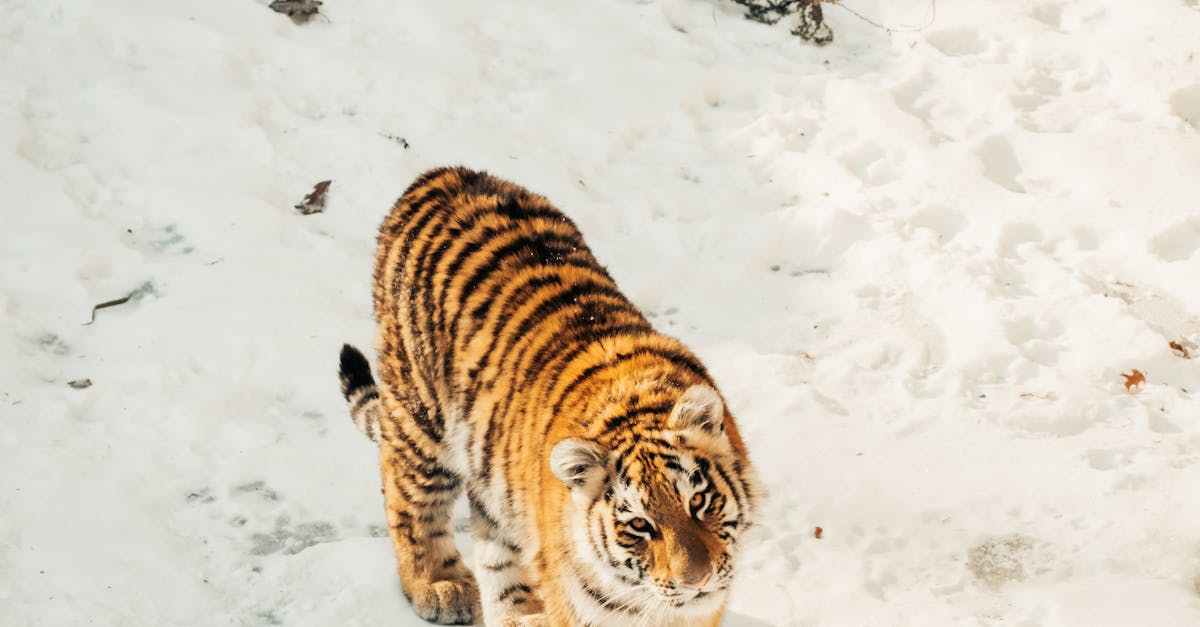
  • Amur Tiger Roadkill Crisis: A recent study in Oryx reveals a concerning increase in Amur tiger roadkill incidents in the Russian Far East, threatening their long-term survival.

  • Significant Increase in Fatalities: Roadkill incidents have surged, with 46% of the total collisions between 1980 and 2023 occurring from 2020-2023.

  • Vulnerable Demographics: Primarily adult tigers are affected, also subadults and cubs have been involved in collisions. Winter, twilight, and night time are the riskiest times.

  • Habitat and Human Impact: Road expansion into tiger habitats, increasing traffic, and a lack of wildlife crossings contribute to the problem. Roads grant poachers access and fragment territories.

  • Prey Scarcity and Road Proximity: Declines in wild boar, a primary food source, have forced tigers closer to roads, increasing collision risks, especially in winter.

  • Critical Need for Mitigation: The research calls for wildlife-friendly road designs, including crossings, tunnels, and fences, alongside stricter traffic law enforcement and habitat protection.

  • Endangered Status: The Amur tiger is currently classified as “Endangered” on the IUCN Red List, with an estimated population of 265–486 (2022) in Russia.

Amur Tigers


Daily Current Affairs and News Analysis 29-03-2025

Abortion Access in India: Barriers

  • Supreme Court’s denial of late-term abortions reignites debate: The court’s refusal to allow abortions in borderline foetal viability cases (24-30 weeks) highlights ongoing challenges to reproductive rights.

  • Legal barriers persist despite reforms: While the MTP Act, 1971 (amended in 2021), allows abortions under certain conditions, access remains limited due to procedural hurdles and ethical dilemmas. Abortion is conditional, not on demand.

  • Foetal viability is a contentious issue: The lack of a clear definition of foetal viability leads to legal and ethical arguments, particularly in borderline cases. Advances in neonatal care further complicate the issue.

  • Medical board delays and lack of standardized protocols: Case-by-case decisions by medical boards cause delays, and subjective ethical considerations often outweigh clinical evidence.

  • Shortage of specialists and infrastructure: Rural areas lack access to gynecologists and obstetricians, and neonatal intensive care units (NICUs) are scarce, hindering access to safe abortions.

  • Legal fear and stigma: Healthcare providers fear legal repercussions, particularly in complex cases. Women face stigma and judgment, especially unmarried women, minors, and widows.

  • Mandatory pregnancy registration violates confidentiality: Policies like mandatory pregnancy registration compromise women’s privacy and may drive them towards unsafe abortions.

  • Doctors’ ethical concerns: Many healthcare providers express ethical concerns about performing abortions, particularly late-term ones, impacting access.

  • Courts prioritize foetal life over mother’s well-being: Some court decisions prioritize the foetal right to life, even when the mother’s mental and physical health is at risk.

  • Potential solutions: Shifting to a rights-based framework, enhancing privacy protections, increasing access to MTP pills, expanding the provider base, improving rural healthcare, and improving sex education are crucial steps to improve access to abortion care.


India’s Abortion Access Hurdles

  • The Supreme Court’s denial of late-term abortions in borderline foetal viability cases (24-30 weeks) reignited the debate over reproductive rights.
  • Legal reforms, ethical dilemmas, and procedural delays hinder timely abortion access.
  • The Medical Termination of Pregnancy (MTP) Act, 2021, allows abortions up to 20 weeks with one doctor’s approval, 20-24 weeks with two, and beyond 24 weeks with medical board approval based on specific conditions.
  • State-mandated pregnancy registration compromises confidentiality, increasing stigma and driving unsafe abortions.
  • Abortion is conditional in India, unlike jurisdictions with guaranteed reproductive autonomy.
  • Foetal viability is medically and ethically uncertain, often leading to legal arguments prioritizing foetal over maternal health.
  • Medical boards lack standardized protocols, leading to delays.
  • Specialist shortages in rural areas hinder access to abortion care.
  • Legal fears and stigma discourage healthcare providers from performing abortions.
  • Doctors often face legal liability, particularly in complex cases.
  • Unmarried women, minors, and widows face greater scrutiny.
  • Abortion is viewed as a last resort by many women.
  • Late-term abortions are often linked to cases of assault and health risks for mothers.
  • Courts may prioritize foetal life over maternal well-being in late-term cases.
  • Medical advancements may raise questions about the 24-week limit.
  • Improving sex education and access to MTP pills, along with shifting the approach from permission-based to rights-based frameworks, could enhance access.

Genome Archive

  • Second National Gene Bank: The Indian government announced the establishment of a second National Gene Bank.
  • Purpose: To conserve 10 lakh crop germplasm (genetic material) for future food and nutritional security.
  • Initiative: Part of the “Investing in Innovations” theme from the Union Budget 2025-26.
  • What a Gene Bank Is: A storage facility that preserves seeds, pollen, and plant tissues to protect plant species from extinction and ensure their availability for future use.
  • Benefits: Supports crop breeding, scientific research, biodiversity conservation, climate resilience, and food security.
  • Current Status: The existing National Gene Bank (at ICAR-NBPGR, New Delhi) is the second-largest globally, housing 4,71,561 accessions of 2,157 species.
  • Impact: Strengthens India’s leadership in global biodiversity conservation by increasing capacity to conserve genetic resources.
  • Availability: Plant genetic resources are available for both public and private sector agencies involved in crop improvement and management of genetic resources.
  • Objective: Conservation, evaluation, and utilization of plant genetic resources for sustainable agriculture and food security.
  • Governance: Apex Institution under the Indian Council of Agricultural Research (ICAR).
  • Legal Framework: Established under Section 45 of the Protection of Plant Varieties and Farmers’ Rights Act, 2001 (PPVFR Act). This ensures fair distribution of benefits derived from genetic resources, supports conservation efforts and promotes sustainable farming practices, and provides financial incentives to farmers and institutions engaged in biodiversity conservation.

Scarborough Shoal

  • China’s Bomber Deployment: China deployed two H-6 long-range bombers around Scarborough Shoal. This was revealed by satellite images obtained by Reuters.

  • Timing: The deployment occurred shortly before the U.S. Defense Secretary’s visit to the Philippines.

  • Location: Scarborough Shoal is in the eastern South China Sea, located 220 kilometers west of the Philippines’ Luzon Island.

  • Disputed Territory: Both China and the Philippines claim the atoll. China has de facto control since 2012, maintaining a coast guard presence.

  • Philippine Claim: The Philippines claims the shoal based on its proximity to the country and its inclusion within its 200-nautical mile exclusive economic zone (EEZ).

  • China’s Claim: China, which calls it Huangyan Island, claims the area historically, citing ownership since the Yuan Dynasty.

  • Importance: The deep waters around the shoal are rich in marine life, making it a productive fishing area.

  • Strategic Significance: Regional analysts believe the deployment is a signal of China’s military capabilities, potentially meant as a deterrent.

  • U.S. Response: The U.S. Defense Secretary reaffirmed the U.S.’s commitment to its mutual defense treaty with the Philippines.


Prachand Prahaar Exercise

  • Tri-service, multi-domain warfare exercise: Exercise Prachand Prahaar integrated the Indian Army, Navy, and Air Force in a simulated modern battlefield scenario.

  • Location and Timing: Conducted in Arunachal Pradesh’s high-altitude terrain from March 25-27, 2025.

  • Focus: Validating an integrated approach to surveillance, command and control, and precision firepower. This builds upon the November 2024 Exercise Poorvi Prahar, which focused on aviation asset integration.

  • Advanced Platforms Used: Employed long-range reconnaissance aircraft, UAVs, armed helicopters, space-based assets, fighter jets, rocket systems, 155 mm artillery, swarm drones, kamikaze drones, and loitering munitions.

  • Simulated Warfare: Exercise involved identifying and neutralizing simulated targets through coordinated strikes in an electronically contested environment.

  • Operational Readiness: The exercise aimed to enhance operational readiness and inter-service integration, showcasing seamless integration of surveillance and strike capabilities.

  • Significance: Underscores India’s increasing emphasis on jointness, technological superiority, and preparedness for multi-domain threats, particularly along the India-China border. It demonstrates the military’s capacity for complex, coordinated operations in challenging terrain.


CBI Reform Needed

  • CBI Reform Need: A Parliamentary committee recommends significant reforms for the CBI, citing the need for greater autonomy and improved functioning.

  • Independent Recruitment: The committee proposes an independent recruitment framework for CBI personnel, potentially using SSC, UPSC, or a dedicated body, to establish a permanent cadre. It also suggests reducing reliance on external specialists by developing in-house expertise teams.

  • Lateral Entry: Allowing lateral entry for specialists in cybercrime, forensics, financial fraud, and legal fields is another key recommendation to bolster CBI’s capabilities.

  • Separate Law for CBI: The committee urges a separate law to grant CBI wider investigative powers, especially in national security and integrity cases, without needing state government consent. This is crucial, as eight states have withdrawn general consent for CBI investigations.

  • Current Legal Hurdle: Currently, the CBI requires state consent to investigate cases under the Delhi Special Police Establishment (DSPE) Act, 1946, unless exceptions apply, such as Supreme Court or High Court orders.

  • Impact of State Consent Withdrawal: The withdrawal of general consent restricts CBI’s ability to investigate corruption and organized crime cases in affected states.

CBI Reform Needed


Celiac Disease

  • What it is: Celiac disease is an inherited autoimmune disorder where the immune system reacts to gluten.

    • Why it matters: It explains the fundamental nature of the disease.
  • Cause: Consuming gluten (found in wheat, barley, and rye) triggers an immune response that damages the small intestine. This leads to malabsorption (the intestine’s failure to absorb nutrients).

    • Why it matters: This highlights the trigger (gluten) and the resulting damage, which is central to understanding the disease.
  • Symptoms: Can include diarrhea, fatigue, weight loss, bloating, and anemia. In children, it can also affect growth and development.

    • Why it matters: It emphasizes the impact on patient well-being and the varied ways the disease can manifest.
  • Risk Factors: Individuals with a first-degree relative with celiac disease have a higher risk. It can develop at any age after gluten consumption begins. It affects approximately 1 in 100 people worldwide.

    • Why it matters: Understanding who is at risk is important for early detection and prevention.
  • Complications: If untreated or unmanaged, celiac disease can lead to serious complications.

    • Why it matters: This highlights the importance of early diagnosis and treatment.
  • Treatment: The primary treatment is a strict gluten-free diet, which helps manage symptoms and heal the intestines.

    • Why it matters: This is the essential management strategy for people with celiac disease, and highlights the need for a major lifestyle change for management.

Greenland

  • Strategic Location: Greenland’s location in the North Atlantic, between North America and Europe, gives it significant strategic importance, particularly for missile defense systems. Pituffik Space Base is crucial for the US ballistic missile warning system.

  • US Interest & Acquisition Attempts: Former President Trump has repeatedly expressed interest in the US controlling Greenland, even attempting to purchase it in 2019 and reaffirming this desire recently.

  • Danish Sovereignty & Greenlandic Autonomy: Greenland is an autonomous territory of Denmark, with foreign policy, defense, and monetary matters under Denmark’s control. Greenland gained self-governing status in 2009.

  • Natural Resources: Greenland possesses valuable natural resources, including minerals (particularly rare earth elements), oil, and natural gas, vital for US economic and technological interests. Most mining companies currently operating are not American.

  • Political Tensions: The recent US delegation’s visit, led by JD Vance, sparked criticism from Greenland’s new Prime Minister Jens-Frederik Nielsen, who called it a “lack of respect” and urged political unity. Denmark’s King Frederik has reaffirmed his support for Greenland.

  • Dog-Sled Race Controversy: The initial plans for the US delegation’s visit included a visit by Vance’s wife to a dog-sled race, which was met with public outrage, forcing the delegation to limit its visit to the military base.

  • US-Greenland Relations: The US has access to the Pituffik base under a 1951 agreement, which requires prior notification to Greenland and Denmark.

  • Economic Potential & Development: Greenland is known for its rich deposits of minerals, oil, and natural gas, but development has been slow.


BIMSTEC: Regional Cooperation

  • What is BIMSTEC: A regional organization connecting South Asia and Southeast Asia, fostering economic and technical cooperation among Bangladesh, India, Myanmar, Sri Lanka, Thailand, Nepal, and Bhutan.
  • Key Purpose: Promotes economic growth, trade, technology, energy, security, and connectivity within the region. Acts as an alternative to SAARC.
  • India’s Role: Actively involved in strengthening regional cooperation, particularly in security, trade, investment, connectivity, and people-to-people ties. It has been the key proponent of BIMSTEC Free Trade Agreement.
  • Current Initiatives: Focused on trade, security, maritime cooperation, and climate action. Supports stronger physical and digital connectivity.
  • PM Modi’s Visits: Upcoming meetings with the Thai PM to review cooperation. He will also be attending the 6th BIMSTEC Summit. He will be visiting Sri Lanka to review progress made on the areas of cooperation agreed upon in the “joint vision”.
  • India’s Policies: The visit affirms India’s commitment to ‘Neighbourhood First,’ ‘Act East,’ and MAHASAGAR visions, further enhancing ties within the BIMSTEC framework and the Indo-Pacific region.
  • Establishment: Established in 1997 via the Bangkok Declaration.
  • Key Sectors of Cooperation: Focuses on 14 key sectors, including trade, connectivity, energy, counterterrorism, climate change, and technology.

TechTex Mission

  • The National Technical Textiles Mission (NTTM) celebrated its 5th year in 2025. Launched in 2020, it aims to make India a global leader in technical textiles.

  • A ₹1480 crore budget was allocated for the mission (2020-21 to 2025-26).

  • NTTM’s four key components are: Research & Development (funding 168 projects totaling ₹509 crore), Market Development (promoting domestic and international adoption), Export Promotion (creating export strategies and councils), and Education & Skill Development (training 50,000 individuals).

  • The mission supports innovation through initiatives like the Grant for Internship Support for Technical Textiles (GIST 2.0) and the Grant for Research & Entrepreneurship across Aspiring Innovators in Technical Textiles (GREAT) Scheme.

  • Success stories include the launch of India’s first bonded leak-proof period underwear and increased state-level support for technical textiles growth.

  • NTTM is contributing to India’s overall textile industry growth, which is projected to reach US$350 billion by 2030 and create 35 million jobs.

  • The news is significant because it highlights the progress of a key government initiative aimed at boosting a high-growth sector, driving economic development, and creating jobs. The five-year milestone provides an opportunity to assess the mission’s achievements and future direction.


SDG: Progress & Hurdles

  • India’s SDG index improved significantly from 57 (2018) to 71 (2023-24), rising to 109th out of 166 countries.
  • States also showed improvement, with an average five-unit increase in the composite index. Kerala and Uttarakhand led with scores above 80 in eight goals.
  • Notable progress includes reduced maternal mortality, increased higher education Gross Enrolment Ratio, improved access to drinking water, and expanded renewable energy capacity.
  • However, over nine states regressed in areas like poverty, gender equality, inequality, and strong institutions.
  • Challenges remain, including war and political instability impacting food security and basic services, economic disparities hindering sustainable development, and governmental prioritization of short-term gains over long-term sustainability.
  • Poverty and inequality persist, hindering progress on several goals. Global economic crises further exacerbate these issues.
  • Solutions involve conflict resolution, increased financial aid from developed nations, country-specific strategies focusing on urgent goals, and multi-stakeholder collaboration including ESG reporting and technological advancements. The localization of SDG implementation has fostered competition among states and districts.

Prachand Prahaar

  • Exercise Prachand Prahaar: The Indian Army conducted a tri-service integrated multi-domain warfare exercise in Arunachal Pradesh from March 25-27, 2025.

  • Focus: Validating a fully integrated approach to surveillance, command and control, and precision firepower across the Army, Navy, and Air Force.

  • Simulations: Simulated targets were neutralized through coordinated strikes using advanced platforms (long-range reconnaissance aircraft, UAVs, armed helicopters, space-based assets) and various weapons (fighter aircraft, rocket systems, artillery, kamikaze drones, swarm drones) in an electronically contested environment.

  • Integration: The exercise aimed to enhance operational readiness and integration of the three services, building on the previous “Exercise Poorvi Prahar” (Nov 2024) focused on aviation assets.

  • Platforms: Cutting-edge platforms like long-range maritime reconnaissance aircraft, armed helicopters, UAVs, and loitering munitions were employed for total situational awareness.

  • Significance: The exercise highlights India’s emphasis on jointness, technological superiority, and readiness to face multi-domain threats.


Earthquakes

  • Major Earthquake in Myanmar: A 7.7-magnitude earthquake struck central Myanmar on March 29, 2025, causing significant destruction in Mandalay and claiming at least 144 lives. The quake was the strongest globally in two years.
  • Cause of Earthquakes: Earthquakes result from the sudden release of energy caused by the movement of tectonic plates, specifically when they slip past each other along faults.
  • Fault Types and Locations: The Myanmar quake occurred due to strike-slip faulting between the Indian and Eurasian plates on the Sagaing Fault, a north-south trending fault running through central Myanmar. This fault is known for its high seismic activity.
  • Tectonic Setting: Myanmar is at the junction of the Indian, Eurasian, and Burma plates, making it highly prone to seismic activity.
  • Earthquake Basics: Earthquakes originate at the focus (hypocentre) and the point on the surface directly above this is the epicentre.
  • Impact and Intensity: The earthquake’s epicentre was near Mandalay. The quake was shallow, which can intensify the impact on the surface, causing significant damage.
  • Historical Context: Myanmar frequently experiences earthquakes. Since 1900, there have been at least six quakes greater than magnitude 7 near the Sagaing Fault. A large earthquake in 1839, estimated at magnitude 8.3, serves as a historical analogue.

Perm Sub

  • Type: Project 885M Yasen-class nuclear-powered attack submarine (fourth generation).

  • Key Feature: The first Russian nuclear submarine to be equipped with the 3M22 Zircon hypersonic cruise missile as a standard feature.

  • Deployment: Scheduled to enter service with the Russian Navy in 2026.

  • Power Source: Pressurized water-cooled nuclear reactor generating 200 megawatts.

  • Performance: Capable of underwater speeds up to 31 knots and surface speeds of 16 knots.

  • Stealth: Designed for reduced acoustic signature through a 25-30 year core life and natural coolant circulation, eliminating mid-life refueling.

  • Operational Capabilities: Can dive to a maximum depth of 600 meters, remain submerged for up to 100 days.

  • Dimensions: 130 meters long, 13 meters wide, and a draft of 9.4 meters, with a crew of 64.


India’s Food Subsidies: A Rethink

  • Rising Incomes and Reduced Poverty: The Household Consumption Expenditure Survey (HCES) 2023-24 shows significant income increases and poverty reduction, questioning the need for the current scale of food subsidies. Poverty is estimated at 4-4.5% (SBI) or 8.7% (World Bank), far lower than the 21.9% in 2011-12 when the NFSA was implemented.

  • NFSA Coverage Exceeds Need: The NFSA covers 81 crore people, significantly exceeding the number of people currently in poverty. This suggests many beneficiaries may no longer require subsidized food.

  • High Cost of NFSA: The NFSA’s annual cost of ₹2 lakh crore represents a significant opportunity cost. These funds could be redirected to other crucial sectors like employment generation.

  • Need for Reassessment: Data from HCES 2023-24 necessitates a reassessment of the NFSA’s beneficiary coverage and subsidy levels to ensure efficiency and equity.

  • Proposed Solutions: Recommendations include data-driven targeting of subsidies, a gradual shift to Direct Benefit Transfers (DBTs) for non-poor households, and a focus on nutritional security rather than just food quantity. Exploring options like a Universal Basic Income (UBI) is also suggested to address broader socio-economic needs.

  • Technological Improvements: Using Aadhaar-linked databases and AI-based monitoring can improve transparency and prevent leakages within the food subsidy system.


SDG Progress Check

  • India’s SDG Index Improves: India’s SDG index improved from 57 in 2018 to 71 in 2023-24, ranking 109th out of 166 countries.
  • State-Level Progress: States show an average improvement of five units in the composite SDG index over the last three years. Some states experienced increases of up to eight units.
  • Kerala & Uttarakhand Lead: Kerala and Uttarakhand lead with scores above 80, achieving high performance on multiple SDGs.
  • Declines in Some States: Over nine states experienced declines in goals like No Poverty, Gender Equality, Reduced Inequality, and Strong Institutions.
  • Specific SDG Progress:
    • SDG-3 (Health): Maternal Mortality Ratio decreased.
    • SDG-4 (Education): Gross Enrolment Ratio in higher education increased.
    • SDG-6 (Water): Access to improved water sources increased significantly in both rural and urban areas.
    • SDG-7 (Affordable and Clean Energy): India’s renewable energy capacity expanded.
  • State-Specific SDG Budgets: States like Haryana, Odisha, and Meghalaya now have SDG-specific budgets.
  • Global SDG Funding Gap: Developing nations need USD 4 trillion annually to achieve SDGs.
  • Challenges to SDG Implementation:
    • War & Political Instability: Conflicts hinder progress, impacting basic needs like food, healthcare, and education.
    • Economic Disparities: Developing nations’ economic dependence on resource extraction clashes with climate goals.
    • Governmental Priorities: Some governments prioritize short-term gains over sustainability.
    • Poverty & Inequality: Persistent poverty and hunger remain significant barriers.
    • Global Economic Crises: Events like the COVID-19 pandemic and economic downturns reverse SDG progress.

Solar Probe’s Journey

  • NASA’s Parker Solar Probe completed its second close flyby of the sun.
  • The probe swooped within 6.1 million kilometers of the sun’s surface at 692,000 kilometers per hour.
  • Parker Solar Probe is a groundbreaking mission to study the sun, venturing closer than any previous spacecraft.
  • Launched in 2018, it aims to map the corona and solar wind, understand particle acceleration, and unravel solar activity mysteries (like coronal heating).
  • Utilizing gravity assists from Venus, the probe’s orbit brings it closer to the sun, a record for human-made objects.
  • Its speed at close approaches makes it the fastest human-made object, enabling it to gather data efficiently from the sun’s corona.

IAEA Supports India’s NSG Entry

  • The IAEA supports India’s NSG bid, a crucial multilateral export control regime (MECR).

  • IAEA’s backing strengthens India’s chances of joining the NSG, despite past roadblocks, primarily from China.

  • MECRs are voluntary frameworks preventing the proliferation of WMDs and restricting sensitive technology transfers.

  • India is already a member of three other MECRs (Australia Group, MTCR, Wassenaar Arrangement).

  • India’s NSG membership is seen as logical given its active civil nuclear industry and participation in other MECRs.

  • The IAEA director general Rafael Grossi highlights the need for India’s inclusion in the NSG to avoid marginalizing a major global player in the nuclear industry.

  • China’s past opposition to India’s NSG bid, partly driven by concerns about Pakistan, is mentioned as a significant hurdle.

  • The current geopolitical climate, marked by the war in Ukraine and increased discussion of nuclear weapons, underscores the importance of non-proliferation efforts and the role of the IAEA.

  • India’s constructive diplomatic role in calming tensions, particularly concerning the Ukraine conflict, is praised by the IAEA director general.

IAEA Supports India's NSG Entry


IAEA Supports India’s NSG Bid

  • IAEA backs India’s NSG bid via Multilateral Export Control Regimes (MECR).
  • MECRs are voluntary frameworks preventing WMD proliferation and restricting sensitive tech transfers. India is in 3 of 4.
  • IAEA has been actively involved in Ukraine conflict, offering technical advice and monitoring.
  • IAEA concerned about nuclear escalation and erosion of non-proliferation.
  • IAEA believes more nuclear powers would increase fragility of international system.
  • India has played a constructive role in diplomacy, emphasizing calm and restraint.
  • IAEA Director General recognizes India’s importance in global nuclear industry and believes NSG membership is logical.
  • IAEA’s previous work on NSG membership was close to success before external factors impacted the outcome.
  • IAEA recognizes regional sensitivities but emphasizes responsible action from all nations.

Tadoba Tiger Reserve

  • Location: Chandrapur district, Maharashtra.
  • Significance: Maharashtra’s largest and oldest Tiger Reserve.
  • Name Origin: Named after the god “Tadoba” or “Taru,” and the Andhari River.
  • Area: Total area of 625.4 sq. km, including Tadoba National Park (116.55 sq. km) and Andhari Wildlife Sanctuary (508.85 sq. km).
  • Connectivity: Has corridor linkages with Nagzira-Navegaon and Pench Tiger Reserves.
  • Habitat: Part of the Central Plateau province (Deccan Peninsula), with undulating topography and rich biodiversity.
  • Vegetation: Southern Tropical Dry Deciduous forests.
  • Water Bodies: Includes Tadoba Lake, Kolsa Lake, and the Tadoba River.
  • Flora: Teak trees, crocodile bark, salai, tendu, karaya gum, mahua madhuca, grass, and bamboo shrubberies.
  • Fauna: Notable animals include tiger, leopard, sloth bear, wild dog, gaur, chital, and sambar. Also hosts 280 bird species, 54 reptile species, 11 amphibian species, and 84 fish species.
  • Recent Developments: Introduced new tourist-friendly reforms like fast-track safari entry, relaxed rules for late-night arrivals, and improved full-day safaris.

Biodiversity Havens

  • Tamil Nadu declares Kasampatty (Veera Kovil) sacred grove as a Biodiversity Heritage Site (BHS), the second in the state.

  • The grove is revered by local communities who worship Veeranan.

  • It plays a crucial role in climate regulation and biodiversity conservation.

  • BHS are defined areas (terrestrial, coastal, etc.) meeting criteria like: species richness, endemism, evolutionary significance, cultural value, and ecological fragility.

  • The concept aims to enhance conservation, not restrict traditional practices, and empower local communities.

  • BHS are notified by state governments under the Biological Diversity Act, 2002, Section 37.

  • Examples of other BHS in India include the Nallur Tamarind Grove (Karnataka), Gundia Region (Karnataka), Majuli Island (Assam), and Glory of Allapalli (Maharashtra).

  • Arittapatti (Tamil Nadu) was previously notified in 2022.


CBI: Urgent Reforms

  • The Department-related Parliamentary Standing Committee on Personnel, Public Grievances, Law and Justice recommended significant CBI reforms in its 145th report. This is newsworthy because it addresses long-standing concerns about the agency’s effectiveness and independence.

  • Key recommendations include establishing an independent recruitment framework for a permanent CBI cadre, possibly through the SSC or UPSC, to reduce reliance on external specialists and deputation.

  • Lateral entry for specialists in areas like cybercrime and forensics is proposed to build in-house expertise.

  • The committee advocates for a separate CBI law granting wider investigative powers, especially in national security cases, overriding the need for state consent. Eight states have withdrawn general consent, hampering CBI investigations.

  • Currently, the CBI’s power is limited by Section 6 of the Delhi Special Police Establishment (DSPE) Act, 1946, requiring state consent for investigations within their jurisdiction unless directed by a court or with pre-granted general consent.

  • The reforms aim to enhance the CBI’s autonomy, efficiency, and effectiveness in tackling corruption and crime, addressing concerns about its dependence on state governments and external experts.


Eco-Grab

  • Green grabbing accusations: A solar power project funded by the Asian Development Bank (ADB) in Assam is facing protests for allegedly diverting 18,000 bighas of tribal land, violating the rights of local communities.

  • Constitutional concerns: The project clashes with the Sixth Schedule of the Indian constitution, which grants autonomy to tribal areas and prohibits land allotment without tribal consent.

  • Lack of free, informed consent: Local protestors argue that the project violates principles of free and informed consent, a global standard.

  • Environmental impact: The project’s impact on ecologically sensitive lands and local livelihoods is questioned. Local farmers rely heavily on paddy, sesame, maize, and other crops for sustenance and market. Plantations of lemongrass, rubber, and bamboo are also present.

  • Displacement concerns: The project’s resettlement plans affect 38 homes, displacing 1,277 families and potentially disrupting local economies.

  • ADB’s role: ADB is funding a significant portion of the project, which has been criticized for not fully considering the rights of local communities.

  • Private-public partnership model: The project utilizes a private-public partnership model, with significant funding from ADB and private investors.

  • Climate change mitigation: ADB argues the project aligns with India’s climate mitigation policies, but protestors counter that it prioritizes profit over community rights.


CBI: Parliament Review

  • Eight states (Kerala, Punjab, Jharkhand, West Bengal, Telangana, Meghalaya, Karnataka, and Tamil Nadu) have withdrawn general consent for CBI investigations. This significantly hinders the CBI’s ability to investigate corruption and organized crime.

  • A Parliamentary committee recommends a new law granting the CBI broader investigative powers, negating the need for state government consent in cases affecting national security and integrity. This is in response to the consent withdrawals.

  • The committee’s suggestion is to bypass Section 6 of the Delhi Special Police Establishment (DSPE) Act, which currently requires state permission for CBI investigations within their jurisdictions (excluding Supreme Court/High Court orders).

  • The committee also urged the Department of Personnel and Training (DoPT) to implement lateral entry into the CBI to address a shortage of suitable officers from state police forces. This shortage is impacting the agency’s operational efficiency.

  • The CBI, India’s premier investigative agency, operates under the DoPT and is currently constrained by the need for state-level consent in most cases. The new law proposal seeks to address this limitation, particularly in matters of national importance.


Silvaguard Drone

  • AI-powered wildfire detection: The Silvaguard drone uses AI to improve early detection, location, and monitoring of wildfires. This is crucial for minimizing damage and response time.

  • Developed by Dryad Networks: The drone is a product of Dryad Networks, an environmental IoT startup. This indicates a focus on innovative solutions for environmental challenges.

  • Complements Existing System: Silvaguard works with Dryad’s existing fire detection system, Silvanet. The integration ensures a comprehensive approach to wildfire management.

  • Detailed Imaging: The drone captures infrared images and provides other information, allowing for a more thorough analysis of the fire’s status. The infrared images provide firefighters with critical details.

  • Real-time Information for Firefighters: The system transmits geographic coordinates, video, and infrared images directly to firefighters. This facilitates more effective and efficient firefighting efforts.

  • Enhanced Firefighting Efficiency: The system aims to provide firefighters with precise fire locations and statuses in real-time. This is important for better resource allocation and quicker responses.


India’s Food Subsidies: Revisited

  • Household incomes and poverty have risen significantly: Recent surveys show increased monthly per capita consumption expenditure (MPCE) in both rural and urban areas, along with a substantial decline in poverty rates.

  • NFSA beneficiary coverage exceeds current need: The National Food Security Act (NFSA) provides subsidies to 81 crore people, but poverty levels have fallen to around 10%, suggesting many beneficiaries may no longer require support.

  • Significant government expenditure on NFSA: The annual cost of the NFSA is ₹2 lakh crore, which could be reallocated to other sectors like employment generation and infrastructure development.

  • Data from HCES 2023-24 highlights need for reassessment: Increased incomes and reduced poverty mean the 2013 NFSA data, based on 2011-12 figures, is outdated and needs review.

  • Poverty is substantially lower than 2013 levels: Various studies (SBI, World Bank) show that poverty rates today are much lower than when the NFSA was implemented. The National Multidimensional Poverty Index (MPI) supports this view.

  • NFSA should be revised to better target subsidies: The author suggests focusing on those most vulnerable, possibly those at risk of falling back into poverty, instead of covering a large portion of the population. This would help improve the program’s efficiency.

  • Technological tools can enhance targeting: Using Aadhaar and other data can help better identify and verify beneficiaries, minimizing leakages and ensuring that support reaches those in need.

  • Shifting towards nutritional security is critical: The article recommends focusing on providing nutritious food, beyond just subsidised grains, to address issues like malnutrition and micronutrient deficiencies.

  • Implementing a phased plan for reforms is essential: A gradual transition of Priority Households to Direct Benefit Transfer (DBT) and a reduction in foodgrain subsidies for non-poor households is advisable.


Teesta River

  • Chinese Involvement in Teesta Project: Bangladesh has welcomed China’s participation in the Teesta River Comprehensive Management and Restoration Project.
  • Geographical Significance: The Teesta is a crucial transboundary river for India and Bangladesh, originating in Sikkim, India, and flowing into Bangladesh, where it joins the Brahmaputra. It is a vital water resource for both nations.
  • Project Details: The project aims to manage and restore the Teesta River.
  • Bilateral Agreements: Bangladesh and China signed an agreement on the exchange of hydrological information on the Yarlung Zangbo-Jamuna (Brahmaputra) and agreed to begin discussions for a Free Trade Agreement.
  • Historical context:Historically, the Teesta was a major tributary of the Ganges River
  • Key Infrastructure: The river hosts several hydroelectric projects and barrages in both India and Bangladesh, crucial for irrigation and power generation. These include dams like Teesta-V and Teesta-III in India, and barrages like Duani Barrage in Bangladesh.
  • Other outcomes of Bangladesh-China meeting: Both sides also agreed to promote Belt and Road cooperation, strengthen industrial and supply chains, and work towards modernization.
  • China’s Stance: China supports Bangladesh’s independence and development path and will support the repatriation of Rohingya refugees.
  • 50th Anniversary: The visit takes place on the 50th anniversary of diplomatic relations between Bangladesh and China, with both sides pledging to deepen cultural and economic ties.

Daily Current Affairs and News Analysis 28-03-2025

India’s Deep Sea

  • India’s Recent Advancement: India completed wet testing of the Matsya-6000 submersible, capable of diving to 6 km, marking a significant step in its deep-sea capabilities.

  • Economic Potential: The ocean holds vast resources, including minerals, hydrocarbons, and biodiversity, which are crucial for India’s energy security, blue economy, and strategic resources like rare earth elements.

  • Strategic and Security Imperatives: Developing Underwater Domain Awareness (UDA) is critical to monitor activities, secure maritime interests, and counter potential threats like undersea cable disruptions.

  • Undersea Infrastructure: Laying and maintaining undersea cables is essential for digital connectivity and economic transactions, as they carry most of the global internet traffic. Infrastructure for resource exploitation, like pipelines and mining equipment, is also needed.

  • Challenges: Deep-sea exploration faces challenges like extreme pressure, the need for advanced technology, and high costs. Dependence on foreign technology and the limited human capital and research base are hindrances.

  • Way Forward: India needs institutional and policy reforms, including upgrading the Department of Ocean Development, establishing a dedicated policy framework, and a National Deep-Sea Research Institute.

  • Technological Advancements: Developing advanced hydrographic research tools, deep-sea sensors, and security systems is vital.

  • Strategic Collaboration and Investments: Public-Private Partnerships (PPP) and international cooperation are essential for technology exchange and overall growth.

  • Need for Investment & Expertise: Developing deep sea tech requires financial strength, academic capabilities, and highly skilled human capital.

  • Dual-Use Technologies: Deep-sea technologies have potential military applications that need consideration.


USCIRF

  • USCIRF’s Recommendation: The US Commission on International Religious Freedom (USCIRF) recommended targeted sanctions against India’s R&AW (Research and Analysis Wing) due to alleged involvement in assassination plots targeting Sikh separatists.

  • USCIRF’s Role: USCIRF is a U.S. federal government commission established by the International Religious Freedom Act of 1998. Its primary function is to review international religious freedom violations and make policy recommendations.

  • Monitoring and Reporting: USCIRF uses international standards to monitor religious freedom globally. It issues an annual report that assesses the U.S. government’s implementation of the IRFA, identifies “Countries of Particular Concern” (CPC) with severe religious freedom violations, documents conditions, and offers policy recommendations.

  • Concerns about India: USCIRF’s recent report alleges deteriorating treatment of minorities in India, echoing similar concerns raised in US State Department reports on human rights and religious freedom.

  • Basis of Work: Article 18 of the Universal Declaration of Human Rights affirms everyone’s right to freedom of thought, conscience, and religion.

  • Composition: USCIRF’s nine commissioners are appointed by the President or Congressional leaders of each political party, supported by a nonpartisan staff.


Judicial Appointment Reform

  • Judicial Appointment Reform Needed: Recent events, like cash discoveries at a Delhi High Court judge’s residence, highlight the need for reforms in the judicial appointment system.
  • Collegium System Flaws: The current collegium system, which relies on Supreme Court judges, lacks transparency, accountability, and defined criteria for appointments, risking favoritism and nepotism (“Uncle Judge Syndrome”).
  • Collegium System Weaknesses: Lack of executive involvement, opaque decision-making, and potential for delays in appointments are significant concerns. Diversity in appointments, particularly for women and marginalized communities, is also insufficient.
  • National Judicial Appointments Commission (NJAC): Proposed as a replacement for the collegium, NJAC aimed for a more transparent, accountable system, involving the executive (Law Minister) and civil society members.
  • NJAC’s Fate: The NJAC was struck down by the Supreme Court in 2015 due to concerns about diluting judicial independence and potentially interfering with its basic structure, specifically concerning the veto power given to non-judicial members.
  • All India Judicial Service (AIJS): Another proposed reform, AIJS, seeks a standardized recruitment process for district judges to enhance efficiency and quality in the lower judiciary.
  • Systemic Issues: The existing system of judicial appointment struggles with balancing executive input with judicial independence, potentially hindering the principle of checks and balances.
  • Historical Context: The executive’s involvement in judicial appointments has been a recurring issue, from the Emergency era to more recent debates over NJAC.
  • Supreme Court’s Role: The Supreme Court’s evolution of the collegium system was a response to past executive interventions and aimed to uphold judicial independence.

Channa nachi: The Dancer

  • Discovery: A new species of snakehead fish, named Channa nachi, has been discovered.
  • Location: The fish was found in a shallow, slow-flowing stream near Chokpot village, Meghalaya, that feeds into the Simsang River.
  • Habitat: Channa nachi thrives in streams with a substrate of sand, leaf litter, and pebbles. This environment supports lesser-known aquatic species.
  • Distinctive Appearance: It is a medium-sized snakehead species with a striking bicolor body, featuring a creamish-yellow to greyish-blue coloration, pale-blue marbling on its ventral area, and 10–12 pale brown saddles on the dorsal half, lacking transverse markings on the caudal fin.

Kirinyaga

  • Mount Kenya’s Glaciers Melting: Climate change is rapidly causing glaciers on Mount Kenya to shrink, with predictions that it could become ice-free by 2030.

  • Significant Ice Loss: The Lewis Glacier has lost a substantial portion of its volume; a 2011 study showed a 90% reduction between 1934 and 2010, and a 2023 study found only 4.2% of the ice observed in 1900 remains.

  • Location and Significance: Located in central Kenya, just south of the Equator. It is a UNESCO World Heritage Site, recognized for its ecological and cultural importance.

  • Mount Kenya’s Elevation and Type: Its highest peak is Batian at 5,199 meters. It is an extinct stratovolcano.

  • Threat to RTI Act: A proposed change to the Right to Information (RTI) Act, through Section 44(3) of the Digital Personal Data Protection (DPDP) Act, is facing opposition.

  • RTI Act Changes: The proposed change aims to narrow the scope of information disclosure under the RTI Act by broadly exempting “personal information.”

  • Concerns over Impact: Activists fear that the change will reduce public access to information, potentially hindering transparency and accountability. They believe that personal information of public servants, relevant to public interest, could be withheld.

Kirinyaga


Gaia Mission

  • GAIA Mission Shutdown: The European Space Agency (ESA) has shut down its Gaia space observatory mission, which was “successfully passivated.”

  • Mission Goal: Gaia’s primary objective was to create the most precise 3D map of the Milky Way, tracking over 1.8 billion stars.

  • Location: Gaia was positioned at the Lagrange point 2 (L2), allowing it to view the cosmos without interference.

  • Key Contributions:

    • Created a 3D map of the galaxy, revealing its changing nature.
    • Helped scientists understand the shape of milky way galaxy with a central bar and spiral arms.
    • Showed the galaxy’s disc is warped and wobbles.
    • Discovered a new kind of black hole, detectable by their gravitational effects.
    • Detected and projected the orbits of over 150,000 asteroids, including those that could threaten Earth.
  • Hayao Miyazaki’s AI Reservations: The article included strong reservations about using AI to create art, calling it an “insult to life itself”.


Gaia Mission

  • Mission Overview: The Gaia mission, launched by ESA in 2013, was designed to create the most precise 3D map of the Milky Way galaxy.

  • Mission Goal: The primary objective was to map the positions, distances, and movements of over a billion stars, providing insights into the galaxy’s structure, formation, and evolution.

  • Location: Gaia operated from Lagrange Point 2 (L2), 1.5 million km from Earth, offering an unobstructed view of the cosmos.

  • Instruments: The spacecraft was equipped with twin telescopes, a digital camera with nearly a billion pixels, and three key instruments (astrometer, photometer, and spectrometer) to measure celestial objects’ properties.

  • Key Findings: Gaia’s data revealed the galaxy’s shape (including a central bar, spiral arms, and a warped disk), potentially caused by past galactic collisions. It also identified new black holes, including one close to Earth, detected through their gravitational effects. Additionally, Gaia tracked over 150,000 asteroids, assessing their orbits and potential threats.

  • Recent Status: On March 27, 2025, Gaia was passivated (drained of energy) and placed in a safe retirement orbit around the Sun.

  • Legacy: Despite its retirement, substantial Gaia data is still being processed, with upcoming releases of further discoveries. The mission mapped approximately 2% of the galaxy’s estimated 100 billion stars.


Debrigarh Sanctuary

  • Indian Bison Fest: Debrigarh Wildlife Sanctuary hosted the first-ever ‘Indian Bison Fest’ to raise awareness about bison conservation and the sanctuary’s ecological importance.

  • Stable Bison Population: A recent census revealed a stable bison population of 669 individuals within the sanctuary, with 30% juveniles, indicating healthy breeding. More calves were spotted recently which is an indicator of healthy reproduction.

  • Location: Situated in the Bargarh district of Odisha, near the Hirakud dam (Mahanadi River).

  • Historical Significance: The sanctuary holds historical importance as the base of freedom fighter Veer Surendra Sai during his rebellion against the British was located within it.

  • Biodiversity: It is home to a diverse range of wildlife including tigers, sloth bears, leopards, hyenas, spotted deer, antelopes, sambar, gaur, nilgai, and bison.

  • Gaur/Indian Bison Information: Indian Bisons are one of the largest extant bovines, with 85% of the world’s population residing in India and are the State Animal of Goa and Bihar. They are classified as Vulnerable by IUCN and are protected under Schedule I of the Wild Life Protection Act, 1972.

  • Purpose of the Festival: The festival aimed to involve local communities (68 eco-development committees) and educational institutions (37 schools) dependent on the sanctuary for their livelihood and to establish Debrigarh as a potential breeding habitat.

  • Declaration: It was declared a wildlife sanctuary in 1985.

  • Vegetation: The sanctuary features dry deciduous mixed forests, with major trees like Sal, Asana, Bija, and Aanla.


Tiger’s Importance

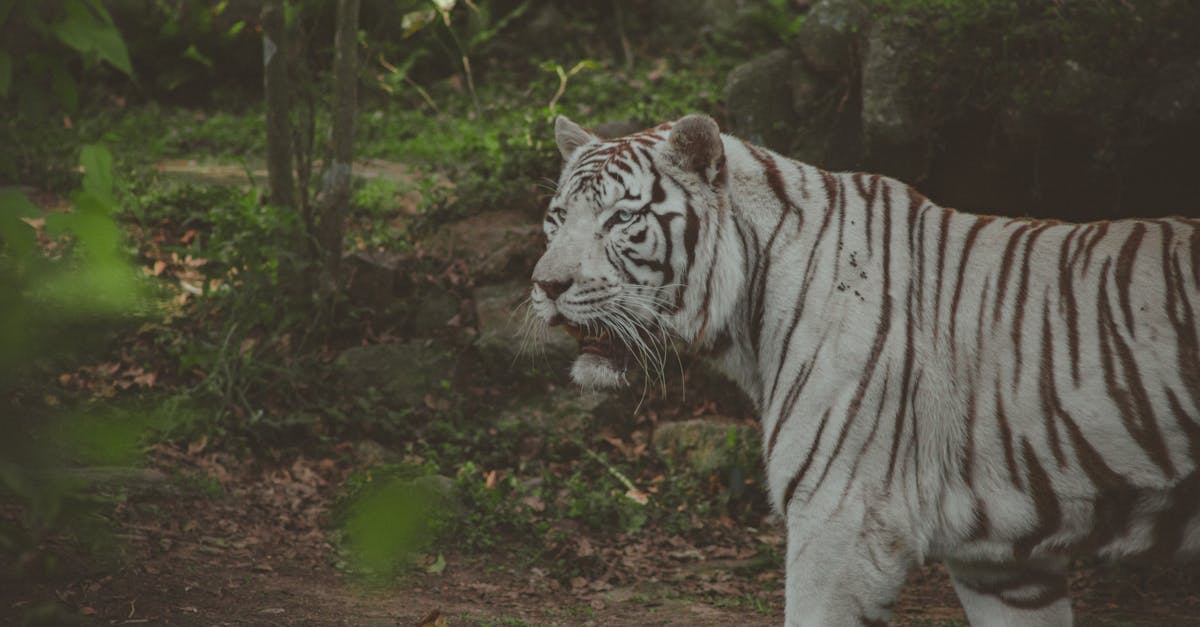
  • Poaching Crisis: A sophisticated poaching network has killed “100 to any number” of tigers since 2022, highlighting the urgency of conservation efforts.

  • Ecological Role: Tigers are apex predators and an umbrella species, critical for maintaining ecosystem balance. Their presence regulates herbivore populations, preventing overgrazing and habitat degradation. Tiger landscapes provide freshwater for 800 million people in Asia.

  • Cultural Significance: Tigers are deeply embedded in Indian culture, appearing in mythology (e.g., Goddess Durga’s mount), ancient seals (e.g., Pashupati seal), rock paintings, and folk traditions (e.g., Pulikali dance).

  • Economic Contribution: Tiger reserves attract eco-tourism, generating local employment and revenue. They protect agricultural lands, fish nurseries, and water resources. Conservation projects offer alternative livelihoods, reducing poaching and deforestation.

  • Tiger Population Status: India has an estimated 3,681 tigers (2022-23 census). Madhya Pradesh has the largest tiger population.

  • Key Government Initiatives:

    • Project Tiger (1973): A Centrally Sponsored Scheme to conserve tigers and their habitats.
    • National Tiger Conservation Authority (NTCA) (2006): A statutory body overseeing Project Tiger implementation and conducting tiger estimations.
    • M-STrIPES: A technology-based surveillance system for monitoring tigers and mitigating human-wildlife conflict.
    • Transboundary Conservation: India collaborates with countries like Bangladesh for tiger conservation.
    • International Big Cats Alliance (IBCA) (2023): Protects seven big cat species through global cooperation.

Abel Prize

  • Masaki Kashiwara, a Japanese mathematician, won the 2024 Abel Prize, considered the Nobel Prize of mathematics.

  • The Abel Prize recognizes outstanding achievements in mathematics.

  • Established in 2002, it’s awarded by the Norwegian Academy of Science and Letters.

  • The prize is named after Norwegian mathematician Niels Henrik Abel.

  • Indraprastha Apollo Hospital, a joint venture with the Delhi government, faces a Supreme Court case.

  • The hospital is accused of failing to provide free healthcare to a significant portion of EWS patients as per its lease agreement.

  • The Delhi government holds a 26% stake and provided land at a nominal rent.

  • The Supreme Court ordered a joint inspection to check compliance with providing free services to the EWS.

  • The hospital claims that providing free healthcare would significantly impact its profitability and shareholder dividends.

  • The case highlights a long-standing dispute over the hospital’s obligation to provide free services to underprivileged patients.


Meghalaya Rail Woes

  • Meghalaya’s rail connectivity projects (Byrnihat-Shillong, Tetelia-Byrnihat, Chandranathpur-Jowai) are facing opposition from pressure groups.
  • Opposition stems from concerns about a significant influx of outsiders and potential marginalization of indigenous tribal populations.
  • The Khasi Students’ Union (KSU) and Jaintia National Council oppose railways due to the lack of an Inner Line Permit (ILP) regime to regulate outsiders.
  • The ILP is a travel document to control the influx into protected areas.
  • Meghalaya has only one operational railway station (Mendipathar).
  • The state government is being asked to return Rs. 209.37 crore in unused funds for railway projects due to ongoing opposition.
  • Rail connectivity is seen as crucial for Meghalaya’s economic viability, potentially lowering transport costs and benefiting local businesses.
  • Some representatives from the Garo community advocate for expanding existing rail lines within their region.

Bhaskaracharya Space Institute

  • Agreement between CAG and BISAG-N: The Comptroller and Auditor General (CAG) of India signed an agreement with BISAG-N.

  • Purpose of Agreement: To leverage advanced technologies in geographic information systems and remote sensing.

  • Objective: To enhance audit capabilities using geo-spatial consultancy services and integrate cutting-edge tools, AI, machine learning, and big data analytics.

  • Collaboration Scope: The partnership will develop customised geo-spatial solutions for audit-related projects, integrating geo-spatial tools into audit methodologies. Joint research and case studies related to geo-spatial applications in audit, along with training programs for CAG officials are planned.

  • BISAG-N’s Role: BISAG-N is a scientific society under the Ministry of Electronics & Information Technology (MeitY).

  • BISAG-N’s Core Areas: Satellite communication, geo-informatics, and geo-spatial technology.

  • BISAG-N’s Services: Provides specialized services in Geographic Information Systems (GIS), including database design, map creation, data conversion, software development, and systems integration. It also offers complete GIS solutions.

  • BISAG-N’s Capabilities: Offers GIS/Photogrammetric solutions, including mapping, imaging, and resource management. It provides Remote Sensing solutions for applications like crop monitoring and watershed management.

  • Significance: This partnership aims to strengthen the audit framework, improve financial accountability and governance in India. BISAG-N acts as a national agency using space and geospatial technologies for government planning.

Bhaskaracharya Space Institute


India Takes Flight

  • India’s Aviation Boom: India is projected to be the 3rd largest aviation market by 2030, with 69% of South Asia’s airline traffic. FY25 passenger traffic (domestic & international) reached 196.91 million.

  • Economic Impact: The aviation industry directly employs 369,700 people, contributing USD 5.6 billion to the economy. Including related industries, it supports 7.7 million jobs and 1.5% of India’s GDP.

  • Infrastructure Growth: Operational airports have increased significantly from 74 in 2014 to 157 in 2024, with a target of 350-400 by 2047. 21 greenfield airports are approved, with 11 operational. Aircraft movement has grown by 3.85% CAGR since FY17. New terminals and greenfield airports are developing.

  • Drivers of Growth: A growing middle class has doubled domestic air travel in a decade, reaching 37.6 crore in FY24 with 15% YoY growth. Fleet expansion (IndiGo, Air India orders) is expected to reach 1,100 aircraft by 2027. Tourism, business travel, and government initiatives are also contributing. Significant progress in aviation gender equality is notable, with 15% of Indian pilots being women.

  • Government Initiatives: UDAN (Ude Desh Ka Aam Nagrik) subsidizes fares and develops under-served airports, connecting remote areas. Digi Yatra provides contactless travel. India welcomes 100% FDI in scheduled domestic airlines and offers similar opportunities to NRIs.

  • Challenges: High ATF costs (heavily taxed), exchange rate volatility, sustainability concerns (slow SAF adoption), and regional connectivity issues (under-served Tier-II/III cities) remain. Regulatory complexity and underdeveloped airspace modernization also pose problems.

  • Future Directions: Rationalizing ATF taxation, modernizing airspace, and boosting SAF production (Alcohol-to-Jet) are crucial for long-term growth. Dedicated air cargo hubs under Krishi UDAN 2.0 will further develop the sector.


PSL Guidelines Update

  • RBI revised Priority Sector Lending (PSL) guidelines to enhance credit flow to priority sectors and promote inclusive growth.
  • Loan limits for education increased from ₹20 lakh to ₹25 lakh per individual.
  • Renewable energy loan limits raised from ₹30 crore to ₹35 crore per borrower for projects, while individual household limits remain at ₹10 lakh.
  • PSL targets for Urban Cooperative Banks (UCBs) reduced to 60% of Adjusted Net Bank Credit (ANBC) or Credit Equivalent of Off-Balance Sheet Exposure (CEOBE).
  • Housing loan limits increased to boost affordable housing in Tier III-VI cities.
  • The ‘Weaker Sections’ category expanded to include transgenders.
  • PSL is an RBI-mandated requirement for banks to allocate a portion of their loans to key priority sectors.
  • Banks failing to meet PSL targets contribute to designated funds at fixed interest rates.
  • PSL loan profitability can be low due to lower interest rates and higher default risks.
  • Challenges include sectoral imbalances (some sectors underserved), high NPAs, and target-driven approaches rather than outcome-oriented ones.
  • Potential solutions include performance-based incentives, risk mitigation schemes, and digital integration to improve borrower profiling.

NATO

  • NATO Clarifies Statement: NATO corrected initial statements made by Secretary-General Mark Rutte, who suggested the four missing U.S. soldiers in Lithuania had died. NATO now emphasizes the “search is ongoing.” This clarification addresses early confusion and inaccurate reports.

  • Incident Details: The soldiers, from the U.S. Army’s 1st Brigade, 3rd Infantry Division, went missing during a training exercise near Pabradė, Lithuania, close to the Belarus border. Their armored vehicle was found submerged.

  • Regional Tensions: Lithuania, a NATO member, shares a border with Belarus, a close ally of Russia. This geographic context is critical because of the ongoing war in Ukraine and heightened tensions. The incident occurs within a strategically sensitive region, intensifying existing concerns.

  • NATO’s Role and Purpose: NATO is a military and political alliance of 32 countries designed for collective defense (Article 5). The incident highlights the importance of NATO’s presence in the Baltic region, especially given Russia’s invasion of Ukraine, and underscores the mutual defense commitment among its members.


Vikramshila’s Rebirth

  • Revival of Vikramshila University: Efforts underway to revive ancient center of learning in Bihar, similar to Nalanda University.
  • Land Allocation: 202.14 acres of land identified at Antichak village for a Central University.
  • ASI Involvement: Archaeological Survey of India (ASI) is working to develop the ancient site for tourism.
  • Historical Significance: Vikramshila Mahavihara, founded by King Dharmapala, thrived alongside Nalanda, specializing in Tantric and occult studies.
  • Decline: University declined in the 13th century due to factors like rising Hinduism, declining Buddhism and invasions.
  • PM Modi’s Statement: Prime Minister Narendra Modi highlighted the revival, emphasizing its importance as a center of knowledge.
  • Land Acquisition: Bihar government approved ₹87.99 crore for land acquisition, but some land is occupied.
  • Infrastructure Development: Work is underway for improving NH-80 to connect the university to Bhagalpur.
  • Ancient Knowledge Exchange: Both universities once exchanged knowledge and teachers.
  • Unique Specialisation: Vikramshila was the only university specializing in tantric and occult studies.
  • Important Scholars: Produced eminent scholars like Atisa Dipankara, influential in Tibet’s Buddhism.
  • Project Details: Central government approved ₹500 crore for the project in 2015.

NAMIS Missile System

  • NAMIS Procurement: The Indian Ministry of Defence has signed a ₹1,801.34 crore contract to procure the tracked version of the Nag Anti-Tank Missile System (NAMIS) for the Indian Army’s mechanised formations.

    • Why: This boosts the mechanised infantry’s anti-tank capabilities and enhances operational readiness.
  • Development and Production: NAMIS was developed by Defence Research and Development Laboratory (DRDL), a part of DRDO, and is produced by Bharat Dynamics Limited (BDL).

  • Missile Characteristics: NAMIS is a third-generation “fire-and-forget” anti-tank missile. It uses an Imaging Infrared (IIR) Seeker for target lock-on before launch.

    • Why: This allows the missile to be launched and then the operator can move on to other tasks, increasing survivability and efficiency.
  • Target Capabilities: Designed to destroy heavily armored enemy tanks, including those with composite and reactive armor.

    • Why: This provides a potent offensive capability against modern tanks.
  • Operational Features: Includes night-strike capability, and the system can operate in Top Attack Mode (attacking from above) and Direct Attack Mode.

    • Why: This allows for flexible engagement scenarios in various battlefield conditions.
  • Platform: The tracked NAMIS system is based on a Russian-origin BMP-II Infantry Fighting Vehicle chassis.

    • Why: This provides amphibious capabilities for versatile mobility.
  • Helicopter Version: A helicopter-launched version, Helina, has been successfully tested and is designed for use with Rudra and Light Combat Helicopters (LCHs).

    • Why: Extends the range and versatility of the Nag missile system.
  • Range: The Nag missile has a range of 4-7 km depending on the launch platform.


Eminent Domain

  • Eminent Domain Defined: The state’s power to acquire private property for public use with fair compensation. It prioritizes public interest over individual property rights.

  • Recent Supreme Court Ruling: The court deemed it fraudulent to use eminent domain to acquire land for public use, only to have the beneficiary of the acquisition return the land to the original owner via a private agreement. This case involved land acquired for a grain market in Delhi.

  • Constitutional Basis: Article 300A guarantees protection against property deprivation without legal authority. The 5th and 6th Schedules address land acquisition in tribal areas.

  • Legal Framework: The now-repealed 1894 Land Acquisition Act, and the current Right to Fair Compensation and Transparency in Land Acquisition, Rehabilitation and Resettlement Act, 2013 (LARR Act), govern land acquisition. LARR Act mandates compensation, rehabilitation, and consent from landowners for certain projects.

  • Key Elements of Eminent Domain: Compulsory acquisition (without owner consent), public purpose (social, economic, or infrastructural goals), and fair compensation are essential.

  • News Significance: The Supreme Court’s ruling highlights the potential for abuse of eminent domain and underscores the need for transparency and adherence to legal processes in land acquisition. It also impacts project delays caused by land acquisition litigation. The case emphasizes that the public purpose must be genuinely served and not circumvented through private deals.


SEBI: FPI Disclosure Boost

  • SEBI doubled the disclosure threshold for Foreign Portfolio Investors (FPIs) from ₹25,000 crore to ₹50,000 crore. This is to align with market growth (equity volumes doubled since FY 2022-23) and ease compliance for mid-sized and small FPIs.

  • The new threshold requires FPIs exceeding ₹50,000 crore in assets under custody to disclose beneficial ownership and investment details.

  • SEBI formed a high-level committee (HLC) to review conflicts of interest and disclosures for top officials. The committee aims to improve transparency, following previous concerns about conflicts.

  • Investment advisors (IAs) and research analysts (RAs) can now charge advance fees for up to one year, instead of the previous two quarters/one quarter limits.

  • Category II alternative investment funds’ investments in listed debt securities rated ‘A’ or lower will be treated the same as investments in unlisted securities for compliance.

  • SEBI tweaked the appointment process for public interest directors (PIDs) at market infrastructure institutions (MIIs), requiring the governing board to record reasons if a PID isn’t reappointed after their first term.

  • SEBI reviewed and deferred proposals to amend regulations governing merchant bankers, debenture trustees, and custodians for a future review.

  • The regulator has taken action against pump-and-dump operators, leading to ₹22,000 crore in savings.


Disaster Bill 2024

  • Shifting Planning Responsibility: National and State Disaster Management Authorities (NDMA and SDMAs) will now create disaster management plans, replacing National and State Executive Committees.

  • Expanded Roles: Authorities will conduct risk assessments (including climate risks), provide technical assistance, set relief standards, and maintain disaster databases.

  • Enhanced NDMA Powers: NDMA gains regulatory powers to create regulations, specify officer/employee categories, with central approval.

  • Strengthening Disaster Governance: Mandatory national and state-level disaster databases are required. States can establish Urban Disaster Management Authorities (UDMAs) for major cities. States can also create State Disaster Response Forces (SDRFs) and define their functions.

  • Statutory Status for Committees: National Crisis Management Committee (NCMC) becomes a nodal body for major disasters. A High-Level Committee (HLC) oversees financial assistance to states.

  • NDMA Appointments: NDMA can appoint officers, experts, and consultants, with central approval.

  • No Centralization: Union home minister Amit Shah clarified that there will be no power centralization or state discrimination.


Free Movement

  • Scrapping of FMR Announced: In February 2024, the Indian Home Minister announced the end of the Free Movement Regime (FMR) along the India-Myanmar border. However, there has been no official notification or bilateral agreement yet.
  • Reasons for the Decision: The move was reportedly influenced by concerns raised by former Manipur CM N. Biren Singh, who blamed unregulated cross-border movement for fueling ethnic conflict in Manipur. The government also believes that scrapping FMR will stop illegal migration and crimes.
  • Opposition: Mizoram and Nagaland have opposed the decision.
  • What is FMR: The FMR allows citizens of both India and Myanmar residing within 16 km of the border to travel freely with a border pass for a year and a stay up to two weeks.
  • Historical Context: The FMR was established in 1968, initially allowing travel up to 40 km, then reduced to 16 km in 2004. It aims to maintain social, cultural ties, boost trade, and promote cooperation under India’s Act East Policy.
  • Impact on Communities: The FMR has had little impact as there was movement between the border even before FMR. It has also not stopped cross-border crimes.
  • Challenges of Scrapping and Fencing: Implementing fencing will be a big challenge. There is a risk of reigniting demands for a unified homeland among communities divided by the border. Fencing may not be effective due to the terrain.
  • Proposed Alternatives: Better monitoring along the border and legalizing trade to earn revenue are better than fencing. Engaging local communities is essential for security.

Prachand Prahar

  • What: Exercise Prachand Prahar was a tri-service integrated multi-domain warfare exercise.
  • Where: Conducted in the high-altitude terrain of Arunachal Pradesh, along the Northern Borders, specifically in the eastern sector of the Line of Actual Control (LAC).
  • Who: Involved the Army, IAF (Indian Air Force), and Navy, along with other combat elements, demonstrating joint operational capabilities.
  • Command: Conducted under the aegis of the Eastern Army Command.
  • Purpose: To simulate future warfare scenarios and validate integrated planning, command and control, and the seamless execution of surveillance and firepower platforms across all three services.
  • How: Employed advanced surveillance resources like long-range surveillance aircraft, maritime domain awareness aircraft, helicopters, UAVs, space resources, and special forces to detect targets. These targets were then destroyed using coordinated firepower, including fighter aircraft, long-range rocket systems, artillery, armed helicopters, drones, and loitering munitions.
  • Outcomes: Reinforced India’s readiness to counter emerging threats and demonstrated commitment to jointness, precision, and technological superiority in multi-domain operations.
  • Significance: Exercise is crucial due to location near the LAC, enhancing preparedness and deterring potential threats along the strategic frontiers, especially considering the challenging high-altitude terrain.
  • Timeline: A three-day exercise held from March 25-27.
  • Continuation: It follows “Exercise Poorvi Prahar” from November 2024, which focused on integrating aviation assets.

Daily Current Affairs and News Analysis 27-03-2025

Rising Star

  • Webb Telescope Observation: The Webb Space Telescope has captured a gas and dust plume streaming from a star in the making. This is significant because it allows us to directly observe the early stages of star formation, something difficult to do otherwise.

  • Location: The observed star-forming region is located approximately 625 light-years away in our Milky Way galaxy. Proximity allows for more detailed observation.

  • Star Formation Process Overview: Stars form within molecular clouds, dense regions of gas and dust. Gravity causes these clouds to collapse, forming protostars. Nuclear fusion ignites within the core of the protostar, marking the birth of a star.

  • Stages of Star Formation: The process involves several stages, including the formation of molecular clouds, gravitational collapse leading to protostars, the creation of accretion disks, the ignition of nuclear fusion, and the main sequence stage where the star stabilizes.

  • Factors Influencing Star Formation: The mass of the star and environmental conditions (e.g., metallicity) determine how a star forms and its eventual lifespan.

  • Stellar End States: The lifecycle of a star depends on its initial mass, impacting whether it becomes a white dwarf, neutron star, or black hole. Observing a star in the making provides clues as to how large it may become.


India’s LPG Subsidy

  • PAHAL DBT Scheme (2015): Direct transfer of LPG subsidies to consumers’ bank accounts, aiming to reduce leakages and enhance transparency. Over 30 crore LPG consumers enrolled, saving the government over ₹1.5 lakh crore.

  • Give It Up Campaign (2015): Encouraged affluent LPG consumers to voluntarily surrender subsidies to support poorer households. While initially successful, participation slowed after the first year.

  • Pradhan Mantri Ujjwala Yojana (PMUY) (2016): Provides free LPG connections to women from economically weaker sections. Three phases have provided over 103 million connections. Offers financial assistance for stoves.

  • Why LPG adoption remains limited despite increased access:

    • High refill costs remain a significant barrier for many low-income families.
    • Low refill rates among PMUY beneficiaries indicate underutilization.
    • Availability and affordability of traditional fuels like firewood continue to be a strong competitor, particularly in rural areas. Cultural preference for traditional cooking methods also plays a role.
  • News Relevance: The schemes are celebrating a decade since their nationwide launch, highlighting their successes and ongoing challenges in achieving universal LPG adoption in India.

Neutrinos

  • What are Neutrinos: Nearly massless, electrically neutral subatomic particles that interact very weakly with matter. They are the second most abundant particles in the universe.

  • Majorana Particles: Neutrinos might be Majorana particles, meaning they are their own antiparticles. This is a key area of research.

  • Neutrinoless Double Beta Decay (0νββ): A rare hypothetical nuclear decay where two neutrons transform into two protons, emitting two electrons only, no antineutrinos. It could only happen if neutrinos are Majorana particles. Observing it would help determine the neutrino mass.

  • Significance of 0νββ: Finding 0νββ would have major implications, possibly explaining the imbalance of matter and antimatter in the universe. It could also confirm if neutrinos are Majorana particles.

  • Experiments & Results: The AMoRE experiment in South Korea, used 3 kg of molybdenum-100. It found no evidence of 0νββ. The experiment found that If 0νββ exists, it will be slower than 10^24 years.

  • Neutrino Mass: Current experiments estimate neutrino mass is extremely low (0.22-0.65 billionths of a proton’s mass). This is a crucial distinction because the Standard Model of particle physics suggests that neutrinos should be massless, so the small amount of mass vexes the theory and indicates a gap somewhere.

  • Importance of Study: Studying neutrinos could solve many open questions, they may be a key to answering many open questions about our universe.


India’s Biofuture

  • Rapid Growth: India’s bioeconomy reached $165 billion in 2024, more than doubling since 2020, and accounts for over 4.2% of GDP. It is projected to reach $300 billion by 2030 and $1 trillion by 2047.
  • Definition & Scope: Bioeconomy utilizes biological resources (plants, animals, microorganisms) and processes for industrial production, offering sustainable alternatives in sectors like biofuels, bioplastics, pharmaceuticals, agriculture, etc.
  • Driving Forces: Renewable resources, cost-effectiveness, eco-friendliness, and the growing need for sustainable solutions are fueling the growth. Ethanol from crops is a key example.
  • Industry Trends: The industrial sector (biofuels, bioplastics) and pharmaceuticals (vaccines) are major contributors. Research and IT (biotech software, clinical trials) showed the fastest growth in 2024.
  • Policy Focus (BioE3): The 2024 BioE3 policy aims to establish India as a global bio-manufacturing hub, promote R&D, encourage sustainability, and boost private sector participation.
  • Regional Imbalance: The growth is concentrated in a few states (Maharashtra, Karnataka, Telangana, Gujarat, Andhra Pradesh). The eastern and northeastern regions lag behind.
  • Challenges & Way Forward: Maintaining growth requires addressing regulatory hurdles (GM crops), streamlining approvals, promoting regional development, and fostering public-private collaboration in research and commercialization.
  • Future Outlook: The report calls for creating a National BioEconomy Mission, single-window regulatory mechanisms for biotech innovations and scaling up of bio-based solutions to sustain high growth.

Bandipur Reserve

Bandipur Tiger Reserve:

  • Location: Southern Karnataka, at the tri-junction of Karnataka, Tamil Nadu, and Kerala.

  • Ecological Significance: “Ecological confluence” of the Western and Eastern Ghats. Part of the Nilgiri Biosphere Reserve (UNESCO World Heritage Site).

  • Connectivity: Surrounded by Nagarahole, Mudumalai and Wayanad wildlife sanctuaries, forming a vital wildlife corridor.

  • Rivers: Bordered by the Kabini River (north) and the Moyar River (south).

  • Flora: Diverse vegetation ranging from dry deciduous to tropical mixed deciduous. Notable trees include rosewood, sandalwood, and bamboo.

  • Fauna: Home to the largest wild Asian elephant population in South Asia. Also includes Bengal tigers, gaur, and sloth bears.

  • Recent News: Karnataka maintains current night bus restrictions through the reserve (four buses each, from Kerala).


Rana Sanga: The Warrior King

  • Controversy: Rajasthan Chief Minister criticized a Samajwadi Party MP for calling Rana Sanga a “traitor,” highlighting the sensitive nature of historical figures in current politics.
  • Who was Rana Sanga: He was the Rana of Mewar (1508-1528 CE), a powerful Rajput ruler controlling significant territories in present-day Rajasthan, Gujarat, and Madhya Pradesh.
  • Military Prowess and Expansion: Rana Sanga consolidated Rajput power through alliances. He defeated the Malwa Sultan and fought against the Gujarat Sultan and the Lodhi rulers.
  • Key Battles & Outcomes:
    • Khatoli (1518) and Dholpur (1519): Victories against Ibrahim Lodi, demonstrating his strength.
    • Khanwa (1527): A pivotal defeat against Babur, marking the beginning of Mughal dominance in India. Babur’s gunpowder and tactics led to Sanga’s defeat.
  • Death: After the defeat at Khanwa, he was allegedly poisoned by his own nobles in 1528, fearing another confrontation with the Mughals.

Contempt: India vs. US

  • US President’s potential defiance of a court order to reinstate foreign aid sparked a debate on contempt of court. This highlights tensions between the US executive and judiciary.

  • The case underscores differences in how US and Indian courts handle contempt.

  • US contempt has two types: civil (non-compliance) and criminal (obstruction). Civil contempt is reversible upon compliance; criminal contempt is stricter but pardonable by the President. A sitting president has never been held in contempt.

  • Indian contempt also has civil and criminal types. Proceedings can be initiated by the court (suo moto) or by petition with the Attorney General’s permission.

  • The US relies on contempt powers, sanctions, and federal enforcement, often favoring negotiation and avoiding direct confrontation with officials due to sovereign immunity. Penalties are rare.

  • India has stronger contempt powers, including fines, imprisonment, and direct summoning of officials. Sovereign immunity is weaker, allowing lawsuits against the government.

  • The US court, in the foreign aid case, found that the administration used the order as a justification to continue suspending funds. The administration argued it could lawfully halt payments without violating the order.

  • The funding freeze caused widespread disruption to US foreign aid programs, leading to layoffs and potential financial collapse of partner organizations.

  • Both US and Indian systems aim to uphold judicial decisions, but their approaches to enforcing compliance differ significantly due to varying legal frameworks and interpretations of sovereign immunity.


VLS Missile

  • Developed by DRDO: The Vertically-Launched Short-Range Surface-to-Air Missile (VL-SRSAM) is indigenously designed and developed by India’s Defence Research and Development Organisation (DRDO).

  • Quick Reaction Capability: It’s a quick reaction missile system designed to neutralize aerial threats at close ranges, including sea-skimming targets.

  • Extended Range: Originally designed for a 40 km strike range, the missile can now engage targets up to 80 km.

  • Expanding Deployment: Initially for the Indian Navy, the VL-SRSAM is being developed for the Indian Air Force to protect air bases.

  • Advanced Guidance: Utilizes a fibre-optic gyroscope-based inertial guidance during mid-course flight and active radar homing in the terminal phase for precision.

  • Integrated System: It’s an integrated missile and weapon control system (WCS) with a twin quad-pack canister configuration for multiple missiles.

  • Successful Flight Test: Recent test-firing from a land-based vertical launcher at the Integrated Test Range (ITR) successfully intercepted a high-speed aerial target at very close range and low altitude.

  • Low Altitude Validation: The test validated the missile’s capability to neutralize targets at very low altitudes and “near-boundary-low altitude capability”.

  • Agility and Accuracy Demonstrated: Destroyed the target by executing high turn rate, demonstrating its agility, reliability, and pin-point accuracy.

  • User Associate Trial: The test was conducted by DRDO in collaboration with the Indian Navy as a user associate trial to validate updated elements in combat configuration.


Gounsa Temple

  • Key Point: Unprecedented wildfires recently destroyed parts of the 1,300-year-old Gounsa Temple complex in South Korea.

    • Why: Highlights the immediate impact of the disaster on a significant historical site.
  • Key Point: Two buildings designated as national treasures were burned down.

    • Why: Emphasizes the loss of cultural heritage.
  • Key Point: Gounsa Temple, meaning “Solitary Cloud Temple,” is a Buddhist temple.

    • Why: Provides context about the temple’s significance and religious affiliation.
  • Key Point: Located in the southeastern town of Uiseong, at the foot of Deungun Mountain.

    • Why: Provides geographical context.
  • Key Point: Founded in the 7th century during the Shilla dynasty.

    • Why: Establishes the temple’s historical origins.
  • Key Point: Survived destruction by the invading Japanese.

    • Why: Shows the temple’s resilience through historical events.
  • Key Point: Underwent major reconstruction after the Imjin War.

    • Why: Demonstrates the temple’s renovation and continuity.
  • Key Point: Headquarters Temple of the 16th District of the Jogye-jong Order (the largest Buddhist Order in Korea).

    • Why: Shows the current importance of the temple.

Q1 . Gounsa Temple is located in the southeastern town of Uiseong.

Q2 . Gounsa Temple was originally built during the Shilla dynasty.

Q3 . Gounsa Temple is located at the foot of Deungun Mountain.


Sahyog: Collaboration Portal

  • X Corp (formerly Twitter) sued the Indian government in the Karnataka High Court, challenging content regulation via the Sahyog portal and Section 79 of the IT Act.

  • X argues that content blocking orders should only be issued under Section 69A of the IT Act, which has stricter safeguards than Section 79(3)(b).

  • The Sahyog portal, launched by the Ministry of Home Affairs, facilitates collaboration between government agencies and social media platforms for content removal. X calls it a “censorship portal.”

  • Section 69A allows the government to block content for reasons like national security, while Section 79 grants intermediaries immunity from liability for third-party content unless they fail to act on notices of illegal content.

  • X contends that the government’s use of Section 79(3)(b) to issue blocking orders bypasses the Supreme Court-mandated safeguards in Section 69A, violating the Shreya Singhal vs Union of India ruling.

  • The government argues that Section 79 notices are not direct blocking orders but inform platforms of liability for illegal content; they justify the wide reach of Sahyog due to India’s size and diverse law enforcement needs.

  • X seeks interim protection from coercive action for non-compliance with Section 79(3)(b) orders and the requirement to appoint a nodal officer for the Sahyog portal.

  • The court adjourned the hearing until March 27, 2025. A previous petition by X challenging Section 69A orders was dismissed.


Lead Poisoning

  • Lead poisoning is a major, overlooked public health crisis in India, especially affecting children. A 2020 UNICEF-Pure Earth report found half of Indian children have high blood lead levels.

  • While India has various laws addressing lead contamination, a comprehensive framework for prevention and mitigation is lacking, hindering effective enforcement.

  • Sources of lead exposure include leaded gasoline (phased out in 2000), insecticides (Lead Arsenate still listed despite a ban), paints (regulations don’t address existing lead-based paint), food products (regulatory loopholes allow trace lead contamination), and water contamination (weak enforcement of existing regulations).

  • The absence of a defined safe blood lead level (BLL) and inconsistent enforcement of existing regulations exacerbates the problem.

  • India needs a dedicated legal framework under the Environment Protection Act (EPA) 1986, covering the entire lifecycle of lead, from production to disposal.

  • Strengthened occupational safety standards, mirroring international best practices (e.g., US OSHA, UK regulations), are needed to protect workers.

  • Stricter penalties for non-compliance, public awareness campaigns, and market incentives for lead-free products are crucial for effective mitigation.

  • Regulatory impact assessments across relevant ministries are necessary, along with promoting market mechanisms that prevent lead poisoning.


Bad Loans

  • NPA Levels at Multi-Year Low: Finance Minister reported gross NPAs of scheduled commercial banks at 2.5% in September 2024. This indicates improved financial health for banks.

  • Definition of NPAs: Loans and advances where borrowers fail to repay principal or interest for over 90 days (as per RBI). This impacts a bank’s income generation.

  • Types of NPAs: Include Substandard, Doubtful, and Loss assets, categorized by how long they remain unpaid. Understanding categories helps assess the severity of the problem.

  • Causes of NPAs: Internal factors include poor credit assessment and willful default. External factors include economic slowdowns and natural disasters. Identifying causes is crucial for addressing the problem.

  • Impact on the Economy: NPAs reduce bank profitability, credit availability, investor confidence, and potentially burden taxpayers. This impacts overall economic growth.

  • Measures to Tackle NPAs: Legislative measures like SARFAESI Act and IBC, along with RBI’s PCA framework, are implemented. Institutional mechanisms like ARCs and Bad Banks are used. Bank-level reforms include credit appraisal improvements. These measures aim to resolve stressed assets and improve financial stability.


Gold Monetisation

  • The Indian government is discontinuing the Medium-Term and Long-Term Government Deposit (MLTGD) components of the Gold Monetisation Scheme (GMS) effective March 26, 2025.

  • The decision is based on the scheme’s performance and evolving market conditions.

  • Short-Term Bank Deposits (STBD) will remain available through banks.

  • GMS aimed to reduce India’s reliance on gold imports by mobilizing idle gold.

  • The scheme included short-term bank deposits (1-3 years), medium-term government deposits (5-7 years), and long-term government deposits (12-15 years).

  • Interest rates for MLTGD were fixed by the government (2.25% and 2.5%), while STBD rates were determined by banks.

  • The government also recently discontinued the Sovereign Gold Bonds (SGB) scheme.

  • The discontinuation of these schemes follows a recent increase in gold prices.

  • Existing GMS deposits will continue until redemption.

  • The government’s rationale is to improve the efficiency and effectiveness of gold mobilization strategies in line with current market conditions.


BHIM Evolution

  • BHIM 3.0, an upgraded version of the BHIM UPI app, launched by NPCI BHIM Services Limited (NBSL).

  • Improved accessibility and security: Supports 15+ languages, optimized for low-internet areas, and enhanced security features.

  • Enhanced user experience: Offers split expense functionality, expense analytics, and an action-needed assistant for better financial management.

  • New features for merchants: BHIM Vega provides a seamless in-app payment system for online merchants.

  • Aims to boost digital payments and financial inclusion across India, particularly in low-internet areas.

  • Phased rollout, with full availability expected by April 2025.

  • BHIM 3.0 is seen as a significant step in furthering India’s digital financial landscape, making transactions simpler and more accessible.

  • The app’s family mode allows users to manage shared expenses and assign payments among family members.


GSAT-18 Satellite

  • GSAT-18 Overview: Indian communication satellite launched in 2016 by ISRO to enhance telecommunication, broadcasting, and broadband services. Launched via Ariane 5 rocket, with a designed lifespan of 15 years (until 2032).
  • PAC Concerns: The Public Accounts Committee (PAC) has raised concerns about the economic viability of GSAT-18 due to the underutilisation of six Upper Extended C-band transponders. The transponders were projected to be idle until 2027.
  • Financial Implication: The PAC highlighted a revenue loss of ₹117 crore due to these idle transponders.
  • PAC Recommendation: The committee has recommended that the Department of Space exercise greater financial prudence in planning satellite projects involving public funds.
  • Department of Space Response: The Department of Space stated that keeping the transponders idle was per plan, citing factors such as redundancy for GSAT-14, orbit spectrum protection, and cost efficiency. It argued that launching a separate satellite for these transponders would be more expensive.
  • Redundancy and Continuity: The Department of Space said these transponders provide redundancy to mitigate any in-orbit failure of operational transponders. The mission life of GSAT-14 is until September 2027. GSAT-18 will take over after that until 2032.
  • Orbit Spectrum Protection: The Department of Space said that protecting the orbit spectrum was also one of the considerations, with non-occupancy of a spectrum for three years leading to a loss of priority in utilising it.
  • Technical Details: GSAT-18 has 48 communication transponders across Upper Extended C-band, Normal C-band, and Ku-band, supporting TV broadcasting, VSAT services, and telecommunication networks. It is part of ISRO’s fleet of communication satellites, ensuring continuity of services.

Data Law 44(3)

  • Controversy: Section 44(3) of the Digital Personal Data Protection (DPDP) Act, 2023, is under fire for allegedly weakening the Right to Information (RTI) Act, 2005.
  • Opposition: Congress leader Jairam Ramesh and RTI activists like Aruna Roy, Nikhil Dey, Prashant Bhushan, and Anjali Bhardwaj, are urging its repeal. They fear it will restrict access to public information.
  • DPDP Act Intent: Aims to regulate digital personal data processing while balancing individual privacy rights with lawful data processing needs and received Presidential assent on August 11, 2023.
  • RTI Amendment: Section 44(3) amends Section 8(1)(j) of the RTI Act, expanding the scope to deny information by broadly exempting personal data.
  • Previous RTI Act: Section 8(1)(j) previously allowed disclosure of personal information if a larger public interest justified it.
  • New Amendment Impact: The “larger public interest” clause is removed and broadly exempts all personal information from disclosure under RTI.
  • Impact on Transparency: Before the DPDP Act, personal information could be disclosed if public interest was at stake. Now, all personal information is exempt, potentially hindering scrutiny of public officials and their activities.
  • Example: Requests for details of public officials’ assets, previously possible when corruption was suspected, can now be denied under the pretext of personal data protection.
  • Balance Shift: The DPDP Act shifts the balance from a case-by-case determination of privacy vs. transparency to a blanket exemption for personal data.
  • Potential misuse: Activists fear the blanket exemption granted to all “information which relates to personal information” could be used to deny the public their right to know.

Baalpan Kavita

  • Launched by: Union Education Ministry.
  • Objective: Revive and restore traditional Indian rhymes and poems for young children in all Indian languages.
  • Goal: Create a comprehensive collection of nursery rhymes and poems in all Bhartiya Bhashas (Indian languages) and English.
  • Purpose: Provide young learners with joyful, culturally relevant learning materials to enhance foundational education.
  • Collaboration: Initiative involves collaboration with MyGov, inviting public contributions.
  • Contribution Types: Existing poems, folklore rhymes, or newly composed joyful poems/rhymes can be submitted.
  • Categories: Submissions accepted across pre-primary (3-6 years), Grade 1 (6-7 years), and Grade 2 (7-8 years).
  • Language: Contributions are invited in all Indian languages and English.
  • Focus: Emphasizes regional rhymes and poems with cultural significance in the Indian context.

Why in the News: This initiative aims to make foundational education more engaging by connecting children to their cultural roots through familiar and enjoyable rhymes and poems. It encourages public participation in preserving and promoting India’s rich oral tradition for younger generations. The use of local languages is especially important for fostering linguistic and cultural diversity.


IORA

  • India to Chair IORA: India will assume the chair of the Indian Ocean Rim Association (IORA) in November 2025 for two years, currently the Vice-Chair.

  • India’s Priorities: Focus areas during India’s chairmanship include:

    • Expanding IORA’s budget through funding opportunities.
    • Integrating technology for data management and policy analysis.
    • Creating maritime-focused courses in collaboration with academic institutions.
  • IORA’s Purpose: IORA is an intergovernmental organization established in 1997 to promote regional cooperation and sustainable development among Indian Ocean countries.

  • Key Features of IORA:

    • 23 Member States, including India, Australia, and South Africa.
    • 12 Dialogue Partners, such as the USA and China.
    • Secretariat in Mauritius.
    • Council of Foreign Ministers (COM) meets annually.
  • IORA’s Objectives:

    • Promote sustainable growth and balanced development in the region.
    • Enhance regional cooperation in trade, investment, and social development.
    • Address challenges like maritime security, disaster risk management, and climate change.
  • Challenges Faced by IORA:

    • Limited funding, member-dependent budget.
    • Need for technological advancements in data management and policy analysis.
  • Recommendations for India:

    • Leverage its relationships to create workable solutions.
    • Collaborate with member states (Australia, France, Singapore, UAE, Oman) leveraging the their area of expertise.
    • Mainstream traditional knowledge from coastal nations.
    • Encourage industrial leaders to collaborate with educational institutions to create maritime-related courses.
  • Significance: IORA is crucial for regional prosperity, and India’s leadership is vital to overcome institutional issues and achieve its goals.


Bhadra Tiger Reserve

  • Karnataka proposes a “soft-release” strategy to manage human-elephant conflict in Hassan, Chikkamagaluru, and Kodagu districts.

  • This involves capturing elephants causing trouble and gradually rehabilitating them into the Bhadra Wildlife Sanctuary (BWS).

  • Elephants will be kept in a 20 sq. km enclosure for acclimatization and health checks before phased release at four pre-selected sites within BWS.

  • BWS, also known as Muthodi Wildlife Sanctuary, is a Project Tiger reserve with diverse flora and fauna, including a large elephant population (currently around 450, with capacity for 200 more).

  • The soft-release plan is guided by an expert team, including renowned wildlife expert R. Sukumar.

  • The selected sites within BWS prioritize water availability, forage, road connectivity, and minimal human activity.

  • The 20 sq. km enclosure will be separated from the rest of the sanctuary by railway barricades. Veterinarians will monitor the elephants closely.

  • Approximately 200 elephants are roaming in the three districts, raiding crops and attacking people, prompting protests from locals.

  • The plan aims to mitigate human-elephant conflict while ensuring the elephants’ welfare. A similar experiment was conducted in West Bengal.

Bhadra Tiger Reserve


India’s Auto Industry

  • Record growth in India’s automobile sector in 2023-24, reaching 28 million units, driven by the ‘Make in India’ initiative.
  • Transformation into a global manufacturing hub, particularly for Electric Vehicles (EVs).
  • Significant contribution to the economy: USD 240 billion turnover, 6% of GDP, and 30 million jobs.
  • Strong auto component industry growth, with exports reaching USD 21.2 billion in FY24.
  • Rapid growth in EV registrations, exceeding 4.4 million by August 2024, despite low penetration.
  • Government initiatives like FAME-II, PLI-Auto, and PLI-ACC to boost EV adoption and manufacturing.
  • Challenges include import dependency on key EV components, limited EV penetration, insufficient charging infrastructure, and a skilled workforce shortage.
  • Strategies for accelerating growth and sustainability include localization of auto components, infrastructure development, fostering a circular economy, policy harmonization, and a smooth transition from ICE vehicles to EVs.
  • Upcoming stricter emission norms (CAFE III & IV) will drive technological upgrades and potentially increase ICE vehicle prices.
  • FDI inflows of USD 36 billion (2020-2024) show investor confidence. Planned USD 7 billion investment by FY28 to localize electric motors and automatic transmissions.

Senkaku Dispute

  • Japan’s Concern: Japan has expressed serious concern over a prolonged incursion by Chinese Coast Guard ships near the Senkaku Islands. This marks one of the longest intrusions into what Japan considers its territorial waters. Why: Highlights the ongoing tensions and potential for escalation in the region.

  • Location: The Senkaku Islands are an uninhabited group in the East China Sea, north of Yaeyama Islands (Okinawa Prefecture, Japan) and northeast of Taiwan. Why: Establishes the islands’ geographic position, a key factor in the dispute.

  • Multiple Names: The islands are known as Senkaku Islands (Japan), Diaoyu Islands (mainland China), Diaoyutai Islands (Taiwan), and Pinnacle Islands. Why: Underscores the differing perspectives and claims on the islands.

  • Composition: The islands include Uotsuri Island, Kuba Island, Taisho Island, Kitakojima Island, Minamikojima Island, Tobise Island, Okinokitaiwa Island and Okinominamiiwa Island with a total land area of roughly 6.3 sq km. Uotsuri Island is the largest (3.6 sq km). Why: Provides a factual description of the islands.

  • Geology: The islands are composed of conglomerate sandstone, tuff, andesite, andesitic lava, coral outcroppings, and other rocky material in a volcanically active area. Why: Gives insights into the islands’ natural characteristics and formation.

  • Territorial Dispute: The Senkaku Islands are at the center of a territorial dispute between Japan and China, and Japan and Taiwan. Why: This is the core issue driving the news and regional instability.

  • Japanese Administration: Japan incorporated the islands in 1895 and currently administers and controls them as part of Ishigaki City, Okinawa Prefecture. Why: States Japan’s claim to the islands based on historical and current control.

Senkaku Dispute


Tejas Mk1A

  • GE Aerospace Delivers First F404-IN20 Engine: Marks the start of engine deliveries for the Tejas LCA Mk1A program after delays. Delivery happened on March 26, 2025, and is expected to arrive in India in April. This is significant as the engine is crucial for the aircraft’s performance.

  • HAL Production Targets: Aims to deliver 12 Tejas Mk1A jets in 2025 and ramp up to 24 jets per year. HAL has manufactured three aircraft and 11 more will be ready by the year end.

  • IAF Squadron Shortage: The Indian Air Force (IAF) operates 31 fighter squadrons, below the sanctioned 42.5, emphasizing the urgency of Tejas Mk1A deliveries.

  • Tejas Mk1A Enhancements: Features over 40 improvements over the Mk1, including advanced avionics (AESA radar), enhanced electronic warfare systems (UEWS, self-protection jammer), and digital fly-by-wire.

  • Engine Features: The F404-IN20 engine has higher-flow fans, single-crystal turbine blades, and is tailored for IAF needs. It helped the Tejas achieve Mach 1.1 in testing.

  • Delivery Delays: Delays were due to restarting the production line dormant for five years, compounded by COVID-19 pandemic issues.

  • Future Orders The existing order for 87 LCA-Mk1A would be completed in three and a half years and the additional order for 97 jets by FY31-32

  • IAF Dilemma: Fighter jets like Jaguars, MIG-29UPGs and Mirage-2000 will start phasing out by end of decade while LCA-Mk2 is under development and AMCA is a decade away. IAF needs 35-40 fighter jets every year.


PM SHRI Schools

  • Parliamentary Panel Intervention: A Parliamentary Standing Committee urges the Education Ministry to release over ₹4,000 crore in pending Samagra Shiksha Abhiyan (SSA) funds to Tamil Nadu, Kerala, and West Bengal.
  • PM SHRI Scheme Link: The funds are being withheld from states that haven’t signed MoUs for the PM SHRI scheme, which aims to establish 14,500 model schools aligned with the National Education Policy (NEP).
  • States’ Concerns: Tamil Nadu, Kerala, and West Bengal have resisted implementing the three-language formula under NEP and signing the PM SHRI MoU.
  • Committee’s Criticism: The Committee deems the withholding of SSA funds for not signing PM SHRI MoUs as unjustified, emphasizing that SSA predates PM SHRI and supports the Right to Education (RTE) Act.
  • Impact on States: The non-release of funds is affecting teachers’ salaries, RTE reimbursements, and school infrastructure in these states, despite their strong educational outcomes.
  • Committee’s Recommendations: The Committee recommends immediate release of pending SSA funds to prevent disruption in education and to re-evaluate funding allocations to ensure no state is disadvantaged for not accepting NEP or PM SHRI.
  • PM SHRI Scheme Details: Aims to establish 14,500 model schools focused on holistic education, 21st-century skills, eco-friendly infrastructure, and competency-based assessment. Key features include enhanced infrastructure, technology integration, play-based learning, and regular evaluation using the School Quality Assessment Framework (SQAF).
  • SSA Scheme Details: Centrally sponsored scheme to ensure universal access to quality education from pre-primary to higher secondary levels. Supports states in implementing the RTE Act, focusing on school infrastructure, teacher training, learning outcomes, and inclusive education.
  • Budget: The PM SHRI Scheme has a budget of ₹27,360 crore for 5 years (2022-23 to 2026-27), with ₹18,128 crore as the central share.

Daily Current Affairs and News Analysis 26-03-2025

Blue Flag Tag

  • Rushikonda Beach Regains Blue Flag Tag: The beach in Visakhapatnam has had its Blue Flag certification restored after a temporary revocation.
  • Blue Flag Significance: This international eco-label recognizes beaches meeting high standards for environmental, educational, safety, and accessibility criteria. It attracts international tourists.
  • Reason for Temporary Revocation: The previous YSRCP regime’s negligence in maintaining amenities led to the temporary withdrawal.
  • Blue Flag Criteria: Beaches must comply with 33 criteria across four categories: environmental education, water quality, environmental management, and safety/services.
  • Minister’s Call for Action: The Tourism Minister urges collective efforts from public representatives, officials, and the public to maintain cleanliness.
  • Future Plans: Initiatives include setting up bamboo passing spaces and beach shacks, to enhance the beach and attract more tourists with Chief Minister’s leadership.
  • Focus on Sustainability and Community: The minister assured the well-being of locals like fishermen are protected.
  • Management and Enforcement: Strict action will be taken against any encroachment on the land.

Vanishing Glaciers

  • Accelerated Glacier Retreat: The UN’s World Water Development Report 2025 highlights a 65% acceleration in glacier retreat in the Hindu Kush Himalayas (HKH) between 2011 and 2020.

  • Significant Volume Loss Projected: HKH glaciers could lose 30-50% of their volume by 2100 if global warming is limited to 1.5-2°C, and almost 45% if it exceeds 2°C. Mountain glaciers globally may lose 26-41% of their mass by 2100.

  • Impact on Human Populations: The melting glaciers threaten 1.1 billion people living in high-altitude regions.

  • Increased Risk of GLOFs: Glacial Lake Outburst Floods (GLOFs) are becoming more frequent, causing devastating flash floods and landslides, with a potential tripling of risk by 2100. Over 12,000 deaths have been attributed to GLOFs in the last 200 years.

  • International Year of Glaciers’ Preservation: The UN declared 2025 the International Year of Glaciers’ Preservation and launched the Decade of Action on Cryospheric Science (2025-2034) to bolster conservation efforts.

  • HKH Significance: The HKH region, crucial as the “Water Tower of Asia,” spans eight countries and includes four global biodiversity hotspots. The accelerated melting significantly impacts water resources for a vast population.


Energy Outlook 2024

  • Global energy demand grew by 2.2% in 2024, exceeding the average growth rate. Emerging economies drove 80% of this increase.
  • Renewables set a record, adding 700 GW of capacity (38% of growth). China and India were major contributors.
  • Natural gas demand rose 2.7%, fueled by China’s LNG adoption, though growth slowed late in the year due to higher prices.
  • Coal demand increased by 1% globally, reaching a record high, mainly driven by China and India. However, coal’s share of global electricity generation fell to its lowest since 1974 (35%).
  • Crude oil demand grew by only 0.8%, primarily due to the petrochemical sector. Growth in EVs, LNG trucks, and high-speed rail curbed transport-related oil consumption.
  • The IEA highlights renewables as the driving force in new electricity capacity and the crucial role of emerging economies, particularly in Asia, in shaping future energy trends. China’s dominance in renewable energy expansion is noteworthy.
  • While fossil fuel demand still grew, the report emphasizes the significantly faster expansion of renewables and their increasing penetration in rapidly developing regions.

Samarth Incubator

  • The Centre for Development of Telematics (C-DoT) launched the “Samarth” Incubation Program on March 19, 2025.

  • Samarth aims to foster innovation in telecom and IT sectors by supporting startups.

  • It focuses on next-generation technologies: Telecom Software, Cybersecurity, 5G/6G, AI, IoT, and Quantum Technologies.

  • Implemented in partnership with Software Technology Parks of India (STPI) under MeitY.

  • Supports 36 DPIIT-recognized startups across two six-month cohorts.

  • Offers hybrid learning, mentorship, infrastructure, and investor access.

  • Provides Rs 5 lakh grants, six months of office space and lab facilities at C-DOT, and mentorship.

  • Successful startups may collaborate on future C-DOT research projects.

  • C-DoT is an autonomous R&D center under DoT, focused on indigenous telecom innovations.

  • Samarth aims to create sustainable business models and facilitate growth from ideation to commercialization.

  • The program connects startups with investors and strengthens the startup community.

  • Applications are open on the C-DoT website.


Water Hyacinth

Here’s a breakdown of the key news:

  • Mula River Infestation: The Mula river near Holkar Bridge in Pune is heavily infested with water hyacinth, alarming residents.
  • Resident Concerns: Residents complain about the river’s deteriorating condition, mosquito problems, and the risk of diseases like malaria and dengue.
  • Lack of Action: Residents claim authorities haven’t adequately addressed the issue despite repeated complaints.
  • Pollution Indicator: Water hyacinth is a major indicator of organic pollution in the river. Untreated sewage from Pune is a contributing factor.

Why is water hyacinth in the news?

  • Ecological Threat: Water hyacinth is an invasive species that forms dense mats, reducing water quality, altering flows, and increasing sedimentation.
  • Biodiversity Impact: It crowds out native plants and animals, disrupting ecosystems and destroying habitats.
  • Global Problem: Native to South America, it’s now found on all continents (except Antarctica) and is considered one of the world’s most serious water weeds.
  • “Terror of Bengal”: Known for its rapid spread and severe environmental and economic impact.

Why is water hyacinth harmful?

  • Waterway Blockage: It blocks waterways, hindering boat traffic, recreation, flood control, and wildlife use.

What are some potential uses?

  • Biofertilizer: Used in some organic agriculture.
  • Craft Material: Its fibrous stems can be used to make handbags, decorative items, and baskets.
  • Phytoremediation: Can trap and remove toxic substances and heavy metals from water.
  • Animal Feed/Soil Improvement: Can be used as animal feed, compost or biochar.

Fixed Capital Invest

  • GFCF’s Significance: Gross Fixed Capital Formation (GFCF), representing investment in fixed assets, constitutes ~30% of India’s GDP and is crucial for long-term economic growth. It’s a key indicator of business confidence.

  • Declining Private Capex: Private capital expenditure’s share in GFCF fell to a decade-low of 33% in FY24, primarily due to a contraction in unlisted entities’ investments. Listed entities, however, saw continued growth.

  • Reasons for Decline: Weak domestic (especially urban) consumption, muted export demand, and cheap Chinese imports hindered capacity expansion plans. Firms prioritized debt repayment over new investments despite improved cash flow.

  • GFCF Growth Trend: While GFCF showed a 10% CAGR from FY15-FY24, growth slowed to 9% in FY24 from 20% in FY23. Government capex and real estate investment partly offset the private sector slowdown.

  • Implications of Decline: Reduced GFCF hampers long-term growth, limits productive capacity and job creation, delays infrastructure development, and weakens investor confidence. Over-reliance on unsustainable public spending may also result.

  • Reviving Private Capex: Strategies include boosting domestic consumption (e.g., increasing wages), strengthening exports and imports (e.g., finalizing FTAs, addressing Chinese imports), incentivizing private R&D, improving industrial infrastructure, and promoting sustainable growth (e.g., green finance).


End Equalisation Levy

  • Abolition of Equalisation Levy: The Indian government proposed abolishing the 6% Equalisation Levy on online advertisements, effective April 1, 2025. This tax, introduced in 2016, targeted foreign digital service providers.

  • Beneficiaries: The move benefits advertisers on platforms like Google, X (formerly Twitter), and Meta by reducing their tax burden.

  • Reasoning: The abolition is seen as a gesture of accommodation towards the US, which threatened reciprocal tariffs from April 2nd, 2025, due to concerns over the levy’s unilateral nature.

  • Background: The Equalisation Levy was initially imposed on online ads (6%) and later extended to e-commerce (2%), with the latter abolished in August 2024. It aimed to ensure fair taxation of digital businesses without a physical presence in India.

  • Tax Simplification: The government’s action aligns with its broader efforts to simplify income tax legislation.

  • International Relations: Experts suggest the move aims to de-escalate tensions with the US and avoid potential trade retaliations.

  • Impact: The abolition brings certainty to taxpayers and addresses concerns of partner nations regarding the levy’s unilateral nature. It also reduces costs for digital ad consumers and platforms.


FATF

  • FATF PSCF 2025 in Mumbai: The Financial Action Task Force (FATF) Private Sector Collaborative Forum (PSCF) 2025 will be held in Mumbai from March 25th-27th, 2025.

  • Hosted by India: The Reserve Bank of India (RBI) and the Department of Revenue, Ministry of Finance, are hosting the forum, signifying India’s leadership in combating money laundering and terrorist financing.

  • Inauguration and Key Participants: FATF President Ms. Elisa de Anda Madrazo will inaugurate the event, with RBI Governor Shri Sanjay Malhotra presiding. The forum attracts participation from FATF member countries, international organizations, and private sector stakeholders.

  • India’s Role and Achievements: India is a member of the FATF and co-chairs a working group. India’s FATF Mutual Evaluation Report in September 2024 placed India in ‘regular follow-up,’ a high achievement. The report recognized India’s AML/CFT efforts, fintech ecosystem, UPI, and proactive inter-agency coordination.

  • Forum Agenda: The PSCF 2025 will address global priorities such as payment transparency, financial inclusion, and the digital transformation of financial systems. Discussions will cover evolving financial crime threats, beneficial ownership transparency, leveraging digital tools for AML/CFT, and emerging terrorist and proliferation financing risks.

  • Purpose: The PSCF aims to enhance the implementation of FATF’s Anti-Money Laundering and Counter-Terrorism Financing (AML/CFT) standards through collaboration and best practice exchange. It provides a critical platform for dialogue among stakeholders.


Lyme’s Disease

  • Lyme Disease Cause: Bacterial infection caused by Borrelia burgdorferi.
  • Transmission: Spread to humans through bites from infected black-legged (deer) ticks. Not spread human-to-human, pet-to-human, or via air, food, or other insects.
  • Geographic Prevalence: Common in wooded/grassy areas, especially in North America, Europe, and parts of Asia.
  • Typical Symptoms: Fever, headache, fatigue, and erythema migrans (bulls-eye rash). Untreated, can affect joints, heart, and nervous system.
  • Treatment: Antibiotics (e.g., doxycycline, amoxicillin) are effective, especially if started early. Treatment duration varies.
  • New Research Breakthrough: Scientists identified the enzyme BbLDH as crucial for B. burgdorferi‘s survival and infectivity.
  • BbLDH as a Target: Targeting BbLDH with inhibitors shows promise for new Lyme disease treatments and potentially other tick-borne illnesses. BbLDH has a unique biochemical and structural feature
  • No Vaccine: Currently, no Lyme disease vaccine is available.
  • Untreated Symptoms (Later stage): severe headaches and neck stiffness, facial palsy (Bell’s palsy), meningitis, Arthritis (joint pain and swelling), nerve pain, vision problems, and memory and concentration problems (“brain fog”)
  • Post-Treatment Lyme Disease Syndrome (PTLDS): Persistent symptoms even after antibiotics. No proven treatment, focus on managing symptoms.

NeVA: Digital Legislature

  • Delhi Adopts NeVA: Delhi becomes the 28th legislature to join the National e-Vidhan Application (NeVA) platform, marking a significant step towards digital governance.

  • Tripartite Agreement: A Memorandum of Understanding (MoU) was signed between the Ministry of Parliamentary Affairs (MoPA), Government of India, and the Government of National Capital Territory of Delhi (GNCTD).

  • Digitizing Legislative Processes: NeVA is an online platform designed to digitize legislative processes in all state and union territory assemblies, promoting efficiency, accessibility, and sustainability.

  • Paperless System: Delhi’s adoption aligns with the “One Nation, One Application” vision, transitioning to a paperless and more transparent legislative system.

  • Key Features: NeVA provides real-time access to documents (agendas, bills, reports), a secure digital repository, and multilingual capabilities.

  • Device-Agnostic: Accessible across smartphones, tablets, laptops, and desktops, enabling legislators to manage legislative business from anywhere.

  • Hosted on Meghraj 2.0: Ensures robust scalability, security, and data integrity.

  • Stakeholders: Benefits members of Houses, Ministers, secretariat staff, government departments, reporters, and citizens.

  • Services Provided: Includes access to the list of business, papers laid, bills, committee reports, questions and answers, bulletins, synopsis of proceedings, digital library, notices, and a member directory.

  • Enhanced Transparency: NeVA aims to enhance transparency and accountability within legislative processes, fostering efficient and transparent legislature.


Gold Monetisation

  • Discontinuation of MLTGD: The Government of India will discontinue Medium-Term and Long-Term Government Deposits (MLTGD) under the Gold Monetisation Scheme (GMS) from March 26, 2025.
  • GMS Overview: Launched in November 2015 to mobilize idle gold from households and institutions, aiming to bring it into the formal economy and reduce gold imports, thereby improving the Current Account Deficit (CAD).
  • GMS Components: Consisted of Short Term Bank Deposits (1-3 years), Medium Term Government Deposits (5-7 years), and Long-Term Government Deposits (12-15 years).
  • Who Can Deposit: Individuals, HUFs, trusts, and institutions like temples can deposit gold.
  • Redemption Options: Depositors can redeem in cash, gold bars, or coins upon maturity.
  • Tax Benefits: Interest and capital gains are exempt from income tax, wealth tax, and capital gains tax.
  • MLTGD Purpose: Utilized by the government and RBI for gold reserves; redemption only in cash.
  • Interest Rates: Interest rate payable for short-term deposits is decided by the banks. For medium and long-term deposits, the rate of interest was decided by the government.
  • Sovereign Gold Bonds (SGB) Discontinued: Issuance has been discontinued. Gold bonds were issued in denominations of 5g, 10g, 50g, and 100g with the aim to reduce demand for physical gold.
  • Existing Deposits: Existing MLTGD deposits will continue until redemption.
  • Reason for Discontinuation: Based on the examination of the performance of the Gold Monetisation Scheme (GMS) and evolving market conditions, it has been decided to discontinue the Medium Term and Long Term Government Deposit (MLTGD) components of the GMS.

CBDT Safe Harbor Rules Expand

  • The Central Board of Direct Taxes (CBDT) has expanded the safe harbour rules for transfer pricing.

  • The threshold for availing safe harbour has been increased from ₹200 crore to ₹300 crore for Assessment Years 2025-26 and 2026-27. This provides larger companies with greater protection against transfer pricing disputes.

  • Lithium-ion batteries for electric and hybrid vehicles are now included as core auto components eligible under safe harbour rules. This specifically supports the burgeoning EV sector.

  • Safe harbour rules, under Section 92CB of the Income-tax Act, 1961, allow companies to declare Arm’s Length Prices (ALPs) without disputes if within the specified limits. The tax authorities accept the declared transfer price.

  • The changes aim to enhance tax certainty, reduce transfer pricing disputes, and encourage investment in India’s clean mobility ecosystem. The higher threshold offers a broader safety net for businesses, particularly in the EV sector.

  • Transfer pricing refers to the price charged in transactions between related entities within multinational enterprises (MNEs). Safe harbour provisions simplify this process and minimize potential conflicts.


Euclid Space Telescope

Here are the key points regarding the Euclid Space Telescope and its recent news:

  • Mission Goal: To investigate dark energy and dark matter by mapping the large-scale structure of the universe and understand its accelerated expansion.
  • Named After: Euclid of Alexandria, a Greek mathematician known for geometry.
  • Part of: ESA’s Cosmic Vision Programme.
  • Launch: Launched July 1, 2023, aboard a SpaceX Falcon 9 rocket.
  • Location: Lagrange Point 2 (L2), 1.5 million km from Earth, providing a stable environment for observation.
  • Lifespan: Minimum 6 years.
  • Observational Method: Uses visible and near-infrared imaging and spectroscopic techniques to observe galaxies across 10 billion years of cosmic history.
  • Image Quality: Four times sharper than ground-based telescopes.
  • Instruments:
    • VIS: Visible-Wavelength Camera to capture high-resolution galaxy images and detect distortions caused by gravitational lensing (for dark matter study).
    • NISP: Near-Infrared Spectrometer and Photometer, measures galaxy recession speeds to study dark energy’s influence, with NASA contribution.
  • Data Scope: Aims to survey 1.5 billion galaxies, covering a third of the sky.
  • First Data Release: Scheduled for October 2026.
  • Significance: Provides insight into dark energy, dark matter, and the evolution of cosmic structures, complementing James Webb Space Telescope (JWST) which focuses on early galaxies and exoplanets.

Euclid Space Telescope


Boilers Bill 2024

Key points of the Boilers Bill, 2024:

  • Replaces outdated legislation: The bill repeals the Boilers Act, 1923, which was no longer aligned with modern safety standards and industry practices. Passed by Rajya Sabha on Dec 4, 2024.
  • Ease of Doing Business: Decriminalizes 3 out of 7 offenses, reducing legal hurdles for businesses, particularly MSMEs. Other offences converted to fiscal penalties handled via an executive mechanism.
  • Modernized Drafting: The bill is redrafted using modern drafting practices for improved clarity, efficiency, and easier understanding. Organized into six chapters.
  • Enhanced Safety: Focuses on worker safety inside boilers and mandates repairs by qualified personnel.
  • Offense Categorization: Retains criminal penalties for major offenses risking life and property. Other offences are now subject to fiscal penalties.
  • Redundant Provisions Removed: Obsolete sections from pre-constitutional times have been omitted, and new definitions added for better clarity.
  • Jan Vishwas Act Alignment: Follows decriminalization principles of the Jan Vishwas (Amendment of Provisions) Act, 2023.
  • Clear Government Roles: Defines powers and functions of the Central Government, State Governments, and the Central Boilers Board.
  • Concurrent List: Boilers fall under the Concurrent List, allowing both Centre and States to legislate.
  • Modern Industry: Meets current stakeholder needs including industry, personnel, and implementers.
  • Risk-Based Inspections: The bill promotes risk-based inspections, for a more streamlined and efficient inspection process
  • Bill to be sent to President of India

Parker Solar Probe

Here’s a summary of the Parker Solar Probe’s key points in the news:

  • Closest Approach: On December 24, 2024, the Parker Solar Probe reached within 6.1 million km of the Sun’s surface. Another approach was made on March 22, 2025, with another planned for June 19, 2025.
  • Mission Objective: To study the Sun’s corona, solar wind, and magnetic fields to understand space weather and its effects on Earth.
  • Spacecraft Design: Launched in 2018, it’s the fastest human-made object (692,000 km/hr) and uses Venus’ gravity to spiral closer to the Sun.
  • Heat Shield: Employs a 4.5-inch-thick carbon-composite shield to withstand temperatures up to 1,377°C.
  • Scientific Instruments: Equipped with FIELDS, ISoIS, SWEAP, and WISPR instruments to measure electric/magnetic fields, observe energetic particles, record solar wind properties, and capture corona images.
  • “Sun-Touching” Event: In April 2021, the probe entered the Sun’s corona, crossing the Alfvén surface.
  • Discoveries:
    • Detected dust-free zones near the Sun.
    • Discovered “magnetic switchbacks” (reversals in the solar wind’s magnetic field).
  • Significance: Aims to help explain how the solar wind accelerates and understand coronal heating, solar flares, CMEs, and magnetic storms.
  • Protection: This data helps protect Earth by improving predictions of solar storms, which can cause electric grid failures, telecommunication loss, and satellite damage.
  • Long-Term Mission: Designed to complete 24 orbits around the Sun, with a mission extending into the 2030s.
  • Named After: Eugene Parker, who predicted the existence of the solar wind.

PSL

  • RBI Revises PSL Guidelines: The Reserve Bank of India has updated its Priority Sector Lending (PSL) guidelines to improve the allocation of bank credit to priority sectors.
  • Effective Date: The revised guidelines will become effective from April 1, 2025.
  • Key Changes: The revisions include increased loan limits for specific areas like housing and a broader definition of eligible projects under renewable energy. Urban Cooperative Banks (UCBs) will have a revised overall PSL target of 60% of ANBC or CEOBSE, whichever is higher. The definition of weaker sections has also been expanded.
  • Purpose of PSL: PSL aims to direct credit to essential sectors driving economic development such as agriculture, MSMEs, education, housing, renewable energy, and weaker sections.
  • PSL Targets and Categories: Banks are mandated to allocate a certain percentage of their Adjusted Net Bank Credit (ANBC) or Credit Equivalent of Off-Balance Sheet Exposures (CEOBSE) to PSL. Commercial banks, for example, must allocate 40% of their ANBC to PSL. PSL encompasses categories like Agriculture, MSMEs, Export Credit, Education, Housing, Renewable Energy, and Weaker Sections.
  • Monitoring and Compliance: Banks are monitored to ensure they meet the PSL targets, with penalties for non-compliance.

MPs vs. Workers

  • A 24% hike in MP salaries and pensions was implemented retrospectively from April 1, 2023, based on the Cost Inflation Index (CII). This mechanism, established in 2018, automatically adjusts MP compensation every five years.

  • The India Employment Report (IER) 2024 shows stagnant or declining real wages for India’s workforce, contrasting sharply with the MP salary increase. Real wages for salaried and casual workers fell, while self-employed saw only marginal gains, with women experiencing declines.

  • The significant disparity between the substantial MP salary hike and the wage stagnation of the general population raises concerns about democratic accountability and fairness. A retired MP’s pension exceeds double the average Indian income, while a sitting MP earns almost nine times as much.

  • This asymmetry in governance priorities highlights a disconnect, with the minimum wage remaining unchanged since 2017 at a low Rs 176/day, while MP salaries significantly increased. This fuels perceptions of self-serving governance and erodes public trust.

  • The widening income gap fuels populism as inflation rises and household savings remain low. The focus on political pay hikes may overshadow necessary long-term welfare reforms. This also undermines India’s goal of inclusive growth and shared prosperity.

  • India’s weak social protection infrastructure, including a narrowly defined minimum wage, fails to address essential needs beyond basic food requirements.

  • Proposed solutions include creating an independent emoluments commission to depoliticize pay revisions, indexing minimum wages to inflation, shifting towards a “fair wage” definition incorporating living standards, and leveraging digital governance for better wage compliance. An 8th Pay Commission could also address government salary parity.


Genetic Resources Commission

Here are the key points and why in the news for the “Commission on Genetic Resources for Food and Agriculture” (CGRFA):

  • Upcoming Meeting: Parties to the CGRFA will convene in Rome on March 24, 2025, for their 20th meeting (CGRFA-20).

    • Why: This highlights current and future discussions regarding genetic resources.
  • Key Discussion Topics: The meeting will cover plant and forest genetic resources, the role of genetic diversity in climate adaptation, and policies for strengthening global forest security.

    • Why: Shows the CGRFA’s focus on relevant and pressing global issues.
  • Report Releases: Two major reports will be released during the CGRFA-20 meeting.

    • Why: Indicates significant information sharing and assessment of the state of genetic resources.
  • Core Mandate: The CGRFA is the only permanent intergovernmental body addressing biological diversity for food and agriculture.

    • Why: Emphasizes the CGRFA’s unique and crucial role in global governance of these resources.
  • Scope: The Commission now covers plant, animal, forest, aquatic, microbial, and invertebrate genetic resources.

    • Why: Highlights the breadth of biodiversity that the CGRFA addresses.
  • Cross-Cutting Issues: The CGRFA also considers food security, climate change adaptation, access and benefit-sharing (ABS), and digital sequence information (DSI).

    • Why: Shows an integrated approach to managing genetic resources in relation to global challenges.
  • Membership: The Commission has 179 member countries, including India.

    • Why: Demonstrates broad international engagement and commitment.
  • Landmark Achievements: The International Treaty on Plant Genetic Resources for Food and Agriculture (ITPGRFA) is a key achievement.

    • Why: Illustrates concrete action toward global cooperation.
  • ITPGRFA Objectives: The treaty recognizes farmers’ contributions, establishes a global system for access to plant genetic materials, and ensures benefit-sharing.

    • Why: Underscores the importance of equitable access and recognition of farmers’ roles.

Genetic Resources Commission


Bhadra Sanctuary

  • Soft-Release of Elephants: Karnataka Forest Department plans to “soft-release” captured elephants from Hassan, Chikkamagaluru, and Kodagu into Bhadra Wildlife Sanctuary. This is due to increasing human-elephant conflict.
  • Location: Bhadra Wildlife Sanctuary, located in Chikkamagaluru and Shivamogga districts of Karnataka, is being used as the release site.
  • Enclosure: A 20 sq. km enclosure, separated by railway barricades, will be created within the sanctuary for initial acclimatization. Selection is based on water, forage, road access and minimal human activity.
  • Monitoring: Elephants will be monitored by veterinarians for several months with no human interaction to adjust to the wild. Medicine will be provided as needed.
  • Final Release: After acclimatization, the enclosure gate will be opened allowing elephants to join the existing population (approx. 450 elephants). Sanctuary can accommodate additional 200.
  • Expert Guidance: The plan is guided by a team led by R. Sukumar from the Indian Institute of Science, Bengaluru. The team includes senior forest officers.
  • Site Selection: The expert team will visit Bhadra Wildlife Sanctuary to finalize the enclosure site, prioritizing areas free from human intervention.
  • Sanctuary Details: Bhadra was declared a Wildlife Sanctuary in 1951 and a Project Tiger Reserve in 1998. It includes diverse terrain with hills like Mullayanagiri, and various forest types like Moist Deciduous, Dry Deciduous, and Shola forests.

South Island

  • Earthquake: A strong 6.7 magnitude earthquake struck off New Zealand’s South Island, highlighting seismic activity in the region.
  • Geography: South Island is the larger, southernmost of New Zealand’s two main islands, featuring mountainous terrain (Southern Alps culminating in Mount Cook) and separated from the North Island by the Cook Strait.
  • Key Features: Fiordland National Park, part of the Te Wāhipounamu UNESCO World Heritage site, is notable for its fjords and lakes. Lakes such as Tekapo, Wakatipu, and Pukaki are prominent.
  • Urban Centers: Key cities include Christchurch, Dunedin, and Invercargill, serving as population and economic hubs.
  • Kerala Cooperative Bank Investigations: The Enforcement Directorate (ED) is investigating 18 cases (ECIRs) of money laundering against cooperative banks/societies in Kerala. Sixteen of these cases involve cooperative banks.
  • Irregular Loan Practices: Investigations reveal irregular loan practices, including loans granted without borrower knowledge, overvaluation of mortgaged property, and multiple loans on the same property.
  • High Court Involvement: The Kerala High Court is involved due to appeals by depositors seeking refunds following financial fraud in cooperative societies.

Vikramshila’s Legacy

  • Revival of Vikramshila University: Work is underway to revive the ancient Vikramshila University in Bihar, following the establishment of a new Nalanda University. This includes the development of the ancient site by the ASI and the allocation of land for a new Central University.
  • Historical Significance: Vikramshila was a prominent center of learning during the Pala Empire (8th-12th century) in medieval India, specializing in Buddhist education, particularly the Vajrayana sect.
  • Location and Foundation: Located in present-day Bhagalpur, Bihar, it was founded by Dharmapala of the Pala Dynasty.
  • Focus on Tantric Studies: Vikramshila was unique for its specialization in tantric and occult studies, which were significant during its peak.
  • Comparison with Nalanda: While Nalanda was more diverse, Vikramshila excelled in tantric studies and at one point, even oversaw Nalanda’s affairs. Both universities, under the common patronage of King Dharmapala, exchanged knowledge and teachers.
  • Key Scholar: Atisha Dipankara Srijnana, a key Buddhist scholar, who spread Vajrayana Buddhism to Tibet, was an alumnus.
  • Destruction: The university was destroyed in 1203 CE by Bakhtiyar Khilji.
  • Modern Developments: The Central government approved the project in 2015 with a sanction of Rs 500 crore. The Bihar government has allocated land for a new university near the ancient site, with land acquisition in progress. The goal is to have collaboration between the new Nalanda and Vikramshila universities, mirroring their ancient connections.
  • Archaeological Efforts: The ASI is actively conserving the site, with excavations revealing significant structures, including a cruciform brick stupa and student cells. A museum at the site showcases antiquities discovered during excavations.

NOTTO

  • Data Sharing Concerns: The Union Government is seriously concerned about hospitals failing to share organ transplantation data with the Ministry of Health and Family Welfare. This non-compliance undermines the National Transplant Registry’s purpose.

  • NOTTO’s Role: The National Organ and Tissue Transplant Organisation (NOTTO) is India’s apex body for overseeing organ donation, procurement, and transplantation. It functions under the Directorate General of Health Services and the Ministry of Health and Family Welfare (MoHFW).

  • Mandate and Responsibilities: NOTTO is responsible for establishing and maintaining the National Transplant Registry to monitor activities, ensure transparency, facilitate organ allocation, and support policy-making.

  • Legal Framework: NOTTO operates under the Transplantation of Human Organs and Tissues Act (THOTA), 1994 (amended in 2011).

  • Objectives: NOTTO’s objectives include promoting organ donation awareness, ensuring equitable organ distribution, maintaining a national registry, coordinating transplant activities, and setting guidelines.

  • Structure: NOTTO operates at national, regional (ROTTOs), and state (SOTTOs) levels to manage organ donation and transplantation across India.

  • Data Submission Requirements: Hospitals are required to furnish data on deceased and living donors/recipients monthly, and update the National Transplant Registry within 48 hours.

  • Action on Non-Compliance: State Appropriate Authorities are requested to ensure data compliance and take action against hospitals violating the rules.

  • Monitoring Foreign Transplants: The Health Ministry is monitoring organ transplants involving foreign nationals due to a recent surge and allegations of bypassing Indian patients.


Cloud Bands & Monsoons

  • IISc study reveals monsoon cloud band strength is crucial for its northward movement and rainfall intensity over India.

  • Only strong equatorial cloud bands trigger wet spells in India; weak bands fail to propagate, contradicting previous models.

  • Wet spell duration and intensity depend on cloud band size and strength. Boreal Summer Intraseasonal Oscillation (BSISO) influences these spells by moving cloud bands.

  • Air-sea interaction in the equatorial Indian Ocean is vital for moisture buildup and wind strength, impacting monsoon intensity.

  • Climate change will increase background atmospheric moisture, leading to more intense wet spells (projected 42-63% rainfall increase over India and adjoining seas).

  • Study findings will improve seasonal and sub-seasonal monsoon forecasting models.

  • The study challenges the existing understanding that cloud bands always propagate northward regardless of their initial strength.

  • India receives 80% of its annual rainfall during the summer monsoon (June-September), characterized by wet and dry spells driven by BSISO.


Daily Current Affairs and News Analysis 25-03-2025

Frozen Ground

  • Permafrost is ground that remains completely frozen (32°F/0°C or colder) for at least two years.
  • It’s common in high mountains and high latitudes near the poles, both on land and beneath the ocean floor.
  • Permafrost can extend from a few feet to over a mile deep.
  • It covers nearly a quarter of the Northern Hemisphere’s land area.
  • Permafrost is a mix of soil, rocks, sand, and ice.
  • Upper layers contain organic carbon from dead plants.
  • Lower layers are mostly mineral-rich soil.
  • A layer called the active layer thaws in summer and refreezes in fall, its thickness varying by region.
  • Russia has the most permafrost.
  • Permafrost is primarily made of soil, rocks, sand, and ice.
  • The upper layers contain organic carbon from dead plants.
  • A significant amount of permafrost is located in the J&K and Ladakh regions (64.8% of the area).

India’s Post-Covid Migration

  • Urban-Rural Reversal and Rebound: COVID-19 triggered mass urban-to-rural migration, primarily of low-skilled workers facing joblessness and hardship. This was followed by a return to cities due to rural economic limitations and urban aspirations, fueled by initiatives like the Smart Cities Mission.

  • Climate-Induced Migration: Climate change is emerging as a key driver, particularly in agrarian states, leading to both distress and aspirational migration patterns.

  • Diversification of International Migration: While migration to Gulf countries remains robust, Indians are increasingly exploring new destinations. Europe, Africa (IT, manufacturing), and countries like Canada and Australia (skilled professionals) are attracting migrants. Student migration also surged.

  • Challenges in Migration Governance:

    • Data Gaps: Outdated census data and underestimation of emigrant numbers hinder effective policy planning.
    • Weak Social Security: Low awareness and digital exclusion of e-Shram portal, and gaps in ONORC implementation.
    • Limited Portability: Restrictions in scheme portability across states.
    • Vulnerability: Neglect of women, children, and low-skilled migrants (wage theft, poor working conditions).
    • Local Governance: Limited support from local bodies.
    • Climate Change Ignored: Climate-induced migration overlooked in policies.
    • Stigma and Discrimination: Migrants face xenophobia.
  • Strengthening Migration Governance:

    • National Data Models: Replicating Kerala Migration Surveys nationally for better data.
    • National Policy: Expediting a national policy for migrant workers, including inter-ministerial coordination.
    • International Frameworks: Expanding labor mobility agreements and enhancing pre-departure training.
    • Social Security: Implementing and ensuring portability of benefits.
    • Facilitation Centers: Establishing one-stop centers in urban areas.

Heat Action Plans

  • Key Point: Most Indian cities’ Heat Action Plans (HAPs) lack effective long-term strategies to address rising extreme heat. Cities with existing plans often fail to implement them properly.

    • Why: This highlights a critical gap in preparedness, given the increasing threat of heatwaves and associated health risks.
  • Key Point: HAPs primarily focus on short-term emergency measures (e.g., water access, work schedule adjustments) rather than long-term solutions.

    • Why: Long-term actions, such as providing cooling, insurance for lost work, and grid improvements, are crucial for building resilience and preventing heat-related harm.
  • Key Point: The study examined nine major cities (Bengaluru, Delhi, Faridabad, Gwalior, Kota, Ludhiana, Meerut, Mumbai, and Surat) expected to face the most significant heat index increases.

    • Why: This provides a focused analysis on the urban areas most vulnerable to extreme heat.
  • Key Point: Long-term strategies focus largely on the health system instead of preventative measures. Also lack of funding.

    • Why: A shift towards proactive measures is necessary for effective heat resilience, and better funding.
  • Key Point: A major impediment to long-term action is poor coordination between various government departments.

    • Why: Collaboration is essential for implementing comprehensive and effective heat resilience strategies.

Lapis Lazuli

  • Lapis lazuli is a metamorphic rock and semi-precious gemstone prized for its intense blue color.

  • Its vibrant blue hue stems from the mineral lazurite (25-40%), with sulfur content influencing the shade’s intensity. Calcite reduces blueness, while pyrite adds golden flecks.

  • The name “lapis lazuli” combines Latin (“lapis” = stone) and Persian (“lazuli” = blue).

  • While found globally (Chile, Russia, US), Afghanistan’s Badakhshan province yields the finest quality, mined for over 6,000 years.

  • Ancient significance is vast: traded to India (1000 BC), used ornamentally in the Indus Valley Civilization (Mohenjo-daro, Harappa), employed by ancient Egyptians in jewelry and cosmetics, and ground into ultramarine pigment by Renaissance artists.

  • Lapis lazuli’s rich history and vibrant color continue to make it a sought-after gemstone and artistic medium. The recent news article highlights this enduring appeal and its historical significance across various civilizations.


Equalisation Levy

  • Proposed Abolishment: The central government plans to abolish the Equalisation Levy (digital tax) on online advertisements from April 1, 2025.
  • Beneficiaries: This benefits advertisers using platforms like Google, X (formerly Twitter), and Meta.
  • Original Intent: Introduced in 2016, the levy targeted income earned by foreign e-commerce companies from digital advertising services in India. It taxed business-to-business transactions.
  • Scope Evolution: Initially a 6% tax on online ad services, it was expanded in 2020 to include a 2% levy on e-commerce transactions (abolished in August 2024).
  • Tax Mechanism: The Equalisation Levy is a direct tax, withheld by the service recipient at the time of payment, applicable if payments to a non-resident exceed ₹1 lakh annually.
  • Exemptions: Exemptions include non-resident service providers with a permanent Indian office linked to the service, or services not intended for professional use. Double taxation is also avoided.
  • Tax Rates: 6% on online advertising, previously 2% on e-commerce transactions.
  • Why Abolish?: Part of India’s efforts to maintain a cooperative stance with the US, addressing concerns about the levy’s unilateral nature and easing trade tensions. Simplifies income tax laws.
  • Q1 Answer: To tax digital transactions and income earned by foreign e-commerce companies from India
  • Q2 Answer: June 2016
  • Q3 Answer: Direct Tax

Urban Heat

  • Urban Heat Island (UHI) Defined: Urban areas like Hyderabad experience higher temperatures than surrounding rural areas due to human activities and urbanization.

  • Hyderabad’s Situation: Hyderabad is experiencing a rising trend of heat stress, with temperatures in April 2024 about 1°C higher than the previous decade’s average.

  • Causes of UHI:

    • Reduced vegetation leading to less cooling.
    • Heat absorption by buildings, roads, and urban materials like concrete and asphalt.
    • Waste heat emissions from air conditioners, vehicles, and industries.
    • Altered wind patterns due to high-rise buildings.
    • Air pollution trapping heat.
    • Limited surface water.
  • Effects of UHI:

    • Increased energy demand.
    • Health issues (heat-related illnesses).
    • Reduced air quality.
    • Water stress.
    • Impact on biodiversity.
  • Government Acknowledgment & Response: The Telangana government acknowledges the UHI effect in its Socio-Economic Outlook 2025. It is addressing the issue through its Clean and Green Energy Policy 2025, which promotes renewable energy, energy efficiency, and sustainable urban development, aiming to create cooler, greener, and more climate-resilient cities.

  • Mitigation Strategies:

    • Increasing green cover through planting trees and creating urban forests.
    • Using cool roofs and reflective materials.
    • Sustainable urban planning to reduce emissions.
    • Creating water bodies and green spaces.
    • Improving ventilation in cities.

Judicial Transfers Inquiry

  • Judicial Transfer and Allegations: The Supreme Court Collegium proposed transferring Delhi High Court Judge, Justice Yashwant Varma, to Allahabad High Court. This follows reports of an “incident” involving “sacks of burnt currency” at his residence.
  • Separate Processes: The transfer is a separate action from the in-house inquiry. The Supreme Court clarified that the transfer proposal and the in-house inquiry are not connected.
  • In-House Inquiry: Chief Justice of India Sanjiv Khanna initiated an in-house inquiry into the “incident.” This follows a report by the Delhi High Court Chief Justice. The inquiry aims to examine the veracity of allegations, and a deeper probe will be conducted if necessary.
  • Inquiry Procedure: The in-house inquiry involves a two-stage process. The Delhi High Court Chief Justice assesses the allegations. If warranted, the CJI constitutes a three-member committee to investigate, ensuring natural justice.
  • Constitutional Basis for Transfers: Article 222 empowers the President to transfer judges based on the CJI’s recommendation, without requiring the judge’s consent.
  • Collegium’s Role: The Collegium considers various factors like judicial workload and expertise, and consults with relevant Chief Justices and possibly the concerned judge.
  • Importance of Transfers: Transfers help balance workload, prevent undue influence, and maintain public trust in the judiciary.
  • Restatement of Values: This process upholds judicial integrity, accountability, and the Restatement of Values of Judicial Life.

FATF

  • India will host the FATF Private Sector Collaborative Forum 2025 in Mumbai.
  • The forum will address global priorities like payment transparency, financial inclusion, and digital financial system transformation.
  • Discussions will focus on tackling money laundering, terror financing, and promoting financial inclusion.
  • The forum aims to enhance transparency, leverage digital tools for AML/CFT compliance, and address evolving threats.
  • FATF President and RBI Governor will attend.
  • The forum will evaluate information-sharing practices and discuss emerging risks like cryptocurrency-related laundering.
  • The FATF recently placed India in a “regular follow-up” category in its mutual evaluation report.
  • FATF commended India’s AML/CFT efforts.
  • The forum is a platform for dialogue between member countries, organizations, and private sector stakeholders.
  • Participants include financial institutions, DNFBPs, VASPs, international organizations, and academia.
  • FATF is an intergovernmental body combating money laundering and terrorist financing, established in 1989.
  • FATF has 39 member countries and more than 180 affiliates.
  • Members must be strategically important, adhere to financial standards, and participate in international organizations.
  • FATF assesses countries’ actions and publishes reports on techniques to mitigate risks.
  • Countries that fail to comply can face being placed on a “grey list” or “black list”.

DNA Variation

  • DNA polymorphisms are variations in DNA sequences, differentiating individuals.
  • DNA polymorphisms are crucial for parentage, ancestry, and identity verification.
  • Short Tandem Repeats (STRs) are short DNA sequences repeated multiple times, unique to each individual.
  • STRs are inherited and help trace ancestry and genetic inheritance.
  • Polymerase Chain Reaction (PCR) amplifies DNA segments, creating millions of copies.
  • PCR steps: Extract DNA, denature, anneal primers, extend, cycle.
  • DNA fingerprinting uses STR variations, creating a unique profile.
  • Capillary electrophoresis separates DNA fragments for analysis.
  • DNA fingerprints are unique except for identical twins.
  • DNA can be sourced from various body materials (teeth, bones, blood, etc.).
  • DNA fingerprints aid in forensic investigations, identifying suspects and exonerating wrongly accused.
  • DNA analysis is used for social security purposes like Aadhaar numbers.
  • DNA is highly stable, allowing analysis from ancient remains and cold cases.


World Water 2025

  • World Water Day 2025 Launch: The Ministry of Jal Shakti launched the 6th edition of Jal Shakti Abhiyan: Catch the Rain campaign 2025 on March 22, 2025 (World Water Day).

  • Theme: “People’s Action for Water Conservation – Towards Intensified Community Connect” (Jal Sanchay Jan Bhagidari: Jan Jagrukta Ki Or), emphasizing community participation.

  • Focus Areas: Primarily focused on 148 districts across India, water conservation, rainwater harvesting, and groundwater recharge.

  • Key Initiatives:

    • Launch of the “Jal-Jangal-Jan: Ek Prakritik Bandhan Abhiyan,” (Water-Forest-People: The Intrinsic Bond campaign) aimed at restoring ecological links between forests, rivers, and springs.
    • Inauguration of various projects including Rainwater harvesting systems, Borewell recharge projects and Micro-irrigation initiatives.
    • Mukhyamantri Jal Sanchay Yojana, reinforcing the theme “Jal Sanchay, Janbhagidari”
    • Launch of Water Resources Atlas, An Online Canal Water Management System and e-booklet on Integrated water resources management
  • Government Commitment: Reaffirmed commitment to “Every Drop Counts” and achieving water security.

  • Community-Led Approach: Importance of community involvement is emphasized as a key to water conservation.

  • Vision for the Future: Underlined the need to recharge water sources, advocating the “Catch the Rain where it falls” approach.


Hakki Pikki

  • Expulsion from Gabon: Twenty-two members of the Hakki Pikki tribe from Karnataka were penalized and forced to leave Gabon due to recent policy changes.
  • Fines: The tribe members were each fined ₹55,000.
  • Semi-nomadic tribe: The Hakki Pikki are a semi-nomadic community traditionally known for bird-catching and hunting.
  • Karnataka residents: They primarily reside in Karnataka, with significant populations in Davangere, Mysuru, Kolar, Hassan, and Shivamogga districts.
  • Scheduled Tribe Status: Recognized as a Scheduled Tribe in India.
  • Vaagri language: Their mother tongue, Vaagri, is endangered, listed by UNESCO.
  • Shift in occupation: Due to stricter wildlife laws, they transitioned from hunting to selling spices, flowers, Ayurvedic products, and herbal oils. Also, taking on odd jobs.
  • Global trade: They now travel internationally, particularly to Africa, to sell their products.
  • Indigenous medicine expertise: The tribe is known for its traditional herbal medicine systems.
  • Matriarchal society: The Hakki Pikki tribe has a matriarchal social structure, with dowry paid by the groom.
  • Cross-cousin marriages: They practice cross-cousin marriages.
  • Cultural practices: They follow Hindu traditions and celebrate Hindu festivals.
  • Clan-based structure: Their society is organized around clans.

Judge’s Internal Inquiry

  • Judiciary’s In-House Inquiry: Chief Justice of India (CJI) initiated an unprecedented in-house inquiry against Delhi High Court judge Justice Yashwant Varma.

  • Trigger: The inquiry stems from allegations of currency notes being found in his official residence after a fire incident.

  • Impeachment vs. In-House Procedure: This internal inquiry follows a separate process from the formal impeachment procedure outlined in the Constitution (Article 124(4) and 218).

  • In-House Procedure Details: The process involves a three-member inquiry committee to investigate the allegations. It was formulated in 1999 to address misconduct that doesn’t meet impeachment standards. The procedure begins with a complaint to the CJI, a preliminary report, potentially a deeper probe by a three-member panel, and a final report with recommendations, potentially leading to advising, resignation, or informing the President for removal proceedings.

  • Significance: The judiciary is taking action to address potential misconduct, distinct from formal impeachment. The in-house process aims to maintain judicial accountability for acts of omission or commission.

Judge's Internal Inquiry


Meghalaya Rail Projects Shelved

  • Shelving of Projects: Indian Railways is likely to shelve railway line projects in Meghalaya, specifically to Byrnihat and potentially to Jowai. Shillong may become the only state capital without rail connectivity.

  • Opposition to Railways: Local pressure groups, particularly the Khasi Students’ Union (KSU), have opposed railway projects due to concerns about an influx of “outsiders” and the potential for demographic changes. They demand the implementation of the Inner Line Permit (ILP) to regulate entry.

  • Current Status & Projects:

    • Meghalaya has only one operational railway station at Mendipathar.
    • Three other projects are facing challenges:
      • Tetelia-Byrnihat line: Work on the Assam side is completed, but it might be terminated at the border due to opposition.
      • Byrnihat-Shillong line: Project stalled due to KSU opposition; funds have been asked to be returned.
      • Chandranathpur to Jowai line: Recently approved, but already facing opposition in the Jaintia Hills.
  • Economic Implications: The lack of railways increases transportation costs and inflation. Railways could improve economic viability by reducing logistical costs, facilitating trade, and benefiting local businesses.

  • Government and Public Sentiment: The Chief Minister supports railway connectivity for economic reasons, but acknowledges the need for consensus. The public is largely indifferent, with pressure groups using railway projects as leverage for ILP implementation.


Finance Bill

  • Finance Bill debate in Lok Sabha saw Congress criticizing the government’s fiscal management, calling it “patchwork solutions.”
  • Shashi Tharoor highlighted Southern states’ significant tax contributions (28.5% GST) but receiving only 15% of the central tax pool.
  • Tharoor criticized the GST system as “most confusing and complex” and pointed to high unemployment, inequality, and outflow of wealth.
  • Nishikant Dubey countered by defending the budget’s positive aspects, claiming improvements in the economy.
  • K.C. Venugopal and other opposition members protested the absence of the Finance Minister during the debate.
  • Mahua Moitra accused the government of favoring crony capitalists and engaging in “tax terrorism.”
  • Concerns were raised about corporate loan write-offs and inflated Maha Kumbh footfall figures.
  • Hibi Eden highlighted the 5% GST on life-saving drugs, calling for its removal.

Human Evolution: New Insights

  • Challenge to Single Ancestry Theory: A new study refutes the long-held belief that modern humans evolved from a single ancestral population.

  • Two Ancestral Populations: Modern humans likely emerged from the admixture of two distinct ancestral populations—a majority group (~80%) and a minority group (~20%).

  • Majority Population Decline and Recovery: The larger ancestral population experienced a significant decline before recovering.

  • Minority Population’s Cognitive Contribution: The smaller group contributed genes significantly impacting brain function and cognition. These genes underwent purifying selection, suggesting strong evolutionary pressures.

  • Significant Genetic Exchange: The interbreeding between these two groups contributed nearly ten times more genetic material than later interbreeding with Neanderthals and Denisovans.

  • Timing of Divergence and Interbreeding: The two populations diverged around 1.5 million years ago and interbred approximately 300,000 years ago.

  • Data Source: The research utilizes data from the 1000 Genomes Project, a global initiative sequencing DNA from diverse populations. This differs from previous research primarily relying on fossil evidence.

  • News Significance: This study offers a significantly revised understanding of human evolution, highlighting the importance of ancient population mixing and its impact on modern human genetics.


Vikramshila

  • Vikramshila University, a historic ancient Buddhist learning center in Bihar, is being revived.
  • The Archaeological Survey of India (ASI) is developing the site for tourism and university establishment.
  • The Bihar government has identified 202.14 acres in Antichak village for a Central University.
  • The project was approved in 2015 with a ₹500 crore budget, but land acquisition delayed progress.
  • Vikramshila was a major center for Tantric and Vajrayana Buddhism, specializing in occult studies, different from Nalanda’s broader curriculum.
  • It drew scholars and students from across India and internationally.
  • The university, founded by King Dharmapala, flourished for centuries before destruction in the 13th century.
  • Prime Minister Modi announced the project’s revival.
  • The site features a stupa, cells for monks, a library with a unique cooling system, and remnants of academic buildings.
  • The university taught theology, philosophy, grammar, metaphysics, logic, and tantras.
  • Land acquisition is underway, and road connections are being improved.
  • The revival aims to connect the new Vikramshila University with Nalanda University, mirroring their historical collaboration.

Black Sea Basin

  • US-Russia Talks: US and Russian officials are holding diplomatic talks in Saudi Arabia, aiming for a broader ceasefire in Ukraine and a Black Sea maritime ceasefire.
  • Peace Efforts: These talks are part of intensified efforts by the US to broker peace, including prior discussions with Ukrainian officials.
  • Black Sea Ceasefire Goal: The Black Sea ceasefire agreement seeks to restore free navigation for shipping.
  • Ongoing Conflict: Talks occur despite ongoing Russian missile strikes in Ukraine, exemplified by a recent attack on Sumy injuring 65 people.
  • Location: The Black Sea is a large inland sea in southeastern Europe, bordering the Balkan Peninsula, Caucasus Mountains, East European Plains, and Anatolia.
  • Bordering Countries: The sea is bordered by Russia, Ukraine, Turkey, Bulgaria, Georgia, and Romania.
  • Strategic Importance: Crucial for global trade, especially Russia and Ukraine’s grain and energy exports.
  • Military Presence: The region is highly militarized with NATO and Russia conducting naval operations. Russia’s Black Sea Fleet is stationed in Crimea.
  • Key Features: The Crimean Peninsula extends into the Black Sea. Russia has the longest coastline. It connects to the Mediterranean via the Bosporus, Sea of Marmara, and Dardanelles Straits. The Kerch Strait links it to the Sea of Azov.
  • Montreux Convention: Regulates naval ship passage through the Bosporus and Dardanelles Straits, giving Turkey control.

IORA India Route

  • India’s Chairmanship: India will assume the chair of the Indian Ocean Rim Association (IORA) in November 2025, currently holding the vice-chair position.

  • Objectives: India aims to bolster IORA’s governance by increasing its budget, improving data management through technology, and collaborating on maritime course development.

  • IORA’s Role: IORA promotes economic cooperation and regional integration among Indian Ocean bordering countries, focusing on trade, investment, and sustainable development.

  • India’s Strategic Contributions: India’s “SAGAR” vision (Security and Growth for All in the Region) aligns with IORA’s goals. India will leverage its ties with member states to foster solutions.

  • Enhancements Planned: India plans to secure sustainable funding through public-private partnerships in maritime sectors. It intends to integrate digital tools for data governance and partner with institutions for marine-focused courses.

  • Challenges Faced by IORA: IORA faces financial constraints due to dependence on member contributions, limiting its operations. It struggles with private sector involvement and has limited institutional capacity, including data management inefficiencies.

IORA India Route


Nagarjunasagar Tiger Reserve

  • Nagarjuna Sagar-Srisailam Tiger Reserve (NSTR) tiger population increased from 74 to 76 between 2023 and 2024.
  • Located in the Nallamala hills of Andhra Pradesh, it’s the largest tiger reserve in India, spanning 5937 sq km.
  • It’s the largest tiger reserve in the Eastern Ghats.
  • Named after the Nagarjuna Sagar and Srisailam dams.
  • Comprises Rajiv Gandhi Wildlife Sanctuary and Gundla Brahmeswaram Wildlife Sanctuary (GBM).
  • The Krishna River flows through the reserve for 270 km.
  • Topography includes plateaus, ridges, gorges, and valleys.
  • Vegetation is tropical dry deciduous forest with bamboo and grass undergrowth.
  • Notable endemic flora includes Andrographis nallamalayana and Eriolaena lushingtonii.
  • Fauna includes tigers, leopards, wolves, wild dogs, jackals, various prey species (sambar, chital, etc.), and riverine species like muggers, otters, and turtles.

IOS Sagar

  • IOS Sagar: A maritime security cooperation initiative in the Southwest Indian Ocean Region (IOR), running from April 5 to May 8, 2025. India’s INS Sunayna OPV will participate.
  • Participants: India and 9 African nations (Comoros, Kenya, Madagascar, Maldives, Mauritius, Mozambique, Seychelles, Sri Lanka, South Africa).
  • Activities: Port calls, joint surveillance of Exclusive Economic Zones (EEZs) of participating nations, and training for African personnel in Kochi, India.
  • AIKEYME: Another India-Africa maritime exercise (“Africa-India Key Maritime Engagement”), meaning “Unity” in Sanskrit, co-hosted by the Indian Navy and Tanzania People’s Defence Force (TPDF).
  • AIKEYME Duration/Location/Participants: Six days in mid-April 2025 at Dar-es-Salaam, Tanzania, involving India and 10 African nations (Comoros, Djibouti, Eritrea, Kenya, Madagascar, Mauritius, Mozambique, Seychelles, South Africa, Tanzania).
  • AIKEYME Activities: Harbour phase (table-top/command post exercises, piracy/maritime information-sharing training) and sea phase (search and rescue, small arms firing, helicopter operations, maritime security drills).
  • Purpose/Background: The initiatives aim to bolster cooperation with African nations in the IOR, particularly in light of Chinese influence and piracy concerns. It strengthens India’s role as a security partner and responder in the region.
  • Long-term goals: Countering Chinese influence, enhancing maritime security, building capacity, and expanding economic connectivity in the region.

Species-Specific Conservation

  • Targeted species-specific conservation significantly reduces extinction risk and prevents extinctions. A PLOS Biology study shows this.

  • Nearly all species improving in IUCN Red List status since 1980 benefited from targeted interventions (99.3%).

  • Success stories include the Iberian lynx, kākāpō, and European bison, all showing population rebounds due to specific conservation efforts.

  • India’s conservation programs include Project Tiger, Project Elephant, Project Crocodile, and others focused on specific endangered species. These involve captive breeding, habitat restoration, and community participation.

  • The Vulture Action Plan, Sea Turtle Conservation Project, and Indian Rhino Vision 2020 demonstrate successful species-specific approaches in India.

  • A new initiative focuses on pangolin conservation in Maharashtra.

  • Project Cheetah, aiming to reintroduce cheetahs to India, saw its first wild birth in 75 years in 2023.

  • While targeted conservation shows success, the study highlights that far more species are declining than improving. Ambitious, coordinated, and large-scale conservation efforts are needed.

  • Island ecosystems showed high recovery rates, while tropical regions experienced the most significant declines. Threats include habitat destruction, hunting, fishing, pollution, climate change, disease, and invasive species.


Lapis Lazuli

  • What it is: Lapis lazuli is a vibrant blue metamorphic rock, valued for its intense color. The color intensity depends on the sulfur content in the lazurite mineral.

  • Composition: Primarily composed of lazurite (contributing to the blue color), along with calcite (white) and pyrite (golden flecks, contributing to the sparkle).

  • Historical Significance: Used since ancient times, traded along the Silk Road to regions like Egypt, Mesopotamia, and India. Afghan lapis lazuli reached Harappan cities. It was also used by ancient Egyptians for jewelry and eyeshadow.

  • Major Sources: The highest quality lapis lazuli originates from the Sar-e-Sang mines in Afghanistan’s Badakhshan province. Other sources include Chile, Russia, and the USA.

  • Name Origin: The name “lapis lazuli” combines the Latin word “lapis” (stone) and the Persian word “lazhward” (blue).

  • Uses: Used as a semi-precious gemstone. It was also ground into ultramarine pigment in the Renaissance period.

  • Context: The article in The Hindu highlights the significance of Lapis Lazuli.


Daily Current Affairs and News Analysis 24-03-2025

Sukhna Sanctuary

  • Sukhna Wildlife Sanctuary, located in Chandigarh near Sukhna Lake, is a protected area within the foothills of the Shivalik range.
  • It was established in 1998 due to afforestation for soil conservation.
  • The sanctuary covers 2600 hectares and has a mix of forests, grasslands, and wetlands.
  • Common flora includes Khair, Phulai, Kikar, and many other species.
  • Fauna includes squirrels, mongooses, hares, porcupines, jungle cats, jackals, wild boars, peacocks, and various birds.
  • Sukhna Lake, created in 1958 by diverting Sukhna Choe, is a key part of the ecosystem.
  • The area has sandy soil with clay pockets, prone to soil erosion.
  • Punjab government’s affidavit to the Supreme Court stated the Eco Sensitive Zone (ESZ) around the sanctuary will remain at 100 meters for Nayagaon.
  • This is a relief for residents of villages surrounding the sanctuary who opposed a larger ESZ.
  • The Supreme Court’s decision on the matter is pending.
  • The sanctuary’s location is in Chandigarh, a Union Territory.

PRC-Moran Connection

  • Assam Grants PRCs to Moran Community in Arunachal Pradesh: The Assam government will issue Permanent Residence Certificates (PRCs) to Moran community members residing in Arunachal Pradesh.

  • Motivation: Access to Benefits: This decision aims to enable Moran community members in Arunachal Pradesh to access Assam’s job opportunities, admission to medical and engineering colleges, and community-specific reservations, as Arunachal Pradesh doesn’t provide them with PRCs.

  • Moran Community Background: The Moran community is recognized as an indigenous tribe of Assam, with a small population in Arunachal Pradesh. They follow Vaishnavism and have a history tied to the Moamoria Revolt.

  • PRC Significance: PRCs serve as proof of permanent residence within a state, allowing access to various state-specific benefits and facilities. In Assam, this requires forefathers residing in the state for over 50 years, and at least 20 years of residence.

  • Context of a Long Standing Issue: This decision comes amid ongoing discussions with the Arunachal Pradesh government regarding the Moran community’s rights and access to facilities.


Hormuz Strait

  • Iran installed missile systems on disputed islands near the Strait of Hormuz, escalating tensions with the US.
  • The Strait of Hormuz is a narrow waterway between Iran and the Arabian Peninsula (UAE and Oman).
  • It connects the Persian Gulf to the Gulf of Oman.
  • Iran is on the north coast, the UAE on the south.
  • The Strait is vital for global trade, with about 30% of liquefied gas and 25% of oil passing through.
  • It is 167 kilometers long, varying in width from 39 to 95 kilometers.
  • Important islands in the strait include Hengam, Hormuz, and Qishm.
  • The strait is a critical economic chokepoint for global energy supplies.
  • Its strategic importance impacts India’s energy security and economic stability as a major oil and LNG route.

World Happiness 2025

  • Finland Reigns Supreme: Finland secured the top spot for the 8th consecutive year, followed by Denmark, Iceland, and Sweden.

    • Why: Demonstrates consistent high performance across key happiness indicators.
  • India’s Position: India ranked 118th, an improvement from 126th in 2024.

    • Why: Indicates a potential positive shift in citizen life evaluations.
  • South Asian Neighbors: Pakistan (109th) ranked higher than India, highlighting the impact of social support. Nepal (92nd), Myanmar (126th), Sri Lanka (133rd), and Bangladesh (134th) also featured in the rankings.

    • Why: Shows the varying levels of happiness within the region and the influence of social factors.
  • Afghanistan’s Plight: Afghanistan remained the unhappiest country (147th) for the fourth year running.

    • Why: Underscores the ongoing challenges faced in the country.
  • US and UK Decline: The United States (24th) and the United Kingdom (23rd) experienced declines in their happiness rankings, linked to rising social isolation.

    • Why: Highlights the negative impact of societal factors on happiness.
  • Key Determinants of Happiness: Trust, social connections, shared meals, and communal kindness are crucial factors, often outweighing wealth.

    • Why: Emphasizes the importance of social fabric and community.
  • Methodology: Rankings are based on a three-year average of life evaluations using a ladder scale from 0-10 and are influenced by factors like GDP per capita, social support, healthy life expectancy, freedom, generosity, and perceptions of corruption.

    • Why: Provides context for how the rankings are determined.
  • World Happiness Day: Celebrated on March 20th, initiated by Bhutan and recognized by the UN. Theme for 2025 is “Caring and Sharing”.

    • Why: Reinforces the global emphasis on happiness as a key societal goal.

Farakka Barrage

  • Farakka Barrage, commissioned in 1975, is a dam on the Ganges River near the Bangladesh border.
  • Its purpose is to divert water into the Farakka Feeder Canal, flushing silt from the Bhagirathi-Hooghly River to maintain Kolkata Port navigability.
  • India and Bangladesh have historical agreements on Ganga water sharing, including the 1977 Farakka Agreement and the 1996 Ganga Water Treaty.
  • The barrage diverts ~40,000 cusecs of water during the dry season.
  • The Hooghly River, a branch of the Ganges, is crucial for Kolkata’s port.
  • The Union Government plans to “soon” commission the barrage.
  • Recent talks with Bangladesh, despite some initial doubts, did not result in failure to find an agreeable solution.
  • Construction took 12 years and cost ₹130 crores.

World TB Day 2025

  • World TB Day 2025: Observed on March 24th, it focuses on raising awareness of TB’s impact.
  • Theme: “Yes! We Can End TB: Commit, Invest, Deliver.” This theme underscores the need for a global, unified effort.
  • President’s Message: President Droupadi Murmu commended the National TB Elimination Programme (NTEP) and emphasized the importance of collective action to make India TB-free.
  • Historical Significance: World TB Day commemorates Dr. Robert Koch’s discovery of the TB bacterium on March 24, 1882.
  • India’s TB Burden: India has the highest TB burden globally, accounting for 26% of cases and 29% of TB-related deaths.
  • Progress in India: TB incidence has decreased by 17.7% and TB deaths by 21.4% in recent years.
  • India’s Efforts: The National TB Elimination Programme (NTEP) aims for a TB-free India by 2025.
  • Key Initiatives: The PM TB Mukt Bharat Abhiyaan, Ni-kshay Poshan Yojana (nutrition support), and Ni-kshay Mitra (community support) are crucial to accelerating elimination.
  • Viksit Bharat Sankalp Yatra: This initiative has screened a large number of people for TB.
  • Ni-kshay Mitra Impact: Over 8.66 lakh TB patients are supported by 1.55 lakh Ni-kshay Mitras.

Derivatives

  • IndusInd Bank reported ₹2,100 crore in derivative losses on March 10, 2025, impacting its share price.
  • The losses stemmed from unrecognised losses on forex derivatives/swap transactions executed before April 2024.
  • RBI directives on internal trades/hedging likely prompted the disclosure, though the bank may have known about the issue earlier.
  • The bank’s accounting of these transactions, not fully unwound daily, violated likely accounting norms.
  • The bank’s treasury and finance departments had full records of the forex trades but seem unaware of the risk.
  • IndusInd Bank’s CEO and CFO sold shares in 2023-2024, totaling ₹157 crore.
  • The bank’s CFO resigned in January 2025.
  • RBI has stated that IndusInd Bank’s financial health is stable, and depositors need not worry.
  • Bank’s capital adequacy, provision coverage, and liquidity coverage ratios remain healthy.
  • Derivatives are financial contracts with values derived from underlying assets (stocks, commodities, etc.).
  • They are used for hedging, speculation, and portfolio diversification.
  • Common underlying assets include stocks, bonds, commodities, currencies, interest rates, and market indexes.
  • Derivatives can be traded on exchanges or be OTC (private agreements).

Lapis Lazuli

  • Lapis lazuli is a vivid blue metamorphic rock, valued as a semi-precious gemstone for thousands of years. Its striking blue color comes from lazurite, a rare mineral.
  • The color intensity depends on sulfur content and structure in lazurite. Other minerals like pyrite (gold streaks), calcite (reduces blueness), diopside and sodalite are also present.
  • Major sources include Afghanistan (highest quality), Chile, Russia, and the US.
  • Lapis lazuli has been mined in Badakhshan, Afghanistan, for over 6,000 years.
  • Ancient civilizations, including those of India (Indus Valley, 1000 BCE) and Egypt, used it for jewelry, ornaments, and pigments.
  • In the Renaissance, it was ground into ultramarine blue pigment for paintings.
  • The Lapis Lazuli Corridor, inaugurated in 2018, facilitates trade between Afghanistan and Turkey.
  • The corridor’s name honors the historical trade route that transported lapis lazuli from Afghanistan for millennia.

Lohia’s Birthday

  • Tribute by Prime Minister: Narendra Modi paid tribute to Dr. Ram Manohar Lohia on his birth anniversary, recognizing him as a visionary leader, freedom fighter, and champion of social justice.
  • Socialist and Freedom Fighter: Dr. Lohia was a prominent figure in India’s socialist movement and a key participant in the freedom struggle.
  • Early Political Career: He joined the Congress Socialist Party (CSP) in 1934, served on its executive committee, and edited its journal.
  • Opposition to Colonialism: Lohia actively opposed British involvement in WWII and was imprisoned multiple times for his anti-colonial stance, especially during the Quit India Movement.
  • Political Affiliations: He later became associated with the Praja Socialist Party and subsequently the Socialist Party of India (later the Samyukta Socialist Party).
  • Champion of Social Justice: Lohia championed Sapta Kranti, focusing on individual freedom and gender equality, and advocated for decentralized governance through Chaukhambha Raj.
  • Birth Anniversary Significance: The Prime Minister’s tribute highlights the enduring legacy of Dr. Lohia and his contributions to social justice and India’s development.

TB

  • World Tuberculosis (TB) Day observed on March 24th, with a 2025 theme of “Yes, We Can End TB: Commit, Invest, and Deliver.”
  • India aims to eliminate TB by 2025, ahead of the WHO’s 2030 target.
  • Significant reduction in TB cases and deaths in India over the past decade.
  • TB is a bacterial infection primarily affecting the lungs, spread via airborne droplets.
  • Symptoms include persistent cough (with blood), weight loss, night sweats, fever, fatigue, loss of appetite, chest pain, and swollen lymph nodes.
  • TB is curable with antibiotics, requiring 6-18 months of medication.
  • BCG vaccine offers moderate protection, mostly for severe TB in infants and children.
  • India has a substantial TB burden (over 25% globally).
  • TB patients often seek private care, creating disparities in quality and access.
  • Public-private partnerships are crucial for improved outcomes and patient choice in TB care.
  • Standardized diagnostic pathways are necessary, regardless of public or private care.
  • Availability of anti-TB medicines, especially for drug-resistant TB, needs to be better coordinated between public and private sectors.
  • Public hospitals offer standardized care and free treatment but may lack patient-friendly environments.
  • Private hospitals provide a better ambience but may not adhere to treatment protocols and lack monitoring.
  • India needs pulmonary rehabilitation in primary healthcare for post-TB lung conditions.
  • Best and worst performing states are highlighted based on a TB Performance Index.

India’s Naxal Fight

  • Target and Goal: The Indian government aims to eliminate Naxalism by March 31, 2026. This goal reflects a “zero-tolerance policy.”

  • Multi-Pronged Strategy: The government’s approach combines:

    • Development Programs: Improving infrastructure (roads, schools), skill development, and employment in affected areas.
    • Security Operations: Deploying security forces, including specialized units, to combat Naxal presence.
    • Legal Framework: Using laws like UAPA to ban Naxal groups and empowering tribal communities via the Forest Rights Act and PESA.
    • Surrender and Rehabilitation: Offering incentives for Naxals to surrender and reintegrate into society.
  • Recent Successes:

    • A significant reduction in Naxal-affected districts, from 126 in 2014 to 12 in 2024.
    • A substantial decrease in Naxal-related incidents, from 16,463 (2004-2014) to 7,700 (2014-2024).
    • A sharp decline in casualties among both security forces (73%) and civilians (70%).
    • Increased number of fortified police stations (66 in 2014 to 612 in 2024).
    • Increased operations with recent killings of 22 naxals
    • 90 naxals killed, 104 arrested and 164 surrendered in 2025 so far
  • Underlying Issues: Naxalism stems from landlessness, poverty, underdevelopment, tribal alienation, and state neglect.

  • Government’s Approach and Leadership: The central government is moving forward with a ruthless approach against the Naxalites.


Policing the Digital Giants

  • Meta’s Regulatory Challenges: The Competition Commission of India (CCI) fined Meta and banned data sharing between WhatsApp and other Meta companies, however, the National Company Law Appellate Tribunal (NCLAT) stayed the ban and penalty. This highlights the difficulties in regulating Big Tech.

  • Data Monopolization and its Impact: Data is central to dominance in digital markets. Platforms like Meta leverage user data for algorithms, advertising, and personalized experiences, creating network effects and locking in consumers, and limiting competitor access.

  • Regulatory Lag: India’s Competition Act, 2002, doesn’t adequately address data-centric monopolies. Existing laws focus on traditional markets, failing to account for the digital economy’s reliance on data aggregation and network effects.

  • Fragmented Governance: Lack of coordination between agencies like the CCI and MeitY, and the delayed establishment of the Data Protection Board, hinder effective regulation.

  • Legal Ambiguity: Vague laws allow digital platforms to evade scrutiny, particularly regarding AI-generated content and algorithmic bias.

  • Global Nature of Tech Firms: Transnational operations limit the reach of national laws. Meta’s actions face scrutiny globally (US, EU, Australia), demonstrating the need for international cooperation.

  • Need for Reforms: The article emphasizes the importance of amending the Competition Act to address data monopolization. It suggests introducing “data monopolization” as a parameter to assess market dominance.

  • Recommendations: The reforms necessary include a Digital Competition Act, fast-track dispute resolution, fair competition promotion, multidisciplinary enforcement, and transparency in algorithms.

  • Digital Personal Data Protection Act (DPDP) Act 2023: This act presents an opportunity to complement competition law by regulating data collection, consent, and usage. The article calls for better coordination between CCI and the Data Protection Board to address overlapping concerns and prevent abuse of user information.

  • Antitrust Actions in Other Countries: Other nations, such as the US, EU, and Australia, are also addressing the dominance of tech giants and taking actions for antitrust practices.

Policing the Digital Giants


India’s Incoming Cash

  • India’s remittances reached $118.7 billion in 2023-24, doubling from $55.6 billion in 2010-11.
  • The US contributed the largest share (27.7%) of remittances to India in 2023-24.
  • The UAE remained the second largest source, contributing 19.2% in 2023-24.
  • The US and the UK together accounted for nearly 40% of total bank-routed remittances in FY24.
  • Advanced economies (US, UK, Singapore, Canada, Australia) now account for over half of India’s remittances, shifting from dominance by Gulf countries.
  • The Gulf Cooperation Council (GCC) countries (UAE, Saudi Arabia, etc.) contributed 38%.
  • Maharashtra is the top recipient state for remittances, followed by Kerala.
  • Tamil Nadu is third, followed by Telangana and Karnataka.
  • RBI’s survey data covers 30 banks, two money transfer operators, and two fintech companies (99% of total).

Muni Bonds

  • Municipal Bonds in India: Underutilized: Despite being a crucial funding source for urban infrastructure, municipal bonds are not widely adopted in India.
  • What they are: Debt instruments issued by Urban Local Bodies (ULBs) to finance infrastructure and development projects. Investors receive interest and principal repayment.
  • Advantages: Reduce dependence on government funds, boost financial autonomy, attract private investment, and enable long-term urban financing.
  • Challenges: Low issuance due to significant reliance on state grants (38% of revenue in FY24). Few cities like Pune, Ahmedabad, Surat, Hyderabad, and Lucknow have issued bonds.
  • Spending Patterns: Primarily used for urban water supply and sewerage, followed by renewable energy and river development (FY18-FY25).
  • Boosting Adoption: Strengthening ULB finances, simplifying regulations, introducing credit enhancements, developing a secondary market, and offering tax incentives could increase adoption and attract investors.

Solar Batteries

  • Innovation: Researchers have developed photo-assisted, self-charging energy storage devices (batteries) that utilize both light and atmospheric oxygen for charging.

  • Dual Charging Mechanism: The device charges through two methods: photo-assisted charging (using sunlight) and air-assisted charging (using oxygen from the atmosphere).

  • Improved Performance: The device shows a 170% increase in charge storage capacity under light exposure, reaching a 0.9V open circuit potential in 140 seconds and a peak of 1V.

  • Overcoming Limitations: Addresses the need for energy storage devices with self-rechargeability to go beyond the limitation of the normal photo-assisted batteries which need external charging.

  • Key Materials: Zinc-ion batteries (ZIBs) are used, with vanadium oxide (VO2) and tungsten trioxide (WO3) as key components, where WO3 is used as a charge-separating layer. VO2 layer also acts as an air cathode.

  • Sustainable Solution: This technology is a step towards a carbon-neutral future, offering a sustainable power solution for the future and combining the features of solar energy capturing and conventional batteries.

  • Potential Applications: The technology has potential for large-scale applications in renewable energy storage, electric vehicles, and off-grid power solutions.


City Heat

  • Hyderabad experiences increased nighttime heat stress due to the urban heat island (UHI) effect, particularly from March to August. Nighttime temperatures are 1.9°C higher in the city core than surrounding areas.
  • During the day, the city core is slightly cooler (0.7°C) than peri-urban areas.
  • The UHI effect is caused by factors like reduced green spaces, dense buildings and infrastructure (concrete/asphalt), urban layout (narrow streets), heat released from human activities (traffic, ACs), and global warming.
  • Dark roads absorb and release heat at night, contributing to the UHI effect.
  • Reduced vegetation and high-rise buildings decrease humidity, increasing heat penetration and potentially leading to health issues like heat exhaustion, strokes, cardiovascular stress, skin problems, and immune dysfunction.
  • The UHI effect can impact mental health as well.
  • The Telangana government’s Clean and Green Energy Policy 2025 aims to create cooler, greener cities.
  • Doctors recommend interdisciplinary collaboration between builders, healthcare professionals, and communities to address the problem.

Aurangzeb vs. Marathas

  • Aurangzeb’s Policies:

    • Religious: Strict Sunni Islam, Jizya tax reimposed, persecution of Sikh Guru Tegh Bahadur, temple demolitions (Kashi Vishwanath, Mathura).
    • Administrative: Centralization, financial control over Mansabdars, Daag & Chehra systems, Fatawa-e-Alamgiri (Islamic laws).
    • Economic: Continued Zabt system (high taxes, crop failures), lack of investment, trade restrictions favoring Muslims.
    • Cultural: Reduced patronage to arts, halted monumental architecture.
  • Maratha Empire:

    • Emergence: Founded by Chhatrapati Shivaji (1630-1680), challenging declining powers.
    • Factors: Strategic location (Western Ghats), guerrilla warfare, religious and political unity, administrative/military experience.
  • Chhatrapati Shivaji’s Role:

    • Conflict with Mughals: Raids, Treaty of Purandar, arrest & escape.
    • Administration: Centralized system (Ashtapradhan), provincial divisions, Ryotwari revenue system, abolition of Jagirdari. Military: Disciplined army, cavalry, infantry, navy, guerrilla tactics.
  • Aurangzeb’s Impact on Marathas:

    • Brutal Treatment of Sambhaji: Aurangzeb’s actions fueled Maratha resistance.
    • Prolonged Warfare: Drained Mughal resources.
  • Decline of Maratha Empire:

    • The content does not explicitly focus on reasons for decline of Maratha empire, but highlights the following that contributed to their decline:
      • Prolonged wars which drained finances, increased tax burden and fueled revolts.
      • The Marathas were outnumbered by Mughal army.
  • Aurangzeb’s Legacy:

    • Hated Mughal ruler, controversial policies, tomb’s location sparks debate, his brutality towards Sambhaji.
    • His actions created martyrs.

Shaheed Diwas

  • Shaheed Diwas Commemoration: Celebrated on March 23rd to honor the sacrifice of Bhagat Singh, Rajguru, and Sukhdev.

  • Tribute by Prime Minister: Prime Minister Narendra Modi paid tribute to the freedom fighters, recognizing their contributions and fearless pursuit of freedom and justice.

  • Historical Significance: The day marks the execution of the three freedom fighters by British colonial authorities in Lahore Jail in 1931.

  • Context of the Execution: They were convicted in the 1928 Lahore Conspiracy Case, related to the killing of British officer J.P. Saunders.

  • Revolutionary Background: Bhagat Singh, Rajguru, and Sukhdev were members of the Hindustan Socialist Republican Association (HSRA), known for their revolutionary activities against British rule.

  • Individual Profiles:

    • Rajguru: Celebrated for his unwavering resolve against colonial oppression and a proponent of armed resistance.
    • Sukhdev: A key figure in mobilizing youth for the freedom struggle.

Shaheed Diwas


ILP Permits

  • Inner Line Permit (ILP) is a travel document for non-residents to enter restricted areas in NE India states like Arunachal Pradesh, Nagaland, Mizoram, and Manipur. It’s meant to protect indigenous communities.

  • The ILP system’s origins trace back to the Bengal Eastern Frontier Regulation (BEFR) of 1873, aimed at controlling outsider movement and protecting tribal autonomy.

  • Rail projects in Meghalaya are facing opposition. Groups like the Khasi Students’ Union (KSU) and Jaintia pressure groups worry about uncontrolled outsider influx, fearing loss of identity and land.

  • The KSU and Jaintia National Council are using the rail project opposition to negotiate for ILP implementation in Meghalaya.

  • The Northeast Frontier Railways (NFR) has three major projects in Meghalaya: Tetelia-Byrnihat, Byrnihat-Shillong, and Chandranathpur-Jowai. Opposition to these projects is leading the railways to consider halting some of the project, citing opposition from local groups.

  • Meghalaya’s economy relies heavily on local agriculture and small businesses, making road transport inadequate. Proponents of the railways argue it’s vital for economic growth and reducing product costs.

  • Meghalaya has only one operational railway station, Mendipathar, and daily passenger train service runs to Guwahati. Freight services also recently started.


Dumping Tariffs

  • India imposed anti-dumping duties on five Chinese goods (vacuum flasks, aluminum foil, etc.) to protect domestic industries from cheap imports.
  • Dumping is exporting a product below its normal price in the home market.
  • Anti-dumping duties aim to equalize the price difference between imported and domestic goods.
  • The duties are levied to prevent unfair competition and restore fair trade.
  • The WTO permits anti-dumping measures as a fair competition tool.
  • Anti-dumping duties can increase consumer prices and reduce international competition for domestic companies.
  • India’s Directorate General of Trade Remedies (DGTR) administers anti-dumping and countervailing duties (CVD).
  • The Department of Commerce recommends, and the Ministry of Finance levies, these duties.
  • CVD is an import tax countering the negative impact of import subsidies.
  • CVD nullifies the price advantage of subsidized imports.
  • The WTO permits CVD imposition.
  • The anti-dumping duty amount is based on the dumping margin, while CVD depends on the subsidy value.
  • India imposed duties ranging from 35% (for Soft Ferrite Cores) to USD 1,732 per tonne (for vacuum insulated flasks) for varying periods, typically 5 years or 6 months.
  • These duties were imposed after investigations by DGTR to address the unfair trade practices of Chinese imports.
  • The measures aim to create a level playing field for domestic producers.

Daily Current Affairs and News Analysis 23-03-2025

Jnanpith Award

  • Vinod Kumar Shukla Wins: The 59th Jnanpith Award, India’s highest literary honor, has been awarded to Vinod Kumar Shukla.

  • Significance of the Award: The Jnanpith Award recognizes outstanding contributions to Indian literature, awarded annually by the Bharatiya Jnanpith.

  • Shukla’s Background: He is an 88-year-old author, known for novels like “Naukar ki Kameez” and “Khilega Toh Dekhenge.” This win makes him the 12th Hindi writer to receive the award and the first from Chhattisgarh.

  • Literary Style: Shukla is celebrated for his simple language and focus on the lives and struggles of ordinary people. His work emphasizes humanistic views and brings attention to the language. His poems have changed the diction of modern Hindi literature.

  • Impact and Legacy: The award acknowledges Shukla’s significant impact on Hindi literature, highlighting themes of hope and the lives of everyday individuals.

  • Award Details: The Jnanpith Award includes a cash prize, a citation, and a bronze replica of Vagdevi (Saraswati). The award is presented to writers in languages included in the Eighth Schedule to the Constitution of India and English.


World Water Report

  • The 2025 UN World Water Development Report (WWDR), released on World Water Day (March 22nd), focuses on “Mountains and glaciers – Water towers.”

  • Published by UNESCO on behalf of UN-Water, the WWDR is a flagship report assessing global freshwater resources.

  • The report highlights the accelerating melting of glaciers due to global warming. All mountain ranges show warming since the early 20th century.

  • Increased rain, reduced snowfall, and earlier snowmelt are thinning snowpacks, impacting river flows.

  • A “peak water” point, where river flow declines after an initial increase from meltwater, has already been passed in some glacial-fed rivers (e.g., the tropical Andes, western Canada, Swiss Alps).

  • Many glaciers have disappeared completely; for instance, Colombia has lost 90% of its glacial area since the mid-19th century.

  • Projected warming of 1.5-4°C could cause glaciers to lose 26-41% of their 2015 mass by 2100.

  • Retreating glaciers threaten the food and water supply of 2 billion people. Two-thirds of irrigated agriculture is potentially affected.

  • Consequences include reduced drinking water and agricultural water, ecosystem stress, and increased risk of devastating glacial lake outburst floods (GLOFs).


Hydrus Caninus

  • First recorded sighting of the dog-faced water snake (Cerberus rynchops) in Northeast India, specifically Assam’s Nalbari district. This is far from its typical coastal habitat.

  • Five individuals were discovered in floodplains, approximately 800 km from the nearest coast.

  • The finding is significant because this species is usually found in coastal mangroves, mudflats, and estuaries of Southeast Asia, Northern Australia, and parts of India’s coastline.

  • This semi-aquatic snake is rear-fanged and mildly venomous. It hunts fish and crustaceans using a “sit-and-wait” strategy.

  • The discovery highlights the snake’s adaptability to habitats beyond its known range and necessitates further research into its dispersal patterns and ecological flexibility.

  • The research underscores the important role of local snake rescuers in biodiversity research and conservation. Collaboration with and training of these individuals is crucial for data collection and monitoring.

  • The dog-faced water snake’s scientific name is Cerberus rynchops.

  • Its conservation status is “Least Concern” according to the IUCN Red List.


Rosemalayensis Sheathia

  • Discovery of Sheathia rosemalayensis, a new freshwater algae species, in Rosemala, Western Ghats, Kerala.
  • This is only the second Sheathia species documented in India, highlighting the rarity of this genus in the country. The other species is found in the Himalayas.
  • Sheathia rosemalayensis is geographically restricted to the southern Western Ghats, unlike other Sheathia species with wider distributions across Asia and the Pacific.
  • The discovery emphasizes the unique biodiversity of the Western Ghats.
  • Algae are photosynthetic organisms crucial to aquatic ecosystems, ranging from microscopic to macroscopic forms. They lack vascular tissues.
  • Kerala Chief Minister Pinarayi Vijayan voiced concerns regarding the Union Government’s proposed delimitation of parliamentary constituencies.
  • Vijayan warns that this could disproportionately reduce southern states’ representation in Parliament, penalizing them for successful population control measures.
  • He views the delimitation process as undemocratic and a threat to India’s federal system.
  • Tamil Nadu CM Stalin echoed concerns about unfair delimitation weakening states and undermining democracy.

Hawala System

  • Hawala’s Definition: An informal, unregulated system for transferring funds without physical money movement, relying on trust and a network of brokers (hawaladars).

  • How it Works: A sender deposits money with a hawaladar in one location and receives a token. The recipient presents the token to a hawaladar in another location to collect the equivalent amount. Accounts are settled later between hawaladars.

  • Key Use Cases: Facilitates remittances (funds sent by migrant workers), especially from regions like West Asia, offering convenience and accessibility, particularly where formal banking is limited.

  • Illegal Activities: Hawala is exploited for illicit activities like smuggling, money laundering, the drug trade, and terror financing due to its anonymity and lack of regulatory oversight.

  • Current Context: A poaching network in central India used hawala for digital payments, operating across multiple supply lines to Nepal and Myanmar, implicated in the potential killing of “100 or more” tigers since 2022.

  • Notoriety: Hawala has gained notoriety, particularly after 9/11, due to its association with terror financing, leading to bans in many jurisdictions, though networks continue to operate.


NanoDAP

  • Nano DAP (Di-Ammonium Phosphate) is a liquid nano-fertilizer developed by IFFCO in 2023.

  • It offers improved nutrient absorption and enhanced plant growth compared to conventional granular DAP.

  • Nano DAP is 8% Nitrogen and 16% Phosphorus by volume. Its liquid form and nano-size (under 100 nm) increase efficiency.

  • 500ml of Nano DAP can replace 50kg of conventional DAP.

  • Application methods include foliar spray and seed treatment.

  • It’s considered eco-friendly due to reduced pollution.

  • The Parliamentary Committee on Chemicals and Fertilizers recommends expanding Nano DAP production capacity.

  • The Committee highlights the need for increased funding for fertilizer subsidy schemes to avoid negative impacts on farmers.

  • Field trials show potential for reduced conventional DAP use with Nano DAP.

  • The government has approved Nano DAP for use.


Anthurium’s Grace

  • India’s first Anthurium flower export from Mizoram to Singapore, a milestone in floriculture.
  • APEDA (Agricultural and Processed Food Products Export Development Authority), a statutory body under the Ministry of Commerce & Industry, facilitated the export.
  • Anthurium is a tropical flowering plant with ornamental value and air-purifying properties.
  • It removes toxins like formaldehyde, ammonia, toluene, xylene, and allergens.
  • Anthurium is on NASA’s list of air-purifying plants.
  • Mizoram, a northeastern state, is a major cultivator.
  • Anthurium cultivation is a source of livelihood for local farmers, especially women.
  • The export involved 1,024 Anthurium cut flowers to Singapore, sourced from a cooperative society.
  • APEDA’s International Conclave cum Buyer-Seller Meet (IBSM) in Mizoram helped establish trade connections.
  • India’s floriculture exports reached USD 86.62 million in FY 2023-2024.
  • North Eastern Region (NER) holds potential for horticultural and floricultural exports.
  • APEDA’s aim is to develop, facilitate, and promote exports of agricultural and processed food products.

Anthurium's Grace


Stare Decisis

  • Doctrine of Precedent (Stare Decisis): Courts follow previous decisions on similar legal issues. This ensures consistency and predictability in legal application.

  • Kerala High Court Case: Highlighted the violation of the doctrine when tax assessments ignored binding higher court precedents. Such assessments are deemed unsustainable.

  • Article 141 of the Indian Constitution: Establishes the Supreme Court’s judgments as binding on all Indian courts. Lower courts must follow Supreme Court interpretations.

  • Ratio Decidendi: The binding legal reasoning within a judgment. Courts must follow this in similar cases.

  • Obiter Dicta: Non-binding, but potentially influential, remarks made in a judgment.

  • Landmark Case: State of Orissa v. Mamata Patnaik (1978): Underscored the importance of following precedents for consistent law application.

  • News Relevance: The Kerala High Court case emphasizes the ongoing importance and practical application of the doctrine of precedent in India’s legal system. Ignoring precedents leads to legal inconsistency and challenges to judicial decisions.


India’s Top Judge

  • CJI Sanjiv Khanna formed a three-member committee of senior judges to investigate allegations of a large sum of cash found at Justice Yashwant Varma’s Delhi High Court residence.
  • The committee includes Punjab and Haryana Chief Justice Sheel Nagu, Himachal Pradesh Chief Justice G.S. Sandhawalia, and Karnataka High Court Judge Justice Anu Sivaraman.
  • Delhi High Court Chief Justice D.K. Upadhyaya submitted a report on the allegations to the CJI. This is the first time such documents will be publicly available.
  • The CJI asked Delhi High Court Chief Justice not to assign work to Justice Varma.
  • The investigation is confidential and designed to maintain institutional integrity, and the CJI will closely monitor the probe.
  • Justice Varma will be given a chance to respond to the allegations.
  • If the committee finds sufficient cause, the CJI will advise Justice Varma to resign or retire.
  • If Varma refuses, the CJI will inform the President and Prime Minister, initiating removal proceedings.
  • A proposal to transfer Justice Varma to the Allahabad High Court was met with opposition from the Allahabad High Court Bar Association.
  • Justice Varma is the second-most senior judge in the Delhi High Court.

Calculus Derivatives

  • IndusInd Bank Derivative Losses: The bank reported a Rs 2,100 crore loss from its derivative portfolio, impacting its share price, leading to a 23% decline initially. The loss was due to misaccounting for forex derivatives/swap transactions executed over the past 5-7 years.

  • RBI’s Role and Regulations: The disclosure was likely prompted by the RBI. The RBI’s directive in September 2023 prohibited banks from internal trades/hedging, with IndusInd Bank ceasing internal trades from April 1, 2024.

  • Derivatives Basics: Derivatives are financial contracts whose value is derived from an underlying asset. They are used for hedging risk, speculation, and arbitrage. Types include forward, futures, options, and swaps.

  • Accounting Lapses: The bank failed to recognize losses on forex derivatives/swap transactions through Net Interest Income (NII), which raises concerns of a breach of accounting norms. The losses accumulated over time, instead of being adjusted gradually.

  • Executive Actions: The CFO’s sudden departure, along with the CEO and Deputy CEO selling shares worth Rs 157 crore, has raised questions regarding the seriousness of the losses and the bank’s handling of the situation.

  • RBI’s Response: The RBI assured depositors that the bank’s financial health remains stable, with a comfortable capital adequacy ratio and liquidity coverage ratio.


Tavasya

  • Tavasya, the last of four Krivak-class stealth frigates, launched at Goa Shipyard Limited (GSL) on March 22, 2025.
  • This is the second frigate built at GSL under a technology transfer agreement with Russia.
  • The launch signifies a milestone in India’s naval self-reliance and defense production.
  • Two Krivak-class frigates were directly imported from Russia; two were manufactured in India under technology transfer.
  • Tavasya’s construction marks a significant step towards India’s transition to indigenous warship construction. It’s likely the last warship built under a foreign license.
  • The first Indian-built frigate, Triput, launched in July 2024, is scheduled for delivery in 2026.
  • The first Russian-built frigate, Tushil, was commissioned in December 2024. The second, Tamal, is expected to be commissioned in June 2025.
  • Tavasya’s specifications: Length: 124.8 m, Width: 15.2 m, Draught: 4.5 m, Displacement: 3,600 tonnes, Maximum speed: 28 knots. Powered by Zorya-Mashproekt (Ukraine) engines.
  • A high percentage of Tavasya’s equipment, weapons, and sensors are indigenous.
  • The project is part of a 2016 Inter-Governmental Agreement between India and Russia for four additional Krivak-class frigates. The deal included a $1 billion direct purchase and a $500 million technology transfer agreement.

Tavasya


Mountains & Warming

  • Rapid Glacier Melting: Glaciers are disappearing at an unprecedented rate, with the last three years showing the largest mass loss on record. Since 1975, glaciers have lost over 9,000 billion tonnes of mass, equal to a Germany-sized ice block, 25 meters thick. Five of the last six years registered the largest losses.

  • Factors Accelerating Melting: Warmer temperatures, increased wildfires, and dust storms contribute to glacier melting by depositing black carbon and particulates on ice surfaces. This increases solar radiation absorption, accelerating melt rates.

  • Permafrost Thawing: Rising temperatures are melting permafrost, which contains significant organic carbon. As it thaws, this carbon releases into the atmosphere, worsening climate change, and destabilizes slopes, increasing landslide risks.

  • Declining Snow Cover: Snow cover is decreasing in almost all mountain regions, especially in spring and summer. Persistent snow cover declined by 7.79% between 1979 and 2022. Erratic snowfall patterns are emerging.

  • Significance: Mountains, covering 33 million sq km, are vital for life. They provide freshwater resources to around 2 billion people. Glacier melting and permafrost thaw cause changes in water flow, erosion, and increase the risk of Glacial Lake Outburst Floods (GLOFs). Melting ice contributes to rising sea levels, exposing millions to flooding.


ERI Silk

  • Oeko-Tex Certification: NEHHDC received Oeko-Tex certification from Germany for Eri silk, signaling international recognition for its quality and eco-friendliness.
  • Eco-Friendly & Sustainable: Eri silk is produced without killing silkworms (Ahimsa silk), appealing to conscious consumers and the luxury market.
  • Origin and Production: Primarily from Northeast India (Assam, Meghalaya, Nagaland, Manipur), it’s derived from the Samia ricini silkworm, which feeds on castor leaves. The moth emerges naturally from the cocoon.
  • GI Tagged: Recognized as a Geographical Indication (GI) product from Assam, emphasizing its authenticity and regional significance.
  • Unique Characteristics: Eri silk has a woolly, cotton-like texture, is durable, and wrinkle-resistant, differentiating it from other silk types like Mulberry and Tussar.
  • Market Trend: Eri silk is gaining traction in the luxury textile market because of its sustainable and chemical-free production process.

Varuna Exercise

  • Exercise Varuna 2025, the 23rd edition of the India-France bilateral naval exercise, occurred in the Arabian Sea from March 19-22, 2025.

  • It’s a key pillar of Indo-French strategic cooperation, initially launched in 1993 and officially named “Varuna” in 2001.

  • High-intensity drills involved subsurface, surface, and aerial domains.

  • Key objectives included enhancing combat readiness, strengthening joint tactical coordination, and deepening maritime security cooperation.

  • Aircraft carrier operations featured INS Vikrant (India) and Charles de Gaulle (France), with the Indian Navy observing Rafale-M jets.

  • Air combat drills included mock air-to-air combat between French Rafale-M and Indian MiG-29K jets.

  • Anti-Submarine Warfare (ASW) exercises involved Indian Scorpene-class submarines acting as aggressors, testing underwater domain awareness.

  • Surface warfare operations showcased synchronized maneuvers and engagements.

  • Logistical cooperation was enhanced through replenishment-at-sea exercises.

  • The exercise strengthened India’s blue-water naval capabilities and interoperability with a major European naval power.

  • France’s commitment to a free and open Indo-Pacific was reiterated, highlighting its presence in the region.

  • The exercise demonstrated the ability of both nations to operate seamlessly in complex maritime scenarios.


Hemavathi River

  • Two young men drowned while swimming in the Hemavati River near Henli village, Sakleshpur.
  • The Hemavathi River is located in Karnataka, India.
  • It’s a significant tributary of the Kaveri River.
  • Originating in the Western Ghats at approximately 1219 m above sea level, near Ballala Rayana Durga in Chikmagalur district.
  • It flows through Chikmagalur, Tumkur, Hassan, and Mysore districts before joining the Kaveri River at Krishnarajasagara.
  • The river is approximately 245 km long with a drainage area of about 5,410 sq km.
  • The Hemavati Reservoir, a masonry dam with a central spillway and earthen flanks, is located near Gorur village.
  • The reservoir has a storage capacity of 37.1 tmcft and irrigates 6.55 lakh acres of land in Mandya, Hassan, and Tumkur districts.
  • Recent drowning incident highlights potential safety concerns associated with the river.

Daily Current Affairs and News Analysis 22-03-2025

Antarctic Ice Life

  • Discovery of Thriving Ecosystems: Scientists discovered diverse ecosystems, including giant sea spiders, octopi, corals, and potentially new species, on the seafloor beneath the George VI Ice Shelf.
    • Why: This highlights previously unknown biodiversity and ecosystem resilience in extreme environments.
  • Unexpected Abundance of Life: The presence of flourishing life, including large animals, at depths up to 1,300 meters was surprising.
    • Why: Deep-sea communities typically rely on surface nutrients, which are blocked by centuries-old, 150-meter-thick ice.
  • Mystery Nutrient Source: The mechanism sustaining life in these ice-covered areas is unknown, with ocean currents, glacial meltwater, or other factors suspected.
    • Why: Understanding the nutrient source is crucial for comprehending how these ecosystems function and their vulnerability to environmental changes.
  • Challenger 150 Initiative: The findings are part of a UNESCO-endorsed global initiative for deep-sea research (Challenger 150).
    • Why: It demonstrates the global effort to map and understand deep-sea ecosystems, essential for their sustainable management and aligning with the UN Decade of Ocean Science.
  • Access Granted by Iceberg Breakaway: The research became possible due to the A-84 iceberg breaking away, exposing the seafloor.
    • Why: This underscores how climate change-induced events can create opportunities for scientific exploration while also serving as a reminder of the changes happening at the poles.

Sea Dragon ’25

  • Exercise Sea Dragon 2025 is a multinational anti-submarine warfare (ASW) exercise.
  • It strengthens maritime security and cooperation in the Indo-Pacific.
  • Hosted by the US Navy’s 7th Fleet in Guam, it involves detecting, tracking, and countering submarine threats.
  • The exercise includes theoretical and practical ASW training, mock drills, and live submarine detection exercises.
  • Participating nations use maritime patrol and reconnaissance aircraft (MPRA) with advanced sensors and sonobuoys.
  • India participated for the fourth consecutive year in 2025, alongside the US, Australia, Japan, and South Korea.
  • The exercise focused on improving ASW tactics, interoperability, and multinational coordination.
  • Activities included using the MK-30 ‘SLED’ target, tracking a US Navy submarine, and a competitive phase to assess ASW effectiveness.
  • India’s participation reflects its broader strategy of enhancing naval capabilities and strengthening security ties with allies.
  • Sea Dragon contributes to a free and open Indo-Pacific, a shared vision among Quad nations.
  • India’s increased focus on maritime security is evident in recent investments in naval assets.

OKJÖKULL

  • Okjökull, Iceland’s First Dead Glacier: Okjökull, also known as Ok Glacier, was declared “dead” in 2014, marking the first time a glacier in Iceland lost its status due to climate change.

  • Significant Shrinkage Due to Climate Change: The glacier drastically shrunk from approximately 16 square kilometers in the late 19th century to just 0.7 square kilometers by 2012 because of rising global temperatures.

  • Defined as Dead: Okjökull was deemed dead because it no longer had the characteristics of a glacier, particularly the ability to move under its own weight.

  • World’s First Iceberg Graveyard: In 2023, Iceland created an iceberg graveyard, with headstones for 15 major glaciers, including Okjökull, that are either dead or critically endangered because of climate change.

  • Part of a Larger Global Effort: The loss of Okjökull highlights the broader issue of glacier decline due to climate change, a crisis being documented by the Global Glacier Casualty List (GGCL).

  • GGCL’s Role: The GGCL, established in 2024, documents glaciers that have disappeared or are critically endangered, preserving their stories and significance.

  • Focus on Global Issue: Okjökull’s story underscores the impact of human-caused climate change on glaciers globally and emphasizes the need for awareness and action.


IT Act Blocking

  • X (formerly Twitter) Challenges Government’s Content Blocking: X is contesting the Indian government’s use of Section 79(3)(b) of the IT Act, arguing it’s being misused for content moderation.

  • Focus on Section 69A: X insists content blocking should primarily occur under Section 69A, which has procedural safeguards, not via Section 79(3)(b).

  • Shreya Singhal Ruling: The Supreme Court’s 2015 Shreya Singhal case is central. It struck down Section 66A (vague law on online speech) and clarified the roles of Section 69A and Section 79.

  • Section 69A’s Requirements: Section 69A allows blocking based on grounds like national security, and it requires the government to record reasons, allowing for court challenges.

  • Section 79’s “Safe Harbour”: Section 79 provides “safe harbour” to intermediaries like X from liability for third-party content, unless they fail to remove illegal content after a court order or government notification.

  • Government Directive and “Sahyog” Portal: The government, since 2023, has instructed the use of Section 79(3)(b) for blocking orders and launched the “Sahyog” portal for issuing orders, which X argues bypasses 69A safeguards.

  • X’s Argument: X claims the government is circumventing the protections of Section 69A.

  • Grok AI Bot and Liability: The case is also related to the use of Grok, X’s AI chatbot, with the court having to decide the scope of “third party” content under section 79 in respect of content generated by AI.


Forests: 2025

  • Theme: “Forests and Food” for International Day of Forests 2025.

  • Significance of Forests:

    • Ecological: Crucial for climate change mitigation by absorbing ~30% of global CO₂ emissions. Forests host 80% of terrestrial biodiversity, regulate water cycles, and mitigate floods.
    • Economic & Livelihoods: 1.6 billion people rely on forests for food, fuel, and medicine. Over 30 million Indians depend on forestry for their livelihood.
    • Cultural: Forests are culturally revered and safeguard genetic diversity.
  • Key Indian Initiatives:

    • National Agroforestry Policy (2014): Promotes tree plantation for climate resilience, environmental conservation, and economic benefits, with ICAR-CAFRI as the nodal agency.
    • Green India Mission (GIM): Aims to expand and improve forest/tree cover, enhancing biodiversity, water resources and climate resilience .
    • Forest Fire Prevention & Management Scheme: A Centrally Sponsored Scheme utilizing remote sensing for fire detection.
    • Van Dhan Yojana (PMVDY): Enhances tribal livelihoods by adding value to Minor Forest Produce (MFPs) through skill training, infrastructure, and market linkages.
  • Why in News: The day raises awareness about forests’ importance for humanity and the planet, especially the crucial links between forests and global food security and livelihoods. India highlights its commitment through ongoing projects.

  • Context: The UN declared March 21 as the International Day of Forests (IDF) to celebrate and raise awareness about the vital role of forests.


Global Happiness

  • Finland topped the World Happiness Index 2025 for the eighth consecutive year, followed by Denmark, Iceland, and Sweden.

  • The index, published by the University of Oxford, Gallup, and the UN Sustainable Development Solutions Network, ranks countries based on self-reported life evaluations from the Gallup World Poll.

  • The rankings consider six factors: social support, GDP per capita, health life expectancy, freedom, generosity, and perception of corruption. Positive and negative emotions are also mapped.

  • India ranked 118th out of 147 countries.

  • Neighboring countries’ rankings: Sri Lanka (133rd), Bangladesh (134th), Pakistan (109th), Nepal (92nd), and China (68th).

  • Afghanistan was ranked the least happy country (147th).

  • Costa Rica (6th) and Mexico (10th) entered the top 10 for the first time.

  • The UK ranked 23rd, the US 24th.

  • The rankings reflect people’s subjective assessments of their lives, using a 0-10 scale (“Cantril ladder”).


Philippines’ Ex-President Trial

  • Arrest Warrant Issued: The International Criminal Court (ICC) has issued an arrest warrant for former Philippines President Rodrigo Duterte.

    • Why: This signifies a significant legal action against a former head of state.
  • Charges: Duterte is charged with crimes against humanity, specifically related to extrajudicial killings that allegedly occurred between 2011 and 2019.

    • Why: This points to alleged human rights violations.
  • Historical Significance: Duterte is the first former Asian head of state to face ICC charges.

    • Why: This sets a precedent for accountability.
  • ICC’s Role: The ICC is a permanent international court established to prosecute genocide, war crimes, crimes against humanity, and aggression. It operates independently of the UN but relies on global cooperation.

    • Why: This clarifies the ICC’s mandate and its limitations (like lacking its own enforcement arm, relying on member state cooperation)
  • Enforcement Challenges: The ICC depends on member states to enforce warrants, which may lead to referral to the UNSC if those member states do not comply. Non-member states are not obligated to cooperate.

    • Why: Highlighting the complexities of enforcement and potential political hurdles.
  • Membership: The ICC has 125 member states; major powers like the US, China, Russia, and India are non-members.

    • Why: To highlight the limitations of its jurisdiction.

Natural Farming

  • Why in News: Growing calls for natural farming due to soil degradation, high input costs hurting small farmers, and the need for sustainable agriculture.

  • What is Natural Farming: A chemical-free, traditional farming method that emphasizes minimal human intervention and utilizes on-farm inputs. It differs from organic farming by exclusively using on-farm resources.

  • Government Initiatives: The Bhartiya Prakritik Krishi Paddhati (BPKP) supports over 28 lakh farmers. The National Mission on Natural Farming (NMNF) is a standalone scheme aiming to cover 1 crore farmers and 7.5 lakh hectares in two years, with a budget of ₹2,481 crore, focusing on soil health, farmer income, and environmental sustainability. This includes establishing bio-resource centers, deploying Krishi Sakhis, and developing demonstration farms.

  • Benefits: Improved soil health, higher farmer incomes, and environmentally sustainable practices.

  • Challenges: Concerns about lower crop yields initially, threat of pests and diseases, limited market access, reliance on natural inputs, and lack of farmer awareness. Regional variations in outcomes necessitate robust research. Certification of products is another challenge.

  • Recommendations: Comprehensive scientific assessment is needed to understand the effects on crop yields, economic feasibility data, and environmental benefits. A gradual, region-specific approach with self-certification frameworks (like CETARA-NF) may be beneficial.


ASEAN

  • ASEAN (Association of Southeast Asian Nations) is a regional intergovernmental organization focused on political, economic, and security cooperation among Southeast Asian countries. Founded August 8, 1967, in Bangkok.

  • India and Malaysia co-chair the ASEAN Defence Ministers’ Meeting-Plus (ADMM-Plus) Experts’ Working Group on Counter-Terrorism (EWG on CT) for 2024-2027.

  • A table-top counter-terrorism exercise will be held in Malaysia in 2026, and a field training exercise in India in 2027, under the EWG on CT.

  • The recent EWG on CT meeting in New Delhi involved ASEAN members, the ASEAN Secretariat, and ADMM-Plus dialogue partners (including China, US, Russia, Australia, Japan, South Korea).

  • The European Union (EU) held a workshop in New Delhi on preventing and countering violent extremism, highlighting India-EU counterterrorism cooperation. The workshop focused on de-radicalization, rehabilitation, and whole-of-government approaches.

  • India and ASEAN have a strong relationship, including the ASEAN-India Strategic Partnership (2012) and an India-ASEAN Free Trade Agreement. India joined the ASEAN Regional Forum (ARF) in 1996.

  • ASEAN has 10 member states: Brunei, Cambodia, Indonesia, Laos, Malaysia, Myanmar, Philippines, Singapore, Thailand, and Vietnam. It has a combined GDP of $3.2 trillion (2022) and a population of 662 million (2022).


Eurasian Goshawk

  • A Eurasian Goshawk (Accipiter gentilis), a medium-large bird of prey, was sighted at Tansa Wildlife Sanctuary in Maharashtra, India. This is newsworthy due to the rarity of the sighting in this specific location.

  • The sanctuary, located 90 km northeast of Mumbai in the Western Ghats foothills, is significant as a water source for Mumbai and Thane cities.

  • The sighting highlights the biodiversity of Tansa Wildlife Sanctuary, which includes a variety of animals and birds, some endangered, such as critically endangered Gyps vultures and vulnerable Pallas’s Fish-Eagles.

  • Tansa Wildlife Sanctuary is characterized by Southern Tropical Moist Deciduous Forest, with flora including Kalamb, Bibla, Khair, Hed, Teak, and Bamboo trees.

  • The Eurasian Goshawk is widely distributed across Europe, Asia, and North America, but the sighting emphasizes its presence in this specific Indian location within a rich ecosystem.

  • The Goshawk’s characteristics include short, broad wings, a long tail, and varying plumage from bluish-grey to brownish-grey, with females larger than males.

  • The sanctuary is located in Thane District of Maharashtra and covers an area of 320 sq km, encompassing the Tansa and Vaitarna rivers.

  • The Eurasian Goshawk’s IUCN conservation status is “Least Concern,” indicating a healthy global population, although regional sightings still hold ecological significance.


Gambhir

  • The Gambhir River (also called Utangan River) is primarily located in Rajasthan, India.

  • It’s a seasonal river, flowing mainly during the rainy season, originating in the Aravalli Hills near Hindaun.

  • It flows approximately 288 kilometers, eventually joining the Yamuna River in Uttar Pradesh.

  • The Gambhir River is crucial for the Keoladeo National Park (Ghana Bird Sanctuary), supplying it with water. Recent encroachment on its floodplain threatens this vital water source.

  • The Rajasthan High Court is hearing a Public Interest Litigation (PIL) regarding alleged encroachment on the Gambhir River’s floodplain near the Ghana Bird Sanctuary.

  • The court has given the Rajasthan government eight weeks to respond to the allegations of encroachment which includes approximately 230 bighas of land in the village of Sanent in Karauli district.

  • This encroachment is alleged to disrupt the ecological balance of the sanctuary and reduce migratory bird populations.

  • The important tributaries of the Gambhir River are Sesa, Kher, and Parbati. The river becomes perennial after its confluence with the Parbati.


Security Ink

  • New Security Ink: Indian scientists developed a nanoparticle-based security ink to combat counterfeiting.

  • Composition: The ink is made of Sr₂BiF₇ nanoparticles doped with erbium and ytterbium ions.

  • Unique Properties: The ink exhibits fluorescence under multiple wavelengths: blue (365 nm UV), magenta (395 nm UV), and orange-red (980 nm near-infrared).

  • Advantages: The ink is cost-effective, scalable, and environmentally stable. It remains effective under varying conditions of brightness, temperature, and humidity.

  • Synthesis: The ink is produced through a simple coprecipitation technique, making it easy to scale up the manufacturing process.

  • Security Printing’s Importance: Governments and financial institutions are continuously seeking advanced security features to protect documents and currency from counterfeiting.

  • Current Application: Currently tested for screen printing, with research underway to implement the ink in offset printing, used for banknotes and passports.

  • Fluorescence: The multi-wavelength fluorescence provides enhanced security compared to existing inks.

Security Ink


Section 79: IT Act

  • Section 79 of the IT Act grants immunity to intermediaries (like X) from liability for third-party content, provided they act as neutral hosts and comply with government removal orders.

  • Section 79(3)(b) states intermediaries lose immunity if they fail to remove unlawful content after government notification.

  • The Supreme Court in Shreya Singhal clarified that Section 79(3)(b) only applies after a court order or government notification based on Article 19(2) restrictions (national security, etc.).

  • The Ministry of Electronics and Information Technology (MeitY) issued a directive allowing content blocking orders under Section 79(3)(b), bypassing the safeguards in Section 69A.

  • X (formerly Twitter) challenged MeitY’s directive in the Karnataka High Court, arguing it misuses Section 79 to create an unlawful blocking regime without procedural safeguards.

  • X contends content censorship should only happen through Section 69A or court orders, not through Section 79.

  • The challenge highlights the tension between intermediary liability, freedom of speech, and government’s power to regulate online content.

  • The case also raises questions about the application of Section 79 to AI-generated content, as seen with X’s Grok chatbot.

Section 79: IT Act


Fast Track Courts

  • Purpose: Fast Track Special Courts (FTSCs) aim for speedy justice in rape and POCSO Act cases.
  • Extension & Funding: The scheme has been extended to March 2026 with a ₹1952.23 crore financial outlay under the Nirbhaya Fund. ₹200 crore has been allocated for the financial year 2024-25.
  • Operational Status: Over 745 FTSCs are operational across 30 States/UTs.
  • Performance: FTSCs have a high disposal rate (96.28% in 2024). They have disposed of over 3,06,604 cases collectively, with 85,595 cases resolved in 2024 alone.
  • Cost Sharing: The Central Government funds 60%, and States/UTs contribute 40%, with a 90:10 ratio for northeastern, Sikkim, and hilly states. UTs with legislatures follow a 60:40 ratio and those without get full central funding.
  • Need: Addresses the backlog of rape and POCSO cases, essential for timely justice.
  • Challenges: Includes a shortfall in the number of operational courts compared to sanctioned ones, heavy caseloads, and disparities in case disposal rates.
  • Recommendations for Improvement: Focuses on appointing specialized judges, providing sensitization training, upgrading courtrooms with technology, increasing forensic labs, and establishing Vulnerable Witness Deposition Centers.

Sparrow Day

  • World Sparrow Day: Celebrated annually on March 20th to raise awareness about declining sparrow populations and promote their conservation.
  • Initiation & Global Impact: Started by “Nature Forever” in 2010, observed in over 50 countries. The House Sparrow is the state bird of Delhi and Bihar, emphasizing its regional and international significance.
  • 2025 Theme: “A Tribute to Nature’s Tiny Messengers.”
  • Sparrow’s Ecological Role: Aids biodiversity through seed dispersal and insect control, crucial for ecological balance in both urban and rural settings.
  • Decline Factors: Habitat loss due to urbanization, lack of nesting spaces in modern buildings, pesticide use reducing food (insects), presence of predators like cats and crows. Use of unleaded petrol leading to toxic compounds which harms insects, sparrows depend on for food
  • Conservation Efforts: Urban greening, agroecological practices, initiatives like “Save the Sparrow” campaign, Koodugal Trust creating nests, “Early Bird” campaign for children, and individual efforts such as providing nesting spaces.
  • Importance of Action: Preserving sparrows involves planting greenery, reducing pesticide use, and creating safe nesting spaces. Every effort counts to bring these birds back.
  • Historical & Cultural Significance: In India, sparrows are part of daily life, known by various names like “Goraiya,” “Kuruvi,” and “Chirya”. They symbolize shared history and have cultural importance.

Drone Warfare

  • Why in News: Sighting of Chinese UAVs near Okinawa highlights the growing role of UAVs in military operations, raising security concerns.

  • Advantages of Drones:

    • Cost-effective compared to manned aircraft (lower purchase, fuel, maintenance costs).
    • Reduce human risk in high-risk missions.
    • Enable persistent surveillance for real-time intelligence and improved situational awareness.
    • Offer operational flexibility in reconnaissance, surveillance, and precision strikes.
    • Effective in counterinsurgency and counterterrorism operations.
    • Lower logistical requirements compared to traditional military assets.
  • Concerns Related to UAV Use:

    • Facilitate conflict by lowering the threshold for military action.
    • Empower non-state actors.
    • Escalate regional tensions and fuel arms races.
    • Enable deniability and proxy warfare.
    • Prolong warfare and lead to civilian casualties.
  • Impact on India:

    • Increased security threats from drone incursions (weapon and drug smuggling, surveillance).
    • Military asymmetry with China and Pakistan.
    • Cybersecurity risks from drone hacking.
    • Reliance on foreign drones.
  • Why UAVs Are Perceived as Less of a Threat:

    • UAVs, even armed ones, are less capable than fighter jets.
    • Lack of human presence makes them less of an instrument of state power.
    • Lower financial cost if downed.
    • Can encourage risk-taking behaviors.
  • Challenges for India:

    • Dealing with small, propeller-powered UAVs used for smuggling.
    • Managing incursions without costly responses.
    • Addressing large UAV incursions without escalating tensions.
  • How India Can Strengthen UAV Capabilities:

    • Enhance counter-drone measures (e.g., Indrajaal).
    • Promote indigenous drone development.
    • Invest in R&D for AI, robotics, and autonomous drones.

Raisina Dialogue ’25

  • What: The 10th edition of the Raisina Dialogue 2025, India’s premier conference on geopolitics and geo-economics.
  • When: Held in New Delhi from March 17 to March 19, 2025.
  • Who: Inaugurated by Prime Minister Narendra Modi, with New Zealand Prime Minister Christopher Luxon as the Chief Guest. The event will have around 3,700 attendees and over 800 speakers and delegates from around 130 countries.
  • Why: To address global challenges and foster discussions among global leaders, policymakers, and experts.
  • Theme: “Kālachakra – People, Peace and Planet,” explored through six thematic pillars.
  • Key Discussions & Takeaways:
    • Concerns regarding the weaponization of trade and the need for trust-based partnerships were emphasized.
    • Focus on India’s approach to the Indo-Pacific region, including security and trade.
    • Discussions on digital sovereignty, data flow, AI regulation, and its impact on trade negotiations.
    • Resumption of FTA talks between India and New Zealand was announced.
    • The event also included ministerial sessions and conversations of issues of global importance, including Europe’s role within the Indo-Pacific strategic theatre to the African Union’s role within the G20.

Ramadevara Vulture Sanctuary

  • Success of Conservation Efforts: The sighting of the Indian Long-Billed Vulture highlights the success of protected area-based conservation.

  • Location: Ramadevara Betta Vulture Sanctuary is located in the Ramadevara Betta Hill Range, Ramanagara, Karnataka.

  • Significance: It is India’s first and only vulture sanctuary, established in 2012, with Eco-Sensitive Zones (ESZ) notified in 2017. This is important for protecting endangered vulture species.

  • Species Present: The sanctuary houses three vulture species: the Indian Long-Billed Vulture, Egyptian Vulture, and White-Backed Vulture.

  • Indian Long-Billed Vulture: This vulture is native to Asia and a critically endangered species. Its population drastically declined (97-99%) due to poisoning from the veterinary drug diclofenac, emphasizing the ongoing threats to these birds.


Grant Requests

  • Lok Sabha approved over ₹50 lakh crore in Demands for Grants for 2025-26.

  • Demands for Grants are expenditure estimates requiring Lok Sabha approval (Article 113). They cover revenue & capital expenditure, grants to states/UTs, and loans & advances.

  • The approval process included the use of the “guillotine,” passing remaining Demands without discussion.

  • The Appropriation Bill (3), 2025 was also passed.

  • Debate on the Ministry of Agriculture and Farmers’ Welfare highlighted concerns about farmer protests, police action, and potential impacts of increased US agricultural imports.

  • Opposition MPs criticized the government’s handling of farmer protests, citing police action, lack of MSP fulfillment, and potential harm to domestic agricultural production due to reduced import duties.

  • The Agriculture Minister defended government spending on MSP and announced plans for digital ID cards for farmers. He also addressed concerns about farmer protests.

  • Concerns were raised about India’s agreement to lower import duties on grains, potentially harming domestic farmers. The potential negative effects on Indian farmers from increased competition with US agricultural products were discussed.


AFSPA

  • The Armed Forces (Special) Powers Act (AFSPA), enacted in 1958, grants special powers and immunity to the armed forces in “disturbed areas.”

  • Areas are declared “disturbed” by the central government, state governor, or union territory administrator, often due to inter-community conflicts. The declaration lasts at least three months.

  • The Army in Manipur recently requested extending AFSPA to additional police station limits in the valley for operational efficiency.

  • AFSPA’s application varies across states; currently in force in parts of Jammu & Kashmir, Assam, Manipur (excluding Imphal), and Arunachal Pradesh. Nagaland and Arunachal Pradesh’s declarations are issued by the Union Ministry of Home Affairs, while Manipur and Assam’s are issued by their respective state governments.

  • AFSPA grants the armed forces the power to prohibit gatherings of five or more people, use force/fire after due warning, arrest without warrant, search premises without warrant, and ban firearm possession. They are immune from prosecution without the Union government’s sanction.

  • The AFSPA’s scope in Assam, Nagaland, Arunachal Pradesh, and Manipur was recently reviewed, with potential denotification of a district in Assam.

  • In Manipur, AFSPA was partially reimposed in November 2024 following ethnic violence, and its withdrawal from valley police stations between April 2022 and April 2023 is noted.

  • The ongoing debate highlights tensions between security concerns and human rights considerations in the context of ongoing conflicts.


Munici Bonds

  • Projected Growth: Municipal bond issuances in India are anticipated to raise over ₹1,500 crore in FY2025-FY2026, driven by government initiatives. This indicates a growing trend in using these bonds for infrastructure financing.

  • Recent Market Performance: Since FY2018, the market has experienced substantial growth, raising over ₹2,600 crore, exceeding the ₹1,000 crore raised between FY1998-FY2005. This signifies increased adoption by Urban Local Bodies (ULBs).

  • Purpose of Municipal Bonds: Municipal bonds are debt instruments used by ULBs to finance urban infrastructure projects, such as roads, water systems and waste management facilities.

  • Government Support: The government’s role is crucial, evidenced by SEBI regulations in 2015 and incentive schemes launched in FY2018. This demonstrates government encouragement of the bond market.

  • Creditworthiness and Investor Confidence: Strong structured payment mechanisms have helped bonds secure AA ratings. This ensures timely repayments, boosting investor trust.

  • Challenges: ULBs face challenges including heavy reliance on government grants, lack of financial transparency, limited liquidity due to an absent secondary market, regulatory hurdles, and weaker credit quality. These challenges hinder wider adoption and investor confidence.


Antarctic Ice Shelf Life

  • Discovery of dozens of new species on the seafloor exposed by the A-84 iceberg’s detachment from the George VI Ice Shelf.
  • The expedition, part of the UNESCO-endorsed Challenger 150 initiative, used the ROV SuBastian to explore the seabed at depths up to 1300 meters.
  • A thriving ecosystem was found, including icefish, giant sea spiders, corals, sponges, octopi, and a giant phantom jellyfish (up to 1 meter wide).
  • Several potentially new marine species were discovered.
  • The ecosystem’s survival, despite centuries of isolation from surface nutrients, is attributed to potential nutrient transport via ocean currents or glacial meltwater.
  • The George VI Ice Shelf, the second-largest in the region, is situated at a critical temperature threshold making it susceptible to melting. It’s also laterally constrained between landmasses, blocking epishelf lakes.
  • The findings provide crucial insights into Antarctic ecosystems and the impact of ice shelf changes on marine life.
  • This research highlights the previously unknown biodiversity thriving beneath Antarctic ice shelves, underscoring the importance of further research in these largely unexplored environments.
  • The surprisingly vibrant ecosystem challenges existing understanding of deep-sea nutrient cycles.

PLI Scheme News

  • India’s $23 billion Production Linked Incentive (PLI) scheme, launched in 2020 to boost domestic manufacturing and reduce reliance on China, is set to lapse.

  • The scheme aimed to increase manufacturing’s share in India’s GDP to 25% by 2025, but it fell from 15.4% to 14.3%. Only 37% of the production target was achieved.

  • Delays in subsidy payouts and bureaucracy hampered the scheme’s effectiveness. Only about 8% of allocated funds were disbursed.

  • While mobile phone and pharmaceutical sectors saw significant success (63% and near doubling of exports respectively), other sectors like steel, textiles, solar panels, and IT hardware lagged significantly. Many firms failed to meet production targets or investment thresholds.

  • The government will not extend the scheme beyond the initial 14 sectors or deadlines.

  • Alternative strategies are being considered, focusing on partial investment reimbursements to incentivize quicker plant setups.

  • Critics argue the scheme’s failure represents a missed opportunity to revive India’s manufacturing sector amidst global shifts and competition from China. The timing coincided with a global push to diversify away from China, but India’s bureaucratic hurdles and slow payout hampered success.


Collegium: A Hub

  • Collegium’s Recent Decision: The Supreme Court collegium decided to transfer Delhi High Court judge Justice Yashwant Varma back to the Allahabad High Court. This decision followed allegations of cash recovery from Justice Varma’s residence.

  • What is the Collegium? The collegium is the system used for appointing and transferring judges in India’s higher judiciary (Supreme Court and High Courts). It’s based on judicial precedents rather than specific laws.

  • Composition of the Collegium: The Supreme Court collegium consists of the Chief Justice of India (CJI) and the four other senior-most judges. High Court collegiums are led by the Chief Justice and the two senior-most judges of that court.

  • How it Works: The SC collegium recommends judges for the Supreme Court, while High Court collegiums recommend for their respective High Courts, with SC collegium approval needed. The government’s role is limited to IB inquiries, but it must approve recommendations if the collegium reiterates them.

  • Criticisms: The system is criticized for its lack of transparency, closed-door nature, and absence of clear eligibility criteria or minutes of meetings.

  • Alternative Suggestions: The Justice M N Venkatachaliah Commission suggested the National Judicial Appointments Commission (NJAC) to replace the collegium. The NJAC was struck down by the SC as unconstitutional because it wouldn’t give the judiciary the primacy in selecting judges.