Daily Current Affairs and News Analysis 07-08-2025

Deluge

  • Uttarakhand Cloudburst Impacts Bhagirathi Eco-Sensitive Zone: The disaster occurred in the Dharasu-Gangotri stretch, part of a protected area safeguarding the Ganga river’s ecology.

  • Unregulated Construction Exacerbated Disaster: Experts point to development, particularly on river floodplains, as a major factor worsening the impact.

  • Over 600 People Missing: The scale of the disaster is significant, with a large number of individuals unaccounted for.

  • Environmental Concerns Ignored: Activists had previously warned about bypass road constructions, road widening without environmental impact assessments, and deforestation (Deodar trees).

  • Geographic Vulnerability: The epicentre village, Dharali, is situated in a narrow gorge of igneous rock, making it naturally susceptible to flash floods and landslides.

  • What is a Cloudburst: An extreme weather event characterized by heavy rainfall (≥100 mm per hour) over a small, localized area in a short period, commonly seen in mountainous regions like the Himalayas.


US Tariffs on India

  • US Raises Tariffs on Indian Imports: The US has increased tariffs on Indian goods, citing India’s continued purchase of Russian oil. This makes India, along with Brazil, the most heavily tariffed country by the US.

  • Why in News:

    • Russian Oil Purchases: India’s continued imports of Russian oil and defense equipment are a primary driver, impacting US sanctions enforcement.
    • Stalled Trade Negotiations: Despite multiple talks, a trade agreement remains elusive, with the US concerned about India’s stance on sectors like agriculture and dairy.
    • High Indian Tariffs: The US views India’s existing tariffs and non-tariff barriers in pharmaceuticals, electronics, and agriculture as creating market imbalances.
    • US Trade Deficit: A $45 billion trade deficit with India influences the US decision to use tariffs to address imbalances.
    • Comparative Pressure: India faces pressure to align with favorable trade deals the US has struck with other nations.
  • Implications for India:

    • Exports Hit: Approximately 10% of India’s exports to the US ($87 billion annually) will be affected, impacting sectors like electronics, pharmaceuticals, textiles, and gems.
    • Economic Growth & Jobs: Potential negative impact on India’s GDP growth and job losses in export-dependent industries (textiles, jewelry).
    • Loss of Competitiveness: Indian products become less competitive compared to those from countries like Vietnam, potentially impacting India’s “China plus one” strategy.
    • Strained Trade Relations: The move strains diplomatic ties and complicates future preferential trade treatment expectations.
    • Financial Market Impact: Indian stock markets and export-focused companies have seen initial negative reactions.

Mirzakhani Prize

  • Rajula Srivastava Awarded Maryam Mirzakhani New Frontiers Prize: An Indian-origin mathematician, Rajula Srivastava, has received this prestigious international award.

  • Groundbreaking Research in Harmonic Analysis and Analytic Number Theory: Srivastava’s work focuses on breaking down complex functions into simpler frequencies (harmonic analysis) and its application to higher dimensions, lattice points, and wave geometry within number theory.

  • Prize Honors Early-Career Women in Mathematics: The Maryam Mirzakhani New Frontiers Prize is presented annually as part of the Breakthrough Prizes to women mathematicians who have completed their PhDs within the last two years and made significant contributions.

  • Celebrating Maryam Mirzakhani’s Legacy: The prize is named after Maryam Mirzakhani, the only woman to have won the Fields Medal, to recognize and encourage young women in mathematics.

  • Promoting Gender Equity in STEM: The award aims to highlight the achievements of women in a male-dominated field and promote gender equity in mathematical sciences.


Mysore Wars

  • NCERT Omission of Tipu Sultan, Haidar Ali, and Anglo-Mysore Wars: Recent NCERT Class 8 Social Science textbooks have removed references to these significant historical figures and conflicts.
    • Why it’s News: This omission is notable because Tipu Sultan and Haidar Ali were crucial figures in South Indian history and their resistance to the British East India Company was a significant event leading to the expansion of British rule.
  • Government Clarification on Textbook Content: The Union Government stated that states have the autonomy to decide on including or expanding regional content, including historical personalities and events, in their textbooks.
    • Why it’s News: This clarifies the rationale behind potential variations in historical narratives across different states’ educational materials, suggesting a decentralization of curriculum decisions.
  • Anglo-Mysore Wars Overview: A series of four wars fought between the Kingdom of Mysore (led by Haidar Ali and Tipu Sultan) and the British East India Company in the late 18th century, often with alliances involving the Marathas and the Nizam of Hyderabad.
    • Why it’s News: Understanding these wars is fundamental to comprehending the power dynamics and the eventual British ascendancy in South India.
  • Key Outcomes of the Wars:
    • Decline of Mysore: The wars led to the weakening and eventual British control of the Kingdom of Mysore.
    • Expansion of British Dominance: These conflicts were instrumental in expanding the British East India Company’s territorial control and influence in South India.
    • **Why it’s News: These outcomes highlight the strategic importance of these wars in shaping India’s colonial past.

INF Treaty Exit

  • Russia Formally Withdraws from 1987 INF Treaty: Russia has officially exited the Intermediate-Range Nuclear Forces (INF) Treaty.

    • Why it’s news: This marks a significant shift in global arms control, following the US withdrawal in 2019.
  • Treaty’s Purpose and Demise: The INF Treaty, signed by the US and Soviet Union, eliminated ground-launched ballistic and cruise missiles with ranges of 500–5,500 km, aiming to reduce nuclear threats.

    • Why it’s news: The treaty’s collapse signifies the end of a major arms control agreement that had already been weakened by US accusations of Russian violations.
  • Russia’s Rationale for Exit: Russia stated the treaty’s conditions are no longer met and cited US missile system deployments in the Philippines and missile drills in Australia as direct threats.

    • Why it’s news: This provides Russia’s justification for leaving the treaty, framing it as a response to perceived security threats.
  • Implications for Global Security: The withdrawal raises concerns about a potential nuclear arms race and undermines global non-proliferation and arms control efforts.

    • Why it’s news: This highlights the significant negative impact on international security and efforts to control nuclear weapons.
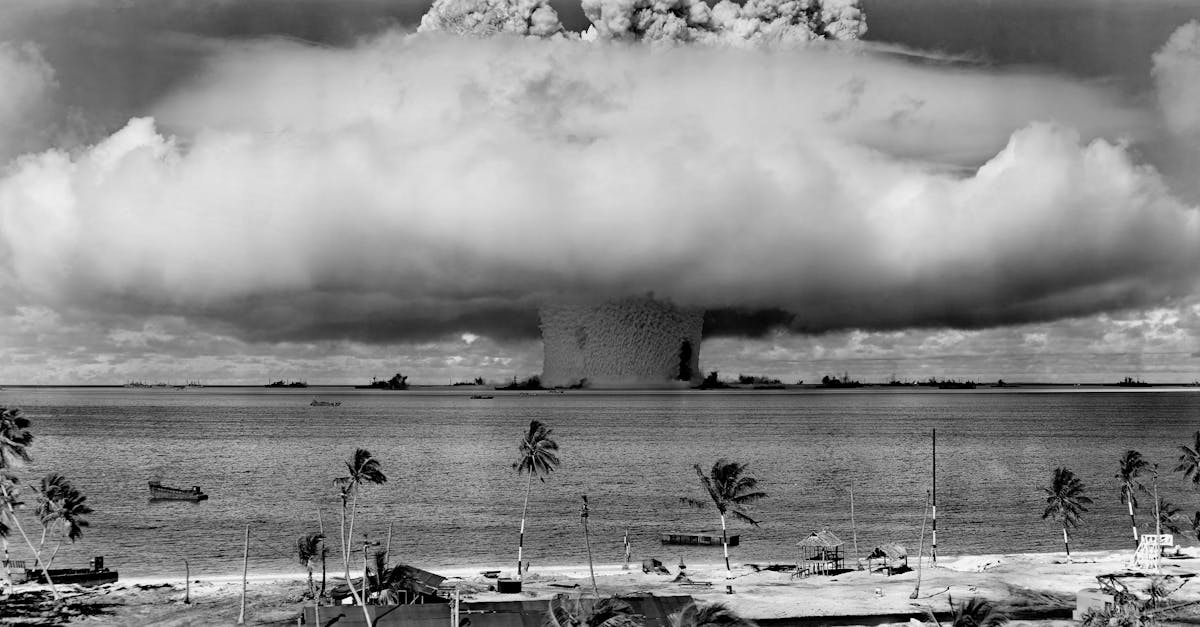
INF Treaty Exit


China’s Global Police Reach

  • China’s Expanding Overseas Policing: China is increasing its policing presence globally through formal agreements and informal networks, citing the protection of Chinese citizens abroad.
  • Joint Patrols and “Service Centres”: China’s Ministry of Public Security (MPS) deploys police teams for joint patrols and establishes alleged “service centres” in countries like Croatia, Serbia, Italy, and Hungary.
  • Purpose of Operations: Officially, these patrols aim to address “safety-related concerns” of Chinese tourists and citizens. However, concerns exist that they are used for surveillance and repression of dissidents, ethnic minorities (Uyghurs, Tibetans), and activists.
  • “Sky Net” and “Fox Hunt” Operations: These initiatives, including joint patrols and service centres, are part of broader Chinese campaigns to monitor and apprehend individuals abroad, particularly those accused of corruption or economic crimes.
  • Concerns Over Sovereignty and Transnational Repression: The operations, especially the alleged “service centres” operating outside formal diplomatic channels, raise serious concerns about breaches of host country sovereignty, espionage, and the suppression of diaspora voices.
  • US Action: The FBI arrested individuals in the US for operating an illegal Chinese “police station,” highlighting concerns about Chinese espionage and suppression of dissent.
  • Varying Country Responses: Nations with closer economic and strategic ties to China, like Serbia and Croatia, have been less likely to investigate these operations unless they pose a direct national security threat, often prioritizing Belt and Road Initiative (BRI) cooperation.
  • Implications for India: India needs to monitor China’s cyber operations, consular activities, and bilateral security partnerships, as its diaspora and student communities could become targets for similar surveillance if Chinese presence grows in countries with significant Indian-Chinese populations.

Ethanol 20%

  • Union Minister Nitin Gadkari accuses petrol lobby: Allegations of a fear campaign against E20 fuel due to vested interests resisting biofuel adoption.

    • Why in news: This highlights a significant political pushback and the government’s defense of its biofuel policy against perceived opposition from the traditional fuel industry.
  • Public backlash over mileage drops and engine concerns: Surveys indicate user opposition to E20 fuel due to perceived negative impacts.

    • Why in news: This shows the practical challenges and public perception hurdles the E20 fuel rollout faces, indicating potential consumer resistance.
  • Government downplays concerns: Official stance is that issues are minor, scientifically overstated, and driven by vested interests.

    • Why in news: This contrasts the government’s optimistic outlook with public sentiment, indicating a divergence in understanding or communication regarding E20’s impact.
  • E20 Fuel explained: A blend of 20% ethanol and 80% petrol.

    • Why in news: Provides essential context for the ongoing debate and policy.
  • India’s Biofuel Strategy & E20 Target: Aims to reduce oil imports, cut emissions, and support farmers through ethanol production. Target is 20% ethanol blending by 2025-26.

    • Why in news: Underscores the strategic importance of E20 for national goals in energy security, environmental protection, and rural economy.
  • Concerns vs. Government’s View: Public worries about mileage and engine wear are acknowledged but deemed minor and exaggerated by the government.

    • Why in news: This encapsulates the central conflict of the news: the clash between public experience and government policy on the ground.

Biochar

  • Biochar’s Rising Importance: With India’s carbon market launching in 2026, biochar, a carbon-rich material from waste, is gaining traction.

    • Why: Biochar can sequester carbon for centuries, improve soil, and act as a long-term carbon sink, aligning with climate goals.
  • Significant Carbon Sequestration Potential for India: India’s vast waste streams can yield substantial amounts of biochar.

    • Why: Utilizing 30-50% of surplus agricultural and municipal waste could produce 15-26 million tonnes of biochar, potentially removing up to 0.91 gigatonnes of COâ‚‚ equivalent annually.
  • Versatile Applications: Biochar and its byproducts offer multiple uses beyond carbon sequestration.

    • Why: Syngas and bio-oil can generate electricity and fuel. Biochar itself can treat wastewater, reduce pollution, and be incorporated into construction and agriculture.
  • Challenges to Widespread Adoption: Several hurdles hinder the large-scale implementation of biochar.

    • Why: Issues include limited resources, technological barriers, market uncertainties, weak policy support, lack of awareness, and insufficient monitoring and verification frameworks.
  • Underrepresentation in Carbon Credits: Biochar’s role in carbon markets needs further recognition.

    • Why: It is currently underrepresented in existing carbon credit systems, impacting its economic viability.

Uttarkashi: Climate Wake-Up

  • Uttarkashi Cloudburst as a Climate Wake-Up Call: The devastating flash floods and landslides in Uttarkashi highlight the increasing frequency and intensity of climate-induced extreme weather events in the Himalayan region.
  • Definition of Cloudburst: Rainfall exceeding 20 mm in one hour within a 20–30 sq km radius, occurring intensely in hilly areas.
  • Causes of Cloudbursts: A combination of rapid ground heating, orographic lifting (air forced up mountain slopes), and saturated clouds releasing moisture suddenly.
  • Reasons for Increased Disasters in Himalayas:
    • Climate Sensitivity: The Hindu Kush Himalayas are highly sensitive to warming, leading to glacier melt and increased atmospheric moisture.
    • Warmer Air Holds More Moisture: Every degree Celsius of warming increases moisture-holding capacity by 7%, leading to intense, localized rainfall.
    • Destabilized Weather Patterns: Climate change makes monsoon rains erratic, causing both late arrivals and extreme deluges.
    • Terrain Amplification: Steep slopes, loose soil (causing landslides), and narrow valleys (funneling floodwaters) exacerbate the damage.
  • Inadequacies in Current Disaster Handling:
    • Outdated Infrastructure: Traditional systems like dams and drains are insufficient for current extreme events.
    • Lack of Real-Time Monitoring: Sparse Automatic Weather Stations (AWS) in high-risk areas hinder data collection.
  • Essential Steps for Climate Resilience:
    • Strengthen Early Warning Systems: Utilize AWS and advanced models for timely alerts and evacuations (e.g., Nepal’s example).
    • Embrace Ecological Solutions: Restore wetlands, mangroves, and natural sponge zones to absorb floodwaters.
    • Promote Land Use Planning: Prioritize preserving forests and natural buffers in hilly areas to prevent landslides.
    • Expand Reforestation/Afforestation: Replant trees in vulnerable areas to combat soil erosion.
    • Empower Local Communities: Train locals in disaster preparedness and integrate traditional knowledge.
    • Mainstream Climate Resilience: Embed adaptation into urban/rural planning, infrastructure, and disaster response, with focus on marginalized groups.
  • Systemic Challenge: Climate change requires coordinated local, national, and international action, including investment in research and innovation.

Sarnath UNESCO Bid

  • Sarnath Nominated for UNESCO World Heritage: India has officially nominated the ancient Buddhist site of Sarnath for the UNESCO World Heritage List for the 2025–26 cycle.
  • Why in News: This nomination is significant as Sarnath has been on UNESCO’s “tentative list” since 1998, marking a crucial step towards official recognition.
  • Key Facts about Sarnath:
    • Location: Near Varanasi, Uttar Pradesh.
    • Religious Significance: Site of Gautama Buddha’s first sermon (Dhammachakkappavattana) after enlightenment. It’s one of four key Buddhist pilgrimage sites.
    • Historical Significance: Reflects architectural evolution from Mauryan to Gahadavala periods. Includes structures like Chaukhandi Stupa, Dhamek Stupa, and the Ashokan Pillar (source of India’s National Emblem).
    • Restoration: Flourished under rulers like Ashoka, Kushans, Guptas, and Harshavardhana, and was restored after invasions.
    • Excavations: Scientific excavations conducted by Sir Alexander Cunningham and Friedrich Oscar Oertel. The Sarnath Archaeological Museum houses important artifacts, including the Ashokan Lion Capital.
  • UNESCO World Heritage Sites:
    • Purpose: Locations of exceptional cultural or natural significance recognized for their value to all humanity.
    • Nomination Process: Countries can nominate one site per year. Sites must demonstrate Outstanding Universal Value and meet specific criteria.
    • Evaluation: Nominated sites are evaluated by advisory bodies like ICOMOS before a final decision by the World Heritage Committee.
  • India’s Heritage Status: India currently has 62 sites on its Tentative List and ranks 6th globally for the number of UNESCO World Heritage Sites.

Sea Buck & Tartar Buck

  • Ladakh Seeds Sent to ISS: Seeds of Seabuckthorn and Himalayan Tartary Buckwheat from Ladakh have been sent to the International Space Station (ISS) by NASA’s Crew-11 mission.
    • Why: Part of the “Emerging Space Nations’ Space for Agriculture & Agriculture for Space” payload, aiming to develop resilient crops for space and Earth.
  • Seed Return and Study: The seeds will return to Earth with NASA’s Crew-10 mission. Indian researchers will study them upon their return.
    • Why: To understand how seeds react to microgravity and their potential as a future food source for long-duration space missions, studying gene activation and metabolic pathways.
  • Nutrient-Rich and Resilient Crops:
    • Seabuckthorn: Known as “Wonder plant” or “Ladakh gold,” it’s hardy, drought-resistant, tolerates extreme temperatures, fixes nitrogen, prevents soil erosion, and has traditional medicinal and nutritional uses.
    • Himalayan Tartary Buckwheat: More cold and drought-resistant, offers health benefits due to resistant starch, protein, minerals, and phenolic substances, helping prevent chronic diseases.
    • Why: These plants are native to high-altitude, harsh environments, making them ideal candidates for developing resilient crops for space agriculture and addressing global food security and climate resilience.
  • Global Collaboration: Seeds from 11 nations are part of the “World Seeds” study, spearheaded by Jaguar Space.
    • Why: To carry forward global biodiversity and cultural heritage as humanity becomes a spacefaring civilization, ensuring that ancient knowledge is integrated into future space endeavors.
  • Indian Contribution: Ladakh’s seeds were sourced by Bengaluru-based space start-up Protoplanet.
    • Why: Highlights India’s participation and contribution to international space agriculture research.

DAC Greenlights Upgrades

  • ₹67,000 Crore Capital Acquisition Approved: The Defence Acquisition Council (DAC) greenlit proposals worth ₹67,000 crore to boost combat readiness across Army, Navy, and Air Force.

  • Tri-Services MALE RPAs: Medium Altitude Long Endurance Remotely Piloted Aircraft approved for all three services, enabling 24×7 surveillance and combat at extended ranges.

  • IAF Maintenance Support: Upgrades for maintenance support for US-origin C-130J Super Hercules and C-17 Globemaster III fleets, alongside an Annual Maintenance Contract for the Russian S-400 Missile System, demonstrates India’s strategic autonomy in managing diverse military platforms.

  • Enhanced Air Defence: Upgrade of the SPYDER/SAKSHAM system for integration with the Integrated Air Command and Control System (IACCS) will improve air surveillance and missile defence in mountainous regions.

  • Naval Capabilities Boost: Acquisitions include Compact Autonomous Surface Craft for anti-submarine warfare and upgrades for BrahMos Fire Control Systems and Launchers, and the BARAK-1 Point Defence Missile System for improved shipborne air defence.

  • Army Modernization: Thermal Imager-based Driver Night Sights for Battle Mechanised Platforms will enhance night driving capabilities for the Army.

  • DAC’s Role: The DAC, chaired by the Defence Minister, approves major capital acquisitions, monitors projects, and grants Acceptance of Necessity (AoN).


DBTL LPG

  • Blocking Duplicate Connections: Over 4.08 crore duplicate, fake, or inactive LPG connections have been blocked, suspended, or deactivated due to the Direct Benefit Transfer for LPG (DBTL) scheme, also known as PAHAL. This helps curb diversion of subsidized LPG for commercial use.

  • Direct Subsidy Transfer: The scheme, launched in 2015, transfers LPG subsidies directly into consumers’ bank accounts after the cylinder is purchased at a non-subsidized rate.

  • Transparency and Leakage Reduction: DBTL, along with Aadhaar-based verification and biometric authentication, strengthens the system of targeted subsidies, ensuring transparency and reducing leakage.

  • Consumer Empowerment: Consumers can opt in or out of the subsidy based on eligibility, and the subsidy is credited via Aadhaar Transfer Compliant (ATC) or Bank Transfer Compliant (BTC) modes.

  • Large Enrolment and Efficiency: As of July 2024, over 30.19 crore LPG consumers are enrolled. The scheme shows high efficiency with a low complaint rate and a high percentage of Aadhaar seeding and compliance among active consumers.

  • Improved Welfare Delivery: India’s broader DBT system has saved significant amounts by curbing leakages and has expanded beneficiary coverage dramatically, driven by digital infrastructure like the JAM Trinity. This has led to improved welfare efficiency and inclusion.

  • Common Database Platform: A Common LPG Database Platform (CLDP) helps identify and remove duplicate connections by using Aadhaar, bank account details, and other parameters.

  • PMUY Integration: Biometric Aadhaar authentication is being completed for Pradhan Mantri Ujjwala Yojana (PMUY) beneficiaries, with all new consumers required to undergo it.

  • Challenges: Transaction failures can occur due to issues like deseeding of Aadhaar, bank mergers, or inactive accounts, and efforts are underway to ensure all consumers become Aadhaar transfer compliant.


LVM3 Semi-Cryo Launch

  • ISRO to Launch LVM3 with Semi-Cryogenic Stage: ISRO plans the first flight of its LVM3 launch vehicle equipped with a semi-cryogenic propulsion stage in the first quarter of 2027.

  • Why in News: This marks a significant upgrade for ISRO’s heavy-lift capability, aiming to enhance performance and reduce launch costs for future missions.

  • Semi-Cryogenic Engine Explained: This engine uses liquid oxygen (LOX) and refined hydrocarbon fuel (like kerosene) as propellants, offering higher density impulse than cryogenic systems. It is intended for booster stages of heavy-lift vehicles and will support platforms like the Next Generation Launch Vehicle (NGLV).

  • LVM3 Launch Vehicle: It is ISRO’s most powerful, heavy-lift, 3-stage rocket, formerly GSLV Mk III, capable of launching payloads up to 4000 kg to Geosynchronous Transfer Orbit (GTO).

  • Key Upgrades: The LVM3 upgrade replaces the L110 liquid stage with the SC120 semi-cryogenic stage. This upgrade enhances GTO payload capacity to around 5,200 kg, reduces launch costs by approximately 25%, and improves environmental safety.

LVM3 Semi-Cryo Launch


India-Phil Strategic Pact

  • Strategic Partnership Elevation: India and the Philippines elevated their bilateral ties to a Strategic Partnership in 2025 during the Philippine President’s state visit. This move strengthens cooperation across various sectors.

  • Why in News: The elevation of ties signifies a deepened commitment to shared interests, particularly in defense, maritime security, and regional stability, aligning with India’s Indo-Pacific strategy.

  • Key Outcomes:

    • Plan of Action (2025-2029): A roadmap focusing on defense, trade, technology, maritime cooperation, connectivity, and climate change was adopted.
    • Consular & Legal Cooperation: Philippines granted visa-free access to Indian tourists, and India extended gratis e-tourist visas to Filipinos. A Mutual Legal Assistance Treaty (MLAT) and Treaty on Transfer of Sentenced Persons were finalized.
    • Infrastructure & Investment: India offered to share the Gatishakti platform for infrastructure development and will support the Philippines’ Sovereign Data Cloud. The Philippines was invited to join the IFC-IOR.
    • Defense & Maritime: Direct flights were announced, and joint naval exercises in the South China Sea commenced. Cooperation includes capacity building and joint maritime activities.
  • Significance:

    • Strategic Alignment: The partnership reinforces a shared vision for a free, open, and rules-based maritime order in the Indo-Pacific, particularly in the South China Sea, where both nations advocate for freedom of navigation and adherence to UNCLOS.
    • ASEAN Engagement: Strengthens India’s ties with a key ASEAN member, enhancing its presence in Southeast Asia.
    • Economic Potential: Opens avenues for increased trade, investment in key sectors, and collaboration in infrastructure and technology.


Daily Current Affairs and News Analysis 06-08-2025

Wind & Wildlife

  • Rapid Wind Energy Expansion: India’s installed wind capacity reached 51.3 GW by mid-2025, with 3.5 GW added in the first half of 2025, an 82% year-on-year growth. India’s gross wind power potential is vast (1163.9 GW).

    • Why in News: This expansion is driven by ambitious climate goals and surging energy demands, but experts are concerned about its environmental cost, particularly for avian welfare and marine biodiversity.
  • Avian Mortality Concerns: A Wildlife Institute of India (WII) study in the Thar Desert found globally high bird mortality rates, estimating 4,464 bird deaths per 1,000 sq. km annually.

    • Why in News: Critically endangered Great Indian Bustard and raptors are most affected due to their flight patterns and low reproduction rates. Power line collisions, not always factored in, worsen the issue. The Thar Desert’s location on the Central Asian Flyway increases vulnerability.
  • Lack of Onshore EIA Mandates: Onshore wind farms in India are not required to conduct Environmental Impact Assessments (EIAs), leading to installations in ecologically sensitive zones without proper study.

    • Why in News: This lack of oversight allows projects to proceed without adequate assessment of their impact on wildlife, particularly birds.
  • Offshore Wind Energy Impacts: Offshore wind farms pose threats to marine biodiversity, disturbing breeding grounds and affecting marine mammals through underwater noise. Fuel spills are also a risk.

    • Why in News: While offshore projects require EIAs, reports are often rapid and may overlook critical ecological factors. The Gulf of Khambhat EIA, for instance, downplayed operational impacts on marine life and contradicted avian sensitivity data.
  • Balancing Development and Conservation:

    • Site Selection: Utilize tools like AVISTEP to identify low-impact areas, but ground-level studies are crucial.
    • Zoning & Spatial Planning: Map “no-go” zones and establish power corridors to protect sensitive habitats, especially for species like the Great Indian Bustard.
    • Technological Solutions: Painting turbine blades and shutdown strategies during migration periods can reduce bird strikes.
    • EIA Mandates: Require EIAs for all onshore wind farms.
    • Monitoring & Research: Conduct long-term studies to track impacts on wildlife.
    • Integration: Combine wind with solar and battery storage for grid stability.

Microplastic Menace

  • Microplastics Found in Human Brains: Tiny plastic particles (under 5mm) are being detected in human brain tissue.
  • Path to the Brain: They enter the body via food, water, air, and medical devices, and can cross the blood-brain barrier.
  • Brain Impact: Microplastics can cause neuroinflammation, activate immune cells, block blood vessels, and disrupt neuronal signaling.
  • Cognitive and Motor Issues: Animal studies link them to memory loss, reduced movement, and coordination problems.
  • Neurodegeneration Link: They may contribute to or worsen neurodegenerative diseases by causing cellular stress and neuronal death.
  • Evidence vs. Proof: While not definitively proven to cause specific diseases, their presence correlates with cognitive impairments.
  • Knowledge Gaps: Most research is from animal models; long-term human data is limited, highlighting the need for more study.
  • Ubiquitous Environmental Problem: Microplastics, originating from deliberate manufacturing and breakdown of larger plastics, pollute oceans and threaten biodiversity.
  • Human Exposure and Toxicity: They are ingested and inhaled, and can carry absorbed toxins, though full human health impacts are still being researched.

Skill Bonds

  • Why in News: India is exploring innovative models like Skill Impact Bonds (SIBs) for economic growth and inclusive development, addressing skilling and employment challenges, especially for marginalized groups. A recent report highlights Jharkhand’s high enrollment share and women’s dominance in apparel, yet persistent gender pay gaps despite improved retention.

  • What is SIB:

    • India’s first Development Impact Bond (DIB) launched in 2021, focusing on skills training and job placement.
    • Shifts focus from enrollment to outcomes like placement and retention.
    • Utilizes private-sector funding to tackle social challenges.
    • Aims to skill 50,000 youth (60% women) from marginalized backgrounds and ensure 30,150 retain jobs for 3+ months.
  • SIB Report 2025 Highlights:

    • Top States: Jharkhand (27%), UP, Maharashtra, Odisha, Telangana.
    • Sectors: Women in apparel, retail, ITes, BFSI; Men in automotive, telecom.
    • Women’s Skilling: Over 72% of trainees are women; 92% certification rate; 81% job placement.
    • Job Outcomes: 75% trainees employed; 60% retained for 3+ months (above national average).
    • Gender Pay Gap: Men earn more than women despite similar job outcomes.
  • Status of Skill Development in India:

    • Low employability (51.25% of assessed youth).
    • Low formal training (4.4% formally skilled).
    • Significant industry skill gaps (75% employers struggling to find skilled workers).
    • Underemployment (over 50% graduates in low-skill jobs).
    • Limited women participation in STEM professions.
  • Challenges Hindering Skill Development:

    • Inconsistent quality and infrastructure gaps in training centers.
    • Industry disconnect and skill mismatch in training programs.
    • Low private sector role and urban bias in skilling initiatives.
  • Key Takeaways from Individual Stories:

    • SIB is driving a shift towards outcome-based skilling, empowering women.
    • Participants are navigating challenges for aspirational livelihoods.
    • SIB’s outcome-based financing incentivizes providers for job placement and retention, unlike traditional schemes where retention is poor.
    • Skilling offers identity, agency, and integration into the formal economy for women.

Clean Cash

  • Rising Cases, Low Convictions: Over 5,800 money laundering cases reported since 2015, but only 15 convictions, highlighting inefficient investigations and the government’s struggle to curb financial crimes.
  • Definition: Money laundering involves disguising illegally obtained money through financial systems to appear legitimate, often by organized crime.
  • Enforcement Challenges: Lack of convictions and slow progress point to weaknesses in the legal framework and implementation, with issues in case registration and suspicious activity investigations.
  • DTAA’s Limited Impact: While Double Taxation Avoidance Agreements help track illicit flows, they haven’t fully solved money laundering concerns, needing stronger enforcement, especially against terror financing.
  • Court Ruling on Property Registration: A 2022 ruling mandated property registration under Section 3 of PMLA for successful money laundering prosecutions.
  • PMLA’s Role: The Prevention of Money Laundering Act (2002) aims to prevent laundering, track illicit flows, and seize illegal assets.
  • Key Provisions: PMLA defines money laundering, empowers the Enforcement Directorate (ED) to investigate and attach/confiscate proceeds of crime, and requires reporting of suspicious transactions.
  • Penalties: Money laundering carries penalties of up to seven years imprisonment and fines, with potential for extended punishment based on severity.
  • Recent Amendments: 2019 amendments expanded money laundering offense scope and enhanced investigative powers, including faster property attachment and stricter punishments.
  • Significance: PMLA is crucial for combating financial crimes, enhancing transparency, tracing illicit flows, and maintaining financial system integrity.

Clean Cash


Alzheimer’s

  • New Antibody Therapies Show Promise: Lecanemab (Leqembi) and donanemab target amyloid-β plaques, slowing cognitive decline by about 30% in early-stage Alzheimer’s. This highlights the importance of early diagnosis.
  • Broad Drug Development Pipeline: Over 138 novel drugs are in clinical trials, targeting various mechanisms like tau proteins, neuroinflammation, and vascular health. Promising candidates include semaglutide, simufilam, and trontinemab.
  • Innovative Therapeutic Targets: Researchers are exploring microRNAs (miRNAs) as both biomarkers for early diagnosis and therapeutic targets. Therapies targeting the miR-7a-Klf4 axis show potential to combat neuroinflammation and ferroptosis, with the possibility of treating or even curing AD.
  • Early Detection Advancements: Blood tests for amyloid and other biomarkers are enabling earlier, less invasive detection, paving the way for preventive treatments before symptoms appear.
  • Multimodal and Personalized Approaches: Combining drug therapies with lifestyle changes, cognitive training, and caregiver support is recommended for optimal outcomes. Personalized medicine based on biomarker-driven plans is gaining traction.
  • Future Directions: Research is underway on amyloid vaccines and combination therapies targeting multiple disease pathways, ideally initiated before symptom onset, to achieve the best results.
  • Challenges Remain: High costs and limited insurance coverage for new treatments, along with uncertainty about long-term benefits, are significant barriers.
  • Understanding Alzheimer’s: AD is a progressive neurological disorder causing memory loss, cognitive decline, and behavioral changes, with protein clumps (amyloid and tau) being key pathological features.
  • Socioeconomic Impact: AD accounts for 70-80% of dementia cases, making it a major cause of death and imposing a substantial socioeconomic burden.
  • Research Highlights: Studies have identified altered miRNAs in the AD brain, with miR-7a targeting Klf4 identified as a crucial regulator of neuroinflammation and ferroptosis, offering a novel therapeutic target.
  • Therapeutic Potential of miRNAs and Small Molecules: Modified miRNAs and small molecules like Honokiol are being developed to target these pathways, potentially offering a cure.

Death Rule

  • Necropolitics vs. Biopolitics: Necropolitics, coined by Achille Mbembe, extends Foucault’s biopolitics. While biopolitics focuses on preserving life, necropolitics examines how power dictates who lives, who is abandoned, or sacrificed. This is crucial for understanding state control.

  • State of Exception: Building on Agamben, states use exceptional laws to protect some lives while actively excluding and allowing others to perish in neglected zones. This creates areas where death becomes normalized.

  • The “Living Dead”: Mbembe’s concept of the “living dead” refers to individuals who are biologically alive but denied social, political, and moral recognition. The plight of migrant workers during COVID-19, left to die from neglect, exemplifies this.

  • Gaza as a Case Study: The situation in Gaza illustrates necropolitics where civilian deaths, including children, are framed as “collateral damage” to justify violence and systematic neglect in the name of national security.

  • Everyday Manifestations: Necropolitics is evident in daily life in areas of conflict. The disposability of life is seen in the neglect and abandonment of marginalized communities, victims of violence, or those in disaster zones.


India’s Sulphur Energy Worry

  • Government Eases Sulphur Emission Rules: The Indian government has relaxed sulphur emission standards for coal power plants, prioritizing affordable and reliable electricity amidst rising energy demand.
    • Why: To meet escalating energy needs and ensure cost-effective power.
  • Environmental Concerns Reignited: This rollback has sparked concerns about increased air pollution, particularly Sulphur Dioxide (SOâ‚‚) emissions.
    • Impact of SOâ‚‚: SOâ‚‚ contributes to acid rain, damages ecosystems (leaching soil nutrients, harming aquatic life), and poses severe respiratory and cardiovascular health risks by forming fine sulphate particles (PM2.5). It can travel hundreds of kilometers.
  • Indian Coal Characteristics:
    • India predominantly uses “sub bituminous” coal, which has low sulphur but also lower energy density and calorific value.
    • This necessitates burning more coal per unit of electricity, leading to higher COâ‚‚ emissions and ash generation.
    • Indian coal also has high quartz content, reducing efficiency.
  • Sulphur Dioxide (SOâ‚‚) Sources & Regulation:
    • Primary Source: Coal-fired thermal power plants.
    • Other Sources: Petroleum refining, metal smelting, cement and chemical industries.
    • Regulation: India’s Air (Prevention and Control of Pollution) Act, 1981, sets SOâ‚‚ limits, but recent government actions suggest a potential weakening of enforcement or standards. The US regulates SOâ‚‚ as a criteria pollutant.
  • Control Measures:
    • Pre-combustion: Fuel switching (low-sulphur coal), coal washing, Fluidized Bed Combustion (FBC), Integrated Gasification Combined Cycle (IGCC).
    • Post-combustion: Flue Gas Desulphurisation (FGD) – dry or wet scrubbing (producing gypsum as by-product), regenerative processes.
  • Challenges and Way Forward:
    • FGD installations are costly but essential in high-emission zones.
    • Balancing energy needs with environmental safeguards is crucial.
    • Increasing renewable energy share and phasing out inefficient plants are recommended.
    • Consistent emission norms are needed for industry investment.
    • Environmental decisions must consider long-term health costs of pollution.

India Adopts

  • Widening Adoption Gap: The number of prospective parents for adoption in India significantly outnumbers available children (13:1 in 2025), a gap that has widened since 2021.
    • Why: Increased willingness to adopt due to reasons beyond infertility, while the number of children legally cleared for adoption hasn’t kept pace.
  • Prolonged Waiting Periods: The average waiting time for an adoption referral has risen to approximately 3.5 years.
    • Why: This is attributed to inefficiencies and hurdles in the adoption process, risking illegal adoptions as warned by a Parliamentary Committee.
  • Challenges in Declaring Children “Legally Free”: A substantial number of children in Child Care Institutions (CCIs) are not declared legally free for adoption.
    • Why: Complexities arise from cases with parents on paper who don’t visit, economic issues causing temporary separation, and delays in processing guardianship.
  • Parental Preferences vs. Child Availability: Most parents prefer infants (0-2 years), while a significant portion of adoptable children are older (34% are 14-18 years) or have special needs, leading to these children being overlooked.
    • Why: This mismatch, coupled with long wait times, can lead parents to change their preferences solely to expedite the process.
  • Implementation Issues of JJ Act: The Juvenile Justice Act (2021), meant to streamline the process, faces challenges in implementation due to a lack of accountability, resource limitations, and poor coordination among stakeholders.
    • Why: Inconsistencies between the simpler but less regulated Hindu Adoption and Maintenance Act (HAMA) and the more regulated but slower JJ Act contribute to delays and potential trafficking concerns.
  • Exclusion of LGBTQ+ Individuals: LGBTQ+ individuals and couples face exclusion from formal adoption due to traditional norms and legal barriers, driving informal adoptions.
    • Why: Lack of legal recognition for same-sex relationships prevents them from accessing the formal, regulated adoption system.

Nilgiri Tahr

  • Joint Census Reveals 2,668 Nilgiri Tahrs: A synchronized survey across Kerala (1,365) and Tamil Nadu (1,303) reported the total population. This highlights the need for interstate cooperation in conservation.
  • Eravikulam National Park (ENP) leads population: ENP in Kerala hosts the largest contiguous population (841), with a slight increase from last year (827). 90% of Kerala’s tahrs are in the Munnar landscape.
  • Controlled Burning Boosts Grasslands: Controlled burning, a practice informed by tribal communities and used in ENP for 30 years, rejuvenates grasslands crucial for tahr grazing and increases their reproductivity.
  • Conservation Success and Food Security: The growing tahr population and increased births (144 reported in ENP) are linked to improved grassland management. This also helps control tiger and leopard populations within the park, reducing their straying into human habitats.
  • Ecological Indicator and Biodiversity: Nilgiri Tahrs are vital prey for apex predators like tigers and leopards and coexist with endemic species like the Nilgiri langur and lion-tailed macaque, indicating the health of montane grasslands.
  • Habitat Loss Remains a Threat: Historically, tahrs occupied a wider range, much of which has been lost to plantations and development, emphasizing the importance of exploring and restoring fragmented populations and habitat connectivity.
  • Standardised Survey Methods: The census utilized standardized techniques like ‘Bounded Count’ and ‘Double Observer’ for improved data reliability across census blocks in both states.
  • IUCN Endangered Status: The Nilgiri Tahr is classified as Endangered by the IUCN and is protected under Schedule-I of the Wildlife Protection Act, 1972.

AI for Public Services

  • AI-Powered Anganwadi Pilot: India’s first AI-powered Anganwadi launched in Waddhamna village, Nagpur, Maharashtra, as a pilot project to bridge the rural-urban digital divide in early childhood education.

    • Why in News: This initiative signifies a major advancement in public service delivery, offering rural children access to modern, engaging learning experiences.
  • Early Child Care Enhancement:

    • Integrates with the Poshan Tracker for real-time nutrition and health monitoring.
    • AI analyzes meal photos for dietary insights and predictive alerts on malnutrition.
    • Facilitates targeted supplementary nutrition delivery.
    • Children engage with VR headsets, AI-enabled smart boards, and interactive content.
    • Adaptive learning systems cater to individual learning paces, supporting slower learners.
    • Generative AI tools are being introduced for content creation and communication.
  • Smarter and Inclusive Governance:

    • Moves from a “one-size-fits-all” to tailored, real-time service delivery.
    • BharatGen aims to enhance public services across language, speech, and computer vision for India’s diverse population.
    • AI tools managed crowd flow and powered multilingual chatbots at Mahakumbh 2025, setting a benchmark for mass event management.
  • Efficient and Targeted Welfare:

    • AI models analyze patterns in poverty, health, and education to identify gaps and predict needs.
    • Helps policymakers deliver targeted benefits more effectively.
  • Accessibility and Inclusivity:

    • Tools like Digital India BHASHINI and Sarvam-1 break language barriers.
    • Enhances inclusivity for differently-abled individuals.
  • Law Enforcement and Justice:

    • Enables predictive policing, real-time surveillance, and cyber threat detection.
    • AI-driven Facial Recognition Systems (FRS) aid in solving crimes and finding missing persons.
    • Accelerates case research and aids in drafting judgments, reducing backlogs.
    • SUPACE assists judges with legal research.
  • Optimizing Agriculture:

    • Data-driven insights from AI tools optimize irrigation and provide localized farming recommendations.
    • Led to increased crop production, reduced resource usage, and minimized wastage.
  • Climate Change and Environmental Monitoring:

    • Supports flood prediction, air quality tracking, and climate modeling.
    • Mission Mausam uses AI and satellite data for disaster preparedness and flood forecasting.
  • Education and Personalized Learning:

    • AI-powered EdTech enables adaptive learning.
    • Initiatives in Tripura use AI to address school dropout rates by boosting student motivation.
  • Urban Governance and Smart Cities:

    • Improves traffic flow, waste management, and public service delivery.
  • Financial Governance and Taxation:

    • Helps detect fraud, prevent subsidy leakages, and automate auditing.
    • RBI’s MuleHunter.ai detects mule accounts in financial scams.
  • Better Healthcare:

    • AI Centers of Excellence are developing solutions for disease prediction.
  • Conclusion: AI integration enhances efficiency, inclusivity, and accessibility in public service delivery, positioning India as a leader in AI-powered governance.


Hiroshima’s Nuclear Legacy

  • Devastating Impact: Hiroshima bombing on August 6, 1945, killed at least 70,000 instantly, with another 70,000 dying from injuries and radiation by year-end. Nagasaki followed three days later.

  • Norm of Non-Use: 80 years have passed without nuclear weapons being detonated again, establishing a norm against their use, though this is now under strain.

  • Reasons for Bombing: Primarily to swift end WWII and avoid a costly invasion of Japan. Secondarily, to demonstrate U.S. military might to the Soviet Union amid rising Cold War tensions.

  • Global Nuclear Order: Post-Hiroshima, the UN was formed, and the Nuclear Non-Proliferation Treaty (NPT) aimed to curb the spread of nuclear weapons, recognizing five official nuclear powers.

  • Treaties Limiting Nuclear Weapons:

    • NPT (1968): Prevents proliferation, promotes disarmament, and peaceful use of nuclear energy. Criticized for creating “nuclear apartheid.”
    • CTBT (1996): Bans all nuclear explosions but doesn’t stop possession or development. Lacks ratification by key states.
    • TPNW (2017): Completely bans nuclear weapons but is not signed by nuclear states.
  • Hibakusha’s Role: Survivors’ testimony created a powerful moral case against nuclear use, highlighting human consequences. Their recognition was delayed due to post-war suppression of information.

  • Deterrence vs. Morality: The norm of non-use is attributed to both nuclear deterrence logic and the ethical arguments made by survivors who educate on radiation sickness.

  • Current Strain: Recent nuclear threats and modernization of arsenals are challenging the established norm of non-use.

  • India’s Stance: Advocates for universal nuclear disarmament but opposes discriminatory treaties like NPT and CTBT, preferring a step-by-step, equitable approach.

  • ICJ Opinion (1996): Stated that the use or threat of nuclear weapons would “generally be contrary” to international humanitarian law, adding moral pressure against their use.


Fire Cure

  • Indian Army Launches AGNISHODH at IIT Madras: Chief of Army Staff Upendra Dwivedi inaugurated the Indian Army Research Cell (IARC) named AGNISHODH at IIT Madras.
    • Why: This initiative aims to accelerate indigenous defense innovation by bridging the gap between academic research and military applications.
  • Focus on Futuristic Technologies: AGNISHODH will concentrate on areas crucial for fifth-generation warfare.
    • Why: These areas include additive manufacturing, cybersecurity, quantum computing, wireless communication, and unmanned aerial systems (UAS), enabling modernization and technology infusion.
  • Leveraging IIT Madras Research Park: The facility will operate within the IIT Madras Research Park.
    • Why: This allows collaboration with advanced centers like AMTDC and Pravartak Technologies Foundation to convert research breakthroughs into deployable defense technologies.
  • Strategic National Partnerships: AGNISHODH will collaborate with national missions like INDIAai and Project QuILA.
    • Why: This expands its reach and leverages broader national expertise for defense technology development.
  • Upskilling Armed Forces Personnel: The cell aims to enhance the skills of Army personnel in cutting-edge defense technologies.
    • Why: This contributes to building a tech-empowered military workforce.
  • Part of a Wider Network: AGNISHODH builds on the success of similar Army research cells at IIT Delhi, IIT Kanpur, and IISc Bengaluru.
    • Why: This demonstrates a strategic approach to fostering indigenous defense innovation across premier academic institutions nationwide.

Fire Cure


Sharavathi Hydro OK

  • NBWL Grants In-Principle Approval for Sharavathi Hydroelectric Project: The National Board for Wildlife (NBWL) has given its initial approval for the 2,000 MW Sharavathi Pumped Storage Hydroelectric Project in Karnataka.

  • Ecological Concerns Remain: The approval comes despite significant ecological worries regarding the project’s impact on the Sharavathi Valley Lion-tailed Macaque Sanctuary in the Western Ghats, a biodiversity hotspot.

  • Project Details: The project, proposed by Karnataka Power Corporation Ltd., involves constructing underground turbines and pipes connecting Talakalale and Gerusoppa dams. It requires 42.51 hectares of forestland and 60.53 hectares of non-forestland from the sanctuary, plus additional land from its eco-sensitive zone.

  • Lion-tailed Macaque Impact: The sanctuary is home to approximately 700 Lion-tailed Macaques, an endangered primate highly sensitive to habitat fragmentation. Concerns exist about the project’s impact on their population and the destruction of pristine forests.

  • Conditions Attached: The NBWL approved the project with 24 riders or conditions, including measures like limiting construction hours and waste management protocols, which activists deem insufficient to offset ecological damage.

  • Tree Felling: The project necessitates felling nearly 15,000 trees, though the NBWL suggested saving over 12,000 by extending a proposed underground road.

  • Criticism from Conservationists: Wildlife conservationists have criticized the project, noting contradictions like relocating forest-dwellers for inviolate spaces while approving ecologically damaging projects in the same sanctuary. They also highlighted a lack of full ecological impact assessment details.

  • Next Steps: The project will now seek approval under the Forest Conservation Act, 1980, before returning for final NBWL approval. Activists believe the subsequent approval will be a formality.


Agnishodh & SAMBHAV

  • Agnishodh Inaugurated at IIT Madras: The Indian Army Research Cell (IARC), named ‘Agnishodh’, has been established at IIT Madras.
    • Why: To bridge academic research and military needs, translating lab innovations into field-ready defence technologies. It aligns with the Army’s Five Pillars of Transformation, focusing on technology absorption and modernization.
  • Focus Areas of Agnishodh: The research cell will concentrate on Artificial Intelligence, Quantum computing, cybersecurity, wireless communication, and unmanned systems.
    • Why: To build a tech-savvy defence workforce by upskilling military personnel in these emerging domains and support national technology missions like INDIAai and Chip-to-Startup for self-reliance.
  • Project SAMBHAV Highlighted: General Upendra Dwivedi also emphasized ‘Project SAMBHAV’ (Secure Army Mobile Bharat Vision).
    • Why: It’s a key tech initiative for secure communication, a secure, 5G-based mobile system designed for instant, encrypted communication, even in remote areas, to boost battlefield communication.
  • Broader Army Transformation: These initiatives are part of the Indian Army’s ‘Decade of Transformation’ and commitment to ‘Swadeshikaran Se Sashaktikaran’ (Self-reliance leading to empowerment).
    • Why: To prepare for evolving warfare, including fifth-generation conflicts and grey zone conflicts, by integrating modern capabilities and ensuring future readiness.
  • Collaboration and Vision: Agnishodh’s collaboration extends to IIT Madras Research Park, aiming to transform academic excellence into battlefield innovation.
    • Why: To power India’s journey towards becoming a developed nation by 2047 (‘Viksit Bharat 2047’).

My Village My Heritage

  • Significant Progress: Data for approximately 4.7 lakh out of the identified 6.5 lakh villages has been uploaded on the Mera Gaon Meri Dharohar (MGMD) portal.

  • Digital Cultural Mapping: MGMD, launched in 2023 under the National Mission on Cultural Mapping (NMCM), aims to digitally document and map the cultural identity of Indian villages.

  • Collaborative Initiative: It is implemented by the Ministry of Culture in collaboration with the Indira Gandhi National Centre for the Arts (IGNCA).

  • National Cultural Workplace: The MGMD portal serves as a central platform for accessing this cultural data.

  • Village Categorization: Villages are classified under 7 themes, including Arts and Crafts, Ecologically Oriented, and Scholastic/Epic traditions.

  • Tamil Nadu Highlights: Tamil Nadu has seen data uploaded for 14,251 out of its 19,219 villages, showcasing its unique traditions like Siddha medicine and local art forms.

  • Community Participation: A crowdsourcing feature on the portal encourages local communities to contribute and validate cultural information.

  • Focus on Heritage Promotion: The government is promoting heritage villages through cultural tourism, digital platforms, and educational outreach, though no specific benefits are extended to villagers directly.


Daily Current Affairs and News Analysis 05-08-2025

AI Immune Builder

  • AI-Designed Proteins Generate Immune Cells: Harvard scientists used AI to create synthetic proteins that boost immune cell production.

    • Why it’s news: This breakthrough offers a novel way to enhance the body’s defense against diseases like cancer and viral infections.
  • Key to T Cell Development: The proteins activate the Notch signalling pathway, crucial for converting immune progenitors into T cells.

    • Why it’s news: Notch signalling is vital for immune defense, but effective molecular activators were previously unavailable for therapeutic use.
  • Scalable T Cell Production: The AI-designed proteins enable large-scale T cell generation in lab bioreactors.

    • Why it’s news: This is essential for the growing demand for T cells in CAR-T cell cancer therapies.
  • Enhanced Vaccine Efficacy: In animal trials, the proteins improved T cell responses and boosted the production of long-lasting memory T cells.

    • Why it’s news: This indicates potential for more effective vaccines with enduring protection.
  • Future Therapeutic Potential: Researchers aim to engineer these proteins to target cancer cells directly, enhancing anti-tumor immunity and overcoming tumor-induced immune suppression.

    • Why it’s news: This opens doors for next-generation immunotherapies and cancer vaccines.
  • Leveraging Nobel Prize-Winning Tech: The AI-driven protein design techniques used are based on work for which David Baker received the 2024 Nobel Prize in Chemistry.

    • Why it’s news: Highlights the cutting-edge nature of the technology.

World Energy

  • Why in News: The IEA’s Electricity Mid-Year Update 2025 predicts a significant surge in global electricity demand driven by heatwaves, air conditioners, data centers, and EVs, while renewable energy sources like solar and wind are rapidly transforming the energy landscape.

  • Key Highlights of IEA Update:

    • Rising Demand: Global electricity demand is forecast to grow by 3.3% in 2025 and 3.7% in 2026, significantly exceeding the 2015-2023 average of 2.6%. Heatwaves, ACs, data centers, and EVs are primary drivers.
    • India & China Lead Growth: These two countries will account for 60% of global demand growth through 2026. India’s demand is projected to grow by 4% in 2025 and 6.6% in 2026.
    • Renewables Overtake Coal: Solar and wind power are projected to surpass coal generation by 2025 or 2026, with their combined share reaching 20% by 2026, up from 15% in 2024. They will also drive over 90% of the electricity demand increase in 2025. Coal’s share in total generation will drop below 33%.
    • Nuclear Power Milestone: Global nuclear power generation is expected to hit a record high in 2025, with a 2% increase driven by new reactors and plant restarts.
    • Electricity Security Concerns: Blackouts in Chile and Spain/Portugal highlight the need for robust grid infrastructure and flexible supply chains.
    • Emissions Trend: While global emissions rose by 1.2% in 2024, low-emission sources are starting to offset fossil fuel use, though extreme weather remains a factor.
  • India’s Energy Landscape:

    • Capacity Mix: As of June 2025, India’s installed capacity is 484.82 GW, with thermal power at 49.92% and non-fossil fuels (RE, LH, Nuclear) at 50.08%.
    • Renewable Dominance: Solar power is the largest contributor to renewable energy, followed by wind. India ranks 4th globally in renewable energy installed capacity.
    • Energy Access & Efficiency: Power shortages have dramatically reduced, and per capita electricity consumption has increased significantly. India has achieved 100% village electrification.
    • Key Initiatives: Schemes like PM-KUSUM, PM-Surya Ghar, Solar Parks, PLI for Solar Modules, National Bioenergy Programme, and the National Green Hydrogen Mission are driving India’s renewable energy push.
    • Bioenergy Growth: Significant increases in LPG connections, ethanol blending, and biogas capacity are noted.

World Energy


Article 370 Repeal

  • Six Years Post-Abrogation: August 5, 2025, marks six years since Article 370, which granted special autonomous status to Jammu and Kashmir (J&K), was revoked.

  • Politics & Representation:

    • Democratic processes have resumed, but with reduced powers for the elected government, as the Lieutenant Governor retains control over police and services.
    • Major political parties like the National Conference (NC) and People’s Democratic Party (PDP) have re-entered electoral politics with differing strategies.
  • Security:

    • Civilian deaths have significantly decreased (24 in 2024 vs. 129 in 2015), a key objective of abrogation.
    • However, the Pahalgam terror attack in April 2025 impacted security gains and tourism confidence, with ongoing concerns about infiltration and militant activity.
  • Economy & Development:

    • Industrial development shows progress with 359 operational units and 1,424 in the pipeline.
    • Government investment surged to ₹2.15 lakh crore in 2024–25.
    • Revenue indicators are improving, with GST collections up by 39% and rising per capita income.
  • Tourism:

    • 2023 saw a record 2.21 crore tourists, contributing 7% to GSDP.
    • The Pahalgam attack raised concerns about the perception of normalcy, despite efforts like hosting the G20 and Miss World pageant to project stability.
  • Article 370 Background: It was a temporary provision granting J&K significant autonomy, including its own constitution and flag, with limited applicability of Indian laws and provisions for permanent residents (Article 35A).

  • Abrogation Impact: Revoked Article 370, split J&K into two Union Territories (J&K with legislature, Ladakh without), leading to uniform application of Indian laws and opening land ownership/jobs to all Indian citizens. Critics cite weakened federalism, while supporters emphasize national integration and development.


Breastfeeding Governance

  • Low Exclusive Breastfeeding Rates: Despite high initiation, only 63.7% of infants are exclusively breastfed for six months (NFHS-5), with an average duration of 4.9 months. This gap highlights systemic failures, not mother’s choices.
  • Significance of Breastfeeding: Initiating breastfeeding within the first hour (golden hour) provides crucial colostrum, boosts immunity, and reduces infant mortality. Breastmilk is the perfect food, protecting against infections and supporting optimal growth and brain development. It also reduces cancer and diabetes risk in mothers.
  • Structural Challenges:
    • Poor Post-Natal Awareness: Rapid hospital discharge leaves mothers without adequate guidance, leading to misinterpretation of challenges like poor latch as insufficient milk.
    • Physical & Emotional Barriers: Latching difficulties, nipple pain, and stress (which inhibits milk production) require trained help, often unavailable.
    • Field Worker Capacity Deficit: ASHAs and ANMs lack sufficient training and resources (visual tools, helplines) to effectively support lactation.
    • Marginalization & Communication Gaps: Tribal, migrant, and urban poor communities face poor access to tailored, culturally sensitive information.
    • Informal Sector Issues: Lack of maternity leave, clean spaces, and supportive facilities forces early weaning, despite the Maternity Benefit Act’s provisions.
  • Reforms Needed:
    • Integrated Healthcare Support: Embed breastfeeding support at all levels (hospitals, homes, workplaces).
    • Routine Counselling: Make breastfeeding counselling a standard part of antenatal visits and immunisation check-ups.
    • Enhanced Training: Provide practical, hands-on training for frontline health workers on lactation support.
    • Public Health Right: Treat breastfeeding as a public health right, not solely a mother’s responsibility.
    • Supportive Infrastructure: Establish clean, private feeding rooms in public spaces and workplaces.
    • Tailored Communication: Use local languages, folk media, and community leaders for effective messaging.
    • Strengthen Schemes: Integrate better lactation support and incentives into schemes like PMMVY and MAA.
  • Government Initiatives: Pradhan Mantri Matru Vandana Yojana (PMMVY) and Mothers’ Absolute Affection (MAA) program aim to promote breastfeeding and maternal health.
  • Conclusion: Effective breastfeeding requires scientific, emotional, and structural support. Integrated, evidence-based interventions are crucial for improving outcomes and protecting national health.

Battery Waste Control

  • Context: India’s rapid electrification (EVs, renewables) drives massive battery demand (139 GWh by 2035 from 4 GWh in 2023). This generates significant e-waste (700,000 tonnes lithium batteries in 2022).
  • Challenge: Lack of a robust battery recycling ecosystem, particularly a fair Extended Producer Responsibility (EPR) floor price, threatens environmental safety and economic sustainability.
  • Battery Waste Management Rules (BWMR) 2022: Aims for sustainable management and recycling, covering all battery types, based on EPR. Producers are responsible for collection, recycling, and using recovered materials, with landfill/incineration prohibited.
  • Key Issue – Skewed EPR Floor Price: The current EPR floor price is too low to support safe, high-quality recycling of lithium batteries, which require advanced technology and skilled labor.
    • Why News: This low price makes legitimate recycling unviable, encouraging informal/fraudulent operators, fake certificates, and hazardous dumping. It could cost India over $1 billion in foreign exchange losses by 2030 due to import dependence and improper recycling.
  • Resistance to Compliance: Large multinational producers exhibit double standards, complying in developed nations but neglecting responsibilities in developing ones like India.
    • Why News: This hinders the development of sustainable battery ecosystems in the Global South.
  • Need for Fair Pricing: A fair, globally comparable EPR floor price is crucial, reflecting real recycling costs. This can be absorbed by manufacturers without raising consumer prices, as they haven’t passed on metal price reductions.
  • Strengthening Enforcement: Digitizing EPR certificates, robust audits, and stringent penalties are needed to prevent fraud.
  • Integrating Informal Sector: Training and supporting informal recyclers can improve safety and expand capacity.
  • Policy Reform: Policymakers, industry, and recyclers need to collaborate on a viable pricing structure, drawing from international best practices (e.g., UK’s ~₹600/kg for EV battery recycling vs. India’s much lower proposed rates).
  • Conclusion: Addressing battery waste requires a fair EPR price, better enforcement, and formalizing the informal sector to turn waste into a strategic asset for India’s Net Zero goals.

Army’s Two-Front Strategy

  • Two-Front Threat Adaptation: The Indian Army is enhancing its capabilities to counter simultaneous threats from China and Pakistan, especially after “Operation Sindoor.”

  • Integrated Battle Groups (IBGs): The Army is restructuring units into self-contained, agile, brigade-sized formations (IBGs) to launch swift offensive strikes. These will combine infantry, tanks, artillery, engineers, UAVs, and Special Forces.

  • ‘Rudra’ All-Arms Brigades: Existing single-arm brigades are being converted into integrated combat units with all necessary fighting elements, permanently deployed together for specific operational roles.

  • ‘Bhairav’ Light Commando Battalions: Plans are underway to raise 40-50 agile, lethal commando battalions for swift border incursions, supplementing existing Special Forces units.

  • Artillery and Drone Enhancement: The Army is establishing ‘Shaktibaan’ artillery regiments with ‘Divyadrishti’ surveillance and loitering munitions for precision strikes. Over 400 infantry battalions will receive dedicated drone platoons, emphasizing UAV integration.

  • Strengthened Air Defence: Army Air Defence (AAD) is being bolstered with Akash Prime and Quick Reaction Surface-to-Air Missile (QRSAM) regiments for high-altitude and rapid response capabilities, crucial for countering aerial threats.

  • Modernization Rationale: These upgrades aim to transform the Army into a “future-ready force” capable of rapid mobilization and effectiveness in modern, high-tempo warfare, driven by the changing nature of conflicts globally with drone warfare.


Pollution Boards

  • PCBs can impose restitutionary/compensatory damages: Supreme Court ruled PCBs can collect damages to restore polluted air/water.
    • Why in news: This empowers PCBs to enforce the “polluter pays” principle and actively restore ecosystems.
  • Powers derived from Water and Air Acts: Sections 33A (Water Act) and 31A (Air Act) grant these powers.
    • Why in news: Clarifies the legal basis for PCB actions, strengthening their authority.
  • Subordinate legislation required: Powers must be exercised after framing rules/regulations and following natural justice.
    • Why in news: Ensures fair and transparent implementation of these significant powers.
  • Reversal of Delhi High Court ruling: The Supreme Court’s decision overrides the earlier ruling that the Delhi PCB lacked this authority.
    • Why in news: Sets a precedent for other states and strengthens PCB capabilities nationwide.
  • “Polluter pays” principle emphasized: Restoration should mimic the damaged ecosystem.
    • Why in news: Reinforces accountability for polluters and a focus on effective environmental recovery.
  • Broad statutory powers of PCBs: PCBs can regulate or shut down polluting industries.
    • Why in news: Highlights the comprehensive role PCBs play in environmental protection and enforcement.

Rural Body Funding Cuts

  • Why in News: Parliamentary Committee flagged a “steady decline in fund allocation” to Panchayati Raj Institutions (PRIs), urging immediate steps for adequate, untied, and performance-linked funds.

  • Sources of Funds for PRIs:

    • Own Source Revenue (taxes, fees) – currently very low (1% of PRI revenue).
    • Shared/Assigned Revenue from states.
    • Central Finance Commission Grants (major source).
    • State Government Grants (recommended by State Finance Commissions – SFCs).
    • Funds under Centrally Sponsored Schemes (MGNREGS, PMAY-G etc.).
    • Special Grants (MPLADS).
  • Issues in Funding:

    • Decline in Allocation: Hampers fiscal decentralization and ability to meet duties.
    • State Finance Commission (SFC) Issues: Delays in SFC constitution (only 25 states have them, 9 have 6th SFC). This delays central grant flow.
    • Inability to Meet Local Needs: Reduced untied/scheme-based transfers limit PRI capacity for local development and services.
    • Inconsistent Transfer of 11th Schedule Subjects: State governments’ fear of losing control restricts Panchayats’ decision-making.
    • Institutional Flaws: Rotating reserved seats disrupt leadership continuity; District Planning Committees (DPCs) poorly implemented; lack of training for elected representatives.
    • High Reliance on Grants: PRIs generate only 1% revenue via taxes; 95% comes from Central and State grants.
  • Steps Needed:

    • Allocate sufficient, untied, performance-linked resources.
    • States to encourage timely SFC constitution and report submission.
    • Enhance PRI revenue generation through local taxes with state support.
    • Ensure transparency through audits, RTI, and robust procurement.
    • Strengthen digital infrastructure for better governance.
  • Prelims Relevance: Panchayati Raj Institutions (PRIs), 11th Schedule, State Finance Commissions (SFCs), GST, Gram Sabha, Finance Commissions.

  • Mains Relevance: Issues in Funding of Rural Local Bodies and Functioning of Panchayati Raj Institutions.


Plastic Pact

  • Over 190 countries meeting in Geneva for 5th round of talks (INC-5) to finalize a legally binding Global Plastics Treaty.

    • Why: This is a crucial stage in negotiating a comprehensive international agreement to tackle the escalating plastic pollution crisis.
  • Objective: Address plastic pollution across its entire lifecycle (production, usage, disposal), including capping production and reducing harmful chemicals.

    • Why: Current plastic production and waste levels are unsustainable, with alarming health impacts and economic costs, requiring a holistic approach.
  • Talks follow a breakdown in Busan (Dec 2023) due to disagreements on production limits and chemical additives.

    • Why: Highlights the significant challenges and differing national interests that need to be overcome for a successful treaty.
  • Treaty could be the most impactful global environmental agreement since the Paris Climate Accord (2015).

    • Why: Underscores the immense potential of this treaty to drive global change in managing plastics, comparable to the significance of climate action.
  • Global plastic production has doubled in two decades, and waste has risen dramatically; production may triple by 2060.

    • Why: This data emphasizes the urgency and scale of the plastic crisis that necessitates international action.
  • Health impacts of plastic pollution are severe, linked to cancer and infertility, costing $1.5 trillion annually.

    • Why: Demonstrates the direct human and economic costs of inaction, making the treaty a vital public health and economic imperative.

IPO

  • Lenskart IPO: ₹2,150 crore public offering. This is the primary news event, signaling Lenskart’s transition from private to public ownership.
  • Company becomes profitable in FY25. This profitability is a key factor making Lenskart attractive to public investors and a significant milestone for the company’s IPO.
  • Surging Refractive Errors: Eye health issues are worsening, especially among children (21% in FY20 to 39% in FY25 for under-19s), with an expected 62% affected across all ages by FY30. This highlights a growing market need.
  • Causes: Excessive screen time, less outdoor play, poor lighting, bad posture. These trends are driving the increase in eye problems, creating a larger customer base for eyewear solutions.
  • Optometrist Shortage & Eyewear Access Gaps: India has a severe shortage of optometrists (15-20 per million vs. 80-100 in US/Japan) and low eyewear adoption (only 35% of affected people wear glasses). This indicates a significant underserved market and growth potential for companies like Lenskart.
  • Unorganized Sector Dominance: Over 70% of eyewear is sold through unorganized channels, especially in Tier 2/3 cities. Lenskart’s organized approach offers an opportunity to capture market share and improve access.
  • IPO Terminology: The context defines key IPO terms like DRHP, RHP, Fresh Issue, OFS, Book Building, Price Band, Lot Size, Underwriters, and Listing, which are crucial for understanding the process.

IPO


Matri Van

  • Matri Van Initiative Launched in Gurugram: A large-scale urban afforestation project, part of the ‘Ek Ped Maa Ke Naam’ campaign, launched during Van Mahotsav 2025.

  • 750-Acre Aravalli Project: Focuses on creating a theme-based urban forest in the Aravalli hills, specifically along the Gurugram-Faridabad Road.

  • Biodiversity and Sustainability Goals: Aims to conserve biodiversity, enhance carbon sequestration, improve public health, and promote urban sustainability in Delhi-NCR.

  • Ecological Restoration: Involves removing invasive species like Prosopis juliflora and planting native Aravalli tree species.

  • “Heart and Lung” for Delhi-NCR: The green cover is expected to significantly improve air quality and combat urban heat islands in the region.

  • Community and Thematic Focus: Features include thematic groves (e.g., Bodhi Vatika, Bamboosetum), nature trails, cycle tracks, yoga zones, and water conservation measures.

  • Support for Aravalli Green Wall: Aligns with the broader Aravalli Green Wall Project to combat desertification across multiple states.

  • ‘Ek Ped Maa Ke Naam’ Link: Promotes tree plantation in mothers’ names, connecting environmental action with a tribute to motherhood.

  • Multi-stakeholder Collaboration: Involves CSR partners, RWAs, NGOs, MNCs, students, and government organizations for successful implementation.


NE Connectivity & Act East

For Prelims:

  • Northeast Region as Gateway: India’s Act East Policy aims to make the Northeast a gateway to Southeast Asia.
  • Key Connectivity Projects:
    • Bairabi–Sairang Rail line (Mizoram): Recently commissioned, it’s a major step for the Act East Policy, connecting Mizoram to the national rail network and facilitating trade with Myanmar.
    • Sittwe Port (Myanmar): The Sairang railhead will serve as a transit point for goods from Sittwe Port, boosting regional economic integration.
    • India–Myanmar–Thailand Trilateral Highway: A crucial corridor linking India to ASEAN economies.
  • Siliguri Corridor: Also known as the “Chicken’s Neck,” this narrow passage is vital for Northeast connectivity but prone to disruption.
  • Act East Policy: An upgrade to the Look East Policy, focusing on economic, cultural, and defense ties with Asia-Pacific and Indo-Pacific regions, particularly Southeast Asia.

For Mains:

  • Connectivity Challenges in North Eastern India:
    • Geopolitical Disruptions: Myanmar’s civil conflict and Bangladesh’s political instability have delayed key connectivity projects (e.g., Kaladan Multi-Modal Transit Project, Agartala–Akhaura rail link).
    • Security & Insurgency: Ethnic clashes (Manipur) and insurgencies stall projects like the Imphal–Moreh Rail Line.
    • Inadequate Infrastructure: Underdeveloped road, rail, and air linkages, and over-reliance on the Siliguri Corridor hinder potential.
    • Environmental Factors: Fragile terrain prone to floods, landslides, and earthquakes complicates infrastructure development.
    • Strategic Gaps: Rising Chinese influence and limited trade agreements weaken India’s regional engagement.
  • Act East Policy and Role of Northeast India:
    • Enhanced Diplomatic & Security Ties: Connectivity projects bolster trade and security cooperation with Myanmar and Bangladesh.
    • Economic Integration: Positions Northeast India as a hub for regional trade and investment.
    • Socio-Economic Upliftment: Improved connectivity spurs job creation, reduces isolation, and improves access to services in the Northeast.
    • Measures for Enhancement: Strengthening regional diplomacy, developing disaster-resilient multi-modal infrastructure, ensuring security-sensitive development, and implementing institutional reforms are crucial.

India EV Pulse

  • Why in News: NITI Aayog launched the India Electric Mobility Index (IEMI) and the report “Unlocking a $200 Billion Opportunity: Electric Vehicles in India”.

  • India Electric Mobility Index (IEMI):

    • Tracks and evaluates states’ progress in achieving electric mobility goals.
    • Uses 16 indicators across three themes: Transport Electrification Progress, Charging Infrastructure Readiness, and EV Research & Innovation Status.
    • Scores range from 0-100, reflecting ecosystem development.
    • IEMI 2024 Frontrunners: Delhi, Maharashtra, Chandigarh.
    • Impact: Provides a comparative framework for states, fostering competition and supporting evidence-based policymaking.
  • Key Highlights of NITI Aayog Report:

    • India’s EV share is over two-fifths of global levels in 2024, up from one-fifth in 2020.
    • India aims for 30% EV penetration by 2030 (EV30@30 campaign).
    • Manufacturing capacity has grown via schemes like PLI and ACC Battery Storage.
    • EV penetration in India rose from 0.23% (2016) to 7.6% (2024).
    • Government initiatives like FAME-II and PM E-DRIVE support EV adoption.
  • Challenges Identified:

    • Financing issues, particularly for electric buses and trucks.
    • Inadequate charging infrastructure and low utilization of existing public charging stations.
    • Lack of awareness regarding EV performance.
    • Data and regulatory gaps.
  • Recommendations:

    • Implement clear Zero Emission Vehicle (ZEV) adoption policies.
    • Focus EV saturation on 5 cities initially, then expand.
    • Create pooled funds for e-buses/e-trucks and establish charging hubs.
    • Promote battery leasing.

Rhisotope

  • Rhisotope Project: Scientists are injecting low-dose radioactive isotopes into rhino horns to combat poaching.
    • Why: Makes horns detectable by radiation scanners at borders and toxic for illegal human use, reducing demand.
  • Safety & Efficacy: The procedure is non-invasive, safe for rhinos, and has shown no negative health impacts in tests.
    • Why: This ensures the conservation effort itself doesn’t harm the animals it aims to protect.
  • Targeting Trafficking: The project leverages existing radiation detection infrastructure at international borders.
    • Why: This makes it a practical and scalable solution for disrupting the illegal horn trade.
  • Addressing Rampant Poaching: Over 27,000 rhinos have been killed since 2008 due to the illegal horn trade.
    • Why: Highlights the urgent need for innovative solutions like the Rhisotope Project to save critically endangered species.
  • Scientific & Security Strategy: It’s an innovative approach that combines scientific advancement with security measures to protect rhinos.
    • Why: Represents a new front in the fight against wildlife crime by reducing the commercial value of rhino horns.

Kisan Sampada Yojana

  • Budgetary Outlay Increased: The Union Cabinet has approved a total outlay of ₹6,520 crore for the Pradhan Mantri Kisan Sampada Yojana (PMKSY) for the 15th Finance Commission Cycle (2021-22 to 2025-26). This marks a significant increase of ₹1,920 crore from the previous allocation.
    • Why it’s news: This substantial increase in funding highlights the government’s commitment to boosting the food processing sector and enhancing its infrastructure.
  • Focus on Modern Infrastructure: The enhanced funds will be specifically utilized for developing modern infrastructure, including 50 multi-product food irradiation units and 100 NABL-accredited Food Testing Labs.
    • Why it’s news: These specific infrastructure developments are crucial for improving food safety, quality assurance, and extending the shelf life of food products, ultimately benefiting both farmers and consumers.
  • Scheme Extension and Objectives: PMKSY, launched in 2017, has been extended. It is a composite scheme aimed at creating a modern, efficient farm-to-retail supply chain management system.
    • Why it’s news: The extension and increased funding signal the continued importance of PMKSY in the government’s agricultural and economic agenda, focusing on the entire food value chain.
  • Major Components: The scheme encompasses key areas like Mega Food Parks, Integrated Cold Chain & Value Addition, Agro-Processing Clusters, Backward & Forward Linkages, Food Processing & Preservation Capacities, Food Safety & Quality Assurance, and Human Resource Development.
    • Why it’s news: This reiterates the comprehensive approach of PMKSY in addressing various aspects of the food processing ecosystem, from farm gate to market.

Daily Current Affairs and News Analysis 04-08-2025

India-Nepal MLA

  • Finalization of Mutual Legal Assistance (MLA) Agreement in Criminal Matters: India and Nepal have concluded this agreement, signifying a commitment to enhanced cooperation in combating transnational crimes. This is crucial for addressing issues like terrorism, trafficking, smuggling, cybercrime, and financial fraud more effectively between the two nations.

  • Expedited Revision of Extradition Treaty: Both countries have agreed to speed up the process of updating their 1953 Extradition Treaty. This is vital to overcome existing legal and administrative obstacles that hinder the extradition of fugitives, thereby ensuring that criminals cannot evade justice by crossing the border.

  • Strengthening Bilateral Security Cooperation: The finalized MLA agreement and the push for a revised extradition treaty are part of broader efforts to bolster overall bilateral security cooperation and border management. This includes discussions on boundary pillars, trans-border criminal activities, and the development of border infrastructure.

  • Addressing Nepal’s Status as a Potential Haven for Criminals: Historically, Nepal’s lack of a comprehensive MLA pact with India (until now) had inadvertently made it a potential haven for criminals. This new agreement closes that loophole, facilitating smoother law enforcement actions.

  • Home Secretary-Level Talks: The finalization of the MLA agreement and the agreement to expedite the extradition treaty revision occurred during Home Secretary-level talks between India and Nepal in New Delhi, highlighting the high-level political will to strengthen these ties.


Lewotobi Laki Laki

  • Major Eruption: Mount Lewotobi Laki Laki erupted, spewing ash up to 18 km high and covering villages with debris.
  • Location & Tectonic Setting: Located on Flores Island, Indonesia, it’s part of the Pacific “Ring of Fire,” an area of intense seismic and volcanic activity.
  • Volcanic Hazards: Eruption produced searing gas clouds mixed with rocks and lava up to 5 km down slopes, hot gravel up to 8 km from the crater, and potential for lava flows triggered by rain.
  • Significant Since 2010: This eruption is one of Indonesia’s largest since Mount Merapi’s deadly 2010 eruption.
  • Ongoing Activity & Impact: The volcano has been at its highest alert level since June 18, with an exclusion zone doubled to 7 km. Thousands have been relocated due to past eruptions that killed nine and destroyed homes.

No Defectors

  • Why in News: Supreme Court criticized the Telangana Assembly Speaker for delaying disqualification petitions against defecting MLAs, setting a three-month deadline and highlighting the anti-defection law’s effectiveness issues.

  • Anti-Defection Law Background: Introduced via the 10th Schedule (52nd Amendment, 1985) to curb political instability from defections, amended by the 91st Amendment (2003) to disallow one-third splits and bar defectors from ministerial posts until re-elected.

  • Grounds for Disqualification: Voluntarily giving up party membership, voting against party whip, independently elected members joining a party, and nominated members joining a party after six months.

  • Exceptions: Mergers if two-thirds of legislators agree; Speaker/Chairman resigning to remain neutral.

  • Criticisms: Stifles dissent, Speaker bias due to ruling party affiliation, lack of fixed time limits for decisions, allows “horse trading” via two-thirds mergers, and opaque party whip communications.

  • Supreme Court’s Stance: Emphasizes timely decisions (within 3 months), Speaker’s neutral role, and judicial review of Speaker’s decisions for fairness and transparency. Called for parliamentary reforms regarding the Speaker’s role.

  • Strengthening the Law: Suggestions include limiting scope to crucial votes, shifting decision-making to an independent body (like EC), setting strict deadlines, promoting intra-party democracy, and ensuring transparency in whip issuance.

  • Telangana Case Specifics: Speaker delayed issuing notices for over seven months, prompting SC intervention. The SC overturned a division bench’s order for “reasonable time,” mandating a strict three-month deadline for the Speaker.


Gold Card

  • New “Gold Card” Program Announced: The U.S. is introducing a new program, dubbed the “Gold Card,” requiring a significant investment of $5 million for U.S. residency. This is a higher investment threshold than the current EB-5 program.

  • Driven by H-1B/Visa Restrictions: The program’s emergence is directly linked to increased restrictions on H-1B and student visas imposed by the Trump administration, leading more Indians to seek alternative immigration pathways.

  • EB-5 Visa Surge: Applications for the EB-5 investment visa from India have seen a substantial increase, with record numbers filed in 2023 and early 2024. This trend highlights the growing interest in investment-based immigration.

  • Increased Indian Investor Activity: Indian applicants filed over 1,200 I-526E petitions in the first four months of FY2025, exceeding any previous annual total and demonstrating heightened engagement with U.S. investment visa routes.

  • Potential for New Residency Path: The “Gold Card” program represents a new, albeit with pending details, avenue for Indian nationals to obtain U.S. residency through substantial financial investment.


Tricolor Architect

  • PM Modi’s Tribute: Prime Minister Narendra Modi paid tribute to Pingali Venkayya on his 149th birth anniversary (August 2nd), highlighting his crucial role in designing India’s national flag.

  • Designer of the Tricolour: Venkayya is celebrated for giving India its national flag, the Tricolour, a symbol of national pride and unity.

  • Evolution of the Flag: He presented the first version of the flag, featuring red and green (representing Hindus and Muslims), to Mahatma Gandhi in 1921. Gandhi suggested adding white for other communities and a spinning wheel (charkha) for self-reliance.

  • Legacy and Freedom Movement: Venkayya was a freedom fighter, a Gandhian, and a polymath, making invaluable contributions to India’s freedom movement.

  • #HarGharTiranga Campaign: The Prime Minister encouraged citizens to participate in the #HarGharTiranga movement by flying the Tricolour and uploading photos on harghartiranga.com.


State Language Reform

  • Why in News: Tamil Nadu Governor’s criticism of linguistic state reorganization reignited debate on its divisive nature despite contributing to unity.

  • Background:

    • India inherited colonial boundaries. Constitution initially classified states into four types (A, B, C, D).
    • Demands for linguistic states grew, especially after Sri Potti Sreeramulu’s hunger strike led to Andhra State in 1953.
    • Dhar Commission (1948) rejected language as a basis.
    • JVP Committee (1949) warned of disintegration from linguistic reorganization.
    • States Reorganisation Commission (SRC) (1953) accepted language but rejected ‘one language, one state,’ emphasizing unity, security, and administrative factors.
    • States Reorganisation Act, 1956, created 14 states and 6 UTs.
    • Later states were carved out for regional identity, administrative efficiency, and economic development.
  • Arguments in Favour:

    • Cultural Accommodation: Respects diversity, aligns with democratic values, integrates regional aspirations.
    • Defused Secession: Tamed secessionist tendencies, unlike Pakistan and Sri Lanka where linguistic imposition caused conflict.
    • Administrative Efficiency: Linguistic homogeneity aids local governance and policy communication.
    • Political Empowerment: Enabled regional parties and strengthened democratic decentralization.
    • Unity through Diversity: Upholds national cohesion by allowing cultural celebration.
  • Arguments Against:

    • Regionalism/Chauvinism: Can lead to exclusion of linguistic minorities within states.
    • Politicization: Regional parties exploit linguistic sentiments for political gain.
    • Inter-State Tensions: Border disputes rooted in linguistic claims persist.
    • Administrative Overload: Constant demands for new states strain governance.
    • Weakened National Identity: Prioritizing regional identity can weaken pan-Indian nationalism.
  • Future Strategy:

    • Promote multilingualism, flexible Three-Language Formula, and uphold Eighth Schedule.
    • Implement NEP 2020 for mother-tongue education and multilingualism.
    • Safeguard minority linguistic rights (Articles 29, 30).
    • Strengthen inter-state cultural exchanges (‘Ek Bharat Shreshtha Bharat’).
    • Address linguistic exclusion within states through inclusive policies.
    • Encourage multilingual administrative systems and tools like Bhashini.

Boosted Food

  • Iron-Rich Potatoes for India: The International Potato Center (CIP) is introducing bio-fortified potatoes enriched with iron into the Indian market.

    • Why: To combat malnutrition and improve farmer livelihoods.
  • Expanding Bio-fortification Efforts: CIP has already introduced Vitamin A-rich sweet potatoes in several Indian states.

    • Why: Demonstrates successful implementation of bio-fortification for public health.
  • Focus on Regular Potatoes: The current initiative targets iron fortification in regular potato varieties.

    • Why: Regular potatoes are a staple food, making iron fortification a significant strategy for widespread nutritional impact.
  • New Regional Centre in India: A CIP South Asia Regional Centre is being established near Agra.

    • Why: To boost potato research, seed multiplication, and distribution infrastructure in a key potato-growing region.
  • Benefits for Farmers and Programs: The initiative aims to improve seed quality, market access for farmers, and support school feeding programs.

    • Why: Addresses multiple facets of the agricultural value chain and public health initiatives.
  • Sustainable Approach: Bio-fortification is presented as a sustainable and cost-effective method to address micronutrient deficiencies.

    • Why: It integrates nutrient enhancement directly into crop production, unlike processing or supplementation.

OPEC+ Oil Powers

  • OPEC+ Approves Significant Oil Production Hike: The group will increase production by 547,000 barrels per day (bpd) starting September 2025, with an additional increase for the UAE bringing the total hike to around 2.5 million bpd.

    • Why in news: This marks a substantial reversal of previous cuts and aims to stabilize global oil markets amidst high prices. It impacts approximately 2.4% of global demand.
  • US Pressure on India Regarding Russian Oil: OPEC+ discussed U.S. efforts to encourage India to stop importing Russian oil, with President Trump seeking progress by August 8.

    • Why in news: Highlights the geopolitical tensions and market influences affecting oil supply and demand.
  • Oil Prices Remain High Despite Production Increase: Brent crude is nearing $70/barrel, a significant jump from April’s $58, even with the production hike agreement.

    • Why in news: Indicates that market factors beyond OPEC+ production levels are driving current oil prices, creating uncertainty for market stability.
  • Potential for Future Production Cuts: OPEC+ may reconvene on September 7 to consider reinstating production cuts if market conditions necessitate it.

    • Why in news: Shows OPEC+’s ongoing strategy of managing supply dynamically to respond to market fluctuations.

India-EFTA Pact

  • Effective Date: India-EFTA Trade and Economic Partnership Agreement (TEPA) comes into force on October 1, 2025.

    • Why in News: Announced by the Union Minister of Commerce and Industry.
  • Key Highlights of TEPA:

    • Strategic Investment: EFTA commits USD 100 billion investment in India over 15 years, creating 1 million jobs.
    • Market Access: EFTA offers tariff concessions on 99.6% of India’s exports. India offers concessions on 95.3% of EFTA exports.
    • Duty-Free Access: Indian rice (basmati and non-basmati) gets duty-free access without reciprocity.
    • Exclusions: Sensitive sectors like dairy, soya, coal, and PLI-linked sectors are excluded.
    • Services & Mobility: Supports Indian services (IT, education, etc.) and enables Mutual Recognition Agreements (MRAs) in professions like nursing.
    • IP Protection: Generic drug production protected; addresses patent evergreening.
  • About EFTA: Intergovernmental organization of Iceland, Liechtenstein, Norway, and Switzerland (not EU members).

  • India-EFTA Trade Relations:

    • EFTA is India’s 5th largest trading partner.
    • Two-way trade was USD 24.4 billion in 2024-25.
    • Significant trade deficit for India, largely due to gold imports from Switzerland.
  • Challenges:

    • Persistent trade deficit (gold imports).
    • Concerns over IPR provisions potentially affecting generic drug production and public health.
  • Way Forward:

    • Mitigate trade deficit by diversifying exports.
    • Leverage EFTA’s expertise in sustainability and innovation.
    • Ensure a balanced IPR framework.

India-EFTA Pact


Rain & Ocean Turmoil

  • Tropical rain doesn’t always make ocean surface more buoyant. Contrary to the long-held belief that freshwater rain lightens the ocean surface, a new study reveals a more complex interaction.

  • Heavy rain causes ocean surface stability. Heavy rainfall is often accompanied by “cold pools” of cold, dry air. These cold pools block sunlight and pull heat from the ocean surface, making it heavier and more stable, counteracting mixing.

  • Light rain promotes mixing. Light rainfall (0.2-4 mm/hr) leads to positive buoyancy flux, making the ocean surface less stable and encouraging mixing of ocean waters.

  • Nighttime rain increases instability. Rainfall at night is more likely to destabilize the ocean surface compared to daytime rainfall.

  • Geographic variations impact heat loss. “Cold rain zones” (Western Pacific & Indian Oceans) experience higher heat loss and greater stability, while the “hot rain zone” (Central Pacific) has less heat loss.

  • Crucial for climate predictions. Understanding these rainfall-ocean interactions is vital for accurate climate and weather forecasting, as ocean mixing is key to regulating heat, carbon, and nutrient transport, which directly influences climate.


Himalayan Resilience

  • Why in News: Supreme Court expresses deep concern over unchecked infrastructure development and tourism in Himachal Pradesh, warning it could lead to the state vanishing from the map. The court stresses that revenue generation shouldn’t compromise ecology, and recent disasters are man-made.

  • Key Threats Facing the Indian Himalayan Region:

    • Significant Forest Loss: 1,072 sq km lost between 2019-2021, increasing landslide and biodiversity loss risk.
    • Decline in Natural Springs: Nearly 50% drying up, causing water scarcity.
    • Glacier Retreat: Rapid retreat increases Glacial Lake Outburst Flood (GLOF) risks. Arunachal Pradesh lost 110 glaciers in 32 years.
    • Rise in Landslides: Unscientific slope cutting, deforestation, and construction worsen this, as seen in Joshimath.
    • Unscientific Infrastructure Development: Steep, unscientific hill slope cutting and diversion of watercourses alter hydrology and increase vulnerability.
  • Measures for Sustainable Development:

    • Eco-Friendly Infrastructure: Scientific slope cutting, green buildings, “Build Less, Build Smart.”
    • Water Resource Conservation: Spring restoration, rainwater harvesting, micro-irrigation.
    • Ecotourism & Sustainable Livelihoods: Promote eco-tourism/homestays with carrying capacity norms, train locals for guiding and crafts, implement waste management.
    • Forest & Biodiversity Conservation: Community forest management, planting indigenous trees.
    • Disaster-Resilient Planning: Mandate hazard zoning, expand early warning systems, promote climate-resilient housing.
    • Use of Technology & Data: Remote sensing, GIS, IoT sensors for monitoring and alerts.

DGP Appointments Single Window

  • Single Window System (SWS) for State DGP Appointments: The Union Government has launched a SWS to standardize and streamline the process of appointing State Director Generals of Police (DGPs)/Heads of Police Force (HoPF).
    • Why in News: This is in response to several states not adhering to Supreme Court directives (Prakash Singh case) and MHA guidelines on DGP appointments, with the SC currently hearing petitions on this matter.
  • Key Features of SWS:
    • Standardization: Provides a checklist and uniform formats for states to submit DGP proposals, simplifying the process.
    • Eligibility Certification: Requires a Secretary-rank officer to certify that proposed candidates meet criteria, including a minimum six-month residual service from the vacancy date.
      • Why in News: This addresses past discrepancies where ineligible officers were proposed, ensuring adherence to SC/MHA norms.
    • Timely Submission: Mandates states to submit proposals at least three months before the anticipated vacancy.
      • Why in News: This aims to prevent delays and ensure a smooth empanelment process by the UPSC, as illustrated by Tamil Nadu’s delay in submitting proposals.
  • Background: Police is a State subject, but the SWS aims to ensure compliance with national-level directives for these crucial appointments.
  • Implications: Proposals with major discrepancies will be returned, reinforcing the need for states to follow the prescribed guidelines.

Hotspots

  • Syria Sees Renewed Clashes: Fresh fighting erupted in Syria, challenging the interim government’s authority and jeopardizing a fragile ceasefire.

    • Why in news: Highlights the ongoing instability and the difficulty in achieving national control and peace.
  • North vs. South Flashpoints: Clashes occurred in the north between government forces and Kurdish groups, and in the south (Sweida) between government forces and Druze groups.

    • Why in news: Demonstrates the fragmented nature of conflict and resistance from minority groups against central authority.
  • Interim Government’s Struggle: The U.S.-backed interim government is attempting to reintegrate forces and stabilize regions, but current violence undermines these efforts.

    • Why in news: Shows the challenges faced by transitional authorities in asserting control and implementing stabilization plans.
  • Sweida Clashes Sparked by Druze Militants: Druze militant attacks, which resulted in the death of a Syrian security force member, preceded the clashes in Sweida.

    • Why in news: Points to specific triggers of conflict and the active resistance by minority groups.
  • Israeli Air Raids Add to Tensions: Israel conducted air raids targeting weapons depots and militant groups in southern Syria.

    • Why in news: Indicates external involvement and the widening regional impact of the Syrian conflict, escalating overall instability.

Repair & Recall

  • Repairability Index and E-Waste Policies: India’s May 2025 move to establish a Repairability Index and new e-waste policies with recycling incentives are timely steps towards sustainable electronics.

  • Repair as Cultural/Intellectual Resource: Beyond consumer rights, repair in India is a valuable cultural and intellectual resource needing preservation and support, largely absent in current digital and AI policy frameworks.

  • Tacit Knowledge of Informal Repairers: The expertise of Indian repair workers, often gained through observation and practice (tacit knowledge), is crucial for material resilience but is eroding due to less repairable product designs and disposability trends.

  • Blind Spots in Current Policies:

    • E-Waste Rules 2022 focus on recycling, not repair as a preventive solution.
    • Skilling programs (PMKVY) favour formal certifications, neglecting informal diagnostic repair skills.
    • NEP 2020 acknowledges experiential learning but lacks provisions for preserving indigenous repair expertise.
    • Mission LiFE promotes repair but doesn’t adequately integrate repairers into the policy ecosystem.
  • “Unmaking” for Learning and Reuse: Concepts like “unmaking” (disassembly and repurposing) offer learning opportunities from breakdowns and are central to the circular economy, with informal repairers as key practitioners.

  • AI and Repair Justice: AI tools can help codify repair knowledge. Policy must align AI ambitions with the realities of repair, integrating repairability into design norms and procurement policies.

  • Institutional Integration Needed:

    • MeitY: Embed repairability in AI and procurement.
    • Consumer Affairs: Expand Right to Repair to include product classification and community involvement.
    • e-Shram: Recognize informal repairers for social protection and skill-building.
    • Skill Development: Develop training accounting for tacit diagnostic skills.
  • Need for “Right to Remember”: The Right to Repair must extend to valuing and integrating existing repair knowledge systems, recognising repairers as central to a just technological future.

Repair & Recall


Climate Crisis

  • Climate Crisis as a Real Threat: Recent events like northeastern floods and Wayanad landslides, coupled with rising sea levels, are not isolated incidents but clear warnings of a worsening climate crisis affecting India’s stability and survival. The Doomsday Clock’s proximity to midnight highlights the global urgency.

  • Destabilized Indian Monsoon: Global warming has destabilized the Indian monsoon, leading to heavier, erratic rainfall. This has severely impacted northeastern states like Assam and Manipur, causing deaths and displacement.

  • Significant Economic Losses: India has suffered substantial economic losses ($79.5 billion from 1998-2017) due to climate-related disasters, underscoring the economic vulnerability.

  • Threat of Sea Level Rise: India’s 7,500 km coastline is under severe threat from rising sea levels. This impacts coastal states like Maharashtra, Tamil Nadu, West Bengal, and Kerala, with cities like Mumbai and Chennai facing significant land loss. Coastal ecosystems like the Sunderbans are at extreme risk.

  • Impact on Livelihoods and Food Security: Agriculture, dependent on 47% of the population, is threatened by soil salinization, impacting food security. Coastal communities face losses in fishing and damage to housing.

  • Climate Change as a National Security Concern: India is highly vulnerable to climate change, ranked sixth on the Climate Risk Index. The Indian Ocean’s faster warming exacerbates cyclone intensity. Climate change is a “threat multiplier,” potentially worsening conflicts and compromising defence readiness.

  • Inadequate Budgetary Allocation: Despite the severity of the crisis, budgetary allocations for the Ministry of Environment, Forest and Climate Change (0.067%) are drastically lower than defence spending (13.45%), indicating a lack of priority for climate action.

  • Need for Proactive Resilience: India must shift from reactive relief to proactive resilience, integrating climate adaptation into urban planning, agriculture, infrastructure, and defence. Strengthening disaster response institutions is crucial. Environmental risk needs to be treated as central to national and human security.


Daily Current Affairs and News Analysis 02-08-2025

AgriSpaceTech

  • Precision Farming: Space tech enables real-time monitoring of crop health and soil conditions, allowing for targeted irrigation and fertilizer application. This reduces waste and improves yields.

  • Weather & Climate Management: Satellite data enhances weather forecasting, helping farmers plan activities and adapt to climate change impacts.

  • Resource Optimization: Satellites assist in managing water resources, monitoring drought conditions, mapping soil, and preventing land degradation.

  • Accurate Yield Forecasting: Programs like FASAL use remote sensing for precise crop production forecasts, vital for food grain procurement, insurance schemes (like PMFBY), and disaster planning.

  • Pest & Disease Detection: Advanced satellite data can identify early signs of crop issues, minimizing losses and reducing reliance on chemicals.

  • Drought Monitoring: Systems like NADAMS utilize satellite indicators to monitor drought in real-time, aiding in relief efforts and contingency planning.

  • Decision Support Systems: Platforms like Krishi-DSS integrate geospatial data and AI to provide farmers and policymakers with actionable insights for better agricultural management.

  • Government Initiatives: India actively uses space technology through programs like FASAL, CHAMAN, and NADAMS to deliver agricultural services, improve crop assessment, and support schemes like PMFBY.

  • GP-Level Yield Estimation: Initiatives like YESTECH are rolling out technology-based yield estimations at the Gram Panchayat level for paddy, wheat, and soybean to ensure timely and transparent crop insurance claims.

AgriSpaceTech


BlueBird

  • ISRO to launch BlueBird Block 2 satellite: India’s ISRO will use its LVM3 rocket to launch a communications satellite developed by U.S.-based AST SpaceMobile.

    • Why: This mission highlights India’s growing role in commercial satellite launches and strengthens space cooperation with the U.S.
  • Objective: Direct mobile connectivity: The BlueBird satellite aims to provide mobile voice and internet services directly to smartphones, even in areas without traditional cell towers.

    • Why: This technology will significantly enhance global connectivity, particularly in remote regions, aiding disaster response, education, and healthcare delivery.
  • Advanced Technology: The satellite features a large antenna (around 64 sq. meters) enabling near-total geographic coverage.

    • Why: This large antenna is crucial for achieving the objective of widespread connectivity in underserved areas.
  • India’s Growing Commercial Space Presence: This launch demonstrates India’s increasing influence and capabilities in offering commercial satellite launch services globally.

    • Why: It signifies ISRO’s strategic positioning as a key player in the international commercial space market.

Rubber Blight

  • Beetle-Fungus Threat to Kerala’s Rubber Plantations: Ambrosia beetle (Euplatypus parallelus) and Fusarium ambrosia and Fusarium solani fungi are severely impacting rubber trees in Kerala.
    • Why it’s news: This association is causing significant damage, including leaf fall and trunk drying, leading to economic losses for India, a major rubber producer.
  • Mechanism of Damage: Beetles introduce fungi into tree xylem, blocking water flow and causing tissue damage. The fungi also weaken wood, aiding beetle penetration.
    • Why it’s news: This systemic infection is difficult to control, as fungi spread internally and resist typical treatments.
  • Broader Ecological Impact: The beetles threaten over 80 broadleaf tree species, including cashew, teak, coconut, and coffee.
    • Why it’s news: The widespread potential impact extends beyond rubber to other crucial agricultural and forest resources.
  • Health Concerns: Fusarium fungi can infect animals and humans, posing a risk to individuals with weakened immunity.
    • Why it’s news: The threat is not just agricultural but also a potential public health concern.
  • Potential for Worsening Threat: Beetles may associate with more virulent fungi in the future, increasing their destructive capacity.
    • Why it’s news: This highlights a dynamic and evolving threat that could become more severe.
  • Control Challenges: Infections are hard to manage due to deep fungal spread and the fungi’s ability to outcompete other microbes.
    • Why it’s news: Current control methods are limited, and once systemic, saving infected plants is difficult.
  • Mitigation Strategies: Control includes beetle traps, removing infected parts, antifungals, and promising biocontrol methods like antagonistic fungi and microbial consortia.
    • Why it’s news: Research is ongoing to find effective and sustainable solutions for this complex issue.

Rubber Blight


Govt School Enrollment Drop

  • Perception Gap: Government schools are perceived as outdated and for the underprivileged, while private schools are marketed as modern and aspirational, even lacking infrastructure or qualified staff.
  • Medium of Instruction Divide: Many private schools advertise English-medium instruction from Class 1, attracting parents seeking an early language advantage, despite NEP recommending mother tongue instruction initially. Uniform enforcement of NEP is lacking.
  • Entrance Exam Bias: Major entrance exams focus solely on STEM subjects, devaluing holistic learning. Private schools offer early coaching in these subjects, giving their students an unfair advantage over government school students who study a broader curriculum.
  • Systemic Injustice: The current system rewards selective learning and penalizes holistic education, disadvantaging government school students and reinforcing the notion that public schools are inadequate.
  • Need for Reforms:
    • Reform entrance exams to include all key school subjects (languages, humanities, ethics, reasoning).
    • Uniformly enforce NEP, especially regarding medium of instruction and curriculum.
    • Regulate misleading early branding by private schools (e.g., Class 1 IIT/NEET training).
    • Upgrade government school infrastructure, teacher support, and digital tools.
    • Strengthen community participation through School Management Committees.
    • Advertise government school success stories to rebuild public trust.
  • Goal: To make government schools the “first-choice” option by valuing all subjects, supporting all children, and ensuring school success, rather than a “last resort.”

India’s Ramsar Wetland Win

  • India’s Resolution Adopted at Ramsar COP15: India’s resolution, “Promoting Sustainable Lifestyles for the Wise Use of Wetlands,” was adopted at the 15th Conference of Contracting Parties to the Ramsar Convention in Zimbabwe.
    • Why in News: This marks India’s first resolution at a Ramsar COP and was enthusiastically supported by 172 member parties.
  • Key Aspects of India’s Resolution:
    • Promotes Sustainable Lifestyles: It advocates for a “whole-of-society” approach, emphasizing the role of individual and societal choices in wetland conservation.
    • Aligns with Global Frameworks: It builds upon UN Environment Assembly Resolution 6/8 and supports the 10-Year Framework on Sustainable Consumption and Production (10YFP), as well as Ramsar Resolution XIV.8 on the CEPA (Communication, Education, Participation, Awareness) approach for wetlands.
    • Mission LiFE Linkage: The resolution is directly linked to India’s Mission LiFE (Lifestyle for Environment), promoting pro-planet behavior and conscious consumption.
    • Focus on Behavioral Change: It encourages actions like waste reduction and minimizing environmental degradation.
    • Integration into Wetland Plans: It urges the voluntary integration of sustainable lifestyle interventions into wetland management plans and investments.
    • Enabling Conditions: It calls for fostering public-private collaboration, education, and awareness initiatives to empower citizens for informed choices.
  • Broader Ramsar COP15 Outcomes:
    • Victoria Falls Declaration: Emphasized political commitment and increased investment in wetland management.
    • 13 Resolutions Adopted: Including strengthening flyway conservation, establishing the Global Waterbird Estimates Partnership, and protecting species like river dolphins. A resolution on wetland restoration was also adopted.
    • Refined Designation Criteria: Criteria for Wetlands of International Importance were updated using IUCN Red List data.
    • Recognition of Indigenous Knowledge: The role of local communities and indigenous knowledge in wetland management was acknowledged.
    • 5th Ramsar Strategic Plan: A new strategic plan with four goals and 18 targets was adopted.

Flood Slums

  • India has the highest number of slum dwellers in flood-prone areas: Over 158 million people, concentrated in areas like the Ganga River delta.
  • Global trend: 33% of informal settlements in low- and middle-income countries are in flood-exposed areas. Slum dwellers are 32% more likely to live in floodplains.
  • Reasons for settlement: Cheaper land and housing in floodplains for low-income households, limited affordable options, and proximity to jobs.
  • Disproportionate vulnerability in Global South: Socioeconomic factors like low education and lack of flood insurance amplify the impact of floods, leading to job loss, displacement, and poor access to services.
  • Correlation between informal settlements and flood risk: Flood-prone areas are less attractive to developers, making them cheaper for informal settlements.
  • Urgency due to SDGs: Addressing flood vulnerability in slums is crucial for achieving Sustainable Development Goals like poverty reduction, clean water, and sustainable cities by 2030.
  • Need for targeted strategies: The study highlights the need for risk management that prioritizes vulnerable communities, moving beyond population-level approaches.
  • Government measures: Schemes like PMAY-U, AMRUT, and SBM-U aim to improve housing and urban infrastructure, but more region-specific adaptation and enforcement of zoning laws are needed.
  • Solutions: Employing Sponge City concepts, restoring water bodies, using data-driven risk assessment, and enhancing community collaboration are vital for sustainable flood management.

Arya Samaj Weddings

  • Popularity of Arya Samaj Marriages: These marriages, rooted in reformist Hindu values, are favored for their speed, minimal paperwork, and appeal to interfaith or eloping couples.
  • Legal Basis: The Arya Marriage Validation Act, 1937, validates these marriages across castes and sub-castes, but doesn’t override state anti-conversion laws or marriage registration rules.
  • Concerns of Misuse: Courts and governments are flagging the use of Arya Samaj societies to:
    • Bypass the Special Marriage Act’s 30-day public notice requirement.
    • Circumvent anti-conversion laws, especially when conversion rituals are not fully completed.
    • Facilitate marriages involving minors or those without valid consent, particularly in interfaith unions.
  • Uttar Pradesh’s Anti-Conversion Law: The UP Prohibition of Unlawful Conversion of Religion Act, 2021, mandates declarations and verification for conversions, penalizing coercive or fraudulent practices.
  • Judiciary’s Observation: The judiciary has noted instances of Arya Samaj temples issuing fraudulent marriage certificates without proper documentation, particularly in interfaith marriages.
  • Arya Samaj Background: Founded in 1875 by Swami Dayananda Saraswati, the Arya Samaj is a Hindu reform movement advocating a return to Vedic principles, rejecting superstitions and caste discrimination, and promoting equality and education. Its “Shuddhi” movement supports reconversion to Hinduism.

India’s Witch Hunts

  • Brutal Incidents: Five family members, including three women, killed in Purnia, Bihar, over witchcraft accusations (July 2024). Over 2,500 women killed as witches since 2000, many cases unreported.

  • Nature of Witch-Hunting: Accusing individuals, mostly women, of witchcraft, leading to severe physical/mental torture, rape, beating, flogging, and execution. Jharkhand leads in reported witch-related murders (593 between 2001-2021).

  • Root Causes:

    • Superstition & Ignorance: Belief in magical powers, lack of knowledge in remote, isolated areas.
    • Socio-Economic Factors: Poverty, vulnerability, refusal of sexual relations, financial/property disputes, jealousy.
    • Patriarchy & Gendered Violence: Targeting widowed, elderly, or single women seen as obstacles to inheritance/land, a tool for male control and punishing defiance of gender roles.
  • Intersectionality:

    • Caste: Dominant castes target lower-caste and tribal women to maintain social hierarchies.
    • Tribal Beliefs: Traditional spiritual beliefs distorted by modernization, land dispossession, and exploitation, used by powerful to disempower women.
  • Legal & Governance Gaps:

    • Existing Laws: IPC Sections 302, 323, 506 invoked; state-level Anti-Witch-Hunting Laws exist (Assam, Jharkhand, etc.) but are insufficient.
    • Implementation Issues: Cases treated as “local cultural matters,” low conviction rates, poor victim rehabilitation, community complicity, fear/acceptance preventing reporting.
    • Need for Central Law: Current laws focus on punishment, not eradicating beliefs; Prevention of Witch Hunting Bill 2016 lapsed.
  • Constitutional & International Violations: Violates Articles 14, 15(3), 21 of the Indian Constitution and international human rights conventions. UNHRC resolution calls for criminalization, awareness, and tackling root causes.

  • Way Forward:

    • Strengthen Enforcement: Fast-track courts, mandatory FIRs.
    • Public Awareness: Spread scientific temper, community sensitization.
    • Structural Reforms: Improve healthcare, empower local bodies (SMCs, Panchayats, SHGs).
    • Victim Support: Safe shelters, medical/psychological aid, economic rehabilitation.
    • Political Will: Treat as gender-based violence, ensure political accountability.

NEP 2020: 5 Years

  • Inauguration of Akhil Bharatiya Shiksha Samagam (ABSS) 2025: Union Education Minister Dharmendra Pradhan inaugurated ABSS 2025 to mark the 5th anniversary of NEP 2020, with participation from state education ministers and other stakeholders.
  • Review of Progress and Future Agenda: The Samagam served as a platform to review NEP 2020’s progress and chart future strategies, highlighting India’s commitment to educational transformation.
  • Focus on Indian Knowledge Systems and Languages: Thematic sessions emphasized the use of Bharatiya Bhasha in teaching and learning, and the development of the Centre of Indian Knowledge Systems and Encyclopaedic Dictionary of Sanskrit.
  • Digital Initiatives Launched: Several digital platforms and apps were launched or dedicated, including the TARA App for reading fluency assessment and the My Career Advisor App for student guidance.
  • Infrastructure Development: Foundation stones were laid and campuses/facilities were inaugurated for various educational institutions, including Kendriya Vidyalayas, Navodaya Vidyalayas, and IITs, with a focus on hostels for tribal students.
  • Internationalization of Higher Education: Letters of Intent were presented to foreign universities (Western Sydney University, Victoria University, La Trobe University, University of Bristol) for establishing campuses in India, aligning with NEP 2020’s goals.
  • Emphasis on AI and Emerging Technologies: Initiatives like AI apprenticeships and new age curricula incorporating AI and ML were highlighted, reflecting the policy’s focus on future-ready education.
  • PM SHRI Schools and Best Practices: The event showcased best practices from PM SHRI schools and other institutions through a multimedia exhibition.
  • Foundational Literacy and Numeracy (FLN): Over 4.2 crore students have been reached through NIPUN Bharat and Vidya Pravesh.
  • Inclusivity: Significant enrollment of students from disadvantaged groups and girls in residential schools, with the PRASHAST App aiding disability screening.
  • Multidisciplinary Education: NEP promotes MERUs, Academic Bank of Credits (ABC), and Multiple Entry/Exit systems for flexible higher education.
  • Teacher Training: Over 4 lakh teachers have been trained digitally through NISHTHA, DIKSHA, and PM e-Vidya.
  • Common Testing: CUET has become a significant gateway for undergraduate admissions.

Polavaram-Banakacherla Clash

  • Central Government to Form High-Level Committee: The Union Government will form a committee to resolve disputes between Andhra Pradesh (AP) and Telangana concerning the Polavaram-Banakacherla Link Project (PBLP) and other Krishna-Godavari water-sharing issues.

    • Why in News: This decision follows a meeting between AP CM Chandrababu Naidu, Telangana CM Revanth Reddy, and Union Jal Shakti Minister C R Patil, addressing ongoing water-sharing conflicts.
  • Polavaram-Banakacherla Link Project (PBLP):

    • Objective: To divert 200 TMC of surplus Godavari floodwaters to the Krishna and Penna river basins to alleviate water scarcity in the Rayalaseema region.
    • Mechanism: Water from Polavaram Dam will be diverted via Prakasam Barrage, lifted to Bollapalli reservoir, and tunneled through Nallamala forest to Banakacherla reservoir.
    • Significance: Enhances irrigation, drinking water supply, and agricultural sustainability in southern AP.
  • Key Disputes & Telangana’s Objections:

    • Violation of 2014 Act: Telangana alleges AP bypassed the Andhra Pradesh Reorganisation Act, 2014, which requires Apex Council, KRMB, and CWC approval for inter-state projects.
    • Disputed Surplus Water: Telangana questions AP’s claim of 200 TMC “surplus” Godavari water, stating it’s not adjudicated.
    • Unauthorised Diversion: Telangana objects to diverting Godavari water to the Krishna basin without mutual consent, fearing reduced availability for its projects.
    • Breach of Cooperative Federalism: Telangana views AP’s unilateral actions as a violation of cooperative federalism.
  • Agreed Measures:

    • Telemetry Systems: Both states agreed to install telemetry systems at all water projects for real-time water usage monitoring.
    • Srisailam Project Repairs: AP agreed to undertake repairs of the Srisailam project.
    • KRMB Office Shift: The KRMB office will be shifted to Vijayawada/Amravati.
    • Committee Formation: A committee of senior officials and technical experts from both states and the Centre will be formed to study concerns and suggest solutions.

71st NFA

  • Best Feature Film: 12th Fail
    • Why: Celebrates excellence in Indian cinema.
  • Best Actor: Shah Rukh Khan (Jawan) and Vikrant Massey (12th Fail)
    • Why: Recognition for leading roles. Shah Rukh Khan’s first National Award after 33 years.
  • Best Actress: Rani Mukerji (Mrs. Chatterjee vs Norway)
    • Why: Recognition for her performance; her first National Award.
  • Best Director: Sudipto Sen (The Kerala Story)
    • Why: Awarded for directing excellence.
  • Best Hindi Film: Kathal: A Jackfruit Mystery
    • Why: Highlights the best Hindi language film.
  • Best Popular Film Providing Wholesome Entertainment: Rocky Aur Rani Ki Prem Kahaani
    • Why: Recognizes films that entertain a wide audience. Vaibhavi Merchant won for choreography in this film.
  • Best Film on National/Social Values: Sam Bahadur
    • Why: Honours films with important social messages.
  • Best Non-Feature Film: Flowering Man
    • Why: Recognizes excellence in non-feature filmmaking.
  • Best Documentary: God Vulture and Human
    • Why: Acknowledges quality documentary filmmaking.
  • Best Film in AVGC: Hanu-Man (Telugu)
    • Why: Recognizes advancements in Animation, Visual Effects, Gaming & Comics.
  • Key Highlight: The awards ceremony honoured films certified in 2023, with jury chaired by filmmaker Ashutosh Gowariker. Awards span artistic, technical, and social categories, showcasing diversity.

Sun God

  • BHASKAR Platform Launched: The Bharat Startup Knowledge Access Registry (BHASKAR) is a new digital platform aimed at boosting collaboration within India’s startup ecosystem.
  • Facilitates Collaboration: BHASKAR connects startups, investors, mentors, service providers, and policymakers, enabling seamless interaction and partnerships across India.
  • Large User Base: As of June 30, 2025, nearly 200,000 entities (1,97,932) were registered on BHASKAR under the ‘startup’ category. Maharashtra, Karnataka, and Uttar Pradesh have the highest registrations.
  • Pilot Phase Underway: The platform is currently in its pilot phase, testing features like peer-to-peer interaction, partnership building, and personalized user IDs.
  • Government Outreach: The Ministry of Commerce & Industry is actively conducting outreach and awareness campaigns for BHASKAR, involving state agencies and ecosystem partners to gather user feedback.
  • Key Features: Includes personalized BHASKAR IDs for enhanced credibility, advanced search for resources and opportunities, and a centralized resource hub.
  • Aims to Strengthen Ecosystem: BHASKAR is designed to be a secure, inclusive, and scalable digital backbone for India’s growing startup landscape, supporting innovation and growth.

Bank Law Amend 2025

  • Key Provisions Effective August 1, 2025: The Banking Laws (Amendment) Act, 2025, with its 19 amendments across five core banking laws, will come into force.

  • Enhanced Bank Governance: The Act aims to improve overall governance standards in the Indian banking sector.

  • Revised ‘Substantial Interest’ Threshold: The limit to define ‘substantial interest’ for directors has been increased from ₹5 lakh to ₹2 crore, reflecting current economic realities and addressing potential conflicts of interest.

  • Cooperative Bank Reforms: Director tenures in cooperative banks are extended from 8 to 10 years (excluding chairperson and whole-time directors), aligning with the 97th Constitutional Amendment for better governance continuity.

  • Investor Protection and Fund Transparency: Public sector banks can now transfer unclaimed shares, interest, and bond redemption amounts to the Investor Education and Protection Fund (IEPF), mirroring Companies Act norms for greater transparency.

  • Improved Audit Quality in PSBs: Public sector banks are empowered to determine and offer remuneration to statutory auditors, attracting quality professionals and enhancing audit standards.

  • Strengthened Depositor Protection: The amendments contribute to enhanced safeguarding of depositors and investors.

  • Modernized Regulatory Framework: The Act modernizes and strengthens the legal and regulatory framework for the Indian banking sector.


Daily Current Affairs and News Analysis 01-08-2025

AIF Investment Rules

  • RBI Tightens Investment Norms in AIFs: The Reserve Bank of India (RBI) has introduced new rules for regulated entities (REs) investing in Alternative Investment Funds (AIFs).
  • Why: To prevent “evergreening” of loans, reduce concentration risk, and improve financial risk management by REs.
  • Investment Cap:
    • Total investment by all REs in an AIF scheme is capped at 20% of the AIF’s corpus.
    • No single RE can invest more than 10% of an AIF scheme’s corpus.
  • Stricter Provisioning: If an RE invests over 5% in an AIF that has downstream exposure to its own debtor (excluding equity), it must set aside 100% of its investment as a provision.
  • Covered REs: Includes commercial banks (including SFBs, RRBs), co-operative banks, all-India financial institutions, and NBFCs (including housing finance companies).
  • Alignment with SEBI: The new norms align RBI’s regulations with SEBI’s standards for due diligence and investment practices in AIFs.
  • Effective Date: The new rules come into effect from January 1, 2026, or earlier if decided by the RE.

Kerala: Literate but Jobless

  • Kerala’s Literacy-Unemployment Paradox: Kerala, known for near-universal literacy and strong education systems, faces a high graduate unemployment rate (42.3%), questioning the link between education and employability.

    • Why: This highlights a systemic misalignment between curriculum and job market needs.
  • Dominance of General Streams: Around 70% of Kerala’s higher education courses are in humanities and pure sciences, with minimal focus on industry-specific or emerging sectors.

    • Why: This limits graduates’ relevance to current job demands, unlike countries with strong vocational systems like Germany.
  • Lack of Industry Linkages: Kerala’s colleges and universities have weak ties to industries and job markets, unlike states like Tamil Nadu and Karnataka which foster sector-focused skilling and tech ecosystem collaborations.

    • Why: This results in graduates lacking practical skills and relevant experience.
  • Limited Vocational Training: Only a small percentage of Indian youth, including in Kerala, receive formal vocational training, reflecting cultural inertia against these pathways.

    • Why: This widens the skills gap compared to countries like the US and Germany.
  • Outward Migration of Educated Youth: High numbers of educated Keralites migrate abroad for jobs, indicating a failure in domestic job creation and talent retention.

    • Why: This shows that even highly educated individuals cannot find suitable employment within the state.
  • Policy Recommendations: The need for robust career guidance, mainstreaming vocational education (e.g., German Berufsschule model), and establishing employment-linked metrics for educational institutions.

    • Why: To bridge the gap between education and job market requirements, ensuring educational utility over mere enrolment numbers.

India-Maldives Ties

  • Reset in India-Maldives Ties: PM Modi’s visit signals an improvement after a strain caused by President Muizzu’s “India Out” stance and seeking Indian troop withdrawal.
    • Why: Historic friendly and strategic partnership, crucial location for India, and past security cooperation.
  • Strategic Importance of Maldives: Lies near crucial International Sea Lanes (ISLs) vital for India’s trade and energy supplies, aiding maritime surveillance and regional stability.
    • Why: Over 80% of India’s trade by volume passes through these waters.
  • Historical Cooperation: India was the third nation to establish diplomatic ties. Both nations have engaged in defense exercises (DOSTI, Ekuverin) and cooperate in regional security initiatives like the Colombo Security Conclave.
    • Why: Geographical proximity, cultural ties, and shared security interests.
  • Challenges Post-Muizzu’s Election: Maldives adopted an “India-Out” stance and inked agreements with China, raising Indian concerns about Chinese influence.
    • Why: Perceived challenge to India’s strategic dominance in the Indian Ocean region.
  • Recent Initiatives for Improvement: Discussions on a Free Trade Agreement, India’s line of credit and debt relief for Maldives, and establishment of an India-Maldives Parliamentary Friendship Group.
    • Why: To rebuild trust and deepen bilateral engagement beyond short-term politics.
  • Past Indian Assistance: India’s intervention in the 1988 coup attempt (“Operation Cactus”) and humanitarian aid underscore the deep-rooted relationship.
    • Why: Demonstrates India’s commitment to Maldives’ stability and well-being.

CAMPA CEC Report

  • 85% Afforestation Target Met: India has achieved 85% of its compensatory afforestation target, raising 1,78,261 hectares against a goal of 2,09,297 hectares between 2019-20 and 2023-24.
    • Why: This indicates progress in compensating for forest land diverted for non-forest uses. Gujarat, Chandigarh, Mizoram, and Madhya Pradesh fully met their targets.
  • 67.5% CAMPA Fund Utilisation: Only 67.5% of the approved CAMPA funds (₹26,001 crore out of ₹38,516 crore) have been utilized by states.
    • Why: This signifies a significant gap between funds collected and their actual deployment for afforestation and ecological restoration, undermining the mechanism’s effectiveness.
  • Varied State Performance: Fund utilization shows significant disparity across states, with some like Manipur and Andhra Pradesh reaching 100% utilization, while others like Delhi (26.9%) and West Bengal (39.2%) lag considerably.
    • Why: Highlights inefficiencies in fund management and implementation at the state level.
  • Implementation Challenges: The CEC report identifies delays in annual plan submission, late fund release, lack of dedicated CAMPA offices, weak monitoring of survival rates, and multi-layered fund release processes as key hindrances.
    • Why: These systemic issues prevent timely and effective execution of afforestation projects.
  • Purpose of CAMPA: Established under the CAF Act, 2016, CAMPA manages funds collected from user agencies diverting forest land for non-forest purposes. Funds are meant for afforestation, degraded forest regeneration, wildlife protection, and ecological restoration.
    • Why: Understanding CAMPA’s role is crucial to assessing the impact of the CEC report on India’s forest governance and environmental balance.
  • Underlying Issue: The report warns that gaps in plantation survival and underutilisation of funds weaken the compensatory afforestation mechanism’s core purpose.
    • Why: This directly impacts the goal of ecological restoration and maintaining forest cover in India.

Bank Law Amend 2025

  • Effective Date: Key provisions of the Banking Laws (Amendment) Act, 2025, come into effect from August 1, 2025.
  • Substantial Interest Threshold Revised: Increased from ₹5 lakh to ₹2 crore or 10% of paid-up capital (whichever is lower) to enhance transparency and update disclosure norms.
  • Director Tenure in Cooperative Banks: Maximum tenure raised from 8 to 10 years (excluding chairpersons/full-time directors) to align with the 97th Constitutional Amendment.
  • Unclaimed Assets to IEPF: Public Sector Banks (PSBs) and SBI must transfer unclaimed dividends, shares, and bond amounts to the Investor Education and Protection Fund (IEPF) after 7 years.
  • Audit Reforms in PSBs: PSBs can now fix auditor remuneration independently, aiming to strengthen audit independence and attract top professionals.
  • Legal Coverage: Amendments impact the RBI Act, 1934, Banking Regulation Act, 1949, SBI Act, 1955, and Banking Companies Acts of 1970 and 1980.
  • Overall Aim: To enhance bank governance, safeguard depositors, improve PSB audits, and align cooperative banks with constitutional norms.

Bank Law Amend 2025


Contaminated Sites Rules

  • Legally Codifies Contaminated Site Management: The Environment Protection (Management of Contaminated Sites) Rules, 2025, notify a process for identifying, assessing, and remediating chemically contaminated sites under the EPA, 1986, filling a long-standing regulatory gap.

  • Defined Contaminated Sites: Locations with historical hazardous waste dumping causing soil, groundwater, or surface water contamination (e.g., old landfills, spill sites) are defined.

  • Clear Identification & Reporting: District administrations report suspected sites, followed by preliminary and detailed assessments by State Pollution Control Boards or expert bodies within strict timelines. Sites exceeding safe limits for 189 listed hazardous chemicals are declared contaminated and publicized with access restrictions.

  • Remediation Planning & Liability: Expert bodies will create site-specific remediation plans. Polluters identified will bear clean-up costs (polluter pays principle); if untraceable or unable to pay, costs will be shared between the Centre and States.

  • Criminal Liability: Loss of life or environmental damage due to contamination will attract penalties under the Bharatiya Nyaya Sanhita, 2023.

  • Exclusions: Rules do not cover radioactive waste, mining operations, marine oil pollution, and solid waste dumps, as these have separate specific laws.

Why in News:

  • These rules provide a legal framework for managing chemically contaminated sites, a process that was previously lacking despite decades of identified sites across India.
  • They address the challenge of remediation where polluters are defunct or unable to afford clean-up, and formalize the process of identifying and declaring contaminated locations.
  • The notification formalizes existing practices, ensuring a more systematic approach to environmental protection for these sites.

NHAI Sustain Report 23-24

  • NHAI released its 2nd Sustainability Report for FY 2023-24: This report details NHAI’s progress in incorporating Environmental, Social, and Governance (ESG) principles into its operations.

  • Aligns with India’s Mission LiFE and circular economy: Demonstrates a commitment to sustainable living and resource efficiency.

  • Decoupled Growth from Emissions: Despite a 20% increase in highway construction, NHAI reduced GHG emission intensity from 1.0 to 0.8 MTCOâ‚‚e/km. This signifies growth without proportionally increasing environmental harm.

  • Promoted Circular Economy: Utilized over 631 lakh metric tonnes of recycled materials (fly ash, plastic waste, reclaimed asphalt) in FY 2023-24, reducing waste and improving resource efficiency.

  • Water Body Rejuvenation: Developed 467 water bodies under the Amrit Sarovar Mission, recovering 2.4 crore cubic meters of soil and saving an estimated ₹16,690 crore in construction material costs.

  • Reduced Water Use Intensity: Achieved a 74% reduction in water use intensity in water-stressed regions, highlighting strong water conservation efforts.

  • Synergy between Infrastructure and Sustainability: Emphasizes adopting green infrastructure principles (permeable pavements, green roofs), integrating EIA at the planning stage, using sustainable materials, promoting green cover, water conservation, wildlife corridors, and low-carbon transport.

  • Strategic Shift to “Build Green”: The report signifies a move towards integrating climate consciousness with infrastructure expansion, advocating for “concrete with conscience.”


State Language Restructuring

  • Governor’s Criticism: Tamil Nadu Governor R.N. Ravi criticized the linguistic reorganization of states, stating it created “second-class citizens” by dividing people based on language.
  • Historical Context: Before 1956, India’s states were classified under Part A, B, C, and D, a structure based on colonial legacy and integration. Post-Independence, administrative and linguistic demands pushed for restructuring.
  • Formation of Andhra State (1953): Widespread protests, including Potti Sriramulu’s fast, led to the formation of Andhra State for Telugu speakers, the first linguistic state.
  • States Reorganisation Commission (SRC) 1953: Formed due to ongoing demands, the SRC recommended reorganization primarily based on language, but also emphasized administrative viability and national unity.
  • States Reorganisation Act, 1956: Implemented SRC recommendations, abolishing the A/B/C/D classification and reorganizing India into 14 states and 6 union territories, largely along linguistic lines.
  • Subsequent Reorganizations: Since 1956, several states have been reorganized based on linguistic and administrative considerations, including the formation of Maharashtra and Gujarat (1960), Haryana (1966), and Telangana (2014).

P17A

  • INS Himgiri Delivered: The Indian Navy received INS Himgiri, the third ship of Project 17A, on July 31, 2025, at GRSE, Kolkata.

    • Why in News: This marks a significant step in India’s self-reliance in warship design and construction, particularly for advanced stealth frigates. It’s the first of its kind built by GRSE.
  • Project 17A Overview: This project involves building seven advanced stealth frigates (Nilgiri-class) at a cost of approximately ₹45,000 crore, with four being built by MDL and three by GRSE.

    • Why in News: Demonstrates the scale and ambition of India’s indigenous defense manufacturing capabilities, highlighting the collaboration between public sector undertakings.
  • Advanced Design and Capabilities: The Himgiri is a 149-meter long frigate with a displacement of 6,670 tons, featuring a stealth design with 75% indigenous content.

    • Why in News: Showcases a “quantum leap” in naval design, stealth, firepower, automation, and survivability, reflecting a generational advancement over previous classes.
  • Propulsion and Weaponry: Equipped with a CODOG propulsion system for speeds over 28 knots and a range of 5,500 nautical miles. It’s armed with BrahMos missiles, Barak-8 LR-SAMs, a 76mm gun, CIWS, and advanced radar and sonar systems.

    • Why in News: Underscores India’s ability to integrate sophisticated indigenous and imported weapon systems into its naval platforms, enhancing its combat effectiveness.
  • Strategic Significance: Enhances India’s blue-water naval capabilities and maritime self-reliance, while also generating significant employment (4,000 direct, 10,000 indirect jobs) through the involvement of over 200 MSMEs.

    • Why in News: Connects national security objectives with economic development, promoting indigenous industries and job creation under the ‘Aatmanirbhar Bharat’ initiative.
  • Commissioning: INS Himgiri is expected to be commissioned by August 2025, alongside sister ship INS Udaygiri.

    • Why in News: Indicates the nearing operational readiness of these advanced naval assets for deployment.

Himgiri Frigate Project

  • Project 17A Frigate Himgiri Delivered: The third ship of the Nilgiri Class (Project 17A), named Himgiri, has been delivered to the Indian Navy.

    • Why: Marks a significant milestone in India’s pursuit of self-reliance in warship design and construction. It’s the first of the class built by Garden Reach Shipbuilders & Engineers (GRSE).
  • Advanced Capabilities: Himgiri is a modernized version of the former INS Himgiri and is equipped with advanced weapons and sensors.

    • Why: It represents a generational leap in naval design, stealth, survivability, and combat capability. Key armament includes BrahMos, Barak 8, supersonic surface-to-surface missiles, medium-range surface-to-air missiles, and rapid-fire Close-in Weapon Systems.
  • Indigenous Design and Construction: The frigate embodies “Aatmanirbharta” (self-reliance) in warship building, with an indigenous content of 75%.

    • Why: Highlights the nation’s design, ship construction, and engineering prowess, and involves over 200 MSMEs, generating significant employment.
  • Multi-mission Platform: Project 17A frigates are versatile, designed to handle current and future maritime challenges.

    • Why: Equipped with advanced technology like CODOG propulsion and an Integrated Platform Management System (IPMS) for enhanced performance.

NCDC Grant-in-Aid

  • Scheme Approved: The Union Cabinet has approved a Central Sector Scheme titled “Grant in aid to National Cooperative Development Corporation (NCDC)”.

  • Outlay and Duration: The scheme has an outlay of ₹2000 crore for four years, from 2025-26 to 2028-29, with ₹500 crore allocated annually.

  • Purpose: The grant will enable NCDC to raise ₹20,000 crore from the open market to provide loans to cooperatives.

  • Fund Utilization: These funds will be used for new cooperative projects, expansion of existing units, and meeting working capital needs.

  • Beneficiaries: Approximately 2.9 crore members from 13,288 cooperative societies across sectors like dairy, fisheries, sugar, textile, food processing, storage, and women-led cooperatives will benefit.

  • NCDC’s Role: NCDC, with a strong recovery rate and zero NPAs, will act as the executing agency, managing disbursement, monitoring, and loan recovery.

  • Impact: The scheme aims to create income-generating assets, improve liquidity for cooperatives, boost modernization and profitability, and generate employment, thereby enhancing the economic conditions of farmer members.

  • Context: The cooperative sector significantly contributes to the Indian economy and socio-economic upliftment, with over 8.25 lakh cooperatives and 29 crore members. This support is crucial for weaker sectors within the cooperative framework.

NCDC Grant-in-Aid


Anti-defection Law

  • Supreme Court Criticizes Delay in Disqualification Petitions: The Supreme Court has strongly criticized the Telangana Assembly Speaker for significant delays in deciding anti-defection petitions.

    • Why it’s news: This highlights a systemic issue where the anti-defection law, intended to curb political defection, is being undermined by procedural delays, making a mockery of the Tenth Schedule.
  • Mandatory Resolution Timeline: The Supreme Court emphasized that anti-defection cases should be resolved within three months.

    • Why it’s news: This sets a precedent for timely action, aiming to prevent disqualification proceedings from “dying a natural death” due to prolonged inaction by Speakers.
  • Judicial Review of Speaker’s Actions: The Court affirmed that Speakers are not immune from judicial review when acting under the Tenth Schedule.

    • Why it’s news: This clarifies the accountability of the Speaker’s office, ensuring their actions in disqualification matters are subject to scrutiny if they fail to act expeditiously as intended by Parliament.
  • Tenth Schedule’s Purpose: The Tenth Schedule, introduced by the 52nd Amendment Act, 1985, aims to curb political defections by legislators.

    • Why it’s news: This contextualizes the current issue within the broader framework of the anti-defection law, underscoring the importance of its effective implementation.

Ocean Hot Spells

  • Why in News:

    • 96% of the ocean surface affected by marine heatwaves (MHWs) in 2023.
    • Concerns about a permanent temperature shift disrupting life.
  • Key Facts Regarding Marine Heatwaves:

    • Definition: Sea surface temperatures rise 3-4°C above average for at least five days.
    • Duration: Can last weeks, months, or years.
    • Causes:
      • Global Warming: Oceans absorb 90% of excess heat.
      • El Nino/PDO: Warms upper ocean layers, weakens upwelling.
      • Reduced Cloud Cover: Allows more sunlight to reach the ocean.
      • Changing Ocean Currents: E.g., weaker Gulf Stream causes regional warming.
      • Human-Induced Feedback Loops: Melting Arctic ice, reduced COâ‚‚ absorption by coral.
    • Projected Trends: MHWs could become up to 50 times more frequent by 2100.
  • Effects of Marine Heatwaves:

    • Climatic Impacts: Fuel extreme weather (hurricanes), disrupt water cycle (floods, droughts, wildfires).
    • Economic Impact: Harm aquaculture and fisheries, affecting local economies.
    • Ecological Consequences: Cause mass mortality, disrupt food webs, affect wildlife behavior, spread invasive species, damage key habitats (coral reefs, kelp).
    • Compounding Stressors: Coincide with ocean acidification, deoxygenation, and overfishing.
  • Prevention and Mitigation:

    • Strengthen ocean monitoring and prediction.
    • Protect and restore marine ecosystems (MPAs, coastal zones).
    • Advance sustainable fishing and aquaculture.
    • Enhance global cooperation (Paris Agreement, UNCLOS).
    • Reduce greenhouse gas emissions.
    • Reduce local ocean stressors (pollution, cooling surfaces).

Primordial Waters

  • Discovery: Scientists found travertine (calcium carbonate) deposits in Puga Valley hot springs, Ladakh.
    • Why: This is significant because travertine can trap organic molecules like amino acids and fatty acids.
  • Support for Geothermal Origin of Life: The findings support theories that life may have originated in hot, geothermal environments.
    • Why: This provides evidence that such environments could have acted as “prebiotic reactors,” crucial for life’s beginnings on early Earth or other planets.
  • Challenge to Silica-Based Theories: The study suggests calcium carbonate, not just silica, can preserve biosignatures.
    • Why: This expands our understanding of where and how early life’s chemical building blocks could have been preserved.
  • Implications for Astrobiology: Findings could guide ISRO’s astrobiological missions.
    • Why: It helps identify potential biosignatures on Mars-like terrains, looking for similar carbonate formations.
  • Puga Valley Hot Springs: Known for geothermal activity, sulphur springs, and energy potential.
    • Why: This location provided the real-world context for the scientific discovery.