Daily Current Affairs and News Analysis 22-02-2025

E-Personnel License

  • Electronic Personnel License (EPL) Launched: Union Civil Aviation Minister K Rammohan Naidu introduced the EPL for pilots.

    • Why: Modernizes civil aviation, enhances safety, security, and efficiency.
  • Digital License: EPL is a digital version of the traditional physical pilot license.

    • Why: Easier access and reduces dependence on physical documents.
  • Accessibility: Securely accessible via the eGCA Mobile Application.

    • Why: Seamless, transparent process, aligning with Ease of Doing Business and Digital India initiatives.
  • ICAO Compliance: Implemented following ICAO’s Amendment 178, encouraging electronic licenses.

    • Why: Meets international standards for improved security and efficiency in aviation.
  • Global Leader: India is the second country globally (after China) to implement EPL.

    • Why: Demonstrates India’s leadership and commitment to aviation innovation.
  • DGCA Implementation: Implemented by the Directorate General of Civil Aviation (DGCA).

    • Why: DGCA is the regulatory body for civil aviation in India, ensuring safety and compliance.
  • ICAO Role: ICAO is an intergovernmental agency associated with the UN, dedicated to safe and efficient international air transport.

    • Why: Sets standards and regulations for aviation safety, security, and economic development.
  • Digital India Alignment: EPL aligns with the Government of India’s Digital India initiative.

    • Why: Transforms India into a digitally empowered society and knowledge economy.
  • Modern Aviation Governance: The step aligns with ICAO’s roadmap for modern aviation governance.

    • Why: Shows India’s readiness to embrace the future of aviation.

E-Personnel License


Bathousim

  • Official Recognition: The Bodoland Territorial Region (BTR) government in Assam now includes ‘Bathouism’ as an official religion option on application forms for educational institutions and key documents.

  • Traditional Faith: Bathouism is the traditional religion of the Bodos, the largest plains tribe of Assam.

  • Etymology: ‘Bathou’ means ‘five deep philosophical thoughts’ in the Bodo language.

  • Five Elements: The faith is based on five elements: Air, Sun, Earth, Fire, and Sky.

  • Supreme God: Bwrai Bathou is worshipped as the supreme god, representing ultimate power and knowledge.

  • Sijou Plant Significance: The Sijou plant (Euphorbia splendens) is central to Bathouism, symbolizing life and Bathoubwrai.

  • Altar Construction: The Sijou is planted on an elevated altar with a bamboo fence of 18 pairs of posts woven with five bamboo strips. These strips represent birth, marriage, sorrow, happiness, and death.

  • Government Support: The Union Home Minister highlighted the government’s commitment to preserving nature-centric faiths. Assam has declared a state holiday for Bathou Puja.

  • Religious Diversity: While Bathouism is the ancestral faith, some Bodos have converted to Christianity or follow reformist movements.

  • Core Beliefs: Bathoubwrai is considered omnipotent, omniscient, and omnipresent, the source of all knowledge and light.

  • Biggest Festival: Bwisagw is the greatest seasonal festival of the Bodos.


Tech Adoption Fund

  • IN-SPACe launched a Technology Adoption Fund (TAF) with a corpus of ₹500 crore to boost India’s space startups.

  • Why: Aims to propel growth of indigenous space tech, cut dependence on imports, and establish India as a global space industry player.

  • Offers financial support: up to 60% of project cost for startups/MSMEs, 40% for larger industries, capped at ₹25 crore per project.

  • Why: Helps bridge the funding gap between early-stage development and commercialization.

  • Open to eligible Non-Government Entities (NGEs) demonstrating commercial potential.

  • Why: Broadens the scope of participation and encourages innovation.

  • Provides technical guidance and mentoring.

  • Why: Supports companies in navigating product development challenges.

  • Supports the transition of early-stage technologies into commercially viable products, domestic research and development.

  • Why: Facilitates technology refinement, production enhancement, and market access (domestic and international).

  • Aims to create jobs, drive economic growth, and foster intellectual property.

  • Why: Promotes advanced space technologies and strengthens collaboration between government and private sector.

  • IN-SPACe promotes, enables, authorizes and supervises space activities of NGEs, like building launch vehicles & satellites.


Dukono Volcano

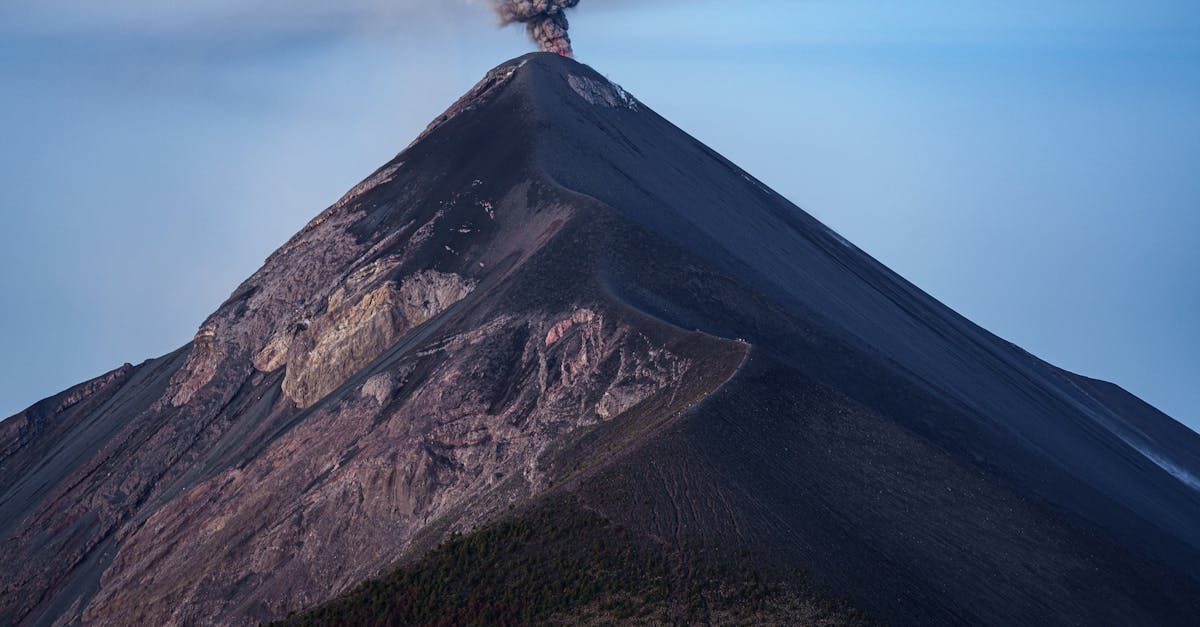
  • Eruption: Mount Dukono recently erupted, spewing ash clouds up to 2,000 meters high.
  • Aviation Warning: This eruption triggered an aviation warning issued by Indonesia’s Volcanology and Geological Disaster Mitigation Centre.
  • Location: Located in North Maluku province, Indonesia, specifically on Halmahera Island.
  • Volcanic Type: Complex volcano and one of Indonesia’s most active historically.
  • Elevation: Stands at 1,087 meters above sea level.
  • Continuous Activity: Dukono has been erupting continuously since 1933, characterized by frequent ash explosions and sulfur dioxide plumes.
  • Active Volcano: It is one of Indonesia’s 127 active volcanoes.
  • Past Eruptions: It has been recorded that Dukono Volcano has erupted 21 times.
  • Halmahera Island: Dukono volcano is located in the northern part of Halmahera island in Indonesia
Dukono Volcano


Iron Dome

  • The US President recently signed an Executive Order to develop an Iron Dome-style missile defense system for the United States.

  • Iron Dome is an Israeli mobile air defense system designed to intercept short-range rockets.

  • Developed by Rafael Advanced Defense Systems and Israel Aerospace Industries (with Raytheon support), it was first deployed in 2011.

  • It forms the innermost layer of Israel’s tiered air defense network.

  • The system functions in all weather conditions, day or night.

  • Iron Dome can launch various interceptor missiles.

  • It is designed to intercept missiles with a range of up to 40 miles.

  • It is mobile and can be deployed on ships or land.

  • Reloading is necessary for continuous missile interception.

  • The system comprises:

    • Radar for detecting incoming rockets.
    • A command-and-control system for threat assessment.
    • Interceptors to destroy incoming rockets.
  • Akash Missile System is the India’s surface-to-air missile system that can intercept aerial targets at ranges up to 30 kilometres.


Giant Strobilanthes

  • A new flowering plant species, Strobilanthes gigantra, has been discovered in Arunachal Pradesh, within the Indian Himalayan Region (IHR).

  • It’s distinguished by its unusually large size, sometimes growing into a tree, and unique floral traits like densely imbricate bracts, uninterrupted inflorescence, a slightly curved corolla tube, and winged staminal curtain.

  • Strobilanthes is the second-largest genus in the Acanthaceae family.

  • India is home to 167 Strobilanthes species, mainly in the Himalayas and Western Ghats.

  • Arunachal Pradesh in the Eastern Himalayas is a biodiversity hotspot for this genus, with 41 known species.

  • The Indian Himalayan Region (IHR) is a large mountainous area across 11 Indian states and union territories recognized for its biodiversity and vital role in

    climate regulation.

  • While some Strobilanthes species, such as Strobilanthes dyerianus, can be indoor plants, they require warm, humid, well-lit environments.

  • Strobilanthes species have uses ranging from ornamental to medicinal, ecological, and cultural.


Kuno: Cheetah’s New Home

  • Cheetah Reintroduction: Kuno National Park (KNP) is central to India’s Project Cheetah. Recent releases of cheetahs into the wild are key news.
  • Recent Cheetah Release: Five cheetahs, including Jwala (from Namibia) and her four cubs, were released into the wild in February 2025.
  • Cheetah Population: KNP now houses 26 cheetahs: 8 from South Africa, 4 from Namibia, and 14 born in India. 12 are in the wild and 14 in enclosures.
  • Location: KNP is in Madhya Pradesh’s Sheopur district, nestled near the Vindhyan Hills. It also spans the Morena district.
  • Area: The park covers 750 sq. km.
  • Kuno River: The Kuno River, a Chambal tributary, flows through the park and gives it its name.
  • National Park Status: It was upgraded from a wildlife sanctuary to a national park in 2018.
  • Vegetation: Primarily grassland with mixed forests of Kardhai, Salai, and Khair trees. 123 tree, 71 shrub, 32 exotic/climbing, and 34 bamboo/grass species exist.
  • Fauna: Home to jungle cats, Indian leopards, sloth bears, Indian wolves, striped hyenas, golden jackals, Bengal foxes, dholes, and over 120 bird species.

Blue-Cheeked Bee-eater

  • New Breeding Site Discovered: The first breeding site of the Blue-Cheeked Bee-eater in peninsular India has been found in the saltpans of Aandivilai, near Manakudy Mangroves in Kanniyakumari district, Tamil Nadu.

  • Confirmation: The discovery was confirmed in the ornithological journal Ornis Hungarica (December 2024). Research team includes R. Kishore, Anand Shibu, Vinod Sadhasivan and Ajil Yesudhas.

  • Shifting Status: This shifts the bird’s status in India from a passage migrant and winter visitor to a year-round resident and extends the known breeding range further south in the Indian subcontinent.

  • Study Details: The study occurred along the Pazhayar Basin from January 2022 to October 2023, leading to the discovery of courtship and nesting sites.

  • Breeding Success: The colony grew from 28 to 48 individuals during the research period, indicating successful breeding.

  • Habitat and threats: Habitat destruction from development, anthropogenic pressures, as well as natural events, threaten the breeding ground, even though it’s in a CRZ and No Development Zone.

  • Call for Protection: There is an appeal for authorities to protect the Aandivilai nesting colony, recognized as the only known breeding hub for the species in India.


Andaman Sea

  • Earthquake: A 5.2 magnitude earthquake struck the Andaman Sea near Malaysia on Thursday morning.

  • Seismic Activity: The Andaman Sea is a seismically active region due to the subduction of the Indian Plate beneath the Eurasian Plate. This convergence creates undersea features like the Andaman Trench and leads to earthquakes and volcanic eruptions.

  • Location & Geography: The Andaman Sea is a semi-enclosed sea in the northeastern Indian Ocean, located between India and the Malay Peninsula. Bounded by the Bay of Bengal to the west and the Strait of Malacca to the east.

  • Geological Context: The Andaman Sea is part of the larger Sunda Plate and is a tectonically complex region with undersea ridges, trenches, and faults.

  • Ecological Significance: Home to extensive coral reef systems, seagrass meadows, and mangrove forests, providing habitats for marine organisms. It is also an important site for migratory birds.

  • Rivers: The Irrawaddy River of Myanmar flows into the Andaman Sea.

  • Maritime Boundary: The maritime boundary between India and Myanmar runs through the Andaman Sea.

  • Tectonic Plates: Sunda Plate, Indian Plate, Australian Plate


Brine Pool Secrets

  • Scientists have discovered deadly brine pools in the Red Sea that instantly kill or stun marine life.
  • Brine pools are hypersaline, anoxic “underwater lakes” on the seafloor, denser than surrounding seawater.
  • Their high salt content and lack of oxygen create toxic conditions for most marine life.
  • The water in these pools filters through salt sediments, preventing mixing with the surrounding seawater and forming a distinct body of water.
  • The deepest-known brine pool is in the Orca Basin in the Gulf of Mexico, 2,200 m below sea level, and is eight times saltier than the Gulf.
  • Despite toxicity, specialized chemosynthetic organisms can survive and thrive on the edges of brine pools.
  • Brine pools are not necessarily hot but can have elevated temperatures based on location.

Why it’s news:

  • Highlights the discovery of extreme and potentially dangerous environments in the ocean.
  • Showcases the unique adaptations of life in extreme conditions, specifically chemosynthetic organisms.
  • Emphasizes the importance of exploring and understanding the deep sea, which remains largely unexplored.
Daily Current Affairs and News Analysis 21-02-2025

UN-Habitat

  • Landmark Partnerships: UN-Habitat collaborates with organizations like C40 Cities to transform urban planning. This highlights its role in fostering partnerships for urban development.

  • UN System Focal Point: UN-Habitat is the central entity within the UN addressing urbanization and human settlements. This emphasizes its authority and scope within the UN system.

  • Mandate for Sustainable Cities: It’s tasked by the UN General Assembly with promoting socially and environmentally sustainable urban areas and ensuring adequate shelter for all. This underscores its core mission and priorities.

  • Inclusive and Resilient Communities: UN-Habitat works to build inclusive, safe, resilient, and sustainable cities, reflecting a holistic approach to urban development.

  • Urbanization as a Positive Force: The organization promotes urbanization as a tool for reducing inequality, discrimination, and poverty. This frames urbanization as an opportunity for positive change.

  • Three-Tier Structure: UN-Habitat operates with the UN-Habitat Assembly, the Executive Board, and the Committee of Permanent Representatives. This structure allows for broad member state participation and oversight.

  • UN-Habitat Assembly: A universal body with all 193 UN member states, meeting every four years. This enables global representation in setting UN-Habitat’s agenda.

  • Executive Board: Composed of 36 member states, meeting three times a year for operational oversight. This allows for greater accountability.

  • Committee of Permanent Representatives (CPR): Meets twice every four years in an open-ended manner, facilitating continuous engagement.

  • World Habitat Day: First celebrated in 1986, it illustrates the organization’s long-standing commitment to addressing shelter and housing issues. The first theme was “Shelter is My Right”.


Khara Committee

  • The Insurance Regulatory and Development Authority of India (IRDAI) established the “Dinesh Khara Committee.”
  • The committee comprises seven members and is headed by former SBI chairman Dinesh Khara.
  • Purpose: To review proposed amendments to the Insurance Act of 1938 and suggest a framework for their implementation through regulations and circulars.
  • The committee was formed as the Union government prepares to introduce the Insurance Amendment Bill to Parliament.
  • Proposed Amendments: Include increasing the foreign direct investment (FDI) cap in the insurance sector from 74% to 100%, reducing paid-up capital requirements, introducing a composite license system, and streamlining regulatory processes.
  • The committee’s role is limited to reviewing proposed changes and implementation; it cannot suggest additional amendments.
  • Why It Matters: The Insurance Act of 1938 is the primary regulatory framework for India’s insurance industry and led to IRDAI’s establishment. The Act defines the scope of insurance and regulates relationships between insurers, policyholders, shareholders, and IRDAI. The amendments and their implementation have far-reaching implications for the insurance sector and its stakeholders.

Manikaran

  • Dispute over water transfer: A proposal to transfer hot spring water from Manikaran, a pilgrimage site, to Kasol for a hot bath facility has sparked local opposition.

  • Religious significance: Manikaran is a significant religious site for both Hindus and Sikhs, featuring temples like the Shiva temple and Manikaran Sahib Gurudwara. Its hot springs are believed to have healing properties and are said to be radioactive.

  • Local outrage: Residents fear the plan to use holy water for commercial purposes. They’ve threatened protests and argue the water should be used for development in Manikaran itself.

  • Development vs. preservation: The dispute highlights a clash between development initiatives (a nature park in Kasol) and preservation

    of religious sites and local traditions.

  • Political involvement: Local politicians, including BJP’s Narotam Thakur and Congress’s Sunder Singh Thakur, are involved in the debate, with accusations of vested interests.

  • Former MP’s opposition: Former MP Maheshwar Singh also voiced opposition, stressing the sacred nature of the water.

  • MLA’s counter-argument: The Kullu MLA defended the proposed development, asserting previous opposition to similar projects.


Digital Brand Guide

  • MeitY Launches Digital Brand Identity Manual (DBIM) & CIO Conference 2025: Aimed at harmonizing the government’s digital presence.
  • “Gov.In: Harmonisation of Government of India’s Digital Footprint” initiative: Streamlines government websites for easy citizen access.
  • Standardized Digital Identity: Creates a unified digital brand for the Government of India, enhancing trust and accessibility.
  • DBIM Toolkit: Ensures uniformity through standardized color palettes, typography, and iconography across government platforms.
  • Comprehensive Guidelines: Covers websites, mobile apps, and social media, ensuring a seamless user experience.
  • Key Components Introduced: DBIM Toolkit, Gov.In CMS Platform, Central Content Publishing System (CCPS), and Social Media Campaign Guidelines.
  • Gov.In CMS Platform: Streamlines website management.
  • Central Content Publishing System (CCPS): Centralizes content governance, improving transparency and public engagement.
  • Social Media Campaign Guidelines: Standardizes digital communication.
  • CIO Conference 2025: Focused on DBIM adoption, unified brand identity, and enhanced accessibility.
  • User-Centric Approach: Government portals must be user-friendly, accessible, and efficient like private sector websites.
  • Viksit Bharat 2047: Contributes to India’s vision by leveraging AI, security, and seamless digital ecosystems.
  • Unified Government’s Digital Presence Seeks to establish a standardized and seamless digital presence across government ministries, departments and agencies

IMA (or) Aid to Navigation

  • India Elected Vice President: India has been elected to the Vice Presidency of the International Organization of Aids to Marine Navigation (IALA) in Singapore (Feb 2025).
  • Transition to IGO: IALA officially transitioned from a Non-Governmental Organisation (NGO) to an Intergovernmental Organization (IGO) in 2024 after ratification by 34 states.
  • Importance of Transition: The change amplifies IALA’s mandate, enabling it to more effectively harmonize global maritime navigation systems and promote maritime safety.
  • IALA’s Purpose: IALA aims to foster safe, economic, and efficient vessel movement by improving and harmonizing aids to navigation worldwide.
  • Key Mandates: Harmonizing global maritime navigation systems, promoting maritime safety, and collaborating on maritime safety and environmental protection challenges.
  • India’s Commitment: This signifies India’s leadership and commitment to maritime affairs and secure marine navigation.
  • Upcoming Events in India: India will host the IALA Council meeting in December 2025 and the IALA Conference & General Assembly in September 2027 in Mumbai.
  • Membership: IALA comprises 200 members including 80 national authorities and 60 commercial firms; India has been a member since 1957.
  • Headquarters: Saint-Germain-en-Laye, France.

Coronal Holes

  • New Study on Coronal Holes: Researchers have accurately measured the thermal and magnetic field properties of solar coronal holes.

  • What are Coronal Holes?: Dark, cooler, less dense regions on the Sun, visible in X-ray and extreme ultraviolet light. They possess open, unipolar magnetic fields.

  • Importance: Crucial for understanding space weather, the interplanetary medium, and potential impacts on Earth.

  • Solar Cycle: Coronal holes are common throughout the Sun’s 11-year cycle, lasting longer during solar minimum.

  • Space Weather Impact: Can disrupt Earth’s ionosphere (affecting radio waves and communications) and impact satellites. Also, recent physics-based study suggests they influence Indian monsoon rainfall.

  • Solar Wind Source: Coronal holes are sources of fast solar wind, streams of charged particles that can cause geomagnetic storms.

  • IIA Study Findings: The Indian Institute of Astrophysics (IIA) analyzed eight years of data from the Solar and Heliospheric Observatory (SOHO).

  • Key Results:

    • No significant latitudinal variation in coronal hole temperature.
    • Magnetic field strength increases from the solar equator to the poles.
  • Implications: Constant temperature suggests a deep origin within the Sun. Magnetic field variation hints at formation via superposition of Alfven wave perturbations.


Parkinson’s

  • Parkinson’s disease is a progressive neurodegenerative disorder affecting movement.
  • It causes nerve cell damage and death in parts of the brain, leading to movement problems, tremors, stiffness, and balance issues.
  • The substantia nigra, an area near the brain’s base, is crucial.
  • Neurons in this area produce dopamine, a chemical messenger for smooth movement.
  • Significant dopamine loss (60-80%) occurs before symptoms appear.
  • Dopamine deficiency causes slow movements and tremors.
  • Parkinson’s risk increases with age, with an average onset at 60 and slightly higher incidence in males.
  • Currently, no blood or imaging tests diagnose Parkinson’s.
  • There’s no cure, but treatments manage symptoms.
  • A new study identified 24-OHC, a cholesterol metabolite, as a factor fueling harmful protein clump spread in the brain, potentially contributing to the disease.
  • Cognitive (thinking and memory) symptoms are common but not universal in Parkinson’s.

AOR: Supreme Court Lawyer

  • Advocate-on-Record (AoR) is a specific legal professional authorized to represent clients in the Supreme Court.
  • AoRs have exclusive filing and conduct rights in the SC. No other advocate can appear without an AoR’s instruction.
  • The Supreme Court holds AoRs fully responsible for the accuracy of petitions, even if drafted by others.
  • AoRs are subject to specific requirements for registration: enrollment with a State Bar Council, 4+ years experience, 1-year training under a senior AoR, Supreme Court examination, Delhi office requirement, and clerk employment.
  • AoRs receive a unique identification number and are solely authorized to file Vakalatnamas (representation documents) in the SC.
  • AoRs are personally liable for court fees.
  • All procedural aspects (drafting, filing) must be completed by the AoR with a registered clerk’s assistance.
  • The SC sends notices/orders/correspondence directly to the AoR.
  • This system differs from other High Courts in India.
  • The Supreme Court’s power to create AoR rules stems from Article 145(1) of the Constitution.
  • Candidates get five attempts for the AoR exam.

Majorana Fermion

  • Microsoft has released Majorana 1, the world’s first quantum chip built on a topological core, on February 19,2025.
  • CEO Satya Nadella calls it a leap in computing unlocked by new materials (top conductors).
  • Majorana 1 is designed to make quantum computing more practical, faster, and reliable.
  • It leverages a topoconductor, creating more stable qubits less prone to losing information.
  • It relies on Majorana fermions, theorized in 1937.
  • The chip uses indium arsenide and aluminum to create Microsoft’s “world’s first topoconductor.”
  • This could allow quantum computers to scale to millions of qubits.
  • Potential applications include designing better medicines, reducing pollution, and creating self-repairing materials.
  • Majorana 1 is powered by a Topological Core designed to scale to a million qubits on a single chip.
  • The first chip features only eight qubits, but Microsoft plans to scale rapidly.
  • Quantum computing uses quantum mechanics to solve complex problems faster than classical computers.
  • Qubits can exist in states 0, 1, or both simultaneously (superposition), enabling faster solutions.
  • Qubits are fragile and prone to errors, which Majorana 1 aims to address.

Majorana Fermion


Kivu Lake

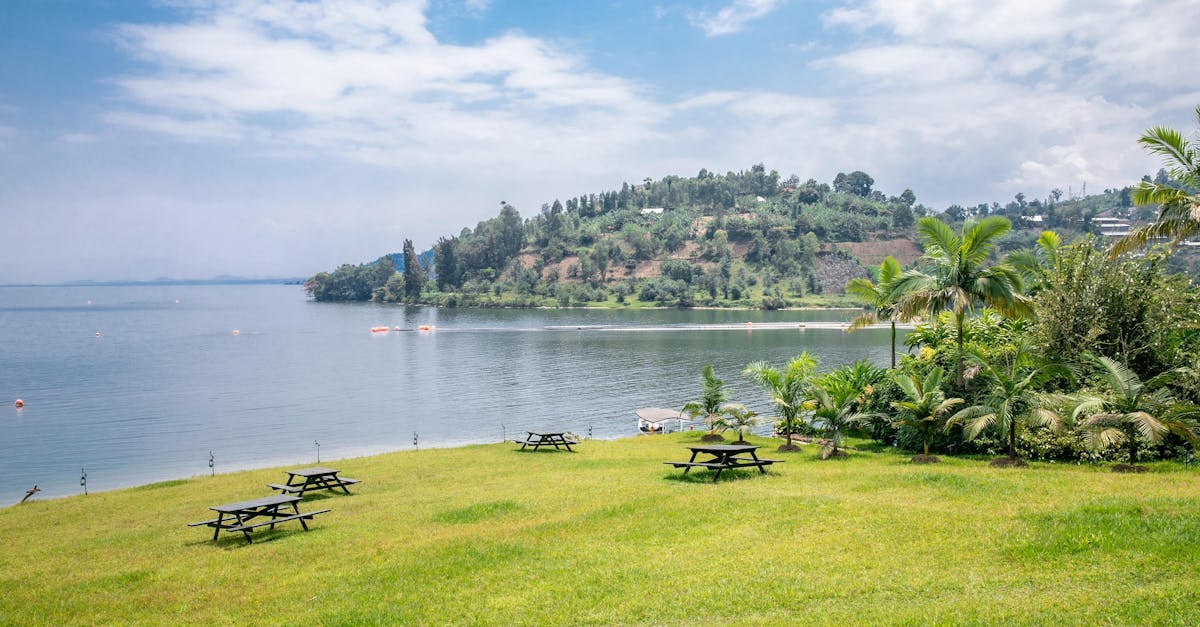
  • Lake Kivu is a large lake in East Africa, bordering the Democratic Republic of Congo (DRC) and Rwanda.
  • It’s one of the great lakes of East Africa and Rwanda’s largest, situated in the Albertine Rift.
  • It lies at 1,460 meters above sea level and covers 1,040 square miles.
  • 58% of the lake’s water is in the DRC, and the rest is in Rwanda.
  • It flows into the Rusizi River, which then flows into Lake Tanganyika.
  • Idjwi Island, one of the largest inland islands globally, is located in the lake.
  • Lake Kivu is a significant source of fish for Rwanda.
  • Recent conflict in Goma, DRC, affecting the region around Lake Kivu.

Kivu Lake


Daily Current Affairs and News Analysis 20-02-2025

Nauru

  • Nauru, a small island nation in the Pacific, is selling citizenships to raise funds for climate adaptation.
  • The initiative aims to relocate 10,000 residents from vulnerable coastal areas.
  • Citizenship costs at least $140,500, offering visa-free travel to countries like the UK, Singapore, and Hong Kong.
  • Nauru’s plan involves developing a new township, farms, and workplaces on reclaimed land in the island’s interior.
  • Proceeds will help fund the “Higher Ground Initiative,” a project to combat rising sea levels and extreme weather events.
  • The initiative follows similar efforts by Dominica.
  • Nauru’s phosphate mining has left much of the island uninhabitable.
  • Previous citizenship programs faced criticism for potential misuse by criminals.
  • Nauru is taking precautions to avoid past vulnerabilities.
  • The country forecasts raising about $68 million annually from the program.
  • The initiative faces funding challenges due to the significant adaptation financing gap globally.
  • Nauru’s extreme flooding is predicted to worsen due to rising sea levels.

NDSA: Dam Safety First

  • The Supreme Court directed a supervisory committee, chaired by the NDSA head, to address Tamil Nadu’s concerns about Mullaperiyar dam maintenance against Kerala.
  • The committee must find a solution acceptable to both states and report back to the court within four weeks.
  • The committee needs to meet all stakeholders within a week and address the issues raised.
  • Tamil Nadu accuses Kerala of obstructing dam maintenance, citing delays in permissions for materials and machinery, and even routine maintenance like painting and repairs.
  • Kerala is denying permission for essential strengthening works, citing forest and wildlife clearances, according to Tamil Nadu.
  • Tamil Nadu wants the committee to direct Kerala to allow strengthening works, grouting, and tree removal.
  • A previous Kerala proposal to decommission and rebuild the dam was rejected.
  • The NDSA, a statutory body under the National Dam Safety Act, 2021, oversees and regulates dam safety.
  • The body formulates policies and guidelines for dam construction, maintenance, and operation.
  • NDSA has the power to resolve disputes between state dam safety organizations or between organizations and dam owners.
  • The NDSA promotes dam safety awareness programs and ensures emergency response plans are in place.

Evo 2 AI

  • Evo 2, a powerful AI system for genetic research, was created by Nvidia, Arc Institute, and Stanford University.
  • It’s the largest publicly available AI model for genomic data, trained on nearly 9 trillion nucleotides from over 128,000 organisms.
  • Evo 2 was built on the NVIDIA DGX Cloud platform using 2,000 Nvidia H100 processors on Amazon’s cloud infrastructure.
  • The system accurately identified 90% of potentially harmful mutations in the BRCA1 gene.
  • Evo 2 can be used for various biomolecular research applications, including predicting protein function, identifying new molecules, and evaluating gene mutation effects.
  • Applications include healthcare, agricultural biotechnology, and materials science.
  • Evo 2 is freely available through Nvidia’s BioNeMo platform.
  • The technology promises to accelerate biological research, making biological design more accessible and efficient.

Cellulose Bacteria

  • Bacterial cellulose, a natural polymer produced by bacteria, is a potential plant wound-healing material.
  • It significantly improves plant wound healing and regeneration, with over 80% of treated wounds healing in a week compared to less than 20% of untreated wounds.
  • Bacterial cellulose is a sustainable alternative to chemical treatments for plant injuries.
  • It promotes healthier plant growth, potentially increasing crop yields and resilience.
  • The material aligns with eco-friendly agricultural practices.
  • It may also enhance vegetative propagation (growing new plants from cuttings) and be used in agriculture for grafting, preserving cut plant material, or as a growth medium.
  • Bacterial cellulose is composed of hundreds to thousands of carbon, hydrogen, and oxygen atoms.
  • It’s the main substance in plant cell walls, providing stiffness.
  • Humans cannot digest it, but it’s a dietary fiber.
  • Its use in human medicine, often for wound healing, suggests potential for agricultural applications.
  • Bacterial cellulose possesses various beneficial properties such as elasticity, bacterial inhibition, vapor permeability, and low cost for wound healing.
  • Its physicochemical and mechanical properties, water absorption capacity, non-toxicity, and chemical inertness make it suitable for various applications.
  • The cellulose from plants and bacteria has the same molecular formula (C6H10O5)n.

CPCB

  • The Central Pollution Control Board (CPCB) recently reported concerning river water quality at Prayagraj during the Maha Kumbh Mela.
  • CPCB is a statutory organization under the Water (Prevention and Control of Pollution) Act, 1974 and also has powers under the Air (Prevention and Control of Pollution) Act, 1981.
  • It provides technical services to the Ministry of Environment, Forest and Climate Change.
  • Principal functions include preventing and controlling water and air pollution.
  • CPCB advises the central government on pollution control and coordinates with state pollution boards.
  • CPCB delegates powers to regional administrations in Union Territories.
  • CPCB develops environmental standards, industrial documents, and guidelines.
  • It sets standards for streams, wells, air quality, sewage treatment, and industrial emissions.
  • CPCB develops Minimal National Standards (MINAS) for industries, which states must adopt.
  • CPCB’s head office is in New Delhi.
  • CPCB operates under the Ministry of Environment, Forest and Climate Change.

Mishing

  • The Mishing tribe, one of Assam’s largest, celebrated Ali Ai Ligang, their sowing festival.
  • They are an indigenous tribe from Northeast India, part of the Tani people, speaking Tibeto-Burman languages.
  • They live in parts of Assam, Arunachal Pradesh, and historically South Tibet.
  • Tibetans call them “Lhobhas,” meaning “southerners.”
  • The 2011 census counted 680,424 Mishings in Assam.
  • Their lives are closely tied to rivers, making them the only riparian tribe in Northeast India.
  • Culture revolves around agriculture and fishing, originally using the jhum (slash-and-burn) method.
  • They now primarily practice wet paddy cultivation.
  • Ali Ai Ligang, their main festival, celebrates sowing, with “Ali” meaning edible root, “Aye” meaning seed, and “Ligang” meaning sowing festival.
  • Their religion is centered around worshiping the Sun and Moon (Do-nyi-Po:lo).
  • The Mishing language is a Tibeto-Burman language.

OPEC+ Alliance

  • OPEC+ is a group of 22 oil-exporting countries, including 12 OPEC members and 10 others, coordinating crude oil production for market stability.
  • Brazil has joined OPEC+, aiming to leverage its oil production for economic growth.
  • Brazil’s membership in OPEC+ comes despite its upcoming COP30 hosting duties focused on reducing fossil fuels.
  • Brazil will not be bound by production limits.
  • Brazil is the world’s 7th largest oil producer, with oil now exceeding soy as its top export.
  • OPEC+ was formed in late 2016 to establish cooperation between OPEC and non-OPEC producers.
  • OPEC (Organization of the Petroleum Exporting Countries) was established in 1960 with five founding members.
  • The USA is not part of OPEC because it’s a net oil importer.

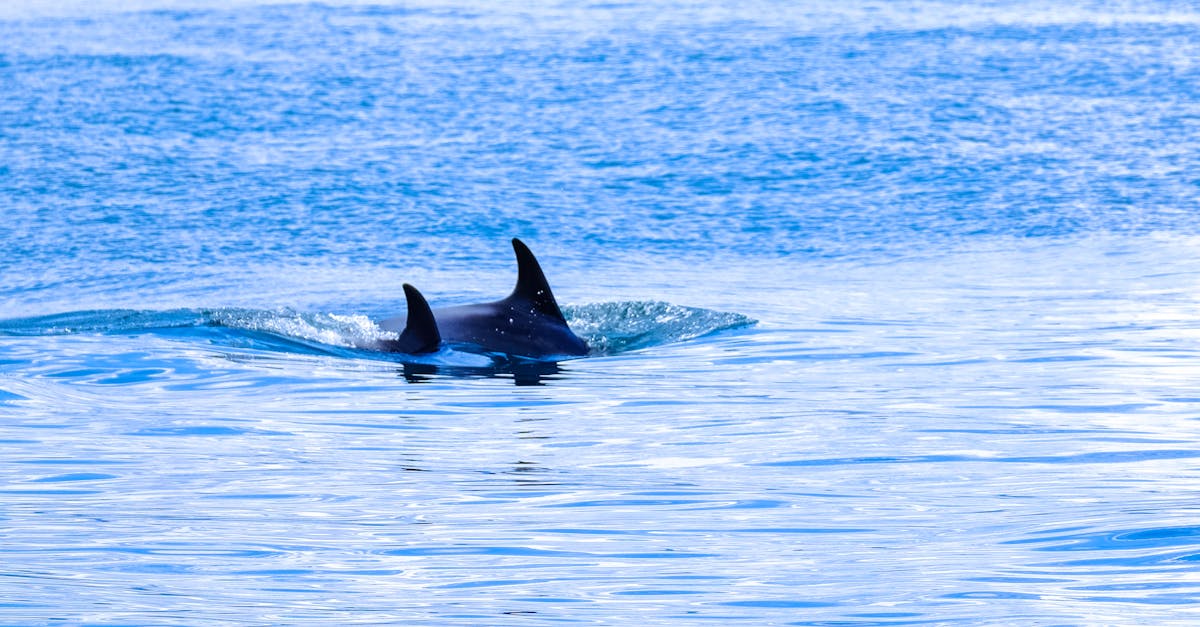
Orcas

  • Over 150 false killer whales stranded on a Tasmanian beach.
  • 136 whales still alive, but rescue efforts complicated by remoteness and ocean conditions.
  • Local resident discovered the stranded whales.
  • Experts and veterinarians are at the scene.
  • Authorities haven’t requested public help yet.
  • Previous mass stranding events have occurred in the area.
  • Reasons for the beachings are unknown, potential causes include disorientation, illness, old age, injury, predators, and weather.
  • Killer whales are the largest member of the Delphinidae family (dolphins), found globally.
  • They use sound for feeding, communication, and navigation, are highly social in pods, and are recognizable by their black and white bodies.
  • Unihemispheric sleep is a unique sleep method where only one brain hemisphere sleeps at a time.
  • Some types prey on other whales, hence the name “killer whale.”
  • They’re apex predators using coordinated hunting strategies.

Orcas


Vertical Mixer

  • ISRO develops world’s largest vertical propellant mixer (10 tonnes): This mixer is crucial for solid rocket motor production.
  • Collaboration with CMTI: Satish Dhawan Space Centre and Central Manufacturing Technology Institute collaborated on the project.
  • High capacity and precision mixing: The mixer ensures consistent quality and performance in mixing propellant ingredients.
  • Safety and reliability: Designed to handle hazardous materials safely.
  • Large scale: The mixer weighs 150 tonnes and measures 5.4m (L) Ă— 3.3m (B) Ă— 8.7m (H).
  • Advanced technology: Hydrostatic-driven agitators with PLC-based control systems and SCADA stations are used.
  • Improved productivity and quality: The mixer will enhance efficiency in heavy solid motor production.
  • Self-reliance in space sector: This development is part of India’s push for self-reliance in space technology.
  • Critical for India’s spaceflight capabilities: The mixer is expected to significantly advance India’s space program.
  • Formal handover: The mixer was formally handed over on February 13, 2024.

Vertical Mixer


Fusion Power

  • Record-breaking fusion: The WEST Tokamak reactor in France sustained a plasma for over 22 minutes, a significant milestone.
  • Nuclear fusion process: Two light atomic nuclei combine to form a heavier one, releasing vast energy. This occurs because the combined mass of the products is less than the original masses.
  • Plasma state: Fusion reactions happen in plasma, a hot, charged gas of ions and electrons.
  • Stellar power: The sun and stars utilize nuclear fusion.
  • Tokamaks (artificial suns): These doughnut-shaped devices are used to replicate fusion on Earth. Over 200 exist globally.
  • ITER project: The International Thermonuclear Experimental Reactor (ITER) is the world’s largest fusion experiment, currently under construction.
  • Energy generation potential: Commercial fusion reactors could heat water, create steam, and spin turbines to generate electricity.
  • Deuterium-tritium fusion: This type of fusion is a focus for researchers, releasing high energy levels.
  • Fusion vs. fission: Fusion produces significantly more energy per unit of fuel than fission, used in current nuclear power plants.
  • Clean energy: Fusion doesn’t produce radioactive waste or harmful emissions, only helium and neutrons.
  • Abundant fuel: Fusion fuel (heavy hydrogen) is readily available in seawater.
  • Safe operation: Fusion reactions can’t create uncontrolled chain reactions like fission.
  • Sun as example: The sun’s fusion of hydrogen to helium is a prime example.
  • Fusion vs. fission power: Fusion is more powerful than fission, releasing four times more energy per reaction.

Daily Current Affairs and News Analysis 19-02-2025

Dispute Resolution Act

  • Provides a framework for Alternative Dispute Resolution (ADR) in India, encompassing arbitration, mediation, and conciliation.
  • Offers a two-tiered system with arbitration and conciliation for flexible conflict resolution.
  • Allows parties to choose their procedures and arbitrators, ensuring flexibility and confidentiality.
  • Arbitration awards are binding and enforceable, promoting finality.
  • Judicial intervention is limited, primarily for arbitrator appointment and award enforcement.
  • Globally compatible, aligning with the UNCITRAL Model Law.
  • Includes provisions for arbitration agreements, arbitrator appointments, interim court measures, and detailed procedures.
  • Awards must be written, dated, signed, and reasoned (unless otherwise agreed).
  • Sets forth grounds for setting aside awards, such as party incapacity or invalid agreements.
  • Limits appeals to ensure finality and enforceability.
  • 2015 Amendment introduced 12-month timelines, curtailed judicial interference, and enhanced cost control.
  • 2019 Amendment established the Arbitration Council of India (ACI) to regulate standards and promote institutional arbitration, mandating disclosure of arbitrator conflicts of interest, and limiting stay orders on awards.
  • 2021 Amendment removed automatic stays on awards for fraud/corruption and streamlined enforcement.
  • Recent Supreme Court arguments focused on court modification of arbitral awards under Sections 34 and 37. The Act is currently the subject of judicial review regarding the scope of court intervention in arbitral awards.

Qatar

  • Strategic Partnership: India and Qatar elevated their relationship to a strategic partnership, aiming to double bilateral trade to nearly $30 billion by 2030.
  • Geographic Location: Qatar is a small peninsular nation on the northeastern coast of the Arabian Peninsula, bordering Saudi Arabia and surrounded by the Persian Gulf. The Gulf of Bahrain separates it from Bahrain.
  • Land Area: Approximately 11,571 sq km.
  • Capital: Doha, the largest city.
  • Landscape: Primarily flat, barren desert, with sand dunes in the south (Khor al Adaid) and rocky limestone formations to the north and west. Wadis are valleys that dry out except during rain.
  • Settlement: Originally settled by Bedouin nomads, Qatar’s population today is largely foreign workers, mostly from Pakistan, India, and Iran. Few Qataris retain a nomadic lifestyle.
  • Economy: Qatar’s economy relies heavily on oil and natural gas reserves, which form the majority of its government revenue.
  • Language: Arabic is the official language, with a Gulf Arabic dialect spoken.
  • Bordering Countries: Qatar shares a land border with Saudi Arabia and is surrounded by the Persian Gulf.

Sariska Tigers

  • Sariska Tiger Reserve (STR) is located in the Alwar district of Rajasthan, India, within the Aravalli mountain range.

  • It covers approximately 800 sq km and is notable for being the world’s first reserve to successfully relocate tigers.

  • STR’s diverse landscape includes rocky terrain, scrub forests, and various lakes and historical sites (Pandu Pol, Bhangarh Fort, etc.). Its flora includes dhok trees, salar, and other species; its fauna includes tigers, leopards, sambhar deer, and more.

  • The Rajasthan forest department is currently rationalizing the critical tiger habitat (CTH) within STR, following Supreme Court and Central Empowered Committee (CEC) recommendations. The current CTH (881.11 sq km) exceeds the existing sanctuary area.

  • The rationalization aims to align the sanctuary boundaries with the core tiger habitat without reducing the overall CTH area. This process has been extended to June 30, 2025.

  • Notification of STR’s eco-sensitive zone (ESZ) is planned for before December 31, 2025, following the CTH rationalization.

  • Concerns have been raised regarding the impact of CTH designation on local communities and potential violations of the Wildlife (Protection) Act, 1972. Calls have been made for stakeholder inclusion in the decision-making process.


Soil Health Card

  • Soil Health Card Scheme completed a decade, launched in 2015 to provide soil health cards to all farmers.
  • Cards assess soil nutrient levels (N, P, K, S, Zn, Fe, Cu, Mn, Bo, pH, EC, OC) and recommend fertilizer dosages.
  • Soil samples are taken twice yearly (after Rabi and Kharif harvests) or when no crops are growing.
  • Farmers receive a soil health card every 3 years.
  • Village-level soil testing labs can be established by entrepreneurs, including SHGs and schools.
  • The scheme is now part of the Rashtriya Krishi Vikas Yojana (RKVY).
  • A mobile app (SHC) streamlines implementation and provides easier access.
  • The scheme monitors soil health regularly, providing farmers with updated reports to guide crop choices.
  • The scheme aims for sustainable agriculture and balanced fertilizer use, leading to higher yields at lower costs.
  • The Ministry of Agriculture and Farmers Welfare is the nodal agency.
  • The slogan is “Swasth Dhara Toh Khet Hara”.


CPC

  • A Ukrainian drone attack on the Caspian Pipeline Consortium (CPC) pumping station in southern Russia caused a significant reduction in oil flow.

  • CPC is a major pipeline transporting Kazakh oil to the Black Sea port of Novorossiysk for global export, including to Western Europe. It accounts for roughly 80% of Kazakhstan’s oil exports and approximately 1% of global supply.

  • The attack is estimated to reduce oil flow by 30-40% for 1.5-2 months. This impacts Kazakhstan’s economy significantly, as three-quarters of CPC’s oil comes from Western energy companies.

  • The CPC is a joint venture, with Russian and Kazakh governments, as well as Western energy giants (Chevron, ExxonMobil, Shell) holding stakes.

  • The pipeline’s total capacity is 1.4 million barrels per day.

  • Kazakhstan is working to diversify its energy export routes due to its reliance on Russian infrastructure, especially amid the ongoing Ukraine conflict.

  • Ukraine has repeatedly targeted Russian energy infrastructure during the war.


PLFS Data

  • Urban unemployment rate remained unchanged at 6.4% in Q3 FY25.
  • Male unemployment rate slightly worsened to 5.8%.
  • Female unemployment rate improved to 8.1%.
  • Youth unemployment (15-29) increased to 16.1%.
  • Labour Force Participation Rate (LFPR) in urban areas remained at 50.4%.
  • Male LFPR increased to 75.4%.
  • Female LFPR decreased to 25.2%.
  • Worker Population Ratio (WPR) in urban areas increased to 47.2%.
  • Male WPR increased to 70.9%.
  • Self-employment (39.9%), regular/salaried work (49.4%), and casual work (10.7%) remained unchanged.
  • Female regular work share increased to 54.8%.
  • Male regular work share decreased to 47.7%.
  • Tertiary sector employment share rose to 62.7%.
  • Secondary sector (manufacturing) employment share declined to 31.8%.
  • PLFS data released by MoSPI.
  • PLFS is a quarterly survey of urban areas measuring employment and unemployment in ‘Current Weekly Status’ (CWS).
  • PLFS also conducts annual surveys for rural and urban areas.
  • NSO has conducted PLFS since 2017.

Peppara’s Wild Heart

  • Peppara Wildlife Sanctuary, located in Thiruvananthapuram district of Kerala, covers 53 sq km.
  • Declared a sanctuary in 1983, it’s part of the catchments of Peppara dam on the Karamana River.
  • Altitude ranges from 100 to 1717 meters, with peaks like Chemmunjimottai (1717 m) and Athirumalai (1594 m).
  • Features diverse forest types: tropical evergreen, moist mixed deciduous, semi-evergreen, and Myristica swamp forests.
  • Rich biodiversity: 43 mammal species (including tiger, leopard, elephant, and various deer), 233 bird, 46 reptile, 13 amphibian, and 27 fish species are recorded.
  • Common tree species include Terminalia paniculta, T. bellerica, Pterocarpus marsupium, and others.
  • The Vazhvanthol waterfall is nearby.
  • Real-time monitoring and networking system implemented by the Periyar Tiger Conservation Foundation.

Peppara's Wild Heart


Transparency Report

  • India is preparing its first Biennial Transparency Report (BTR) under the Paris Agreement.
  • The BTR, part of the Enhanced Transparency Framework (ETF), details India’s progress in implementing climate change commitments.
  • It covers mandatory aspects like greenhouse gas (GHG) emissions inventory and progress on Nationally Determined Contributions (NDCs).
  • Optional sections include climate change impacts and adaptation, and financial/technological support.
  • Developed countries are mandated to report financial, technological, and capacity-building support.
  • All countries (except SIDS and LDCs) are required to submit BTRs every two years.
  • India’s report will cover data up to 2022, unlike previous reports.
  • Independent experts will review India’s BTR.
  • India’s 2020 GHG emissions fell 7.93% from 2019 due to COVID lockdowns.
  • The BTR is expected to show rising emissions, a common trend.
  • India’s emissions are around 4-5% of the global total.
  • Energy sector accounts for most GHG emissions in India (75.66%).
  • Forests and other land use sequestered 22% of India’s CO2 emissions in 2020.

Inland Waterport

  • Inauguration of an Inland Waterways Terminal (IWT) on Brahmaputra in Assam’s Jogighopa by Union Minister of Ports, Shipping, and Waterways Sarbananda Sonowal.
  • Terminal built at a cost of ₹82.03 crore, strategically positioned for trilateral trade with Bhutan and Bangladesh.
  • Foundation stone laid by Prime Minister Narendra Modi in February 2021.
  • Expected to handle 1.1 million tonnes of cargo annually by 2027.
  • Connected to Bangladesh, Barak valley, and other parts of India via IBP route. A railway link with Multi-modal Logistic Parks (MMLP) is planned.
  • A port of call under the Protocol on Inland Water Transit and Trade (PIWTT) between India and Bangladesh.
  • Located 108 km from Bangladesh border, 147 km from Guwahati, and 91 km from Gelephu, Bhutan.
  • Aims to reduce transportation expenditure and offer an eco-friendly alternative transport mode via the Brahmaputra river.
  • Handles primary commodities like food grains, fertilizers, coal, crude oil, etc.
  • Significant increase in Inland Waterways transport in the last decade: 767% increase in operational waterways, 727% increase in cargo handled, and 62% increase in multimodal terminals.
  • Cargo traffic on national waterways saw an exponential growth to 133 million tonnes in FY 2023-24, from 18 million tonnes a decade ago (22% CAGR).

Daily Current Affairs and News Analysis 18-02-2025

Agri-Food Exports

  • APEDA successfully completed India’s first commercial pomegranate exports to Australia, showcasing its role in facilitating international trade.

  • APEDA is a government body established in 1985 under the APEDA Act, replacing the PFEPC.

  • It functions under the Ministry of Commerce and Industry.

  • APEDA’s main objective is to develop and promote exports of scheduled agricultural and processed food products.

  • Scheduled products include fruits, vegetables, meat, poultry, dairy, confectionery, and more. Exporters of these products must register with APEDA.

  • APEDA provides financial assistance, information, and guidelines to exporters.

  • APEDA sets standards and specifications for scheduled products, improves packaging and marketing, and inspects products to ensure quality.

  • APEDA also acts as the secretariat to the National Accreditation Board (NAB) for organic exports.

  • APEDA’s activities include training, industry development, surveys, feasibility studies, and statistical data collection and publication.


Javelin Missile

  • India and the US are planning to procure and co-produce Javelin anti-tank guided missiles.
  • The Javelin is a man-portable, fire-and-forget missile.
  • It’s jointly produced by Lockheed Martin and Raytheon.
  • Designed to destroy heavily armored vehicles like main battle tanks.
  • Also effective against fortifications, bunkers, and helicopters.
  • Has a range of 2.5 km.
  • Uses lock-on before launch and automatic infrared guidance.
  • Its “fire-and-forget” capability allows immediate user cover after launch.
  • The Javelin’s HEAT warhead attacks tanks from above, exploiting weaker armor.
  • India currently does not possess Javelin missiles. This planned procurement is newsworthy.
  • Infrared guidance passively tracks the target’s heat signature.

Sowparnika River

  • Sowparnika River, located in Udupi district of Karnataka, is facing severe pollution.
  • Pollution is exacerbated by sewage discharge from approximately 49 lodges near Kollur Mookambika Temple, many built on government property.
  • The temple attracts lakhs of devotees annually, contributing to increased waste generation.
  • The existing underground drainage (UGD) system and sewage treatment plant (STP) are malfunctioning, leading to untreated sewage being discharged into the river and its tributaries (Agnithirtha and Kashithirtha).
  • Environmental groups, including the National Environment Care Federation (NECF) and Aranya, Parisara Mattu Havamana Badalavane Sangha, have raised concerns and demand action.
  • A case regarding the pollution is pending before the National Green Tribunal (NGT).
  • The Byndoor MLA supports environmentalists’ concerns and proposes a development corridor project to address the issue and improve water quality.
  • The river’s unique geographical feature near Maravanthe Beach, where it runs parallel to the Arabian Sea, is threatened by pollution.
  • The Sowparnika River holds mythological significance, associated with Garuda’s penance.
  • The river originates from the Kodachadri Hills in the Western Ghats and flows through lush green forests before merging with the Arabian Sea.

Swarm Quakes

  • An earthquake swarm, a series of many low-intensity earthquakes without a main shock, hit Santorini and nearby Greek islands.

  • A state of emergency was declared, prompting thousands to evacuate.

  • The swarm involved numerous tremors, sometimes occurring every few minutes.

  • Seismic activity has lessened recently, but uncertainty remains regarding future tremors.

  • The cause is a combination of tectonic and magmatic processes; magma movement is influencing the tremors, but a volcanic eruption isn’t currently anticipated.

  • Earthquake swarms differ from aftershocks; aftershocks decrease in frequency over time, while swarms have no identifiable main shock.

  • Swarms can be caused by fluid movement (e.g., water seeping into rock fractures) and magma movement within the Earth’s crust. Magma pushes through cracks, causing earthquakes near the crack tip.

  • Slow-slip events, essentially slow-motion earthquakes, are another potential cause, though not explicitly mentioned in relation to this event.

  • Similar swarms have been observed in other locations, including peninsular India, often linked to water pressure changes.


Green Sovereign Bonds

  • India issued Sovereign Green Bonds (SGrBs) to fund environmentally friendly projects, but investor demand is low.

  • SGrBs are debt securities issued by the government, exclusively funding green initiatives like renewable energy, sustainable agriculture, and waste management.

  • The SGrB framework aligns with ICMA principles, focusing on use of proceeds, project evaluation, management, and reporting. Eligible projects include renewables, urban transport, and green buildings; fossil fuels and nuclear power are excluded.

  • Funds must be allocated within 24 months of issuance; a Green Finance Working Committee oversees project selection.

  • Weak investor interest results in low greenium (yield difference), limiting SGrB funding. Liquidity issues and a lack of a robust social impact investment ecosystem contribute to this.

  • The government is supplementing SGrB shortfalls with general revenue. Revised allocations reflect this reduced funding.

  • To improve investor interest, India could explore sustainability bonds (combining green and social projects), improve reporting transparency and timeliness, and seek partnerships with multilateral development banks for credit rating support.

Green Sovereign Bonds


Dharma Guardian Exercise

  • Exercise Dharma Guardian is a joint military exercise between India and Japan.

  • It’s an annual event, alternating between India and Japan as host nation. This year it’s in Japan (Mount Fuji, February 25 – March 9).

  • The exercise focuses on enhancing interoperability in urban warfare and counter-terrorism operations under a UN mandate.

  • Key training areas include joint planning, tactical drills, advanced special forces skills, and counter-terrorism operations in desert and semi-desert terrain. A 48-hour validation exercise will test these skills.

  • The exercise aims to improve the sharing of best practices in tactics and procedures between the two nations’ armies.

  • Beyond military drills, the exercise fosters stronger cultural and professional ties, promoting mutual understanding and respect. This is crucial for effective future collaboration.

  • The news is significant because it highlights the growing military cooperation between India and Japan,

    demonstrating their commitment to joint security interests and capabilities.

Dharma Guardian Exercise


NAKSHA

  • The National Geospatial Knowledge-based Land Survey of Urban Habitations (NAKSHA) program was launched in Raisen, Madhya Pradesh.

  • NAKSHA aims to create and update accurate land records in urban areas across 152 Urban Local Bodies (ULBs) in 26 states and 3 Union Territories.

  • The program will use geospatial technology to improve land ownership documentation, reduce disputes, and enhance urban planning.

  • It’s a pilot project costing ₹194 crore, fully funded by the Government of India.

  • The Survey of India is the technical partner, conducting aerial surveys and providing imagery.

  • Madhya Pradesh State Electronic Development Corporation (MPSEDC) will develop the web-GIS platform, and National Informatics Centre Services Inc. (NICSI) will provide storage.

  • State and Union Territory governments will conduct field surveys and ground truthing.

  • The initiative is expected to empower citizens, improve ease of living, and foster transparency and efficiency in property record administration.

  • The program’s launch involved a drone demonstration, release of SOPs, and other events.


Ovoid Cells

  • Discovery of “ovoid cells,” a new type of neuron with an egg-like shape.
  • Located in the hippocampus of humans, mice, and other animals.
  • Plays a fundamental role in recognition memory.
  • Activated when encountering new objects, initiating a process for long-term memory storage (months to years).
  • Distinct from other neurons in cellular structure, function, and circuitry.
  • Their discovery offers crucial insights into memory formation.
  • Potential implications for treating memory-related brain conditions like Alzheimer’s disease, autism spectrum disorder, and epilepsy.
  • The hippocampus, where ovoid cells reside, is crucial for short-term memory and transferring it to long-term storage.
  • Alzheimer’s disease is a progressive decline in memory, thinking, and other cognitive skills.

Parambikulam Tiger

  • Recent faunal survey in Parambikulam Tiger Reserve (PTR) discovered 15 new species.

  • PTR is located in Palakkad and Thrissur districts of Kerala, covering 391 sq. km.

  • It was declared a Tiger Reserve in 2009.

  • The Parambikulam, Sholayar, and Thekkady rivers flow through it.

  • The reserve supports four tribal communities: Kadar, Malasar, Muduvar, and Mala Malasar.

  • Diverse habitats include mixed deciduous, evergreen, semi-evergreen forests, montane and marshy grasslands (‘vayals’), teak plantations, and freshwater ecosystems.

  • PTR boasts a dense gaur population and 49 mammal species (Bengal tigers, Asian elephants, etc.). Two species are endemic: Parambikulam Frog (Tomopterna parambikulamana) and a suckerfish (Garro surendranathanii).

  • The survey added 7 new bird species (Painted spurfowl, Rufus-bellied hawk-eagle, etc.), bringing the total to 302.

  • Five new butterfly species were also found, increasing the total to 273.

  • Three new odonate species were identified, raising the total to 69.

  • The survey also sighted elephants, gaurs, leopards, lion-tailed macaques, and other notable animals.

  • The findings highlight PTR’s rich biodiversity, even during the dry season.


Waterworth Project

  • Meta’s Project Waterworth is a massive, 50,000km subsea cable project connecting India, the US, Brazil, South Africa, and other key regions.

  • It aims to improve global connectivity by using AI to enhance cable infrastructure, deployment, and maintenance.

  • The cable will reach depths of up to 7,000 meters, employing enhanced burial techniques in high-risk areas to prevent damage.

  • AI-driven predictive models will mitigate potential disruptions, increasing network resilience.

  • The project promises industry-leading connectivity, boosting economic cooperation and digital inclusion in participating regions.

  • It’s a multi-billion dollar investment, expected to be operational by the end of the decade, supporting Meta’s AI projects and global digital infrastructure.

  • The initiative opens three new oceanic corridors with high-speed connectivity to accelerate global AI innovation.

  • Project Waterworth will significantly contribute to India’s digital economy growth.

  • Subsea cables account for over 95% of international internet traffic, making this project crucial for global communication.


Daily Current Affairs and News Analysis 17-02-2025

Yoga Award

  • Nominations Open: The Ministry of Ayush has opened nominations for the Prime Minister’s Yoga Awards 2025, recognizing contributions to Yoga promotion and development. This news is timely to encourage participation and highlight the importance of Yoga.

  • Award Purpose: The awards honor significant and sustained contributions to Yoga, promoting its role in disease prevention, health promotion, and managing lifestyle disorders. This emphasizes Yoga’s broader societal impact.

  • Award Categories: The awards are in four categories: National Individual, National Organization, International Individual, and International Organization. This ensures inclusivity and recognition across different areas.

  • Eligibility and Process: Individuals (40+ years old, 20+ years Yoga service) and organizations can apply or be nominated. A Screening Committee and Evaluation Jury will determine the winners. The detailed process ensures fairness and credibility.

  • Prizes: Winners receive a trophy, certificate, and a Rs. 25 lakh cash award. This incentivizes participation and recognizes the value of contributions.

  • Government Commitment: The awards are personally endorsed by the Prime Minister, showcasing the government’s dedication to Yoga’s growth and propagation. This adds prestige and importance to the awards.

  • Application Deadline: The last date for nominations is March 31, 2025, accessible via the MyGov platform and Ministry of Ayush website, providing easy access and encouraging participation.

  • Significance: The Prime

    Minister’s Yoga Awards are a prestigious recognition of contributions to Yoga. The awards aim to promote holistic health and well-being.


Measles Outbreak

  • Measles, a highly contagious virus, is experiencing a resurgence in the U.S., particularly in Texas.

  • The rise is attributed to lower vaccination rates and international travel bringing the virus from areas with higher infection rates.

  • Measles is an airborne disease spread through respiratory droplets from coughs or sneezes. The virus can remain airborne for up to two hours.

  • Symptoms include high fever, cough, runny nose, red watery eyes, and a characteristic rash starting on the face and spreading downward. Small white spots inside the mouth are another key indicator.

  • Unvaccinated young children and pregnant women are at highest risk of severe complications.

  • There is no specific antiviral treatment for measles.

  • Prevention relies heavily on the MMR (measles, mumps, and rubella) vaccine, with two doses providing around 97% protection. Vaccination is recommended for all non-immune individuals.

  • Additional preventative measures include frequent handwashing, maintaining distance from those exhibiting symptoms, and disinfecting surfaces.

  • The MMR vaccine can be given to children as young as six months old for international travel, but the standard two doses are still required.


Komodo Readiness

  • Indonesia is hosting the multilateral naval exercise Komodo.

  • Exercise Komodo, launched in 2014, is a non-combat military exercise focused on maritime cooperation.

  • The 2025 edition, themed “Maritime Partnership for Peace and Stability,” is the fifth biennial event.

  • It involved 39 countries with numerous warships and aircraft participating in the fleet review and various exercises.

  • The exercise includes naval drills, an officer exchange forum, bilateral meetings, a security symposium, a defense exhibition, and cultural events.

  • India’s participation, including INS Shardul and P8I aircraft, demonstrates its commitment to regional security cooperation and the SAGAR doctrine (Security and Growth for All in the Region).

  • Indian Navy’s participation follows recent naval exercises with Indonesia (La Perouse) and a visit by the Indonesian Navy Chief of Staff to India.

  • The Indian Navy’s presence is also linked to the International Fleet Review (IFR) 2025 in Bali.

*The exercise aims to enhance maritime interoperability and regional security cooperation among participating nations.

The news is significant because it highlights India’s growing engagement with Southeast Asian nations in promoting maritime security and cooperation in the Indo-Pacific region. The participation in both the IFR and Exercise Komodo underscores India’s commitment to multilateralism and its strategic partnerships in the region. The timing, following other recent exercises and high-level visits, further emphasizes strengthening ties.

Komodo Readiness


Katarniaghat Sanctuary

  • Katarniaghat Wildlife Sanctuary (KWS) is in news due to the discovery of a deceased 45-50-year-old male elephant within its dense forests.

  • Located in Bahraich district, Uttar Pradesh, KWS is near the Indo-Nepal border.

  • KWS is a crucial part of the Dudhwa Tiger Reserve, along with Kishanpur Wildlife Sanctuary and Dudhwa National Park.

  • It’s a 400.09 sq.km core area of the Dudhwa Tiger Reserve, providing vital connectivity between tiger habitats in India and Nepal’s Bardia National Park.

  • KWS boasts a diverse Terai ecosystem: sal and teak forests, grasslands, swamps, and wetlands.

  • It’s renowned for its rich biodiversity, including endangered species: Gharial, tiger, rhino, swamp deer, hispid hare, Bengal florican, white-backed and long-billed vultures, and Gangetic dolphins.

  • The Gairwa River within KWS is a sanctuary for Mugger crocodiles and Gharials, also supporting various aquatic life.

  • The elephant’s death is currently under investigation by forest officials. The cause of death is yet to be determined.


TrailGuard AI

  • TrailGuard AI, a camera-based anti-poaching system, has successfully reduced poaching incidents in Similipal Tiger Reserve, Odisha.

  • The system uses AI to detect humans and wildlife, transmitting real-time alerts within 30 seconds. This enables rapid response to poaching attempts.

  • In 10 months, 96 poachers were arrested and 86 guns seized due to TrailGuard’s assistance.

  • The system features long-lasting (6 months to 1 year) batteries, small, durable design, and cost-effectiveness (Rs 50,000-53,000 per unit).

  • TrailGuard combines durable hardware, on-the-edge AI algorithms, and real-time transmission. It operates on low power, activating only when motion is detected.

  • The system is being expanded to other tiger reserves and national parks in India, aiming to mitigate human-wildlife conflict and improve conservation efforts.

  • While effective, the system’s success requires proactive enforcement measures on the ground to follow up on alerts. This includes intelligence gathering and house raids.

  • Concerns exist about limiting access to the forest for local communities, necessitating careful consideration and community engagement.


Yamuna

  • The Yamuna River, a major tributary of the Ganges, originates in the Himalayas and flows through Uttarakhand, Uttar Pradesh, Haryana, and Delhi. Its confluence with the Ganges at Prayagraj is sacred to Hindus.

  • A new, large-scale effort to clean the heavily polluted Yamuna River has begun in Delhi, aiming for restoration within three years. This follows a BJP election promise.

  • The cleanup plan uses a four-pronged strategy: debris removal, improved sewage treatment (including building new plants), inter-departmental coordination, and stronger regulatory oversight to prevent industrial pollution.

  • Previous cleanup efforts, including a significant financial investment by the AAP government and NGT directives, have yielded little tangible improvement due to various factors. These include land acquisition issues, unrealistic deadlines, lack of unified approach, and disputes between Delhi and neighboring states over water quality. A high-level committee’s work was halted by a Supreme Court stay.

  • The BJP’s plan includes expanding sewage and effluent treatment capacity significantly. The party’s election victory in Delhi has led to the launch of this new initiative.


Loggerhead

  • Loggerhead turtles are the world’s largest hard-shelled turtle, known for their large heads.

  • They have a cosmopolitan distribution, nesting across the Atlantic, Indian, and Pacific Oceans, and the Mediterranean Sea.

  • They are omnivorous, with a diverse diet of bottom-dwelling invertebrates.

  • Their IUCN conservation status is vulnerable due to threats like bycatch, climate change, habitat loss, and pollution.

  • A recent study revealed loggerheads can learn and remember magnetic field signatures of areas associated with food.

  • When in a food-associated location, they exhibit a “turtle dance.”

  • This indicates they possess a “magnetic map” sense, distinct from their magnetic “compass” sense, both used for navigation.

  • The magnetic map sense doesn’t rely on the same mechanism as the compass, suggesting two separate geomagnetic sensory systems.

  • This discovery advances understanding of how migratory species navigate using Earth’s magnetic field. The findings suggest similar dual systems may exist in other vertebrates.


ICD: Global Disease Codes

  • The World Health Organization (WHO) released the 2025 edition of the International Classification of Diseases 11th Revision (ICD-11). Why: This signifies an update to a globally used standard.
  • ICD-11 is a flagship WHO product. Why: Highlights its central role in global health initiatives.
  • ICD-11 is crucial for identifying health trends and statistics worldwide. Why: Demonstrates its value in understanding global health patterns.
  • It underpins the WHO’s efforts to achieve Sustainable Development Goals (SDGs). Why: Shows ICD-11’s importance in addressing health inequalities and meeting global health targets.
  • ICD-11 provides critical knowledge on the extent, causes, and consequences of human disease and death. Why: Emphasizes its importance for understanding and addressing health issues.
  • Clinical terms coded with ICD are the basis for health recording and statistics in various healthcare settings and cause of death certificates. Why: Reveals its practical use in healthcare and death documentation.
  • The Central Bureau of Health Intelligence (CBHI) in India is a WHO Collaboration Centre for ICD-related activities. Why: Shows India’s involvement and support of ICD-11.

ICD: Global Disease Codes


Kalyana Chalukyas

  • Discovery: Three Kannada inscriptions from the Kalyana Chalukya era were newly discovered in Kankal village, Vikarabad district.
    • Why: This is significant as it provides new historical evidence about the Kalyana Chalukyas, offering insight into their rule, construction activities, and local administration.
  • Inscriptions’ Details: The inscriptions are dated to the 4th, 5th, and 6th regal years of Emperor Someswara-III (1129-1132 CE). They document the construction and donations related to the Bijjeswara temple in the village.
    • Why: They give context to the religious practices and land management of the era and provides a timeline of the dynasty and their rulers.
  • Kalyana Chalukya Overview: The Kalyana Chalukyas, also known as the Western Chalukyas, ruled parts of the Deccan plateau from the 6th to 12th centuries.
    • Why: This situates the inscriptions within the broader historical context of the dynasty. They were a significant Kannadiga dynasty.
  • Founder: Tailapa II established the empire.
    • Why: Important for understanding the dynasty’s origins and the context of their rule.
  • Most Famous King: Vikramaditya VI (1076-1126 CE) ruled during the zenith of their power.
    • Why: Highlighting a period of prosperity and influence that reflects on their legacy.
  • Decline: The empire declined after Vikramaditya VI’s death, facing internal rebellions and external conflicts with the Cholas.
    • Why: Explains the empire’s eventual downfall.
  • Contributions: They promoted Kannada and Telugu literature, minted gold coins (pagodas), and contributed to Deccan architecture (Gadag style).
    • Why: Highlights their cultural impact and legacy.

Gravehawk

  • New Weapon System for Ukraine: Ukraine has acquired the Gravehawk hybrid surface-to-air missile system.

    • Why: To defend against Russian missile attacks.
  • Short-Range Air Defense: The Gravehawk is a short-range surface-to-air missile system.

    • Why: Designed to counter threats like drones, cruise missiles, and low-flying aircraft.
  • Developed by the UK: The system originates from the United Kingdom.

    • Why: Provides a known source and potential for support/maintenance.
  • Rapid Deployment and Mobility: Mounted on an all-terrain vehicle chassis.

    • Why: Allows for quick movement and positioning on the battlefield.
  • High-Speed Missiles: Missiles reach up to Mach 2.5 with a range of approximately 12 miles.

    • Why: Enables interception of fast-moving targets over a significant distance.
  • Passive Infrared Guidance: Uses infrared radiation for target tracking.

    • Why: Avoids radar emissions, thus reducing the risk of detection by the enemy.
  • Remote Operation: Features electro-optical and infrared targeting cameras for remote firing.

    • Why: Enables operators to launch missiles from a safe distance.

Daily Current Affairs and News Analysis 16-02-2025

Skill India Mission

  • Expansion of Skilling Footprint: NSDC announced the launch of 50 new future skills centers and 10 international academies. This signifies a significant push to broaden its training network across India.
  • Increased Number of Industry-Aligned Programs: More than 300 industry-aligned programs will be offered. This emphasizes NSDC’s commitment to training that meets current industry demands.
  • NSDC’s Role: NSDC, established in 2009, is a non-profit entity formed by the Ministry of Finance. It aims to promote skill development and create large, quality vocational institutions.
  • Funding and Support: NSDC provides funding to build scalable and profitable vocational training initiatives. It supports training initiatives and focuses on quality assurance, information systems, and train-the-trainer programs.
  • Public-Private Partnership: NSDC is a public-private partnership. The government of India holds 49% equity through the Ministry of Skill Development & Entrepreneurship (MSDE), while the private sector holds 51%.
  • Objectives: The aim of National Skill Development Mission is to create a skilled workforce, align skills with industry needs, expand training access, promote entrepreneurship, improve the quality of training.
  • Not a Statutory Body: NSDC is not a statutory body.

Sarojini Naidu

  • National Women’s Day: Observed annually in India on February 13th to commemorate Sarojini Naidu’s birth anniversary. The day honors her contributions to the freedom movement and women’s empowerment, promoting gender equality and leadership.

  • “Nightingale of India”: Sarojini Naidu was famously known as the “Nightingale of India” for her lyrical poetry, which beautifully captured India’s culture, the struggle for independence, and the fight for women’s rights.

  • Birth and Early Life: Born on February 13, 1879, in Hyderabad. She was highly intelligent from a young age, encouraged by her scientist and educator father.

  • Freedom Fighter and Political Leader: A renowned Indian poet, freedom fighter, and politician, she significantly contributed to India’s independence movement. She participated in key movements like the Non-Cooperation Movement and the Salt Satyagraha.

  • Pioneer for Women’s Rights: She championed women’s suffrage, heading the All-India Women’s Deputation in 1917 and founding the Women’s India Association. She became the fourth president of the All India Women’s Conference (AIWC) in 1930.

  • Firsts in Leadership: She became the first Indian woman to preside over the Indian National Congress (1925) and the first Indian woman to be appointed as a state governor (Uttar Pradesh, 1947).

  • Literary Works: She was a celebrated poet, with published works including Songs; The Golden Threshold, Bird of Time, The Broken Wing, and The Feather of the Dawn.


Namaste Scheme

  • What it is: The “NAMASTE Scheme” (National Action for Mechanized Sanitation Ecosystem) aims to eliminate hazardous cleaning of sewers and septic tanks.
  • Who’s Involved: Jointly implemented by the Ministry of Social Justice and Empowerment (MoSJE) and the Ministry of Housing and Urban Affairs (MoHUA). The National Safai Karamcharis Finance Development Corporation (NSKFDC) under MoSJE is the implementing agency.
  • Duration: It will be implemented for three years, from FY 2023-24 to FY 2025-26.
  • Target Group: Sanitation workers and waste pickers in urban areas of India.
  • Main Objectives:
    • Achieve zero fatalities in sanitation work.
    • Ensure all sanitation work is performed by skilled workers.
    • Eliminate direct contact of sanitation workers with human waste.
    • Empower sanitation workers by forming Self-Help Groups (SHGs) to run their own sanitation enterprises.
    • Provide alternative livelihood options for sanitation workers.
  • Recent Developments: PPE Kits and Ayushman cards are being distributed to Sewer and Septic Tank Workers (SSWs) under the NAMASTE scheme to ensure their safety and promote social and economic empowerment.
  • Overall goal: to provide dignity to Safai Karamcharis and to empower them socially and economically. This reflects the government’s commitment to “Vanchiton Ko Variyata” and “Viksit Bharat”

White-Winged Duck

  • Rare sighting: A pair of endangered White-Winged Ducks (Deo Hanh), Assam’s state bird, was recently spotted in Dihing Patkai National Park.

  • Endangered status: Classified as “Critically Endangered” on the IUCN Red List since 1994, making them one of the most threatened waterfowl species.

  • Habitat: Prefers freshwater wetlands, swamps, slow-moving streams, and dense tropical forests. Found in parts of South and Southeast Asia.

  • Location in India: Primarily found in Assam (Dibru-Saikhowa National Park, Kaziranga National Park), Arunachal Pradesh, and Manipur. The recent sighting highlights its presence in Dihing Patkai National Park.

  • Characteristics: Black body, white head spotted with black, conspicuous white wing patches, red or orange eyes.

  • Conservation Efforts: A “White-Winged Duck Recovery Project” is underway, including passive acoustic monitoring and habitat identification. Active conservation efforts are being implemented to help restore their population.

  • Threats: Population decline due to hunting and habitat loss, particularly deforestation. Historical population in India was around 300-400, but the current figure is unknown.

  • Significance: The White-Winged Duck is a crucial indicator of wetland and forest health, and its survival is critical for biodiversity conservation.


Simlipal Tigers

  • Recent Arrests: Simlipal Tiger Reserve (STR) authorities arrested six poachers for hunting a mouse deer. This highlights ongoing threats to wildlife within the reserve.
    • Why Important: Shows the need for continued vigilance and enforcement to protect the reserve’s fauna.
  • Location: Situated in Mayurbhanj District, Odisha.
    • Why Important: Provides geographical context and clarifies its administrative location for further reporting.
  • Historical Significance: Designated a tiger reserve in 1973 under Project Tiger, declared a wildlife sanctuary in 1979, and later a national park. Added to UNESCO’s Biosphere Reserves in 2009.
    • Why Important: Showcases its long-standing importance in conservation efforts and its international recognition.
  • Biodiversity: Home to various species, including tigers, elephants, hill mynahs, 55 mammals, 304 birds, and many more. Also boasts 1078 plant species. Holds highest tiger population in Odisha.
    • Why Important: Emphasizes the rich biodiversity and ecological significance of the reserve, making it a crucial conservation area.
  • Current Threats: Poaching incidents, as evidenced by the recent arrests.
    • Why Important: Highlights the challenges and dangers facing wildlife conservation efforts.
  • Terrain and Geography: Characterized by undulating hills, plateaus, grasslands, waterfalls (Joranda, Barehipani), and the highest peak (Khairiburu and Meghashini). Part of Mayurbhanj Elephant Reserve.
    • Why Important: Provides a comprehensive overview of the landscape, making the conservation effort relevant to protecting a diverse ecosystem.

Simlipal Tigers


Etna Volcano

  • Mount Etna Eruption: Europe’s tallest and most active volcano, Mount Etna, has erupted, spewing lava and ash.

    • Why: This is a significant natural event, potentially impacting local communities and air travel.
  • Geographic Significance: Located in Sicily, Italy, and positioned on a convergent plate boundary. It is a UNESCO World Heritage Site and is one of the most active volcanoes in the world.

    • Why: Highlights the volcano’s geological importance and its potential for future activity. It is also a Decade Volcano.
  • Cooperative Bank Investigations: The Enforcement Directorate (ED) is investigating 18 cases of money laundering in Kerala involving cooperative banks and societies.

    • Why: Points to financial irregularities, including illegal loans, overvalued properties, and multiple loans on the same property. This will probably affect the peoples who have money in these societies

Etna Volcano


Colorectal Health

  • Rising Incidence: Medical experts highlight an increase in colorectal diseases in India.
  • Definition: Colorectal diseases encompass a variety of digestive conditions affecting the colon and rectum.
  • Disease Types: These diseases can be inflammatory, infectious, functional, or cancerous, ranging in severity.
  • Examples: Common colorectal diseases include colon and rectal cancer, diverticulitis, and inflammatory bowel diseases (IBD) like Crohn’s and ulcerative colitis.
  • Commonality and Symptoms: Colorectal diseases are widespread, causing symptoms such as abdominal pain or rectal bleeding; some are asymptomatic.
  • Prevention:
    • Dietary: Emphasize a high-fiber diet with whole grains, fruits, and vegetables, and reduce red meat consumption.
    • Lifestyle: Promote regular physical activity, adequate hydration, and avoidance of smoking and alcohol.
  • Screening and Early Detection:
    • Colonoscopy: Recommended for individuals over 45 years old.
    • Fecal Occult Blood Test (FOBT): Used to detect hidden blood in stool.
  • Public Health Initiatives: Importance of awareness programs for screening and lifestyle changes.
  • Major Organs: Colon (large intestine) is a key part of the digestive system and plays a crucial role in the digestive process.

Anamudi Shola

  • Development Approval: The National Board for Wildlife (NBWL) has approved the use of 0.0442 hectares of forest land from Anamudi Shola National Park for constructing a weir across the Silandhi river. (Why: This signifies a change in land use within the protected area, impacting its conservation status.)

  • Location: Situated in the Western Ghats region of Kerala. (Why: This highlights its ecological significance as part of a globally recognized biodiversity hotspot.)

  • Surrounding Protected Areas: Bordered by Eravikulam National Park, Pampadum Shola National Park, Chinnar Wildlife Sanctuary, and Mathikettan Shola Park. (Why: This emphasizes the park’s role in a larger conservation network, contributing to ecosystem connectivity.)

  • Ecosystem Diversity: Consists of southern subtropical hill forests, southern montane wet temperate forests, and moist deciduous forests. (Why: This points to the variety of habitats and associated flora and fauna the park supports.)

  • Unique Forest Features: The dense shola woods house a dense patch of stunted trees with a luxurious presence of lichen, mosses, and climbers. (Why: This underscores the unique biodiversity and microclimates characteristic of shola forests.)

  • Rich Biodiversity: Home to around 174 species of herbs and shrubs, 62 species of trees, and around 40 species of climbers, with several endemic species. Also harbors a diverse fauna including leopards, civet cats, wolves, Indian bison, wild boars, elephants, tigers, Panthers, and sloth bears. (Why: This underscores its value in terms of biodiversity conservation.)

  • Highest Peak: Anamudi is the highest peak and one of the three ultra-prominent peaks in South India. (Why: This provides a geographical reference to Anamudi and its significance.)

  • Silandhi river: The river that flows through Anamudi Shola National Park. (Why: To identify the water body involved.)


Eilat Gulf

  • Location & Geography: The Gulf of Eilat, also known as the Gulf of Aqaba, is located at the northeastern end of the Red Sea. It’s east of the Sinai Peninsula and west of the Arabian Peninsula. It’s a narrow sea inlet bordered by land on three sides, formed by seismic activity within the East African Rift System.

  • Coral Reef History: A recent study indicates the coral reefs in the Gulf of Eilat experienced a significant 3,000-year period of suppressed growth, from approximately 4,400 to 1,000 years ago. This suggests environmental sensitivity to past climate changes, potentially linked to global cooling and decreased sea levels.

  • Ecological Significance: The Gulf sustains unique and diverse aquatic ecosystems and is renowned for its rich coral reefs, making it an essential habitat for marine life.

  • Strategic Importance: The Tiran Strait connects the Gulf to the Red Sea, creating a crucial passage between Asia and Africa.

  • Bordering Nations: The Gulf is bordered by Israel, Jordan, Egypt, and Saudi Arabia.

  • Key Cities: Major cities along the northern end of the Gulf include Eilat (Israel), Aqaba (Jordan), and Taba (Egypt).


Daily Current Affairs and News Analysis 15-02-2025

Amsterdam Island

  • Ongoing Fire: Amsterdam Island, a French territory in the southern Indian Ocean, has been experiencing a fire for nearly a month. This highlights an environmental concern.

  • Location: The island is situated in the southern Indian Ocean, roughly equidistant from Australia, Antarctica, Madagascar, and other territories. Its remote location emphasizes the challenges of dealing with the fire.

  • Geography: Amsterdam Island is a small, volcanic island (approximately 55 sq. km) with a potentially active stratovolcano, adding a layer of geological interest.

  • Limited Human Presence: While uninhabited, the island hosts a small scientific research station (Martin-de-Viviès), indicating a scientific focus. The fire could endanger these researchers.

  • Ecological Significance: It’s home to the rare Amsterdam albatross and is the only French sub-Antarctic island supporting a native tree (Phylica nitida), pointing to a unique ecosystem at risk. The fire threatens these species.


Bhadra Tigers

  • Leopard Death & Probe Demand: Wildlife activists are calling for an investigation into the recent death of a leopard in Bhadra Tiger Reserve. The animal was found dead with a spinal injury and activists suspect it was hit by a safari vehicle a month prior.

  • Location & Significance: Bhadra Tiger Reserve is located in the Western Ghats of Karnataka. It’s the 25th Project Tiger reserve in India (declared in 1998) and has a significant tiger population. It is also an Elephant Reserve.

  • Concerns about Cause of Death: Activists allege the leopard was injured earlier by a safari vehicle and may have died from starvation. They are requesting a thorough investigation and better control of safari vehicle movement.

  • Veterinary Findings: Veterinarians found an injury in the spine and after post-mortem the carcass was burnt.

  • Habitat Diversity: The reserve has diverse vegetation including dry-deciduous, moist-deciduous, shola, and semi-evergreen patches. The area is also well drained by the Bhadra river and its tributaries.

  • Species: The reserve is home to various species including Tigers, Leopards, and many other animals.

  • Response from Authorities: The Conservator of Forests of Chikkamagaluru Circle has stated he would look into the issue.

  • River & Dam: The Bhadra River flows through the reserve. The Bhadra Dam (Lakkavalli Dam) is built on this river.


Fetus in Fetu

  • Rare Condition Detected: Doctors in Maharashtra, India, recently identified a case of “foetus in foetu” in a pregnant woman. This is a very rare congenital disorder.

  • What it is: “Foetus in foetu” is a rare condition where an underdeveloped twin is found inside the body of its twin. It occurs in monozygotic (identical) twin pregnancies.

  • How it Happens: It’s believed to result from an uneven cell split in the embryo around 10-15 days after conception. One twin becomes smaller and trapped within the other, which is considered a singleton pregnancy.

  • The Parasitic Twin: The trapped twin (parasitic) relies on the host twin for blood and nutrients. The parasitic twin might have some features like limbs and a spine, but lacks vital organs like a brain.

  • Impact on the Host: The host twin’s health can be affected because it has to feed the parasitic twin. The parasitic twin’s growth can also compress the host twin’s organs.

  • Discovery and Treatment: The condition was found during a routine scan. The undeveloped twin was removed via surgery after the baby’s birth, and both mother and baby recovered well.

  • Rarity: It affects about one in 500,000 births and has a global occurrence with only a few cases reported in India.

  • Why it’s a Mystery: The exact cause is unknown and the presentation varies, making diagnosis difficult. Some believe it may be a developmental anomaly and not a true twin pregnancy.

Fetus in Fetu


Alzheimer’s

  • New Research Reveals a Potential Single Cause: Scientists have linked the development of Alzheimer’s disease to the formation of “stress granules” in brain cells.
  • What are Stress Granules? They are clumps of proteins and RNA that form when a cell is under biological stress, disrupting essential cellular processes.
  • How Stress Granules Contribute to Alzheimer’s: These granules can interfere with molecule movement, leading to tau protein tangles and inflammation, key markers of the disease.
  • Alzheimer’s is a Serious Health Concern: It’s the seventh leading cause of death in the US, affecting nearly 7 million Americans, with numbers projected to rise significantly by 2050.
  • Age and Symptoms: Primarily affects people aged 65 and older, with early signs including memory loss, difficulty with language, and progressing to severe memory problems and loss of daily function.
  • No Cure, But Management: There’s no cure, but medications and therapies can help manage symptoms temporarily.
  • Dementia vs. Alzheimer’s: Alzheimer’s is the most common type of dementia, a decline in mental ability, not the same.
  • Risk Factors: Factors include genetics, age, environmental factors, and lifestyle choices.
  • Lifestyle and Prevention: Healthy habits like a balanced diet, exercise, and sufficient sleep may help.
  • Biological Stress vs. Psychological Stress: The stress related to stress granules refers to cellular-level challenges, not emotional stress.

Corruption Index

  • India’s CPI Rank and Score: India ranked 96th out of 180 countries in the 2024 Corruption Perceptions Index (CPI) with a score of 38. This is a decrease from 39 in 2023 and 40 in 2022.

  • CPI Methodology: The CPI is a widely used global

    corruption ranking published annually by Transparency International since 1995. It measures perceived public sector corruption based on expert assessments and opinion surveys, using a scale of 0 (highly corrupt) to 100 (very clean).

  • Global Trends: The global average score remains stagnant at 43. Over two-thirds of countries score below 50. There is a link between corruption and declining democracy, instability, and human rights violations.

  • Regional Comparisons: In the Asia-Pacific region, the average score dropped to 44, with countries failing to meet anti-corruption pledges. Among India’s neighbors, Pakistan (135), Sri Lanka (121), and Bangladesh (149) ranked lower. China ranked 76.

  • Corruption and Climate Action: The 2024 CPI highlights the connection between corruption and climate action, hindering emission reduction efforts and adaptation measures. Funds meant for climate initiatives are often stolen or misused, obstructing effective climate policies.

  • Least Corrupt Countries: Denmark tops the list, followed by Finland and Singapore.

  • Impact and Importance: Corruption undermines development, erodes public trust, and disproportionately affects the poor and disadvantaged. Combating corruption is crucial for a peaceful, free, and sustainable world.


US-India COMPACT

  • US-India COMPACT Initiative Launched: The US and India have launched the Catalyzing Opportunities for Military Partnership, Accelerated Commerce & Technology (COMPACT) initiative.
  • Deepening Military Partnerships: The initiative focuses on strengthening military ties, technology transfer, and defense industrial collaboration.
  • Ten-Year Defense Framework: A new ten-year framework is established, promising increased US defense sales and co-production opportunities.
  • Advancing Defense Technologies: Cooperation will be accelerated in space, air defense, missile systems, and maritime operations, with the launch of the Autonomous Systems Industry Alliance (ASIA) for AI-enabled defense.
  • Economic and Trade Expansion: The goal is to double bilateral trade to $500 billion by 2030, with plans to negotiate a Bilateral Trade Agreement by Fall 2025.
  • Strengthening Technology & Innovation Ties: The US-India TRUST initiative is launched to boost cooperation in defense, AI, semiconductors, quantum computing, biotechnology, energy, and space.
  • Space and Critical Minerals Partnership: The initiative includes a focus on space collaboration with the introduction of INDUS Innovation and partnerships with NASA and ISRO for upcoming launches.

Adjusted Gross Revenue

  • Definition of AGR: Adjusted Gross Revenue (AGR) is the metric used to determine the revenue telecom operators must share with the government for spectrum usage and licensing.

  • Supreme Court Ruling: The Supreme Court has rejected review petitions from Vodafone Idea and Bharti Airtel, effectively closing all AGR-related legal avenues for the companies.

  • AGR Calculation Dispute: A key point of contention has been the definition of AGR. The Department of Telecommunications (DoT) wants to include all telecom company revenues, including non-telecom sources like interest and asset sales. Telecom companies, however, argue that AGR should only include revenue from telecom services.

  • Supreme Court’s Definition: In 2019, the Supreme Court sided with the government, widening the AGR definition. The court included almost all revenues within the AGR calculation.

  • Financial Implications: The court’s decisions have significant financial implications, particularly for companies like Vodafone Idea, which has substantial AGR dues. Vodafone Idea owes 70,000 crore in AGR.

  • Vodafone Idea’s Challenges: Vodafone Idea faces massive regulatory payouts starting in FY26 after a moratorium, and is seeking financial support from the government and lenders.

Adjusted Gross Revenue


Matsya 6000: India’s Deep Dive

  • India’s First Manned Submersible: Matsya 6000 is India’s first manned submersible, marking a significant step in deep-sea exploration.

  • Deep-Sea Exploration: Designed for deep-sea mining and biodiversity studies, it will explore the ocean at depths of up to 6,000 meters.

  • Advanced Capabilities: Equipped with cutting-edge technology, including life support, navigation, robotic arms, and imaging systems, enabling deep-sea observation and sample collection.

  • Samudrayaan Mission: Developed by the National Institute of Ocean Technology (NIOT) under the Samudrayaan Mission, showcasing India’s commitment to ocean exploration.

  • Titanium Alloy Personnel Sphere: Features a 2.1-meter Titanium alloy sphere, developed with ISRO, to safely carry three crew members to great depths.

  • Extended Operational Capabilities: Capable of continuous operations for up to 12 hours at 6,000 meters, with an emergency endurance of up to 96 hours.

  • Part of the Deep Ocean Mission: Aligned with the Indian government’s Blue Economy policy, focusing on studying deep-ocean resources and conducting biodiversity assessments.

  • Nodal Ministry: The Ministry of Earth Sciences (MoES) oversees the project, highlighting its importance in scientific and technological advancement.

  • Timeline: Expected to be operational by 2026, signifying a future expansion of India’s oceanographic capabilities.


Hidden Prompt Injection

  • What is Indirect Prompt Injection: A technique that manipulates AI chatbots to execute malicious commands by embedding instructions within seemingly benign documents or emails.

  • How it Works: Exploits LLMs’ tendency to follow instructions embedded in processed content. Attackers insert malicious commands that trigger unauthorized actions.

  • Potential Impacts: Data breaches, misinformation, manipulation of chatbot’s long-term memory.

  • Vulnerability: LLMs’ inherent trust in input, making them susceptible to

    deceptive prompts.

  • Delayed Tool Invocation: A sophisticated technique where malicious instructions are executed based on user actions, making attacks more covert.

  • Long-Term Memory Corruption: Malicious documents can plant false memories in chatbots, leading to persistent misinformation and compromised reliability.

  • Current Status: Despite security efforts, indirect prompt injection remains a significant unresolved issue, necessitating continuous innovation in AI security.

  • Illustrative Example: Cybersecurity researcher Johann Rehberger demonstrated how Google’s Gemini chatbot could be manipulated through this method.


Laokhowa Sanctuary

  • Rhino Reintroduction: After 40 years, one-horned rhinos have been reintroduced, highlighting conservation efforts.
  • Waterbird Haven: The sanctuary’s wetlands are attracting more water birds than Deepor Beel, Assam’s only Ramsar site, indicating a thriving ecosystem.
  • Location: Situated in the Nagaon District of Assam, along the southern part of the Brahmaputra River.
  • Size and Designation: Spans approximately 70.13 sq.km and was declared a buffer zone of the Kaziranga Tiger Reserve in 2007, making it part of the Laokhowa-Burachapori ecosystem. This buffer zone status is important for broader conservation efforts.
  • Ecosystem: It is part of the Brahmaputra valley and is surrounded by human-dominated areas on all sides except the north, meaning wildlife faces challenges.
  • Rich Biodiversity: Supports diverse flora, including grasslands and forests. Also includes notable fauna like tigers, elephants, wild boar, rhinos, and various bird species including Bengal Florican. This biodiversity is key for regional conservation.

Daily Current Affairs and News Analysis 14-02-2025

BRICS Nations

  • US Threatens Tariffs: Former US President Donald Trump has warned BRICS nations of a 100% tariff on all imports to the US if they proceed with launching a common currency.

  • Trump’s Stance: Trump declared “BRICS is dead,” dismissing its relevance and highlighting US leverage over the bloc. He views the group’s potential currency as a threat to the US dollar.

  • BRICS Background: BRICS (Brazil, Russia, India, China, South Africa, and now including Saudi Arabia, Iran, UAE, Egypt and Indonesia) aims to challenge the dominance of Western-led global institutions. It seeks greater economic cooperation and influence.

  • De-Dollarization Efforts: BRICS countries are actively discussing reducing dependence on the US dollar, promoting the use of local currencies for trade.

  • Trump’s Trade Strategy: Trump advocates for strict reciprocal tariffs, asserting that the US will impose equal tariffs on countries that tax US exports.

  • Global Tensions: Trump’s remarks exacerbate trade tensions, especially with major BRICS economies like China, India, and Russia.


Bose Grant

  • New Grant: The Anusandhan National Research Foundation (ANRF) has launched the J. C. Bose Grant (JBG).
  • Restructured Fellowship: It’s a restructured version of the J. C. Bose Fellowship, previously under the Science and Engineering Research Board (SERB).
  • Purpose: The grant recognizes and supports outstanding senior Indian scientists and engineers.
  • Eligibility: Open to active, senior Indian researchers with proven excellence, holding at least a Professor-level position in an Indian institution.
  • Focus: Designed to enhance research in cutting-edge scientific and technological areas, including agriculture, medicine, humanities, and social sciences.
  • Funding: Provides annual research funding of Rs. 25 lakhs for five years. Additionally, an annual overhead of Rs. 1.0 lakh will be provided to the implementing institution.
  • Selection: Conducted annually by a Search-cum-Selection Committee.
  • Continuation Post-Retirement: The grant can continue even after the Principal Investigator (PI) superannuates, subject to the host institution’s willingness, until the age of 68.
  • Overall Goal: Aligned with the National Education Policy (NEP) to promote research and development (R&D) and innovation. It aims to strengthen the country’s research ecosystem.

Article 356: India

  • President’s Rule Imposed in Manipur: Following the resignation of Chief Minister N. Biren Singh, President Droupadi Murmu imposed President’s Rule in Manipur under Article 356 of the Indian Constitution.
    • Why: The government was “satisfied that a situation had arisen that the “government of that State cannot be carried on in accordance with the provisions of the Constitution of India.” This comes after two years of ethnic violence.
  • Article 356 and its Application: Article 356 allows the President to take over a state government if the constitutional machinery fails. It is also known as State Emergency or Constitutional Emergency.
  • Trigger: The President acted after receiving a report from the Governor, Ajay Kumar Bhalla.
  • Parliamentary Approval Required: The proclamation requires approval from both Houses of Parliament within two months.
  • Consequences of Imposition: The State Assembly will be under suspended animation. The Governor will administer the state. The Parliament will pass the state bills and budget.
  • Duration and Extensions: Initially valid for six months, it can be extended up to three years with parliamentary approval every six months. The 44th Amendment to the Constitution brought in constraints.
  • Background: The imposition of President’s Rule in Manipur stems from ongoing ethnic violence between the Kuki-Zo and Meitei communities, resulting in over 250 deaths and displacement of approximately 60,000 people since May 3, 2023. The Congress has been demanding President’s Rule for 20 months.
  • Political Reactions: The Congress criticized the timing, saying the situation had deteriorated. The ITLF welcomed the move, anticipating it will help end violence. The CPI(M) wants immediate revocation and fresh elections.
  • Former Chief Minister’s Statement: N. Biren Singh highlighted concerns regarding illegal immigration in the state, citing threats to land and identity.

Sudan Virus

  • Outbreak Confirmed: Uganda and the WHO have confirmed an outbreak of Sudan virus disease (SVD). The index case is a 32-year-old male nurse.
  • Deadly Disease: SVD is a severe viral hemorrhagic fever similar to Ebola, with a high case fatality rate. The index case is the sole recorded death as of February 11.
  • Symptoms: Symptoms include fever, aches, fatigue, potentially progressing to diarrhea, vomiting, and bleeding.
  • Origin and Nature: Caused by the Sudan virus (SUDV), first identified in southern Sudan in 1976. SUDV is enzootic, meaning it exists in animal reservoirs within the region.
  • Transmission: Person-to-person spread through contact with bodily fluids.
  • No Approved Treatments or Vaccines: Currently, no approved treatments or vaccines exist for SVD.
  • Past Outbreaks & Fatality Rate: A 2022 outbreak in Uganda had 164 cases and 77 deaths, a fatality rate of 47%.
  • Treatment Approach: Early supportive treatment can improve outcomes, including fluid replacement and treating symptoms.
  • Similarity to Ebola: Both Sudan and Ebola viruses are from the orthoebolavirus family, with similar symptoms. Ebola vaccines are unlikely to be effective against SVD.
  • Efforts for Mitigation: Efforts are underway to test vaccine candidates and monoclonal antibody treatments.
  • Importance of International Cooperation: International cooperation is vital to address global health threats.
  • Impact of Climate Change: Climate change will likely affect the spread of diseases like SVD.

Sudan Virus


Ongole Bulls

  • Record-Breaking Sale: A cow of the Ongole breed named Viatina-19, sold for a record $4.82 million (approximately Rs 41 crore) at an auction in Brazil, making it the most expensive cow in the world.

  • Breed Origin and Characteristics: Ongole cattle are indigenous to the Prakasam district of Andhra Pradesh, India. They are known for their hardiness, disease resistance, and ability to thrive in harsh conditions. They are triple-purpose cattle, used for draught, milk, and meat.

  • Viatina-19’s Traits: Viatina-19 weighs 1,101 kg and exhibits superior genetics, strength, heat resistance, and a muscular build. She also won the “Miss South America” title at the Cow Champion of the World pageant and is listed in the Guinness World Records.

  • International Demand: Ongole cattle are highly valued internationally, particularly in Brazil, for dairy and breeding purposes, because of their unique traits.

  • Lack of Recognition in India: Despite the breed’s global success, it lacks recognition and support in India due to insufficient breeding programs

    and government initiatives. Indian farmers face challenges, and the breed’s potential is not being fully utilized domestically.

  • Expert Opinion: Manne Anjaneyulu, a cattle breeder, stated that India could regain its indigenous cattle breeds’ status through conservation efforts and genetic improvement programs.


Tax Year

  • New Concept Introduced: The Income Tax Bill 2025 introduces a new “Tax Year” concept.

  • Replacing the Assessment Year: The “Tax Year” will replace the current “Assessment Year” which is confusing for taxpayers.

  • Unified Financial Year: The Tax Year will align with the financial year (April 1 – March 31), the same period in which income is earned.

  • Eliminates Confusion: This change aims to remove confusion between the “Previous Year” (when income is earned) and the “Assessment Year” (when tax is assessed).

  • Simplified Tax Filing: Taxpayers can simply refer to the Tax Year, streamlining tax computation and filing processes.

  • International Alignment: The move brings India in line with international standards as many countries use a single tax year.

  • Easier Advance Tax Computation: Simplified advance tax calculations by using just the Tax Year, instead of navigating between the Previous Year and Assessment Year.

  • Example: Under current rules, income earned from April 1, 2024, to March 31, 2025, is the “Previous Year,” and the tax assessment in 2025-26 is based on income. The new bill simplifies this; for income earned from April 1, 2025, to March 31, 2026, it will simply be called the “Tax Year 2025-26”.


Black Seadevil

  • Rare Sighting: Researchers recorded the first-ever sighting of an adult black seadevil fish (Melanocetus johnsonii) in broad daylight, off the coast of Tenerife, Spain.

  • Deep-Sea Dweller: The black seadevil fish typically lives in the deep ocean, between 200 and 2000 meters deep, in areas of total darkness.

  • Appearance and Hunting: Known for its terrifying appearance, it has sharp teeth and a “fishing rod” (a bioluminescent lure) to attract prey.

  • “True-Blue Predator”: The black seadevil fish is a carnivorous predator that primarily feeds on small fish and invertebrates.

  • Unusual Location: The sighting near the coast was surprising, as previous encounters were limited to submarine footage, larvae, or dead specimens.

  • Why Near Surface: The reason for being near the surface is unknown, possibly due to illness, currents, or fleeing predators. The fish was injured and died a few hours after discovery.

  • Conservation Status: Classified as “Least Concern” on the IUCN Red List.


PARAS-2 Spectro

  • Discovery of Exoplanet: Scientists used the PARAS-2 Spectrograph to discover a new “sub-Saturn” exoplanet named TOI-6038A b.

    • Why: This discovery expands our understanding of exoplanets and provides an opportunity to study planetary formation.
    • PARAS-2 Spectrograph: It’s a state-of-the-art, high-resolution spectrograph located at the Mt Abu Telescope.

    • Why: The PARAS-2 is a cutting-edge instrument, improving the capabilities of its predecessor.

    • Capabilities: It operates in the 380-690 nm waveband and aims to detect super-Earth-like worlds. It has sub-m/s precision in radial velocity (RV).

    • Why: These capabilities are crucial for detecting and characterizing exoplanets orbiting G and K dwarf stars.

    • Significance: PARAS-2 is the highest-resolution spectrograph in Asia.

    • Why: This makes it a valuable tool for astronomical research.

    • “Sub-Saturn” Exoplanet: TOI-6038A b is in a transition region, unlike any planet in our solar system.

    • Why: Studying this unique exoplanet offers insight into planetary formation and evolution, offering a rare opportunity for deeper understanding.

PARAS-2 Spectro


BrahMos NG Missile

  • BrahMos NG Development: The next-generation BrahMos NG missile is nearing its first flight test in 2026, with production slated to start in 2027-28. This signifies a significant advancement in India’s defense capabilities.

  • Joint Development: It’s a joint project between India and Russia. This collaborative approach leverages expertise from both nations, streamlining technology and efficiency.

  • Enhanced Features:

    • Smaller, lighter, and more compact than its predecessor, allowing it to fit on a wider range of platforms, including the Sukhoi-30MKI and LCA Tejas.
    • Weighs 1.6 tonnes (vs. 3 tonnes of the older version) and is 6 meters long (vs. 9 meters).
    • Maintains a range of 290 km and a speed of up to 3.5 Mach, offering potent offensive capabilities.
    • Features a reduced radar cross-section for enhanced stealth, making it harder to detect.
    • Equipped with a domestically-produced seeker and AESA radar for improved precision.
  • Export Potential: India is actively pursuing export deals for the BrahMos missile system. A deal with Indonesia is in advanced stages and could be worth around $450 million. This signals India’s growing influence in the global defense market.

  • Platform Compatibility: It is compatible with various platforms (air, sea, and land), increasing its utility.

  • Other countries interest: Several African and West Asian countries have shown interest in the missile system.


Climate Risk Index

  • India’s Rank: India ranks sixth among the top 10 countries most affected by extreme weather events from 1993-2023, according to the Climate Risk Index (CRI). This indicates a high vulnerability to climate-related disasters.

  • What the CRI is: The CRI, published by Germanwatch, assesses the impacts of climate-related extreme weather events. It’s a backward-looking index measuring economic and human impacts, including fatalities, injuries, and homelessness. It considers the impact of events on the countries.

  • Methodology: The CRI uses data from the International Disaster Database (EM-DAT) and socio-economic data from the International Monetary Fund (IMF) to rank countries based on the degree of impact.

  • India’s Impacts: Since 1993, India has faced over 400 extreme weather events, resulting in $180 billion in losses and at least 80,000 fatalities. Floods, heatwaves, and cyclones have been major contributors to these impacts.

  • Notable Events: Devastating floods (1993, 1998, 2013), and severe heatwaves (2002, 2003, 2015) have significantly impacted India. The Gujarat and Odisha cyclones and cyclones Hudhud and Amphan caused fatalities and economic losses.

  • Global Context: Globally, climate-related events have caused over 765,000 fatalities and $4.2 trillion in economic losses. The CRI also provides insights into which countries have been affected the most by extreme events in the past year.

  • Disparities & Financial Support: Vulnerable countries with limited resources are disproportionately affected. The report advocates for increased financial support and stronger mitigation efforts to limit warming to 1.5°C.

Daily Current Affairs and News Analysis 13-02-2025

Arab League

  • Rejection of U.S. Gaza Plan: The Arab League rejected the U.S. President’s Gaza relocation plan, deeming it unacceptable. This highlights the League’s role in collectively addressing and opposing policies impacting Arab territories and interests.
  • Definition: The Arab League is a voluntary association of Arabic-speaking countries, where Arabic is an official language, located in the Middle East and parts of Africa.
  • Formation and Purpose: Formed in 1945 with six founding members (Egypt, Iraq, Jordan, Lebanon, Saudi Arabia, Syria, later joined by Yemen), it aimed to address postwar colonial divisions and opposition to the creation of a Jewish state in Palestine. Its core goals are to strengthen relations, coordinate collaboration, safeguard member independence and sovereignty, and provide collective consideration of member affairs.
  • Membership: Currently comprises 22 member states. Brazil, Eritrea, India, and Venezuela have observer status.
  • Decision Making: The Council, the highest body, has representatives from each member state, each having one vote. Decisions are majority-based and binding only on consenting states.
  • Secretariat: The General Secretariat manages the League’s daily operations, headed by a Secretary-General appointed every five years.
  • Objectives: It aims to promote peace, security, and stability through conflict prevention, dispute resolution, and solidarity.

Dokra Art

  • Dokra Artwork Presented to French President: Prime Minister Modi gifted French President Macron a Dokra artwork, showcasing Indian tribal artistry. This act highlights India’s cultural heritage on the international stage and strengthens diplomatic ties.

  • Description of the Dokra Piece: The artwork depicts musicians in dynamic poses and is adorned with studded stonework. This signifies the importance of music in tribal life.

  • Dokra’s Origins and Technique: Dokra is an ancient metal-casting tradition originating from Chhattisgarh. It uses the lost-wax technique to create intricate brass and copper sculptures.

  • Material and Artistry: Dokra artifacts are crafted from brass and each piece is handcrafted, which makes each Dokra sculpture unique and not the same as the other.

  • Cultural Significance: The gift underscores India’s commitment to celebrate its artistic legacy on the global stage.

  • Threat to Dokra Artisans: Rapid urbanization and mechanized production pose a threat to the livelihoods of traditional Dokra artisans, endangering the ancient craft.

Dokra Art


MITRA Platform

  • MITRA Platform Launch: SEBI introduced the “Mutual Fund Investment Tracing and Retrieval Assistant” (MITRA), a new digital platform.
  • Purpose: To help investors track and reclaim inactive or unclaimed mutual fund folios.
  • Key Objectives: Encourage investors to find forgotten investments, update KYC, and reduce non-KYC compliant folios.
  • Problem Addressed: Investors often lose track of their MF investments due to outdated contact info or unawareness. Inactive folios can be susceptible to fraud.
  • Functionality: MITRA provides a searchable database of inactive and unclaimed folios across the industry, allowing investors to identify overlooked investments or any investments made by any other person for which he/she may be rightful legal claimant.
  • Developed by RTAs: The platform is developed by Registrar and Transfer Agents (RTAs).
  • Inactive Folio Definition: A folio is considered inactive if there are no investor-initiated transactions (financial or non-financial) for ten years, despite a unit balance.
  • UHPC Role: The Unit Holder Protection Committee (UHPC) will now review inactive folios, unclaimed dividends, and redemptions to reduce such cases.
  • Stakeholder Awareness: SEBI directs all stakeholders to promote investor awareness of this initiative.

P-8I News

  • India Eyes More P-8I Aircraft: India is considering reviving a proposal to acquire six additional P-8I long-range maritime patrol aircraft from the U.S. Discussions are expected during talks between Prime Minister Modi and the U.S. President.

  • Strategic Importance: The P-8I is crucial for long-range surveillance in the Indian Ocean Region (IOR), especially with the growing Chinese naval presence.

  • Existing Fleet: The Indian Navy currently operates 12 P-8I aircraft acquired in two previous deals.

  • Procurement History: A deal for six more P-8Is was approved in principle back in 2019 and U.S. State Department approved the possible sale of six additional P-8I aircraft and related equipment, a deal then estimated to cost $2.42 billion in 2021.

  • Capabilities: The P-8I

    excels in anti-submarine warfare (ASW), anti-surface warfare (AsuW), intelligence, surveillance, and reconnaissance (ISR) missions. It features advanced sensors and weapons systems.

  • Complementary Assets: The acquisition of MQ-9B Sea Guardian UAVs and MH-60R multi-role helicopters will complement the P-8I’s capabilities, reducing strain on manned platforms and enhancing anti-submarine warfare capabilities. The Navy will begin receiving the MQ-9B from January 2029 onwards.


Rig Creation

  • Launch: India’s first indigenous Automated Bio Medical Waste Treatment Plant, named “Sáą›janam,” was launched at AIIMS New Delhi by the Union Minister.

  • Innovation: “Sáą›janam” is an automated biomedical waste treatment rig developed by CSIR-NIIST.

  • Functionality: It disinfects pathogenic biomedical waste (blood, urine, etc.) without using incinerators.

  • Environmental Benefit: Offers an environmentally friendly alternative to incineration.

  • Efficiency: Has a daily capacity of 400 kg, initially handling 10 kg/day.

  • Safety: It provides a safer and more efficient approach by reducing risks of human exposure and accidents.

  • Validation: Third-party validated for antimicrobial action; treated material is safer than organic fertilizers.

  • Significance: A significant advancement in the sustainable management of biomedical waste.

  • Government Vision: Aligns with the government’s “Waste to Wealth” and “Viksit Bharat” initiatives.

  • Context: Addresses the challenge of 743 tonnes of daily biomedical waste generation in India.

  • Features: Imparts a pleasant fragrance to the treated waste.

Rig Creation


Mpox

  • What Mpox Is: Mpox is a zoonotic viral illness, caused by the monkeypox virus. It causes skin rash/lesions, fever, headache, muscle aches, and swollen lymph nodes.
  • Transmission: Spread through close contact with infected animals or people, touching contaminated materials, or sexual contact. It can also be passed from mother to fetus.
  • Global Concern: The WHO declared mpox a global health emergency in 2022. Outbreaks have been driven by the clade 2b strain, and recently, a more potent variant, clade 1b, has also been reported.
  • STD Debate: There’s a scientific debate on whether mpox should be classified as a sexually transmitted disease (STD).
  • Arguments for STD Label: During the 2022 outbreak, sexual transmission was common, mainly among men who have sex with men. Labeling it an STD could focus public health interventions (vaccinations, testing), and awareness.
  • Arguments Against STD Label: Some argue most historical outbreaks in Africa had little sexual transmission, and classifying it as STD could lead to less attention towards vulnerable groups, and increase stigma.
  • Stigma Concerns: Public health experts in Kerala, India, caution that labeling mpox an STD could backfire due to the stigma associated with it, potentially hindering containment efforts.
  • Severity: Mpox symptoms are generally mild, often resolving on their own. Current mortality rate is low.

Fulani People

  • Ancient Origins: The Fulani, a large pastoral group in Africa, have roots dating back to the ‘Green Sahara’ period (12,000–5,000 years ago), indicating a long history tied to African pastoralism.

  • Geographic Distribution: Primarily located in the Sahel/Savannah belt across West Africa, with significant populations in Nigeria, Mali, Guinea, Senegal, and Niger.

  • Complex Genetic History: A recent study highlights a complex genetic history shaped by migrations and interactions with North and West African groups, including ancient connections to modern Moroccan populations like the Berber.

  • Diverse Lifestyles: Fulani communities include nomadic herders (Makiyaya), those living in towns (Fulanin Soro), and those in forests (Bararo), demonstrating a range of lifestyles.

  • Cultural Significance: Known for a rich culture that values family, community, strong kinship ties, gender roles, elaborate rituals, and traditions intertwined with Islam and a connection to the land.

  • Artistic Traditions: Fulani women are recognized for their skills in weaving, craftsmanship, and elaborate hairstyles adorned with decorative elements. Fulani are well known for the delicate decoration of utilitarian objects such as milk bowls that reflect their nomadic and pastoral lifestyle.

  • Social Structure: Fulani society is an egalitarian, in marked contrast to that of other Muslim groups, such as the Hausa.

  • Caste System: Fulani society features a caste system with four categories which include traders, nobility, blacksmiths and successors of slaves of rich Fulani people.

  • Alternative Names: They are also known as Peuhl and Fula.


Hindon

  • Severe Pollution: The Hindon River is heavily polluted, with recent large-scale contamination due to the deposition of huge sludge, silt, and leftover puja material near the GT Road stretch in Ghaziabad. This exacerbates the existing pollution problem.
  • Declared a ‘Dead River’: In 2015, the Central Pollution Control Board (CPCB) declared the Hindon a ‘dead river’ and unfit for bathing in several sections due to its extreme pollution levels.
  • Source and Course: Originating in the Siwalik Hills of Uttar Pradesh, the Hindon flows for 400 km through the industrial belt of Western Uttar Pradesh before joining the Yamuna River in Noida.
  • Tributaries: The Kali (West) River and Krishni River are its main tributaries.
  • Historical Significance: Archaeological findings along the Hindon River reveal traces of the Harappan civilization, dating back to 2500 BC.
  • Cities along the River: The Hindon flows through cities like Saharanpur, Muzaffarnagar, Meerut, Baghpat, Ghaziabad, and Noida.
  • Causes of Pollution: The river’s pollution stems from urban, agricultural, and industrial waste being released into its waters without adequate treatment.
  • Catchment Area: The Hindon has a catchment area of approximately 7,083 sq. km.

Einstein Ring

  • Discovery: The ESA’s Euclid space telescope found a rare Einstein ring around a galaxy nearly 590 million light-years away.
  • Definition: An Einstein ring is a ring of light formed by gravitational lensing, where a massive object (galaxy or cluster of galaxies) bends and amplifies the light from a more distant galaxy.
  • Gravitational Lensing: This phenomenon occurs when light from a distant source is distorted by the gravity of a massive object (gravitational lens) between the source and the observer.
  • How it works: The foreground galaxy (NGC 6505 in this case) acts as a gravitational lens, bending and magnifying light from a distant galaxy located 4.42 billion light-years away.
  • Significance: Einstein rings help scientists investigate dark matter (believed to make up 85% of the universe’s matter) and study distant galaxies that might otherwise be invisible.
  • Rarity: Less than 1% of galaxies exhibit Einstein rings, making them a valuable find.
  • Visibility: Einstein rings are not visible to the naked eye and require space telescopes like Euclid for observation.
  • Historical Context: Predicted by Albert Einstein’s theory of relativity; the first one was discovered in 1987.
  • Benefits of Study: Provides insights into dark matter’s gravitational effects and information about the universe’s expansion.