Daily Current Affairs and News Analysis 13-01-2025

SERS

  • SERS Definition: Surface-Enhanced Raman Spectroscopy (SERS) enhances Raman scattering by molecules adsorbed on rough metal surfaces (typically gold or silver).

  • Signal Amplification: SERS amplifies the Raman scattering signals of molecules close to nanostructured metallic surfaces due to intense local electromagnetic fields created by these surfaces.

  • Technique Type: SERS is a surface-sensitive technique, meaning it’s particularly effective for analyzing molecules at or near a surface.

  • Information Provided: SERS provides the same information as standard Raman spectroscopy but with a significantly stronger signal.

  • Raman Spectroscopy Basics: Raman spectroscopy is used to study vibrational, rotational, and other low-frequency modes

    in a system, based on inelastic scattering of light.

  • Raman Effect: Raman scattering (or Raman effect) is the inelastic scattering of photons from a molecule. Discovered by C.V. Raman in 1928.

  • Application Areas: SERS is a powerful tool in chemical, material, and life sciences.

SERS


Z-Morh Tunnel

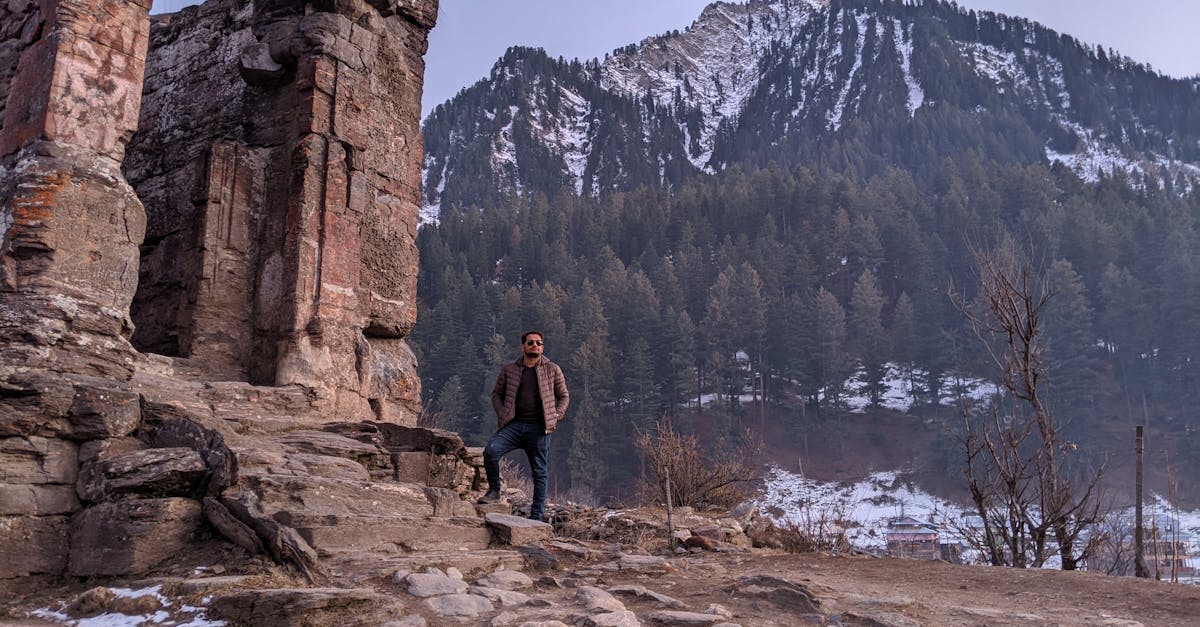
  • Inauguration: Inaugurated to improve all-weather connectivity between Ladakh and Kashmir.
  • Location: 6.5 km long in Ganderbal, Kashmir, at 8,650 feet, bypassing avalanche-prone zones on Srinagar-Leh highway (NH-1).
  • Renaming: Now called Sonamarg tunnel, built under the Thajiwas glacier.
  • Cost & Development: Built at Rs 2,400 crore, initially by BRO, later by NHIDCL (National Highways and Infrastructure Development Corporation Limited). Started in 2015.
  • Strategic Partnership with Zojila: Improves road access to Ladakh, reducing Srinagar-Ladakh route by 6 km. Works in conjunction with the Zojila tunnel.
  • Zojila Tunnel Significance: The 14.15 km Zojila tunnel, Asia’s longest bi-directional tunnel, will ensure year-round connectivity between Srinagar, Kargil, and Leh.
  • Strategic Importance: Ensures year-round connectivity to Ladakh for both military and civilian purposes.

Vivekananda’s 162nd

  • 162nd Birth Anniversary: Celebrated as National Youth Day on January 12th, commemorating Swami Vivekananda.
    • Why: Highlights his enduring influence on Indian youth and his relevance to national development.
  • Viksit Bharat Young Leaders Dialogue 2047: Prime Minister participated in an event engaging youth in nation-building.
    • Why: Aligns with Vivekananda’s emphasis on youth empowerment and their role in shaping India’s future.
  • Swami Vivekananda’s Core Teachings:
    • Philosophical: Introduced Vedanta and Yoga to the West, advocating for a blend of spirituality and material progress.
    • Spiritual: Emphasized self-realization, compassion, and selfless service, drawing from Upanishads, Gita, Buddha, and Jesus.
    • Revivalism: Promoted man-making, character-building education for national regeneration.
    • Why: His philosophies advocate comprehensive advancement, merging cultural and spiritual values with modern progress.
  • Vivekananda’s Values for Youth:
    • Dedication to goals, mental and physical strength, and ethical conduct.
    • Rationality, supporting science and reason, and a humanistic, universalistic nationalism.
    • Why: Encourages holistic development focused on moral strength.
  • Associated Organizations:
    • Founded the Ramakrishna Mission (1897) for service, education, and spiritual upliftment.
    • Established Belur Math (1899) as his permanent residence.
    • Why: Institutionalized his teachings for sustained impact.
  • International Recognition:
    • Addressed the Parliament of Religions in Chicago (1893), representing Hinduism.
    • Addressed the London Hindu Association (1896).
    • Why: Showcased Indian philosophy on a global stage.
  • National Youth Policy 2014: Defines youth as 15-29 age group, comprising nearly 40% of India’s population.
    • Why: Highlights the demographic significance of youth in India’s development.
  • Conclusion:
    • Vivekananda’s teachings and initiatives like Viksit Bharat Young Leaders Dialogue prioritize youth empowerment, ethical leadership, and holistic development.
    • Why: Essential for equipping youth to shape India’s future while honoring its heritage.

Neptune Missile Explained

  • Ukrainian-Developed Cruise Missile: The Neptune is a Ukrainian-designed subsonic cruise missile.
  • Anti-Ship and Land-Attack Role: Initially designed as an anti-ship missile, it was later modified for land attacks.
  • Based on Russian Design: It’s based on the Russian Kh-35 cruise missile (NATO: AS-20 Kayak).
  • In Service Since 2021: Entered service with the Ukrainian Navy in March 2021.
  • Key Specs: Weighs 870 kg, 5.05 m long, speed up to 900 km/h, altitude 10-300m (down to 3m on approach), max range 400 km, 350 kg combat weight (150 kg anti-ship).
  • Guidance System: Uses satellite positioning during flight and infrared homing for final approach.
  • Why it matters: This missile is significant due to its Ukrainian origin, its versatility in targeting ships and land, and its potential impact on regional conflicts.
  • India has Cruise Missiles: India possesses BrahMos supersonic cruise missile and BrahMos-II a hypersonic missile also Nirbhay subsonic cruise missile with range of 1,000–1,500 km.
  • Why it matters for India Because India is developing its cruise missile and may enhance relations with Ukraine in the future to improve or get inspiration for new features and designs.

Kumbh Mela 2025: Mobile Access

  • Seamless Mobile Connectivity: The government is ensuring uninterrupted mobile connectivity for the Maha Kumbh Mela 2025 in Prayagraj.

  • Unprecedented Scale: The event anticipates 40 crore devotees over 44 days, potentially creating the highest tele-density ever.

  • Infrastructure Deployment: Over 100 km of optical fibre has been installed, alongside enhanced radio capacity towers. 78 transportable towers and 150 small cell solutions will be used in crowded areas.

  • Emergency Communication: Special centres will be established to support emergency communication and coordinate with local authorities.

  • Event Details: Maha Kumbh Mela 2025 will be held in Prayagraj from January 13th to February 26th, 2025.

  • Significance: Uttar Pradesh has designated the Maha Kumbh area as a new district for four months.


Henley Passport 2025

  • India’s Passport Rank: India has dropped to 85th place in the Henley Passport Index 2025. This is down from 80th in 2024.
    • Why: This ranking reflects a decrease in visa-free access for Indian passport holders.
  • Visa-Free Access: Indian passport holders now have visa-free access to 57 countries.
    • Why: This shows the limited international mobility for Indian citizens compared to higher-ranked countries.
  • Historical Fluctuations: India’s ranking has varied over time, reaching a high of 71st in 2006 and a low of 90th in 2021 (due to the pandemic).
    • Why: Highlights the impact of global events and policies on passport power.
  • Global Leaders: Singapore (195 destinations) and Japan (193) are at the top, with several EU nations and South Korea in third.
    • Why: Illustrates the best passport access globally.
  • Falling Rankings: Notable shifts include the US dropping from 2nd to 9th and the UK from 1st to 5th.
    • Why: Indicates changing geopolitical dynamics and visa policies.
  • Bottom Rankings: Pakistan, Yemen, Iraq, Syria, and Afghanistan have the lowest rankings.
    • Why: Reflects significant limitations in international travel for citizens of these countries.
  • Cost-Effective Passport: India’s passport is highlighted for providing the best “cost per year” value.
    • Why: This is an additional positive aspect, emphasizing affordability despite the lower ranking.

Sovereign AI

  • Why in News: India invests in semiconductors and AI to achieve AI sovereignty, crucial for its USD 1 trillion digital economy goal by 2028.
  • What is Sovereign AI: A nation’s ability to develop, control, and deploy AI using its own infrastructure, data, workforce, and business networks.
  • National Control: Aligns AI development with national laws, regulations, and ethics.
  • Data Sovereignty: Ensures data control within borders, protecting privacy and national security.
  • AI in Governance: Generative AI is transforming markets, governance, and industries, with AI copilots enhancing productivity.
  • Ethical Considerations: Allows nations to set security protocols and ethical standards for AI usage.
  • Strategic Autonomy: Reduces dependence on foreign AI technologies, fostering domestic AI capabilities.
  • Economic Competitiveness: Essential for industrial innovation; lacking it risks India’s global competitiveness.
  • Various Applications: Used in critical sectors like defense, healthcare, and transportation.
  • India’s Position: Tata Group and Reliance are developing AI infrastructure and LLMs.
  • IndiaAI Mission: USD 1.2 billion allocated for a sovereign AI project, including an AI supercomputer.
  • Global AI Cooperation: A proposed Global AI Compact suggests sharing AI resources globally for equitable access.

What is UAN?

  • What is UAN? A 12-digit number for salaried employees contributing to the Employee Provident Fund (EPF).
  • Who issues it? The Employees’ Provident Fund Organisation (EPFO), authenticated by the Ministry of Labour and Employment.
  • Why is it important? It remains constant throughout an employee’s career, even when jobs change. It acts as a central umbrella for multiple Member Ids (EPF accounts) across different employers.
  • How does it work? When an employee changes jobs, the new employer links the new Member Id to the existing UAN.
  • Benefits for Employees: Allows employees to view details of all their linked EPF accounts in one place.
  • Benefits for EPFO: Helps track job changes of employees.
  • EPF Basics: EPF is the main scheme under the Employees’ Provident Funds and Miscellaneous Act, 1952.
  • EPF Contribution: Both employee and employer contribute 12% of the employee’s basic salary and dearness allowance.
  • EPF Applicability: Compulsory for establishments with 20 or more employees; also applies to some smaller organizations.

Pink Fire Retardant

  • Pink fire retardant, commonly Phos-Chek, is an ammonium phosphate-based slurry used to combat wildfires.
  • It contains salts like ammonium polyphosphate, which persist longer than water, inhibiting fire spread.
  • The pink color aids firefighters in creating visible fire lines, protecting lives and property.
  • Spraying fire retardant from planes is considered by some environmental experts to be ineffective and a source of pollution.
  • Phos-Chek contains toxic metals like chromium and cadmium, which can lead to cancer, kidney, and liver diseases in humans and harm aquatic life.
  • Since 2009, approximately 850,000 pounds of toxic metals from fire retardants have been released into the environment.
  • Fire retardant gels are different from Phos-Chek, being short-term suppressants applied by ground equipment. They are also used to protect stunt people from flames.

Harvest Celebrations

  • Why in News: The President of India greeted citizens on the eve of Lohri, Makar Sankranti, Pongal, and Magh Bihu, highlighting these harvest festivals’ diverse celebrations across India.

  • Harvest Festivals’ Meaning: These festivals mark the end of the harvesting season in India.

  • Astronomical Significance: They celebrate the Sun’s transition into the Capricorn zodiac (Makara) and the start of Uttarayan (northward journey), signifying the end of winter and a move towards warmer months. They follow the solar cycle, occurring on January 14th.

  • Cultural Significance: Rituals include bathing in sacred rivers, offering food (Naivedhya) to Lord Surya, charity, and breaking fasts.

  • Regional Celebrations:

    • Tamil Nadu (Pongal): A four-day rice harvest festival with home decorations using rice powder kolams.
    • Karnataka: Sharing sesame and jaggery (harmony), cattle dressing and fire-jumping (‘Kicchu Haisodu’).
    • Punjab (Lohri): Bonfires, folk songs, and offerings of groundnuts and popcorn.
    • Bihar: ‘Khichdi’ festival, preparing the dish Khichdi (rice and lentils), distributing sesame and jaggery sweets.
    • Rajasthan & Gujarat: Kite-flying competitions, including the International Kite Festival in Ahmedabad, and sky lanterns.
    • Assam (Magh Bihu): Celebrates the annual harvest and the Assamese new year.

Community Notes vs. Fake News

  • Meta’s Shift: Meta replaces professional fact-checkers with a Community Notes program, similar to X (formerly Twitter).

  • Reasoning: Meta cites partisan behavior of fact-checking organizations.

  • Community Notes: Aims to combat misinformation using user-generated context. Users add notes to posts requiring clarification, visible only with diverse agreement.

  • Concerns in India:

    • Increased misinformation due to untrained users.
    • Potential for biased content to dominate.
    • Delays in addressing misinformation as responsibility shifts to users.
    • Risk of political skew and polarization.
    • Challenges due to India’s diversity and complex issues.
  • Why Fact-Checking Matters:

    • Ensures fair journalism, transparency, and combats misinformation.
    • Protects political integrity during elections.
    • Essential for investigating deepfakes and manipulated media.
  • Challenges in Tackling Fake News:

    • Lack of a clear legal definition.
    • Balancing regulation with free speech.
    • Unintentional sharing by passive re-sharers.
    • Limited platform accountability.
    • Language and regional diversity in India.
    • Rise of deepfakes.
  • Provisions in India:

    • Press Council of India (PCI) can censure media outlets.
    • News Broadcasters Association (NBA) self-regulation.
    • Indian Penal Code (IPC) sections for inciting violence or unrest.
    • Defamation laws.
    • IT Act, 2000 for cybercrimes.
  • Way Forward:

    • Multilingual moderation using AI.
    • Platform accountability for social media companies.
    • Ethical journalism and independent content audits.
    • Public awareness campaigns.
    • Media literacy programs in schools.

RoDTEP Explained

  • Objective: To refund embedded taxes/duties on exported goods that aren’t refunded through other mechanisms, boosting exports.

    • Why: Makes Indian exports more competitive by reducing the tax burden.
    • Effective Date: Implemented January 1, 2021, amending the Foreign Trade Policy 2015-20.

    • Why: Provides a defined starting point for businesses to adapt and benefit.

    • Administered By: Department of Revenue, Ministry of Finance.

    • Why: Ensures governmental oversight and proper implementation.

    • WTO Compliance: Adheres to global principle against exporting taxes/duties.

    • Why: Avoids trade disputes and maintains international trade harmony.

    • Replaces MEIS: Superseded the Merchandise Export Incentive Scheme.

    • Why: Addresses WTO concerns about India’s export subsidies.

    • Tax Reimbursement: Refunds taxes, duties, and levies at central, state, and local levels incurred during production and distribution.

    • Why: Reduces the overall cost of exporting goods and makes products more competitive.

    • Eligibility: Open to all export sectors, including merchant and manufacturer exporters, provided goods are made in India and directly exported.

    • Why: Broad eligibility allows diverse businesses to benefit.

    • Priority Sectors: Labor-intensive sectors (like marine, leather, gems & jewellery, agriculture) receive priority. SEZ & EOU Units and E-commerce exports are also eligible. Re-exported products are not eligible.

    • Why: Focuses support on sectors with high employment potential and strategic importance.

    • Refund Mechanism: Rebates issued as transferrable e-scrips (electronic certificates) based on a percentage of FOB value. E-scrips can be used to pay basic customs duty or transferred.

    • Why: Streamlines the refund process and provides flexibility in utilizing the benefits.


Indravati

  • Location: Bijapur district, Chhattisgarh.

  • Establishment: Established in 1981.

  • Tiger Reserve: Declared a tiger reserve in 1983 under Project Tiger.

  • Name Origin: Named after the Indravati River, which forms its northern boundary with Maharashtra.

  • Topography: Undulating hilly terrain.

  • Vegetation: Moist Mixed Deciduous Forest (with & without Teak) and Southern Dry Mixed Deciduous Forest. Key tree species include Teak, Achar, Karra, Kullu, Shisham and Semal.

  • Fauna: Home to rare wild buffalo, Nilgai, Black Buck, Sambar, Gaur, Tiger, Leopard, Chital, and Sloth bears.

  • Largest National Park in Chhattisgarh: Guru Ghasidas National Park.


UN WESP 2025

  • Global Growth Stagnant: The UN projects global economic growth to remain at 2.8% in 2025, the same as in 2024. Why: This signals a lack of significant improvement in the global economic outlook.

  • Infrastructure Investment Key: Capital expenditure on infrastructure development is expected to have strong positive effects on economic growth. Why: Infrastructure projects create jobs and stimulate demand across multiple sectors.

  • Manufacturing & Services Drive Growth: Expansion in the manufacturing and services sectors will be major contributors to economic activity. Why: These sectors are often key drivers of innovation, productivity, and employment.

  • Export Growth to Help: Strong export growth in services, pharmaceuticals, and electronics will support economic activity. Why: Increased exports bring in revenue and boost domestic production.

  • Favorable Monsoon Boosts Agriculture (India): Good monsoon rains in 2024 are expected to increase agricultural output in 2025. Why: Agriculture remains a significant sector in many developing economies, influencing food security and rural incomes.

  • South Asia’s Robust Growth: South Asia’s economic growth is projected to remain strong, primarily driven by India. Projected growth is 5.7% in 2025 and 6% in 2026. Why: Highlights the region’s economic dynamism and India’s pivotal role.

  • Critical Minerals Opportunity: Resource-rich developing countries like India can leverage rising demand for critical minerals to boost growth, create jobs, and increase public revenue. Why: This presents a pathway for sustainable economic development.


Delft Island

  • Location & Size: Neduntheevu, also called Delft Island, is the largest island in the Palk Strait, belonging to Sri Lanka. It spans 50 sq. km, with dimensions of 8 km in length and 6 km in width.
  • Unique Geography: The island is notably flat, oval-shaped, and wind-swept, lacking streams. Freshwater comes from surface water collected in depressions and ponds. It has dry shrubs, semi-arid tropical plants, and palm trees.
  • Historical Significance: A Dutch fort, built from coral, is located on the island.
  • Demographics: Home to 4,800 Tamil people, residing primarily in the northern part of the island.
  • Language: Sri Lankan Tamil is the primary language.
  • Why in News: The provided content does not indicate any current news events related to Neduntheevu Island. The information focuses on the island’s geographical features, history, demographics, and language, establishing a general profile rather than a specific news angle.
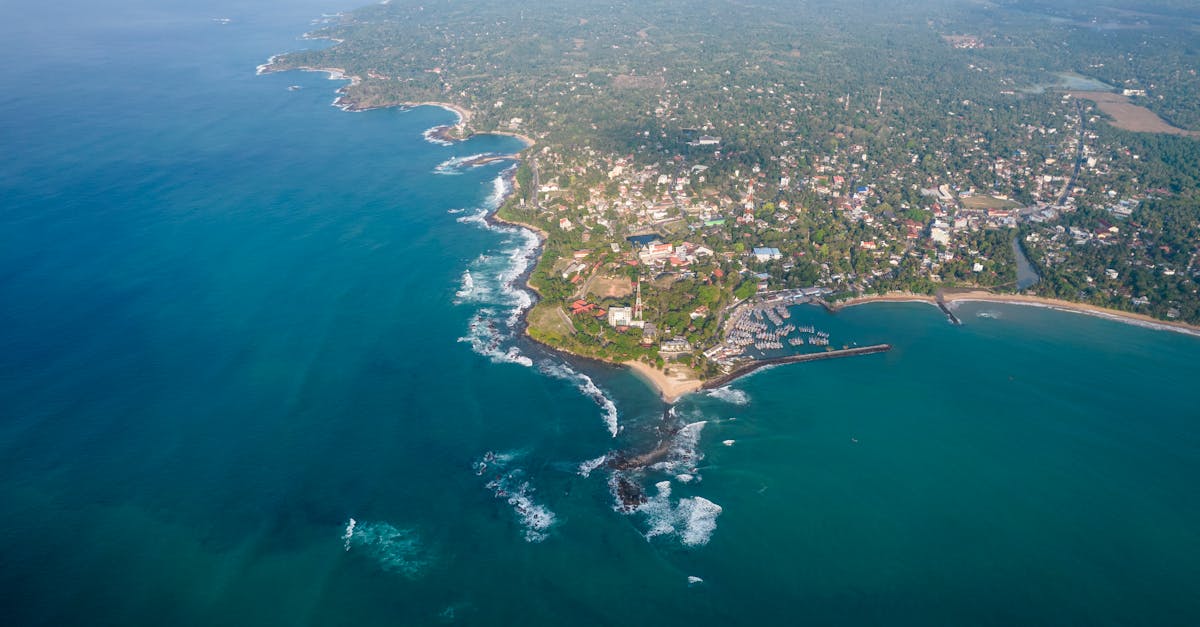
Delft Island


Hollongapar Sanctuary

  • Location: Jorhat district, Assam, India.
  • Unique Distinction: Only sanctuary in India named after a gibbon and known for high gibbon population density.
  • Key Fauna: Home to India’s only gibbon species (Hoolock gibbons) and Northeast India’s only nocturnal primate (Bengal slow loris). Other notable species include elephants, tigers and leopards.
  • Flora: Dominated by Hollong trees in the upper canopy and Nahar in the middle canopy.
  • River: The Bhogdoi River borders the sanctuary.
  • National Board for Wildlife (NBWL): Important because its approval is required for construction within the sanctuary and alteration of boundaries as per Wildlife Protection Act, 1972.
  • NBWL Composition: Headed by the Prime Minister, with the Environment Minister as Vice Chairperson.
  • Rich Biodiversity: The sanctuary is significant due to its diverse flora and fauna, making it a vital habitat.

Cryo-Coral Babies

  • Cryo-Born Corals Introduced: The world’s first corals created using cryopreserved sperm have been successfully introduced to the Great Barrier Reef.

  • Cutting-Edge Cryopreservation: Australian scientists used cryopreservation techniques to fertilize coral eggs with frozen sperm.

  • Grown in National Sea Simulator: The resulting coral larvae were nurtured in a controlled environment (National Sea Simulator) before reef deployment.

  • ‘Coral Cradles’ for Protection: Transferred corals were placed in specially designed structures (‘coral cradles’) on the Reef for initial protection.

  • Climate Change Resilience: The project’s goal is to introduce heat-tolerant coral varieties to enhance the reef’s resilience to rising ocean temperatures caused by climate change.

  • CryoDiversity Bank: Australia maintains a large collection of frozen coral sperm from 32 species collected since 2011, called CryoDiversity Bank, providing genetic diversity for restoration efforts.

  • Coral Basics: Corals are invertebrates (Anthozoa, Cnidaria) that build reefs using limestone skeletons secreted by polyps and symbiotic algae (zooxanthellae) for nutrients.

  • Hard vs. Soft Corals: Only hard corals, not soft corals, create

    the massive calcium carbonate structures that form coral reefs.

  • Why it matters : It’s a breakthrough conservation effort to use cryopreservation to improve reefs’ climate resilience.


NPOP

  • Foundation and Purpose: Launched in 2001, it systematically develops India’s organic agriculture sector. It strengthens the organic certification system.

  • Goals: Promotes sustainable farming, creates opportunities for farmers/exporters, and boosts India’s global organic market competitiveness.

  • Key Activities: Includes accreditation of Certification Bodies, sets organic production standards, and promotes organic farming and marketing.

  • Implementing Agency: APEDA (Ministry of Commerce & Industries) manages the programme.

  • 8th Edition Highlights: Amendments focus on ease of operations and transparency.

  • Simplified Certification: Organic grower groups now have legal status, replacing the Internal Control System (ICS).

  • NPOP Portal: Provides visibility and operational ease for organic stakeholders.

  • Organic Promotion Portal: Helps farmers/FPOs/exporters showcase products, generate trade leads, connect with buyers, access training, and get information on trade events.

  • TraceNet 2.0: Upgraded organic traceability system for seamless operations and better regulatory oversight.

  • APEDA & AgriXchange Portals: Redesigned for improved user experience and data accessibility for stakeholders and the public.

  • Objectives: Evaluates and certifies organic agriculture and products based on government-approved criteria.


Denotified Tribes: Issues

  • News: Discontent among Denotified Tribes (DNTs), Nomadic Tribes (NTs), and Semi-Nomadic Tribes (SNTs) due to persistent challenges despite government schemes like SEED.
  • Historical Injustice: Stigma from the Criminal Tribes Act of 1871 continues, hindering social and economic inclusion.
  • Unclassified Communities: Many DNTs remain unclassified under SC, ST, or OBC categories, preventing access to welfare schemes. Lack of caste certificates in 29 states further exacerbates the problem. Estimates suggest over 25 crore individuals lack basic identity recognition.
  • Implementation Gaps: Idate Commission recommendations (permanent commission, caste census) remain unaddressed. SEED scheme faces delays and lacks sufficient outreach, overlapping benefits with existing schemes.
  • Lack of Representation: Scarce leadership positions and no full-time chairperson in the DWBDNC.
  • Who are DNTs, NTs, and SNTs?: Communities denotified from the Criminal Tribes Act, often nomadic, with diverse cultural practices. Approximately 10% of India’s population.
  • SEED Scheme: Aims for economic empowerment via coaching, health insurance, livelihoods, and housing. Rs. 200 crore expenditure over five years.
  • Way Forward:
    • Expedite DNT classification (SC/ST/OBC), issue caste certificates (e.g., SC-DNT).
    • Strengthen SEED through NGO participation, simplify eligibility.
    • Conduct caste census, encourage community representation in policymaking.
    • Establish a permanent commission, district-level complaints committees.
  • Why this matters: Addresses historical injustice, promotes inclusion, and ensures equitable access to resources for marginalized communities.

Illegal E-ticket

  • E-ticket reselling illegal: The Supreme Court declared the unauthorized business of procuring and supplying railway e-tickets illegal, deeming it a social crime.
  • Legal Basis: This ruling stems from Section 143 of the Railways Act, 1989, which penalizes unauthorized ticket sales and procurement (online and offline).
  • Case Precedent: The court referenced the Mathew K Cherian Case, 2025, and extended the applicability of the Railways Act to modern technologies like online ticketing, referencing the English case of Comdel Commodities Ltd. v. Siporex Trade SA Case, 1990.
  • Previous Misinterpretation Corrected: The Supreme Court overruled the Kerala High Court, which had limited the applicability of the law to offline ticket sales.
  • Circumventing Limits: The accused, Mathew, was found to have violated the Act by creating multiple unauthorized user IDs to bypass IRCTC’s ticket reservation limits.
  • Significance: The Indian Railways is crucial infrastructure, serving approximately 673 crore passengers annually, making fair ticketing practices vital.

California Ablaze

  • Devastating Wildfires: Los Angeles is battling intense wildfires causing fatalities and structural damage. Fire retardants are being deployed.
  • Increased Frequency: Wildfires are occurring more often and outside normal wildfire seasons.
  • Causes of Wildfires:
    • Natural:
      • Lightning strikes igniting dry vegetation.
      • Climate change, specifically unusual wet/dry cycles, creating fuel for fires.
      • Strong Santa Ana winds spreading flames rapidly.
    • Human Intervention:
      • Unattended campfires, sparks from vehicles, faulty power lines, arson, etc.
  • Impacts:
    • Economic loss from destruction.
    • Air pollution from particulate matter, acids, and other chemicals.
    • Land degradation, loss of nutrients and vegetation.
    • Loss of biodiversity.
  • Pink Fire Retardant:
    • Chemical mix containing ammonium phosphate slurry and potentially toxic metals (chromium and cadmium in some formulations).
    • Phos-Chek contains ammonium phosphate fertilizers and a red dye.
    • Coats vegetation to prevent combustion by cutting off oxygen.
    • Pink color chosen for visibility.
  • Retardant Concerns: Toxic metals pose health risks (cancer, organ damage) and environmental risks to aquatic life.

Daily Current Affairs and News Analysis 12-01-2025

NOTTO: Organ & Tissue Network

  • NOTTO’s Role: Apex national organization in India for organ and tissue transplant, operating under the Ministry of Health and Family Welfare.

  • Legal Basis: Implements the National Organ Transplant Program (NOTP) and adheres to the Transplantation of Human Organs and Tissues Act (THOTA) 1994 and its 2011 Amendment.

  • Main Functions: Organ procurement and distribution, maintenance of a national registry of donors and recipients.

  • Key Divisions:

    • National Human Organ and Tissue Removal and Storage Network: Coordinates nationwide organ and tissue procurement, distribution, and registry. Mandated by the 2011 Amendment.
    • National Biomaterial Centre (National Tissue Bank): Aims to bridge the gap between tissue demand and supply while ensuring quality.
  • Tissue Bank Activities: Coordination, screening, removal, storage, preservation, lab screening, tracking, sterilization, records, data protection, quality management, patient information, guideline development, training, and assisting in tissue bank registration.

  • Establishment Timeline: The 2011 Amendment of THOA 1994 laid the foundation for NOTTO, with the National Organ and Tissue Transplant Registry (NOTTR) established in 2015. NOTTO has improved all transplant outcomes.


Hattis: Who Are They?

  • Identity: The Hattis are a close-knit community named after their traditional occupation of selling crops at local markets (“haats”).
  • Location: They reside along the Himachal Pradesh-Uttarakhand border, in the Giri and Tons river basins.
  • Clans: Divided into two main clans, one in Himachal Pradesh and the other in Uttarakhand, sharing similar customs and intermarrying.
  • Governance: Governed by a traditional council called ‘khumbli’ that handles community affairs.
  • Economy: Primarily agricultural, relying on cash crops. Benefited from tourism in Kinnaur, Lahaul, and Spiti.
  • Population: Estimated at around 3 lakhs.
  • ST Status: The Indian government granted Scheduled Tribe (ST) status to the Hatti community in Himachal Pradesh in 2023. Jaunsar-Bawar region was granted tribal status in 1967.
  • “Pahadi” Definition: ‘Pahadi’ refers to mountain dwellers, associated with Himalayan regions of India and Nepal.

Why in the news:

  • Granting of ST status to the Hatti community in Himachal Pradesh in 2023.

Silver Notice Explained

  • New Interpol Alert: The Silver Notice is a new color-coded alert from Interpol.
  • Purpose: To help countries track and recover assets obtained through criminal activities (fraud, corruption, drug trafficking, environmental crimes, etc.).
  • Focus: Tracing assets laundered across international borders.
  • Pilot Project: Currently a pilot project involving 52 countries, including India, running until at least November 2025. 500 notices are available to the participating countries.
  • How it Works: Countries request information on properties, vehicles, financial accounts, and businesses linked to criminal activities.
  • Facilitates Identification: Helps identify and locate assets for potential seizure or confiscation (subject to national laws).
  • India’s Role: India participates and may benefit from tracing and recovering assets from fugitive economic offenders and unaccounted black money.
  • Interpol’s broader role: Interpol supports law enforcement with operational activities in priority crime areas, including financial crime.
  • Initiation: The initiative was launched following a request from Italy to locate assets of a senior mafia member.

T. indotineae

  • Emergence of Trichophyton indotineae: A fungal pathogen causing difficult-to-treat skin infections, widely reported in India and globally.
  • Origin and Naming: Named after India in 2020 by a Japanese group, based on isolates from India and Nepal, following the practice of naming pathogens after their initial sighting country.
  • Global Spread: Documented in over 40 countries, indicating significant dissemination.
  • Type of Fungus: Belongs to the dermatophyte group, causing dermatophytosis (superficial skin, hair, and nail infections).
  • Symptoms: Causes inflammatory and itchy dermatophytosis, often widespread, affecting groins, gluteal region, trunk, and face.
  • Transmission: Spreads through direct skin contact and contaminated objects.
  • Drug Resistance: Resistant to terbinafine, a first-line antifungal agent, posing treatment challenges.
  • Treatment Options: While terbinafine resistance is a concern, other oral antifungal agents like griseofulvin, itraconazole, and allylamines can be considered.

Utricularia Explained

  • Utricularia (Bladderwort): A diverse genus of approximately 220 species of carnivorous plants within the family Lentibulariaceae. They are the most widespread and diverse genus of carnivorous plants.

  • Carnivorous Mechanism: They capture tiny animals (insect larvae, worms, water fleas) using small, active bladders with trap doors that open rapidly (in milliseconds) when triggered by hairs, sucking in prey.

  • Habitat: Found in various aquatic and waterlogged environments globally, including lakes, streams, and waterlogged soils. Some species are invasive.

  • Plant Structure: Bladderworts lack roots and have horizontal, floating stems with simple or divided leaves. The small carnivorous bladders are produced along the stem and range from dark to transparent.

  • Keoladeo National Park Connection: Information about Keoladeo National Park is context for Utricularia, highlighting its biodiversity and importance as a wetland habitat. It’s a Ramsar site and UNESCO World Heritage Site, home to various flora, fauna, and migratory birds.

  • Traditional Medicinal Uses: Dried leaves are used to make medicinal tea, for treating urinary tract disorders (kidney stones, UTIs), spasms, fluid retention, swelling, stimulate gallbladder secretions and promote weight loss.


UN Big Data Statistics

  • UN Committee of Experts on Big Data and Data Science for Official Statistics (UN-CEBD): Established in 2014 (with Australia as the initial Chair) to explore Big Data’s potential for official statistics and Sustainable Development Goal (SDG) monitoring.

  • Governance Advisory Board: Manages the UN-CEBD, meeting ~4 times/year to provide strategic guidance and review progress.

  • UN Bureau: Handles day-to-day operations of the UN-CEBD.

  • Mandate of UN-CEBD:

    • Strategic vision and coordination for Big Data use in official statistics, including for the 2030 Agenda (SDGs).
    • Promote practical application of Big Data sources (including cross-border data), addressing challenges.
    • Capacity-building, training, and experience sharing.
    • Advocacy for Big Data use in policy, especially SDG monitoring.
    • Building public trust in Big Data’s use for official statistics.
  • UN Statistical Commission’s Primary Function: The highest decision-making body for international statistics. It sets statistical standards and develops concepts and methods for national and international implementation.

Why is this newsworthy?

  • The UN-CEBD plays a crucial role in leveraging Big Data for official statistics, particularly for tracking progress on the Sustainable Development Goals.
  • Its work is essential for ensuring that data-driven policies are based on reliable and trustworthy information.
  • The UN Statistical Commission, which oversees these efforts, holds significant authority in the global statistical landscape.

UN Big Data Statistics


Blue Flag

  • Blue Flag Certification: A globally recognized eco-label awarded by the Foundation for Environment Education (FEE) in Denmark. Started in France (1985), expanded outside Europe in 2001.
  • Purpose: Promotes sustainable development in freshwater and marine areas.
  • Criteria: Focuses on four key areas: water quality, environmental management, environmental education, and safety.
  • Mission: To foster sustainability in the tourism sector through environmental education, protection, and sustainable practices.
  • Indian Beaches: Several beaches in India have achieved Blue Flag status, including Shivrajpur (Gujarat), Ghoghla (Diu), Kasarkod & Padubidri (Karnataka), Kappad (Kerala), Rushikonda (Andhra Pradesh), Golden (Odisha), Radhanagar (Andaman & Nicobar), Kovalam (Tamil Nadu), Eden (Puducherry), Minicoy Thundi & Kadmat (Lakshadweep).
  • First in Asia: Chandrabhaga beach (Odisha) was the first beach in Asia to achieve Blue Flag certification.
  • Significance: Indicates a beach is environment-friendly, clean, and maintained with international-standard amenities for tourists.

Generation Beta

  • Generation Beta Defined: Children born between January 1, 2025, and December 31, 2039, will be classified as Generation Beta. This marks a new generational cohort.

  • Succession: Generation Beta succeeds Generation Alpha (born 2010-2024), also known as the iPad Generation.

  • Naming Conventions: Generational names have evolved, initially tied to societal events (Baby Boomers, Gen X, Millennials) and now using the Greek alphabet (Alpha, Beta).

  • Historical Context: Previous generations (Baby Boomers, Gen X, Millennials, Gen Z, Gen Alpha) were shaped by specific historical events, economic conditions, and technological advancements, influencing their values and characteristics.

  • Generation Alpha Characteristics: Tech-savviness, social media immersion, formative experiences during the Covid-19 pandemic, environmental awareness, and focus on mental health are key traits of Generation Alpha.

  • Projected Gen Beta Traits: Generation Beta is expected to be even more digitally integrated, experience a seamless blend of digital and physical realities, and prioritize sustainability due to inheriting challenges like climate change, population shifts, and urbanization. They will view sustainability as an expectation.

  • Significance: Understanding generational shifts provides insights into evolving values, priorities, and potential societal impacts driven by new cohorts.


Shastri: The Man of Peace

  • 59th Death Anniversary: January 11 marked the 59th death anniversary of Lal Bahadur Shastri, India’s second Prime Minister, making it a significant date for remembrance.

  • Tashkent Declaration: Shastri passed away in Tashkent, Uzbekistan, shortly after signing the Tashkent Declaration, with the cause of death reportedly cardiac arrest.

  • Early Life & Education: Born in 1904, Shastri dropped his surname to oppose the caste system. He earned the title ‘Shastri’ (scholar) upon graduating from Kashi Vidyapeeth.

  • Role in Independence Struggle: Shastri dedicated his youth to India’s independence movement.

  • Ministerial Roles: Post-independence, he served as Minister of Police and Transport (introducing women bus conductors and water jets for crowd control), and later as Union Minister for Railways and Transport.

  • Resignations on Moral Grounds: Shastri resigned twice as Railway Minister following train accidents, accepting moral responsibility – highlighting his integrity.

  • Home Minister & Language Policy: As Home Minister, he addressed language concerns by ensuring English would continue as an official language alongside Hindi.

  • Addressing Food Shortages: During food crises in the 1960s, Shastri introduced the Minimum Support Price (MSP) and established the Commission for Agricultural Costs and Prices (CACP).

  • “Jai Jawan, Jai Kisan”: Shastri coined this slogan during the Indo-Pakistan War era to boost morale and address food scarcity. This slogan is also one of the reasons in news.


Youth Day!

  • What: National Youth Day, also known as Vivekananda Jayanti or Rashtriya Yuva Diwas.
  • When: Celebrated annually on January 12.
  • Why: To commemorate the birth anniversary of Swami Vivekananda.
  • Significance: Acknowledges the potential of youth in nation-building, inspires young people to contribute positively to society, honors Swami Vivekananda’s contributions to Indian society through his teachings.
  • History: Declared by the Government of India in 1984; first celebrated in 1985.
  • Youth Demographics: Youth (15-29 years) comprise nearly 40% of India’s population.
  • Viksit Bharat Young Leaders Dialogue: A new initiative introduced for National Youth Day 2025. A merit based competition to identify and nurture young talent and provide a platform for innovative ideas and perspectives.
  • Viksit Bharat Challenge: competition involves quizzes, essay writing, and vision presentations, with finalists presenting their ideas.
  • Focus: Focuses on harnessing youth’s potential and innovative ideas for national development.

Punatsangchhu-II Hydro

  • Project: Punatsangchhu-II Hydroelectric Project (PHEP-II).
  • Type: 1020 MW run-of-the-river hydroelectric power-generating facility.
  • Location: Wangdue Phodrang district, Bhutan, on the right bank of the Punatsangchhu River.
  • Developer: Punatsangchhu II Hydroelectric Project Authority, under an Inter-Government Agreement (IGA) between Bhutan and India.
  • Infrastructure:
    • 91m-high and 223.8m-long concrete gravity dam.
    • 877.46m-long, 12m-diameter diversion tunnel (1118 cubic metres/second discharge).
    • Upper and downstream cofferdams.
    • Underground powerhouse with six 170 MW Francis turbines.
  • Power Generation: Expected annual generation of 4,357 million units of electricity.
  • Funding: Government of India (GoI): 30% grant and 70% loan at 10% annual interest (repayable in 30 equated semi-annual installments, starting one year after the project’s mean date of operation).
  • Power Export: All surplus power will be exported to India.

Why in the News:

The Punatsangchhu-II project is significant due to its large capacity (1020 MW) and its role in Bhutan-India energy cooperation. The project will boost electricity generation for Bhutan and provide power to India. The GoI funding highlights India’s commitment to supporting Bhutan’s hydropower sector.


Esterase Enzymes

  • A novel esterase enzyme, produced by the soil bacterium Sulfobacillus acidophilus, has been structurally characterized.

  • This enzyme efficiently degrades the common plasticizer diethyl hexyl phthalate (DEHP) into MEHP and 2-ethyl hexanol.

  • The esterase, combined with three other enzymes from Comamonas testosteroni, can potentially break down high molecular weight phthalate plasticizers into water and carbon dioxide.

  • Integrating the esterase and other enzymes into bacteria significantly extends their active lifespan for continuous plasticizer degradation.

  • Using the enzymes independently requires the production of fresh batches for sustained degradation.

  • Phthalates, like DEHP, are common plasticizers used in various products, posing a health risk through skin absorption.


Voter Lists

  • Context: Accusations of electoral roll manipulation in Delhi elections (AAP vs. BJP) have renewed the debate about linking Voter IDs (EPIC) with Aadhaar.

  • Background:

    • EC previously launched NERPAP to remove duplicate voter entries by linking EPIC with Aadhaar.
    • SC interim order (2015) limited mandatory Aadhaar use to welfare schemes and PAN linking, halting NERPAP.
    • Post-Puttaswamy judgement (2018), EC sought amendments to enable voluntary EPIC-Aadhaar linking.
  • 2021 Amendments:

    • RP Act, 1950 and The Registration of Electors Rules, 1960 were amended to permit EPIC-Aadhaar linking.
    • The use of the word “may” ensures linking remains voluntary.
    • Inability to provide Aadhaar due to ‘sufficient cause’ cannot result in application denial or entry deletion, with alternate documents accepted.
  • Pros and Cons of Aadhaar Linking:

    • Cons: Errors in Aadhaar database may cause wrongful deletions from electoral rolls. Aadhaar is a proof of residence, not citizenship.
    • Cons: Potential misuse of electoral rolls despite back-end linking to happen.
  • Way Forward: Public awareness campaigns are needed to highlight benefits of linking (removing duplicate entries, strengthening electoral process). Concerns about vote secrecy compromise must be addressed.

Voter Lists


Vaghsheer Submarine

  • INS Vaghsheer Commissioning: The INS Vaghsheer is the sixth Kalvari-class submarine to be commissioned into the Indian Navy, marking a significant boost to India’s naval power.

  • Kalvari-Class Submarines (Project 75): INS Vaghsheer is part of the Project 75 initiative, which involves the construction of six Scorpene-class submarines. The other five are INS Kalvari, INS Khanderi, INS Karanj, INS Vela, and INS Vagir.

  • Advanced Stealth Technology: Vaghsheer incorporates advanced stealth technologies, including reduced noise levels and hydrodynamic design, making it difficult to detect.

  • Combat Capabilities: It’s equipped with precision-guided weapons such as torpedoes and anti-ship missiles, enhancing its offensive and defensive capabilities.

  • Mission Versatility: Designed for diverse missions, including anti-submarine warfare, intelligence gathering, and operations in various maritime environments.

  • Indigenous Systems: It features indigenously developed systems like the air-conditioning plant, internal communication network, and Ku-Band SATCOM system, promoting self-reliance in defense technology.

  • Named After Sand Fish: The submarine is named after the sand fish, a deep-sea predator of the Indian Ocean.

  • Extensive Trials: It underwent extensive trials after its launch in April 2022, testing its endurance, stealth features, and combat efficiency.


Genome India

  • Genome India Project – Phase 2 Launch: Following the completion of the first phase, which sequenced 10,000 genomes to create a baseline map of the Indian population, the project is now moving into its second phase.

  • Focus on Disease Sequencing: The second phase will include sequencing the genomes of individuals with specific diseases, expanding the database to one million sequences.

  • Goal of Phase 2: Comparing healthy and diseased genomes to identify targets for developing treatments and diagnostics, advancing personalized medicine.

  • Diseases of Interest: Includes cancers, diabetes, neurological/neurodegenerative diseases, and rare diseases prevalent in Indian populations.

  • Project Overview: Aims to decode the genetic blueprint of India’s diverse population and develop a reference set of genetic variations from 10,000 samples across 99 communities

  • Key Institutions Involved: More than 20 research institutions across India are involved, including IISc, CSIR-CCMB and NIMHANS.

  • Key Objectives: Develop a biobank of 20,000 blood samples, make genomic data publicly accessible, design genetic chips for low-cost diagnostics, and promote genomic research.

  • Significance: Aims at developing genome-based precision medicine in India and inspire young researchers in the field of genomics.


Daily Current Affairs and News Analysis 11-01-2025

Silver Nanowire Ink

  • Indigenous Development: India has developed its own Silver Nanowire-Based Conductive Ink technology, funded by the Ministry of Electronics and Information Technology (MeitY). Why: Reduces reliance on foreign imports and strengthens domestic manufacturing.

  • Versatile Applications: The ink is usable in flexible electronics (foldable devices, touchscreens), wearables, solar panels, RFID tags, and more. Why: Showcases a broad applicability, highlighting the potential for widespread adoption across various industries.

  • Market Opportunity: The global market for this ink is projected to exceed $16.87 billion by 2032. Why: Indicates significant economic potential and growth opportunities for India’s domestic production.

  • Import Substitution: India currently imports conductive ink worth $1.572 million annually. Why: Illustrates the immediate potential for import substitution and cost savings for the country.

  • Radio Frequency (RF) Information: RF refers to electromagnetic radio wave oscillations in the range of 3 kHz to 300 GHz, used for communications and broadcasting. Why: Important to understanding the technology’s applications in areas like RFID tags and wireless communication.


Uncharted Territory

  • 10th Anniversary of NITI Aayog: Celebrated on January 1, 2025, marking a decade since its inception on January 1, 2015. This signifies a significant milestone in India’s shift towards a more market-oriented and adaptable economic planning approach.

  • Shift to Policy Advisory: NITI Aayog transitioned from financial allocation to policy recommendations. This emphasizes a move away from centrally controlled resource distribution to a more strategic and advisory role in shaping national policies.

  • Promotion of Federalism: Strengthened competitive and cooperative federalism via data-driven indices like the SDG India Index. This fostered healthy competition and collaboration among states for improved development outcomes.

  • State Institution support: Aided states in establishing State Institutions of Transformation (SITs). This promoted better governance and policy implementation at the state level, decentralizing development efforts.

  • Aspirational Blocks Programme: Targeted 500 underdeveloped blocks for comprehensive scheme coverage. This initiative aimed to address regional disparities and ensure equitable access to government programs.

  • Atal Innovation Mission (AIM): Trained over 1 crore students and expanded innovation ecosystems. This promoted entrepreneurship and innovation, particularly in underserved regions and local languages.

  • Conceptualization of Key Initiatives: Played a crucial role in conceiving initiatives like e-Mobility, Green Hydrogen, and the Production-Linked Incentive (PLI) Scheme. This highlights its contribution to shaping India’s future in sustainable development and manufacturing.


CAG of India

  • Context: The CAG is currently in the news due to a political dispute over its audit report on the Delhi CM’s office renovation. This highlights the CAG’s role in scrutinizing government spending.

  • Constitutional Basis: Articles 148-151 of the Constitution outline the CAG’s appointment, duties, and audit reports. The President appoints the CAG.

  • Functions and Audits: The CAG audits government finances, public sector undertakings, and assesses compliance with rules and regulations. They conduct compliance, performance, and financial audits.

  • Audit Selection: The CAG uses a risk assessment procedure, considering factors like project size, media reports, and international guidelines, to choose audit subjects. They also consult an Audit Advisory Board.

  • Audit Process: The CAG conducts entry and exit conferences, shares draft reports with the audited department for a response, and then submits the final report to the government.

  • Report Tabling: Article 151 mandates that CAG reports be laid before Parliament or state legislatures. There’s no time limit, leading to delays. The report becomes public only after it’s laid in the House.

  • Impact of Reports: CAG reports can influence policy by highlighting financial losses, suggesting procedural changes, and leading to changes in rules and procedures. The Public Accounts Committee examines the reports and seeks government action.


Copernicus C3S Explained

  • C3S Overview: The Copernicus Climate Change Service (C3S) is a key part of the EU’s Copernicus Earth Observation Programme, implemented by the European Centre for Medium-Range Weather Forecasts (ECMWF).

  • Purpose: C3S provides accessible, authoritative information about past, present, and future climate, globally and in Europe, to support society.

  • Data Access: C3S offers free and open access to climate data and tools via the Climate Data Store.

  • Climate Data Store (CDS): The CDS provides high-quality, up-to-date datasets on climate change impacts, updated with observations, reanalyses, forecasts, and model projections. It also has tools to create visual products from complex data.

  • User Support: C3S provides user support, training, and guidance to scientists, policymakers, media, and the public.

  • Reliance on Research: C3S utilizes climate research from the World Climate Research Programme (WCRP) and responds to user needs defined by the Global Climate Observing System (GCOS).

  • Copernicus Programme: The EU’s Earth observation program using satellites and in-situ data. Free and open data access is a key element.

  • Copernicus Infrastructure: Relies on Sentinel satellites and contributing missions to gather data. Funded and managed by the European Commission.

  • WCRP: An international initiative coordinating global climate research to improve understanding of the Earth’s climate system and support climate predictions.

  • Why it matters: C3S offers essential climate data and tools to support decision-making, research, and public understanding of climate change. The information available through C3S can enable users to tackle climate change and its impacts at a local level.


La Niña Explained

  • Emergence of La Nina: The long-anticipated La Nina has emerged in the tropical Pacific, but its cooling effect is mild. Its delayed arrival may be connected to warmer global ocean temperatures.
  • What is La Nina: Part of the El Nino Southern Oscillation (ENSO), La Nina is characterized by colder-than-normal sea surface temperatures in the eastern Pacific Ocean.
  • Mechanism: Strengthened trade winds push warm water west, causing cooler waters to rise in the eastern Pacific.
  • Cycle: La Nina occurs every two to seven years, often following El Nino. The most recent La Nina lasted from 2020-2023.
  • Climate Change Impacts: Anthropogenic climate change intensifies the impacts of La Nina, such as extreme weather.
  • Regional Impacts:
    • Asia: Above-average monsoon rainfall in India (possible decrease in pulses, increase in rice), flooding in Southeast Asia.
    • South America: Drought in Southern Brazil, Uruguay, and northern Argentina; wetter conditions in Northern Brazil.
    • Africa: Drier conditions in East Africa; above-average summer rainfall in Southern Africa.
    • Oceania: Above-average rainfall and flooding in Australia.
    • North America: Drier conditions in the southern US; wetter weather in the north.
  • El Nino-Southern Oscillation (ENSO): A climate pattern involving temperature changes in the Pacific Ocean that affects global weather. El Nino (warming), La Nina (cooling), and Neutral are the phases.
  • Prediction: Scientists use climate models and observational data (sea surface temperatures, wind strength, satellites, ocean buoys) to predict ENSO events.
  • Oceanic Nino Index (ONI): Compares 3-month average sea surface temperatures to a 30-year average.
  • Nino-3.4 Index: Identifies thresholds for El Nino and La Nina events.
  • Forecast Lead Time: La Nina can be predicted up to two years in advance after a strong El Niño.
  • Conclusion: La Nina influences global weather, rainfall, and agriculture. Accurate forecasting is crucial to mitigate its impacts, which are amplified by climate change.

Manis Indoburmanica

  • Discovery of Manis Indoburmanica: A newly identified pangolin species, genetically distinct from Chinese and Indian pangolins, found in India.

  • Indo-Burmese Pangolin: Officially named Manis Indoburmanica, or Indo-Burmese pangolin.

  • Genetic Difference: Exhibits a 3.8% genetic difference from the Chinese pangolin (Manis pentadactyla).

  • Evolutionary Divergence: Diverged from Chinese pangolins approximately 3.4 million years ago, likely due to climate and geological shifts during the Pliocene and Pleistocene epochs.

  • Geographic Distribution: Believed to inhabit Arunachal Pradesh, Assam, and potentially extend into Nepal, Bhutan, and Myanmar. Found at elevations of 180-1830 meters.

  • Physical Characteristics: Features dark brown and olive-brown scales with a pinkish face, consistent with other Asian pangolins.

  • Pangolin Overview: Mammals in the family Manidae, found in Africa and Asia, known for their keratin scales.

  • Unique Traits: Covered in protective keratin scales, myrmecophagous (ant and termite eaters), and fossorial (adapted for digging burrows).

  • Conservation Status: Among the most trafficked animals globally, driven by demand for scales in traditional medicine and as luxury items.


Desert National Park

  • Location and Size: Desert National Park (DNP) is located in the Thar Desert near Jaisalmer, Rajasthan. It’s one of India’s largest national parks, covering over 3160 sq. km.

  • Arid Environment: The park experiences extreme heat, aridity, and very low rainfall (under 100mm).

  • Topography: The terrain is sandy and undulating, with craggy rocks, compact Salt Lake bottoms, and fixed dunes (sand dunes make up about 20%). It contains three main lakes: Rajbaugh Lake, Malik Talao Lake, and Padam Talao.

  • Jurassic Fossils: DNP is notable for the presence of fossils from the Jurassic Period.

  • Vegetation: The flora is sparse, characterized by open grassland, thorny bushes, plantations, and dunes, categorized as thorn forest type. Khejri (Prosopis cineraria) is common and protected by local communities like the Bishnois.

  • Fauna: The park is home to animals like Chinkara, Desert fox, Bengal Fox, Indian Wolf, Desert Cat, and Hare. Reptiles are abundant.

  • Great Indian Bustard (GIB): The park is a crucial habitat for the Critically Endangered Great Indian Bustard (GIB).

  • GIB Status: Only 100-150 GIB individuals are estimated to survive in India, with around 100 residing in the Thar Desert (mainly in Rajasthan)


Modweth Celebration

  • Why in News: The Toda tribe of Tamil Nadu celebrated their traditional ‘Modhweth’ festival, marking their New Year.

  • What: The ‘Modhweth’ festival is an annual celebration held on the last Sunday of December or the first Sunday of January.

  • Where: Celebrated at the Moonpo temple in Muthanadu Mund village, Nilgiri district. The Moonpo temple is significant for its unique architecture, featuring a vertical spire, thatched roof, and flat stone.

  • Rituals: Prayers are offered to the deity Thenkish Amman for health, rain, and a good harvest. Participants perform a dance outside the temple.

  • Unique Customs: Toda youth demonstrate their strength by lifting a greased boulder. Women traditionally do not participate.

  • Toda Tribe: A pastoral tribe of the Nilgiri Hills, classified as a Particularly Vulnerable Tribal Group (PVTG) in Tamil Nadu. Their language is unique within the Dravidian family.

  • Significance: Toda lands are part of the Nilgiri Biosphere Reserve, a UNESCO International Biosphere Reserve and World Heritage Site.

  • Religion: Their religious beliefs center around gods like Tökisy (goddess) and Ă–n (god of the underworld).


India-US Defence & Nuclear Ties

  • US NSA Visit & New Initiatives: The US National Security Advisor visited India, leading to the signing of new initiatives in technology and defence.

  • Civil Nuclear Cooperation Boost: The US will ease restrictions on supplying US nuclear reactors to Indian entities like BARC, facilitating the India-US civil nuclear agreement. This is significant as it deepens cooperation in the critical energy sector and recognises India’s responsible nuclear program.

  • Sonobuoy Co-Manufacturing for Enhanced ASW: India and US will co-manufacture Sonobuoys to strengthen the Indian Navy’s ability to detect underwater threats, especially submarines. This is crucial for maritime security given the increasing underwater activity in the Indian Ocean region.

  • MTCR Updates & Space Collaboration: The US briefed India on updates to missile export controls under the MTCR, potentially leading to enhanced space cooperation. India’s membership in MTCR since 2016 has opened new avenues for technology collaboration.

  • Advancing iCET Cooperation: Both countries reiterated their commitment to collaboration in emerging technologies like AI, quantum computing, telecommunications, and space through the iCET framework. This is vital for maintaining a competitive edge in cutting-edge technologies.

  • Sonobuoys Defined: Sonobuoys are expendable acoustic sensors used to detect, classify, and track underwater sounds, primarily in anti-submarine warfare. This highlights the importance of co-manufacturing these devices for India’s naval capabilities.


The Gulf

  • Location & Connectivity: The Gulf of Mexico borders the southeastern coast of North America, connected to the Atlantic via the Straits of Florida and to the Caribbean Sea via the Yucatán Channel.

  • Geographic Significance: It’s the world’s largest gulf, often called the “Mediterranean of the Americas,” formed by seafloor subsidence due to tectonic plate movement.

  • Depth: It’s relatively shallow, averaging 1,615 meters in depth, particularly along the continental shelf.

  • Climate: Experiences a tropical to subtropical climate and is prone to severe weather, including hurricanes, tornadoes, and thunderstorms.

  • Major Rivers: The Mississippi and Rio Grande rivers drain into the Gulf.

  • Natural Resources: The Gulf’s continental shelf contains significant petroleum and natural gas deposits.

  • Yucatán Peninsula Location: The Yucatán Peninsula is a northeastern projection of Central America, situated between the Gulf of Mexico (west and north) and the Caribbean Sea (east). It is mostly made of porous limestone rocks.

  • Why in News: Given the provided content there is no information regarding the Gulf of Mexico in news.


Trinidad & Tobago Emergency

  • Emergency Declaration: Trinidad and Tobago has declared a state of emergency.

  • Context of Violence: The country, with a population of 1.5 million, has a high murder rate.

    • Why: Highlights the severity of the security situation that prompted the emergency declaration.
  • Previous Emergencies: Past states of emergency were declared in 2014 (gang violence) and 2021 (COVID-19).

    • Why: Provides context to the recent declaration, indicating a recurring issue with gang violence.
  • India’s Connections: Trinidad and Tobago is the first Caribbean country to adopt India’s UPI platform. Bilateral trade with India reached a record USD 368.96 million in FY 2023-24, and the Indian Diaspora constitutes about 42% of the total population.

    • Why: Indicates the economic and cultural ties with India. It provides the information that it is first country in caribbean to adopt India’s UPI platform and showcases a key aspect of relationship.
  • Location and Independence: The island nation, located in the southeastern West Indies, gained independence from the UK in 1962 and is a CARICOM member.

    • Why: Provides background information about the country.

Veer Gatha

  • Project Veer Gatha commemorates India’s 75th Independence anniversary (Azadi Ka Amrit Mahotsav): Launched in 2021 to honor the nation’s milestone.

  • Raises Awareness of Gallantry Awardees: Aims to publicize the brave acts and life stories of India’s war heroes.

  • Instills Patriotism and Civic Values: Designed to cultivate patriotism and responsible citizenship in students.

  • Joint Initiative: Collaboration between the Ministry of Defence and the Ministry of Education.

  • Varied Topics in Veer Gatha 4.0: Students wrote essays/paragraphs on Gallantry Award recipients, freedom fighters like Rani Laxmibai, the 1857 War, and Tribal Uprisings.

  • Gallantry Awards Recognize Bravery: Awarded by the Indian Government to Armed Forces, other forces, and civilians for acts of courage and sacrifice.

  • Announced Twice Annually: Gallantry Awards are announced on Republic Day and Independence Day.


Tibet-Nepal Quake

  • Earthquake Event: A magnitude 7.1 earthquake struck the Tibetan region of China and parts of Nepal, with the epicenter in Tingri County near Mt. Everest.
  • Tectonic Cause: The quake is attributed to the ongoing collision of the Indian and Eurasian plates, a process occurring for about 50 million years. The Indian plate pushes into the Eurasian plate at roughly 60 mm per year, causing stress buildup.
  • Qixiang Co Fault (QXCF): Research identifies the Qixiang Co Fault as a significant factor. It facilitates the eastward movement of the Tibetan Plateau, increasing seismic activity. The QXCF is a sinistral (left-lateral) fault.
  • Seismic History: The Lhasa terrane has a history of seismic activity with over 21 earthquakes of magnitude 6 or higher recorded since 1950.
  • Lhasa Terrane Significance: The earthquake occurred in the Lhasa terrane, which contains significant infrastructure, including a large hydroelectric dam on the Yarlung Tsangpo River (Brahmaputra). Raises concerns for India regarding water flow in Arunachal Pradesh and Assam.
  • Environmental Risks: The Tibetan Plateau is a critical water resource (‘third pole’). Earthquakes can destabilize glaciers and alter river courses, increasing flood risks.
  • Himalayan Seismicity: The Himalayan region is seismically active due to the continued convergence of the Indian and Eurasian plates (40-50 mm/year), plate subduction, and numerous fault lines (e.g., Main Himalayan Thrust).
  • Complex Interactions: Other tectonic features, like the subduction of the Eurasian plate beneath the Pamir Mountains, also contribute to the region’s high seismicity.

WMO

  • UN Specialized Agency: The World Meteorological Organization (WMO) is a specialized agency of the United Nations (UN). Why: Highlights WMO’s role within the UN system and its mandate.

  • Origin: Evolved from the International Meteorological Organization (IMO) founded in 1873. Established in 1950. Why: Provides historical context and evolution of the organization.

  • Mandate: UN’s authoritative voice on the Earth’s atmosphere, ocean interactions, climate, and water resources. Why: Defines WMO’s core expertise and influence.

  • Goal: Facilitates international cooperation in meteorology, climate, hydrology, and related environmental fields. Why: Emphasizes WMO’s commitment to global collaboration.

  • Governance: World Meteorological Congress (policy), Executive Council (implementation), Secretariat (administration). Why: Outlines the organizational structure and decision-making processes.

  • Membership: 193 members (187 states, 6 territories). Why: Shows global reach and participation.

  • Headquarters: Geneva, Switzerland. Why: Identifies the location of the organization’s central operations.

  • Meteorology Definition: Scientific study of atmospheric phenomena, particularly in the troposphere and lower stratosphere. Why: Briefly explains the scientific discipline at the heart of WMO’s work.


Tidal Tail

  • Discovery: IIA researchers found an ultra-diffuse galaxy at the end of the longest tidal tail known, linked to galaxy NGC 3785.

  • Tidal Tail: It’s a stream of stars and gas pulled from galaxies during interactions/mergers by gravity. This specific tail is associated with NGC 3785.

  • NGC 3785: A lenticular galaxy in the Leo constellation, 430 million light-years away. Its northern location makes it easier to observe from the northern hemisphere.

  • Significance of Tidal Tails: They are indicators of past galaxy interactions and contribute to understanding galaxy evolution. They also show how gravitational forces affect galaxies.

  • Star Formation: A small fraction of a galaxy’s star formation occurs within these tidal tails, showing their role in galaxy dynamics.


Yuva Utsav

  • National Youth Festival (NYF) Commemoration: Celebrated annually in January to mark Swami Vivekananda’s birth anniversary (January 12th), designated as National Youth Day. Observed since 1985.

  • Duration: The NYF takes place every year from January 12th to 16th.

  • Organizers: Organized by the Ministry of Youth Affairs & Sports in collaboration with a host State/UT. Expenditure is shared between the Centre and the host State.

  • Purpose: Promotes national integration through the ‘Promotion of National Integration’ component of the National Programme for Youth and Adolescent Development (NPYAD).

  • Activities: Includes cultural programs (competitive and non-competitive), youth conventions, exhibitions, adventure programs, and thematic displays.

  • Participation: Attracts approximately 7500 youth delegates from across India.

  • NYF 2025 Theme: Innovation in Science and Technology.

  • NYF 2025 Location: Bharat Mandapam, New Delhi.

  • Swami Vivekananda’s Significance: A highly influential Hindu monk and spiritual leader, disciple of Sri Ramakrishna Paramhamsa. He advocated for

    combining Indian spirituality with Western progress and emphasized service to others. Founded the Ramakrishna Order in 1897. Presented Hinduism at the 1893 World’s Parliament of Religions.


CEC Appointment

  • New Appointment Process: The Chief Election Commissioner and Other Election Commissioners (Appointment, Conditions of Service, and Term of Office) Act, 2023, introduces changes to the selection process.

  • Wider Candidate Pool: The Act allows consideration of a broader range of candidates, not just the senior-most Election Commissioner, as it was traditionally. Candidates can now be current or former Secretary-level officers.

  • Search Committee: A Search Committee, chaired by the Law Minister, will create a panel of five names for the Selection Committee.

  • Selection Committee Composition: The Selection Committee comprises the Prime Minister, a Cabinet minister, and the Leader of the Opposition in the Lok Sabha. They can select from the Search Committee’s panel or consider other individuals.

  • Background – Supreme Court Intervention: The Act was enacted after the Supreme Court intervened due to challenges regarding the government’s exclusive power in the appointment process. The court had initially suggested a committee including the Chief Justice of India.

  • Controversial Change: The final law excludes the Chief Justice of India from the Selection Committee, as initially recommended by the Supreme Court, making the government’s influence stronger.


2024: Global Warming Breach

  • 2024 Breached the 1.5°C Limit: 2024 is the first year in history where the mean global temperature exceeded 1.5°C above pre-industrial levels.

    • Why: This is a significant threshold outlined in the 2015 Paris Agreement, aiming to limit warming.
  • 2024 is the Warmest Year on Record: With a warming of 1.6°C above pre-industrial levels, 2024 surpasses 2023 (1.45°C) as the warmest year ever recorded.

    • Why: Highlights the accelerating pace of global warming.
  • Significance of the 1.5°C Threshold: While exceeding 1.5°C doesn’t definitively mean the goal is unattainable, it’s a critical indicator. Long-term trends, not just yearly variations, determine if the target is breached.

    • Why: The 1.5°C and 2°C limits are long-term goals.
  • Exceptional Warming in 2023 & 2024: Both years are notably warmer, even within a rapidly warming trend.

    • Why: Underscores the urgency and severity of climate change.
  • Factors Contributing to Warming: The unusual warming is possibly due to a combination of factors: mild El Niño events, unprecedented El Niño-like systems in other oceans, the 2022 Tonga volcanic eruption, decreased sulfur dioxide emissions from the shipping industry, and the Sun’s solar maximum phase.

    • Why: Provides context and potential causes for the record-breaking temperatures.

Haryana Sex Ratio Dips

  • Key Point: Haryana’s sex ratio at birth dropped to 910 in 2024, the lowest in eight years, after peaking at 923 in 2019.

  • Why: This decline is concerning, as it reverses progress made after the “Beti Bachao, Beti Padhao” campaign launched in 2015.

  • Key Point: The drop is attributed to factors such as loosened enforcement of the PNDT Act and changing societal attitudes.

  • Why: Relaxed enforcement allows access to sex determination services, especially in wealthier families.

  • Key Point: Societal pressures, including dowry and economic constraints, contribute to the preference for fewer children, often favoring males.

  • Why: This preference is fueled by the need to reduce costs, impacting family size decisions.

  • Key Point: The government acknowledges the dip as a slight fluctuation, highlighting improvements from 2014 to 2023 and various schemes promoting the girl child.

  • Why: This perspective contrasts with activists’ concerns, emphasizing the need for continued vigilance.


Swiss Burqa Ban

  • Switzerland Burqa Ban: Switzerland’s nationwide ban on face coverings like burqas and niqabs took effect January 1st, 2025, stemming from a 2021 referendum.
  • Global Debate: This ban mirrors ongoing debates globally, including in India, about the wearing of hijabs and burqas.
  • India’s Hijab Issue:
    • Indian court cases show differing views, balancing religious freedom with school dress codes and institutional rights.
    • Split Supreme Court verdict on Karnataka hijab ban awaits a larger bench ruling.
  • Arguments for Bans:
    • Promote uniformity, discipline, and integration.
    • Counter gender inequality concerns associated with hijabs/burqas.
    • Address security concerns and prevent anonymity.
  • Arguments Against Bans:
    • Infringe on freedom of religion (Article 25 of the Indian Constitution) and personal choice.
    • May negatively impact education for girls from conservative backgrounds, as evidenced by lower school attendance rates among Muslim girls in some Indian states.
  • Balancing Act: The debate highlights the need to balance individual freedoms, societal values, and institutional discipline. Religious rights aren’t absolute and must align with public order and equality.

ICEGATE

  • ICEGATE Established: Indian Customs Electronic Gateway (ICEGATE) was established in 2007.

  • National Portal: It is the national portal of Indian Customs, under the Central Board of Indirect Taxes and Customs (CBIC).

  • E-filing Services: Provides e-filing services electronically to traders, cargo carriers, and other trading partners.

  • Centralized Hub: Serves as a central hub for electronic interactions between Indian Customs and the trading community.

  • Trade User Connection: Main infrastructure connecting trade users with the Indian government’s customs department.

  • Information Exchange Hub: Acts as a hub for information exchange between external trading partners in international trade.

  • Linked to Partner Agencies: Internally linked with RBI, Banks, DGFT, DGCIS, Ministry of Steel, Directorate of Valuation and other Partner Government Agencies.

  • Streamlines Procedures: Streamlines customs procedures and enhances trade facilitation.

  • Promotes Transparency: Promotes transparency and efficiency in cross-border trade activities in India.

  • Key takeaway points: ICEGATE is important because it simplifies trade, increases efficiency, and makes cross-border transactions more transparent for businesses in India. It also connects various government and financial institutions involved in EXIM.


Jobs 2025: Outlook

  • Report: World Economic Forum’s (WEF) ‘Future of Jobs Report 2025’ anticipates significant shifts in the global job market by 2030.

  • Net Job Creation: Projects a net increase of 78 million jobs by 2030.

  • Driving Forces: Technology, economic shifts, and the green transition are key drivers.

  • Fastest-Growing Roles: Frontline roles (farmworkers, delivery), care economy, tech roles, and green transition jobs.

  • Declining Roles: Clerical roles (cashiers, data entry clerks, bank tellers) are expected to decline.

  • Technological Advancements: AI, information processing, robotics, and automation are in high demand.

  • Green Transition: Climate change mitigation drives demand for renewable energy engineers, environmental engineers, and electric/autonomous vehicle specialists.

  • Demographic Shifts: Aging populations drive demand for healthcare. Growing workforces in low-income nations boost demand for educators and talent managers.

  • Geoeconomic Fragmentation: Geopolitical tensions are prompting business model changes and boosting demand for security roles and cybersecurity skills.

  • India: Leading in AI skills enrollments. Indian employers expect faster tech adoption than the global average. India, along with Sub-Saharan Africa, will supply nearly two-thirds of new workforce entrants.

  • India’s Challenges: Job displacement due to automation, skill mismatch, uneven technology adoption, and challenges in the informal sector.

  • Way Forward: Upskilling initiatives, DEI programs, AI adoption for workforce improvements, talent retention strategies, and public policy support are needed.

  • Conclusion: Upskilling, adapting to technological shifts, and prioritizing diversity are essential for resilient labor markets.


PBD

  • What: The 18th Pravasi Bharatiya Divas (PBD) Convention took place in Bhubaneswar, Odisha.

    • Why: It recognizes the Indian diaspora’s contributions to India.
  • When & Where: Held from January 8-10, 2025, in partnership with the Odisha government.

    • Why: To facilitate government interaction with overseas Indians and strengthen ties.
    • Why: First PBD held in Eastern India.
  • Significance: Celebrated annually, later becoming a biennial event.

    • Why: It Commemorates Mahatma Gandhi’s return to India on January 9, 1915, symbolizing returning Indians.
  • Pravasi Bharatiya Samman Award (PBSA): The highest honor given by the Indian government to overseas Indians.

    • Why: To acknowledge and recognize contributions to India, like promoting India’s image, supporting India’s causes, building links, and social/humanitarian work, among others.

PBD


Foot and Mouth Disease?

  • What is it? Foot and Mouth Disease (FMD) is a highly contagious viral disease affecting livestock (cattle, swine, sheep, goats, and other cloven-hoofed ruminants). It’s not related to hand, foot, and mouth disease in humans.

  • Economic Impact: FMD is a transboundary animal disease (TAD) causing significant economic losses by disrupting livestock production and international trade.

  • Global Presence: The disease circulates in a large percentage of the global livestock population, especially in Africa, the Middle East, and Asia, and some areas of South America.

  • Not a Human Threat: FMD poses no risk to human health or food safety.

  • Cause: Caused by an aphthovirus of the family Picornaviridae, with seven strains (A, O, C, SAT1, SAT2, SAT3, and Asia1). Immunity to one strain doesn’t protect against others.

  • Transmission: Found in excretions and secretions. Infected animals exhale the virus, spreading it through the air (respiratory/oral routes).

  • Symptoms: Fever and blisters on tongue, lips, mouth, teats, and hooves. Leads to lameness, reluctance to move/eat, hypersalivation, appetite loss, weight loss, reduced growth, and decreased milk production. Can be high mortality in young animals.

  • Disease Impact: Causes production losses, often leaving animals weakened even after recovery.

  • WOAH Significance: FMD was the first disease recognized by the World Organisation for Animal Health (WOAH), highlighting its global importance.

  • Vaccination: Vaccines are available but must match the specific viral type/subtype causing the outbreak.


GOBARdhan Initiative

  • Lack of Transparency: The Centre for Science and Environment (CSE) points out missing data on the GOBARdhan portal regarding operational Compressed Biogas (CBG) plants. This makes it difficult to assess the program’s progress and address challenges faced by entrepreneurs.

  • Slow Adoption: Only 115 CBG plants are currently operational (as of December 2024). This is significantly behind the scheme’s goal of establishing 5,000 plants by 2030, raising concerns about achieving the set targets.

  • Information Gaps: A crucial deficiency is the absence of detailed information on the types of organic waste (feedstock) used by individual CBG plants listed on the GOBARdhan portal. This information gap hinders comprehensive analysis.

  • Operational Transparency Deficit: The portal lacks a dedicated section providing regularly updated information on operational CBG plants. This lack of transparency makes it harder for policymakers to understand and resolve operational issues and entrepreneur challenges.

  • GOBARdhan Scheme Overview: The GOBARdhan scheme, spearheaded by the Department of Drinking Water and Sanitation (DDWS), Ministry of Jal Shakti, aims to convert waste into wealth through Biogas /CBG/Bio-CNG plants. It supports the circular economy and sustainable growth. CBG helps replace fossil fuels, manage waste, and reduce open burning.

GOBARdhan Initiative


Daily Current Affairs and News Analysis 10-01-2025

India-Taliban Relations

  • High-Level Talks: India’s Foreign Secretary met with Afghanistan’s acting Foreign Minister in Dubai, marking India’s highest-level engagement with the Taliban for national and security interests.

  • Expanding Aid and Cooperation: India will increase development projects alongside humanitarian aid (wheat, medicine, vaccines). Cooperation will grow, particularly in cricket.

  • Chabahar Port Importance: Both sides agree to boost the use of Chabahar Port for trade, commerce, and humanitarian aid delivery to Afghanistan.

  • Security Assurances: The Taliban recognized India’s security concerns and pledged continued contact at various levels.

  • Changing Global Dynamics:

    • Taliban-Pakistan Tension: Strained relations between the Taliban and Pakistan prompted India’s engagement to protect its interests.
    • Iran’s Focus Shift: Iran is preoccupied with the Israel conflict, leaving a gap in dealing with the Taliban.
    • Russia’s Alignment: Russia sees the Taliban as an ally against ISIS.
    • China’s Influence: China’s economic interest in Afghanistan through the Belt and Road Initiative worries India and India trying to prevent China’s dominance in Afghanistan.
    • US Re-engagement: Anticipating potential US re-engagement, India wants to ensure its interests remain central.
  • Security Concerns (India): India wants the Taliban to control anti-India elements (LeT, JeM, ISKP).

  • Development Benefits: Taliban officials valued India’s $3 billion projects and want continued investment.

  • Afghanistan’s Strategic Importance:

    • Central Asia Access: Afghanistan provides a route to Central Asian resources via Chabahar.
    • Countering Pakistan: India strengthens its regional position.
    • Counter-Terrorism: India asserts its leadership against terrorism.
    • Mutual Benefits: Continued projects benefit both Afghan people and India.
  • Challenges:

    • Terrorism: Extremist groups in Afghanistan pose a threat to India.
    • Pakistan’s Role: Pakistan sees India’s presence as a threat.
    • Diplomatic Recognition: India hasn’t officially recognized the Taliban.
    • Refugee Crisis: Afghan refugees strain resources.
  • Way Forward: Focused small projects, support for civil society, SAARC for trade, narrative building on people’s concerns and student visas.


IOM: The Basics

  • Established in 1951: IOM is a leading intergovernmental organization for migration.

    • Why: Highlights its long history and established role.
  • Part of the UN system: IOM is a related organization of the United Nations.

    • Why: Shows its close ties with the UN.
  • Mandate: IOM promotes humane and orderly migration benefiting migrants and society.

    • Why: Outlines IOM’s core principle and mission.
  • Key functions: Manages migration, promotes international cooperation, finds migration solutions, and provides humanitarian assistance.

    • Why: Explains IOM’s main activities and areas of focus.
  • Focus on Labour Mobility: UN agency in charge of labour mobility and migration in general.

    • Why: Explain IOM responsibility in labour mobility, diaspora and migrant integration.
  • Coordinator for the UN Network on Migration: IOM plays a central coordinating role within the UN system.

    • Why: Highlights its leadership in migration-related efforts.
  • Supported the UN Global Compact for Migration: IOM supported the agreement for international migration adopted in 2018.

    • Why: Emphasizes IOM’s involvement in shaping global migration policy.
  • Headquarters: Geneva, Switzerland.

    • Why: Provides location information.
  • Membership: 175 member states and 8 observer states.

    • Why: Shows its widespread international presence.
  • UN Global Compact for Migration: A non-legally binding agreement for international migration under the UN.

    • Why: First inter governmentally negotiated agreement to cover all dimensions of international migration in a holistic and comprehensive manner.

PBD: Connecting Diaspora

  • What: Pravasi Bharatiya Divas (PBD), a biennial event celebrating the Indian diaspora’s contributions to India.

  • Why in News: The 18th PBD Convention will be organized by Odisha from January 8th to 10th, 2025, themed “Diaspora’s Contribution to a Viksit Bharat” (Developed India).

  • Historical Significance: Commemorates Mahatma Gandhi’s return to India from South Africa in 1915.

  • Objectives: Acknowledging diaspora contributions, fostering understanding of India abroad, supporting Indian causes, and providing a platform for engagement.

  • PBD Convention: Established in 2003. The 2025 convention will focus on diaspora’s role in India’s development.

  • Pravasi Bharatiya Samman Award (PBSA): Highest honor for NRIs, PIOs, or diaspora-run organizations for their contributions.

  • Diaspora Defined: NRIs (resident abroad), PIOs (foreign citizens with Indian heritage, category abolished in 2015), and OCIs (eligible for Indian citizenship on Jan 26, 1950).

  • Diaspora’s Contribution to Viksit Bharat: Economic empowerment, promoting global trade, supporting innovation, tackling global challenges (climate change), and enhancing cultural linkages.

  • Challenges Faced by Diaspora: Identity issues, integration difficulties, politicization, religious bias, legal and citizenship concerns, and remittance challenges.

  • Way Forward: Legal protection, stronger consular support, social integration, economic engagement, and skill development/knowledge transfer.

  • Vision 2047: Involves structured diaspora engagement, especially the youth, to achieve a developed India by 2047.

PBD: Connecting Diaspora


Polar Vortex Explained

  • What it is: A large, rotating area of low pressure and cold air around Earth’s poles.
  • Location: Extends high into the atmosphere, from the tropopause through the stratosphere and into the mesosphere.
  • Seasonal Changes: Always present, weakens in summer, strengthens in winter.
  • The “Vortex” Effect: Refers to the counter-clockwise air flow that keeps cold air near the poles.
  • Winter Expansion: In the Northern Hemisphere, the polar vortex expands during winter.
  • Cold Air Outbreaks: Expansion sends cold Arctic air southward via the jet stream.
  • Jet Streams: Strong, upper-level winds that carry the cold air.
  • Geographic Impact: Affects the United States, Europe, and Asia.
  • Primary Danger: The extreme cold temperatures resulting from the southward surge of Arctic air.
  • Southern Hemisphere: Antarctic polar-front jet stream is more stable. Cold air outbreaks are less frequent and less impactful on populated areas.
  • Stratosphere Defined: The layer of Earth’s atmosphere above the troposphere, containing ozone that absorbs UV radiation and causes temperatures to rise with altitude.

Nimesulide: An NSAID

  • Nimesulide is a non-steroidal anti-inflammatory drug (NSAID) used for pain and inflammation relief.

  • It works by reducing inflammation-causing chemicals in the body, prescribed for fever, menstrual cramps, osteoarthritis, and similar conditions.

  • Nimesulide is primarily used in veterinary medicine for animals like cattle, pigs, and horses.

  • Nimesulide is found to be toxic to vultures’ kidneys, leading to visceral gout and population decline. This poses a significant threat to vulture conservation.

  • Due to safety concerns, Nimesulide is banned for pediatric use in several countries and is not suitable for humans as well.

  • Banned under section 26A of the Drugs and Cosmetics Act, 1940


Anji Khad Bridge

  • India’s First Cable-Stayed Rail Bridge: The Anji Khad Bridge in Reasi district, Jammu and Kashmir, marks a significant achievement as India’s first cable-stayed railway bridge.
  • Part of USBRL Project: It’s a vital component of the Udhampur-Srinagar-Baramulla Rail Link (USBRL) project, aimed at improving connectivity to the Kashmir Valley.
  • Connects Katra and Reasi: The bridge directly links Katra and Reasi, easing transportation challenges in the region.
  • Overcomes Himalayan Challenges: Constructed in difficult Himalayan terrain, it addresses complex geological conditions, including seismic activity.
  • Collaboration with IITs: Indian Railways collaborated with IIT Roorkee and IIT Delhi for site-specific studies, ensuring stability and safety.
  • Asymmetrical Design: The bridge is an asymmetrical cable-stayed structure balanced by a central pylon, a unique design element.
  • Impressive Dimensions: Spanning 725.5 meters, it features a 193-meter-tall pylon rising 331 meters above the riverbed.
  • High Wind Resistance: Engineered to withstand wind speeds up to 213 km/h.
  • Operational Speed: Designed to safely support train operations at speeds of 100 km/h.
  • Key Sections: Composed of approach viaducts, approach bridge, cable-stayed segment and central embankment.

Genome India

  • Genome India Project (GIP) Progress: Successfully sequenced genomes of 10,074 individuals from 99 ethnic groups.
  • Goal: To map the genetic diversity of India’s population, create a reference genome, and establish a biobank.
  • Key Achievement: Creation of a genetic database, securely stored at the Indian Biological Data Centre (IBDC) in Faridabad, Haryana. It will be available to researchers worldwide.
  • Funding: Supported and funded by the Department of Biotechnology, Government of India.
  • Phase 1 Analysis: Uncovered rare, unique genetic variations within Indian populations after detailed quality checks and joint genotyping of 5,750 samples.
  • Significance: Potential to advance treatment of genetic and infectious diseases through precision medicine. Findings revealed unique genetic variations, some with clinical relevance.
  • Genetic Screening Connection: The genetic data aids in identifying individuals at higher risk of specific disorders, a practice known as genetic screening.
  • Aims To create an exhaustive catalog of genetic variations, create a reference haplotype structure for Indians, design genome-wide arrays for research and diagnostics at an affordable cost.

Oceanic Mycota

  • Marine Fungi’s Significance: Marine fungi, making up 5% of ocean biomass, are vital for ocean ecosystems, inhabiting diverse environments. This highlights their substantial contribution to the marine food web and overall ecosystem health.

  • Roles of Marine Fungi: They are essential for decomposition, symbiosis, and producing bioactive compounds. This emphasizes their multifaceted roles in marine environments beyond just decomposition.

  • Types of Marine Fungi: Two types, Obligate (exclusively marine) and Facultative (adapted from terrestrial), exist. Understanding these categories provides insights into their evolutionary origins and adaptations.

  • Survival Adaptations: Marine fungi employ strategies to survive feast-famine cycles, like changing cell forms. An example being Paradendryphiella salina digesting seaweed using bacteria-derived enzymes. This exemplifies their remarkable adaptive capabilities in challenging marine conditions.

  • Ecological Importance: Marine fungi are critical for nutrient cycling and ecosystem stability. Lichens, symbiotic relationships between fungi and algae, also support marine ecosystems. These functions directly impact the health and productivity of marine environments.

  • Fungi Characteristics: They are heterotrophic eukaryotes that function as saprophytes or parasites, reproducing via spores. This information classifies them within the biological world and describes their nutritional strategies.

  • Dual Nature of Fungi: While beneficial in medicine, food, and industry, they can also cause diseases and produce mycotoxins. This acknowledges the potential risks associated with fungi, necessitating further research and management.


Gaddi Dog: Himalayan Guardian

  • Indigenous Breed Recognition: The Gaddi Dog, used by Gaddi shepherds in the Himalayas, has gained official recognition as an indigenous canine breed. This follows recognition for the Rajapalayam, Chippiparai, and Mudhol Hound.

  • Guardian of Flocks: Gaddi Dogs traditionally guard sheep and goat flocks from predators in the Himalayan region.

  • “Indian Panther Hound”: They are also known as the “Indian Panther Hound” or “Indian Leopard Hound” due to their ability to fight off carnivores like snow leopards.

  • Appearance: Primarily black with occasional white markings. A key feature is their large, arched neck providing protection. They are medium-sized with a muscular build.

  • Benefits of Recognition: Recognition helps maintain the purity of the breed, which is well-suited to the Himalayan environment.

  • ICAR’s Role: The Indian Council of Agricultural Research (ICAR) plays a crucial role in this recognition by coordinating and managing research on animals and agriculture in the country.


India-Maldives Defence Ties

  • Commitment to Enhanced

    Defence Capabilities: India is committed to bolstering the Maldives’ defence by providing equipment and platforms, reflecting India’s “Neighborhood First” policy.

  • Historical Defence Partnership: India has historically been a crucial defence partner, exemplified by Operation Cactus (1988) and assistance during the 2004 tsunami, underlining its role as a first responder.

  • Defence Infrastructure Projects: India supports projects like the Composite Training Centre (CTC), the Coast Guard “Ektha” MNDF Harbour, and has provided a coastal radar system (10 stations with USD 15.8 million grant).

  • Training and Capacity Building: India caters to around 70% of the Maldives National Defence Force (MNDF) training needs, training over 1,500 personnel. Bilateral (Ekuverin, Ekatha) and trilateral (Dosti) exercises enhance interoperability.

  • Strategic Location: The Maldives’ location in the Indian Ocean, near key shipping lanes, is critical for regional security, monitoring maritime traffic, and is significant for India as 50% trade and 80% energy import transits through these routes.

  • Countering External Influence: Defence cooperation aims to counterbalance China’s growing influence (BRI, “String of Pearls”) and maintain India’s regional leadership.

  • Geopolitical Rivalries: China’s growing presence, including investments like the Sinamale Bridge, challenges India’s strategic dominance.

  • Internal Political Changes: The “India Out” campaign reflects anti-Indian sentiments, impacting defence priorities and foreign policy alignment.

  • Security Threats: The rise of radical Islamist groups in the Maldives poses a security threat to India.

  • Multilateral Collaboration: Encouraging Maldives’ participation in IORA and strengthening trilateral cooperation with Sri Lanka are important.

  • Infrastructure Projects: Expediting projects like the Great Male Connectivity Project offers alternatives to Chinese investments.

  • People-Centric Initiatives: Focusing on civil-military projects, cultural exchanges, and educational programs to strengthen public diplomacy.


NPOP 8th Edition

  • 8th Edition of NPOP Launched: Highlights India’s organic farming potential with a goal to reach Rs 20,000 crore in exports in three years.
  • NPOP Focus: Accreditation, organic production standards, and promotion of organic farming to boost India’s global competitiveness.
  • Recognition for Grower Groups: Simplified certification, granting legal status to grower groups, replacing Internal Control System (ICS).
  • Technological Advancements: NPOP Portal, Organic Promotion Portal (connects farmers with global buyers), TraceNet 2.0 (farm-to-market compliance), AgriXchange Portal (data analysis).
  • Organic Farming Status: India ranks 2nd in the world in terms of organic agricultural land and has the largest number of organic producers, with 2.3 million farmers.
  • Top Organic States: Madhya Pradesh, Maharashtra, Gujarat, and Rajasthan account for 76% of India’s organically cultivated area.
  • Key Organic Products: Flax seeds, sesame, soybeans, tea, medicinal plants, rice, and pulses.
  • Unified India Organic Logo: Launched by FSSAI and APEDA to standardize organic regulations under NPOP.
  • Challenges: High certification costs, lack of infrastructure, limited awareness, low productivity, market access issues, trade barriers, climate and pest challenges, lack of R&D.
  • Way Forward: Strengthen certification, promote market linkages via FPOs and e-commerce, invest in R&D, increase consumer awareness, and provide policy support (risk mitigation, tax incentives).

Vortex Chill

  • News: A severe winter storm impacted over 60 million people across 30 US states. This is attributed to the southward expansion of the polar vortex.

  • Why: The polar vortex’s expansion caused frigid temperatures and severe storms in the US.

  • What is the Polar Vortex: A large area of low-pressure and cold air that rotates around the Earth’s polar regions, containing colder air near the poles. It exists year-round, weakening in summer and strengthening in winter.

  • Types: Tropospheric (lower atmosphere) and Stratospheric (upper atmosphere, strongest in autumn).

  • Mechanism of Extreme Cold: A strong polar vortex keeps the jet stream stable, confining cold air. When the vortex weakens, the jet stream becomes wavy, allowing Arctic air to flow south, causing extreme cold, storms, snowfall, and freezing rain.

  • Global Warming Connection: Arctic amplification (Arctic warming faster than the rest of the planet) reduces the temperature gradient between the poles and mid-latitudes, weakening the polar vortex.

Vortex Chill


Kilauea Erupts

  • Kilauea Erupts Again: Hawaii’s Kilauea Volcano, a very active volcano, has started erupting. This is significant because Kilauea is known for frequent eruptions.

  • Location: Situated in Hawaii Volcanoes National Park on Hawaii Island, USA. Its location makes it a point of interest and potential hazard for the surrounding environment and population.

  • Active History: Kilauea is the youngest and most active Hawaiian Shield Volcano, having erupted more than 30 times since 1952, highlighting its consistent volcanic activity.

  • Proximity to Mauna Loa: Kilauea’s slopes merge with Mauna Loa, another active volcano. This proximity raises concerns about potential interactions between the two volcanoes and combined hazards.

  • Volcano Definition: A volcano is an opening allowing warmer material to escape from a planet’s interior. Understanding this definition is important for comprehending the nature of volcanic activity.

  • Barren Island (India): India has only active volcano.


Ebola Explained

  • What is Ebola?: A severe, often deadly disease caused by orthoebolaviruses (formerly ebolavirus). Discovered in 1976 in the Democratic Republic of the Congo.

  • Origin: Named after the Ebola River in the Democratic Republic of the Congo. Primarily found in sub-Saharan Africa. Affects humans and other primates.

  • Transmission: Thought to originate in fruit bats. Spreads to humans through contact with infected animals’ fluids (bats, chimpanzees, gorillas, etc.). Human-to-human transmission occurs through direct contact with the bodily fluids of infected individuals.

  • Symptoms: Appear 2-21 days post-infection. Include fever, diarrhea, vomiting, bleeding, and potentially death. High fatality rate, averaging around 50%.

  • Treatment: No known cure. Experimental treatments (monoclonal antibodies like Inmazeb and Ebanga for the Zaire strain) exist, but haven’t been fully tested for efficacy and safety. Treatment focuses on managing symptoms, maintaining fluid/electrolyte balance, and controlling bleeding. Recovery depends on viral load, early treatment, patient’s age, and immune response.

  • What is a Virus?: Microscopic organisms with genetic material (DNA or RNA) inside a protective shell (capsid). Some have an envelope. Require a host to reproduce.


Henley Passport Index ’25

  • Singapore Leads Again: Singapore retains the top spot in the Henley Passport Index 2025, offering visa-free access to 195 destinations. This highlights Singapore’s strong diplomatic relations and global standing.

  • EU Nations Compete: France, Germany, Italy, Spain, Finland, and South Korea share 3rd place (192 destinations), showcasing the consistent travel freedom enjoyed by EU citizens and key Asian economies. The drop of two places indicates a shift in global mobility dynamics compared to previous years.

  • Indian Passport: Indian passport holders can access 57 destinations visa-free, sharing the rank with Equatorial Guinea and Niger. This reflects India’s current standing in terms of visa agreements and international relations.

  • Top 5 Dominated by Europe: European countries heavily populate the top five positions, demonstrating the strength of EU passports and their citizens’ ease of travel. The UK’s presence within the top 5, alongside New Zealand as the only non-European nation, further illustrates this trend.

  • Henley Passport Index Data Source: The index relies on data from the International Air Transport Association (IATA) for accuracy. IATA’s comprehensive travel information database makes the index a reliable measure of passport power.


Z-Morh Tunnel

  • Z-Morh Tunnel Location: Situated on the Srinagar-Leh Highway in Jammu and Kashmir, between Gagangir and Sonamarg.
  • Purpose: Provides all-weather road connectivity to Sonamarg, which is typically cut off during winter due to heavy snowfall and avalanches.
  • Key Specs: 6.5 km long, 2-lane road tunnel with a parallel 6.426 km escape tunnel and a 0.6 km ventilation tunnel. Designed for 1,000 vehicles/hour at 80 km/hour, with no toll. Intelligent Traffic Management System installed.
  • Strategic Importance: Ensures year-round access to Ladakh for civilian and military purposes. Enhances military capabilities along the Line of Control (LOC) and Line of Actual Control (LAC).
  • Zojila Tunnel Link: Complements the under-construction 14.15 km Zojila Tunnel, which will connect Sonamarg and Drass. Together, they aim to establish all-weather connectivity between Srinagar, Sonamarg, Kargil, and Ladakh.

Miyawaki Method

  • Miyawaki Technique Explained: A rapid afforestation method developed by Japanese botanist Akira Miyawaki, creating dense, native forests in small areas. Sometimes called the “pot plantation method.”

  • Accelerated Growth: Plants grow up to 10 times faster compared to traditional methods, making it suitable for urban environments.

  • Mimics Natural Forests: Involves densely planting a variety of native tree and shrub species.

  • Advantages: Improves soil quality, biodiversity, and speeds up forest development. Trees absorb more carbon.

  • Urban Applications: Transforms polluted and barren areas into green spaces, addressing issues like industrial waste, dust, odors, and pollution.

  • Environmental Restoration: Helps prevent soil erosion and promotes overall ecological balance.

  • Ecology Defined: The study of the relationships between living organisms and their environment, emphasizing connections between plants, animals, and their surroundings.


Anthem Debate

  • TN Governor’s Walkout: The Governor of Tamil Nadu exited the Legislative Assembly due to the National Anthem not being played before his address, sparking a debate over ceremonial practices.

  • Varied State Practices: States have different conventions for playing the National Anthem during legislative sessions. Nagaland introduced it in 2021; Tripura in 2018.

  • Tamil Nadu’s Protocol: Tamil Nadu plays the State Anthem (Tamil Thai Vazhthu) before the Governor’s address and the National Anthem at the end, a practice started in 1991.

  • Constitutional Duty: Article 51A(a) of the Constitution mandates respect for the National Anthem.

  • PINH Act, 1971: The Prevention of Insults to National Honour Act penalizes disrespect to the Anthem with imprisonment (up to 3 years) or a fine, or both.

  • Electoral Disqualification: Conviction under the PINH Act for offenses like preventing the Anthem disqualifies a person from contesting elections for 6 years.

  • MHA Guidelines: The Ministry of Home Affairs (MHA) mandates playing the full National Anthem during specific events like investitures, parades, and arrival/departure of high-ranking officials.


NCAP’s India Impact

  • Overall PM Reduction: India achieved a 26.84% reduction in nationwide Particulate Matter (PM) levels from 2019-2024. Why: Shows progress of national efforts in improving air quality.

  • NCAP City Improvement: Cities under the National Clean Air Programme (NCAP) demonstrated a 24.45% reduction in PM levels. Why: Highlights the impact of targeted interventions under NCAP.

  • Top Performing Cities: Varanasi, Moradabad, and Kanpur saw the most significant pollution reductions. Why: Recognizes successful strategies that can be replicated.

  • Major City Improvements: Kolkata showed a notable 21.5% reduction due to stricter regulations and better transport. Why: Illustrates the effectiveness of specific policies in large urban areas.

  • Southern and Western City Progress: Bengaluru and Chennai steadily reduced pollution. Why: Demonstrates consistent efforts in maintaining and improving air quality in these regions.

  • Persistent Pollution Hotspots: Delhi and Byrnihat remain highly polluted, requiring further action. Why: Identifies areas where current measures are insufficient and need reinforcement.

  • Problematic NCR Cities: Gurugram, Faridabad, and Ghaziabad need urgent interventions. Why: Focuses attention on specific areas with critical pollution levels.

  • Pollution Sources: Industrial emissions, vehicular pollution, and stubble burning are major contributors, especially in northern India. Why: Pinpoints key areas for targeted mitigation strategies.

  • NCAP Goals: The NCAP aims for a 40% reduction in PM10 levels (or meeting national standards) by 2025-26, using 2017 as the baseline. Why: States the revised targets and timeline for achieving cleaner air in India.


Daily Current Affairs and News Analysis 09-01-2025

Indonesia in BRICS

  • Indonesia Joins BRICS: Indonesia will officially become the 10th member of the BRICS group in January 2025.
  • BRICS Expansion: The BRICS group, originally Brazil, Russia, India, and China, has expanded to include South Africa, Iran, UAE, Egypt, and Ethiopia. Saudi Arabia’s membership is pending.
  • Economic Significance: Prior to Indonesia joining, BRICS represented 35% of global GDP and 46% of the world’s population, highlighting its considerable economic influence.
  • Counterbalance to G7: BRICS seeks to challenge the dominance of Western-led global financial systems, such as the G7, by amplifying the voice and influence of emerging economies.
  • Future Goals: Key agendas include reducing dependence on the US dollar in international trade, promoting the use of local currencies, and advocating for reforms in global institutions like the IMF and UN to foster greater equity and inclusivity.

DPDP Rules, 2025 Draft

  • Draft DPDP Rules, 2025 Released: The Ministry of Electronics & IT has issued draft Digital Personal Data Protection (DPDP) Rules, 2025, to enforce the DPDP Act, 2023. The aim is to protect digital personal data while encouraging digital economy growth and innovation in India.

  • Data Transfer: The rules permit government-approved transfer of specific personal data outside India.

  • Citizen Empowerment: Citizens gain rights to data erasure, digital nominee appointment, and user-friendly data management tools provided by Data Fiduciaries.

  • Data Retention: Data retention is permitted for up to three years after the user’s last interaction or the rules’ effective date. The Data Fiduciary must inform the user at least 48 hours before data erasure.

  • Digital-First DPBI: The rules establish a “digital by design” Data Protection Board of India (DPBI) for consent and grievance redressal, enabling swift online resolution.

  • Graded Responsibilities: Compliance burdens are scaled based on entity size, with startups and MSMEs facing lower requirements and Significant Data Fiduciaries bearing higher obligations.

  • Consent Managers: Consent can be collected through Consent Managers, which are companies incorporated in India with a minimum net worth of two crore rupees that handle user consent for data privacy and digital interactions.

  • DPBI Powers: The draft rules outline a framework for the DPBI, granting it civil court powers to address personal data breach complaints.


UDISE+ 2023-24 Data

  • Significant Enrollment Decline: The UDISE+ Report 2023-24 reveals a notable drop in India’s overall school enrollment, decreasing by 1.55 crore students from the 2018-2022 average to 24.8 crore in 2023-24. This is newsworthy due to its potential implications for the education sector and future workforce.
  • Drop in Both Government and Private Schools: Both government (5.59% decline) and private schools (3.67% decline) experienced a decrease in enrollment. This suggests that factors affecting enrollment are not limited to one type of institution and the reason is important to investigate.
  • Gender-Wise Decline: Enrollment decreased for both boys (6.04%) and girls (5.76%), highlighting a broad trend rather than a gender-specific issue and requires a reason analysis.
  • State-Wise Disparities: The largest enrollment declines were observed in Bihar, Uttar Pradesh, and Maharashtra. This points to regional challenges that need targeted intervention and demands attention.
  • Level-Wise Impact: The decline is present across primary, upper primary, and secondary levels. This indicates a systemic issue affecting multiple stages of education and is concerning.
  • Improved Data Accuracy: Enhanced data accuracy, due to Aadhaar-linked student records, likely contributed to the reported decline by removing duplicate entries. This signifies a positive step towards reliable data, though it also raises questions about previous enrollment figures and the reasons behind the duplicates.
  • UDISE+ Importance: As one of the largest Management Information Systems for education in India, UDISE+ data informs policy decisions and resource allocation. The enrollment decline warrants careful analysis and strategic responses at the national level.

ISRO’s New Chief: Narayanan

  • New ISRO Chairman: Dr. V. Narayanan will take over as ISRO Chairman and Secretary of the Department of Space (DoS) on January 14th, 2025, for a two-year term.
  • Succession: He succeeds S. Somanath.
  • Key Missions Overseen: Narayanan will oversee significant missions like the NVS-02 launch, the unmanned Gaganyaan mission (with Vyommitra), and the Indo-US NISAR satellite launch (March 2025).
  • S. Somanath’s Achievements: Somanath led successful missions like Chandrayaan-3, Aditya-L1, XpoSat and INSAT. He also spearheaded important projects such as the SSLV, RLV-LEX and Gaganyaan abort missions.
  • DoS Initiatives by Somanath: As Secretary of DoS, Somanath initiated the National Space Policy 2023, IN-SPACe, and promoted collaboration between ISRO and private space ventures.
  • ISRO’s History: ISRO was formed on August 15th, 1969, succeeding INCOSPAR. The DoS was established in 1972, bringing ISRO under its control.
  • Location: ISRO headquarters and the Secretariat of DOS are located in Bangalore.

ISRO's New Chief: Narayanan


Info Commissioner Delays

  • Supreme Court Criticism: The Supreme Court has strongly criticized the Centre and States for chronic delays in appointing Information Commissioners (ICs) under the Right to Information (RTI) Act, 2005.
  • Undermines Right to Information: Delays obstruct citizens’ ability to exercise their right to information, leading to thousands of pending cases. This undermines the RTI Act’s core purpose of transparency and accountability.
  • Vacancies and Pending Cases: The Central Information Commission (CIC) has 8 IC vacancies and 23,000 pending appeals (as of 2024). Some State Information Commissions are defunct or have stopped accepting RTI petitions.
  • Dissatisfaction with Responses: Poor responses from Public Information Officers (PIOs) often lead citizens to file appeals.
  • Subordinate Rules: Inconsistent state-level implementation of the RTI Act, due to varying rules, such as a lack of online portals.
  • Lack of Transparency in Appointments: Predominantly appointing former bureaucrats as ICs raises impartiality concerns. Supreme Court wants diverse backgrounds represented.
  • Personal Data Disclosure: Conflict between the RTI Act (allowing disclosure in public interest) and the DPDP Act, 2023 (complete ban), shielding officials from accountability.
  • Unilateral Amendments: The RTI (Amendment) Act, 2019, granting the central government sole authority over ICs’ tenure and salaries compromises their autonomy.
  • RTI Act, 2005 Key Facts:
    • Empowers citizens to access information from public authorities.
    • Promotes transparency, accountability, and good governance.
    • Allows disclosure of information when the public interest outweighs confidentiality (Section 8(2)).
    • Takes precedence over inconsistencies with other laws (Section 22).
  • Exemptions: The Official Secrets Act (OSA), 1923, and other laws allow officials to restrict information.
  • Way Forward:
    • Expedite appointments to fill vacancies.
    • Broaden selection criteria for ICs.
    • Include PPPs, sports bodies, and cooperatives under the RTI Act for greater transparency.
    • Encourage all states to adopt a unified, NIC-designed RTI portal.

Karnataka HC Quashes Power Rules

  • Karnataka HC Strikes Down Electricity Rules, 2022: The Karnataka High Court invalidated the Central Government’s Electricity (Promoting Renewable Energy Through Green Energy Open Access) Rules, 2022 (GEOA Rules, 2022) and Karnataka’s corresponding regulations.
  • Reason: The court found that the central government lacked the authority to frame such rules under the Electricity Act, 2003, as these powers are delegated to State Electricity Regulatory Commissions.
  • Petitioners’ Argument: Hydroelectric companies argued that GEOA Rules, 2022 infringed on the state commission’s powers to frame rules under the Electricity Act, 2003.
  • Central Government’s Defence: The Central Government cited its powers to meet international treaty obligations under COP26 Commitments at the Glasgow Summit 2021.
  • GEOA Rules, 2022 Aim: These rules aimed to promote renewable energy by ensuring access to affordable and sustainable energy through open access.
  • Key Features of GEOA Rules: Included promoting green energy (including Waste-to-Energy), lowering open access transaction limits, consumer rights to demand green power, uniform Renewable Purchase Obligation (RPO), and green certificates.
  • Implications: The ruling highlights the balance between central policies and state autonomy in India’s energy sector governance.
  • Importance of Electricity Act, 2003: The judgment emphasizes the need for adherence to the Electricity Act, 2003, which ensures regulatory powers remain with State Electricity Regulatory Commissions.

Her Biz Power

  • EmpowHER Biz Initiative Launched: Aims to empower aspiring women entrepreneurs in retail through mentorship and training.
  • Comprehensive Training: Covers retail management, digital tools, financial literacy, and business development.
  • Collaboration with New Shop: Women Entrepreneurship Platform (WEP) partners with New Shop to build a supportive retail ecosystem.
  • Target Participants: Fifty women aged 18-35 will be selected from Delhi NCR, Punjab, Rajasthan, Uttar Pradesh, Haryana, Madhya Pradesh, and Gujarat via online application.
  • Franchise Fee Waiver: Top twenty participants receive a 100% waiver on New Shop franchise fees, lowering barriers to business ownership.
  • WEP’s Role: WEP, incubated in NITI Aayog, acts as an aggregator platform providing support across finance, market access, training, mentoring, and compliance.
  • Public-Private Partnership: WEP transitioned into a public-private partnership in 2022, fostering collaboration with over 30 partners.
  • “Award to Reward” Initiative: Under WEP, this provides a framework for stakeholders to create impactful programs since 2023.
  • NITI Aayog’s Purpose: India’s policy think tank established in 2015, focusing on inclusive development and sustainable growth.

Jobs 2025

  • Published by WEF: The World Economic Forum’s “Future of Jobs Report 2025” analyzes data from over 1,000 global companies, representing 14 million workers across 22 industries and 55 economies.

  • Job Disruption is significant: Expect 22% job disruption by 2030. While 170 million new jobs will emerge, 92 million will be displaced, resulting in a net gain of 78 million jobs.

  • Key Drivers of Change: Technological advancements (especially AI), geoeconomic shifts, economic instability, demographic changes, and the green transition are major forces reshaping the labor market.

  • Fastest Growing Jobs: AI/ML specialists, software developers, and FinTech engineers will see rapid growth. Frontline roles (farmworkers, drivers, construction, sales, care economy) will grow in absolute volume.

  • Declining Roles: Graphic designers and administrative assistants face potential decline due to automation.

  • Skills Gap is the problem: The skills gap is the biggest hurdle for business transformation. Nearly 40% of future job skills will be new or evolving.

  • Reskilling/Upskilling Imperative: 59% of the global workforce needs reskilling/upskilling by 2030 to stay competitive.

  • Top Skills: AI/Big Data, networks/cybersecurity, technological literacy, creativity, and resilience/flexibility/agility are the fastest-growing skills.

  • Automation and Workforce Reduction: Companies are increasingly using AI to automate tasks. 41% of companies anticipate workforce reductions due to automation.


AnemiaPhone Explained

  • AnemiaPhone: A rapid, affordable iron deficiency test. Developed by Cornell University and transferred to ICMR for integration into Indian health programs.
  • Addresses widespread anemia: Iron deficiency is a major cause of anemia, affecting a significant portion of pregnant women in India.
  • Simple and accessible: Uses a finger prick, test strip (like a COVID-19 test), and mobile phone connectivity.
  • Point-of-care diagnosis: Enables healthcare workers to quickly assess, triage, and treat iron deficiency on-site.
  • Importance: Anemia is a condition characterized by low levels of red blood cells, leading to fatigue and other symptoms, and can be life-threatening.
  • Significance: Allows for timely intervention and management of iron deficiency, particularly beneficial for women’s and children’s health programs in India.

Gravitational Lensing: Explained

  • Gravitational Lensing: Light from a distant source bends, distorts, and magnifies as it passes a massive object due to the curvature of spacetime. This curvature is caused by the mass of the intervening object.

  • Einstein’s Prediction: Albert Einstein predicted this effect in 1915 in his general theory of relativity. The theory states that mass curves spacetime, thus affecting the path of light.

  • Observable Effects: Gravitational lensing can cause a background object to appear shifted, multiplied into multiple images (sometimes in rings or crosses), and/or amplified in brightness.

  • Cosmic Magnifying Glass: Galaxy clusters act as natural “cosmic magnifying glasses,” amplifying light from distant, faint objects, including early galaxies.

  • Tool for Early Universe Study: Astronomers use gravitational lensing to study the early universe, making galaxies that would otherwise be too faint visible to telescopes like the James Webb Space Telescope (JWST) and Hubble.

  • James Webb Space Telescope: The JWST, launched in December 2021, is the largest and most powerful space telescope, designed to observe the universe primarily in the infrared spectrum to further study and observe gravitational lensing.


AEWs and Climate Change

  • News: A study in Communications Earth & Environment forecasts climate change will worsen extreme flooding in the Sahel due to changes in African easterly waves (AEWs).

  • Increased AEW Activity: The study predicts more AEWs over the Sahel-Sahara by the late 21st century.

  • Driving Factor: Intensification is due to greater baroclinicity caused by a stronger temperature difference between the Guinea Coast and the Sahara.

  • Enhanced Monsoon Flow: Warming at lower levels strengthens monsoon flow, increasing air convergence and vertical motion along the intertropical discontinuity (ITD), which changes AEW formation.

  • Saharan Dust: Strong winds from AEWs can transport Saharan dust, which impacts tropical cyclone formation in the Atlantic.

  • Connection to MCSs: AEWs are linked to Mesoscale convective systems (MCSs) that cause extreme rainfall; increased AEW activity may lead to more frequent and intense Sahel flooding.

  • AEW Definition: AEWs are weather systems forming over northern Africa in summer, moving west towards the Atlantic.

  • AEW Significance: AEWs bring vital rain to drought-prone areas, transport Saharan dust, and can develop into Atlantic hurricanes.

  • AEW Influence: AEWs significantly impact the Sahel’s hydroclimate, making understanding their behavior under global warming crucial.


Energy for People + Planet

  • GEAPP’s Mission: Accelerates clean energy transition in emerging/developing economies, promoting universal energy access and economic growth while supporting global climate goals. Aims to cut 4 gigatons of carbon emissions, provide clean energy access to 1 billion people, and create 150 million jobs.

  • ISA Partnership: GEAPP strengthens its partnership with the International Solar Alliance (ISA) by signing ISA’s Multi-Donor Trust Fund. GEAPP will support ISA by providing governance oversight, facilitating fundraising efforts, and leveraging its expertise in energy transition planning, financing, and project implementation to mobilize $100 million to fund high-impact solar energy projects.

  • DUET Program: GEAPP’s “Digitalization of Utilities for Energy Transition” (DUET) program focuses on digitalizing grid systems by digitally capturing all grid assets and integrating them with smart sensors for real-time data analysis. This aims to reduce transmission and distribution losses through load flow analysis and real-time tracking of voltage, current, and phase data.

  • ENTICE 2.0: The “Energy Transitions Innovation Challenge” (ENTICE) 2.0 will begin in January 2025 to identify, nurture, and scale innovative solutions for India’s energy transition. Building on the first edition, it will focus on supporting and scaling investable opportunities through funding, market linkages, and mentorship.


ITBP

  • Indo-Tibetan Border Police (ITBP): A Central Armed Police Force of India.
  • Role: Guards the 3,488 km long India-China border.
  • Establishment: Raised in 1962 after the Sino-Indian War.
  • Initial Legal Basis: Initially raised under the CRPF Act.
  • ITBPF Act: Parliament enacted the ITBPF Act in 1992, with rules framed in 1994, providing a dedicated legal framework.
  • Full-fledged CAPF: Declared a full-fledged central armed police force in 2004.
  • Motto: “Shaurya-Dridhata-Karma Nishtha” (Valour – Determination – Devotion to Duty).
  • Deployment: Operates 197 Border Outposts (BOPs) at high altitudes (9,000 ft to 18,750 ft).
  • Specialization: Specialized mountain force with trained mountaineers and skiers.
  • Leadership: Headed by a Director General.
  • Nodal Ministry: Ministry of Home Affairs.
  • Headquarters: New Delhi.

Why in the news (based on provided context):
The provided text is informational and lacks current events to suggest a reason for ITBP being specifically in the news. It is an overview of the ITBP’s background, role, and structure. Without additional context, we cannot say why ITBP is specifically in the news.


Chhattisgarh’s Green GDP

  • Chhattisgarh Pioneers Green GDP Linkage: Chhattisgarh is the first Indian state to link its forest ecosystem to Green GDP, highlighting the economic and environmental value of forests.
  • Green GDP Defined: A modified version of traditional GDP, accounting for environmental costs like natural resource depletion and pollution.
  • Why Green GDP Matters: Traditional GDP ignores sustainability; Green GDP aligns economic growth with environmental well-being, reflecting the true cost of environmental damage.
  • Chhattisgarh’s Forest Significance: The state has the highest increase in forest cover and forests cover 44.2% of its area, crucial for climate change mitigation.
  • Implications for Chhattisgarh: Prioritizes natural resource preservation and sustainable development. Supports tribal livelihoods dependent on forest products and safeguarding cultural heritage.
  • Promoting Sustainable Development Goals (SDGs):
    • SDG 12 (Responsible Consumption and Production): Encourages sustainable practices.
    • SDG 13 (Climate Action): Supports renewable energy adoption.
    • SDG 15 (Life on Land) & SDG 14 (Life Below Water): Promotes biodiversity conservation.
    • SDG 8 (Decent Work and Economic Growth): Incentivizes green investments and jobs.
  • Challenges:
    • Forest Cover Definition: Including plantations like palm oil as forests can be misleading.
    • Political Manipulation: States may prioritize plantations for funding, causing ecological harm.
    • Local Integration: Lack of awareness at the grassroots level.
    • Benefit Clarity: Unclear how benefits reach forest-dependent communities.
    • Methodological Differences: Lack of a universally accepted calculation method.
  • Way Forward:
    • Clear Framework: Consistent methodology for calculating Green GDP.
    • Public Scrutiny: Transparent data to prevent manipulation.
    • Prioritize Quality: Restore native forests for better biodiversity.
    • Public Awareness: Educate communities.
    • Incentivize Protection: Reward local communities for forest conservation.

Garudakshi: Forest Crimes

  • Garudakshi Portal: Aimed at curbing wildlife and forest crimes through an online FIR system. It models the online FIR system to tackle wildlife and forest crimes more efficiently.

  • Pilot Implementation: Initially being tested in Bengaluru Urban, Bhadravathi, Sirsi, and Male Mahadeshwara Wildlife Sanctuary divisions in Karnataka.

  • Compulsory FIR Registration: Once implemented, FIRs for forest crimes will have to be registered via Garudakshi.

  • Online Handling of Cases: Facilitates the management of forest crime cases under the Forest and Wildlife Protection Acts digitally.

  • Automated Reporting: The portal auto-generates formats for reports and complaints.

  • Key Modules: Includes Legacy Case Registration, Online Forest Offence Registration, Investigation, and Reporting & Analytics.

  • Public Complaint Mechanism: Allows the public to report forest offences via mobile or email.

  • Collaboration with WTI: Developed in partnership with the Wildlife Trust of India (WTI). WTI is a non-profit conservation organization focused on protecting India’s wildlife, founded in November 1998.


Soapstone: India & Uses

  • What is Soapstone: Also called Steatite, it’s a metamorphic rock primarily composed of talc, a naturally occurring mineral.
  • Formation: Forms at convergent plate boundaries through metamorphism of rocks like peridotites, dunites, and serpentinites, or via metasomatism involving hot fluids altering siliceous dolostones.
  • Properties: Soft, dense, and heat-resistant.
  • Major Producers: China, India, Brazil, USA, and Finland.
  • Indian Reserves: Rajasthan (57%) and Uttarakhand (25%) hold the largest soapstone reserves in India.
  • Applications:
    • Baby powder (powdered form).
    • Thickening agent and lubricant.
    • Ingredient in ceramics, paint, and roofing materials.
    • Cosmetics (talc).
    • Pharmaceuticals (talc).
  • Minerals: Naturally occurring homogeneous solid with a defined chemical composition and atomic structure formed inorganically.

Diaspora Day

  • Flagship Event: Pravasi Bharatiya Divas (PBD) is the Ministry of External Affairs’ primary event, showcasing India’s diversity.
  • Biennial Celebration: Held every two years since 2015, with theme-based conferences in intervening years.
  • January 9th Significance: Commemorates Mahatma Gandhi’s return to India from South Africa in 1915. This marks the involvement of the Indian diaspora in India’s independence struggle.
  • Key Objectives:
    • Recognize the diaspora’s contributions to India’s growth.
    • Improve global understanding of India.
    • Support Indian causes and diaspora welfare.
    • Provide a platform for engagement between overseas Indians and India.
  • Impact: Fosters connections and knowledge exchange between India and its diaspora.
  • 2024 Theme: “Diaspora’s contribution to a Viksit Bharat ” (Developed India) which emphasizes their role in India’s progress.
  • Person of Indian Origin (PIO): A foreign citizen (excluding nationals from specific countries like Pakistan, Afghanistan, Bangladesh, China, Iran, Bhutan, Sri Lanka, and Nepal) who held an Indian passport at any time, or whose parents/grandparents/great-grandparents were born in India.

WTO at 30

  • 30th Anniversary: January 1, 2025, marked the 30th anniversary of the World Trade Organization (WTO).

  • Formation and Purpose: The WTO was established to regulate global trade rules among nations, superseding the GATT.

  • Key Date and Agreement: Formed under the Marrakesh Agreement (1994) after the Uruguay Round negotiations, officially starting operations in 1995.

  • Scope of Coverage: WTO covers trade in goods, services, and intellectual property, unlike its predecessor GATT which focused on goods.

  • Membership and Location: It has 166 member countries, representing 98% of global trade, with its headquarters in Geneva, Switzerland.

  • Key Bodies: The Ministerial Conference (MC) is the highest decision-making body, and the Dispute Settlement Body (DSB) resolves trade disputes.

  • Key Agreements: TRIMS (trade-related investment measures), TRIPS (intellectual property rights), and AoA (agriculture) are crucial WTO agreements.

  • Significance: The WTO’s role in facilitating global trade makes this anniversary significant.


Neuroptera Diversity

  • Rediscovery of Glenochrysa zeylanica: This green lacewing, a Neuroptera species, was rediscovered in Wayanad district, Kerala, after 111 years. Previously considered endemic to Sri Lanka, this marks its first report from India.

  • Indophanes barbara Antlion: This antlion species, belonging to the Myrmeleontidae family within Neuroptera, is unique because its larva doesn’t build pit traps. They live under the surface in loose soils.

  • Neuroptera vs. Damselflies: Adult Indophanes barbara are often mistaken for damselflies (Order Odonata) by non-taxonomists. They can be differentiated by their long, distinct antennae. Neuroptera are holometabolous (complete metamorphosis), while Odonata (damselflies) are hemimetabolous (incomplete metamorphosis).

  • What are Neuroptera? They are insects, often called lacewings, known for their intricate wing vein patterns. Adults are terrestrial and typically found on plants, hunting for prey.

  • Ecological Significance: Neuroptera, especially Chrysopidae, Hemerobiidae, and Coniopterygidae families, are important biological control agents in agriculture and horticulture due to their predatory behaviour on pests. Their larvae actively search and voraciously feed on prey.

Neuroptera Diversity


Ending Scavenging

  • Why in News: NHRC held an open discussion on the rights of manual scavengers, highlighting issues of dignity and liberty.

  • Major Challenges:

    • Health: Exposure to pathogens leads to diseases like Hepatitis, tetanus, and cholera; poisonous gases cause asphyxiation and death (377 deaths from 2019-2023).
    • Social Stigma: Untouchability reinforces social exclusion and the caste system.
    • Economic: Meager wages, contractual/daily-wage basis, and lack of job security trap workers in poverty.
    • Double Discrimination: Women face gender inequality, sexual harassment, and exploitation.
    • Psychological Issues: Stigma leads to anxiety and depression.
    • Drug Use: Coping mechanism exacerbates health problems.
  • Supreme Court Guidelines (Dr. Balram Singh Case, 2023):

    • Eradicate manual sewer cleaning through phased measures.
    • Rehabilitate sewage workers with compensation (death: ₹30 lakhs, disabilities: ₹10-20 lakhs), employment for next of kin, and education for dependents.
    • Accountability for outsourced work (contract cancellations, penalties).
    • NALSA to manage compensation disbursement.
    • Portal to track deaths, compensation, and rehabilitation.
  • Way Forward:

    • Mechanization: Automated equipment for safer sanitation work.
    • OHS Standards: Recognize sanitation work as hazardous under OSH Code 2020.
    • Health Screenings: Regular health checks for sanitation workers.
    • Expand SBM: Include health and dignity of sanitation workers.
    • Capacity Building: Training, safety gear, and financial assistance for technological innovation.
    • Incentivize mechanization, train workers, and empower women-led SHGs.

Daily Current Affairs and News Analysis 08-01-2025

UJALA & SLNP: A Decade of Light

  • 10th Anniversary of UJALA and SLNP: Celebrates a decade of transformative impact on energy efficiency in India, launched on January 5th, 2015.

  • UJALA Scheme:

    • Promotes LED adoption, replacing inefficient lighting (ICLs and CFLs).
    • Implemented by EESL under the Ministry of Power.
    • Aims to save electricity and reduce CO2 emissions by replacing traditional bulbs and street lights with LEDs.
    • LEDs save significantly more energy (up to 90% vs ICLs) and last longer, but upfront costs were a barrier.
    • Subsidized LED bulb cost (Rs 70) made them affordable.
    • Distributed via bulk buying to reduce prices.
    • Significant achievements: Energy savings, cost savings, CO2 reduction, peak demand avoidance.
  • SLNP:

    • Replaces conventional streetlights with LEDs.
    • Aims to reduce energy consumption and lower operational costs for municipalities.
    • Implemented by EESL in collaboration with ULBs, Municipal Bodies, Gram Panchayats and State Governments.
    • EESL covers initial costs, recovers investment through payments from municipalities, ensures 95% uptime for streetlights.
  • ICLs vs CFLs vs LEDs: LEDs are more energy-efficient, have lower power consumption, and have low environmental impact compared to ICLs and CFLs.

UJALA & SLNP: A Decade of Light


BIS@78

  • 78th Foundation Day: The Bureau of Indian Standards (BIS) observed its 78th Foundation Day on January 6, 2025. Why: Marks a significant milestone in the organization’s history and its continued role in standardization.

  • BIS Establishment: Originally established as the Indian Standards Institution (ISI) on January 6, 1947, and later established under the BIS Act, 2016. Why: Highlights the evolution and legal framework governing the national standards body.

  • Ministry: Functions under the Ministry of Consumer Affairs, Food, and Public Distribution. Why: Indicates the government’s oversight and the areas BIS impacts.

  • Key Functions: Operates Product Certification (ISI mark), Hallmarking of Gold and Silver Jewellery, and the ECO Mark Scheme. Why: Demonstrates BIS’s role in ensuring quality and environmental standards.

  • Standards National Action Plan (SNAP) 2022-27: Aims to address emerging technologies, sustainability, and climate change. Why: Showcases BIS’s proactive approach to adapting to evolving global challenges.

  • Harmonization with International Standards: 94% of Indian standards are harmonized with ISO and IEC standards. Why: Emphasizes alignment with global benchmarks and facilitates international trade.

  • Hallmarking Achievement: Over 44.28 crore gold jewellery pieces have been hallmarked. Why: Illustrates the scale of BIS’s impact on quality assurance in the jewellery sector.


BHARATPOL

  • Launched by: Union Home Minister of India.
  • Purpose: To improve the efficiency of Indian investigation agencies in tracking fugitives and speeding up international assistance.
  • Developed by: Central Bureau of Investigation (CBI).
  • Functionality: Connects central and state agencies with INTERPOL for real-time information sharing.
  • Significance: Replaces the previous system where only the CBI had direct access to INTERPOL.
  • Addresses: Rising transnational crimes like cybercrime, drug trafficking, and human trafficking.
  • Enhances: Processing of Red Notices and other INTERPOL notices, making it easier for field-level police officers to address crimes.
  • Capacity Building: CBI will train states on using BHARATPOL and implementing the three new criminal laws.
  • Why it matters: Facilitates faster and more effective international cooperation in fighting crime by providing broader access to INTERPOL resources to Indian law enforcement.

Kalpeni: Coral Paradise

  • Location: Kalpeni Island is part of the Lakshadweep archipelago in the Arabian Sea, 287 km from Kochi, Kerala.
  • Geography: Covers 2.79 sq km and forms an atoll with Tilakkam, Pitti, and Cheriyam islands.
  • Natural Beauty: Known for coral reefs, clear waters, white beaches, and a large lagoon (2.8 km wide).
  • Marine Life: Abundant marine life makes it ideal for snorkeling and scuba diving.
  • Climate: Similar to Kerala’s climate.
  • Culture: Inhabited by the indigenous Maliku community with a rich cultural heritage.
  • Corals: Marine invertebrates (polyps) that secrete calcium carbonate, forming coral reefs and diverse ecosystems.

Twigstats

  • Twigstats: Advanced Ancestry Analysis: A new tool enhancing statistical power and accuracy in ancestry analysis.

  • Time-Stratified Approach: Allows researchers to focus on specific historical periods for more detailed analysis.

  • High-Resolution Individual Ancestry: Determines individual-level ancestry with greater precision than previous methods.

  • Combines C++ and R: Utilizes both C++ for performance and R for statistical computing.

  • Addresses Limitations of SNPs: Overcomes challenges related to DNA quality and resolving histories of closely related groups, unlike SNP-based analysis.

  • Haplotype-Sharing Focus: Leverages haplotype information, providing time-resolved insights into genetic ancestry.

  • Genealogical Tree Application: Applicable to both modern and ancient genomes for understanding population structure and ancestral origins.

  • DNA Basics: DNA carries genetic information, forming a double helix structure within cells. Primarily located in the nucleus, with a smaller amount in mitochondria.


Tipeshwar Haven

  • Location: Yavatmal district, Maharashtra. Why: Defines the geographical area of the sanctuary.

  • “Green Oasis”: Known as the “Green Oasis” of Southern Maharashtra due to abundant water from rivers like Purna, Krishna, Bhima, and Tapti. Why: Highlights the area’s unique characteristic of water availability compared to its surroundings.

  • Basalt Area: Formed from lava flows. Why: Describes the geological composition of the sanctuary.

  • Varied Vegetation: Hilly, undulated terrain supporting diverse vegetation types. Why: Explains the influence of the landscape on plant life.

  • Flora: Rich in herbs, grasses, and bamboo forests. Why: Details the plant species found in the area.

  • Fauna: Diverse wildlife including Hyena, Chital, Black buck, Sambar, Jackal, Wild boar, Peacock, Monkey, Blue bull, Wild cat, Bear, and more. Why: Showcases the animal biodiversity present in the sanctuary.


Sikkim’s Organic Fisheries

  • India’s First Organic Fisheries Cluster: Launched in Soreng District, Sikkim, under the Pradhan Mantri Matsya Sampada Yojana (PMMSY).

  • Purpose: To produce antibiotic, chemical, and pesticide-free organic fish for eco-conscious global markets. This promotes sustainable aquaculture and protects aquatic ecosystems.

  • Funding and Support: The National Bank for Agriculture and Rural Development (NABARD) will fund infrastructure, build capacities, and form Fisheries-based Farmer Producer Organizations (FFPOs).

  • Sikkim’s Organic Status: Sikkim is already India’s first fully organic state, enhancing the initiative’s viability.

  • PMMSY’s Role: This scheme aims to develop the fisheries sector with a Rs 20,050 crore investment, enhancing production, infrastructure, and marketing, while focusing on the welfare of fishers and farmers. The scheme operates from FY 2020-21 to FY 2024-25.


HCES 2023-24

  • HCES 2023-24 Released: Ministry of Statistics and Programme Implementation (MoSPI) provides insights into India’s consumption patterns and economic well-being.

  • Rising Consumption:

    • Rural MPCE rose to Rs 4,122 (up 9.3%).
    • Urban MPCE rose to Rs 6,996 (up 8.3%).
    • Rural-urban consumption gap narrowed, indicating faster rural consumption growth.
  • Regional Disparities:

    • Sikkim has highest MPCE, Chhattisgarh lowest.
    • Maharashtra, Punjab, Tamil Nadu, Telangana, and Kerala have higher-than-average consumption.
    • West Bengal, Bihar, Uttar Pradesh, and Madhya Pradesh have lower spending.
  • Consumption Inequality: Gini coefficient decreased in both rural and urban areas, showing reduced inequality.

  • Food Expenditure: Increased in both rural and urban areas, reversing previous declines with highest spending on beverages, refreshments and processed food.

  • Non-Food Expenditure: Remains high (52.96% rural, 60.32% urban), with conveyance, medical expenses, and clothing being key.

  • Fractile Consumption Patterns: Top 5% consumption decreased, while bottom 5% saw significant increases.

  • Policy Implications:

    • Rural Development: Supports schemes like PM-KISAN and MGNREGA, needs improved rural infrastructure.
    • Sectoral Shifts: Focus on skilling for a service-driven economy.
    • Urban Planning: Address affordable housing and public transport.
    • Regional Disparities: Targeted interventions in states like Bihar.
    • Consumer Protection: Regulate processed food industries.

Sonobuoys Explained

  • Definition: Sonobuoys are expendable, electro-mechanical acoustic sensors deployed to detect sounds from ships and submarines.

  • Function: They aid in the detection, classification, and tracking of underwater vessels.

  • Deployment: Typically dropped from naval helicopters or fixed-wing aircraft in a strategic pattern.

  • Mechanism: Upon water impact, sensors descend to a set depth while a surface unit with a radio transmitter sends acoustic information back to the tracking vessel/aircraft.

  • Active vs. Passive: Active sonobuoys emit sound and analyze echoes, while passive ones listen for existing sounds.

  • Triangulation: A pattern of sonobuoys can pinpoint a submarine’s exact location.

  • Components: Include a buoyant housing, acoustic sensors, a power source, and a radio transmitter.

  • Beyond ASW: Used in scientific research, environmental studies (e.g., whale behavior), and collecting environmental data (water temperature, noise levels).

  • Acoustics Importance: Sonobuoys rely on acoustics, the science of sound, which has many applications beyond music and architecture like Noise control, SONAR, Medical Ultrasounds.


SCOTUS Asks for Laws Revamped

  • Supreme Court’s Call: SC emphasized the need for periodic legislative reviews to assess the effectiveness of laws, suggesting reviews every 20-50 years.

  • Why Periodic Reviews are Needed:

    • Identifying Deficiencies: Laws can become outdated, necessitating updates or repeal.
    • Ensuring Relevance: Laws should align with societal needs and address issues arising from hasty or politically motivated legislation.
    • Addressing Unintended Consequences: Reviews can identify laws hindering justice or creating inefficiencies.
    • Improving Accountability: Ensuring laws remain aligned with original objectives and democratic principles.
    • Global Standards: Aligning laws with international best practices and human rights norms.
  • Challenges in Reviewing Laws:

    • Lack of Political Will: Reviews can be influenced by political agendas.
    • Judicial Overreach: Concerns about judiciary overstepping boundaries.
    • Legal Complexity: Amendments can have unintended consequences due to interdependence of laws.
    • Limited Public Participation: Low public understanding limits the impact of reviews.
  • Way Forward:

    • Strengthening Law Commission of India: Enhancing independence and resources for better legal reforms.
    • Leveraging Technology: Using platforms like MyGov and AI for public consultation and evaluating effectiveness.
    • Resource Allocation: Allocating dedicated budgets for legal reforms.
    • Engaging with International Best Practices: Aligning laws with international standards, as seen with the National Green Tribunal (NGT).

Guru Gobind Singh Ji: 358th

  • Celebration: The Prime Minister paid tribute on the 358th birth anniversary of Guru Gobind Singh Ji.
  • Significance: Celebrated as Prakash Utsav, marking the birth anniversary of the 10th Sikh Guru.
  • Calendar: Celebrated based on the Nanakshahi calendar. In 2025, it will fall on January 6th.
  • Birthplace: Born on December 22, 1666, in Patna Sahib, Bihar.
  • Succession: Succeeded his father, Guru Teg Bahadur.
  • Khalsa Establishment: Founded the Khalsa in 1699, a warrior community.
  • Five K’s: Introduced the Five K’s (Kangha, Kesh, Kara, Kirpan, Kachhera) as symbols of Sikh identity.
  • Martyrdom of Sons: His sons Zorawar Singh and Fateh Singh were executed for refusing to convert to Islam.
  • Battle of Chamkaur: His elder sons, Ajit Singh and Jujhar Singh, sacrificed their lives in the Battle of Chamkaur.
  • Veer Bal Diwas: December 26th is observed as ‘Veer Bal Diwas’ to commemorate the martyrdom of his younger sons.
  • Panj Pyare: Guru Gobind Singh established the institution of Panj Pyare, highlighting sacrifice and devotion.

Darting Wildlife

  • Tranquilising Necessity: Vital for conservation efforts, mitigating human-wildlife conflict, and ensuring animal and human safety. Recent example: Tigress Zeenat relocated from West Bengal to Odisha using tranquilisation.

  • Definition: Wildlife tranquillisation involves using sedative drugs to safely capture, handle, or relocate wild animals for conservation, research, or rescue.

  • Regulation: Governed by the Drugs and Cosmetics Act, 1940, and overseen by State Forest Departments under the Wildlife Protection Act, 1972, with support from trained veterinarians and the Wildlife Institute of India (WII).

  • Tools and Methods: Primarily utilises dart guns propelled by compressed CO2 to deliver sedative-filled syringes remotely. Darts have hypodermic needles and stabilising features.

  • Drugs Used:

    • Opioids (e.g., M99/etorphine, sometimes morphine): Used for large mammals.
    • Alpha-Adrenergic Tranquilizers (e.g., Xylazine & Ketamine): Commonly combined for animals like deer and tigers, allowing controlled sedation and reversibility.
  • Reversal Agents: Antidotes like Naloxone are used to reverse the effects of tranquillisation.

  • Applications:

    • Conservation/Relocation: Safely move animals from conflict areas to protected zones.
    • Research/Monitoring: Capture animals for health checks, tagging, and migration studies.
    • Rescue Operations: Aid injured or stranded animals for veterinary care and rehabilitation.

Indus Script: Unlocking Clues

  • Why in News: Tamil Nadu CM announced a USD 1 million prize to decipher the Indus Valley script, reigniting the century-old mystery.

  • Indus Valley Script: Used by the Indus Valley Civilization (2600–1900 BCE) in present-day Pakistan and northwest India. Undeciphered despite numerous attempts.

  • Script Characteristics: Pictograms and motifs on seals, tablets, and metal. Generally written right to left. Inscriptions are short, averaging 5 characters. Likely a logosyllabic system, possibly using a rebus principle. Purpose may include trade, tax, or religious notations.

  • Language Theories: Dravidian hypothesis links it to Old Tamil. Early theories connected it to Sanskrit, but this is contested. Some argue it’s not a language but a symbolic system.

  • Challenges to Decipherment: Lack of bilingual texts (like the Rosetta Stone). Short, fragmentary texts. Unknown language with no known descendants. Variations in symbol interpretations. Limited archaeological evidence and unexplored sites. Technological constraints limit AI’s effectiveness.

  • Significance of Decipherment: Unlocking the Harappan language and its linguistic roots. Understanding Harappan culture, religious beliefs, societal norms, and sociopolitical structures. Tracing India’s cultural and linguistic evolution. Contributing to the understanding of ancient writing systems and cross-cultural exchanges. Revealing ties to Vedic practices and links to Dravidian or Indo-European languages.


UJALA Scheme

  • UJALA Scheme Overview: Launched in May 2015 as the LED-based Domestic Efficient Lighting Programme (DELP), it aims to promote energy efficiency by replacing traditional bulbs with LEDs.

  • World’s Largest: It is the world’s largest zero-subsidy LED distribution program.

  • Implementation: Implemented by Energy Efficiency Services Limited (EESL) under the Ministry of Power.

  • Key Goals: To save 85 lakh kWh of electricity and 15,000 tonnes of CO2 by replacing traditional lighting with LEDs. This includes 77 crore traditional bulbs/CFLs and 3.5 crore streetlights.

  • Eligibility: Open to all domestic households with a metered electricity connection.

  • Payment Options: Consumers can purchase LEDs through EMI or upfront payment.

  • Inclusive Growth: EESL involves Self-Help Groups (SHGs) in LED distribution.

  • Significant Savings: The scheme achieves annual energy savings of 47,883 million kWh, reduces peak demand by 9,586 MW, and cuts carbon dioxide emissions by 3.87 crore tonnes annually.

  • Cost Reduction: UJALA has significantly reduced LED bulb prices from INR 300-350 to INR 70-80 through e-procurement and bulk purchasing.

  • LED Basics: An LED is a semiconductor device that emits light when electricity passes through it. It’s a solid-state lighting technology, different from incandescent or fluorescent lamps.


Nitrogen Efficiency

  • Nitrogen Use Efficiency (NUE) Defined: NUE is the ratio of crop yield to nitrogen absorbed by the plant (from soil or atmosphere). It’s crucial for efficient agriculture.

  • Traditional Methods’ Drawbacks: Traditional methods rely heavily on inorganic nitrogen fertilizers, which increase costs for farmers and contribute to nitrogen oxide (NOx) emissions and greenhouse gases.

  • Novel Approach: Systemic Regulation of NO: A new study focuses on improving NUE by regulating Nitrogen Oxide (NO) levels in plants. This influences high-affinity nitrate transporters (HATs) activity, which are key for nitrogen uptake.

  • Significance of Nitric Oxide (NO): NO is important to the physiology of plants. It activates high-affinity nitrate transporters, which are crucial for nitrogen uptake, especially when nitrogen is scarce.

  • Sustainable Solution: This NO-focused method offers a more sustainable alternative to traditional fertilization, potentially increasing crop yields while minimizing nitrogen fertilizer use and environmental impact.

  • Food Security Implications: Research offers a promising pathway for more efficient agricultural practices, important for addressing global food security challenges.

  • Liquid Nitrogen (Additional Info): Liquid nitrogen is an inert, cryogenic liquid that is very cold.


Toda People

  • Ancient Ethnic Group: The Toda are one of the oldest ethnic groups residing in the Upper Nilgiri plateau, Tamil Nadu. This is significant as it highlights their long history and unique cultural heritage.

  • Clan Structure: They are divided into five clans: Paiki, Pekkan, Kuttan, Kenna, and Todi. This demonstrates a structured social organization within the tribe.

  • Unique Language: The Todas have their own unwritten language. This underscores their distinct cultural identity and the importance of preserving their linguistic heritage.

  • Traditional Hamlets: They live in closed communities called “munds.” This showcases their communal lifestyle and close-knit social structure.

  • Patrilineal Society: The Toda society follows a patrilineal descent system and is further divided into endogamous groups (Tharthazoll and Theveioll). This signifies the importance of lineage and kinship in their social organization.

  • Traditional Governance: They have a traditional government called ‘Noim’, headed by a headman (Monegar) who dispenses justice. This reflects their self-governance and traditional legal system.

  • Buffalo Herding & Embroidery: Their livelihood depends on buffalo herding and distinctive red-and-black embroidery (with a GI tag). This highlights their unique economic activities and artistic skills.

  • ‘Modhweth’ Festival: They celebrate the ‘Modhweth’ (buffalo) festival annually. This festival is important for its socio-cultural significance.


Jammu & Rayagada Rail

  • New Railway Divisions: The Prime Minister virtually inaugurated the Jammu Railway Division (70th) and laid the foundation stone for the Rayagada Railway Division (69th). This expansion signifies a growing rail network.
  • Jammu Division Details: The new Jammu Division, carved from the Firozpur Division, covers 742.1 km. This includes the new Katra-Reasi railway section and upcoming Vande Bharat services to Srinagar by January 26, 2025.
  • Strategic Infrastructure Development: The inaugurations and groundwork are part of a broader initiative to improve infrastructure, including metro networks, dedicated freight corridors, solar-powered stations, and high-speed rail systems.
  • Significance for Indian Railways: Indian Railways, established in 1853, remains one of the largest railway networks globally. India’s railway system is expanding, aiming to boost its global standing with a projected 40% of global rail activity by 2050.
  • Cherlapally Terminal & Odisha Division: Besides this, The PM also inaugurated the Cherlapally terminal station in Telangana and laid the foundation stone for the Rayagada railway division (69 th Division) building in Odisha under the East Coast Railway zone.

e-Shram: Unorganized Workers

  • e-Shram Portal Enhanced with Multilingual Support: The e-Shram portal, a Government of India initiative for unorganized workers, has been upgraded with 22 languages via the MEITY’s Bhashini project. Previously, it was available only in English, Hindi, Kannada, and Marathi.

  • Objective: To establish a centralized database of unorganized workers for effective policy

    implementation and improve access to social security schemes.

  • Key Features: Universal Account Number (UAN) for registered workers, simplified registration process, multilingual support, grievance redressal mechanism, integration with employment and skill opportunities, and capturing family details for migrant workers.

  • Data Sharing with BOCW Welfare Boards: e-Shram data of construction workers is shared with respective BOCW Welfare Boards for registration and access to relevant schemes.

  • Data Sharing Portal (DSP): A Data Sharing Portal facilitates secure sharing of e-Shram beneficiary data with State and UT governments for targeted social security and welfare scheme implementation.

  • Bhashini Platform: India’s AI-led language translation platform, enabling easier access to the internet and digital services in Indian languages, including voice-based access, and facilitating content creation in Indian languages.


Oil Palm Priority

  • Ministry Directive: The Ministry of Agriculture has urged states to prioritize oil palm plantation targets under the National Mission on Edible Oils – Oil Palm (NMEO-OP) scheme.
  • NMEO-OP Objective: The scheme aims to boost domestic crude palm oil (CPO) production to reduce import dependence.
  • Area Expansion: Target is to increase oil palm cultivation area by 6.5 lakh hectares by 2025-26, reaching a total of 10 lakh hectares.
  • Production Targets: Aiming to increase CPO production to 11.20 lakh tonnes by 2025-26 and 28 lakh tonnes by 2029-30 from 0.27 lakh tonnes (2019-20).
  • Focus Regions: Emphasis on the North-East region and the Andaman and Nicobar Islands.
  • Price Assurance: The Viability Price (VP) mechanism protects farmers from international price volatility through direct benefit transfer (DBT).
  • Enhanced Assistance: Increase in planting material assistance from Rs 12,000/ha to Rs 29,000/ha, with additional support for rejuvenating old gardens (Rs 250 per plant).
  • North-East/Andaman Provisions: An additional 2% of CPO price borne by the government for farmer payments. Special provisions for cultivation methods and integrated farming.
  • Per Capita Consumption: Maintain consumption level of 19 kg/person/annum till 2025-26.

Oil Palm Priority


Umred-Pauni-Karhandla

  • Location: Situated in Bhandara and Nagpur districts of Maharashtra (Pauni tehsil, Umred, Kuhi, and Bhivapur Taluka).
  • Establishment: Established in 2013.
  • Area: 189 sq. km.
  • Boundaries: Wainganga River and Gose Khurd Dam (northeast), State Highway 9 and Bhiwapur Town (south).
  • Connectivity: Forest along Wainganga River connects it to Tadoba Andhari Tiger Reserve. Close to Pench Tiger Reserve (80 km) and Nagzira Wildlife Sanctuary (50 km).
  • Flora: Dominated by teak (60%), bamboo, tendu, mahua, and other native tree species.
  • Fauna: Important tiger habitat (resident breeding tigers). Also home to gaur, wild dogs, flying squirrels, pangolins, and honey badgers.
  • Tiger Reserve Definition: A Tiger Reserve is a protected area designated for tiger conservation, that can also be a National Park or wildlife sanctuary.

Ranganatha’s Abode

  • Biggest Functioning Hindu Temple: Sri Ranganathaswamy Temple in Srirangam, Trichy, Tamil Nadu, is the largest operating Hindu temple in India, spanning 156 acres. This makes it a significant cultural and religious landmark.

  • Dedicated to Lord Ranganatha: The temple is dedicated to Lord Vishnu in his reclining form as Ranganatha. This highlights the temple’s importance as a Vaishnavite center.

  • Self-Manifested Shrine: It is one of the eight self-manifested shrines (Swayam Vyakta Kshetras) of Lord Vishnu. This adds to its religious sanctity and importance.

  • Location on an Islet: Situated on an islet formed by the Cauvery and Coleroon rivers.

  • Rich History: While the temple’s existence dates back to the 2nd century BC, archaeological inscriptions are available from the 10th century CE onwards. It underwent changes under various dynasties like the Cholas, Cheras, Pandyas, Hoysalas, Vijayanagar kings, and Nayaks of Madurai.

  • Dravidian Architecture: The temple complex is a prime example of Dravidian architecture, featuring massive walls, 21 gopuras, 50 sub-shrines, 9 sacred pools, and a golden Vimana.

  • Rajagopura: Home to the 236-feet Rajagopura, the tallest temple tower in India.

  • Hall of 1000 Pillars: It features a hall with 1000 pillars showcasing intricate sculptures from the Vijayanagara period (1336-1565).

  • Dravidian Architecture Style: Dravidian architecture is a temple architecture style from South India, that involves Pallava, Cholas, Pandyas, Vijayanagar, and Nayakas periods and primarily found in the Tamil Nadu, Karnataka, Andhra Pradesh, and Kerala regions.


Daily Current Affairs and News Analysis 07-01-2025

Rajasthan’s Ancient Artesian Wells

  • News: Water gushing out in Jaisalmer, Rajasthan, from what’s considered an artesian well.
  • Origin: Experts link the water to the ancient Tethys Sea (millions of years old) rather than the Saraswati River.
  • Artesian Well Definition: A well where water rises naturally to the surface due to pressure within a confined aquifer.
  • Formation: Occurs when a well penetrates a confined aquifer (permeable layer between impermeable layers). Pressure forces water upwards.
  • Rajasthan Artesian Well Features: High salinity, similar to ancient sea water.
  • Evidence: Presence of marine clay (containing skeletal remains) supports the Tethys Sea connection.
  • Tethys Sea: Existed during the Mesozoic Era, between Gondwana and Laurasia.
  • Tethys Sea Significance: Its closure led to the formation of the Himalayas.
  • Tethys Sea Remnants: Smaller seas like the Mediterranean, Caspian, and Black Sea are remnants.
  • Geological Significance: Jaisalmer was once a coastal region of the Tethys Sea with unique fossil discoveries.
  • Artesian Well vs Tube well Artesian wells flow naturally while tube wells require pumping

Arunachal Religion Act

  • Key Points:

    • The Arunachal Pradesh government is reviving the 1978 “Freedom of Religion Act” by framing rules for its implementation.
    • The Act prohibits religious conversion through force, inducement, or fraud.
    • Violations can lead to up to two years imprisonment and a Rs. 10,000 fine.
    • All conversions must be reported to the Deputy Commissioner.
    • “Religious faiths” include indigenous faiths like Buddhism, Donyi-Polo, and Vaishnavism.
  • Why it Matters:

    • The Act aims to regulate religious conversions, particularly addressing concerns about forced conversions.
    • Arunachal Pradesh has diverse indigenous communities and a significant Christian population.
    • Christianity grew rapidly after the 1950s, becoming the largest religion with 30.26% of the population in 2011.
    • The Act’s revival follows a PIL (Public Interest Litigation) filed in 2022, prompting the government to act.
    • The court mandated finalization of the rules within six months, highlighting the urgency of the implementation.

Alakananda: Key Facts

  • One of Ganga’s Main Headstreams: Alaknanda is one of the two primary sources of the Ganges, the other being the Bhagirathi. This highlights its significance in the formation of the holy river.

  • Origin in Garhwal Himalayas: It originates from the Satopanth and Bhagirath Kharak glaciers in Uttarakhand. This specifies its geographical source.

  • Five Major Confluences (Panch Prayag): The river merges with five significant tributaries at worshipped confluences:

    • Vishnuprayag: Dhauliganga River
    • Nandprayag: Nandakini River
    • Karnaprayag: Pindar River
    • Rudraprayag: Mandakini River
    • Devprayag: Bhagirathi River (formation of Ganga)
  • Dominant Flow at Ganga’s Formation: Alaknanda contributes a larger volume of water than Bhagirathi at their confluence to form the Ganga. This emphasizes its substantial role.

  • 190 km Journey: The river travels approximately 190 km from source to its union with Bhagirathi. This provides a sense of its length.

  • Pilgrimage Sites: Badrinath, Hemkund Sahib, and Joshimath are located along its banks. This indicates the river’s religious importance.

  • Char Dham Yatra Significance: The Alaknanda River valley is a vital part of the Char Dham Yatra pilgrimage. This connects it to a major Hindu pilgrimage circuit.

  • Ganga’s Tributaries: The Ganga receives numerous tributaries, including Alaknanda, Ramganga, Kali, Yamuna, Gomti, Ghagra, Gandak, Kosi and Sone, draining 11 states. This puts Alaknanda into context with other tributaries of Ganga.


Guru Gobind Singh

  • Significance: Guru Gobind Singh Jayanti, observed annually on January 6th, commemorates the birth anniversary of the 10th Sikh Guru, a pivotal figure in Sikhism.

  • Early Leadership: Ascended as the tenth and last Guru at age nine following the martyrdom of his father, Guru Tegh Bahadur, by Mughal Emperor Aurangzeb.

  • Founding of the Khalsa: Guru Gobind Singh established the Khalsa on Baisakhi in 1699, central to Sikh identity and principles. Introduced the “Panj Piare,” the first five initiated Sikhs, forming the nucleus of the Khalsa.

  • The Five Ks: Introduced the five articles of faith: Kesh (uncut hair), Kangha (comb), Kara (bracelet), Kirpan (sword), and Kacchera (breeches), which are fundamental to the Sikh identity.

  • Legacy and Contributions: Credited with the Dasam Granth, a collection of hymns integral to Sikh prayers and rituals. Declared Guru Granth Sahib as the permanent Guru.

  • Conflicts and Support: Led battles against the Mughal Empire and hill rajas. Supported Bahadur Shah I in the Battle of Jajau.

  • Tragic End: Assassinated in 1708 in Nanded, Maharashtra, by a Pashtun assassin, on the orders of Nawab Wazir Khan of Sirhind.


Noctule Bat

  • Common Noctule Bat Overview: Insectivorous bat species found across Europe and temperate Asia.

  • Appearance: Golden to dark brown fur, paler underside, narrow pointed wings, powerful flight with dives.

  • Echolocation: Uses low frequencies (around 25kHz), sometimes audible to humans, especially children.

  • Habitat: Forests, open areas, near human habitation. Roosts in hollow trees, buildings, caves.

  • Hibernation: Hibernates during winter in caves, rock crevices, bat boxes, even buildings (especially in Eastern Europe). Hibernation is a state of reduced metabolic activity and body temperature to survive adverse winter conditions.

  • Distribution: Found throughout Europe, temperate Asia, and parts of North Africa.

  • Conservation: Listed as Least Concern by IUCN.

  • Why in the News: Article provides no specific news context about the Common Noctule Bat.


Girl Child Day 2025

  • National Girl Child Day: Observed annually on January 24th to promote the rights, empowerment, and potential of girls in India.

  • Theme: “Empowering Girls for a Bright Future” emphasizes equal opportunities in education, healthcare, and personal growth.

  • Started in: 2008 by the Ministry of Women and Child Development to address critical issues like child marriage and female foeticide.

  • 10th Anniversary of BBBP: The 2025 celebrations will mark the 10th anniversary of the Beti Bachao Beti Padhao (BBBP) scheme, running from January 22nd to March 8th, 2025 (International Women’s Day).

  • Initiatives: Celebrations will be centered around significant measures taken towards girl child development via Prohibition of Child Marriage Act, 2006, POCSO Act, 2012, Mission Vatsalya etc.

Girl Child Day 2025


World Gold Council: Intro

  • Nonprofit Association: The World Gold Council (WGC) is a non-profit organization for leading gold producers. This is important as it clarifies its mission isn’t profit-driven but focused on industry development.

  • Market Development: It acts as a market development organization for the gold industry, promoting gold demand and usage. This highlights its active role in shaping the gold market.

  • Membership: Composed of 33 members, many being gold mining companies. This indicates the WGC’s direct connection to the gold production sector.

  • Established in 1987: Formed to promote gold via marketing, research, and lobbying. This gives context to its long-term involvement in the gold industry.

  • Headquarters: Located in London, UK. This establishes its global presence.

  • Objectives: Maximize industry growth by monitoring and defending gold consumption, setting standards, and promoting sustainability. This outlines its core objectives for the gold sector.

  • Global Authority: The WGC is a leading source for gold industry analysis and information. This emphasizes its credibility and influence.

  • Key Publications: Publishes quarterly reports on the gold market and demand trends. These reports are essential for understanding gold market dynamics.

  • Research Sponsorship: Co-sponsors research to develop new gold applications. This illustrates its commitment to innovation within the gold industry.

  • Market Coverage: Covers markets representing ~75% of global gold consumption. This underscores its significant reach and impact on the global gold market.

  • ETF Creation: The WGC created the first gold exchange-traded fund. This demonstrates its role in pioneering new investment vehicles for gold.


HMPV

  • HMPV Surge in China: Increased respiratory illnesses in China, potentially linked to Human Metapneumovirus (HMPV), have raised concerns about a new pandemic.
  • WHO Response: The World Health Organization (WHO) has not issued any pandemic warnings, emergency declarations, or health crisis notices related to HMPV.
  • HMPV Global Presence: HMPV is a globally present respiratory pathogen, not limited to China.
  • Discovery and Similarity: Discovered in 2001, HMPV causes flu and COVID-19 like acute respiratory infections.
  • Symptoms: Symptoms include cough, fever, sore throat, runny nose, and wheezing, typically resolving in 2-5 days.
  • Vulnerable Groups: Children, the elderly, and individuals with weakened immune systems are at higher risk.
  • Transmission: Spread occurs through close contact or contaminated surfaces.
  • Seasonality: HMPV typically circulates during winter and spring.
  • Severity: While most cases are mild, 5-16% can lead to severe conditions like bronchiolitis or pneumonia.
  • No Vaccine: There is currently no vaccine available for HMPV.
  • Family: HMPV belongs to the Pneumoviridae family, which includes RSV, measles, and mumps viruses.

DRDO @ 67

  • 67th Foundation Day: DRDO celebrated its 67th Foundation Day on January 1st, paying tribute to Dr. APJ Abdul Kalam. This highlights DRDO’s crucial role in enhancing India’s defense capabilities.

  • Establishment and Evolution: Founded in 1958 by merging several defense entities. It has grown from 10 to 41 laboratories and 5 DRDO Young Scientist Laboratories (DYSLs).

  • Core Principle: DRDO’s motto, “Balasya Mulam Vigyanam” (Strength lies in science), reflects its commitment to national security.

  • Mission: To achieve self-reliance in critical defense technologies and equip the Indian armed forces with advanced weapon systems.

  • Technology Clusters: Organized into seven technology domain-based clusters after a 2007 review, covering areas from aeronautics to soldier support systems.

  • Key Achievements in 2024: DRDO handed over Air Defence Systems (ADTCR, ADFCR), Missile Systems (LR-LACM, QRSAM, MRAshM), Advanced Platforms (MMMA, SCA, PRACHAND), and developed AI tool ‘Divya Drishti.’

  • Flagship Programs: Cabinet Committee on Security (CCS) sanctioned Full Scale Engineering Development (FSED) of Advanced Medium Combat Aircraft (AMCA) and a new Missile Test Range in Andhra Pradesh.

  • Missile Systems: Developed diverse missile systems like MICA, Astra, Trishul, Akash, Agni, BrahMos, and Nirbhay.

  • Other Systems: Produced Combat Aircraft (LCA Tejas), Rocket Systems (Pinaka), Naval Systems (Humsa, Nagan), Main Battle Tank (Arjun), and Unmanned Aerial Systems (Lakshya, Nishant).

  • Dr. Kalam’s Contributions: Dr. Kalam’s leadership in the Integrated Guided Missile Development Program (IGMDP) was vital in developing missiles like Prithvi, Trishul, Akash, Nag, and Agni, earning him the title ‘Missile Man of India.’

  • IGMDP Significance: The IGMDP (1983-2008) aimed to achieve self-reliance in missile technology, resulting in indigenous systems and strengthening India’s defense-industrial base.


NZBA

  • What it is: The Net-Zero Banking Alliance (NZBA) is a group of global banks committed to achieving net-zero greenhouse gas emissions by 2050. It was founded in April 2021 under the UN Environment Programme Finance Initiative (UNEP FI).
  • Key Commitments: NZBA members pledged to align lending and investment portfolios with net-zero emissions by 2050, set interim targets, focus on carbon-intensive sectors, and report annually on progress.
  • Recent Departures: Major US banks including Goldman Sachs, Wells Fargo, Citigroup, Bank of America, and Morgan Stanley have withdrawn from the alliance.
  • Why they left: This exodus is driven by increasing political pressure, particularly in anticipation of Donald Trump’s potential return to the White House and his policies related to environment.
  • Significance: Despite the departures, NZBA still represents nearly half of global banking assets with 142 members from 44 countries. The situation highlights the complexities of climate commitments and political influence on financial institutions.

AFT: Justice for Uniforms

  • About: The Armed Forces Tribunal (AFT) is a military tribunal in India, established in 2007 under the Armed Forces Tribunal Act. It operates under the Ministry of Defence (MoD).

  • Purpose: It resolves disputes related to service matters and appeals arising from court-martial decisions for personnel subject to the Army Act, Navy Act, and Air Force Act. It provides an avenue for adjudication and appeals in these cases.

  • Jurisdiction: It has original jurisdiction over service matters and appellate jurisdiction over court-martial cases. Appeals against AFT decisions can only be made in the Supreme Court.

  • Benches: AFT has a Principal Bench in New Delhi, and regional benches located across India.

  • Composition: Each bench consists of a Judicial Member (retired High Court Judge) and an Administrative Member (retired Major General or equivalent, or Judge Advocate General).

  • Functioning: Proceedings are conducted in English, following procedures similar to those of High Courts.

  • Tribunal Definition: AFT, like other tribunals, is a quasi-judicial body providing a quicker, more cost-effective alternative to traditional courts for specific disputes.


India Poverty Down, SBI Says

  • Why in News: SBI report reveals significant poverty reduction in India, attributed to government interventions and improved consumption.

  • Decline in Poverty Rates (FY24):

    • Rural: 4.86% (from 25.7% in 2011-12).
    • Urban: 4.09% (from 13.7% in 2011-12).
  • Government Impact: Direct Benefit Transfers (DBT), infrastructure development, and farmer-centric initiatives improved rural livelihoods.

  • Improved Rural Consumption: The gap between rural and urban consumption is narrowing. Rural Monthly Per Capita Consumption Expenditure (MPCE) gap reduced from 88.2% (2004-05) to 69.7% (2023-24).

  • Poverty Line: Defined as Rs 1,632 (rural) and Rs 1,944 (urban) in FY24, adjusted for inflation.

  • State-wise Savings: Higher-income states show savings rates above the national average of 31%. Bihar has a negative savings rate (-6%), likely due to outward migration.

  • Impact of Inflation: Consumption demand is elastic, meaning food price changes significantly impact overall spending. Rising food prices negatively affect MPCE, especially in low-income rural areas.

  • Regional Disparities: Rural-urban gap impact is more noticeable in high-income states, with risk-taking being more cautious in low-income rural areas.


Digital Governance

  • India’s Digital Governance Push: India is actively transitioning to digital governance to improve citizen services and government workforce capabilities. This signifies a shift in how government employees and associated service providers operate.

  • Key Initiatives:

    • iGOT Karmayogi: An online platform to train government officials in data analytics, public administration, and digital technologies. This is crucial for capacity building.
    • e-Office: Digitize workflows to reduce paperwork, increase efficiency, promote real-time communication and transparency.
    • Government e-Marketplace (GeM): Online procurement to streamline processes.
  • Challenges:

    • Resistance to Change: Government workforce may be slow to adopt new technologies.
    • Lack of Incentives: Training programs might lack tangible outcomes and incentives for employees.
    • Digital Divide: Unequal access to internet and digital tools hinders progress, particularly in rural areas.
    • Cybersecurity Concerns: Increased risks related to online operations need to be addressed.
    • Continuous Learning: Ongoing training and upskilling are essential for adaptation.
  • The Way Forward:

    • Robust Infrastructure: Improve connectivity and access to digital tools, especially in rural areas.
    • Targeted Training: Ensure training programs are outcome-driven and adaptable.
    • Cybersecurity: Implement strong cybersecurity protocols.
    • Incentives & Recognition: Reward employees excelling in digital tool usage.
    • Inclusivity: Equip all employees with necessary digital skills.

Crimea

  • Environmental Emergency: An oil spill has been declared in Sevastopol, Crimea’s largest city, due to fuel oil leaking from two storm-stricken tankers in the Kerch Strait.
  • Geographic Context: Crimea is a peninsula in Eastern Europe, bordering the Black Sea and Sea of Azov, and features mountains, steppe, and a southern coast.
  • Water Bodies: The region has several rivers and salt lakes, crucial for understanding potential contamination spread.
  • Political Status: Crimea was annexed by Russia in 2014, a move internationally condemned.
  • Economic Aspects: Agriculture is a key part of the region and is vulnerable to environmental disasters. Industry in the area includes iron ore mining and a spa industry, with the former also at risk.
  • Infrastructure: The Kerch Strait Bridge connects Crimea to Russia and could be affected by environmental or political developments resulting from the spill.

Tidal Tails: Explained

  • Tidal tails are elongated streams of stars and gas extending from galaxies.

  • They form during close encounters or mergers of galaxies. Why? Gravitational forces distort and stretch out material.

  • Galactic interactions strip gas and stars to create two tails (trailing and preceding). Why? It’s a direct consequence of tidal forces during the interaction.

  • Tidal tails are a signature of recent galaxy merger activity. Why? They persist long after the initial interaction.

  • Examples: Tadpole Galaxy, Mice Galaxies.

  • Tidal forces eject significant galaxy gas into the tails.

  • ~10% of star formation in galaxies with tidal tails happens in the tails.

  • ~1% of all star formation in the universe occurs within tidal tails. Why? It’s a significant, albeit relatively small, contribution to overall star formation.

  • Studying tidal tails helps understand galaxy interactions, mergers, and evolution. Why? They provide visible evidence of these processes.


Dino Drive

  • Discovery: Hundreds of dinosaur footprints, dubbed the “dinosaur highway,” were found at Dewars Farm Quarry in Oxfordshire, UK.

  • Age: The footprints date back to the Middle Jurassic Period, approximately 166 million years ago.

  • Dinosaur Types: The footprints reveal the presence of Sauropods (like Cetiosaurus), and carnivores like Megalosaurus.

  • Significance of Dinosaur Highway: The high concentration of footprints indicates an area where dinosaurs frequently walked or migrated.

  • Dinosaur Overview: Dinosaurs were prehistoric reptiles from the Mesozoic Era, including the Triassic, Jurassic, and Cretaceous periods.

  • Dinosaur Diversity: Dinosaurs encompassed a wide range, from massive herbivores to smaller carnivores.

  • Unique Feature: A key characteristic of dinosaurs was their upright walking posture, enabled by the hole in their hip socket.

  • Extinction: Dinosaurs, excluding modern birds, went extinct around 66 million years ago, likely due to an asteroid impact.


PLI Scheme 1.1

  • PLI Scheme 1.1 Implementation: Runs from FY 2025-26 to FY 2029-30.

  • Product Categories: Covers coated/plated steel, high-strength steel, specialty rails, alloy steel, electrical steel, and steel wires. These are crucial for various sectors like automotive and appliances.

  • CRGO Steel Focus: Addresses a technological gap in India as no domestic steelmaker currently produces this high-value steel for power transformers.

  • Changes to Scheme:

    • Lowered investment and capacity thresholds for CRGO, making it more accessible to smaller players.
    • Carry-forward provision allows companies to claim incentives on excess production from the previous year.
    • Reduced investment thresholds for capacity augmentation, incentivizing existing steelmakers to upgrade facilities instead of solely building new ones.
  • Capacity Augmentation: Supports energy efficiency and process improvements by including companies investing in upgrading existing facilities, not just building new plants.

  • Scheme Objectives: Aims to boost domestic specialty steel production, reduce reliance on imports, and attract capital investment.


Savitribai Phule’s Birthday

  • Celebration: The Prime Minister paid tribute on Savitribai Phule’s 193rd birth anniversary on January 3rd, 2025. This highlights her ongoing relevance.
  • Overcoming Adversity: Savitribai Phule faced severe opposition, including physical and social attacks, demonstrating her courage and commitment. This emphasizes the challenges she overcame.
  • Pioneering Education for Girls: She established India’s first school for girls in 1848 and helped run 18 schools. This underscores her crucial role in promoting women’s education.
  • Advocacy for the Downtrodden: She started educational trusts and worked to uplift the Dalit community. This illustrates her fight against caste-based discrimination.
  • Combating Gender-Based Violence: She and her husband founded Balhatya Pratibandhak Griha, India’s first home to fight female infanticide and support vulnerable women. This highlights her efforts to combat gender inequality and violence.
  • Literary Contributions: Savitribai authored notable works like Kavya Phule and Bavan Kashi Subodh Ratnakar that promoted her ideas. This points to her role in shaping social discourse through literature.

BHARATPOL

  • BHARATPOL Portal Launched: A new portal to streamline international police cooperation through INTERPOL.

  • Purpose: To expedite and simplify requests for international assistance, including Red Notices and other INTERPOL notices.

  • Target Users: Field-level police officers, empowering them to handle crimes and security challenges more efficiently.

  • Benefits: Faster access to international assistance, strengthens India’s fight against transnational crimes, and real-time information sharing for Indian Law Enforcement Agencies (LEAs).

  • Developer: Central Bureau of Investigation (CBI).

  • CBI’s Role: Acts as the National Central Bureau (NCB-New Delhi) for INTERPOL in India. Facilitates international cooperation.

  • Current System: Communication relies on letters, emails, and faxes. BHARATPOL aims to modernize this.

  • INTERPOL: The world’s largest international police organization with 195 member countries, facilitating police cooperation against cross-border crime.

  • Why It Matters: Improves communication and collaboration in fighting international crime, enhancing the efficiency of Indian law enforcement in dealing with global threats. It will replace traditional methods, creating a modern system.


Braille Day ’25

  • World Braille Day, observed annually on January 4th, honors Louis Braille’s birth and his invention of the Braille system.

  • Louis Braille (1809-1852), who lost his sight at age three, developed the Braille system in France. His work was inspired by Charles Barbier’s “night writing” system.

  • Barbier’s “night writing,” created in 1815, used 12 raised dots for silent communication by soldiers in darkness. Braille simplified this.

  • The Braille system employs a 6-dot matrix to represent characters through unique dot arrangements, enabling tactile reading.

  • Braille can be produced using slates, braille writers, and electronic devices, offering diverse methods of access.

  • Braille remains essential for independence, particularly for individuals born blind, despite technological advancements like AI and voice technology. It fosters literacy and self-sufficiency.


NZBA

  • Net-Zero Banking Alliance (NZBA): A UN-convened group of global banks committed to aligning lending, investment, and capital markets activities with net-zero emissions by 2050.
  • Purpose: Climate accelerator for UNEP Financial Initiative’s Principles for Responsible Banking (PRB).
  • Governance: Governed by a Steering Group (selected by member banks) and Chair, supported by UNEP FI Secretariat, and the UN. Operates under NZBA governance documents (updated August 2023 and March 2024).
  • Commitments:
    • Transition lending and investment portfolios to net-zero by 2050.
    • Set 2030 and 2050 targets within 18 months of joining, with intermediary targets every 5 years from 2030.
    • Focus first 2030 targets on priority (GHG-intensive) sectors. Set further sector targets within 36 months.
    • Annually publish emissions data.
  • Indian Bank Exclusion: No Indian bank is currently a member.
  • UNEP’s Role: The United Nations Environment Programme (UNEP) is the leading environmental authority in the United Nations system. UNEP uses its expertise to strengthen environmental standards and practices while helping implement environmental obligations at the country, regional, and global levels.

Dozer Push Mining

  • Automated Mining: Dozer Push Mining is an unmanned, automated system designed to optimize mining operations.

  • Safe Operation: It controls vibration and flyrock, keeping them within safe limits during extraction.

  • CSIR-CIMFR Innovation: Developed by CSIR-CIMFR, it’s meant to make mining safer and more efficient.

  • Alternative to Conventional Methods: It’s presented as a better option than standard truck-shovel or dragline mining.

  • Improved Efficiency: Faster coal recovery and reduced weather-related delays enhance efficiency.

  • Cost-Effective: Operational costs can be reduced by an estimated 7-10% compared to traditional methods.

  • Enhanced Productivity: Better dragline utilization leads to improved productivity and lower unit costs.

  • Worker Safety: Unmanned operation minimizes risks for workers associated with manual labor.

  • Rat-hole mining Contrast: The provided context defines “rat-hole” mining for contrast, highlighting the innovation of Dozer Push Mining as a safer and more technologically advanced method compared to the dangerous and rudimentary practice prevalent in areas like Meghalaya.


DSIR

  • 40th Foundation Day: The Department of Scientific and Industrial Research (DSIR) celebrated its 40th Foundation Day on January 4, 2025. This signifies four decades of contributions to India’s scientific and industrial development.

  • Establishment: DSIR was established on January 4, 1985, under the Ministry of Science and Technology. This highlights its role as a key governmental body for promoting scientific advancement.

  • Mandate: DSIR focuses on promoting indigenous technology development, utilization, and transfer. This is crucial for fostering self-reliance and innovation in India.

  • Oversight: DSIR oversees important organizations like the Council for Scientific and Industrial Research (CSIR), National Research Development Corporation (NRDC), and Central Electronics Ltd (CEL). This demonstrates its influence on the scientific and industrial landscape.

  • International Collaboration: DSIR supports the Asian and Pacific Centre for Transfer of Technology (APCTT) under UN-ESCAP. This showcases its role in international collaboration for regional progress.

  • Key Schemes:

    • PRISM: Supports innovators and MSMEs, fostering inclusive development.
    • PACE: Aids industries in developing and commercializing innovative technologies.
    • CRTDHs: Provides shared infrastructure and technology support for MSMEs.
    • A2K+: Promotes technology and innovation information dissemination.

Global Nutrition Goals

  • Slow Progress on Global Nutrition Targets (GNTs): A recent Lancet study reveals insufficient progress towards achieving the GNTs set in 2012 by the World Health Assembly for 2025, concerning maternal and child malnutrition, undernutrition, and overweight. Projections indicate limited success by 2050.

  • Specific Target Misses: Few countries are on track to meet stunting

    targets, and none are projected to meet targets for low birth weight, anemia, and childhood overweight by 2030.

  • Anaemia Challenges: Anaemia remains static in India for two decades. Iron deficiency is not the sole cause; measurements vary based on blood source (venous vs. capillary). School meal cessation during COVID-19 lockdowns exacerbated anaemia.

  • Stunting Issues: Stunting in India increases rapidly in the first two years. Overfeeding after age two doesn’t correct stunting. Poor fat intake (only 7g/day vs. 30-40g required).

  • Rising Childhood Overweight: Globally increasing, including in India, leading to metabolic overnutrition and potential NCDs (Non-Communicable Diseases).

  • Key Recommendations: Diversify diets for anaemia, prioritize stunting prevention in early years, improve fat intake for children under 3, use accurate anaemia measurement methods, and address both under- and overnutrition in policies.

  • Challenges to Achieving GNTs:

    • Global: Persistent anaemia (especially in low-income areas), slow stunting reduction, rising overweight/obesity, and childhood wasting.
    • India: Limited dietary diversity (rice/wheat dominance), economic barriers to nutritious food, inadequate data, rising NCDs, and climate change impacts on food systems.
  • Way Forward: Policy realignment with region-specific dietary solutions, setting national targets, strengthening resource allocation, integrating nutrition across sectors (health, food, WASH), and developing better monitoring.

  • Why in News? The study highlights the urgent need for innovative strategies and policy adjustments to address slow progress on global nutrition targets and tackle persistent malnutrition issues.


CBI: No State Nod for Central Staff

  • SC Ruling: The Supreme Court has ruled that the CBI doesn’t need state consent to investigate central government employees in cases under central laws like the Prevention of Corruption Act, 1988.
  • Overturning HC Order: This decision reverses an Andhra Pradesh High Court ruling that had quashed FIRs against central employees due to lack of Telangana’s consent.
  • State Consent Defined: State consent is the permission required by the CBI to investigate within a state’s jurisdiction, rooted in India’s federal structure and the division of powers.
  • Legal Basis: Section 6 of the Delhi Special Police Establishment (DSPE) Act, 1946 mandates CBI to obtain state consent unless directed otherwise by the judiciary or central government.
  • Types of Consent: Consent can be general (blanket permission) or specific (case-by-case).
  • CBI’s Mandate: CBI, established in 1963, is the nodal police agency for Interpol coordination and derives its power from the DSPE Act, 1946.
  • Operates Under: CBI operates under the Ministry of Personnel, Public Grievances, and Pensions (under PMO).
  • Supervision: The Central Vigilance Commission (CVC) oversees CBI investigations under the Prevention of Corruption Act.
  • Appointment of Director: The CBI Director is appointed based on recommendations by a committee including the Prime Minister, Leader of the Opposition, and Chief Justice of India and enjoys a tenure security of 2 years .

CBI: No State Nod for Central Staff


LEADS 2024

  • Release of LEADS 2024 Report: The Ministry of Commerce & Industry released the 6th Logistics Ease Across Different States (LEADS) 2024 report.

  • Purpose of LEADS Report: An annual assessment to foster inter-state competitiveness and guide policymakers in improving logistics performance, mirroring the World Bank’s Logistics Performance Index (LPI).

  • Objectives: To evaluate logistics efficiency across states and UTs, attract investments, and pinpoint areas for reform.

  • Evaluation Pillars: Assesses performance based on: Logistics Infrastructure, Logistics Services, Operating & Regulatory Environment, and Sustainable Logistics (new in 2024).

  • State/UT Ranking Groups: Achievers, Fast Movers, and Aspirers, categorized by coastal, landlocked, North-Eastern states and Union Territories.

  • Key Recommendations: Adoption of LEAD framework (Longevity, Efficiency & Effectiveness, Accessibility & Accountability, Digitization), promotion of green logistics, public-private partnerships for multi-modal hubs, regional/city-level logistics planning, gender inclusivity, and use of AI/ML/Data Analytics.


Daily Current Affairs and News Analysis 06-01-2025

Methylcobalamin

  • Context: The Food Safety and Standards Authority of India (FSSAI) clarified the use of methylcobalamin (a form of Vitamin B12) in health supplements, medical applications, and nutraceuticals.

  • What it is: Methylcobalamin is a form of Vitamin B12, vital for bodily functions. Its unique methyl group (-CH3) gives it distinct biochemical properties and higher bioavailability compared to other B12 forms.

  • Why it Matters:

    • Many Indians are deficient, especially vegetarians due to the lack of B12 in plant-based foods.
    • Methylcobalamin is the most functional and easily absorbed form of B12.
    • It’s crucial for red blood cell production, nervous system health, energy metabolism, and DNA synthesis.
  • Sources: Primarily found in animal products like fish, meat, eggs, and dairy.


KM3NeT: The Basics

  • KM3NeT is a large-scale European research infrastructure in the Mediterranean Sea, housing next-generation neutrino telescopes.
  • It aims to detect Cherenkov radiation produced by neutrino interactions to study these elusive particles.
  • The project involves collaboration between multiple countries.
  • KM3NeT comprises two main components: ARCA and ORCA.
  • ARCA (offshore Sicily, Italy) will search for neutrinos from distant astrophysical sources like supernovae.
  • ORCA (offshore France) will study neutrino properties using neutrinos generated in the Earth’s atmosphere.
  • KM3NeT is similar to the IceCube Neutrino Observatory, but located underwater in the Mediterranean Sea instead of under Antarctic ice.
  • It uses arrays of optical sensors to detect faint light from neutrino collisions.
  • Neutrinos are tiny, neutral subatomic particles that rarely interact with matter, making them difficult to detect.
  • IceCube is a neutrino observatory at the South Pole, detecting neutrinos to study dark matter and neutrino properties.

Novel Visas

  • New E-Visas Introduced: The Ministry of Home Affairs has introduced two new visa types: ‘e-student visa’ and ‘e-student-x’.

  • Eligibility – E-Student Visa: Available to international students registered on the Study in India (SII) portal and admitted to full-time programs (undergraduate, postgraduate, PhD, etc.) at recognized Indian institutions.

  • Eligibility – E-Student-X Visa: For dependents of e-student visa holders.

  • Visa Duration: Issued for up to five years, based on course length, and can be extended. Entry is permitted through any immigration check post.

  • Study in India (SII) Portal: A Ministry of Education initiative hosting over 600 institutions and 8,000 courses. It streamlines admissions for foreign students. Programs are available at undergraduate, postgraduate, doctoral, and certification levels. Disciplines include engineering, management, agriculture, sciences, arts, humanities, law, paramedical sciences.

  • E-Visa Purpose Generally: Designed to reduce bureaucratic processes and offer an alternative to traditional visas. Primarily issued for tourism.


Atomic Clocks: Explained

  • Definition: An atomic clock measures time using the vibrations of atoms, specifically the oscillations of electrons in atoms.

  • Accuracy: It’s the most accurate time-keeping device, with an error margin of only a few billionths of a second per day. Far more precise than conventional clocks.

  • Mechanism: Uses cesium atoms due to their stability and specific vibration frequency.

  • Working: A microwave cavity filled with cesium vapor is used. A microwave signal causes the cesium atoms to vibrate and emit radiation at a specific frequency. This frequency is compared to a standard to adjust timekeeping.

  • Applications:

    • GPS systems: Measures signal travel time from satellites for accurate location calculation.
    • Telecommunications: Synchronizes signals in networks.
    • Scientific research: Used in experiments requiring precise timing.
  • Quantum Technology Connection (Related): Quantum technology utilizes quantum mechanics principles like entanglement and superposition. It enables significant advances in computing, communication, and sensing, and while related conceptually (both dealing with atomic/subatomic scales), atomic clocks predate and are distinct from broader quantum technology applications.

Atomic Clocks: Explained


Winter Char Dham

  • Winter Char Dham Circuit Launched: Uttarakhand is promoting year-round tourism by launching a “Winter Char Dham” circuit.
  • Objective: To attract visitors during the off-season winter months (traditionally May-November is peak season).
  • Char Dham Shrines: The four revered shrines are Yamunotri, Gangotri, Kedarnath and Badrinath, located in the Garhwal Himalayas.
  • Winter Abodes: During winter, the deities are moved to lower altitudes:
    • Kedarnath deity: Omkareshwar Temple in Ukhimath.
    • Badrinath deity: Pandukeshwar in Chamoli.
    • Gangotri deity: Mukhba in Uttarkashi.
    • Yamunotri deity: Kharsali in Uttarkashi.
  • Char Dham Project: Aims to improve highway connectivity to Badrinath, Kedarnath, Gangotri, and Yamunotri.
  • Historical Significance: Char Dhams were established by Adi Shankaracharya.
  • Advaita Vedanta: Adi Shankaracharya was an exponent of Advaita Vedanta philosophy.

Golden Jackal

  • Widespread Distribution in India: Golden jackals are found across a large portion of India, from the Himalayas to the Western Ghats, highlighting their adaptability.

  • Omnivorous Diet: Golden jackals are omnivores, meaning they eat both plants and animals. This diverse diet allows them to thrive in various environments.

  • Habitat and Behavior: They are primarily nocturnal, especially near human settlements. They use burrows, rock crevices, or dens created by other animals for shelter. They are typically monogamous, mating for life.

  • Conservation Status: Listed as “Least Concern” by the IUCN, but facing threats. The species is also listed in CITES Appendix III and Schedule I of India’s Wildlife Protection Act, 1972.

  • Threats: Habitat loss due to encroachment and poor management is a significant threat to their survival.

  • Ecological Role: Golden jackals play a crucial role in maintaining biodiversity, particularly in mangrove and grassland ecosystems.

  • Why in News: The provided content does not point to any current news. The provided information details the golden jackal species, however, there is no news within the documents provided.


Trans Rights & Concerns

  • Karnataka HC Ruling (Ms. X vs State of Karnataka, 2024): Transgender individuals can change name and gender on birth certificates. This aligns with the Transgender Persons (Protection of Rights) Act, 2019, and Rules, 2020.

  • Case Background: Petitioner faced rejection of birth certificate update despite sex-reassignment surgery and legal recognition on other documents.

  • Legal Principle: HC invoked “generalia specialibus non-derogant,” prioritizing the specific Transgender Persons Act over the general Registration of Births and Deaths Act, 1969.

  • Significance: Emphasizes the primacy of transgender rights laws and facilitates official recognition of gender identity.

  • Social Marginalization: Transgender individuals face exclusion, limiting opportunities and leading to low self-esteem.

  • Discrimination in Education: Bullying, exclusion, and high dropout rates contribute to a lower literacy rate.

  • Homelessness: Rejection and lack of housing options lead to vulnerability and substance abuse.

  • Transphobia: Societal intolerance results in violence, harassment, and discrimination.

  • Psychological Distress: Lack of support systems contributes to anxiety, depression, and suicidal thoughts.

  • Public Representation: Negative portrayals perpetuate stereotypes and fuel societal rejection.

  • Way Forward – Empowerment & Legal Reform: Inclusive policymaking is needed to address grievances.

  • Way Forward – Access to Education: Schools must implement anti-bullying policies targeting transgender students.

  • Way Forward – Addressing Social Concerns: Access to legal aid, education, and social entitlements at the grassroots level is important.

  • Way Forward – Economic Opportunities: Providing financial assistance to start business ventures.

  • Way Forward – Combating Transphobia: Public education campaigns to reduce intolerance.


Charge Sheet: Basics

  • Definition: A chargesheet (also known as a police report or final report) is a document filed by police after completing an investigation into a cognizable or non-cognizable offense.
  • Purpose: It initiates court proceedings against the accused. Prosecution proceedings starts after submission to court.
  • Contents: Includes names of parties, nature of information, witness names, details of the offense, and information about the accused’s arrest and custody.
  • Benefits: It contains statements from the accused and witnesses, marks the start of a trial, and clearly states the charges which helps in obtaining bail.
  • Time Limit: 60 days for cases triable by lower courts, 90 days for cases triable by the Court of Sessions. Failure to file within this timeframe grants the accused the right to default bail.
  • Compulsory Filing: Mandatory for cognizable offenses after an FIR is filed, unless its not a non-cognizable offence.
  • Cognizable Offense: Allows police to investigate without a magistrate’s order and arrest without a warrant.
  • FIR: A written document prepared by a police officer based on information about the commission of a Cognizable Offence.

Guru’s Light

  • Abolition of Upper Garment Removal: Head of Sivagiri Mutt calls for ending the practice of men removing upper garments in temples, deeming it “evil.”
  • Contradiction to Guru’s Principles: The Mutt head argues the practice, originally to ensure wearing of the “punool,” goes against Sree Narayana Guru’s social reform principles of equality.
  • Sree Narayana Guru’s Birth & Caste: Born in 1856 in Kerala, belonging to the Ezhava caste, then considered ‘avarna’.
  • Philosophy of Equality: Advocated for equality, education, and social upliftment, promoting “One Caste, One Religion, One God for All.”
  • Advaita Vedanta proponent: Championed Advaita Vedanta, a non-dualistic philosophy.
  • SNDP & Social Reform: Founded the Sree Narayana Dharma Paripalana Yogam (SNDP) to uplift marginalized communities.
  • Aruvippuram Movement: Installed a Shiva idol at Aravipuram (1888), challenging caste-based restrictions on temple entry.
  • Sivagiri Mutt: Established the Sivagiri Mutt in 1904.
  • Literary Works: Authored important works like Advaitha Deepika, Atmavilasam, Daiva Dasakam, and Brahmavidya Panchakam.

Why in the news: The call to abolish the upper garment removal practice highlights the continuing relevance of Sree Narayana Guru’s teachings on equality and social reform in contemporary society. It shows an effort to address practices that perpetuate social hierarchies, aligning with Guru’s vision of a casteless and egalitarian society.


ONDC @ 3 Years

  • 3rd Anniversary: Open Network for Digital Commerce (ONDC) recently marked its 3rd anniversary.
  • PM’s Endorsement: The Prime Minister highlighted ONDC’s transformative impact on e-commerce and its support for small businesses.
  • Transaction Volume: ONDC has achieved over 15 million monthly transactions.
  • Combating Monopolies: ONDC aims to counter platform monopolies and create a level playing field in e-commerce.
  • Launched by DPIIT: ONDC was launched in April 2022 by the Department for Promotion of Industry and Internal Trade (DPIIT).
  • Open, Inclusive, Interoperable: ONDC aims to democratize digital commerce through an open, inclusive, and interoperable platform.
  • Non-profit Company: Incorporated as a non-profit in December 2021.
  • Democratization: Promotes interoperability to reduce the dominance of monopolistic e-commerce platforms.
  • Cost Efficiency: Lowers costs for customer acquisition and transaction processing.
  • Market Expansion: Bridges regional and linguistic gaps for wider market participation.
  • Consumer Empowerment: Provides diverse product and service options to buyers with competitive pricing.
  • Open Protocol: Built on open-source methodology, allowing seamless transactions across platforms.
  • Role Segregation: Includes Buyer Apps, Seller Apps, Logistics Providers, and Tech Enablers.
  • Sectoral Scope: Covers food, grocery, fashion, financial services, agriculture, health, and more.
  • MSME Benefits: Enhances nationwide visibility for MSMEs, reduces platform reliance, and lowers operational costs.
  • Startup Mahotsav: Fosters collaboration and provides opportunities for startups in logistics, IT, and seller-buyer platforms.
  • Awareness Initiatives: Workshops with industry associations like FICCI and collaboration with Bhashini to enhance app development.
  • “ONDC Sahayak” WhatsApp Bot: Provides information in 5 languages.
  • Pilots & Expansion: Successfully piloted in cities like Bengaluru and Delhi and expanded to over 616 cities.
  • Awards and Recognition: Received awards for e-Governance, “Start-up of the Year” at the 14 th India Digital Awards (IDA), and “FinTech Company of the Year.”

Kumbh Mela

  • Event Dates: The Maha Kumbh Mela 2025 is scheduled from January 13, 2025, to February 26, 2025. This is crucial for devotees and organizers to plan their participation.

  • Significance: Rooted in Hindu mythology, it’s a time for devotees to absolve sins and seek Moksha. This highlights the event’s deep religious and spiritual importance.

  • UNESCO Recognition: Declared India’s ‘Intangible Cultural Heritage’ by UNESCO in 2017. This underscores its cultural significance and global recognition.

  • Frequency and Locations: The Maha Kumbh Mela occurs every 12 years, primarily at Prayagraj. The Kumbh Mela happens every 3 years, rotating between Prayagraj, Haridwar, Ujjain, and Nashik. This defines the event’s cyclical nature and its geographical spread.

  • Origin: Derived from ancient Hindu epics like the Mahabharata and Puranas, particularly the Amrit Manthan tradition. This provides historical and mythological context.

  • Spiritual Benefits: Participating in the Maha Kumbh Mela is believed to offer immense spiritual benefits, including the purification of sins and attainment of salvation, drawing devotees seeking spiritual growth.

  • Scale: The Maha Kumbh Mela is one of

    the largest religious gatherings globally, with an estimated 40 crore devotees. This emphasizes its massive scale and global impact.


Vedanta

  • Context: The Vice-President inaugurated the 27th International Congress of Vedanta at JNU, highlighting its continued relevance.

  • Definition: Vedanta, from Sanskrit, means “culmination of knowledge,” representing a major orthodox school of Indian philosophy. It aims to understand ultimate reality, human existence, and the self.

  • Origin: Rooted in the Upanishads, philosophical interpretations of the Vedas. Initially referring to the end sections of the Vedas, it now signifies the philosophical essence of Vedic texts.

  • Sacred Texts: Primarily, the Upanishads, Brahma Sutras, and the Bhagavad Gita.

  • Core Concepts:

    • Brahman: The ultimate, unchanging, and eternal reality.
    • Atman: The individual soul, considered identical to Brahman in Advaita Vedanta.
    • Maya: The illusory power that creates the perception of the material world and duality.
    • Moksha: Liberation from the cycle of birth and death, achieved through self-realization and union with Brahman.
  • Philosophical Schools: Vedanta encompasses diverse schools, including:

    • Advaita Vedanta: (Non-dualism) by Adi Shankaracharya, emphasizing Brahman as the only reality, with the world being an illusion (Maya).
    • Vishishtadvaita: (Qualified Non-dualism) by Ramanujacharya, positing a Brahman with qualities.
    • Dvaita: (Dualism) by Madhvacharya, asserting a real distinction between God and individual souls.
    • Other Schools: Shuddhadvaita by Vallabhacharya and Achintya Bheda Abheda by Chaitanya Mahaprabhu.

Osteoporosis: Basics

  • Osteoporosis weakens bones: It reduces bone density, making them fragile and prone to fractures. This is important because it highlights the core issue – weakened bones susceptible to breaking.

  • Often undiagnosed until fracture: Many people don’t know they have osteoporosis until a bone breaks. This emphasizes the “silent” nature of the disease and the need for awareness/screening.

  • Common fracture sites: Hips, wrists, and spine are the most frequently affected areas. Knowing these locations helps focus preventative measures and diagnostic attention.

  • Imbalance in bone remodeling: Osteoporosis happens when new bone creation lags behind old bone loss. This explains the underlying biological process driving the disease.

  • Silent disease, fractures are primary indicator: Osteoporosis often presents without noticeable symptoms until a fracture occurs. This reinforces the need for proactive detection.

  • Late-stage symptoms include: Back pain, height loss, stooped posture, and easy fractures are signs of advanced osteoporosis. Recognizing these helps in identifying established cases.

  • Treatment involves multiple approaches: Lifestyle changes (diet & exercise), supplements (calcium & vitamin D), and medications are used to manage the condition. This shows the multifaceted approach to managing the disease.

  • Vitamin D is crucial for bone health: It regulates calcium and phosphate, essential for bone strength. This connects Vitamin D deficiency to potential bone problems like osteoporosis.


China’s Mega-Dam: Implications

  • China’s Mega-Dam Project: China is moving forward with a massive hydropower dam on the Brahmaputra River in Tibet (Yarlung Zangbo).

  • Strategic Significance: The project is significant given the ongoing land boundary dispute between China and India and the resulting strategic competition in the Brahmaputra river basin.

  • Transboundary River Issues: The Brahmaputra flows through multiple countries. The absence of binding international water agreements complicates water management and dispute resolution.

  • Dam-Building Race: Both China and India are building large dams, raising concerns about a “dam-building race” on the river.

  • Impacts on Communities & Ecology: Mega-dams disrupt communities’ traditional knowledge and increase disaster risks. Blocking the river’s flow affects water levels, agriculture, biodiversity, and climate patterns.

  • Risk-scape: The construction of multiple dams creates an active risk-scape.

  • Historical Context: The 1950 earthquake in Medog highlights the potential for disastrous downstream effects, including flooding.

  • Way Forward: A bioregional approach and collaborative agreements between riparian countries are crucial for sustainable development and risk mitigation.


Smart City Audits

  • Call for Third-Party Audits: A parliamentary committee wants independent assessments of Smart Cities Mission (SCM) projects, particularly in smaller cities.

  • Why: To identify and address implementation gaps.

  • Assessment & Transparency: Unbiased evaluations of SCM progress and impact leading to improvement in trust.

  • Evidence-Based Policy: Expertise of Special Purpose Vehicles (SPVs) can be applied to other initiatives like AMRUT and DAY-NULM.

  • Addressing Disparities: Highlights challenges faced by smaller cities vs. larger ones in project execution and tailors plans for tier 2 cities.

  • Strengthening ULBs: Identifies ways to boost urban planning and governance for Urban Local Bodies (ULBs).

  • Future Planning & Sustainability: Valuable insights for future phases of SCM, promotes integrated urban development.

  • Challenges addressed:

    • Cost and Funding: Projects delayed due to fund issues.
    • Displacement and Social Impact: Execution led to displacement of residents in poorer areas, such as street vendors
    • Delay in Project Completion: Significant incomplete projects.
    • Privacy and Data Security: Ensuring robust cybersecurity, safeguarding privacy, and implementing clear data governance policies.
    • Lack of Coordination: Hindered implementation due to differences in priorities.
    • Sustainability Concerns: Doubts about the long-term sustainability.
  • Way Forward:

    • Addressing Funding Issue:Transparent fund allocation and regular monitoring.
    • Capacity Building: Strengthening ULBs for restructuring and skill development
    • Timely Project Completion: Prioritize detailed planning.
    • Ensuring Data Security: Comprehensive data protection policy.
    • Sustainability and Long-Term Planning: Prioritize sustainability by integrating environmental, social, and economic considerations in planning.
  • Conclusion: Third-party assessments and capacity-building in smaller cities highlight the need for robust mechanisms in the Smart Cities Mission.


Arunachal Religion Act

  • News: Arunachal Pradesh government is framing rules to finally implement the Arunachal Pradesh Freedom of Religion Act, 1978, nearly 46 years after its enactment.

  • Purpose: To address concerns about forceful religious conversions in the state and safeguard traditional indigenous religious practices.

  • Key Definition: Explicitly recognizes indigenous faiths (Buddhism, Nature Worship like Donyi-Polo, Vaishnavism) practiced by native communities as religions.

  • Prohibition: Prohibits religious conversion through force or coercion.

  • Punishment: Up to 2 years imprisonment and a fine of Rs. 10,000 for forced conversions.

  • Mandatory Reporting: Requires reporting any religious conversion to the Deputy Commissioner.

  • Revival Push: A Public Interest Litigation (PIL) in 2022, intervention from the Gauhati High Court and support from organizations like IFCSAP prompted the state to finalize implementation rules.

  • Context: Enacted during a period of rapid social and cultural change in Arunachal Pradesh.

  • Conversion Rates: Some districts have seen conversion rates as high as 90% prompting for protections of indigenous beliefs, the Christian population increased significantly between 1971 and 2011.


CAPF Suicide Crisis

  • High Suicide Rates: 654 CAPF personnel died by suicide between 2018 and 2022, highlighting a critical issue.
  • CISF Success: CISF reduced its suicide rate by 40% from 2023 to 2024, demonstrating potential for improvement.
  • Stressful Deployments: Constant postings in hostile areas without sufficient breaks cause mental fatigue. Lack of “peace postings” compared to the Army is a factor.
  • Family Separation: Long periods away from family lead to emotional strain and difficulties in handling family matters.
  • Mental Health Stigma: Limited mental health support and fear of ridicule discourage personnel from seeking help.
  • Career Progression Issues: Limited promotion opportunities and reservation of higher ranks for IPS officers contribute to demotivation.
  • Lack of Job Satisfaction: Disparities in healthcare and canteen access compared to the Army, coupled with NPS, decrease job satisfaction.
  • Easy Access to Firearms: Availability of service weapons increases the risk of impulsive acts during distress.
  • Government Initiatives: MHA task force identified risk factors (working, service conditions, personal issues). CRPF’s SAMBHAV app streamlines leave. Mental health counselors and buddy systems are being implemented. CISF’s Mental Health Championship Program and Project Mann offer support. BSF partnered with AIIMS for counseling.
  • Way Forward: Workload management through peaceful postings, improving promotion opportunities, strengthening family support programs, policy flexibility, and skill development for post-retirement life are crucial.

CAPF Suicide Crisis


Europa: NASA’s Missions

  • Thicker Ice Crust on Europa: Recent data from NASA’s Juno spacecraft indicates Europa’s ice crust is around 35 km thick.

    • Why important: This thickness could limit the heat and chemical reactions needed for life in the ocean beneath the ice, potentially impacting the search for extraterrestrial life.
  • Impact on Europa Clipper: The thick ice crust poses a challenge to the Europa Clipper mission’s goal of investigating the moon for ingredients for life.

    • Why important: The mission needs to understand the ice thickness and ocean characteristics to assess Europa’s habitability.
  • Juno Mission Details: Launched in 2011, Juno studies Jupiter’s origins, composition, and magnetic field.

    • Why important: Juno’s data provides crucial insights into the Jovian system, aiding in understanding Europa’s environment.
  • Europa Clipper Mission Details: Launched on October 14, 2024, aims to conduct detailed reconnaissance of Europa through close flybys.

    • Why important: The mission’s objectives include determining ice thickness, ocean characteristics, surface composition, and habitability, all crucial for assessing Europa’s potential to support life.

Hydrogel Cancer Therapy

  • Injectable hydrogel for localized cancer treatment: Researchers have developed a hydrogel that can be injected directly into tumors.

  • Controlled drug release: The hydrogel acts as a reservoir, releasing anti-cancer drugs in a controlled manner over time. This is important for maintaining therapeutic drug levels and reducing the frequency of injections.

  • Targeted drug delivery: The hydrogel releases drugs specifically in response to high glutathione (GSH) levels, which are found in abundance in tumor cells. This targets the cancer cells while minimizing exposure of healthy tissues to the drugs.

  • Reduced side effects: By targeting drug delivery, the hydrogel aims to minimize harm to healthy cells, leading to fewer side effects compared to conventional chemotherapy and surgery.

  • Biocompatible and biodegradable: The hydrogel is made of biocompatible and biodegradable ultra-short peptides, ensuring it is safe for use in the body and will eventually break down naturally.

  • Improved treatment precision: The localized drug delivery ensures that the drug is concentrated at the tumor site, improving the precision of the treatment.

  • Hydrogels mimic living tissues: The hydrogels have water-based, three-dimensional structure mimics living tissues.


Mucuna bracteata

  • Mucuna bracteata is an invasive leguminous vine, initially introduced to rubber plantations as a cover crop for weed control, drought tolerance, and nitrogen regulation.
  • It is now proliferating in parts of the Western Ghats, including Kaliyal, Kadayalumoodu, Aarukani, Kodayar, and Kulasekaram.
  • Originally intended to protect rubber trees, it has become a threat by overpowering and covering trees, hindering their growth.
  • It is overtaking large areas, particularly in the Kodayar region, and climbing over native trees, affecting their development.
  • The spread is concerning because many affected regions border the buffer zone of the Kalakkad-Mundanthurai tiger reserve (a critical tiger habitat).
  • Abandoned rubber plantations in the rainforests of Kanniyakumari serve as a primary habitat for this invasive species.
  • Other invasive plants in the area include Lantana and Parthenium.
  • Leguminous crops are part of the pea family. They have rhizobium bacteria-hosting root nodules which helps to increase soil nitrogen content.

Panchayat to Parliament 2.0

  • “Panchayat Se Parliament 2.0” Launched: NCW, Lok Sabha Secretariat, and Ministry of Tribal Affairs collaborate on program.

  • Focus on Tribal Women Leaders: Empowers 502 elected women representatives from Scheduled Tribes across 22 states/UTs from Panchayati Raj institutions.

  • Commemorating Birsa Munda: Celebrates the 150th birth anniversary of the tribal leader and freedom fighter.

  • Empowerment Through Knowledge: Aims to enhance understanding of constitutional provisions, parliamentary procedures, and governance.

  • Recognizing Contributions: Acknowledges the work of these representatives in education and rural development.

  • Educational Experiences: Includes workshops, sessions, and tours of Parliament House, Samvidhan Sadan, Pradhanmantri Sangrahalaya, and Rashtrapati Bhawan.

  • Constitutional Affirmation: Lok Sabha Speaker will lead delegates in reading the Preamble to the Constitution.

  • Building on Previous Success: Follows the “Panchayat Se Parliament 2024” initiative.

  • Who was Birsa Munda? Tribal freedom fighter who played a pivotal role in the Indian independence movement.He belonged to the Munda tribe in the Chhotanagpur Plateau area.


Banihal Bypass

  • Banihal Bypass Inaugurated: A new 2.35 km, four-lane bypass to Banihal town in Jammu & Kashmir has been opened.

  • Addresses Traffic Congestion: The bypass resolves chronic traffic bottlenecks in Banihal town, caused by roadside markets and shops on the Ramban-Banihal section of NH-44.

  • Key Infrastructure: Features 4 viaducts (totaling 1,513 meters) and 3 culverts for smooth traffic flow.

  • Strategic Importance: Improves travel for tourists and defense vehicles heading to the Kashmir Valley by reducing travel time and congestion.

  • Cost: The project cost Rs 224.44 crore.

  • NH-44 Significance: The bypass is located on NH-44, India’s longest national highway (3,745 km), connecting Srinagar to Kanyakumari and traversing 11 states.


Hazardous Waste Control

  • Bhopal Gas Tragedy Anniversary: The removal of hazardous waste from the abandoned Union Carbide factory in Bhopal, four decades after the 1984 disaster, highlights the ongoing challenges of managing

    toxic legacies. The tragedy involved a leak of methyl isocyanate (MIC) gas, resulting in thousands of deaths and long-term health issues for many more.

  • Hazardous Waste Definition: Hazardous waste is defined as waste that poses a threat to health or the environment due to its toxic, flammable, reactive, or corrosive characteristics.

  • Sources of Hazardous Waste: Generated through chemical production and consumption, the use of outdated technologies by SMEs, and post-treatment processes.

  • Hazardous Waste Regulations: Governed by the Environment Protection Act, 1986 and Hazardous Waste (Management and Handling) Rules, 1989 (amended multiple times). India is also a signatory to the Basel Convention, 1992, aiming to reduce the international movement of hazardous waste.

  • Waste Generation in India: India generates 7.66 million tonnes of hazardous waste annually, with a majority coming from Gujarat, Maharashtra, Tamil Nadu, Andhra Pradesh, West Bengal, and Chhattisgarh. Chemical production and metal processing are major contributors.

  • Hazardous Waste Disposal Methods: Include co-processing (using waste as alternative raw materials or fuels), material and energy recovery (recovering materials and energy), incineration (burning waste at high temperatures), and pyrolysis (thermal decomposition in the absence of oxygen).

  • Conclusion: The Bhopal Gas Tragedy underscores the importance of strong regulatory compliance, technological advancements, and effective remediation strategies for hazardous waste management in India.


Daily Current Affairs and News Analysis 05-01-2025

Europa Facts

  • Discovered by Galileo Galilei in 1610: This historical context establishes Europa as one of the first celestial objects observed beyond our immediate surroundings, sparking initial scientific curiosity.

  • One of Jupiter’s Galilean Moons: Categorizes Europa within the Jovian system, crucial for understanding its gravitational interactions and potential tidal heating mechanisms.

  • Rocky Composition with Icy Surface: Highlights Europa’s unique geology, key to understanding its potential habitability. The smooth, patterned ice suggests subsurface activity.

  • Slightly Smaller Than Earth’s Moon: Provides a size comparison for context, aiding in visualizing Europa’s scale.

  • Potential for Subsurface Ocean: This is a central reason for current scientific interest. A saltwater ocean containing twice as much water as Earth’s oceans makes it a prime candidate for life.

  • Key Chemical Elements for Life: Reinforces the potential habitability argument. The presence of these elements is essential for the formation and sustenance of life as we know it.

  • Observed by Voyager and Galileo Missions: These past missions provided crucial initial data, paving the way for more in-depth exploration.

  • Europa Clipper Mission (Launched Oct. 14, 2024): NASA’s dedicated mission signals the high priority of investigating Europa’s habitability. Its primary goal is to identify potentially life-supporting environments below the surface.

  • Satellite Definition: Reinforces that a satellite is any object that orbits a planet or star


Nanopore Sequencing

  • Nanopore Technology Defined:

    Uses nano-scale holes in a membrane to detect changes as charged biological molecules (DNA, RNA, amino acids) pass through.

  • Mechanism: Sequences DNA/RNA by measuring changes in electrical conductivity as molecules translocate through the nanopore.

  • Advantages:

    • Cheaper than other sequencing methods.
    • Easy to use.
    • Minimal infrastructure needed.
    • Requires small DNA sample.
    • Real-time analysis.
    • Scalable (pocket to population).
    • Analyzes native DNA/RNA.
    • Sequences any fragment length (short to ultra-long reads).
    • Enables targeted sequencing.
  • Nanotechnology Context: Nanopore technology relies on nanotechnology, which involves manipulating matter at the 1-100 nanometer scale to create novel applications.

  • Potential Impact: A “game-changer” for early disease detection due to its ability to analyze single molecules and its various advantages over other sequencing methods.


Cowpea Quick Facts

  • What it is: Cowpea (Vigna unguiculata) is an annual legume (pea family) with edible seeds.

  • Appearance: Has long vines and seeds that are black, white, or red. Leaves are compound with three leaflets.

  • Origin: Southern Africa, later spread to East/West Africa and Asia.

  • Nutritional Value: Seeds contain 25% protein, plus vitamins and minerals. Vitamins are essential for cell function, growth and development. There are 13 essential vitamins.

  • Growing Conditions: Drought-tolerant, grows in various soils (well-drained loam preferred), and enriches soil as a legume. Sandy soil helps early maturing in colder climates. Tolerates shade.

  • Agricultural practices: Often intercropped by small farmers in developing countries. Its quick growth prevents soil erosion.

  • Global Production: West Africa dominates production and consumption (87%), with Nigeria as the largest producer (46%).

  • Indian Context: A minor pulse mainly grown in arid and semi-arid areas of certain states.


Narahari Tirtha

  • Statue Discovered: A statue of Saint Narahari Tirtha was discovered in the Simhachalam Temple.
  • Dvaita Philosopher: Narahari Tirtha was a 13th-century Dvaita Vedanta philosopher and a disciple of Madhvacharya.
  • Spread of Dvaita in Eastern India: He played a vital role in propagating Dvaita philosophy, particularly in Kalinga (modern Odisha and Andhra Pradesh).
  • Association with Eastern Ganga Dynasty: Epigraphical evidence suggests he assisted the kings of the Eastern Ganga dynasty for three decades.
  • Temple Administration: He helped the king follow Sanatana Dharma and oversaw temple administration, documented in inscriptions at Simhachalam and Srikurmam temples.
  • Secular Vaishnavism: He solidified the following of Vaishnavism (introduced by Ramanuja) in the region in a secular manner.
  • Literary Works: He wrote fifteen books, with only Gita Bhasya and Bhavaprakasika surviving today.
  • Devaranama Composer: He is considered the first composer of Devaranamas in Kannada.
  • Art Form Influence: He propagated Yakshagana Bayalata and Kuchipudi art forms.
  • Consecration: Upon his death, he was consecrated near Chakratirtha at Hampi.
  • Puri Jagannath Connection: His contributions are linked to Puri Jagannath temple traditions, strengthening Madhva influence in Odisha.

Export Inspection Council

  • Mandatory Certification: EIC provides mandatory certification for specific food items like fish, dairy, honey, eggs, meat, and related products to ensure quality and safety for export. Why: This is crucial for maintaining international trade standards and consumer safety in importing countries.

  • Voluntary Certification: EIC also offers voluntary certification for other food and non-food products. Why: Allows exporters to demonstrate quality and gain a competitive edge, even if not legally required.

  • Extensive Network: EIAs operate in major cities (Mumbai, Kolkata, Kochi, Delhi, Chennai) with sub-offices and NABL-accredited laboratories. Why: Provides widespread access to testing and certification services for exporters across India.

  • Role: Ensures exported products meet the quality and safety requirements of importing nations as mandated by the Export (Quality Control and Inspection) Act, 1963. Why: Protects India’s reputation as a reliable exporter and avoids trade barriers.

  • Establishment: Established by the Government of India under the Export (Quality Control and Inspection) Act, 1963. Why: Highlights the government’s commitment to export quality control.

  • Nodal Ministry: Ministry of Commerce and Industry. Why: Shows the link to government trade policy.

  • Executive Head: Director of Inspection & Quality Control oversees daily functions. Why: Indicates a dedicated leadership focused on operational efficiency.


Tularemia

  • Rabbit Fever (Tularemia) is on the rise: A rare, potentially deadly infectious disease is seeing increased occurrence.

  • Cause: The bacterium Francisella tularensis is the culprit, affecting both animals and humans.

  • High-Risk Groups: Children (5-9 years), older men, and American Indians/Alaska Natives are more susceptible.

  • Transmission: Multiple routes of infection exist like Tick and deer fly bites, contact with infected animals (rabbits, rodents, hares), contaminated water, inhaling contaminated aerosols/dust, laboratory exposure.

  • Symptoms Vary: Manifestations depend on how the bacteria enters the body, including skin ulcers, eye irritation/inflammation, breathing difficulties, sore throat, and mouth ulcers. High fever is a common symptom.

  • Treatment: Antibiotics are effective in treating tularemia.

  • Vaccine Availability: A tularemia vaccine is currently unavailable in the U.S.


Quadrantids

  • Annual Meteor Shower: The Quadrantids occur every year in early January.
  • Intense but Brief Peak: Known for being one of the most intense annual meteor showers, but its peak activity lasts only a few hours.
  • Origin of Name: Named after the obsolete constellation Quadrans Muralis.
  • Observed Since the 1830s: First observed in the 1830s by Belgian astronomer Adolphe Quetelet.
  • Source: Believed to originate from asteroid 2003 EH1, thought to be a fragment of a broken-down comet (extinct comet).
  • Peak Activity: Can produce 60 to 120 meteors per hour at its peak.
  • Visibility Factors: Visibility depends heavily on location and timing.
  • Prime Viewing Location (2025): North America, particularly Mississippi, will have the best viewing conditions.
  • Other Possible Viewing Locations: Canada, parts of Northern Europe, Russia, China, Japan, and Korea may also witness the shower.
  • Constellation definition: A constellation is a group of stars perceived to form a recognizable pattern from Earth.

Quadrantids


Veeramangai

  • Rani Velu Nachiyar Birth Anniversary: Prime Minister recently commemorated her birth anniversary.
  • Early Life and Training: Born January 3, 1730, princess of Ramanathapuram, only child to Raja Chellamuthu vijayaragunatha Sethupathy and Rani Sakandhimuthal. Married the prince of Sivaganga at 16.
  • Veeramangai: Known as Veeramangai by Tamils.
  • Martial Prowess and Scholarship: Trained in weaponry, martial arts including Valari and Silambam (stick fighting), horse riding, and archery. Also a scholar proficient in English, French, and Urdu.
  • First Queen to Fight the British: Collaborated with Hyder Ali and Gopala Nayaker to successfully wage war against the British.
  • 1780 Administration: Granted administrative powers to the Marudu brothers in 1780.
  • Silambam Defined: Silambam is an ancient martial art in Tamil Nadu, supported by Pandyas, Cholas and Cheras.

Yellow Catfish

  • Endemic to Chalakudy River: The Black-collared Yellow Catfish (likely Horabagrus nigricollaris, though not explicitly stated) is only found in the Chalakudy River in Kerala, India.

  • Endangered Status: Classified as Endangered by the IUCN, highlighting its vulnerability to extinction.

  • Captive Breeding Success: Researchers have successfully bred the first generation of the fish in captivity, starting in 2020. This is significant because developing the protocol will help in the conservation of the species. The development of the protocol would ensure the preservation of biodiversity in the Western Ghats.

  • Unique Characteristics: The fish is identifiable by its greenish-brown mottled coloration, shorter barbels, and distinct genetic traits.

  • Coexistence with Another Endangered Species: It shares its habitat with another endangered catfish, Horabagrus Nigricollaris.

  • NBFGR Role: The National Bureau for Fish Genetic Resources (NBFGR) is involved in the conservation effort. NBFGR aims to research and conserve fish genetic resources for protection, utilization, and future generations.

  • Aquaculture significance: Aquaculture (cultivation of aquatic organisms in controlled environments) is important in the context of conserving endangered species like the Black-collared Yellow Catfish.

Yellow Catfish


Polavaram: A Mega Project

  • Project Overview: Polavaram is a multi-purpose irrigation project on the Godavari River in Andhra Pradesh, aiming to address water scarcity, improve agriculture, and generate power.

  • Spillway Capacity: The project’s spillway is designed to have the world’s highest discharge capacity (50 lakh cusecs), exceeding China’s Three Gorges Dam.

  • National Project Status: The project holds national project status from the central government.

  • Objectives: Aims to irrigate 4,36,825 ha, generate 960 MW of hydropower, supply drinking water to 28.50 lakh people in 611 villages, and divert 80 TMC of water to the Krishna River. It will also help in flood management.

  • IIT-H Study: Telangana plans to involve IIT-Hyderabad experts to assess the project’s impact on the Godavari River.


Daily Current Affairs and News Analysis 04-01-2025

Thorium Power

  • Strategic Partnership: NTPC (India) and CCTE (US) collaborate to develop and deploy ANEEL, a thorium-based fuel.

  • ANEEL Fuel: A blend of thorium and HALEU (High Assay Low Enriched Uranium), designed for PHWRs (Pressurized Heavy Water Reactors). Named after Dr. Anil Kakodkar.

  • Why ANEEL?

    • Compatibility: ANEEL can be used in existing Indian PHWRs.
    • Ease of Deployment: Offers a quicker route to thorium utilization compared to traditional methods.
  • ANEEL Benefits:

    • Efficiency: Significantly higher burn-up efficiency compared to natural uranium.
    • Waste Reduction: Reduces fuel bundle requirements and waste volume.
    • Non-Proliferation: Thorium and spent ANEEL fuel are non-weaponizable.
    • Economic & Environmental: Reduces operating costs and aligns with clean energy goals.
  • Thorium Reactors:

    • Fuel: Use thorium-232, a fertile material, along with a fissile material like uranium-235 or plutonium-239.
    • Advantages: Less long-lived radioactive waste, enhanced safety, recycling potential, and efficient fuel utilization.
    • Challenges: High extraction costs, dependence on fissile materials, and limited operational experience.
  • India’s 3-Stage Nuclear Program:

    • Goal: To utilize India’s thorium reserves.
    • Stages: PHWRs (Uranium) -> FBRs (Plutonium & breed U-233) -> Thorium-based reactors (U-233 & Thorium).
  • Significance for India’s Energy Strategy: ANEEL provides a pathway to utilize India’s abundant thorium reserves, contributing to energy security and sustainability. The 3-stage program envisions a gradual transition to thorium-based power generation for long-term energy needs.


LEADS 2024

  • LEADS 2024: 6th Edition. This report, inspired by the World Bank’s Logistics Performance Index, assesses logistics efficiency across Indian states and UTs.

  • Four Key Pillars Evaluated. The report benchmarks states on Logistics Infrastructure, Logistics Services, Operating & Regulatory Environment, and Sustainable Logistics.

  • Focus on Initiatives and Opportunities. LEADS 2024 spotlights state-level actions and identifies areas for improvement to aid informed decision-making.

  • Coastal Group Achievers: Gujarat, Karnataka, Maharashtra, Odisha, Tamil Nadu lead in coastal logistics performance.

  • Landlocked Group Achievers: Haryana, Telangana, Uttar Pradesh, Uttarakhand are top performers in landlocked states.

  • North-Eastern Group Achievers: Assam and Arunachal Pradesh stand out in the North-Eastern region.

  • Union Territories Achievers: Chandigarh and Delhi are recognized as achievers among UTs.

  • Sustainable Logistics Emphasized. This edition includes Sustainable Logistics as a key pillar, reflecting the importance of environmentally responsible practices. It balances operational efficiency with environmental responsibility, minimizing the environmental impact of logistics processes.


Royal Banded Beauty

  • Banded Royal Butterfly Spotted: The Banded Royal Butterfly ( Rachana jalindra ), a species of lycaenid or blue butterfly, has been observed, indicating its presence in its habitat.

  • Habitat: The butterfly is typically found in forests, especially near the Western Ghats, Northeast India, Sri Lanka, Myanmar, Thailand, and Malaysia, preferring dense vegetation.

  • Subspecies: Three subspecies exist in India: R. j. macantia, R. j. tarpina, and R. j. indra. R. j. indra has been recorded from Assam, Meghalaya, and Jharkhand.

  • Appearance: Males exhibit a purple or bluish sheen with dark brown borders, while females are more

    brownish with white markings on the upper side. The underside is pale brown with distinct white bands.

  • Legal Protection: The butterfly is protected under Schedule II of the Indian Wildlife (Protected) Act, 1972. This means it is recognized as needing protection due to potential threats.

  • Sepahijala Wildlife Sanctuary (SWL) Context: SWL in Tripura, spanning 18.53 sq.km, houses diverse fauna and flora, including primates, carnivores, and various plant species. The sanctuary indirectly supports the butterfly by contributing to biodiversity and habitat conservation.


Crop Insurance Expansion

  • Extension of Crop Insurance Schemes: The Union Cabinet has approved the continuation of the Pradhan Mantri Fasal Bima Yojana (PMFBY) and Restructured Weather Based Crop Insurance Scheme (RWBCIS) until 2025-26.

  • Why: This extension ensures continued financial protection for farmers against crop losses due to unforeseen events, safeguarding their livelihoods.

  • Fund for Innovation and Technology (FIAT): Creation of FIAT with a corpus of ₹824.77 crore to fund technological initiatives (YES-TECH and WINDS) under crop insurance scheme.

  • Why: This promotes transparency, accuracy in claim calculation and faster claim settlements using technology in crop insurance schemes.

  • Yield Estimation System using Technology (YES-TECH): Uses remote sensing for yield estimation, giving technology-based estimates a minimum 30% weightage.

  • Why: Aims to enhance the accuracy of yield assessments, leading to more fair and timely insurance payouts.

  • Weather Information and Network Data Systems (WINDS): Focuses on installing automatic weather stations at the block level and rain gauges at the panchayat level.

  • Why: Enhances the availability of hyper-local weather data, improving the precision of weather-based crop insurance payouts.

  • PMFBY Details: A central sector scheme providing comprehensive crop insurance from pre-sowing to post-harvest, covering food crops, oilseeds and annual commercial/horticultural crops.

  • Why: Provides financial security to all farmers, including sharecroppers and tenant farmers, against crop failures due to diverse risks.


ODK Platform

  • Open Data Kit (ODK) Platform: Used by the Comptroller and Auditor General (CAG) for secure data collection and management. The CAG employs ODK to enhance transparency and accountability in government spending and schemes.

  • Functionality: ODK enables the CAG to design, collect, and manage data efficiently.

  • Key Features:

    • Integrated with CAG’s operating system (OIOS).
    • End-to-end encryption for data security.
    • Facilitates the collection of information to identify problem areas for further review.
    • Supports multilingual surveys.
  • Benefits:

    • Beneficiary surveys using ODK inform audit planning and provide audit evidence.
    • Deployed to gauge patient satisfaction during AIIMS audits (e.g., Mangalagiri, Bibinagar).
  • Encryption: Protects data by scrambling it using mathematical models, accessible only with the correct key. Ensures data confidentiality and integrity.


Blue Baby Syndrome Explained

  • Blue Baby Syndrome (cyanosis) causes a blue or purple skin tint in babies due to poorly oxygenated blood.

  • Causes include congenital heart defects, environmental factors (like nitrates in water), genetic factors and acquired methemoglobinemia.

  • Nitrate-contaminated water is a common cause of acquired methemoglobinemia, leading to the syndrome.

  • Symptoms include blue discoloration around the mouth, hands, and feet, difficulty breathing, vomiting, diarrhea, lethargy, increased salivation, loss of consciousness, and seizures. Severe cases can be fatal.

  • Treatment varies based on the cause. Congenital heart defects may require surgery. Methylene blue injections can treat severe cases.

  • Methylene blue is a synthetic dye and medication used across various fields.


North Sea

  • Context: Former U.S. President Donald Trump advocated for opening up the North Sea and eliminating windmills, via social media.

  • Decline in Oil Production: Oil production in the North Sea has significantly decreased from its peak of 4.4 million barrels of oil equivalent per day to around 1.3 million boe/d.

  • Geographical Significance: The North Sea is a marginal sea of the Atlantic Ocean, bordering several European countries and is a vital route for maritime trade.

  • Economic Importance: It is a crucial location for fishing, oil and gas production, shipping, and increasingly, renewable energy (wind farms).

  • Recent Developments:

    • U.S. oil and gas producer Apache plans to exit the North Sea by the end of 2029, anticipating a 20% year-over-year production drop in 2025.
    • The British government increased the windfall tax on North Sea oil and gas producers to 38%.
  • Industry Response: North Sea producers have cautioned that the higher tax rate might result in reduced investments and exits from the aging basin.


PensionPay Central

  • Centralized Pension Payment System (CPPS) Implementation: EPFO is implementing CPPS to centralize pension disbursement for its over 7.85 million pensioners.
  • Seamless Pension Access: Pensioners can access their pension from any bank/branch nationwide, eliminating geographical restrictions.
  • Streamlined Process: Aims to simplify payments, remove physical verification needs, and ensure smooth pension disbursement.
  • Decentralized System Shift: Moves away from the current decentralized system where each EPFO office has agreements with limited banks.
  • Convenience for Pensioners: Beneficiaries can withdraw from any bank, eliminating verification visits, and receive immediate credit.
  • Eliminates PPO Transfers: Pension disbursement occurs seamlessly across India, without needing to transfer Pension Payment Orders (PPOs) when a pensioner relocates or changes banks.
  • EPFO Structure: A statutory body under the Ministry of Labour and Employment, governed by a tripartite board (government, employers, employees).
  • EPFO Schemes: Administers the Employees’ Provident Funds Scheme (EPF), Employees’ Pension Scheme (EPS), and Employees’ Deposit Linked Insurance Scheme (EDLI).
  • Employees’ Deposit Linked Insurance Scheme, 1976 (EDLI) The EDLI scheme was launched in 1976 to provide insurance benefits to members of EPFO. The main objective of EPFO behind this scheme was to ensure that the family of members get financial assistance in case of death of the member.

HMPV

  • Emerging Respiratory Virus: Human Metapneumovirus (HMPV) is a respiratory virus gaining attention, causing cold-like symptoms.

  • Similar to RSV: It belongs to the same virus family as Respiratory Syncytial Virus (RSV), measles, and mumps, raising concerns about potential outbreaks.

  • Seasonal Pattern: HMPV typically circulates in winter and early spring, aligning with other respiratory viruses.

  • Vulnerable Populations: Children, the elderly, and immunocompromised individuals are at higher risk of severe complications like bronchitis and pneumonia.

  • Common Symptoms: Symptoms include cough, runny nose, sore throat, fever, and wheezing, mimicking the common cold. Incubation period is 3-6 days.

  • Transmission: Spreads easily through respiratory droplets (coughs, sneezes) and contaminated surfaces, similar to how colds and flu spread.

  • No Specific Treatment: There is no specific antiviral medication or vaccine for HMPV, relying on supportive care. Antibiotics are ineffective.

  • Focus on Prevention: Emphasis should be on preventive measures like handwashing and avoiding close contact with infected individuals.

  • Pneumonia Risk: HMPV can lead to pneumonia, an infection inflaming air sacs in the lungs, causing cough with phlegm, fever and breathing difficulty.


AICTE: 2025 AI Year

  • AICTE’s “Year of AI” (2025): The All India Council for Technical Education (AICTE) has declared 2025 as the “Year of Artificial Intelligence.”

  • Goal: Global AI Leadership: The primary objective is to establish India as a global leader in the field of Artificial Intelligence.

  • Impact: Extensive Reach: This initiative will affect over 14,000 colleges and 40 million students.

  • Key Strategies for AI Integration: Updated curricula, faculty workshops, and collaborations with AI companies are planned to integrate AI into higher education.

  • Core Initiative Elements: AI affirmation pledge, comprehensive AI integration, AI awareness campaigns, faculty development, industry partnerships, and recognition of excellence.

  • Government Support for Consumer Protection: The government is launching AI-enabled tools and safety measures like the National Consumer Helpline, e-maap portal, Jago Grahak Jago mobile application, and guidelines to regulate deceptive marketing.

  • AICTE’s Role: As a statutory body under the Ministry of Education, AICTE is responsible for technical education at the national level, enabling it to drive the initiative.


Periyar Memorial

  • Renovated Memorial Inaugurated: The renovated Thanthai Periyar memorial in Vaikom was recently inaugurated by the Chief Ministers of Kerala and Tamil Nadu.
  • Significance of Location: Vaikom is historically important as the site of the Vaikom Satyagraha, where Periyar played a crucial role.
  • Honoring Thanthai Periyar: The memorial commemorates the contributions of E.V. Ramasami Naicker, known as Thanthai Periyar, a Tamil reformist.
  • Vaikom Satyagraha Leader: Periyar’s involvement in the Vaikom Satyagraha, a movement for the rights of ‘untouchable’ communities, led to his imprisonment and the title “Vaikom Veeran.”
  • Memorial Features: The renovated memorial includes a library and materials detailing Periyar’s life, the Dravidian movement, and his interactions with other leaders.
  • Vaikom Satyagraha Details: The Vaikom Satyagraha (1924-1925), led by T.K. Madhavan, K.P. Kesava Menon, and K. Kelappan, was a peaceful protest against caste discrimination.
  • Periyar’s Contributions: Periyar started the Self-Respect Movement and Dravidar Kazhagam and is known as the “Father of the Dravidian movement.”

POK Sanskrit Find

  • Sanskrit Inscription Found in POK: A 4th-century CE Sanskrit inscription, written in Brahmi script, was discovered near Gilgit in Pakistan-Occupied Kashmir (POK).

  • Content of Inscription: The inscription mentions “Pushpasingha” installing a Mahesvaralinga to honor his guru.

  • Importance of Historical Inscriptions:

    • Primary Historical Sources: Inscriptions are authentic and direct sources for reconstructing ancient Indian history, free from later biases.
    • Political History: Provide details about rulers, dynasties, conquests, and administration.
    • Administrative Systems: Offer insights into revenue systems, land grants, and taxation.
    • Linguistic Evolution: Document the development of languages, scripts, and literary styles.
    • Socio-Economic Structures: Reveal details about trade practices, societal norms, and economic transactions.
    • Religious Practices: Shed light on ancient religions, temple construction, rituals, and royal patronage.
  • Examples of Important Inscriptions:

    • Junagarh Inscription: Details Rudradaman’s achievements and Sudarshana Lake dam construction.
    • Bhitari Pillar Inscription: Chronicles Skandagupta’s victory against the Hunas.
    • Paharpur Inscription: Highlights land grants and religious patronage during the Gupta period.
    • Mandsaur Inscription: Details Yashodharman’s victory over the Huns.
    • Gwalior Inscription: Describes grants to Brahmins and mentions Agraharas.
    • Banskhera Copper Plate: Provides details about Harshavardhana’s ancestry and administration.
    • Deopara Prashasti: Celebrates the achievements of Bengal’s Vijay Sena.

POK Sanskrit Find


PMAY-G: Rural Poverty Relief

  • Why in News: The Ministry of Rural Development is intensifying efforts to create poverty-free villages through effective implementation of schemes like PMAY-G.

  • PMAY-G Overview: Launched in 2016, aims to provide affordable housing to the rural poor, selected based on SECC 2011 data, Gram Sabha approvals, and geo-tagging. Financial assistance of Rs 1.20-1.30 lakh, plus support for toilets (SBM-G), cooking fuel (Ujjwala Yojana), and employment (MGNREGA).

  • Scheme Extension: Extended to include 2 crore more houses by FY 2024-29, with a total outlay of Rs 3,06,137 crore.

  • Achievements: 3.21 crore houses sanctioned, 2.67 crore completed as of November 2024. Awas Plus-2024 and Awas Sakhi Apps launched for beneficiary identification and monitoring.

  • Challenges to Rural Poverty Alleviation: Dependency on agriculture vulnerable to climate change, unemployment, limited access to services, land ownership issues, social inequality, migration, and governance challenges hindering effective poverty reduction.

  • Pathways to Poverty-Free Rural India: Focus on achieving SDGs (No Poverty, Zero Hunger, Good Health, Reduced Inequalities), social protection, employment generation (MGNREGA), linking SHGs and FPOs, infrastructure development (roads, schools), digital inclusion (e-NAM), behavioural change, disaster preparedness (DRR Task Force), and climate-resilient agriculture (KVKs).

  • Conclusion: Comprehensive approach needed, combining housing (PMAY-G), financial aid, employment, and infrastructure to address challenges like agricultural dependence and social inequality for achieving poverty-free villages.


MSP Legalization Demand

  • SC Intervention: Supreme Court criticizes government’s lack of engagement with protesting farmers, urging consideration of MSP demands in response to a plea for legal guarantee.

  • Petition for MSP Guarantee: Farmers seek legal guarantee for MSP on crops, fulfilling promises from 2021 protests after farm laws repeal, aiming for stable agricultural incomes.

  • Reasons for Protests: Stem from economic liberalization prioritizing industry over agriculture, causing rural distress due to low crop returns and rising input costs. WTO agreements are perceived to limit India’s control over procurement and subsidies.

  • Key Demands: Law guaranteeing MSP for all crops based on Swaminathan Commission’s ‘C2+50%’ formula (50% profit margin over comprehensive cost). Also, full debt waiver, compensation, better wages, indigenous rights protection.

  • Government’s Position: Legal guarantee deemed unfeasible due to logistical challenges, high costs, potential food inflation, and budgetary constraints.

  • Arguments For Legalizing MSP: Addresses farmer distress, ensures fair prices, promotes formal markets, stabilizes market prices, improves cost calculation methods, encourages agricultural investment.

  • Arguments Against Legalizing MSP: Logistical difficulties, high government costs, potential for food inflation, market distortion, WTO constraints.

  • Alternatives to Legalization: Targeted MSP approach (smaller percentage of crops), state-specific legislation, promoting cooperatives/FPOs, supportive infrastructure, contract farming, improved crop insurance, crop diversification.


Savitribai Phule

  • Context: The news highlights the 194th birth anniversary of Savitribai Phule, India’s first woman teacher.

  • Early Life and Education: Born on January 3, 1831, in Maharashtra, she was educated by her husband, Jyotirao Phule, after being married at age 10.

  • Pioneering Education: She and her husband established India’s first school for girls in 1848 in Pune, breaking societal norms that restricted women’s education.

  • Social Reformer: Savitribai and Jyotirao Phule were advocates for social equality, campaigning for widow remarriage, inter-caste marriages, and against child marriage, sati, and dowry systems.

  • Balhatya Pratibandhak Griha: The couple founded a home to prevent infanticide, especially for pregnant widows facing societal discrimination.

  • Satyashodhak Samaj: They established this platform in 1873 to promote social equity, open to all irrespective of caste or religion, and introduced ‘Satyashodhak Marriage’ ceremonies.

  • Defiance of Tradition: Savitribai challenged convention by carrying the earthen pot during her husband’s funeral procession and lighting the pyre.

  • Literary Contributions: She authored collections of poems, including Kavya Phule and Bavan Kashi Subodh Ratnakar, promoting her ideals through literature.

  • Humanitarian Work: Savitribai actively participated in relief efforts during the 1896 famine and the 1897 Bubonic plague in Maharashtra, contracting the disease herself while helping a sick child, demonstrating compassion and courage.


CENJOWS-NDMA MoU

  • MoU Signed: The Centre for Joint Warfare Studies (CENJOWS) and the National Disaster Management Authority (NDMA) have signed a Memorandum of Understanding (MoU).

  • Objective: To boost India’s disaster management capabilities by taking a ‘whole of the nation’ approach.

  • Collaborative Research: Joint research on disaster management and Humanitarian Assistance and Disaster Relief (HADR) operations to inform government policy.

  • Capacity Building: Jointly organizing seminars, workshops, and training programs for armed forces and NDMA officials.

  • Awareness: Joint efforts to promote disaster preparedness and risk mitigation nationwide.

  • International Collaboration: Working together to facilitate global disaster management efforts, aligning with India’s foreign policy.

  • CENJOWS’s Role: Established in 2004, it aims to promote jointness in national power and provides research-based alternatives for policy formulation.

  • NDMA’s Role: Established in 2006 under the Disaster Management Act, 2005. NDMA is the apex statutory body in India for disaster management, chaired by the Prime Minister.


SBI’s New Deposit Offers

  • SBI Launches “Har Ghar Lakhpati Scheme”: A recurring deposit (RD) scheme designed to help customers accumulate ₹1 lakh or multiples thereof.

    • Why: Simplifies financial goal planning and saving effectively, allowing customers to plan better.
  • Recurring Deposit (RD): Allows systematic saving through fixed monthly deposits for a set period, earning interest on the deposited amount.

    • Why: Promotes disciplined savings habits.
  • Availability for Minors: The “Har Ghar Lakhpati Scheme” is also available to minors.

    • Why: Encourages early financial planning and savings.
  • RD Tenure: The minimum tenure for recurring deposits is 12 months (1 year), and the maximum is 120 months (10 years).

    • Why: Provides flexibility in choosing a savings period that matches individual financial goals.
  • SBI Introduces “SBI Patrons Scheme”: A fixed deposit scheme specifically for senior citizens aged 80 years and above.

    • Why: Acknowledges and rewards the loyalty of long-term senior customers.
  • Enhanced Interest Rates for Senior Citizens: “SBI Patrons” offers higher interest rates than regular senior citizen fixed deposits.

    • Why: Provides increased returns for elderly customers who often rely on fixed income.
  • Interest Rate Benefit: SBI Patron’s depositors receive an additional 10 basis points (0.10%) higher interest rate than what is offered to other senior citizens.

    • Why: Gives extra benefits for elderly citizens.
  • Accessibility: “SBI Patrons” is available to both existing and new term deposit customers.

    • Why: Broadens the scheme’s availability to all eligible senior citizens, whether they are current SBI customers or not.

Baanknet Portal Access

  • Baanknet Portal Launched: A centralized e-auction platform for properties from all public sector banks (PSBs) in India.

  • One-Stop Destination: Provides a wide range of properties including residential, commercial, industrial, and agricultural assets.

  • Enhanced Features: Streamlined user experience with integrated payment gateway, KYC tools, and API-based architecture.

  • Simplified Process: Consolidates pre-auction, auction, and post-auction processes into a single application.

  • User-Friendly Tools: Offers dashboards for spend analytics and MIS reports, plus a helpdesk with callback support.

  • Aids PSB Recovery: Facilitates property sales, supporting PSB’s financial recovery and improving credit availability.

  • Large Inventory: Already features over 122,500 properties for auction.

  • What are PSBs: Banks where the Government holds the majority stake and accounting for over 70 percent of the deposits received in and advances made by SCBs.


Tiger Movement Between States

  • Tiger Translocation: Madhya Pradesh is translocating 15 tigers to Rajasthan, Chhattisgarh, and Odisha.
  • Source of Tigers: The tigers will be moved from Bandhavgarh, Pench, and Kanha tiger reserves in Madhya Pradesh.
  • Distribution Plan: The translocation includes 12 tigresses and 3 tigers, with specific allocations for each receiving state (Chhattisgarh: 6 tigresses, 2 tigers; Rajasthan: 4 tigresses; Odisha: 1 tiger, 2 tigresses).
  • Approval: The National Tiger Conservation Authority (NTCA) has approved the translocation.
  • Madhya Pradesh’s Tiger Status: Madhya Pradesh has the highest tiger population in India (785), with nine tiger reserves.
  • Purpose: Translocation aims to boost genetic diversity, reduce inbreeding, and support the long-term survival of tiger populations. This is a reinforcement strategy.

Tiger Movement Between States


Methylcobalamin

  • Methylcobalamin is a form of Vitamin B12: Naturally occurring and found in food (fish, meat, dairy) and supplements. Its structure differs from other B12 forms.
  • Vitamin B12 Importance: Crucial for DNA synthesis, red blood cell production, and neurological function. Deficiency necessitates supplementation. Regulates cell growth, blood formation, and protein synthesis.
  • Uses: Treats Vitamin B12 deficiency and neuropathies (e.g., in diabetes).
  • Red Blood Cell Formation: Prevents anemia by enabling erythrocyte synthesis, reducing fatigue and weakness.
  • Neurological Health: Used in preventing and treating neurological illnesses. Supports neurotransmitter production (serotonin, dopamine) vital for mood and mental health.
  • FSSAI Relevance: FSSAI is the Food Safety and Standards Authority of India. It operates under the Ministry of Health and Family Welfare, Government of India. The FSSAI has been established under the Food Safety and Standards Act, 2006.

The reason for including FSSAI is to highlight the regulatory context surrounding food supplements and safety in India, which could be relevant to Methylcobalamin supplements.


MWPSC Act & Property Restoration

  • Property Restoration Power: The Supreme Court has reinforced the power of tribunals to restore property to parents under the Maintenance and Welfare of Parents and Senior Citizens (MWPSC) Act, 2007. This is triggered when children neglect their care obligations.

  • Section 23 Application: Tribunals can void property transfers if the recipient (e.g., child) fails to provide the agreed-upon basic needs to the senior citizen, the transferor.

  • Representation by Authorized Organizations: If a senior citizen is unable to pursue their rights under the act, authorized organizations (tribunals) can act on their behalf.

  • Act’s Purpose: The MWPSC Act, 2007 provides statutory protection for elderly citizens, allowing them to seek maintenance from their children or legal heirs if they are unable to support themselves.

  • Enforcement Structure: The Act is implemented through tribunals and appellate tribunals at district and sub-division levels for effective and speedy processing.

  • Penalties for Non-Compliance: Tribunals can impose fines or imprisonment on individuals who fail to provide maintenance. Abandonment of senior citizens can result in fines or up to 3 months imprisonment.


Groundwater Quality Report ’24

  • Groundwater Quality Concerns: The Annual Groundwater Quality Report 2024 by the Central Ground Water Board (CGWB) highlights concerns about groundwater quality in various parts of India.

  • Rising Nitrate Levels: The number of districts with excessive nitrate levels (above 45 mg/L) has increased from 359 in 2017 to 440 in 2023, affecting over half of India’s districts. This is concerning due to potential health issues like methemoglobinemia (‘Blue Baby Syndrome’) and environmental impacts like algal blooms.

  • Sources of Nitrate Contamination: Excessive irrigation, poor animal waste management, urbanization, and inadequate wastewater/sewage disposal are major contributors to high nitrate levels.

  • Regional Nitrate Issues: Rajasthan, Madhya Pradesh, and Gujarat face persistent nitrate problems, largely due to geological factors.

  • Fluoride and Arsenic Concerns: Elevated fluoride levels exceeding permissible limits are a major concern in Rajasthan, Haryana, Karnataka, Andhra Pradesh, and Telangana. High arsenic levels are found in the Ganga and Brahmaputra river floodplains. Prolonged exposure to these contaminants can cause severe health problems.

  • Uranium Contamination: Elevated uranium levels are found in several regions, with Rajasthan and Punjab being hotspots. Chronic exposure to uranium can lead to kidney damage.


Sports Awards ’24

  • National Sports Awards 2024 Announced: The Ministry of Youth Affairs & Sports revealed the recipients of the National Sports Awards 2024.This is significant as it recognizes and celebrates excellence in sports.

  • Major Dhyan Chand Khel Ratna Award: Awarded to Gukesh D (Chess), Harmanpreet Singh (Hockey), Praveen Kumar (Para-Athletics) and Manu Bhaker (Shooting), It’s India’s highest sporting honor, recognizing outstanding performance over four years.

  • Arjuna Awards: Given for consistent good performance over four years, recipients include Jyothi Yarraji (Athletics), Annu Rani (Athletics), Nitu (Boxing), Rakesh Kumar (Para-Archery), Navdeep (Para-Athletics), Sucha Singh (Athletics), Murlikant Rajaram Petkar (Para-Swimming) etc.

  • Dronacharya Award: Recognizes coaches, awarded to Subhash Rana (Para-Shooting) and S Muralidharan (Badminton) etc. This highlights the importance of coaching in producing medal-winning athletes.

  • Rashtriya Khel Protsahan Puraskar: Awarded to Physical Education Foundation of India. It acknowledges the role of organizations in sports promotion and development.

  • Maulana Abul Kalam Azad (MAKA) Trophy: Awarded to Chandigarh University (Overall winner). It recognizes top performance in inter-university tournaments.

  • Various Sports Awards Given in India: Includes Major Dhyan Chand Khel Ratna Award (highest sporting honour), Arjuna Award (consistent performance), Dronacharya Award (coaching excellence), Major Dhyan Chand Award (lifetime achievements), Maulana Abul Kalam Azad Trophy (inter-university performance), and Rashtriya Khel Protsahan Puraskar (sports promotion). These awards collectively recognize contributions across various levels of sports in India.


VISTAAR

  • Project VISTAAR is a digital platform integrating information on agriculture and allied sector startups.
  • Aims to enhance the agricultural extension system’s efficiency via digitalisation.
  • Connects farmers and stakeholders with relevant startup solutions and services.
  • Contains a database of over 12,000 agriculture and farming startups.
  • Significance: Expands the reach of agricultural advisory services to farmers, providing high-quality information on crop production, marketing, and supply chain management.
  • Provides information on government schemes for agriculture, allied sectors, and rural development.
  • Delivers timely, contextual, and accurate information, augmenting the existing extension system.
  • Improves support for farmers in agriculture and related fields.
  • Digitalisation (the use of digital tools to improve business processes) expands outreach, ensuring farmers access quality advisory services on production, marketing, and government schemes.

Property Rights

  • Right to Property as a Constitutional and Human Right: The Supreme Court affirmed that the right to property is both a constitutional right (Article 300-A) and a human right.

    • Why: This reaffirms the importance of property rights in a welfare state and protects individuals from arbitrary dispossession.
  • Compensation for Property Acquisition: The Court reiterated that individuals must receive adequate compensation when their property is taken, and in cases of unreasonable delay in providing compensation, the valuation date can be adjusted to reflect current market values.

    • Why: Ensures fair treatment and prevents landowners from suffering financial losses due to delayed compensation.
  • Case Specific Ruling (BMIC Project): The Supreme Court directed compensation for landowners affected by the BMIC project in Karnataka to be based on 2019 market values, due to the significant delays in compensation disbursement.

    • Why: Addresses the injustice of delayed compensation and the erosion of property value over time.
  • State’s Power and Obligations: The ruling highlights the State’s power of eminent domain (to acquire land) but emphasizes its obligation to provide prompt and fair compensation.

    • Why: This underscores the balance between the State’s needs and the individual’s rights.
  • Application of Article 142: The Supreme Court used its powers under Article 142 to provide full justice, shifting the valuation date to 2019.

    • Why: Demonstrates the Court’s commitment to equity and its role in addressing injustices.

Nuclear-Prisoner List Exchange

  • Nuclear Installation List Exchange: India and Pakistan exchanged lists of nuclear installations under the Agreement on the Prohibition of Attack against Nuclear Installations, 1988. This is the 34th consecutive exchange since 1992, occurring annually on January 1st. It aims to prevent attacks on each other’s nuclear facilities. Details of specific locations are not disclosed.
  • Prisoner and Fisherman List Exchange: The countries also exchanged lists of prisoners and fishermen held in each other’s jails. This exchange is mandated by the Agreement on Consular Access, 2008, and happens biannually (January 1st and July 1st).
  • Significance Amidst Strained Relations: These exchanges are notable because they continue despite ongoing diplomatic tensions between India and Pakistan. They highlight a commitment to existing agreements on nuclear safety and consular access.
  • Vienna Convention Relevance: The exchange of prisoner lists indirectly relates to Article 36 of the Vienna Convention on Consular Relations, 1963, which emphasizes informing detained foreign nationals of their right to consular access. This underscores the importance of consular rights in international relations.

Cash Aid Programs

  • Context: Political parties are increasingly using cash transfer schemes to win elections, raising concerns.

  • Why:

    • Easy to implement due to universal financial access.
    • Tangible benefits directly reaching voters.
    • Beneficiaries prefer them as they are flexible and bypass intermediaries.
  • Key Concerns:

    • Limited evidence of long-term impact on intended goals (e.g., women’s empowerment, farmer income).
    • Oversimplifies complex systemic issues; doesn’t replace necessary policy interventions.
  • Negative Impacts:

    • Strain on government finances, diverting funds from essential services (health, education, infrastructure).
    • Existing social protection programs (NSAP, MGNREGA) may receive insufficient funding.
  • Nuanced View:

    • Cash transfers can supplement social safety nets but shouldn’t be a sole solution.
    • Effective in programs like NSAP, maternity entitlements, and scholarships.
    • Should complement, not replace, state investments in essential services.