-
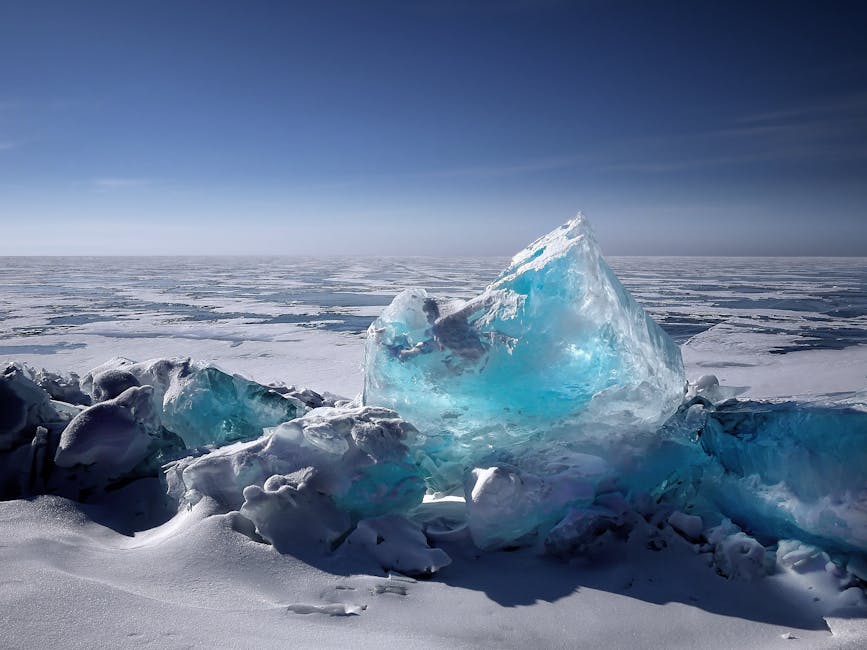
Arctic Amplification: The Arctic region is warming 3-4 times faster than the global average.
-
European Warming: Europe’s average temperature has risen by 2.4°C above pre-industrial levels, surpassing the global average of 1.3°C.
-
2024 Records: 2024 was the warmest year on record for both the planet and Europe. Southeastern Europe experienced its longest heatwave, and the number of ‘cold stress days’ was the lowest ever.
-
Albedo Effect: Melting Arctic ice reduces the albedo effect (reflection of sunlight), leading to increased absorption of solar radiation by darker surfaces (water/land) and accelerated warming.
-
Regional Differences: Eastern Europe was warmer and sunnier, while
23.7 24.8 41.5 48.3 47.8C117.2 448 288 448 288 448s170.8 0 213.4-11.5c23.5-6.3 42-24.2 48.3-47.8 11.4-42.9 11.4-132.3 11.4-132.3s0-89.4-11.4-132.3zm-317.5 213.5V175.2l142.7 81.2-142.7 81.2z"/> Subscribe on YouTube
Arctic Warming
Aerosol Reduction: Reduced aerosol emissions in Europe, while improving air quality, contribute to faster warming as aerosols scatter sunlight, reducing heat absorption.
Contributing Factors: Other factors driving Europe’s faster warming include changes in atmospheric circulation causing more heatwaves, higher sea-surface temperatures, urban heat island effect, and glacier melting.
Global Impacts: Arctic Amplification disrupts jet streams, increases extreme weather events globally, and accelerates sea level rise.
Vulnerable regions: Europe has the largest inhabited landmass in the polar region.